Half the Trees In The World have Been Wiped Out by Us!

A massive ecological study in the journal Nature, offers the very first data-driven global tree census. According to this, we started out with approximately 3.04 trillion trees- roughly 422 per person. This is about seven times the number we had calculated in our previous global estimate. But, this happy mistake will soon be more or less nullified if we humans continue the way we have come; the world’s trees have been reduced to 54% of their original number by abusing humans.

Deforestation

The procedure for the global estimate was to collate 429,775 ground-sourced measurements of tree density from every continent on Earth (except Antarctica). Combining these field measurements with satellite data on climate, topography, and human land use, a constructed a series of models predicting tree density worldwide at the resolution of a single square kilometer were drawn out. Combining this resultant models with the spatial maps of forest cover loss, the study’s authors estimate that humans are currently removing some 15.3 billion trees from the planet each year. Loss has been more towards the tropics, which also hold majority of the forest cover, about 13.9 trillion. Loss of 10 billion/year is softened somewhat by recovery in the temperate region.

“I didn’t expect human activity to come out as the strongest control on tree density across all of the biomes [habitat types], lead study author Thomas Crowther told The Guardian. “It was one of the dominant regulators of the number of trees in almost all of the world. It really highlights how big an impact humans are having on the Earth at a global scale.”

For those of you not familiar with the benefits that make trees indispensable to human life, they give us oxygen, prevent soil erosion, bring rain, have medicinal value, is a source of livelihood for million across the globe. We if lose trees, we lose the ability the ability to breathe, harvest crops and control carbon gas emission among other things.

forest

“We’ve nearly halved the number of trees on the planet, and we’ve seen the impacts on climate and human health as a result,” lead study author Thomas Crowther said. “This study highlights how much more effort is needed if we are to restore healthy forests worldwide.”

Simply put, we stop acting out on trees, before they start acting.

[adinserter block=”7″]

Author: Technology Blog

NASA and Arx Pax to build a “Magnetic Tractor Beam”

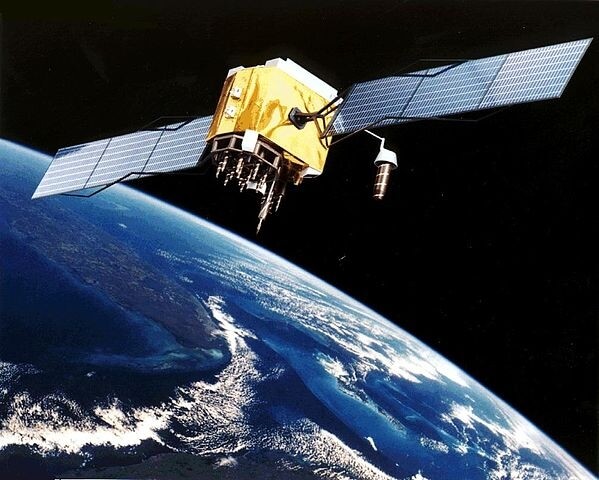
Arx Pax, who boasts of its amazing technology called ‘hovercraft’ is entering in a new partnership with NASA. NASA wants to use its hover-engine technology to catch and manipulate micro-satellites. They plan to do this with the help of a ‘tractor beam’ which they are trying to build together.

satellite

The company has patented its Magnetic Fiels Architecture (MFA) technology, the principle of which is: a ‘hover engine’ generates swirls of electricity in a conductive surface, which in turn produces a concentrated magnetic field. Another conductive material is placed below. The concentrated magnetic field induces an opposing field in this material causing it to lift from its place.

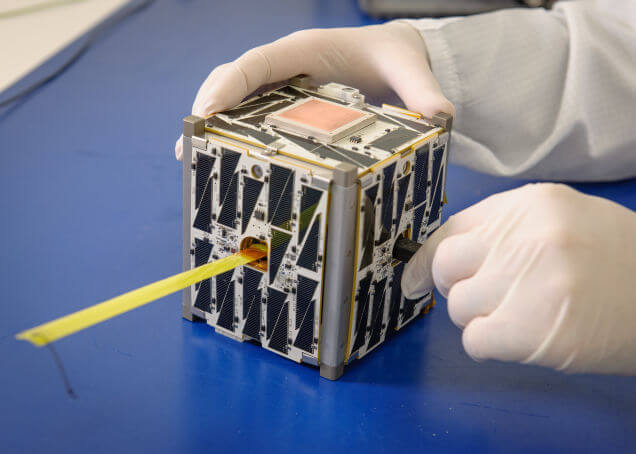
It was clear from the beginning that Arx Pax had something bigger in mind concerning MFA viz. Levitating houses to protect them from earthquakes or using magnetic fields to attract satellites to one another. Arx Pax CFO Greg Henderson informed, “What we are providing NASA is a way of manipulating objects in space without touching them.” At this stage, the focus of this partnership is to link up cubesats (lightweight, 10X10 cm satellites used to monitor the earth).

1412111500290329159

Henderson added: “We are trying to figure out how do you link cubesats together, connect them and move them around relative to one another.” Since it is too early to comment on how this partnership is planning to power the tractor beam, nothing much can be said. But if we ever succeed fully in a huge tractor beam, then we would be able to trot around the universe with the help of well-connected satellites.

As a technology lover you may like our daily important technology news series. It’s a playlist and you can retrieve the total day-wise videos. Please consider subscribing our YouTube channel:

Author: Technology and Beyond

Cosmic hitchhiking: Inspired from fishing

What if just like a fish you could throw a line at a comet, and reel it in towards yourself like a fish? Funny and imaginative… right? Well NASA has really found its inspiration from this same concept.

hitchhiker20150901b

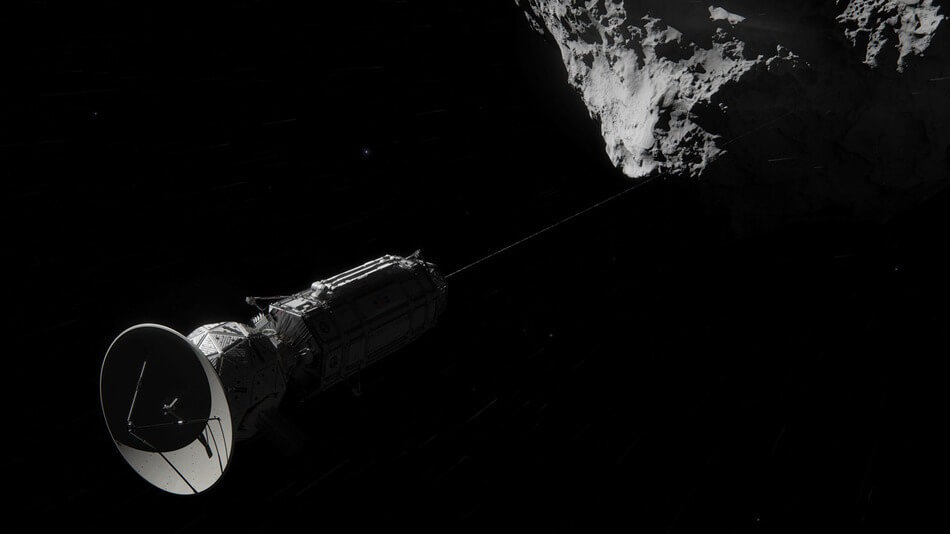
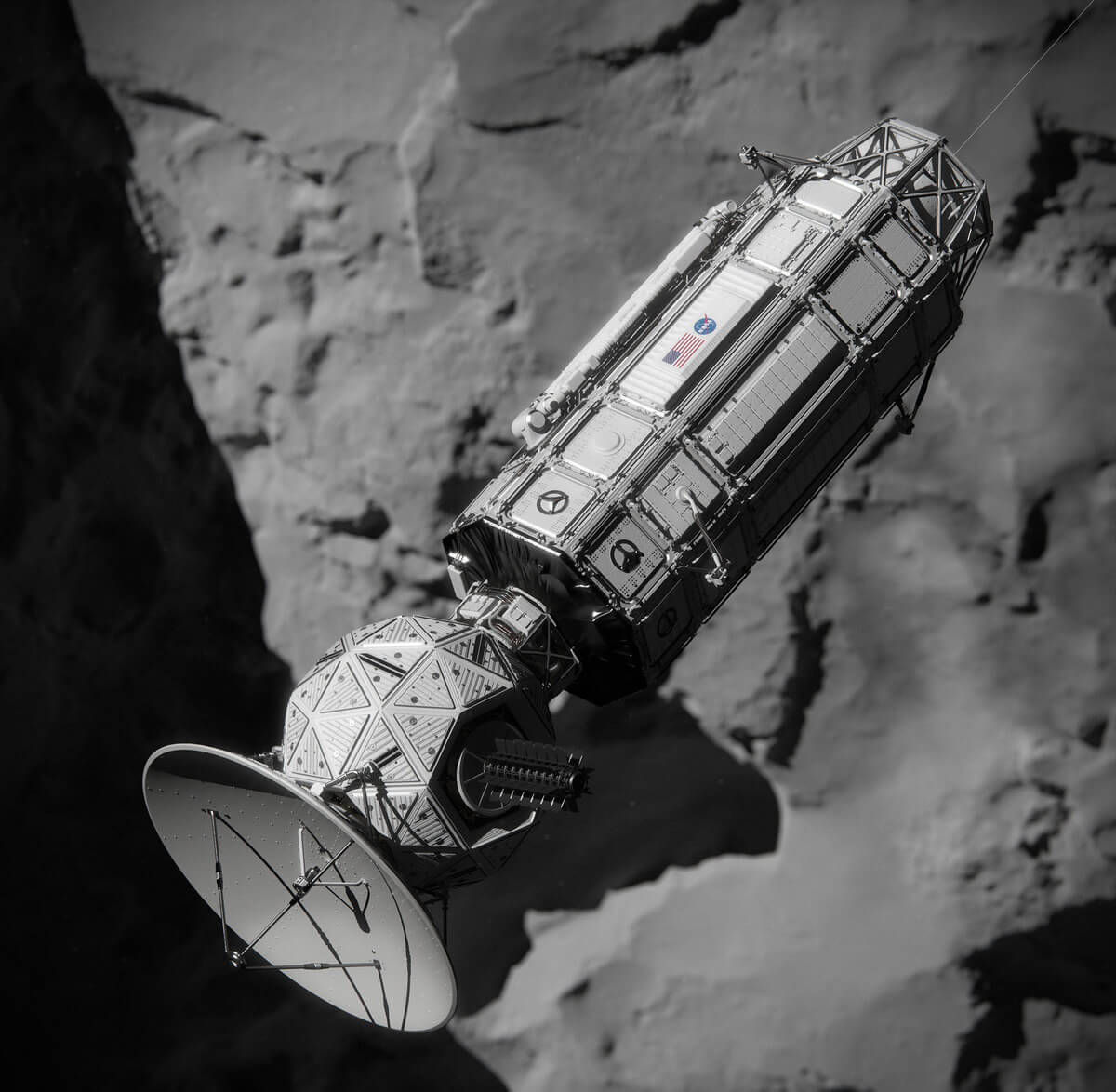
Developing a new concept ‘Comet Hitchhiker’ NASA wants to use a tether and harpoon to reel a robotic spacecraft in for a landing on a comet or asteroid. This would allow the small craft to land on the smaller celestial bodies and study them from close quarters. This in turn would help scientists learn about the universe, the earth and how life started on it.

Theoretically it may sound easy but it is going to be a far more technical and calculative work because in order to land on a comet or asteroid, the Hitchhiker would have to shoot its harpoon into the body of the celestial body and then reel itself in, just like fishing. These kinds of plans can be extremely beneficial for those missions where landing on low-gravity objects is a requirement.

Screen-Shot-2015-09-03-at-11.36.57-PM

The concept is still at its nascent stage and scientists are still trying to test the feasibility of it by using some supercomputer simulations. But if the concept succeeds on the required essential parameters, then we really do have an amazing concept in our hands.

[adinserter block=”7″]

Author: Technology Blog
Bluetooth has an alternative wireless transmission system now

When it comes to short range wireless communication, Bluetooth beats one and all. But despite being the king in this area, it comes with its own limitations. It works efficiently only when there is a clear air path between the two devices; it requires a significant power boost to push the signal through obstacles like the human body, known as “path loss”.

2-wirelessdata

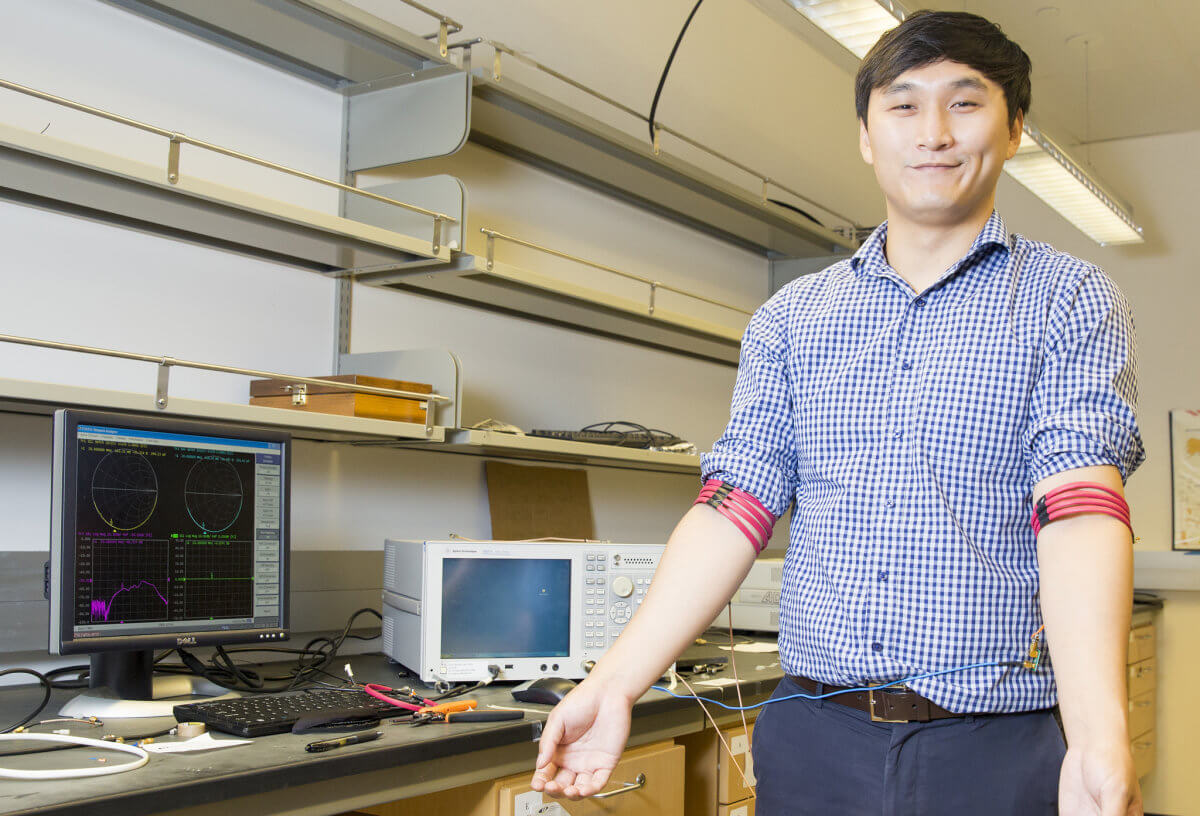
Now a team of researchers from the University of California, San Diego have announced that they had developed a proof-of-concept wireless transmission system that is both more efficient and more secure than Bluetooth. It works by sending data signals through your body’s natural magnetic field instead of over the air and could lead to a new class of ultra-low power wearables.

And because it can send signals through the body, the research team estimates that the path loss associated with this technique is roughly 10 million times lower than Bluetooth. This in turn translates into longer battery lives and significant energy savings. In the prototype, PVC-wrapped wires coiled around the user’s extremities generated magnetic fields that transmitted signal between the various body parts. This system also offers increased security over existing wireless standards.

2-wirelessdata

UCSD Ph.D student and lead author Jiwoong Park said in a statement: “A problem with wearable devices like smart watches is that they have short operating times because they are limited to using small batteries. With this magnetic field human body communication system, we hope to significantly reduce power consumption as well as how frequently users need to recharge their devices.” Science is really full of wonders, isn’t it?

[adinserter block=”7″]

Author: Technology Blog
A wearable mouthguard for monitoring diabetes

Till now, patients suffering from hyperuricemia, used to get their uric acid levels checked only by multiple blood samples and this could be really bothersome if there are wide fluctuations in a person’s uric acid levels in a short span of time. But there is some good news for those who have this problem.

396610-mouthguard

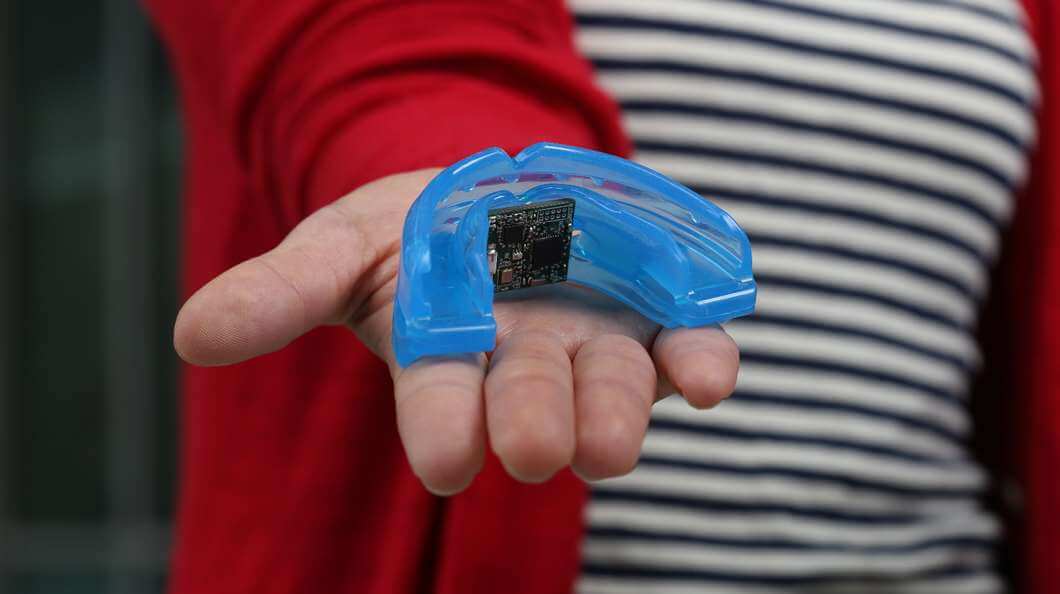
Scientists at the University of California, San Diego have developed a mouthguard that could provide continuous readings of users’ health markers including lactate, cortisol and uric acid. It has variable uses like monitoring the well-being of diabetics, tracking the performance of athletes or detecting stress in soldiers. The current version developed by professors Joseph Wang and Patrick Mercier, though is designed specifically to check wearer’s uric acid levels.

How does it work? Well, it has a penny size circuit board which contains a screen printed sensor that incorporates silver Prussian blue ink and an enzyme known as uricase. When the uricase is exposed to uric acid in the user’s saliva, there is a reaction which results in the formation of hydrogen peroxide, which subsequently reacts with the ink.

p16holesmouthguard1_zpsc1ce7ec7

This in turn produces an electrical signal, which is digitized and then wirelessly transmitted to a smart phone or tablet for analysis. So far the mouth guard has given accurate results but in lab tests, the saliva samples were simply spread on the sensor. So the efforts are now moving in the direction of miniaturizing the electronics of this device so that it can be worn continuously in the mouth and hopefully this miniaturised version will be complete in a year.

[adinserter block=”7″]

Author: Technology Blog
Now, Smartphone can Detect How Bored you are!

A series of studies conducted by several researchers at Telefonica Research in Barcelona, Spain, have led to be coding of an algorithm that can determine your mental state and figure out if you are bored.

screen_shot_2015-09-02_at_10.29.54_am

Over a period of two weeks, people were studied on how intensely they used their phones, and how many apps they accessed when they were bored. Both of these factors tend to increase when the state of boredom sets in. The researchers found that looking at this kind of data gave a reliable prediction of boredom as often as 83% of the time.
After the algorithm was coded and introduced in the smartphones, it analysed when the user seemed bored. It then sent out notifications at that exact time. For example, to check out an article on BuzzFeed. People who were sent out notifications on this basis were much likely to click on the link, then the user who were randomly targeted.

shutterstock_234142087_story

Such a function on our smartphones will help us utilize our time better. Although, it would be tricky to get people to agree to use an app or service that analyzes lots of data about their phone behavior. Moreover, M. Ehsan Hoque, an assistant professor of computer science at the University of Rochester who co directs the school’s human-computer interaction lab, says that this may not capture “true boredom,” as our mental states are often subconscious.

[adinserter block=”7″]

Author: Technology Blog
These Water-Holding Trees are Firefighters

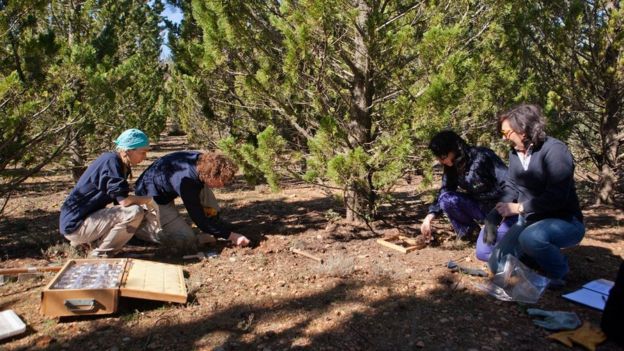
Dry, humid climates often lead to the worst kind of, unpreventable forest fires. These devastating ignitions have an adverse effect on the biodiversity of an area, and can set back the fauna and flora growth by more than a decade.

_85313265_85313264

But it took the fire of 2012, for the researchers to discover the planted varieties of Mediterranean cypress trees (Cupressus sempervirens) in Spain. These varieties were introduced locally to test how different varieties of the species would handle exposure to a deadly pathogen.
“When we got there we saw that all the common oaks, holm oaks, pines, and junipers had completely burnt. But only 1.27% of the Mediterranean cypresses had ignited,” study author Bernabé Moya told BBC Mundo.

Turns out, the green patches of cypress have the ability to store high amounts of water content in their leaves. This ability persists even in very hot and dry environments. What’s more, the fallen leaves from the tree retain their moisture content and create inhospitable conditions for flames. Trees like aspen or cottonwood are fire-resistant, but their dry, fallen leaves put them at a fire risk.

_85303238_85303237

Researchers are further delving into the chemical properties of cypresses, while planning to plant these as firebreaks in the Mediterranean region.

[adinserter block=”7″]

Author: Technology Blog

Now, your navigation device can change its shape to point in the right direction

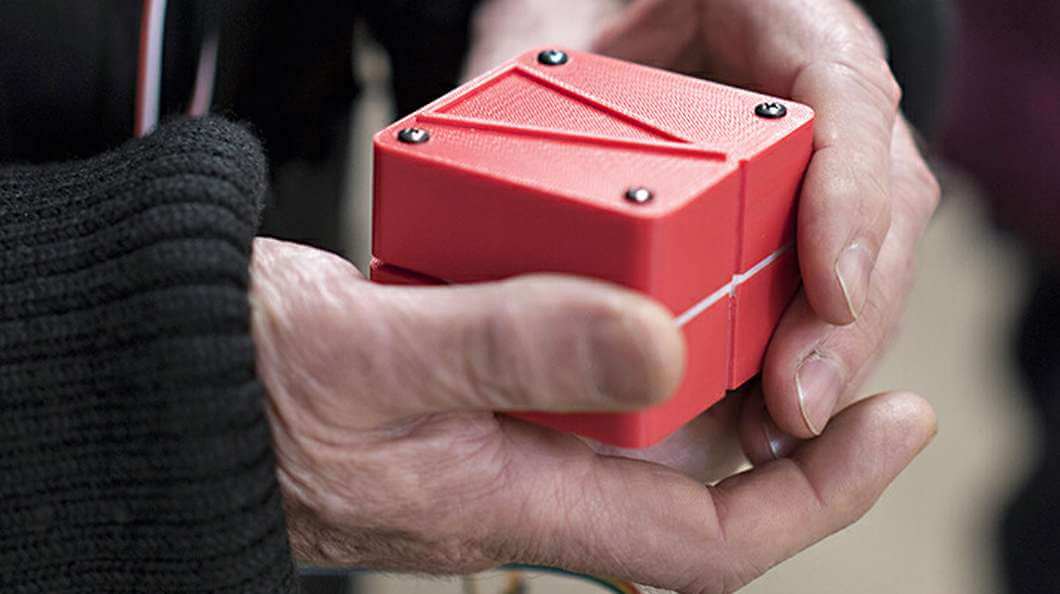
Human beings by nature are travellers. They have to move around a lot in order to earn their bread, meet their loved ones or even to enjoy themselves. So they come across situations when they want to know the correct path to reach their destination. Of course, there is Google Maps, but what if you had a navigation device that told you about the right path by shifting its shape? Introducing “Animotus” developed by Yale engineer Adam Spiers: a wirelessly connected, 3-D printed cube that acts like a hectic compass.

points-street-sign-2@2x

This device in order to point in a particular direction uses the top half of the cube. When it wants to point in a direction, the top half of the cube twists around towards their next destination and then slides forward to give a relative indication of the distance to get there. Thus, instead of repeatedly looking at the device one could actually find their way by just touching the device.

Spiers had designed this device when he was involved in an interactive play based on Edwin A. Abbott’s 1884 story, Flatland.  As part of the production,  audience members – both sighted and visually impaired – were kept in complete darkness and walked four at a time though the performance space with narrative voice-overs and sound effects telling the story as they wandered through.

In their hands, each participant held an Animotus that guided them by changing shape to point them in the right direction. With a multi-sectioned body created in a 3D printer, that Animotus alters shape in response to wireless instructions to indicate the user’s position in their environment. There were many trial and errors to get this device right, as there are almost negligible studies on the subject of shape-shifting navigation systems.

CNVmMp3UAAADXzR

Spiers has a strong belief that this navigation device, Animotus can find great use in the world outside the theatre, especially as a silent guide for walkers and trekkers which would enable them to enjoy the environment around them without bugging them with vibrations and sounds. Spiers says: “The simple idea is that when you’ve arrived at your target destination, it becomes a little cube again.” Hope this idea clicks as simplicity always does!

[adinserter block=”7″]

Author: Technology Blog
Squid Teeth Protein Makes for Self-Healing Polymer

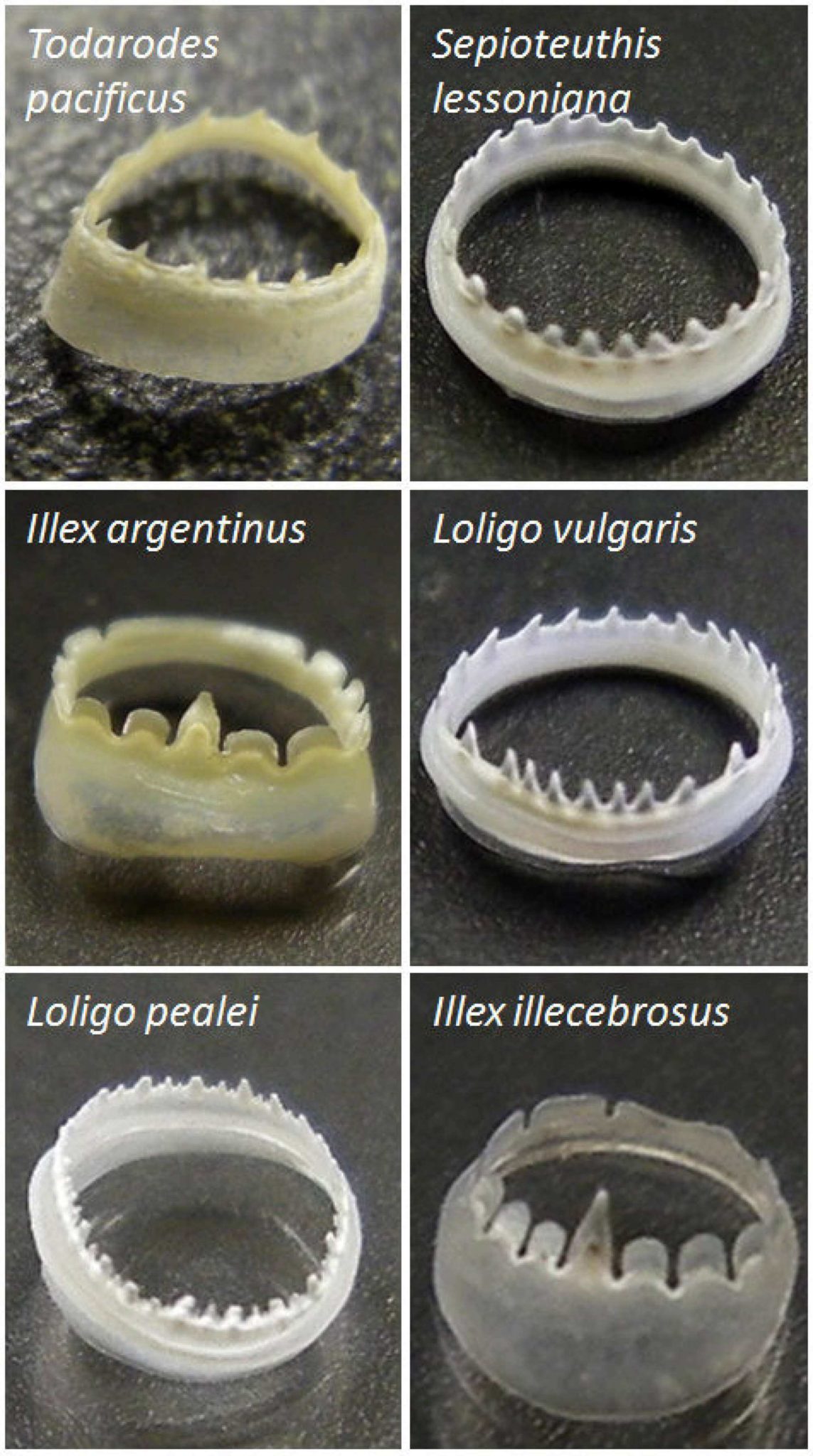
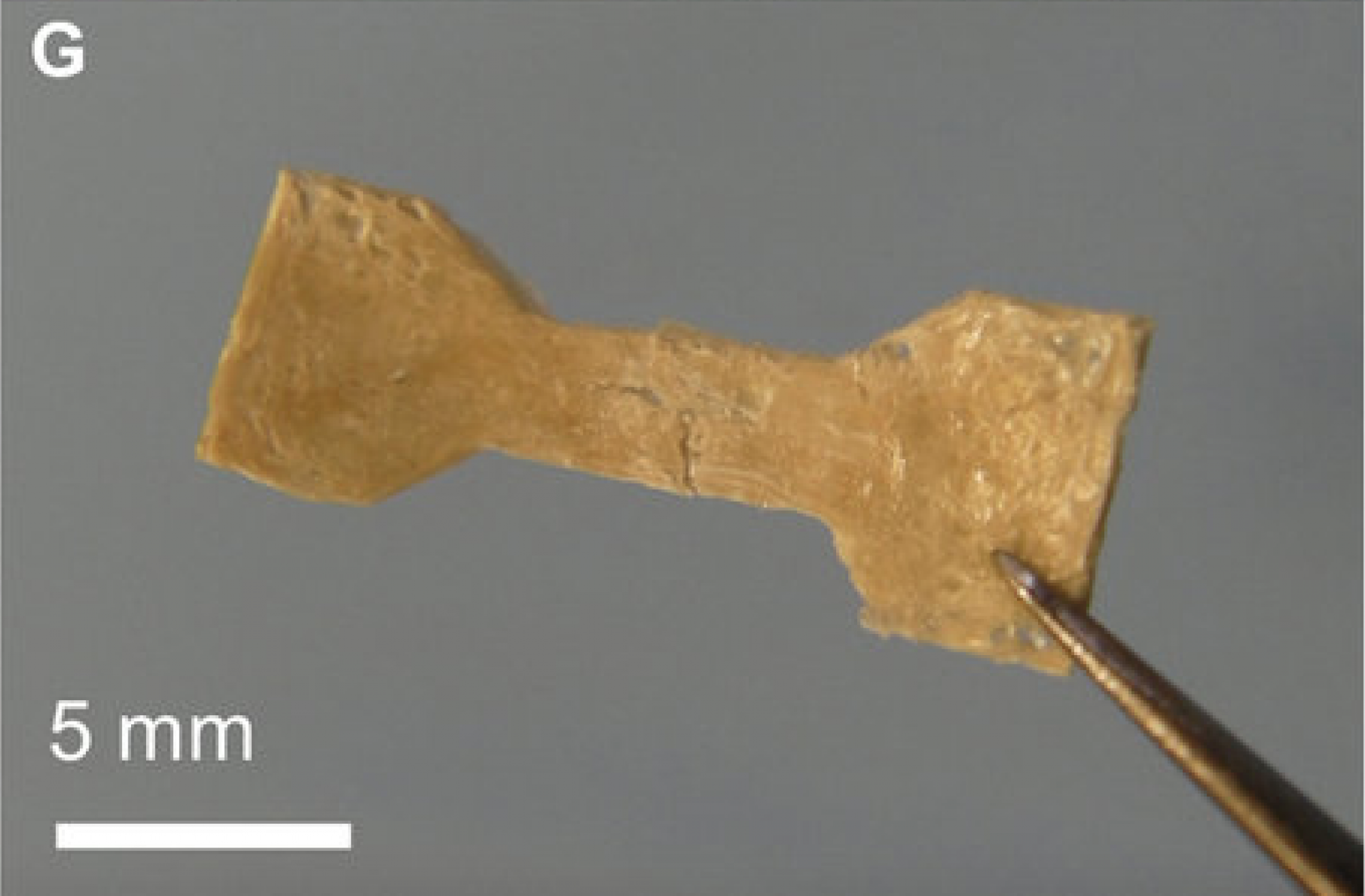
A strong, self-healing polymer has been inspired from squid teeth. Teeth samples from different squid species all over the world were studied for their amazing self-healing property by a team of researchers led by engineers from the University of Pennsylvania. The protein that enabled this healing was recovered, and can find applications in several devices in water-filled environments that are difficult to access.

apf_srtspecies

Squid teeth rings can phase from liquid to solid in water, this ability allows the teeth to selfheal. By decoding the genetic code that codes for this protein, a polymer has been created which is super-strong and requires minimal management on the breakage front.

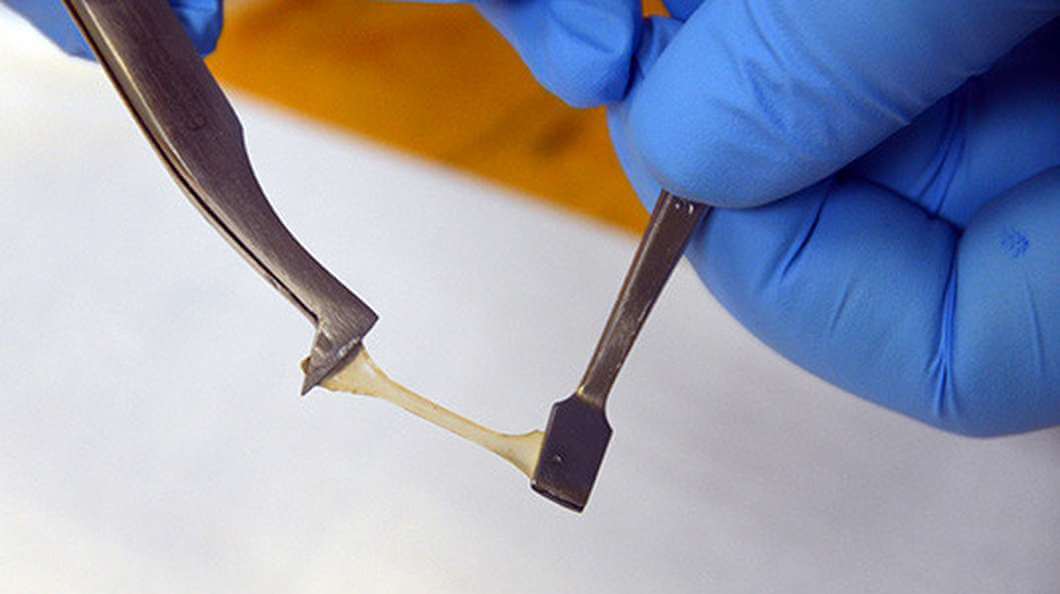
This material was able to reattach on its own with just a drop of water and some heat, after it was cut into two. The material was found to heal best at 113 degrees Fahrenheit, a little warmer than the temperature of the human body, and with slight pressure from a metal tool. The reformed material worked just as well to left the same amount of weight as before.

Using biotechnology, bacteria was able to code for the very same protein for further research. The researchers made the proteins into a rubbery plastic by mixing them with a solvent and letting the solvent evaporate. The new material combines a soft, amorphous part of the protein that gives the plastic its self-healing properties, and a more structured sheet of amino acids give it a solid structure.

screen_shot_2015-09-02_at_11.16.03_am

This polymer could find use in biomedical implants, or hard-to-access fiber optic cables on the ocean floor that need repairs. The tests are yet to see if the material is degraded in the constant presence of water. Further course of study is the feasibility of this material in wound healing.

[adinserter block=”7″]

Author: Technology Blog

Plastic is everywhere; It’s unfortunately a Staple Diet for Seabirds

Studies have estimated that there could be up to 580,000 fragments of bags, bottle caps and plastic fibers per square kilometer of ocean. Up to 90% of marine birds alive today may have ingested plastic, and by 2050, that number could be as high as 95%. The Great Pacific Garbage Patch, a disgusting vortex of LEGOs, toothbrushes, synthetic cushions and other non-degradable waste products spanning a region larger than Texas, is only a testimony to the fact of how little we care about other life on the planet except us.

TOP PLASTIC

The previous literature on avian plastic ingestion rates, published between 1962 and 2012, indicated an average of 29% of birds had plastic in their gut. With advancements in computing and tracking technology, that amount is currently estimated to be 90%.

On opening up these marine dwellers, whole chunks of plastic items, toys can be found. They ingest large quantities of plastics, and small fragments alike, and unknowingly die a swift and painful death. Plastics can concentrate organic pollutants to levels a million times greater than those found in surrounding seawater.

We think we are making progress towards a better society but we are really just degrading the planet that let us prosper. With our plastic production rates doubling every 11 years, it is a calculated guess that between 2015 and 2026, humans will produce as much plastic as we have since plastic manufacturing began. A large fraction of that used and thrown away plastic will find its place in oceans and marine animals’ guts.

“Projecting patterns in the literature forward using our fitted regression models, we predict that plastic will be found in the digestive tracts of 99% of all seabird species by 2050 and that 95% of the individuals within these species will have ingested plastic by the same year,” the authors, Chris Wilcox(lead) and Denise Hardesty write.

The solution? Please, we all know it. Ban plastic. Is anyone brave enough to follow through? The middle ground then; only throw away plastic as last resort. Use it till you can’t use it anymore.

MID BIRD

Even simple measures can make a difference,” Hardesty said. “Efforts to reduce plastics dumped into the environment in Europe resulted in measureable changes in plastic in seabird stomachs in less than a decade. This suggests that improvements in basic waste management can reduce plastic in the environment in a really short time.”

[adinserter block=”7″]

Author: Technology Blog
A pillow that’s actually cool!

Was there a time in this summer when you woke up from your sleep feeling hot? Then there is a pillow especially for you. This pillow known as the ‘Hibr pillow’ is the product of a successful Kickstarter campaign. It is basically a memory foam pillow that promises a cooler sleep.

hibr-cool-pillow-2-2-970x647-c

And how does it do this? It is made of a special material which regulates your body temperature while you are sleeping and it achieves this feat with the help of certain capsules embedded in the foam of the pillow. These are basically bidirectional thermo-regulating capsules,that change their phase when heated up. Depending on what kind of microclimate is around the pillow, it either absorbs or releases heat. There is a gel of layer that keeps the surface of the pillow cool.

The pillow comes covered in a soft, zippered pillow case probably to help regulate the airflow. Only one side of the pillow has the cooling function: the blue side. The other; white side is just like any other normal pillow.

HIBR-Cover815

It comes in three varieties: simple (which is actually just like a traditional pillow), side (bit like a neck pillow you see at airports) and the silhouette (the contour is dipped in the middle to aid those who have sleep disorders). The pillow also gives a faint chemical like smell when you sleep on it. It is priced at $79 dollars- a pricey one! But what not would you pay to barter a good night’s sleep? Right?

[adinserter block=”7″]

Author: Technology Blog

3-D printed edible gummy have entered the real world

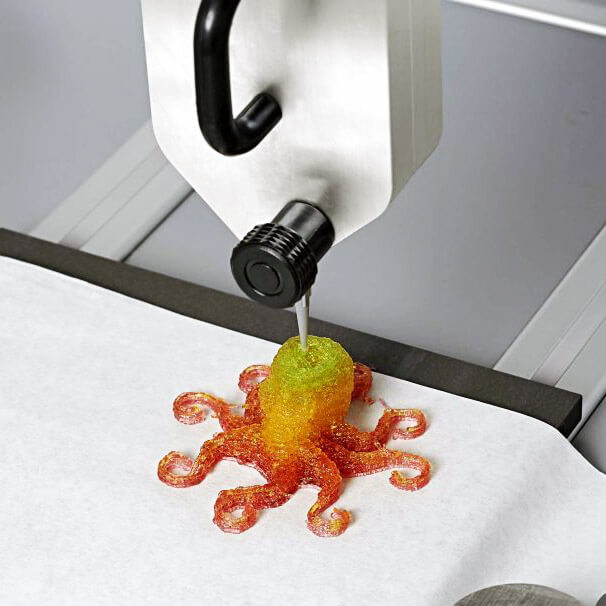
The first 3-D printed food to make an entry into the real world has finally arrived. No, it is not some royal delicacy but our humble gummy! German candy company Katjes has unveiled the first ever 3D printer for gummies and it is first in the category of 3D food which will ‘actually’ be available for general public.

wpid-lego-5

The printer has been aptly named as the Magic Candy Factory. It prints out Sour Power-esque strings of candy, which when layered produce 3 D shapes. The printer takes only five minutes to make the candy. The gummies that come out are gluten-free and vegan. You can choose and customise your candy out of the ten fruity flavours and colours available.

There is also a ‘rainbow’ option that lets you select your favourite combination of colours for the candy. The candies can be printed in various animal shapes. There’s also an option of printing the candies in the shape of your favourite letter or letters.

magic-candy-factory-gummy-3D-printer-from-katjes

Consumers can also put in their suggestions regarding the new shapes to be made by the factory, on their official website. Whatever may be the date of arrival of the candies, children surely would love these gummies.

[adinserter block=”7″]

Author: Technology Blog

China Committed to Decrease Pollution with Artificial Intelligence

China’s air pollution has reached the average level of airborne particulates limit recommended by the World Health Organization, and crossed it to two and a half times more. China thus took the initiative to improve the air quality 10 percent, by 2017, through the Airborne Pollution Prevention and Control Action Plan. For this, IBM researchers have come up with an artificial intelligence that is perfect for this purpose.

977391e10afb137c511be4729d780cea

The project, dubbed Green Horizon, uses “cognitive computing” i.e., extracts relevant data from various different models, and uses this to predict the severity of air pollution in different parts of the city several days in advance. The system also uses “adaptive machine learning” to determine the best combination of models to use.

“We have built a prototype system which is able to generate high-resolution air quality forecasts, 72 hours ahead of time,” says Xiaowei Shen, director of IBM Research China. “Our researchers are currently expanding the capability of the system to provide medium- and long-term (up to 10 days ahead) as well as pollutant source tracking, ‘what-if’ scenario analysis, and decision support on emission reduction actions.”

smog

The air pollution can vary on a day-to-day depending on various factors including traffic, industrial activities and weather conditions. This system can predict these changes and recommend on how to lessen the pollution, for example, by closing down a street for a day, or minimizing the work in a factory for a week. The project also highlights an application of the technology that IBM would like to export to other countries where pollution is a growing problem.

[adinserter block=”7″]

Author: Technology Blog

EmDrive: The Physics-defying technology of space propulsion

You may not be one of those people interested in any news related to space propulsion, you still might have heard about EmDrive from a friend or a friend of friend or some unknown geek talking to some other person in the tube. EmDrive is taking the space propulsion world by a storm.

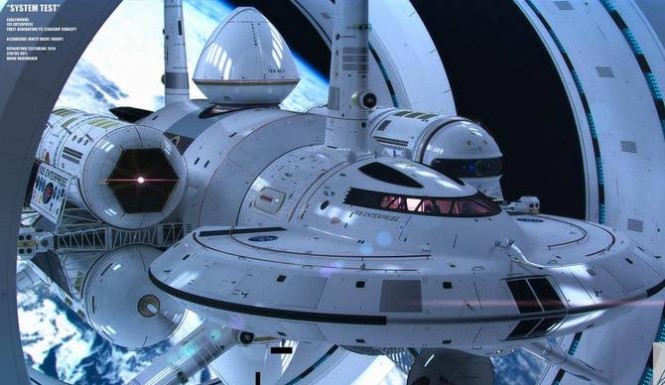
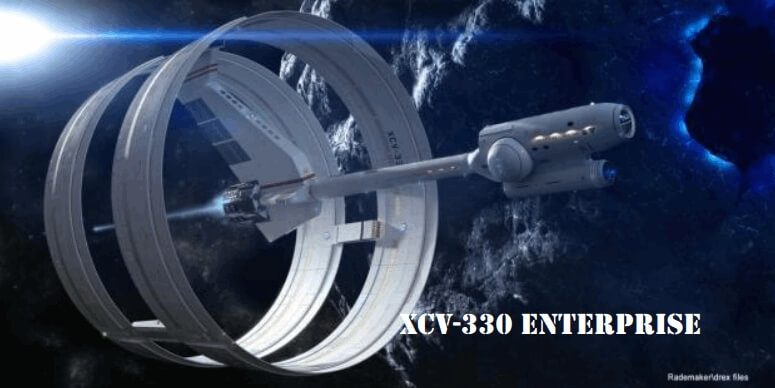
Starship-670-665x385Tall claims have been made about it being a historic technology that even defies the laws of Newton and that it can change the face of space propulsion entirely. It has also been claimed that reaching far off stars, planets and celestial bodies would become much faster once this technology is used in space propulsion.

Now what exactly is EmDrive? A mystery in itself. An aerospace engineer, Roger Shawyer had first designed this in 2001.According to Shawyer, this technology is a propellant-less propulsion system, that is the engine doesn’t use fuel to cause a reaction. This hypothetical drive removes the need for fuel leading to substantially lighter and cheaper spacecrafts.

Also this hypothetical drive is able to attain extremely high speeds. So where is the problem? The problem actually is its inconsistency with Newton’s law of conservation of momentum, according to which within a closed system, linear and angular momentum remain constant regardless of any changes that take place within said system that is, unless an outside force is applied, an object will not move.

1232381396342191717

It is actually a reaction-less device that is; it is proposing propulsion without any reaction (that is burning of fuel). An action (in this case propulsion of spacecraft) taking place without a reaction (in this case ignition of fuel and expulsion of mass) should be entirely impossible. And for such a thing to take place; we need to find a scientific ground which hasn’t been found as yet.

[adinserter block=”7″]

Author: Technology Blog

Astronaut on ISS would control robot on earth

Ever heard about force feedback in the case of robots? Well it is actually a technology by which a robot’s movements can be controlled and manipulated as if you are controlling and manipulating the movements of your hands. That is if a robot’s arm is to pick up a glass from a table, force feeding gives you the feeling that instead of just manipulating the robot it is actually your arm that you are manipulating in lifting that glass. This phenomenon is technically known as haptic or ‘The Science of Touch’.

nasa-space-station-telerobotics-test-1

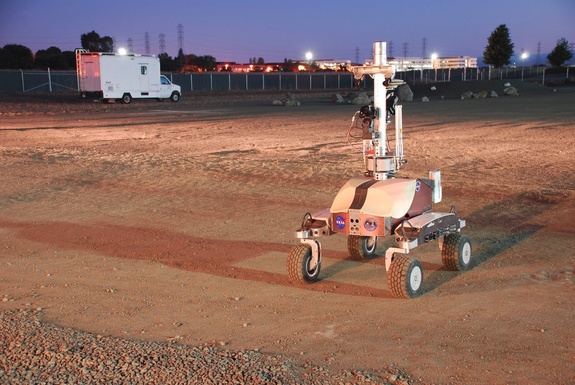
This coming month that is in September, an astronaut named Andreas Mogensen will attempt an important major experiment. He will control a super-precise robot here on earth using force feedback from aboard the ISS. The European Space Agency’s Telerobotics and Haptics Laboratory, which has developed a new type of rover called the Interact Centaur with two robotic arms that give force feedback to the operator in real-time.  But current robotic arm technology is not that refined for precise and nuanced work—so the ESA built Interact’s two arms with advanced force feedback, which the operating astronaut will feel thanks to a small “force reflective Joystick.” So, Interact Centaur is that robot which Mogensen will be controlling from the ISS.

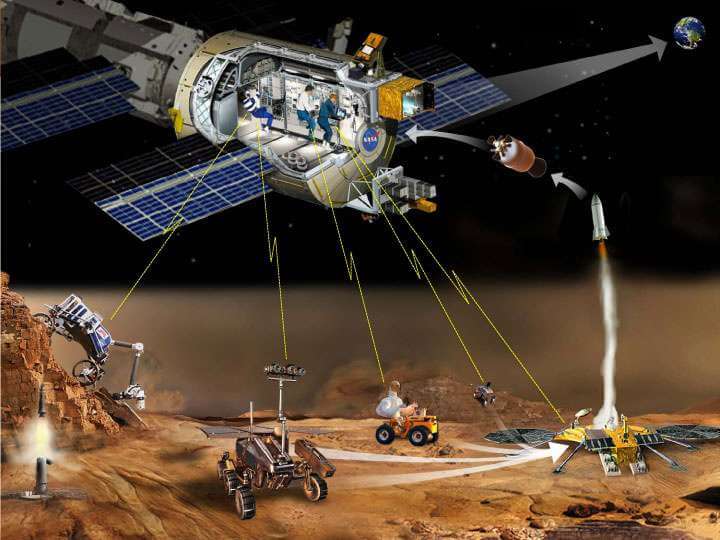
All this is being done keeping the big picture in mind, which is the Mars mission and the team wants to send Centaur on this mission. A rover that can be deployed and controlled by humans who remain in orbit will give an edge of advantage when it comes to future missions to explore distant planets, or even just Mars. Not only would it be safer than landing and re-launching human astronauts, but it would allow us to explore planets whose atmosphere or surface are inhospitable for humans.

Force feedback concept may sound easy or doable when you hear about it but it is actually a huge challenge as the operator has to use only his sight to control the robot without actually being able to feel what the robot is touching and holding as one doesn’t know how much force should one apply in case of fragile objects. The ESA (European Space agency) issued a statement regarding the mission of Andreas Mogensen: ‘Andreas, due to launch to the ISS on 2 September, will first attempt to guide the robot to locate an ‘operations task board’ and then to remove and plug a metal pin into it, which has a very tight mechanical fit and tolerance of only about 150 micrometres, less than a sixth of a millimetre.’

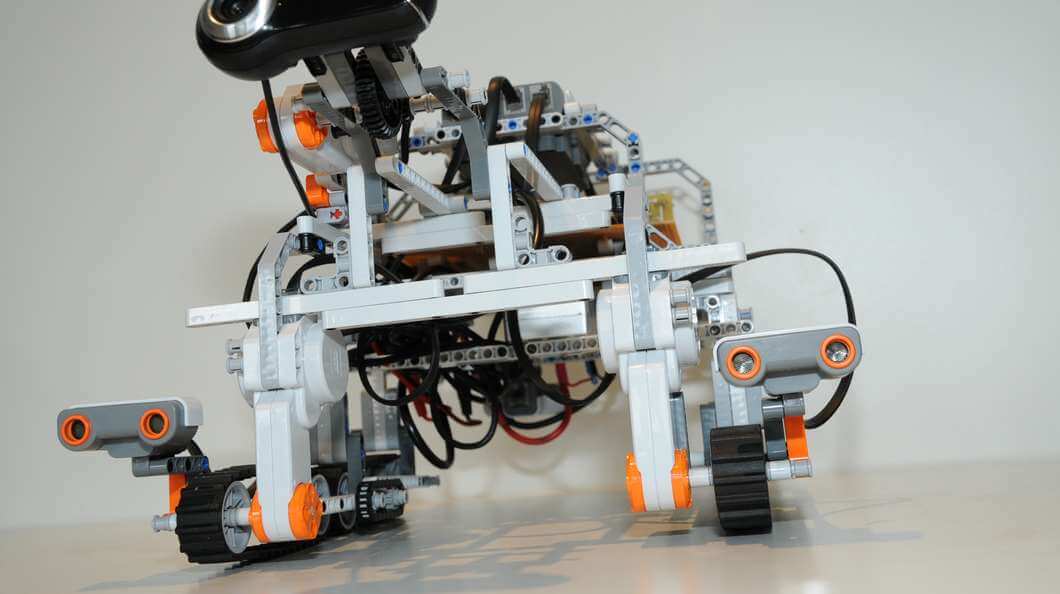
iss-lego-robot@2x

Centaur is one of the many rovers in line to be developed by ESA in the generation of force-controlled rovers, which are designed to feel more like extensions of one’s body irrespective of the distance between the bot and the operator. Great times ahead for sure!

[adinserter block=”7″]

Author: Technology Blog

Verified by ExactMetrics