Now, your navigation device can change its shape to point in the right direction

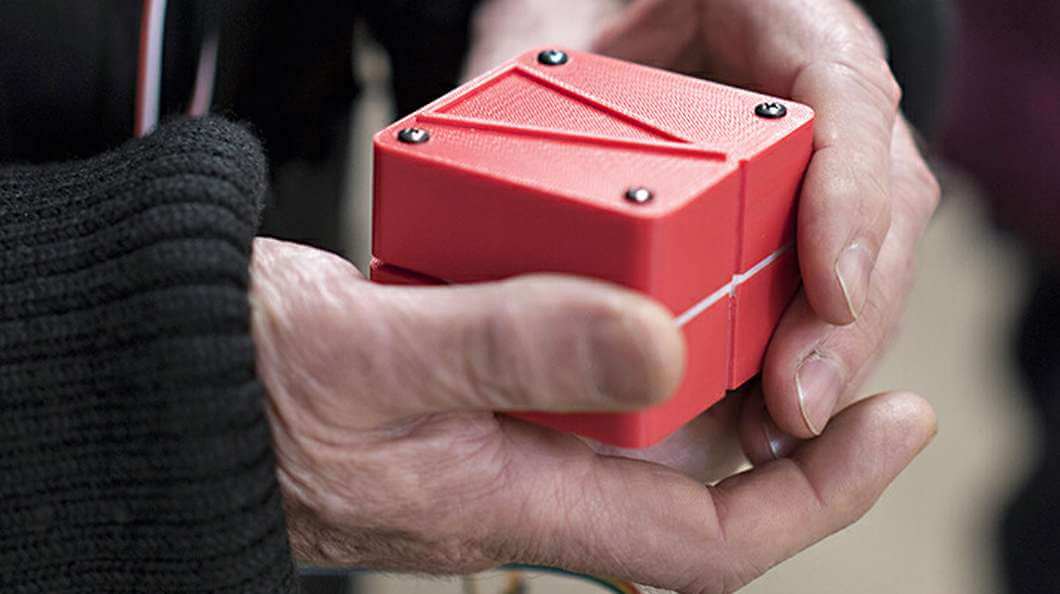
Human beings by nature are travellers. They have to move around a lot in order to earn their bread, meet their loved ones or even to enjoy themselves. So they come across situations when they want to know the correct path to reach their destination. Of course, there is Google Maps, but what if you had a navigation device that told you about the right path by shifting its shape? Introducing “Animotus” developed by Yale engineer Adam Spiers: a wirelessly connected, 3-D printed cube that acts like a hectic compass.

points-street-sign-2@2x

This device in order to point in a particular direction uses the top half of the cube. When it wants to point in a direction, the top half of the cube twists around towards their next destination and then slides forward to give a relative indication of the distance to get there. Thus, instead of repeatedly looking at the device one could actually find their way by just touching the device.

Spiers had designed this device when he was involved in an interactive play based on Edwin A. Abbott’s 1884 story, Flatland.  As part of the production,  audience members – both sighted and visually impaired – were kept in complete darkness and walked four at a time though the performance space with narrative voice-overs and sound effects telling the story as they wandered through.

In their hands, each participant held an Animotus that guided them by changing shape to point them in the right direction. With a multi-sectioned body created in a 3D printer, that Animotus alters shape in response to wireless instructions to indicate the user’s position in their environment. There were many trial and errors to get this device right, as there are almost negligible studies on the subject of shape-shifting navigation systems.

CNVmMp3UAAADXzR

Spiers has a strong belief that this navigation device, Animotus can find great use in the world outside the theatre, especially as a silent guide for walkers and trekkers which would enable them to enjoy the environment around them without bugging them with vibrations and sounds. Spiers says: “The simple idea is that when you’ve arrived at your target destination, it becomes a little cube again.” Hope this idea clicks as simplicity always does!

[adinserter block=”7″]

Author: Technology Blog
Squid Teeth Protein Makes for Self-Healing Polymer

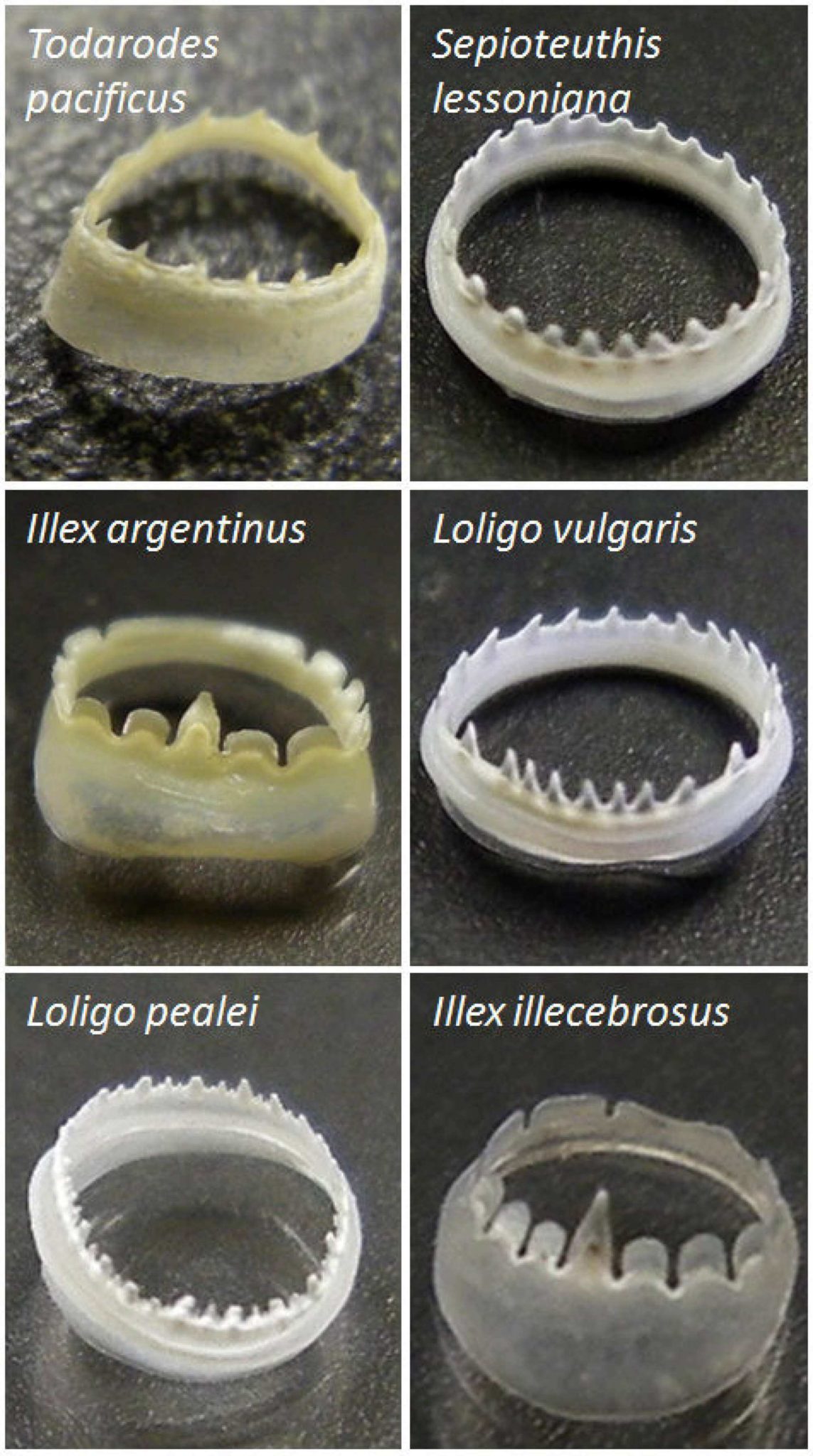
A strong, self-healing polymer has been inspired from squid teeth. Teeth samples from different squid species all over the world were studied for their amazing self-healing property by a team of researchers led by engineers from the University of Pennsylvania. The protein that enabled this healing was recovered, and can find applications in several devices in water-filled environments that are difficult to access.

apf_srtspecies

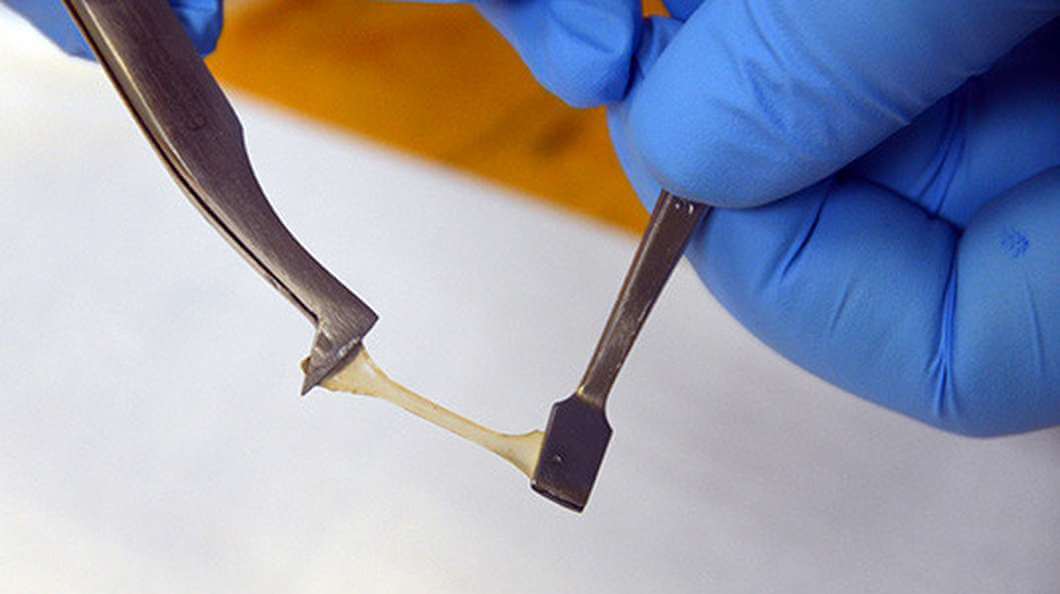
Squid teeth rings can phase from liquid to solid in water, this ability allows the teeth to selfheal. By decoding the genetic code that codes for this protein, a polymer has been created which is super-strong and requires minimal management on the breakage front.

This material was able to reattach on its own with just a drop of water and some heat, after it was cut into two. The material was found to heal best at 113 degrees Fahrenheit, a little warmer than the temperature of the human body, and with slight pressure from a metal tool. The reformed material worked just as well to left the same amount of weight as before.

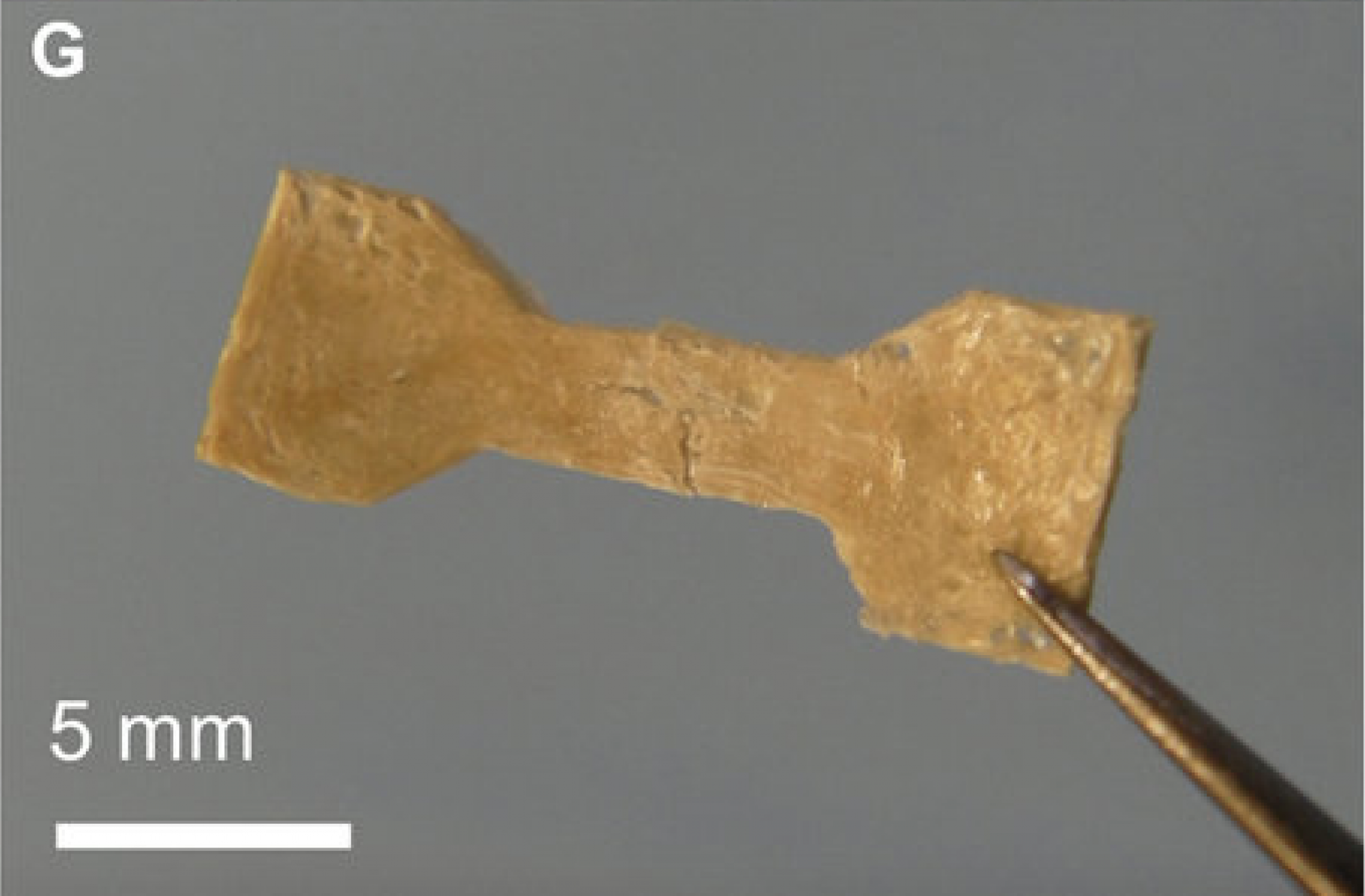
Using biotechnology, bacteria was able to code for the very same protein for further research. The researchers made the proteins into a rubbery plastic by mixing them with a solvent and letting the solvent evaporate. The new material combines a soft, amorphous part of the protein that gives the plastic its self-healing properties, and a more structured sheet of amino acids give it a solid structure.

screen_shot_2015-09-02_at_11.16.03_am

This polymer could find use in biomedical implants, or hard-to-access fiber optic cables on the ocean floor that need repairs. The tests are yet to see if the material is degraded in the constant presence of water. Further course of study is the feasibility of this material in wound healing.

[adinserter block=”7″]

Author: Technology Blog
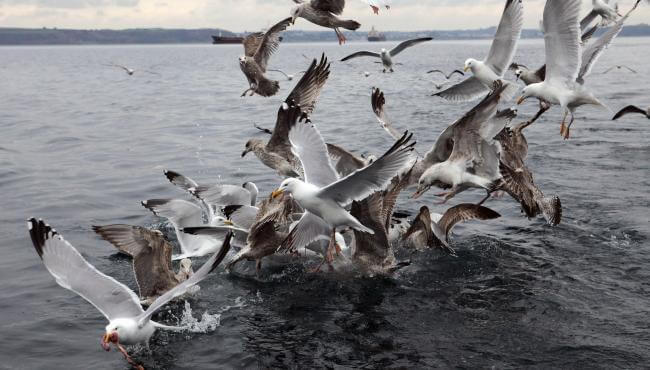
Plastic is everywhere; It’s unfortunately a Staple Diet for Seabirds

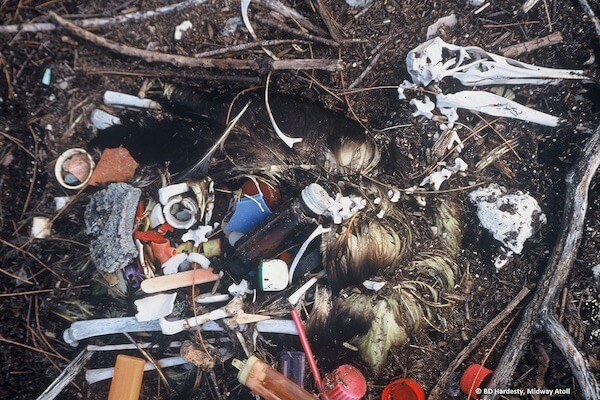
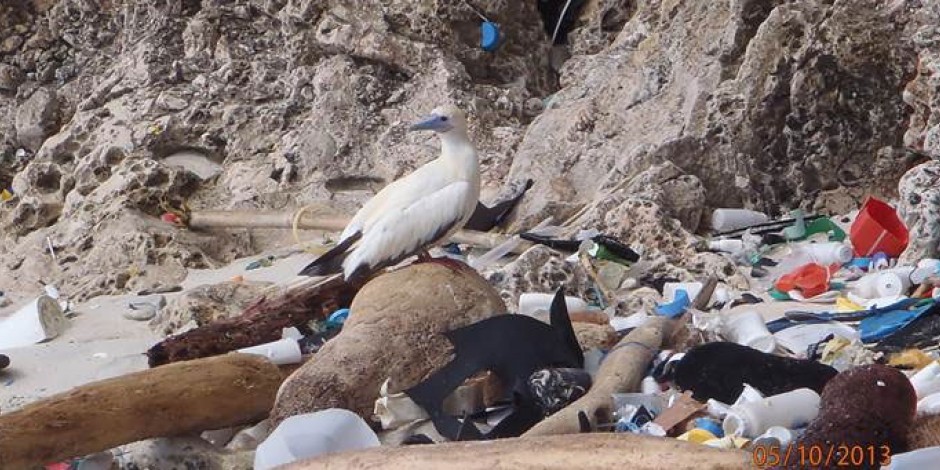
Studies have estimated that there could be up to 580,000 fragments of bags, bottle caps and plastic fibers per square kilometer of ocean. Up to 90% of marine birds alive today may have ingested plastic, and by 2050, that number could be as high as 95%. The Great Pacific Garbage Patch, a disgusting vortex of LEGOs, toothbrushes, synthetic cushions and other non-degradable waste products spanning a region larger than Texas, is only a testimony to the fact of how little we care about other life on the planet except us.

TOP PLASTIC

The previous literature on avian plastic ingestion rates, published between 1962 and 2012, indicated an average of 29% of birds had plastic in their gut. With advancements in computing and tracking technology, that amount is currently estimated to be 90%.

On opening up these marine dwellers, whole chunks of plastic items, toys can be found. They ingest large quantities of plastics, and small fragments alike, and unknowingly die a swift and painful death. Plastics can concentrate organic pollutants to levels a million times greater than those found in surrounding seawater.

We think we are making progress towards a better society but we are really just degrading the planet that let us prosper. With our plastic production rates doubling every 11 years, it is a calculated guess that between 2015 and 2026, humans will produce as much plastic as we have since plastic manufacturing began. A large fraction of that used and thrown away plastic will find its place in oceans and marine animals’ guts.

“Projecting patterns in the literature forward using our fitted regression models, we predict that plastic will be found in the digestive tracts of 99% of all seabird species by 2050 and that 95% of the individuals within these species will have ingested plastic by the same year,” the authors, Chris Wilcox(lead) and Denise Hardesty write.

The solution? Please, we all know it. Ban plastic. Is anyone brave enough to follow through? The middle ground then; only throw away plastic as last resort. Use it till you can’t use it anymore.

MID BIRD

Even simple measures can make a difference,” Hardesty said. “Efforts to reduce plastics dumped into the environment in Europe resulted in measureable changes in plastic in seabird stomachs in less than a decade. This suggests that improvements in basic waste management can reduce plastic in the environment in a really short time.”

[adinserter block=”7″]

Author: Technology Blog
Verified by ExactMetrics