5 Fascinating After-Death Rituals from Around the World

5 Fascinating After-Death Rituals from Around the World
Death is a universal human experience, but how we honor and commemorate the departed varies widely across cultures. Across the globe, people have developed unique and often awe-inspiring rituals to honor their loved ones after they pass away. Here are five fascinating after-death rituals from around the world:

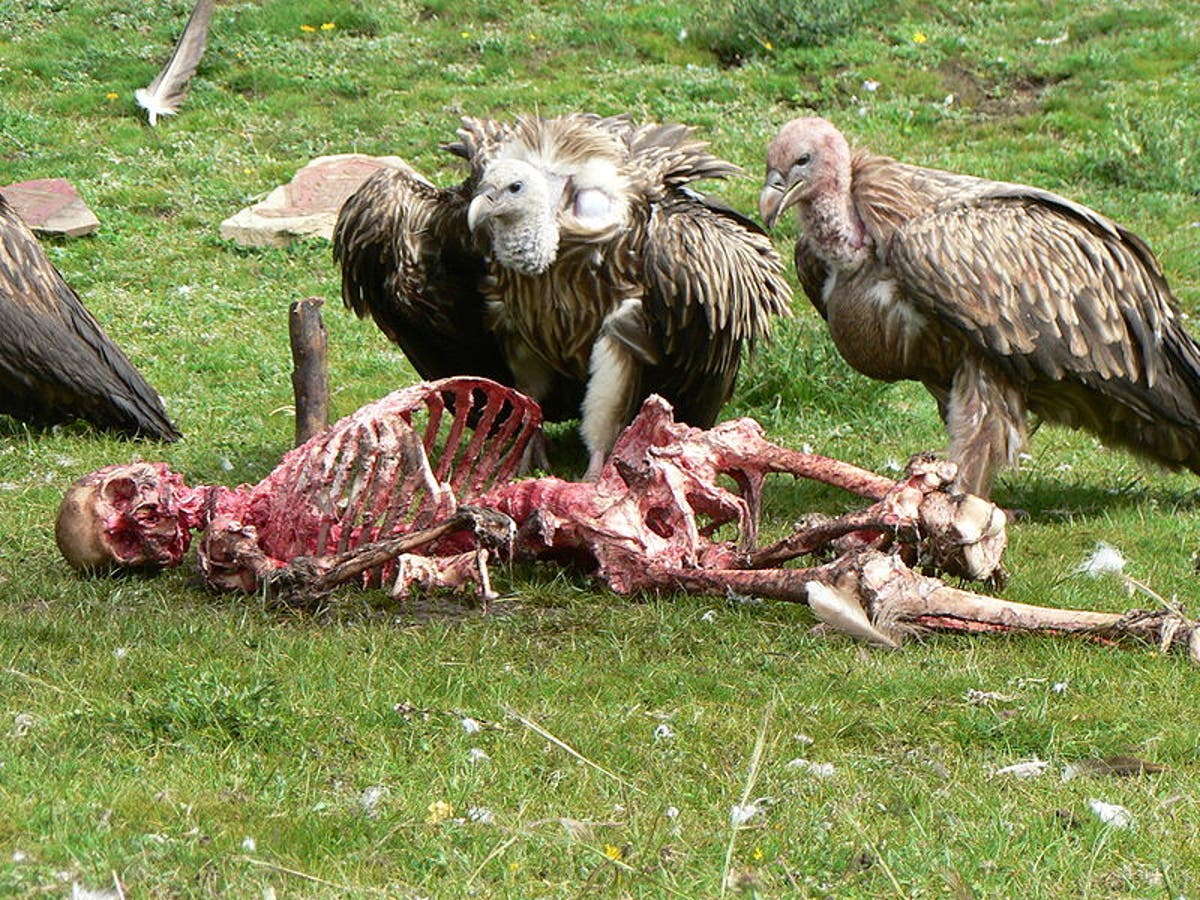
1. Sky Burials in Tibet: In Tibetan Buddhist tradition, bodies are often offered to vultures in a ritual known as a sky burial. The belief is that by giving the body back to nature in this way, the soul can be freed from the physical form more quickly and continue its journey. This practice is a powerful reminder of the impermanence of life and the interconnectedness of all beings.
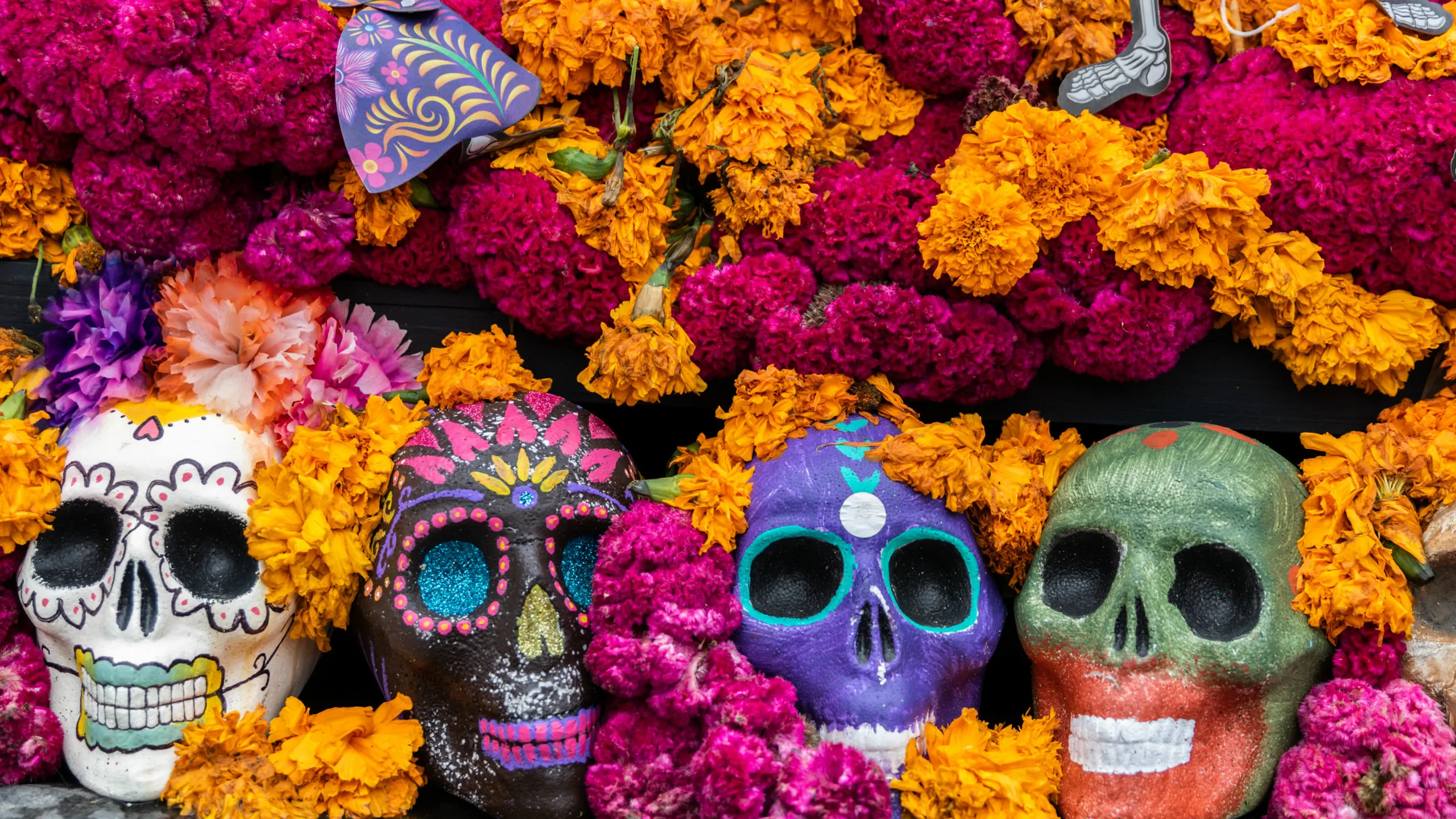
2. Dia de los Muertos in Mexico: Dia de los Muertos, or Day of the Dead, is a vibrant celebration that takes place annually in Mexico and other Latin American countries. During this time, families gather to honor and remember their deceased loved ones. Altars, or ofrendas, are adorned with colorful decorations, marigold flowers, photographs, and offerings of food and drink. It’s a joyous occasion filled with music, dancing, and storytelling, as families believe that the spirits of the dead return to visit their earthly homes.
3. The Hanging Coffins of Sagada, Philippines: In the mountainous region of Sagada in the Philippines, some indigenous tribes practice the tradition of hanging coffins. Instead of burying their dead underground, they place the deceased in coffins made of wood or hollowed-out logs and hang them from the cliffs. This ritual is believed to bring the deceased closer to the heavens and protect their spirits from being disturbed by animals or floods.

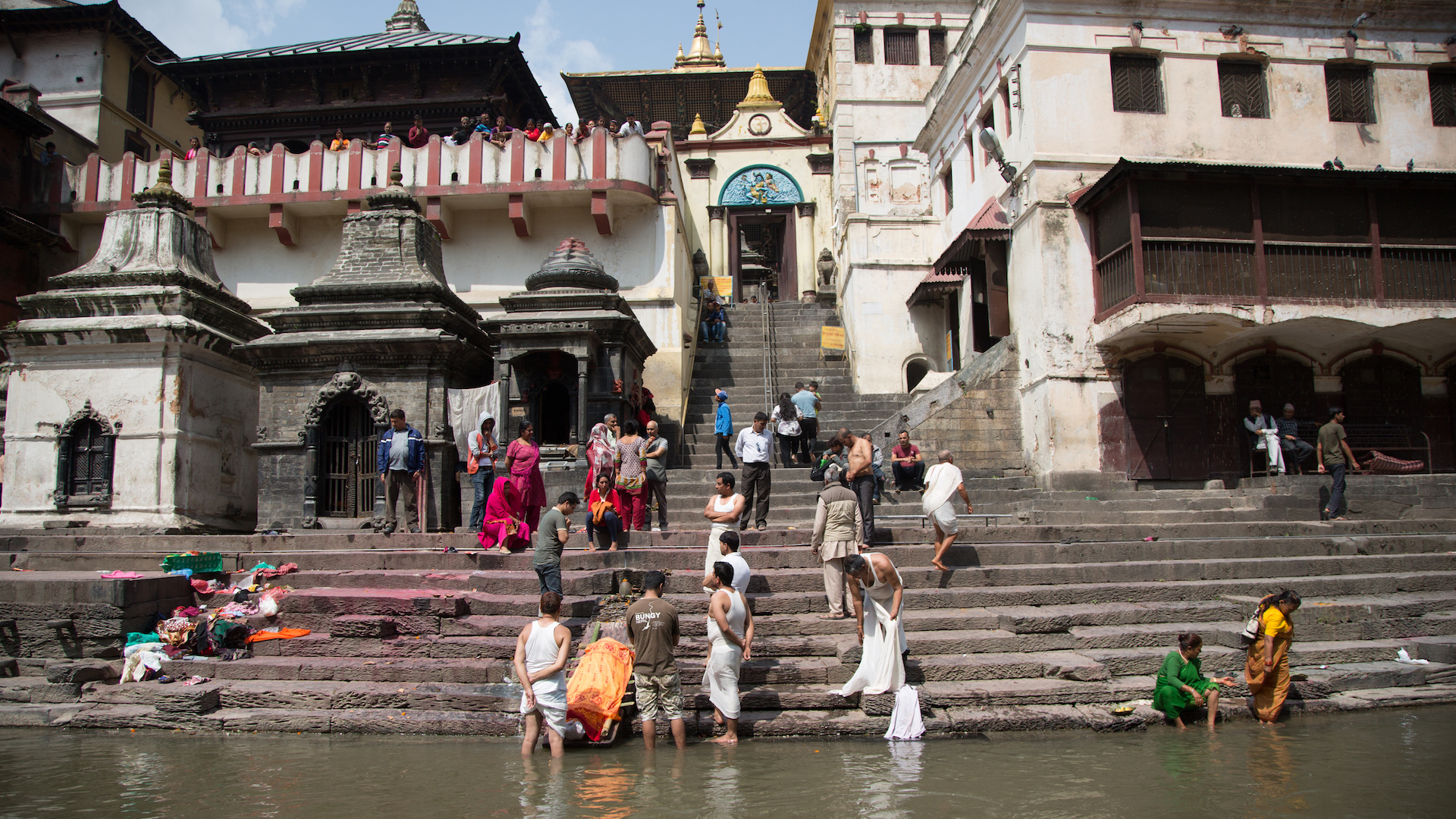
4. Water Burials in Hinduism: In Hinduism, the Ganges River holds immense spiritual significance, and many Hindus believe that having their ashes scattered in the river after cremation will release their soul from the cycle of rebirth. Families often travel long distances to perform this ritual, known as asthi visarjan, ensuring that their loved one’s soul finds eternal peace in the sacred waters of the Ganges.
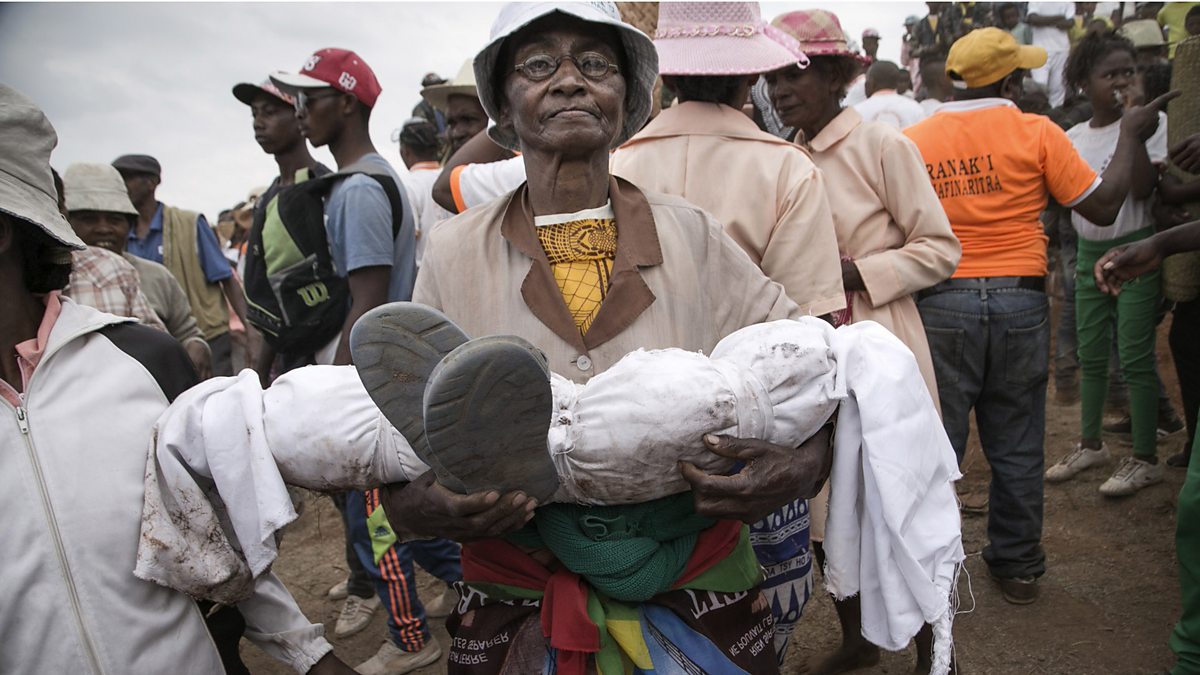
5. Turning of the Bones in Madagascar: In Madagascar, the Malagasy people practice a unique ritual called famadihana, or the turning of the bones. Every five to seven years, families gather to exhume the remains of their ancestors, wrap them in fresh burial shrouds, and dance with the bodies to live music. This ritual is a celebration of life and a way to reconnect with ancestors, reinforcing the belief that death is not the end but a continuation of existence in the spirit world.
These fascinating after-death rituals serve as poignant reminders of the diversity of human cultures and the ways in which we honor and remember those who have passed on. They reflect our universal desire to find meaning in life and death and to honor the memories of our loved ones in ways that are both unique and deeply meaningful.
Tagged : / / /

Nishiyama Onsen Keiunkan – The Oldest Hotel in the World – Run By The Same Family Since 1300 Years!

Nishiyama Onsen Keiunkan – The Oldest Hotel in the World – Run By The Same Family Since 1300 Years!
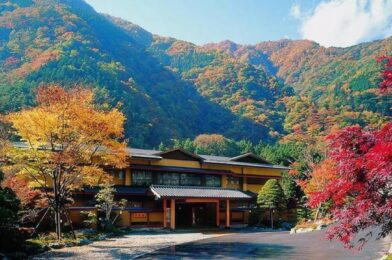
Nestled amidst the serene mountains of Yamanashi, Japan, lies a testament to time – the Nishiyama Onsen Keiunkan. Boasting a legacy that stretches back to 705 AD, this hot spring hotel (called Onsen in Japanese) holds the coveted title of the oldest continuously operating hotel in the world, recognized by Guinness World Records in 2011. But its charm goes far beyond its age. Let’s delve into the heart of this historic haven.

A Journey Through Time

Founded by Fujiwara Mahito, the Keiunkan has witnessed over 13 centuries of history unfold. Imagine samurai seeking solace in its steaming waters, pilgrims finding respite on their journeys, and generations of families cherishing moments here. Each era has left its imprint, visible in the traditional architecture, the flowing calligraphy adorning walls, and the timeless wisdom passed down through generations.

More Than Just a Hotel

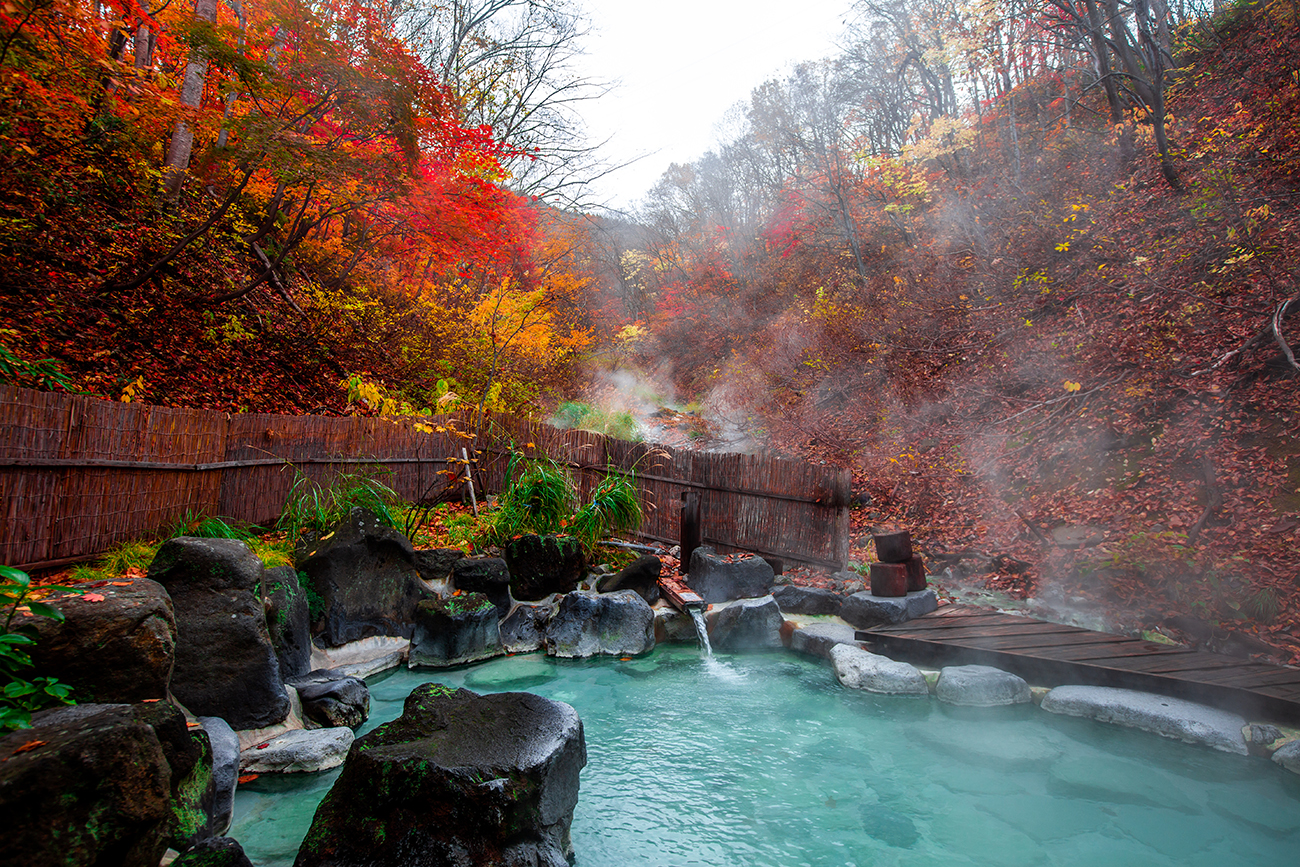
Stepping into the Keiunkan is like stepping into another world. Imagine 37 rooms designed in the classic Japanese style, adorned with tatami mats and artwork echoing the region’s heritage. Savor the delectable Kaiseki cuisine, a multi-course culinary masterpiece showcasing seasonal flavors. Immerse yourself in the natural wonder of the onsen, fed by a natural spring that has flowed ceaselessly for over 1300 years. The hotel is more than just accommodation; it’s an experience that transcends time and transports you to the heart of Japanese culture.

A Legacy of Family Hospitality

One of the most remarkable aspects of the Keiunkan is its long-standing family ownership. For 52 generations, the same family had meticulously managed the hotel, passing down traditions and ensuring the highest standards of hospitality. This continued till 2017 but after that no family member showed interest in continuing with this family business. So, Kenjiro Kawano, the general manager of Keiunkan, was chosen to be the new president. Kawano was not able to inherit Yushima, the holding firm, because he was not related to the owner. Yushima was dissolved and Keiunkan’s ownership was transferred to Nishiyama Onsen Keiunkan Limited, a new holding company. The continuity of a single family for so long is perhaps the key to its success. Each generation has added their own touch while preserving the essence of the experience, creating a unique blend of tradition and modern comfort.

A Glimpse into the Future

Despite its long history, the Keiunkan continues to evolve. Modern amenities like Wi-Fi access and upgraded facilities blend seamlessly with the traditional charm. The family actively seeks sustainable practices, ensuring the hot spring’s natural wonder is preserved for future generations.

A Timeless Invitation

The Nishiyama Onsen Keiunkan is more than just a hotel; it’s a living testament to history, culture, and family legacy. It’s an invitation to step back in time, to experience the essence of Japanese hospitality, and to create memories that will last a lifetime. So, if you seek a unique travel experience that transcends the ordinary, consider a journey to the oldest hotel in the world. Perhaps, amidst its serenity, you’ll discover a timeless connection to yourself and the world around you.

Tagged : / / / / /

7 Countries that Swapped the Old Name for the New: A Story of Reinvention

7 Countries that Swapped the Old Name for the New: A Story of Reinvention
Countries, like people, can sometimes feel the need for a fresh start. And just like changing your name after marriage or a major life event, some nations have chosen to shed their old labels and embrace new ones. Here’s a peek into 7 such countries that redefined themselves on the world map:

1. Turkey to TĂĽrkiye (2021): Remember Turkey? It’s now officially TĂĽrkiye, reflecting the local pronunciation and distancing itself from the association with the historical Anatolian bird, the turkey.

2. Persia to Iran (1935): This ancient empire, known for its rich culture and historical significance, adopted the name Iran to reclaim its pre-Islamic identity and emphasize its connection to the Iranian people.

3. Siam to Thailand (1939): The Land of the Free, as Siam was called, embraced a name closer to its Thai pronunciation and emphasized its unique cultural heritage distinct from neighboring Southeast Asian nations.

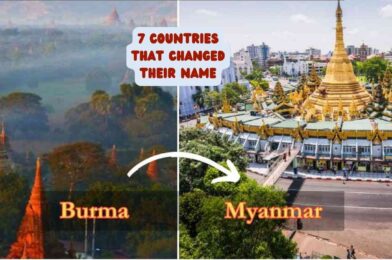
4. Burma to Myanmar (1989): This Southeast Asian nation underwent a military coup in 1989, and with it, a name change. The new name, Myanmar, was seen as more representative of the country’s diverse ethnicities.

5. Ceylon to Sri Lanka (1972): Gaining independence from British rule in 1948, this island nation sought a name reflecting its Sinhalese heritage. Thus, Ceylon became Sri Lanka, meaning “Resplendent Island.”

6. The Republic of Macedonia to North Macedonia (2019): A long-standing dispute with Greece over the use of “Macedonia” led this Balkan nation to adopt the prefix “North.” This diplomatic compromise paved the way for its accession to NATO and the EU.

7. Swaziland to Eswatini (2018): Marking its 50th year of independence, the African kingdom of Swaziland chose Eswatini, meaning “Land of Swazis,” to celebrate its national identity and differentiate itself from Switzerland.

These name changes reflect not just political motivations but also the evolving cultural and historical narratives of these nations. So, the next time you see a new name on the map, remember the fascinating stories of reinvention, identity, and self-determination that lie behind it.

This list is just a glimpse into the world of changing names. Many other countries have undergone similar transformations throughout history, each with its own unique story to tell. So, keep exploring, keep learning, and keep an open mind to the ever-changing map of our world.

Tagged : / /

Saudi Arabia’s $1 Trillion Skyscraper ‘The Line’ That Stretches 75 Miles is Now Under Construction

Saudi Arabia’s $1 Trillion Skyscraper ‘The Line’ That Stretches 75 Miles is Now Under Construction
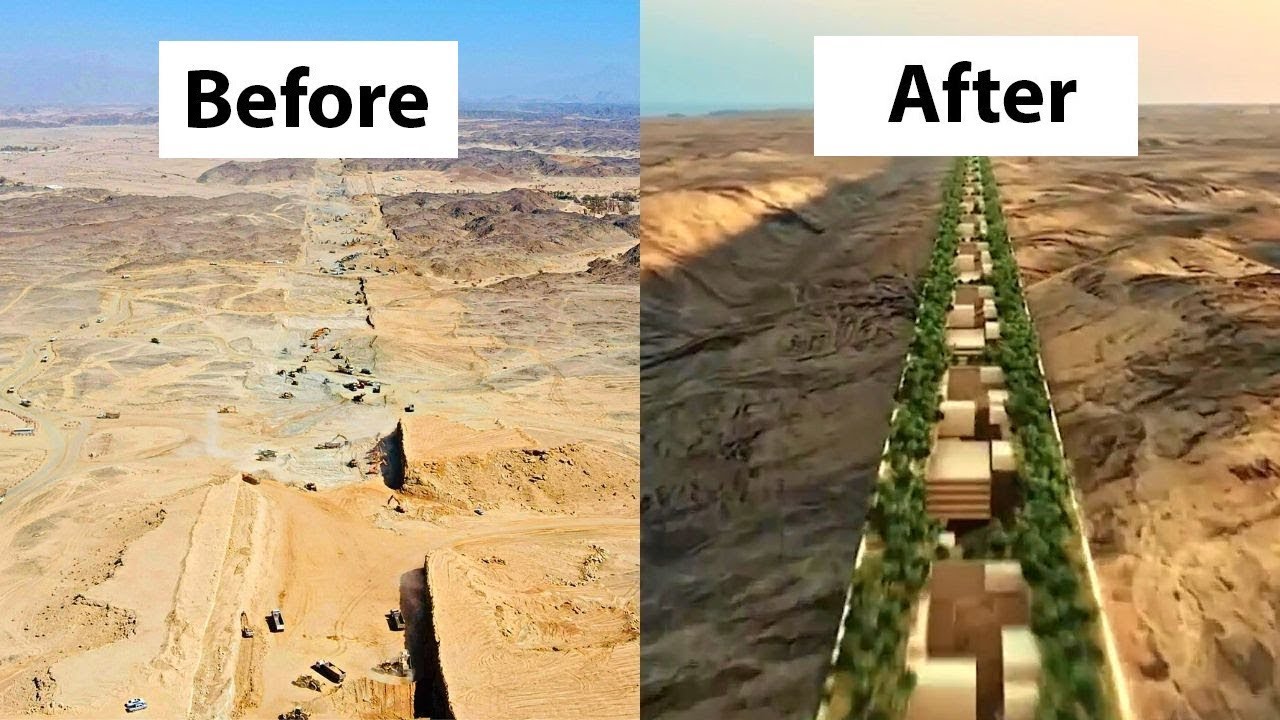
Construction has officially begun on The Line, a $1 trillion skyscraper project in Saudi Arabia that will stretch for 75 miles across the desert. The project is part of the kingdom’s ambitious Vision 2030 plan to diversify its economy and become a global leader in innovation.

The Line will be a linear city with two parallel, mirrored skyscrapers that will house up to 9 million people. The buildings will be 500 meters tall and 200 meters wide, and they will be connected by a high-speed rail system. The city will also have a variety of amenities, including schools, hospitals, and shopping malls.

The project is being funded by the Saudi Arabian government, and it is expected to be completed by 2030. The project’s sustainability credentials extend beyond its architectural design. The Line aims to achieve zero carbon emissions by utilizing renewable energy sources, such as solar and wind power, and implementing cutting-edge sustainable practices. This commitment to environmental responsibility aligns with Saudi Arabia’s Vision 2030 plan, which seeks to diversify the economy and reduce reliance on fossil fuels.

Here are some of the key features of The Line:

  • 75 miles long
  • 500 meters tall
  • 200 meters wide
  • Can accommodate up to 9 million people
  • Connected by a high-speed rail system
  • Includes a variety of amenities like its own stadium

The Line is expected to have a number of benefits, including:

  • Reduced traffic congestion
  • Improved air quality
  • Increased sustainability
  • New jobs and opportunities

However, the project has also been criticized for its:

  • High cost (estimated to be $1 trillion)
  • Environmental impact (including the destruction of natural habitat)
  • Social impact (including concerns about privacy and surveillance)

Despite the criticisms, the Saudi Arabian government is confident that The Line will be a success. The project is a key part of the kingdom’s Vision 2030 plan, and it is seen as a way to diversify the economy and become a global leader in innovation. Only time will tell whether The Line will live up to its promise, but it is sure to be a landmark project that will be watched by the world.

Tagged : / / / / /

8th Continent Of The World Hidden For 375 Years, Found By Scientists

8th Continent Of The World Hidden For 375 Years, Found By Scientists
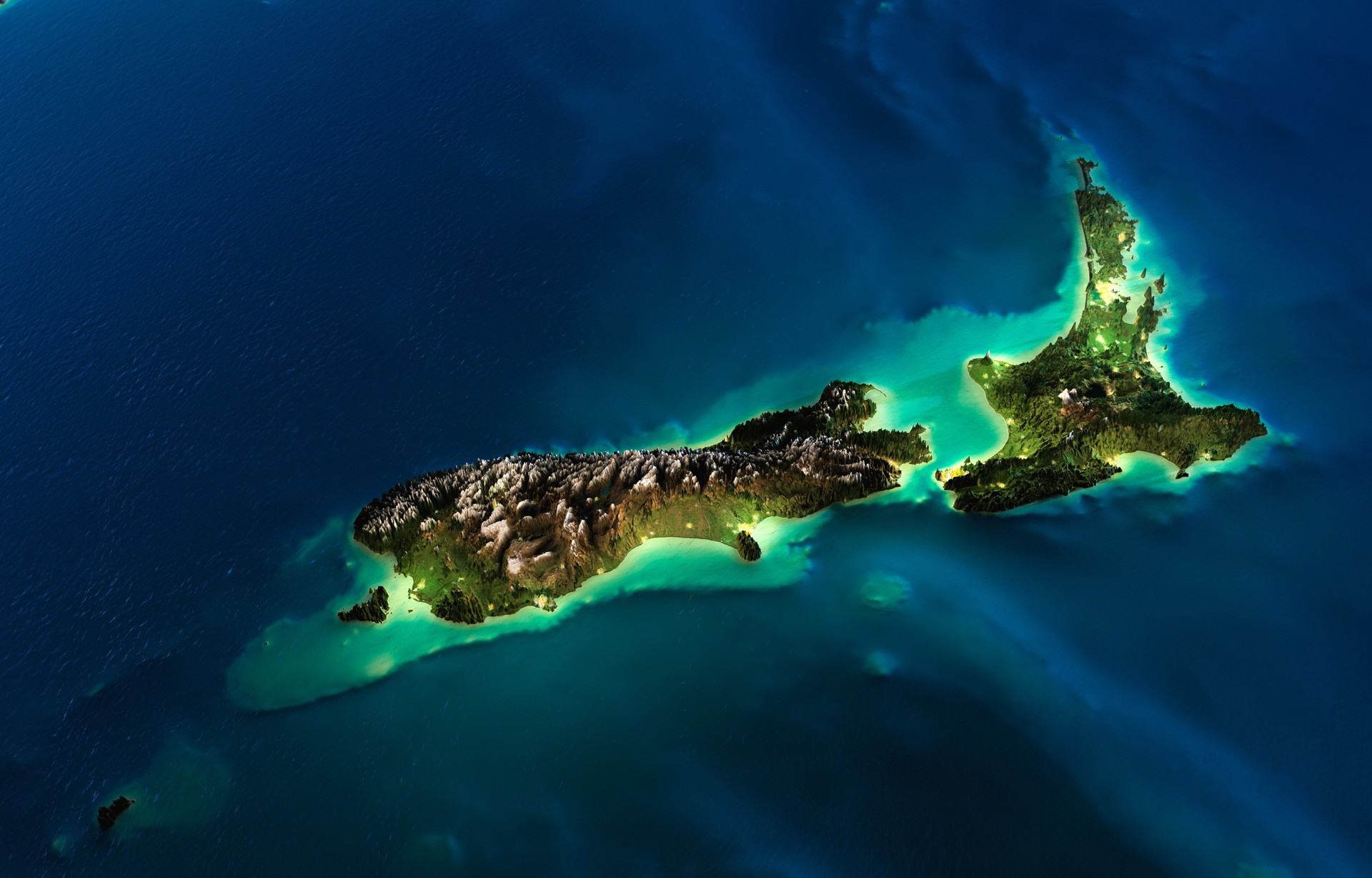
A group of scientists announced the discovery of a new continent, which they named Zealandia. This continent is hidden underwater, but it is about the size of India and is located mostly in the South Pacific Ocean.

Zealandia was once part of the supercontinent Gondwana, which broke up around 185 million years ago. However, Zealandia remained mostly hidden from view for centuries because it is mostly underwater.

Scientists have been aware of Zealandia for many years, but they only recently agreed that it should be classified as a continent. This is because Zealandia has all of the geological features that are required for a continent, including a continental crust, a raised topography, and a well-defined boundary.

The discovery of Zealandia is a significant scientific event. It helps us to better understand the geological history of the Earth and the formation of continents. It also has implications for our understanding of the distribution of life on Earth.

Implications of the discovery of Zealandia

The discovery of Zealandia has a number of implications for our understanding of the Earth. For example, it suggests that the Earth’s continents have been more dynamic than previously thought. It also suggests that there may be other hidden continents waiting to be discovered.

Zealandia is also home to a unique biodiversity. For example, it is the only place on Earth where kiwis and tuataras live. The discovery of Zealandia highlights the importance of protecting the planet’s biodiversity, even in the most remote and hidden places.

Future research on Zealandia

Scientists are now planning new research campaigns to learn more about Zealandia. For example, they want to learn more about the continent’s geological history, its biodiversity, and its potential resources.

One of the most important research goals is to learn more about Zealandia’s geological history. This will help scientists to better understand how continents form and evolve. Scientists are also interested in learning more about the continent’s biodiversity. Zealandia is home to a number of unique plant and animal species, and scientists want to learn more about how these species evolved and how they adapted to living in a submerged continent.

Finally, scientists are interested in learning more about Zealandia’s potential resources. The continent is thought to be rich in minerals and other resources, but more research is needed to confirm this.

Conclusion

The discovery of Zealandia is a significant scientific event. It helps us to better understand the geological history of the Earth and the formation of continents. It also has implications for our understanding of the distribution of life on Earth.

Scientists are now planning new research campaigns to learn more about Zealandia. They want to learn more about the continent’s geological history, its biodiversity, and its potential resources. The discovery of Zealandia is a reminder that there is still much to learn about our planet.

Tagged : / / / / / /

Real Life Two-Headed Animals : The Wonders Of Mother Nature

Real Life Two-Headed Animals : The Wonders Of Mother Nature
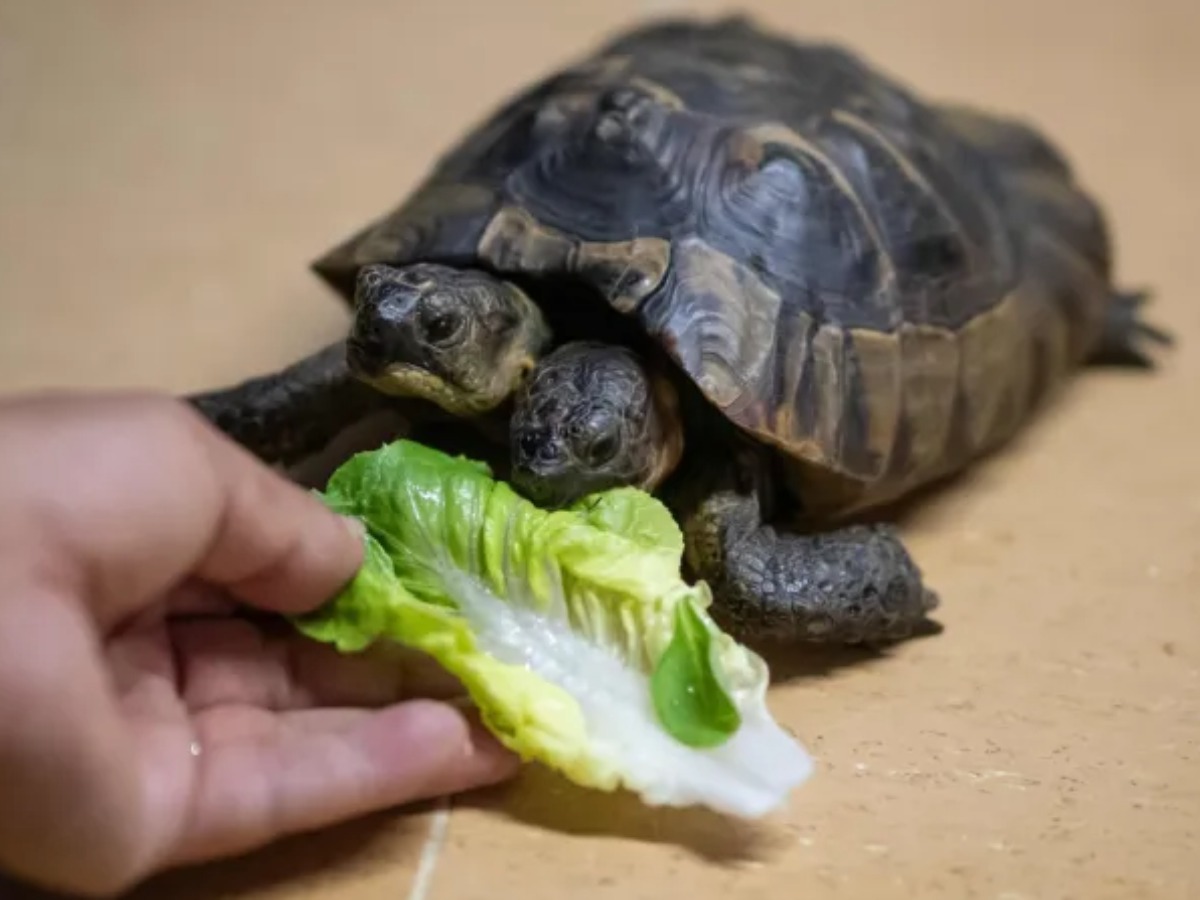
The birth of a two-headed animal is a rare and fascinating event. It is caused by a condition called polycephaly, which occurs when an embryo splits incompletely during development. This can happen in any species of animal, but it is most common in reptiles, such as snakes and turtles.

Here are some of the most famous two-headed animals:
1. Frank and Louie


This two-headed cat was born in Massachusetts in 1999. The cat had three eyes and two mouths, and they shared one body. Frank and Louie also known as Frankenlouie were able to live a relatively normal life, and they became celebrities. They appeared on several television shows and even had their own book. Frank died in 2012 at the age of 15. the Guinness Book of World Records recognized Frank and Louie as the world’s oldest living janus cat.

2. Bicephalous calf


This two-headed calf was born in China in 2015. It had two heads, two necks, and two bodies. The calf was able to stand and walk, but it died a few days after it was born. Most two headed animals die at the time of birth or just after few days. This calf too wasn’t an exception.

3. Two-headed tortoise


This two-headed tortoise was found in India in 2018. It had two heads, two necks, and one body. The tortoise was able to eat and walk normally, and it is still alive today.

4. Two headed black racer


A rare two-headed snake was discovered at a home in Florida, state wildlife officials said. The southern black racer was found at a home in Palm Harbor, Florida Fish and Wildlife Conservation Commission officials said. The snake was being cared for and monitored by FWC. It has a low chance of survival in the wild since its two different brains will make two different decisions, making feeding and escaping from predators difficult.

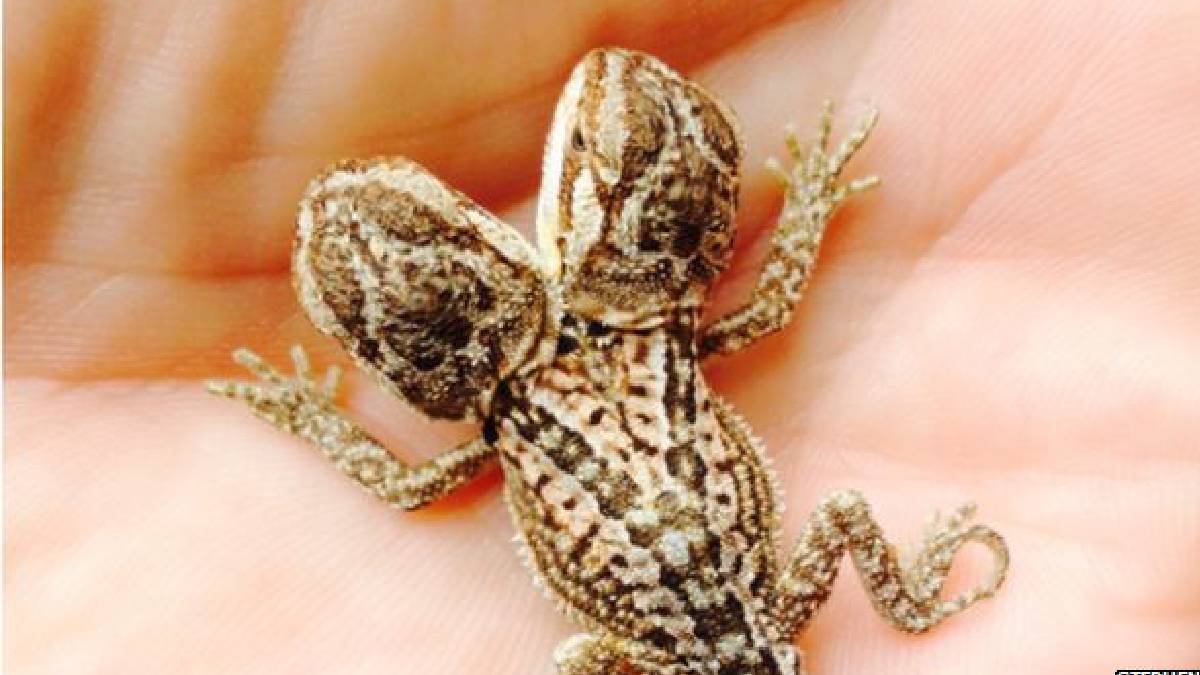
5. Two-headed bearded dragon


You would be surprised to know that only one in 25 million two-headed bearded dragon will survive into adulthood. But this one born to retile enthusiast Tony Rowe was a happy exception.

Now aren’t these simply the wonders of Mother Nature? Which one looked the cutest to you?

Tagged : / / / /

12 Hindi-Urdu Words Which Are Frequently Used In Everyday English

12 Hindi-Urdu Words Which Are Frequently Used In Everyday English
Hindi and Urdu are two closely related languages spoken by over 600 million people in India, Pakistan, and other parts of the world. For a long time India and Pakistan belonged to the same country and Hindi and Urdu were spoken by people of both sides. Even after partition, these languages are spoken in both the countries. Both languages have a rich vocabulary, and many of their words have been borrowed into English. Here we give you 10 such words:

1. Yoga
The Indian Spiritual way of living life through yoga has now found its takers far into the western world. The word ‘Yoga’ is now a part of the English language and people easily understand what it means.

2. Jungle
Jungle is now used in English language quite commonly and it means chaos or wild , originating from the dense Indian forests. Jungle’ was one of the very few first words to be picked up from India by the Oxford dictionary

3. Bazaar
Long before malls and markets, we used ‘bazaar’ as the place where we bought things and people sold them. This word is now used in English too signifying a commercial area.

4. Guru
Guru for Indians is the person who leads one to the right path – be it spiritual or academic. The word was adopted in the same form and meaning in the English language too.

5. Loot
Loot has been a part of the English language from quite some time. Just like Hindi, it means to rob someone. It is also the bounty taken under custody after the robbery.

6. Thug
This word taken as it is from Hindi language, means a violent, aggressive person, especially one who is a criminal. It is derived from ‘thug’ the Indian clans of criminal ruffians who looted people and killed them.

7. Mantra
We all know what mantra means – a repeated sound or words to increase concentration or offer prayers. This word was adopted in English too as a statement or slogan repeatedly.

8. Karma
For us Indians, it is the sum of a person’s actions in this and previous states of existence and when adopted in English language this means the same -good or bad luck, viewed as resulting from one’s actions.

9. verandah
The word which describes the area just outside of the house which is covered is derived from hindi word ‘baranda’ or urdu word ‘baramda’. There are no Verandahs in houses in England. But when the British came to know about this word during their stay in India, they made it a part of their dictionary.

10. Pajama
It is derived from the word ‘pyjama’ very commonly used in Hindi as well as Urdu. It means ‘Pay’ – leg and ‘jama’ – cloth.

11. Bungalow
Bungalow is also a word that has been long accepted in English language but which originated from ‘bangla’ meaning a big house.

12. Avatar
It was the movie avatar that made this Hindi word popular around the globe but the word has been a part of English language long before that. Derived from the Sanskrit avatra, meaning “descent,” avatar first appeared in English in 1784 to mean an incarnation or human appearance of a deity, particularly Vishnu. Now this word id everywhre – from movies to online games to chat rooms.

Apart from these, there are many other words that are now a part of the English language – like jugaad, namaste, Chit, Chutney, etc. The world is becoming smaller so the languages are bound to coalescence.

Tagged : / / / / /

7 Beautiful Buildings In The World That Look More Beautiful At Night

7 Beautiful Buildings In The World That Look More Beautiful At Night
The beauty of a building can be appreciated during the day, but there is something truly magical about seeing it at night. When the sun goes down and the lights come on, the architecture takes on a whole new dimension. Here are 7 buildings around the world that look more beautiful at night:

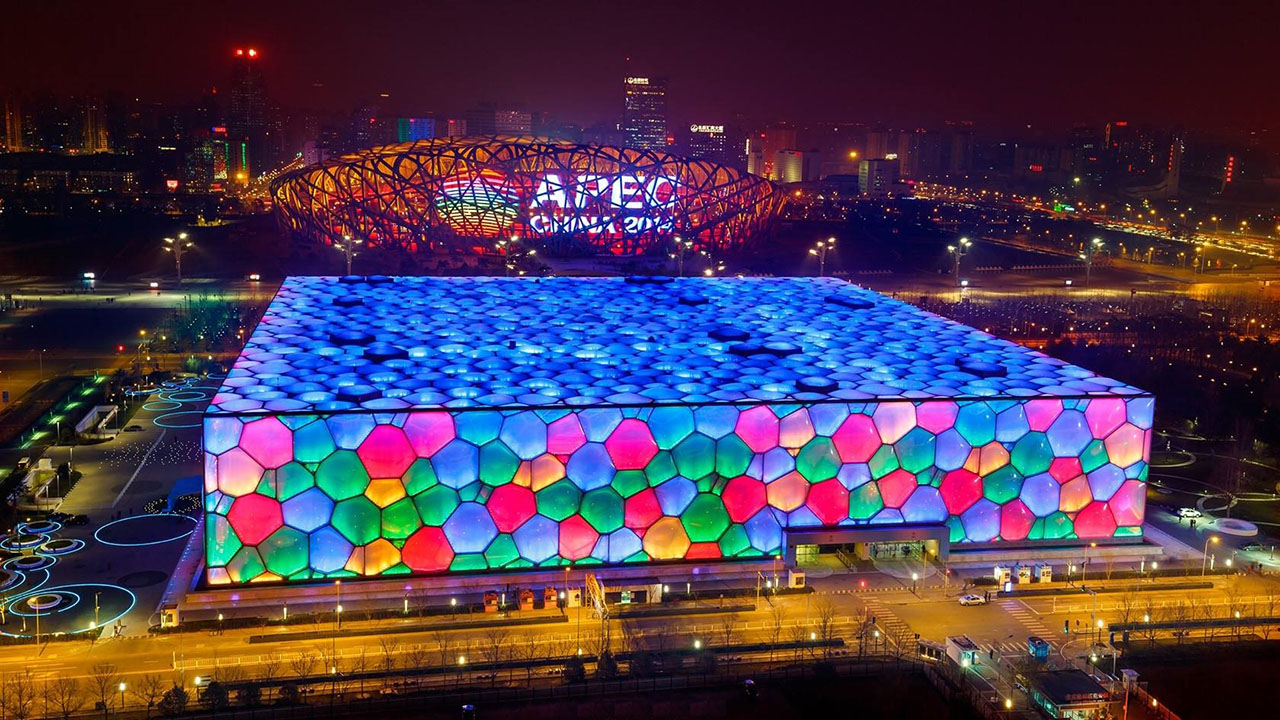
1. Beijing National Aquatics Center (Beijing, China)


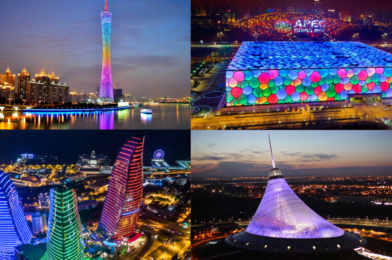
It’s possible that the Beijing National Aquatics Centre is the only structure on this list that really needs it to be dark for the entire vision of the designers to be evident. The scale-like facade is apparent throughout the day, but at night, it comes to life. It is night you can clearly see why is it an ‘Aquatics’ center because those beautiful blue scales at night create a perfect world of water.

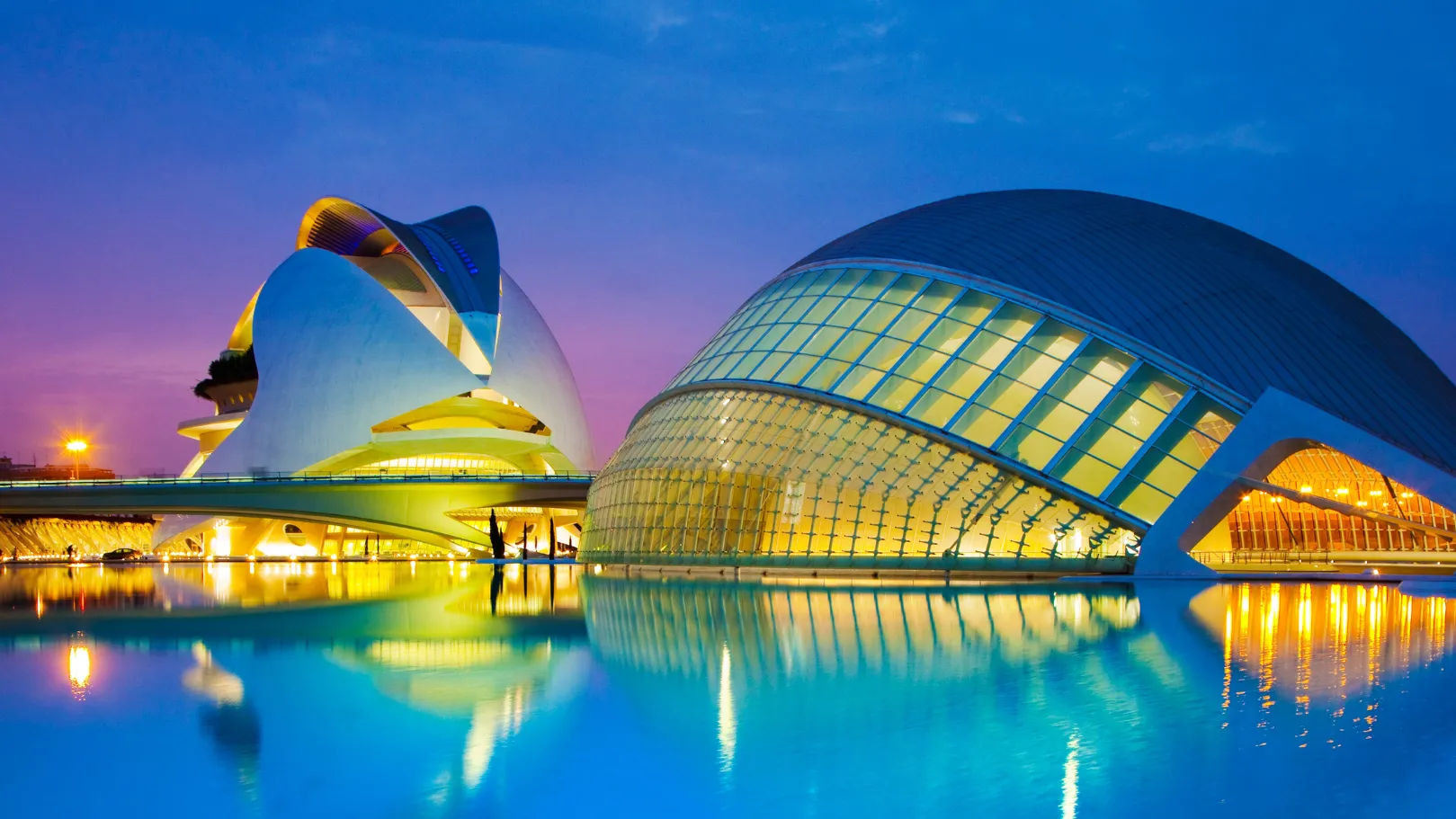
2. The Palau de les Arts Reina Sofia (Valencia, Spain)


Within the City of Arts and Sciences in Valencia, Spain can be found the Palau de les Arts Reina Sofia, which was designed by the renowned architect Santiago Calatrava. The L’Hemisfèric, an eye-shaped structure housing an IMAX, a laser show venue, and a planetarium, is situated next to the arts complex and emits a dazzling, futuristic glow to lure any eye towards it.

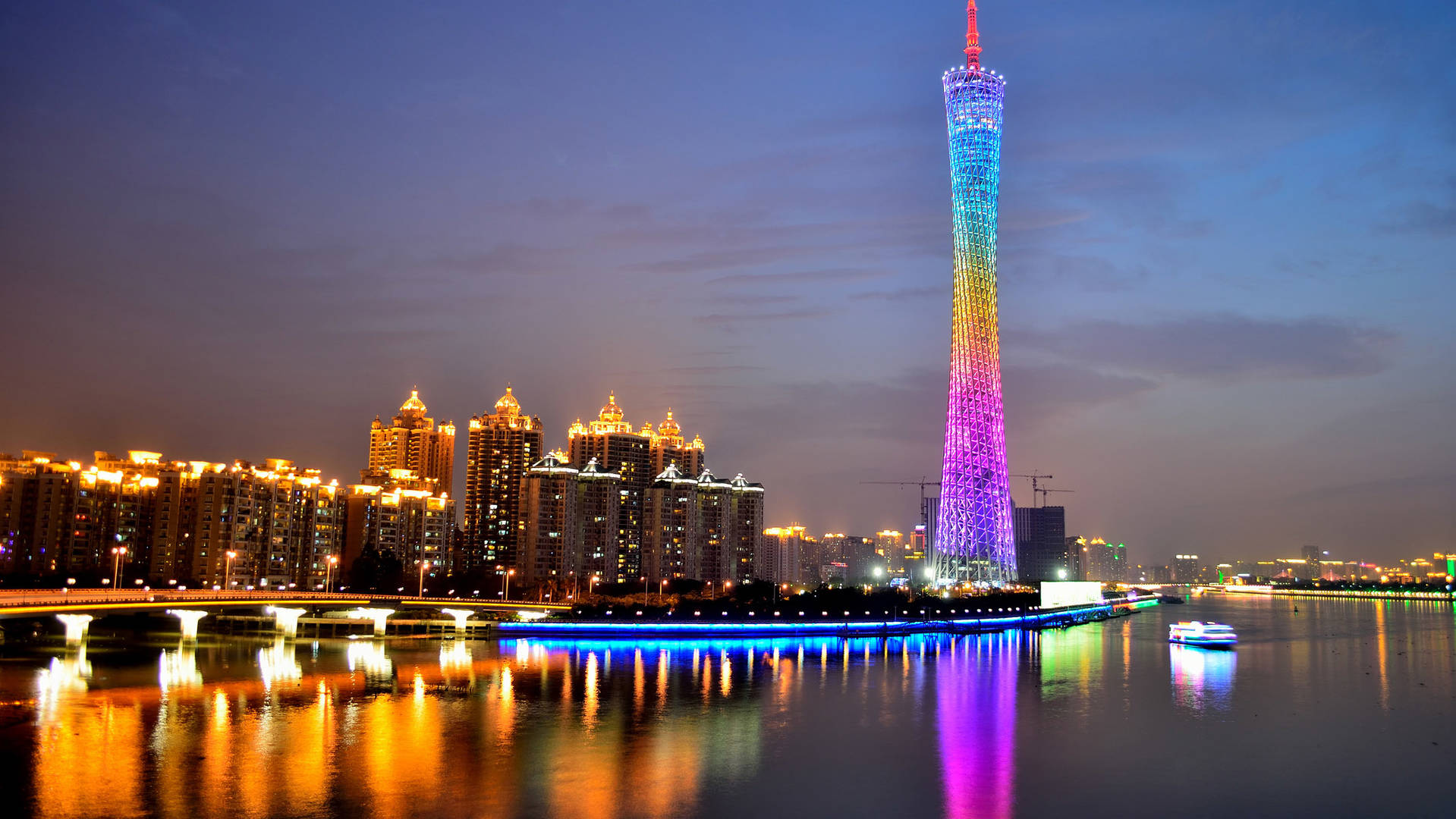
3. Canton Tower (Guangzhou, China)


Rogier van der Heide, a lighting designer, is responsible for the magnificent colour explosions that fill Canton Tower each evening. The tower, in contrast to many other structures, creates its own light rather than being uplit by strobes. Since each node can be controlled separately, it is possible to animate and alter the colour of the entire building.

4. The Eiffel Tower, Paris, France

This is probably one of the most famous places in the entire world. But people who visit it sometimes feel disappointed as they describe it as just another piece of metal standing erect. It is because they haven’t seen this marvel at night. At night, the tower is illuminated with thousands of lights, and it can be seen for miles around. When you see it at that time, you will feel nothing less than magic.

5. Esplanade – Theatres on the Bay (Downtown Core, Singapore)


Esplanade – Theatres on the Bay was brought to life thanks to the collaborative efforts of two different architectural firms, DP Architects and Michael Wilford & Partners. Because of the theatres’ spherical glass-covered frames’ initial detractors, some still call the structures “the big durians” due to their resemblance to the exotic fruit. However, the unusual shapes of the buildings provide for a striking nighttime scene.

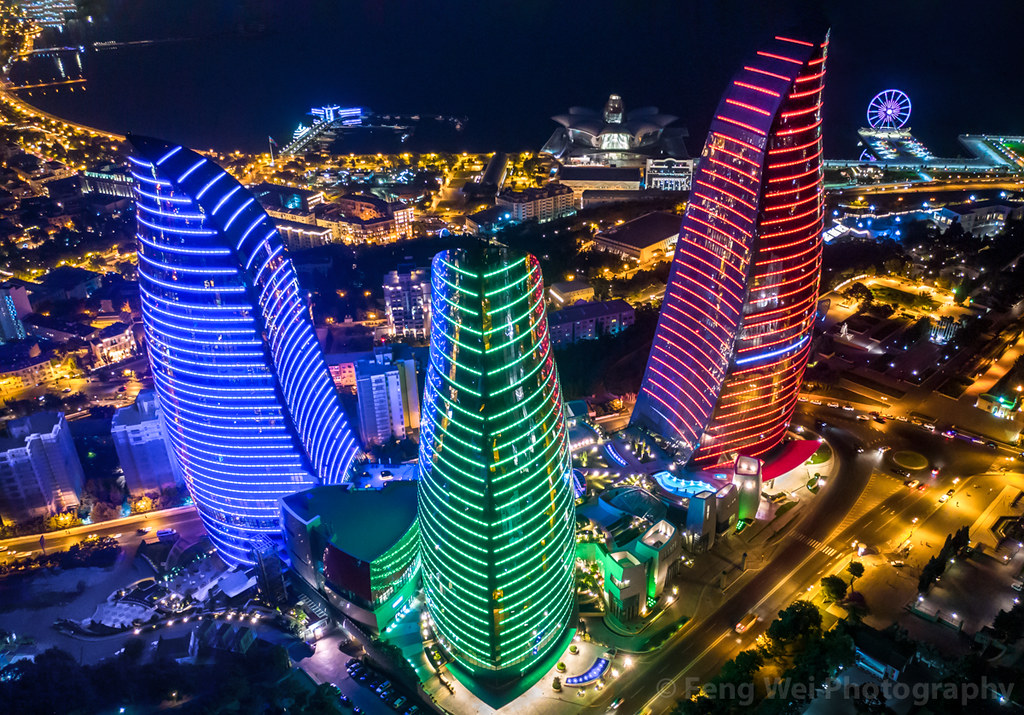
6. Flame Towers (Baku, Azerbaijan)


The teardrop-like shape of the three towers that make up the Flame Towers in Azerbaijan is where the name “Flame Towers” originates from. This design calls to mind flames dancing across the head of a match. The facades of all three buildings were designed by HOK, and each one is covered in LED displays that produce a flickering light effect similar to that of real flames.

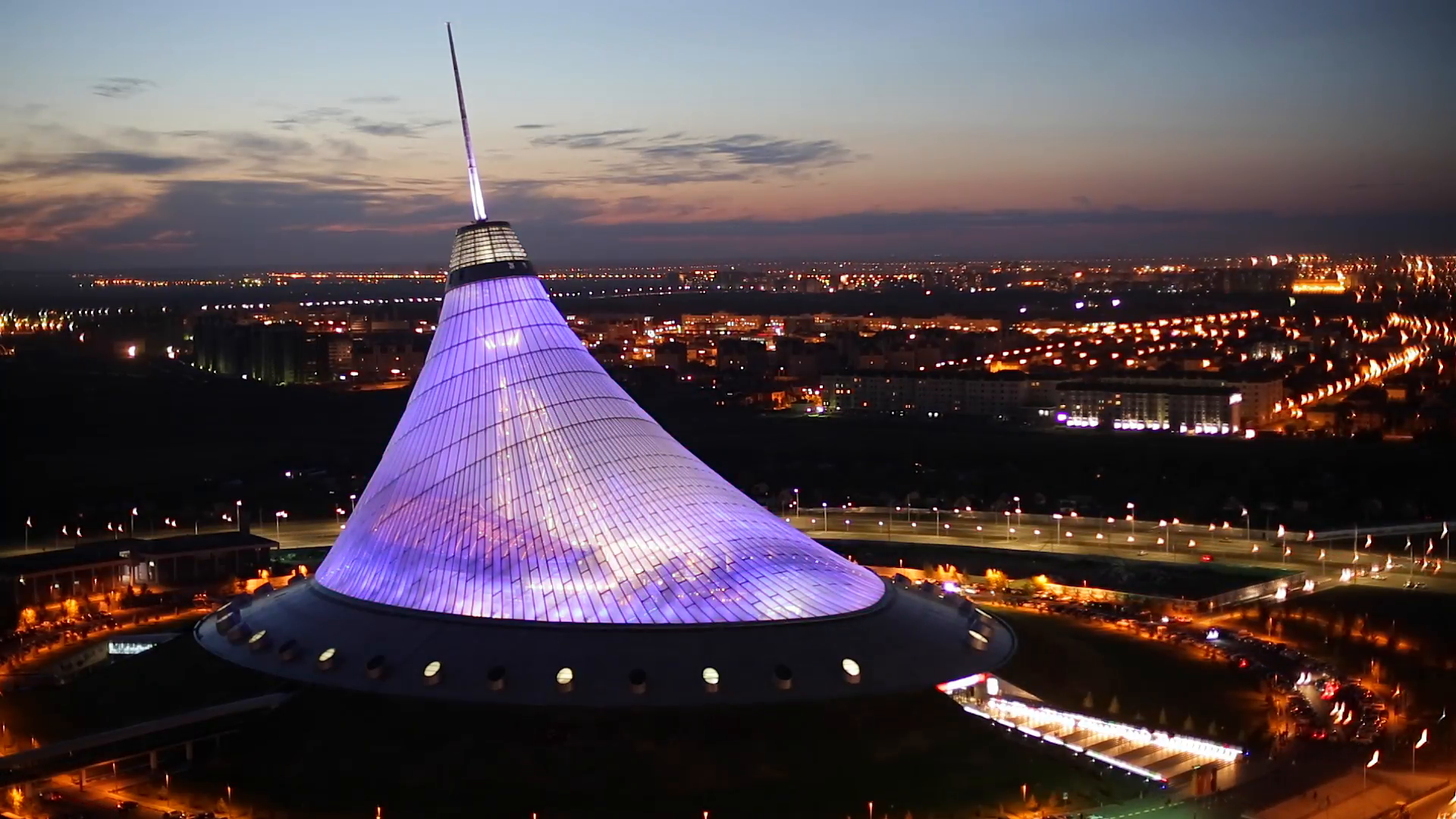
7. Khan Shatyr Entertainment Center (Astana, Hazakhstan)

An indoor beach, urban park, shopping and entertainment venue, boating river, and mini golf facilities are spread across an area that is larger than ten football stadiums and are all located underneath the tent-like structure that is the Khan Shatyr Entertainment Centre. Foster and Partners was responsible for the design of the all-in-one leisure venue, and its lighting system enables a wide variety of colour palettes to be displayed on any given night.

We are not saying these are the only beautiful buildings in the world at night. There are many many more but we picked our favourite seven. Do give the name of your favourite building in the comments section.

Tagged : / / / / /

7 Most Expensive Spices In The World!

10 Most Expensive Spices In The World!
Spices have always been prized by gourmets and chefs alike for their use in cooking, flavouring, and even medicine. Regardless of where they came from, applications and commerce grew as soon as travellers and explorers learned about spices. The use of spices in rituals and other religious practises, as well as in the establishment of empires and the beginning of wars, has been significant throughout human history.

The top 7 most costly spices can currently be found in spice collections at home or in commercial kitchens all over the world. They are primarily grown in some of the most exotic regions in the world.
The top seven spices in terms of price:

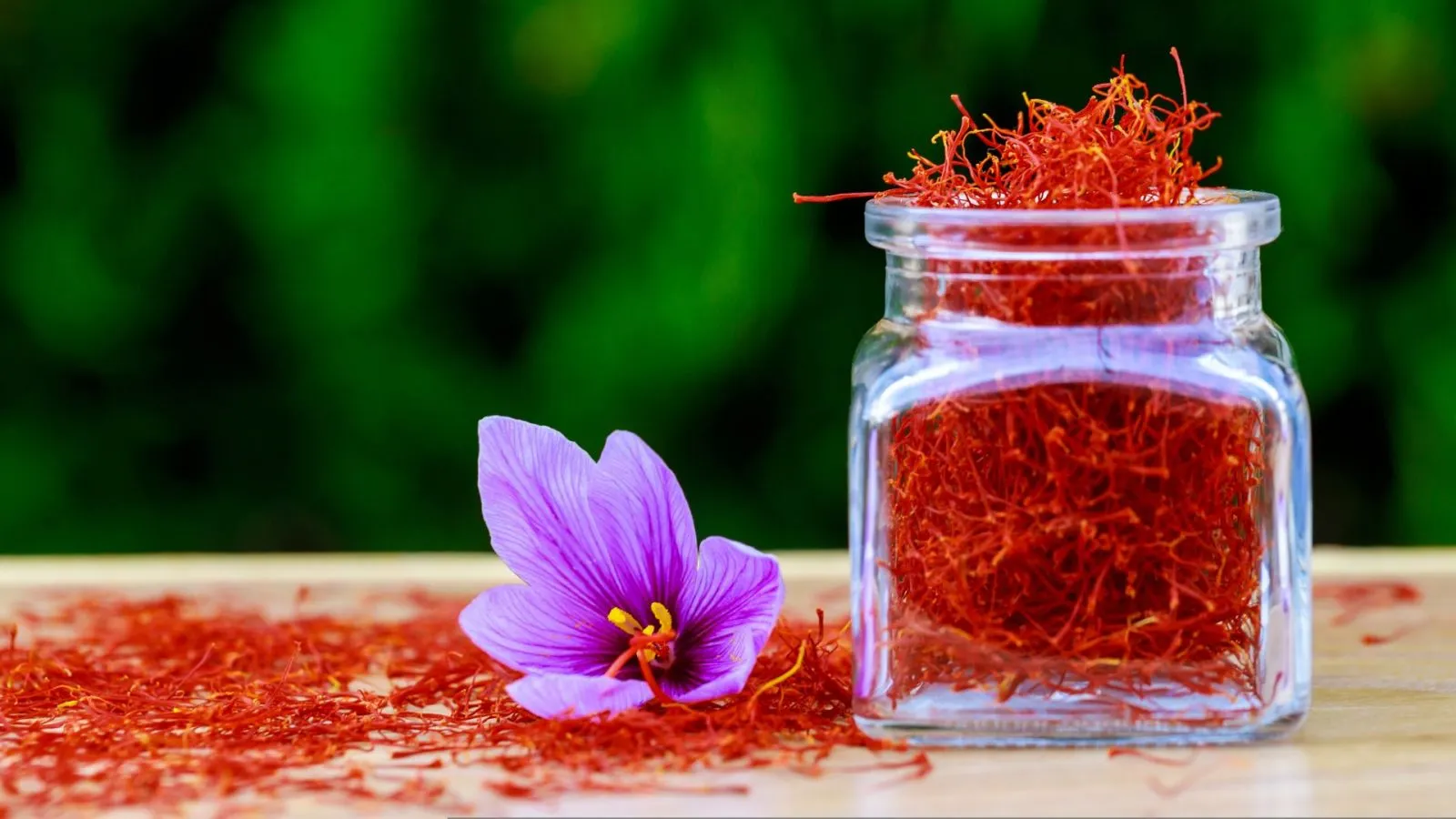
1. Saffron


The crocus flower’s stigmas are used to make saffron, which is prized for its powerful, earthy flavour. Saffron is also the priciest spice in the entire world, with a pound costing hundreds of dollars. Iran, Afghanistan, Italy, and Spain are the main growing regions for saffron.

2. Vanilla

This spice has a sweet, deep flavour and is made from the seed pods of a tropical orchid. Madagascar, Uganda, Comoros, Papua New Guinea, Tahiti, Indonesia, and Mexico are the primary growing regions for vanilla. Even though there are many other places in the world where vanilla is produced, the aforementioned nations continue to set the standard for quality and consistency.

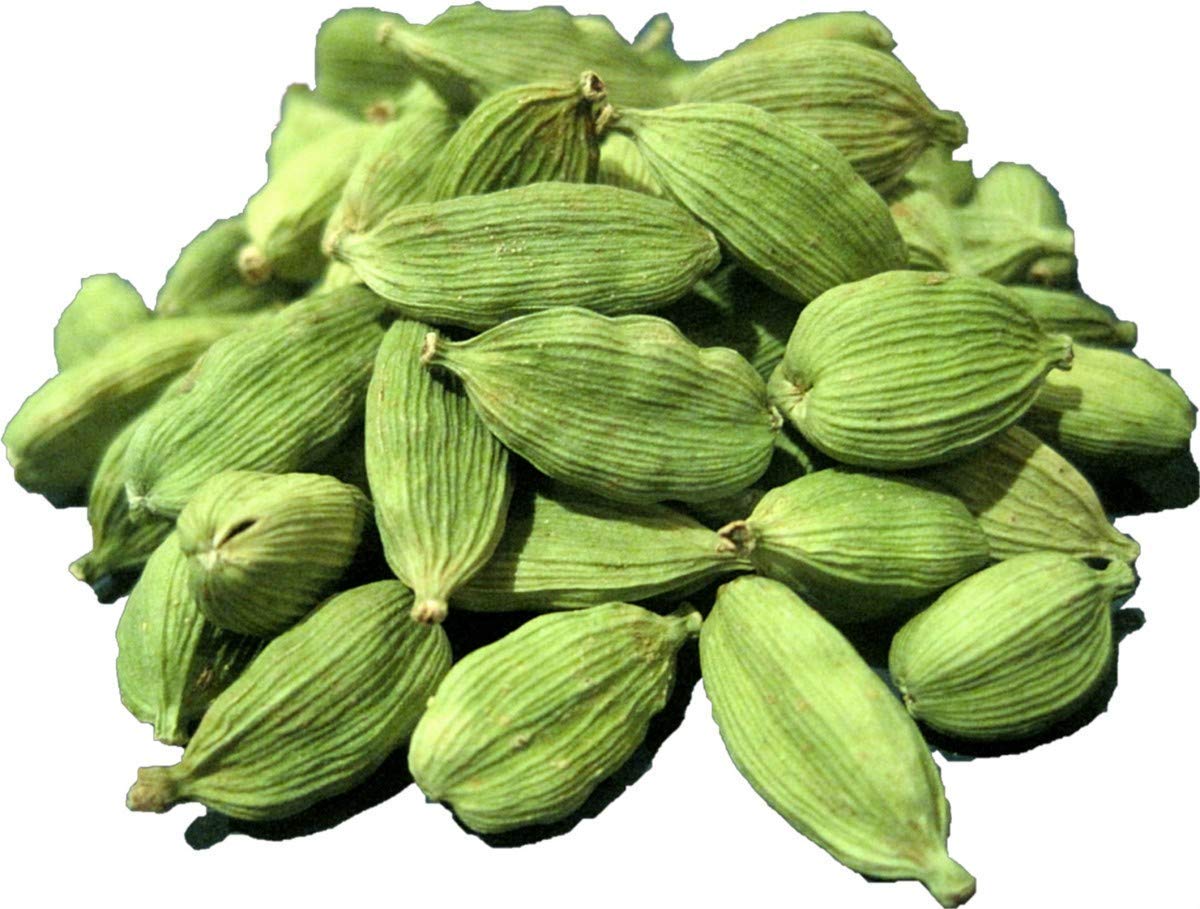
3. Green Cardamom


The seeds of this tropical plant related to the ginger family are used to make this spice, which is prized for its distinctive flavour and complex blend of savoury and sweet undertones. Most of the world’s cardamom is grown in Guatemala, India, and even Sri Lanka. We highly recommend using green cardamom, which is frequently referred to as the “Queen of Spices.”

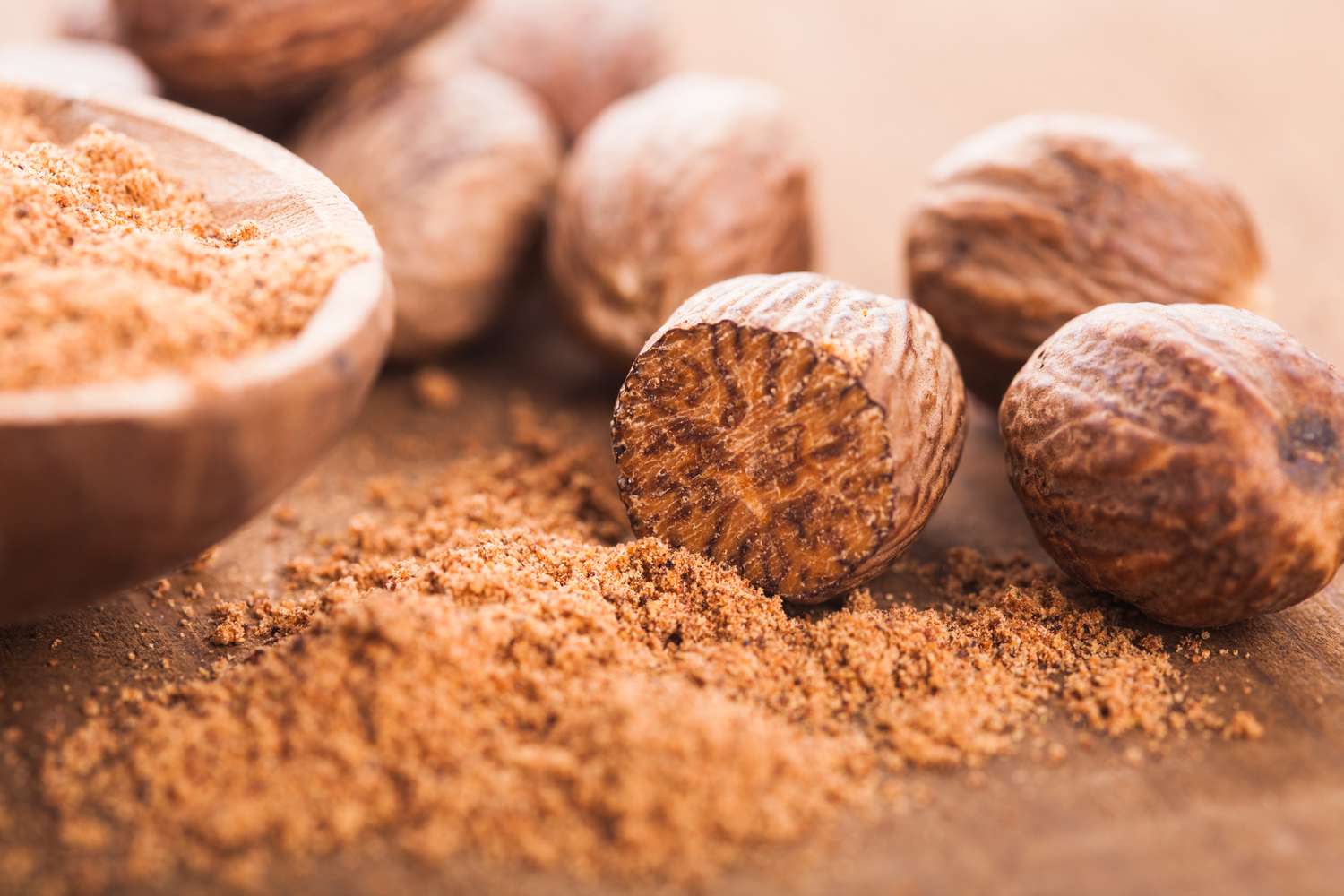
4. Nutmeg


Nutmeg is a tropical tree seed, not a nut, and is prized for its comforting, nutty flavour. The Banda Islands in Indonesia are where nutmeg is primarily farmed, but it is also grown in Grenada, Sri Lanka, and other Caribbean islands. Although it is frequently used in baked items, nutmeg also tastes great in savoury cream sauces and spice rubs.

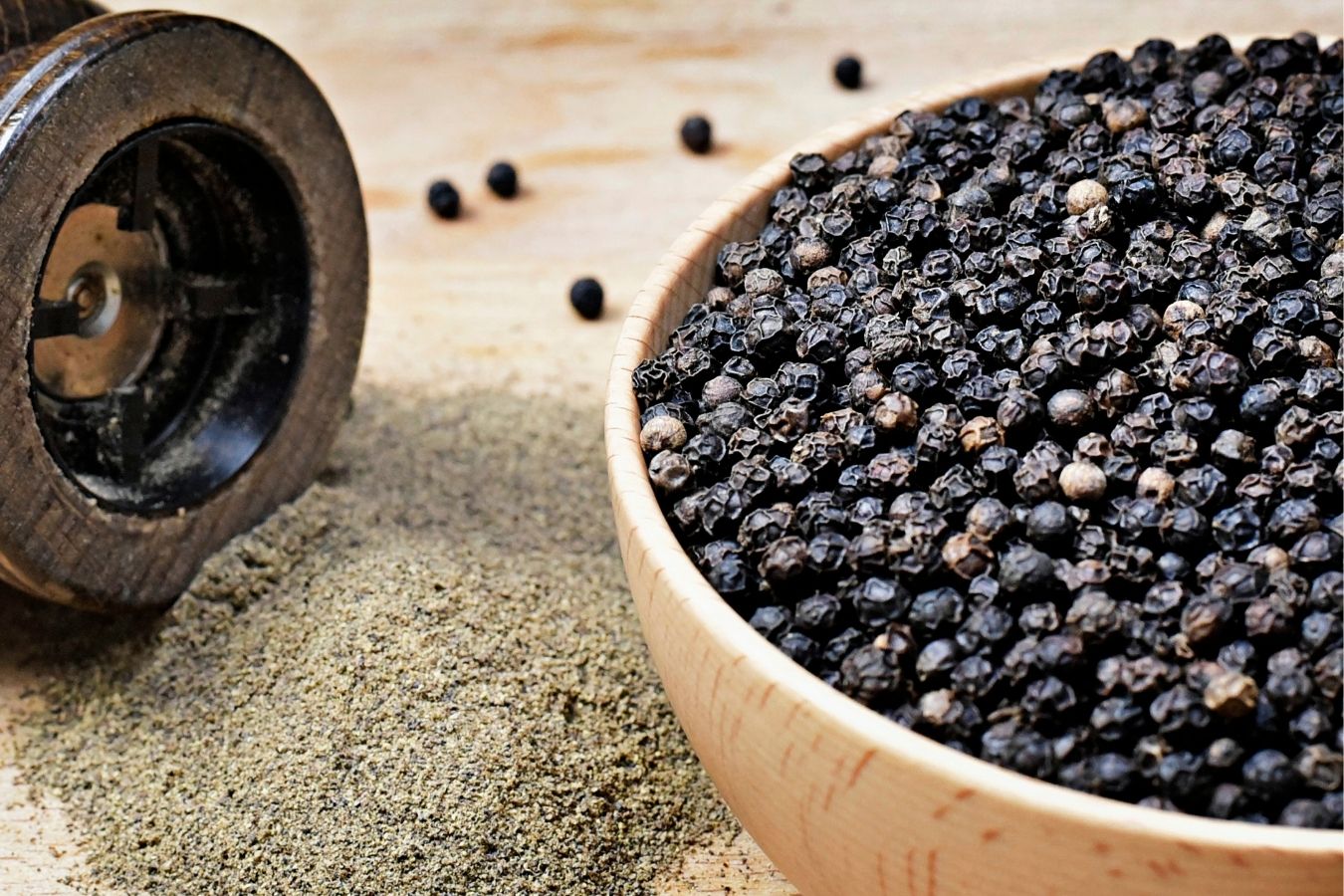
5. Black pepper


The dried berries of a tropical vine are the source of peppercorns, which have a harsh, pungent flavour. Most black pepper is grown in Brazil, Vietnam, and India. Black pepper is known as the “king of spices” since historically, due to its exorbitant price, it was only used by the wealthy.

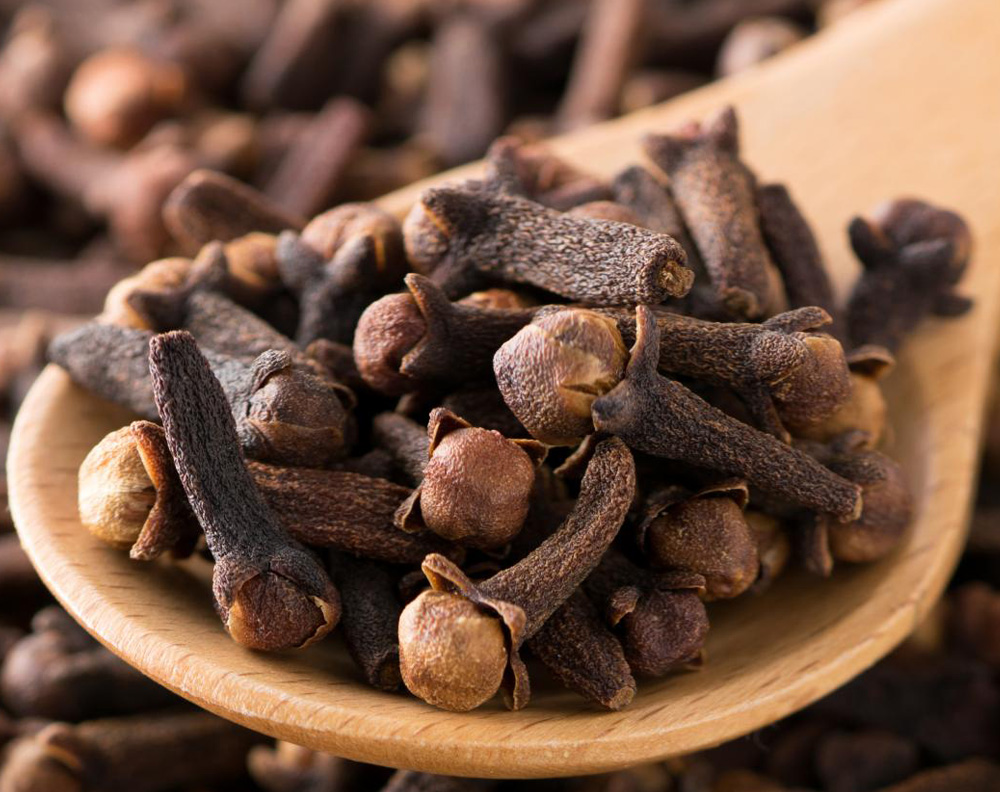
6. Cloves


The dried flower buds of a tropical tree are the source of cloves, which are prized for their warm, sweet flavour. The Maluku Islands of Indonesia, Sri Lanka, Madagascar, and the Comoros are where whole cloves are primarily farmed. They are frequently found in foods including baked products, beverages, and herbal remedies.

7. Turmeric


This spice, which comes from the root of a tropical plant, is prized for its distinctive, earthy flavour and bright yellow colour. Most turmeric is grown in Sri Lanka, China, and India. Vegan foods are frequently coloured with turmeric to give them a “cheesy” appearance.

Which of these do you use in your food regularly?

Tagged : / / / / / / /

5 Simple Morning Habits of Longest Living People

5 Simple Morning Habits of Longest Living People
Do you want to live a long and healthy life? If so, you might want to consider adopting some of the morning habits of the longest-living people in the world.

Researchers have studied the lifestyles of people who live in the so-called “Blue Zones,” which are five regions around the world where people tend to live longer than average – Okinawa, Japan; Sardinia, Italy; Nicoya, Costa Rica; Ikaria, Greece, and Loma Linda, California.. They have found that these people share a number of common habits, including some simple morning routines that can help you start your day off right.

1. Find your ikigai

Ikigai is a Japanese concept that means “reason for being.” It is said that when you find your ikigai, you will be more likely to live a long and fulfilling life. One way to find your ikigai is to think about what you are good at, what you love to do, and what the world needs. Once you have a good understanding of these three things, you can start to look for ways to combine them.

2. Eat a healthy breakfast

A healthy breakfast is essential for setting yourself up for a successful day. It gives you the energy you need to get going and helps you to make healthy choices throughout the day. A healthy breakfast should include a source of protein, complex carbohydrates, and fiber.

3. Get some exercise

Exercise is another important part of a healthy lifestyle. It helps to improve your physical and mental health, and it can also help you to live longer. Even a short workout in the morning can make a big difference.

4. Meditate or pray

Meditation and prayer are both great ways to start your day off on a peaceful note. They can help you to focus your mind, reduce stress, and connect with your inner self. Even a few minutes of meditation or prayer can make a big difference.

5. Say something nice to someone

Starting your day off by doing something nice for someone else is a great way to spread positivity and make the world a better place. It can also help to improve your own mood and outlook on life.

These are just a few of the simple morning habits that can help you live a longer and healthier life. If you are looking for ways to improve your health and well-being, consider incorporating some of these habits into your daily routine.

Here are some additional benefits of following these morning habits:

  • Increased energy levels
  • Improved focus and concentration
  • Reduced stress levels
  • Better sleep quality
  • Increased happiness and well-being
    If you are new to these habits, start slowly and gradually increase the amount of time you spend on them. You may also want to find a friend or family member to join you in your journey.

With a little effort, you can start incorporating these simple morning habits into your daily routine and start living a longer, healthier, and happier life.

Tagged : / / /

Why do some animals mate for life while others don’t?

Why do some animals mate for life while others don’t?
In the animal kingdom, there is a wide range of mating strategies. Some animals, such as wolves and gibbons, mate for life, while others, such as lions and chimpanzees, are polygamous. There are many factors that influence an animal’s mating strategy, including its environment, its social structure, and its reproductive biology.

1. Environmental factors

One of the most important factors that influences an animal’s mating strategy is its environment. Animals that live in harsh or unpredictable environments are more likely to mate for life. This is because a long-term partnership can provide them with more stability and support. For example, wolves live in packs, and the alpha pair within the pack is usually monogamous. This helps to ensure that the pack has a strong leader and that the pups are well-cared for.

2. Social factors

Another important factor that influences an animal’s mating strategy is its social structure. Animals that live in social groups are more likely to be monogamous than animals that live solitary lives. This is because social animals need to cooperate in order to survive, and a long-term partnership can provide them with more cooperation and support. For example, gibbons are small primates that live in family groups. They are monogamous, and the pair works together to build nests, raise young, and defend their territory.

3. Reproductive biology

An animal’s reproductive biology also plays a role in its mating strategy. Animals that have a long gestation period or that produce few offspring are more likely to mate for life. This is because they need a long-term partner in order to raise their young successfully. For example, swans are large birds that mate for life. They have a long gestation period, and they only produce a few cygnets each year. Therefore, they need a long-term partner in order to raise their young successfully.

Conclusion

The reasons why some animals mate for life while others don’t are complex and varied. However, the factors that we have discussed above provide a good starting point for understanding this phenomenon. By understanding the factors that influence an animal’s mating strategy, we can gain a better understanding of the animal kingdom and the ways in which animals have adapted to their environment.

In addition to the factors mentioned above, there are other factors that can influence an animal’s mating strategy, such as its age, its physical condition, and its availability of mates. Ultimately, the decision of whether or not to mate for life is a complex one that is made by each individual animal.

Tagged : / / / /

9 Fastest Reproducing Animals In The World!

9 Fastest Reproducing Animals In The World!
In the animal kingdom, there are a variety of species that are known for their ability to reproduce quickly. These animals have evolved to reproduce rapidly in order to ensure the survival of their species.

Here are some of the fastest reproducing animals in the world:
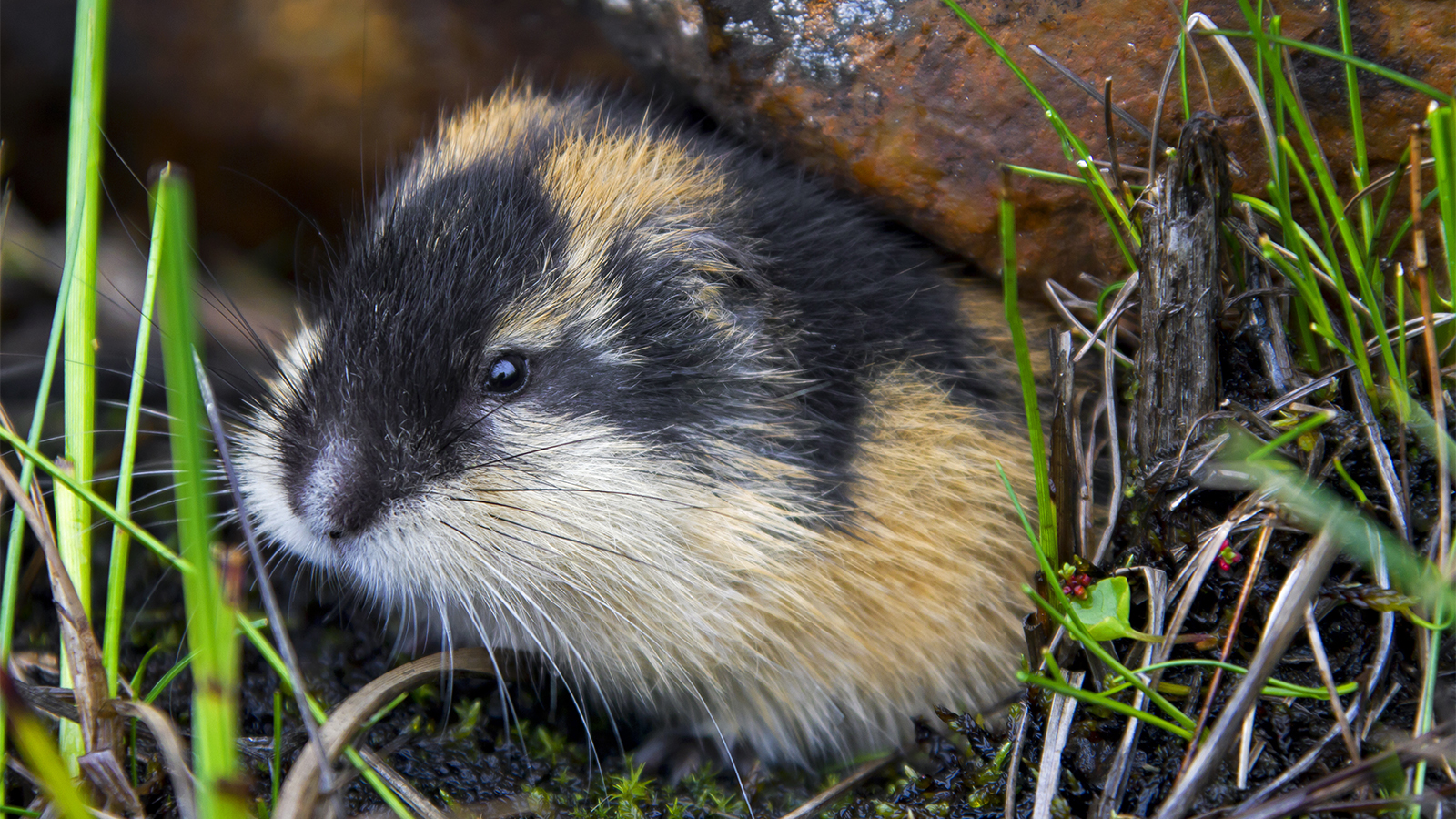
1. Norway lemmings


These small rodents are found in the Arctic tundra. Female lemmings can become pregnant as early as two weeks old, and they can produce up to 10 litters per year, each with an average of 8-10 pups. This means that a single lemming could potentially produce over 100 offspring in a single year!

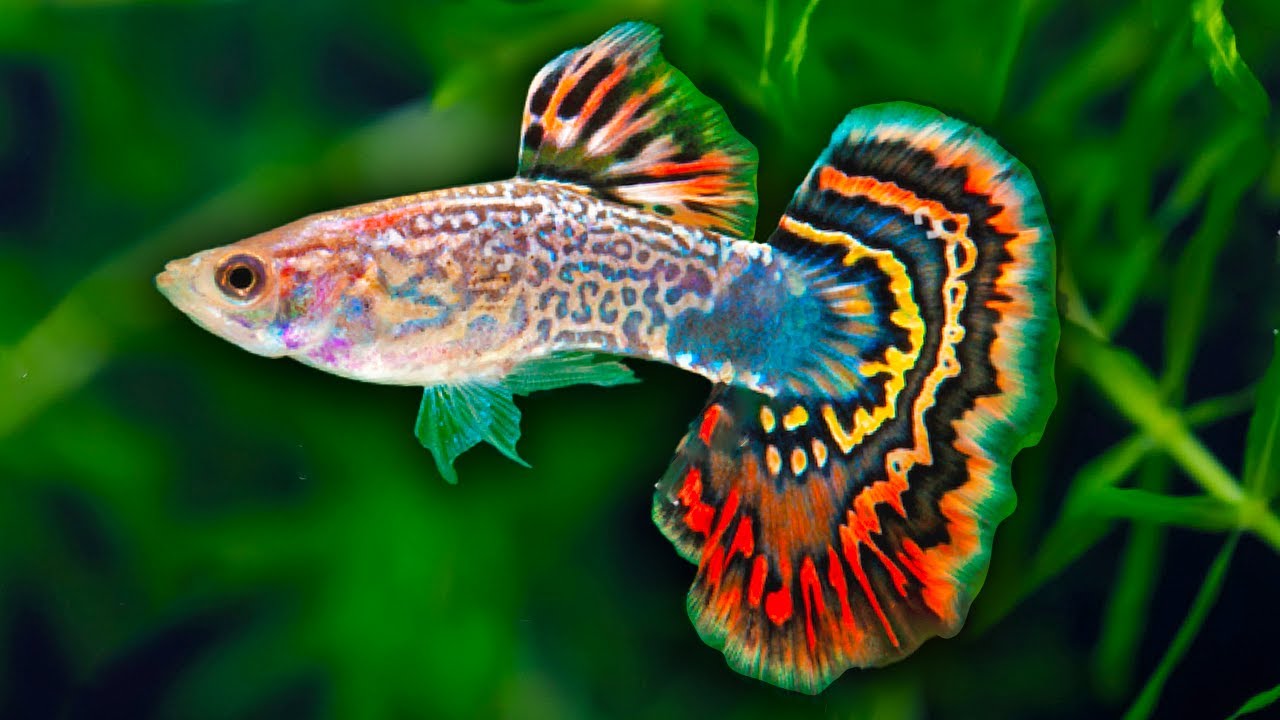
2. Guppies

These small fish are native to South America. Guppies are able to reproduce very quickly, and they can reach sexual maturity within 3-4 months. A single female guppy can produce up to 2000 offspring in her lifetime.

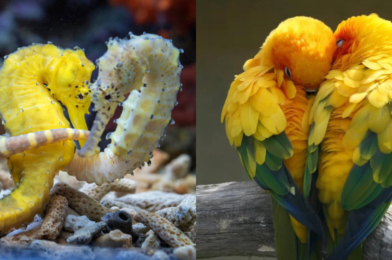
3. Seahorses

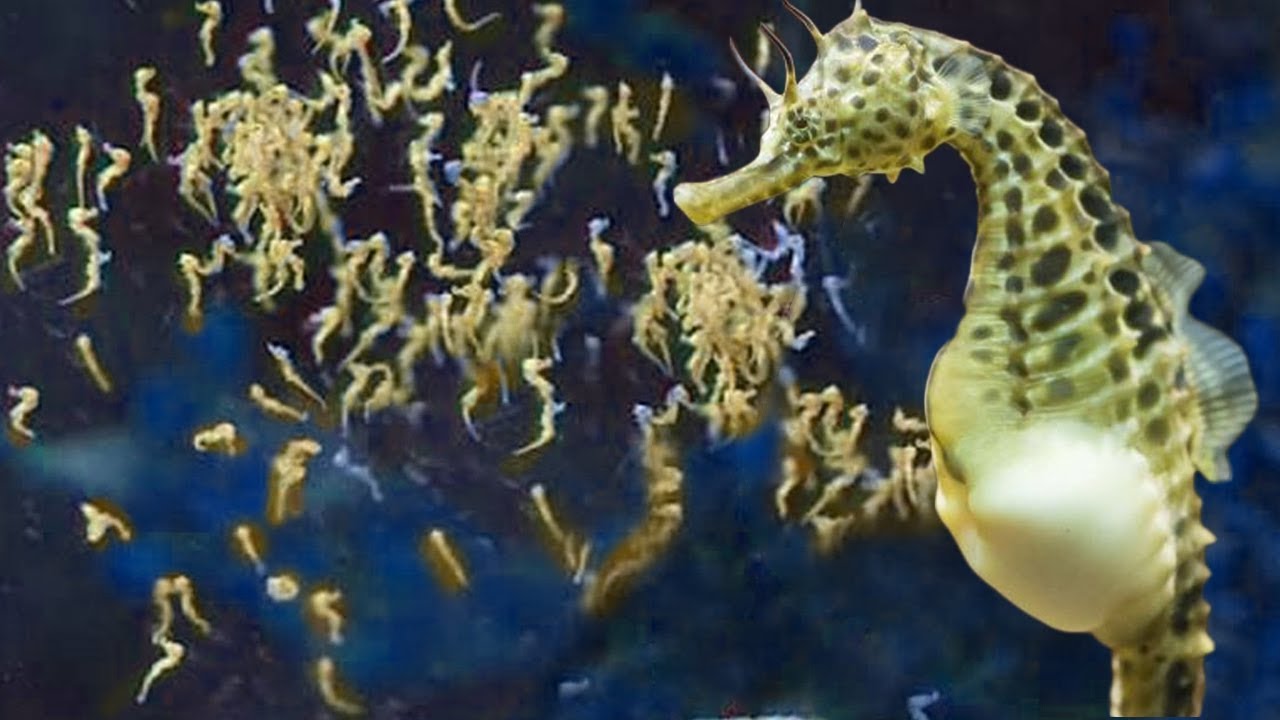
Seahorses are unique in that the male is the one who carries the eggs. The female seahorse will deposit her eggs into the male’s pouch, where they will incubate for 4-6 weeks. A single male seahorse can father up to 1500 offspring in a single breeding season.

4. Rabbits

Rabbits are another species that is known for its rapid reproduction. Female rabbits can become pregnant as early as 4-5 months old, and they can produce up to 8 litters per year. Each litter can contain up to 12 young rabbits.

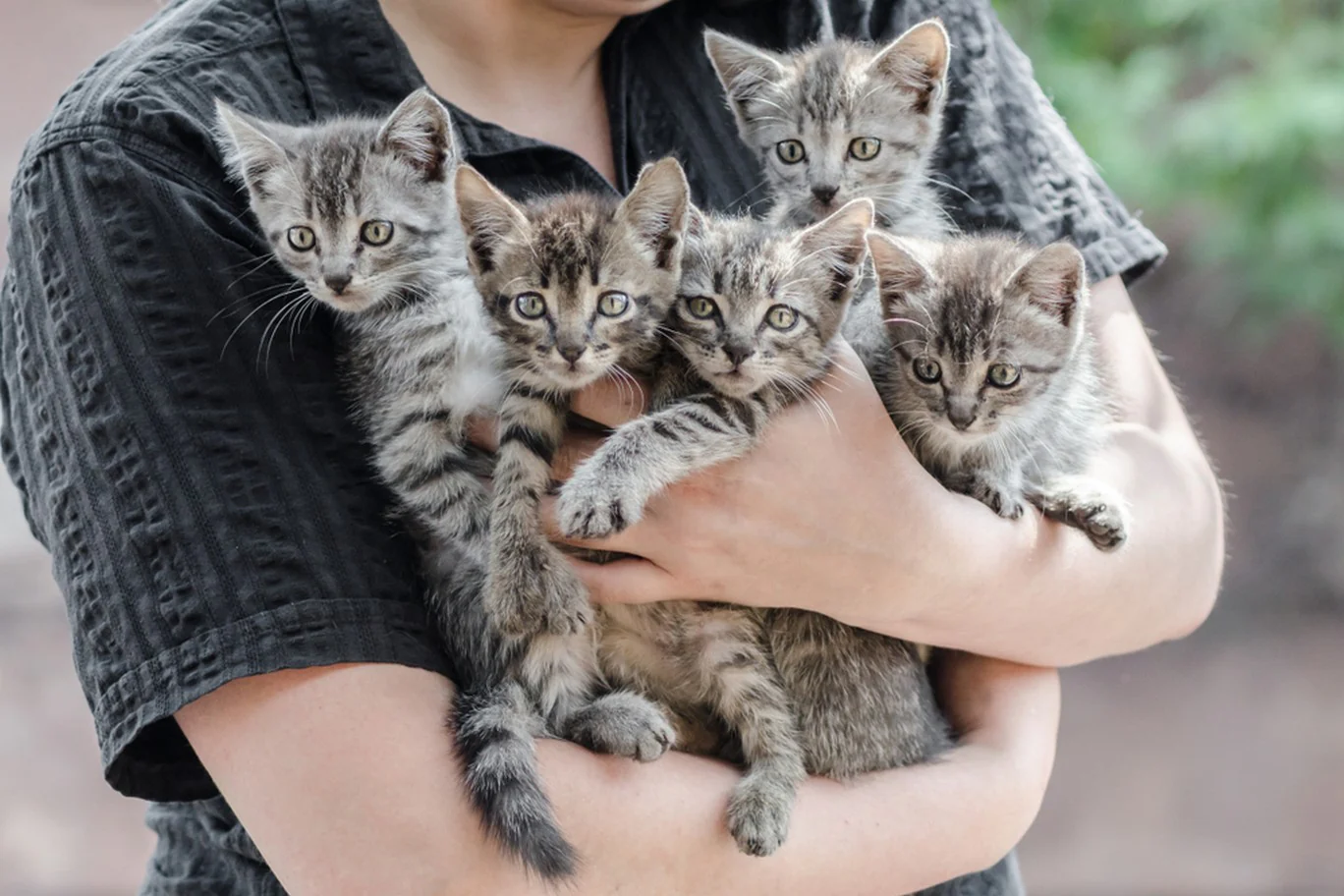
5. Domestic cats

Domestic cats are also relatively quick to reproduce. Female cats can become pregnant as early as 5 months old, and they can have up to 2 litters per year. Each litter can contain up to 6 kittens.

6. Domestic dogs

Female dogs can become pregnant as early as 6 months old, and they can have up to 10 puppies in a litter. This means that a single dog could potentially produce over 100 puppies in her lifetime. Dogs are also relatively long-lived animals, with some breeds living for up to 20 years. This means that they have plenty of time to reproduce and raise their young.

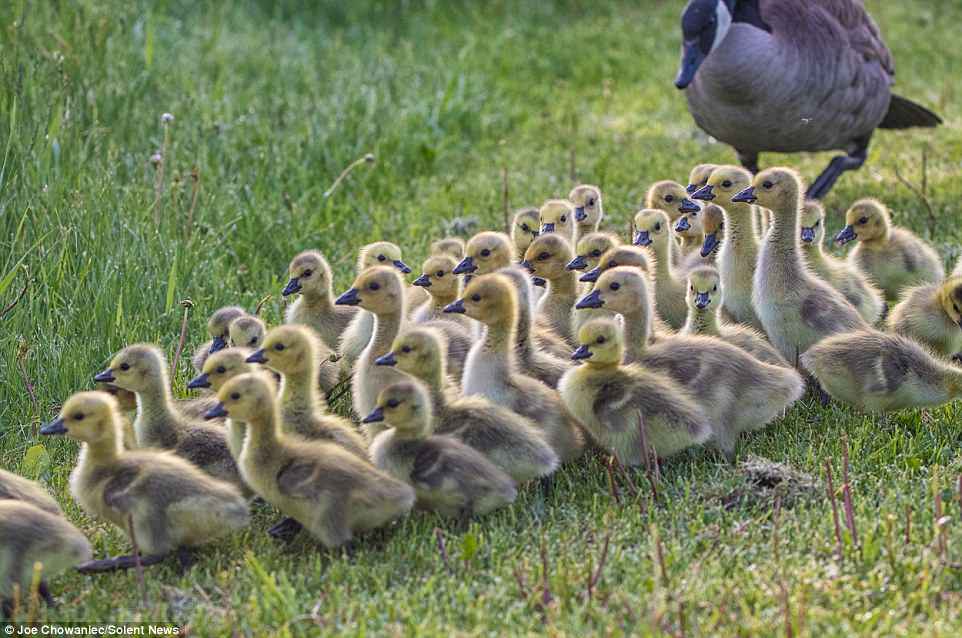
7. Canada geese

Canada geese are known for their large broods. A female goose can lay up to 12 eggs in a single clutch, and the average clutch size is 8 eggs. The young geese are able to fly within a few months of hatching, so they can quickly disperse and start their own families.

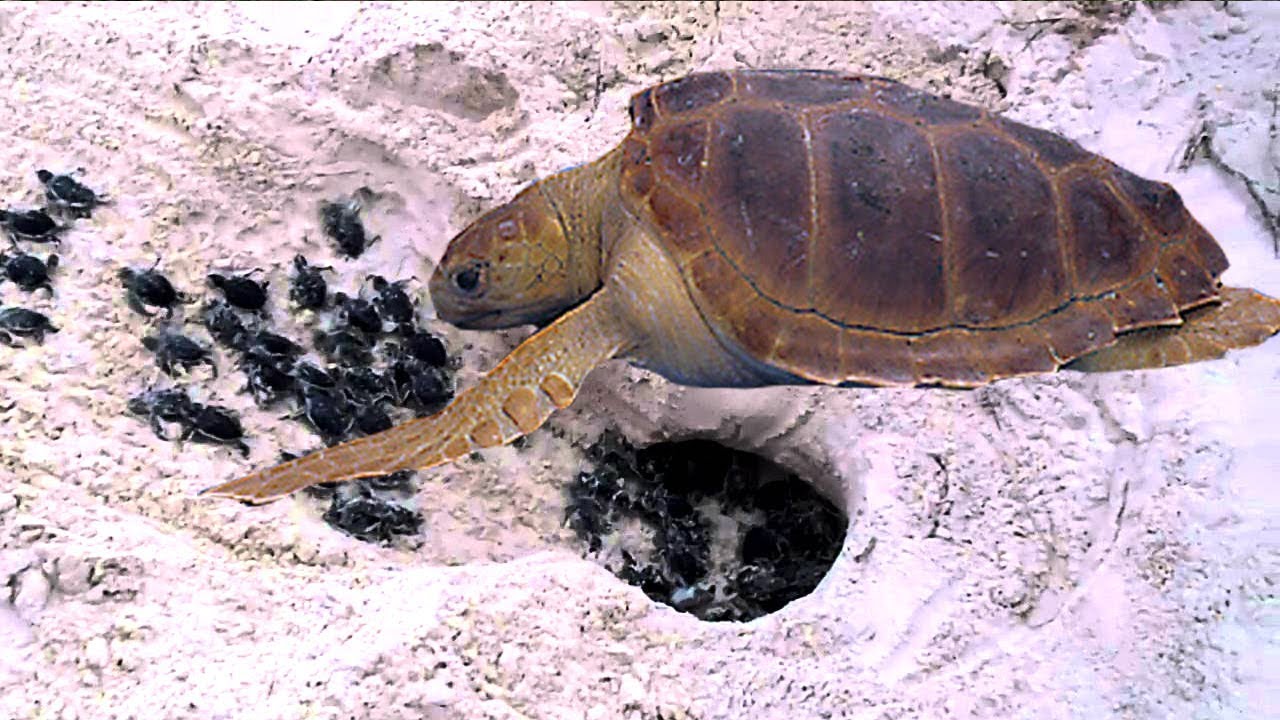
8. Sea turtles

Sea turtles are another group of animals that are known for their rapid reproduction. Female sea turtles can lay up to 100 eggs in a single nest, and they may nest multiple times in a season. The young sea turtles face many challenges, but those that survive can live for many years.

9. Arctic foxes

Arctic foxes are also known for their large litters. A female fox can give birth to up to 15 pups in a single litter, and the average litter size is 8 pups. The young foxes are able to hunt and fend for themselves within a few months of birth, so they can quickly start their own families.

These are just a few of the many animals that reproduce quickly. These animals have evolved to reproduce rapidly in order to ensure the survival of their species. Their rapid reproduction can have both positive and negative implications, but it is clear that these animals play an important role in the natural world.

Tagged : / / /

10 Countries And Their Strange Dining Etiquettes You Should Know!

10 Countries And Their Strange Dining Etiquettes You Should Know!
Every country has different food habits and so different dining etiquettes. Dining etiquette varies from culture to culture, and there are some countries where the rules of etiquette are particularly strict. Here are 10 countries from across the world that are known for their strict dining etiquette:

1. Kazakhstan
If your host in Kazakhstan serves you a cup of tea that is only half full, don’t feel bad. It is a good sign, unlike a full cup of tea that is seen as a sign that the host might want you to leave.

2. India
In India, food is always eaten with right hand as the left hand is considered unclean. Also, Do not put your hand in your mouth while eating, just push the food in with your thumb.

3. Egypt
In Egypt, leaving a meal or gathering to refill your glass is viewed as impolite. You should wait for someone else to offer to do it (often a neighbour). The same goes for offering to replenish your neighbor’s glasses.

4. France
When bread is placed on the table in France, it is not an appetiser but rather something to go with your meal. You’re supposed to rip off pieces and use them to scoop sauces up or transfer food to a fork. Also, In France, eating out is a rather frequent occurrence. However, splitting the bill is viewed as being extremely crude whether you’re out with friends or strangers. Offer to cover the entire bill, or let someone else do it.

5. Italy
In Italy, it is considered rude to start eating before everyone at the table has been served. You should also avoid picking your teeth at the table. It is also customary to finish everything on your plate, as this is seen as a sign of appreciation. Also, you should not ask for extra cheese or spices or condiments for your pizza if you have not already been given.

6. Japan
Never tip in Japanese restaurants as they consider it rude. In Japanese culture, chopsticks placed vertically in rice in offerings made to the dead and at funerals. It is therefore considered bad manners and bad luck to do so during the course of a meal.

7. China
Never finish the entire food on your plate. Leave a little of it on your plate to show that you have been given more than enough food by your hosts and that you are full.

8. Portugal
If you ask for salt and pepper in Portugal, it is considered rude because it means that you are insulting the seasoning skills of the chef.

9. Chile
Never ever use your hands to eat anything in Chile as it is considered extremely ill-mannered. They even eat fries and burgers with fork and knife.

10. Spain
In Spain, it is considered rude to leave food on your plate. You should also avoid asking for a doggy bag. It is also customary to make eye contact with the person you are speaking to while you are eating.

Tagged : / / /

5 Unique School Rules In Japan That You May Not Find In Any Other Country

5 Unique School Rules In Japan That You May Not Find In Any Other Country
Japan has a different culture and tradition than the rest of the world. But Japanese people are one of the most hard working, honest, disciplined and well-mannered people on this planet. All these qualities in Japanese people do not just sprout in a day. Japanese people believe in learning the life lessons young. This is why Japanese children have some amazing rules in their schools which you may not find in any other country.

1 If the teacher is absent in some class then there are no substitute teachers. The students do self study in that period and don’t wreak havoc for other classes just because there is no teacher in the classroom.

2 Students serve themselves lunch and clean their own plates, even little children do this.

3 It is the responsibility of the students to clean their classrooms.

4 Students change shoes when entering the classroom because indoor and outdoor shoes are different.

5 They can opt for a subject of their choice which can help them lean life skills like fishing, agriculture, carpentry etc.

These rules may seem strict, but they are designed to help Japanese school kids learn and grow in a safe and orderly environment. The emphasis on discipline and respect helps to create a culture of hard work and academic excellence in Japanese schools.

In addition to these rules, Japanese school kids are also expected to participate in a variety of extracurricular activities, such as sports, clubs, and volunteer work. These activities help to develop students’ social skills and leadership abilities.

The strict rules and high expectations of Japanese schools can be demanding, but they also provide students with a strong foundation for success in life. Japanese school kids are well-prepared for the challenges of college and the workforce, thanks to the rigorous education they receive.

Tagged : / / /

These Are The Top 10 Most Visited Countries In The World

These Are The Top 10 Most Visited Countries In The World
The world is contracting. Places that weren’t in reach for people are now frequently visited. International travel has been steadily increasing in recent years, and the number of countries that people visit has also been growing. There are some countries which are in the travel list of most travellers. Today we will tell you about those 10 countries which were on everybody’s travel list. In 2022, the top 10 most visited countries in the world were:

1 France: 99.2 million visitors
2 Spain: 83.7 million visitors
3 United States: 80.6 million visitors
4 China: 62.9 million visitors
5 Italy: 60.7 million visitors
6 Turkey: 52 million visitors
7 Mexico: 46 million visitors
8 Thailand: 45.7 million visitors
9 Germany: 38.4 million visitors
10 United Kingdom: 38 million visitors

People visit these countries because of various reasons like:

1) Historical and cultural attractions
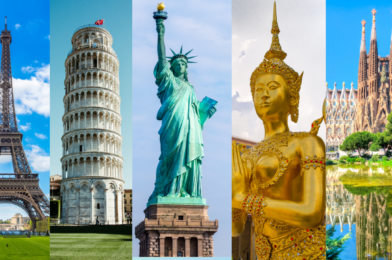
Many of the top 10 most visited countries have a rich history and culture that attracts visitors from all over the world. For example, France is home to the Eiffel Tower and the Louvre Museum, while Spain is home to the Sagrada Familia and the Alhambra.

2) Natural beauty
Several of the top 10 most visited countries are also home to stunning natural beauty. For example, Thailand is known for its beaches and islands, while the United States is home to the Grand Canyon and Yellowstone National Park.

3) Diverse cuisine
The top 10 most visited countries also offer a wide variety of cuisines to tempt visitors’ taste buds. For example, France is known for its pastries and wine, while Italy is known for its pasta and pizza.

4) Friendly people
The people in many of the top 10 most visited countries are known for being friendly and welcoming to tourists. For example, the people in Thailand are known for their smiles and their willingness to help visitors.

These are just a few of the many reasons why the top 10 most visited countries are so popular. If you’re looking for a great place to travel and you have the money to travel to these places, be sure to check out one of these destinations.

Tagged : / / / /
Verified by ExactMetrics