10 Ayurvedic Superfoods to Help Manage Blood Sugar

10 Ayurvedic Superfoods to Help Manage Blood Sugar
Blood sugar control is crucial for overall health and well-being. Ayurveda, the ancient Indian science of healing, offers a wealth of natural remedies to manage blood sugar levels and prevent diabetes. Here are 10 powerful Ayurvedic foods that can be your allies in this journey:

1. Bitter Gourd (Bitter Melon): This unappetizing veggie might surprise you with its blood-sugar-lowering properties. Momordica charantia, as it’s called scientifically, contains compounds that mimic insulin and regulate glucose metabolism. Enjoy it in juices, stir-fries, or even pickles.

2. Fenugreek Seeds: These tiny seeds pack a big punch when it comes to blood sugar control. Fenugreek’s fiber content slows down sugar absorption, while its trigonelline compound mimics insulin’s action. Soak or sprout them before consuming for better digestion.

3. Jamun (Black Plum): This delicious fruit is a treasure trove of antioxidants and jambosine, a compound that aids in pancreatic beta-cell function, crucial for insulin production. Enjoy it fresh, dried, or as juice.

4. Giloy (Guduchi): This herb is revered in Ayurveda for its immune-boosting and blood sugar-lowering properties. Giloy helps regulate glucose metabolism and pancreatic function. Consume it in juice form or as a decoction.

5. Neem Leaves: Don’t let the bitter taste fool you! Neem leaves are packed with anti-diabetic properties. They help improve insulin sensitivity and pancreatic beta-cell function. Consume them in juice form or add them to curries.

6. Turmeric: This golden spice is a well-known anti-inflammatory wonder. Curcumin in turmeric helps regulate blood sugar levels and protects against diabetic complications. Add it to your daily meals or consume it in milk with honey.

7. Cinnamon: This fragrant spice not only adds flavor but also helps manage blood sugar. Cinnamon improves insulin sensitivity and slows down glucose absorption. Sprinkle it on your oatmeal, yogurt, or even coffee.

8. Flaxseeds: These tiny seeds are rich in fiber and omega-3 fatty acids, both of which contribute to blood sugar control. Grind them into flour or enjoy them soaked in water or yogurt.

9. Amla (Indian Gooseberry): This vitamin C powerhouse boosts immunity and aids in blood sugar regulation. Amla’s chromium content enhances insulin sensitivity, making it a diabetic-friendly fruit. Enjoy it fresh, juiced, or in chutneys.

10. Aloe Vera: This gel-like wonder isn’t just for soothing sunburns! Aloe vera gel helps regulate blood sugar levels and protects against oxidative stress. Consume it fresh, in juice form, or add it to smoothies.

Remember, these foods are best incorporated into a healthy lifestyle that includes regular exercise and stress management. Consult your doctor before making any drastic dietary changes, especially if you have pre-existing medical conditions.

By incorporating these Ayurvedic superfoods into your diet, you can take a proactive approach to managing your blood sugar levels and live a healthier, happier life.

Tagged : / / / / /

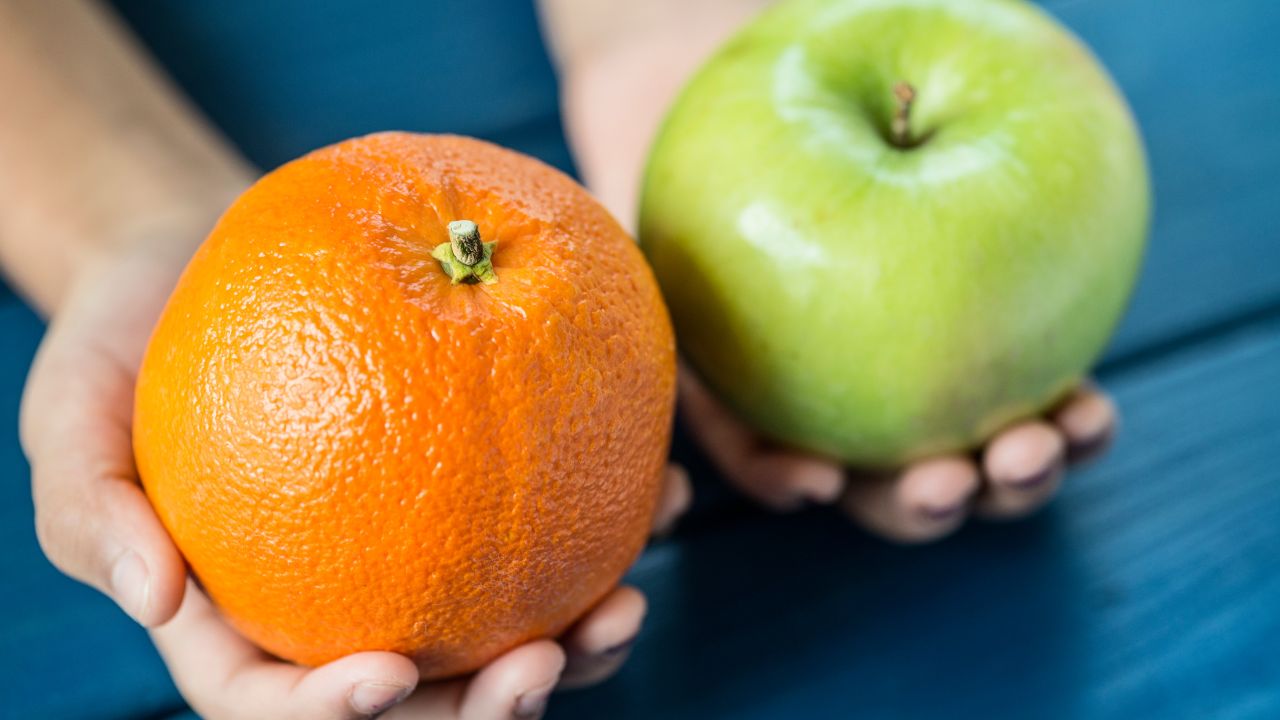
Apple vs. Orange: Who Wins The Blood Sugar Battle Royale?

Apple vs. Orange: Who Wins The Blood Sugar Battle Royale?
When it comes to keeping your blood sugar in check, both apples and oranges are superstar contenders. But choosing the champion can feel like navigating a fruit-filled maze. Fear not, sugar warriors! This blog will crack the code, revealing the hidden powers of each fruit and crowning the ultimate blood sugar hero.

Round 1: Fiber Frenzy

Fiber, the mighty moderator, slows down sugar absorption, preventing blood sugar spikes. Apples pack a powerful punch with 4.4 grams per medium fruit, while oranges offer a respectable 3.1 grams. Apple takes the first round!

Round 2: Glycemic Index Showdown

The Glycemic Index (GI) measures how quickly a food raises blood sugar, with lower numbers being better. Apples boast a GI of 36, while oranges come in slightly higher at 43. Apple maintains its lead!

Round 3: Vitamin Bonanza

Vitamin C is another champion for blood sugar control. Both fruits are bursting with this antioxidant powerhouse, with oranges slightly ahead with 70mg per fruit compared to an apple’s 8.4mg. Orange scores a point!

Round 4: Sugar Showdown

Naturally occurring sugars, like fructose, can impact blood sugar. Oranges have a slightly higher sugar content, with 9 grams per fruit versus an apple’s 5.3 grams. Apple regains control!

The Final Tally:

After a fierce battle, the apple emerges victorious, thanks to its superior fiber content, lower GI, and lower sugar content. However, oranges shouldn’t be banished from your blood sugar-balancing arsenal. Their vitamin C richness and deliciousness offer valuable contributions to a healthy diet.

Remember:

  • Portion control is key! Stick to one medium apple or orange per serving.
  • Variety is vital! Enjoy both fruits as part of a balanced diet rich in fruits, vegetables, and whole grains.
  • Consult your doctor for personalized advice on managing your blood sugar.
    So, ditch the fruit-picking panic and embrace both apples and oranges. With mindful consumption and a balanced diet, you can keep your blood sugar happy and your taste buds singing!

Bonus Round:

Feeling adventurous? Combine the powers of both fruits in a delicious and nutritious salad or smoothie! Mix sliced apple with segmented orange, leafy greens, and a sprinkle of nuts for a blood sugar-balancing powerhouse.

Now go forth, fruit-fueled warriors, and conquer your blood sugar with the wisdom of both the apple and the orange!

Tagged : / / / / /

Keep Your Kidneys Thriving: Essential Tips for Diabetics

Keep Your Kidneys Thriving: Essential Tips for Diabetics
Diabetes, a chronic condition affecting millions worldwide, can put extra strain on your kidneys. But fear not! By taking proactive steps, you can safeguard your kidney health and ensure they continue to filter your blood efficiently.

Why Kidneys Matter in Diabetes:

Kidneys are superheroes of your body, constantly filtering waste and toxins from your blood. In diabetes, high blood sugar levels can damage these tiny filters, leading to a condition called diabetic kidney disease (DKD). Early detection and proper management are crucial to prevent serious complications.

Guiding Principles for Kidney Care:

1. Blood Sugar Control: This is your top priority. Maintain healthy blood sugar levels through medication, diet, and exercise as recommended by your doctor.
2. Blood Pressure Management: High blood pressure is another risk factor for DKD. Regularly monitor your pressure and work with your doctor to keep it under control.
3. Weight Management: Maintaining a healthy weight reduces stress on your kidneys and overall health.
4. Hydration: Drink plenty of water throughout the day to flush toxins and keep your kidneys functioning optimally. Aim for eight glasses daily.

Dietary Tweaks for Kidney Health:

  • Reduce Sodium: Limit processed foods, fast food, and added salt in cooking. Opt for fresh ingredients and natural herbs for flavor.
  • Monitor Potassium and Phosphorus: These minerals can build up in the blood with kidney disease. Talk to your doctor about recommended intake levels and adjust your diet accordingly.
  • Choose Protein Wisely: Opt for plant-based protein sources like beans, lentils, and tofu. Limit animal protein intake as discussed with your doctor.
  • Reduce Stress: Chronic stress can elevate blood pressure and worsen kidney function. Practice relaxation techniques like yoga, meditation, or deep breathing.

    Early Detection is Key:

Regular checkups with your doctor are essential for monitoring kidney health. Early signs of DKD can include:

  • High blood pressure
  • Protein in the urine
  • Increased thirst and urination
  • Fatigue and weakness
  • Swelling in the ankles and feet

Remember: You are not alone in this journey. By following these tips, working closely with your healthcare team, and prioritizing your well-being, you can empower your kidneys to thrive despite diabetes.

Bonus Tip: Get moving! Regular exercise helps manage blood sugar and blood pressure, both beneficial for kidney health. Choose activities you enjoy, like brisk walking, swimming, or cycling.

Taking care of your kidneys is an investment in your long-term health and well-being. By incorporating these simple yet effective strategies into your daily life, you can ensure your kidneys continue to function optimally, even with diabetes. Remember, knowledge is power, and early intervention is key to a healthy future. So, let’s prioritize kidney care and keep those vital organs singing!

Tagged : / / / /

5 Amazing Seeds That Control Blood Sugar Levels Naturally

5 Amazing Seeds That Control Blood Sugar Levels Naturally
Blood sugar control is an important part of diabetes management. There are many different ways to control blood sugar levels, including diet, exercise, and medication. However, there are also some natural remedies that can help.

In this blog post, we will discuss 5 magical seeds that can help in controlling blood sugar levels naturally. These seeds are:

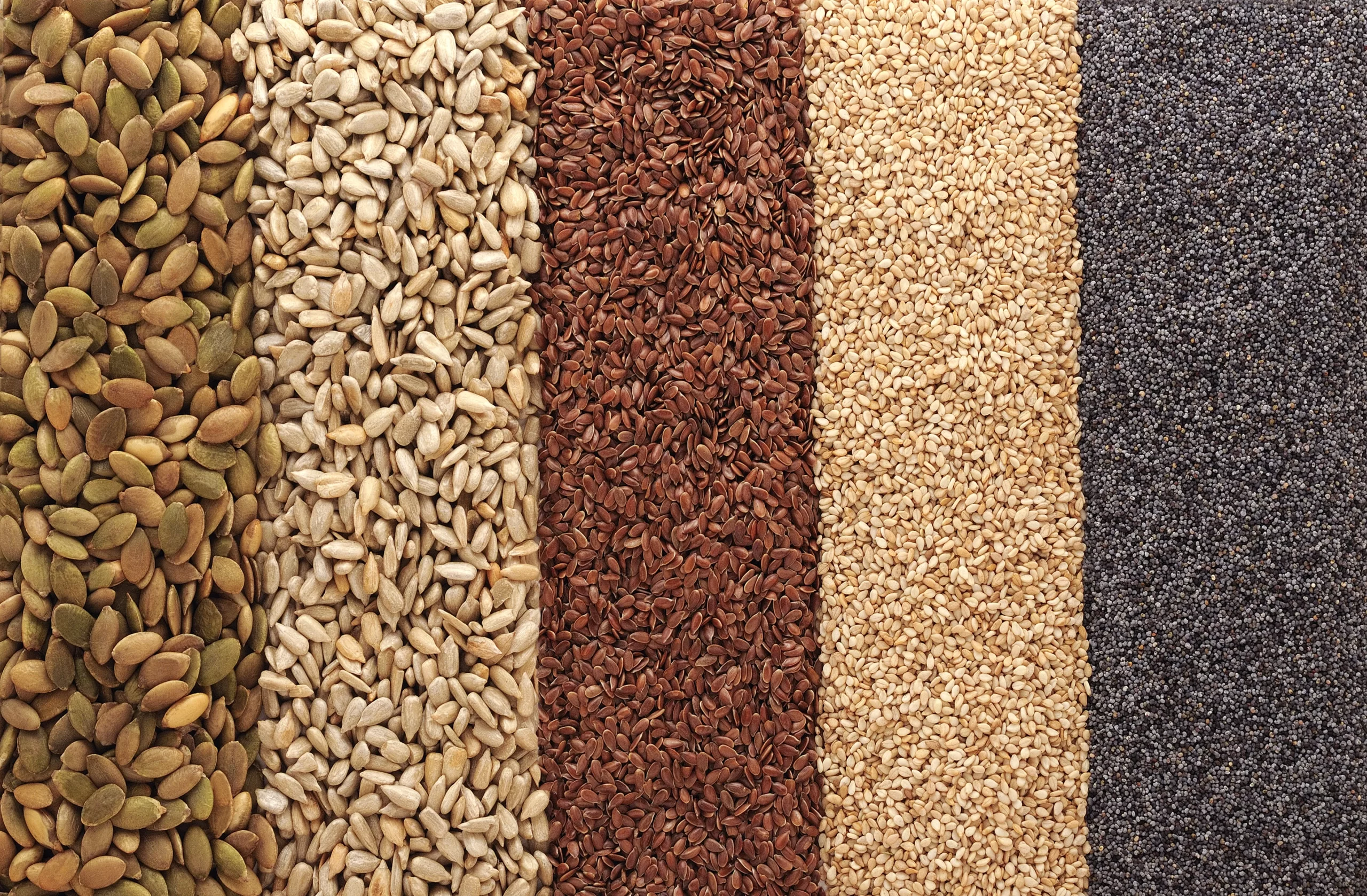
1. Chia seeds: Chia seeds are a great source of fiber, which can help to slow down the absorption of sugar into the bloodstream. They also contain omega-3 fatty acids, which have anti-inflammatory properties.

2. Fenugreek seeds: Fenugreek seeds have been shown to lower blood sugar levels by increasing insulin production. They also contain galactomannan, a type of fiber that can help to slow down the absorption of sugar into the bloodstream.

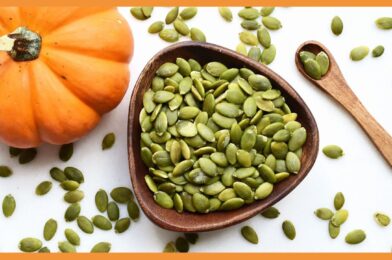
3. Pumpkin seeds: Pumpkin seeds are a good source of magnesium, which is important for blood sugar control. They also contain zinc, which can help to improve insulin sensitivity.

4. Flax seeds: Flax seeds are a good source of fiber, omega-3 fatty acids, and lignans. These nutrients can all help to improve blood sugar control.

5. Cumin seeds: Cumin seeds have been shown to lower blood sugar levels by increasing insulin sensitivity. They also contain antioxidants, which can help to protect against cell damage caused by high blood sugar levels.

These seeds can be eaten on their own or added to foods like yogurt, smoothies, and oatmeal. They can also be ground into a flour and used to make pancakes, muffins, and cookies.

It is important to note that these seeds should not be used as a substitute for medication or other medical treatments for diabetes. However, they can be a helpful addition to a healthy diet for people with diabetes.

In addition to eating these seeds, there are other things that people with diabetes can do to control their blood sugar levels. These include:

  • Eating a healthy diet: A healthy diet for people with diabetes should include plenty of fruits, vegetables, and whole grains. It should also be low in sugar and saturated fat.
  • Exercising regularly: Exercise helps to lower blood sugar levels by making the body more sensitive to insulin. Aim for at least 30 minutes of moderate-intensity exercise most days of the week.
  • Maintaining a healthy weight: Being overweight or obese can make it harder to control blood sugar levels. Losing even a small amount of weight can help to improve blood sugar control.
  • Monitoring blood sugar levels: Monitoring blood sugar levels regularly helps to identify patterns and make adjustments to diet, exercise, and medication as needed.
    By following these tips, people with diabetes can take control of their blood sugar levels and live a healthy life
Tagged : / / / / /

Consume These 5 Kinds Of Leaves To Maintain Blood Sugar Levels

Consume These 5 Kinds Of Leaves To Maintain Blood Sugar Levels
Leafy greens are a great way to balance your blood sugar levels. They are low in calories and carbohydrates, and high in fiber, vitamins, and minerals. Fiber helps to slow down the digestion of carbohydrates, which can help to prevent blood sugar spikes. Leafy greens are also a good source of magnesium, which has been shown to improve insulin sensitivity.

Here are 5 leafy greens that can help maintain blood sugar levels:

1. Spinach

Spinach is a nutrient-rich leafy green that is low in calories and carbohydrates. It is a good source of fiber, vitamins, and minerals, including magnesium, potassium, and vitamin C. Magnesium has been shown to improve insulin sensitivity, which can help to regulate blood sugar levels.

2. Curry leaves

Curry leaves are the leaves of the curry tree, which is native to India and Southeast Asia. They are a common ingredient in Indian cuisine, and they are known for their distinctive flavor. Curry leaves have a slightly citrusy and nutty flavor, and they can be used fresh or dried. Curry leaves are a good source of vitamins and minerals, including vitamin A, vitamin C, and calcium. They also contain antioxidants, which can help to protect the body from damage. Not just sugar, they also help control cholesterol too.

3. Mint leaves

Mint leaves are the leaves of the mint plant, which is a member of the mint family. Mint is a popular herb that is used in both culinary and medicinal applications. Mint leaves have a refreshing and minty flavor, and they can be used fresh or dried. Mint leaves are a good source of vitamins and minerals, including vitamin A, vitamin C, and manganese. They also contain antioxidants, which can help to protect the body from damage. Not only do these help balance blood sugar but also improves digestion, reduces inflammation, Boosts the immune system and relieving headaches.

4. Fenugreek leaves

Fenugreek leaves are the leaves of the fenugreek plant, which is a member of the legume family. Fenugreek is a popular herb that is used in both culinary and medicinal applications. Fenugreek leaves have a slightly bitter and nutty flavor, and they can be used fresh or dried. Fenugreek leaves are a good source of vitamins and minerals, including protein, fiber, iron, and magnesium. They also contain antioxidants, which can help to protect the body from damage. Fenugreek leaves have been shown to have a number of health benefits, including regulating blood sugar levels, reducing cholesterol levels and
boosting the immune system.

5. Kale

Kale is another nutrient-rich leafy green that is low in calories and carbohydrates. It is a good source of fiber, vitamins, and minerals, including magnesium, potassium, and vitamin K. Vitamin K is important for blood clotting and bone health.

Tagged : / / / / / /

5 Reasons Why Oats Are Wonder Food For Diabetics

5 Reasons Why Oats Are Wonder Food For Diabetics
Oats are a whole grain that is packed with nutrients and has been shown to have many health benefits, including for people with diabetes. Here are some of the reasons why oats are considered a wonder food for diabetics:

1. Oats are high in fiber
Fiber is an important nutrient for people with diabetes because it helps to slow down the absorption of glucose into the bloodstream. This can help to prevent blood sugar spikes after meals. Oats are a good source of both soluble and insoluble fiber. Soluble fiber forms a gel in the stomach that slows down digestion and absorption of glucose. Insoluble fiber helps to keep the digestive system healthy and regular.

2. Oats have a low glycemic index
The glycemic index (GI) is a measure of how quickly a food raises blood sugar levels. Foods with a low GI are digested and absorbed slowly, which helps to prevent blood sugar spikes. Oats have a GI of 55, which is considered to be low.

3. Oats are a good source of magnesium
Magnesium is a mineral that is important for blood sugar control. Studies have shown that people with low magnesium levels are more likely to have type 2 diabetes. Oats are a good source of magnesium, providing about 27% of the Daily Value (DV) in a 1/2 cup serving.

4. Oats may help to lower cholesterol
Oats contain soluble fiber, which has been shown to lower cholesterol levels. Studies have shown that eating oats can help to reduce LDL (bad) cholesterol and total cholesterol levels.

5. Oats may help to improve heart health
In addition to lowering cholesterol, oats may also help to improve heart health by reducing inflammation and blood pressure. Studies have shown that eating oats can help to reduce the risk of heart disease and stroke.

How to eat oats for diabetes?

Oats can be eaten in a variety of ways, and there are many healthy recipes that incorporate oats. Here are a few ideas:

Oatmeal for breakfast : Oatmeal is a classic breakfast food that is easy to make and customize. You can add your favorite toppings, such as fruit, nuts, seeds, or yogurt.

Overnight oats : Overnight oats are a convenient way to have a healthy breakfast on the go. Simply combine oats, milk, yogurt, and your favorite toppings in a jar and let it sit in the refrigerator overnight.

Oat bran muffins : Oat bran muffins are a good source of fiber and can help to keep you feeling full. You can find recipes for oat bran muffins that are specifically designed for people with diabetes.

Oat-based snacks : There are many healthy snacks that can be made with oats, such as oat bars, oat cookies, and oat balls. These snacks can help to keep you feeling full between meals and prevent blood sugar spikes.

No matter how you choose to eat them, oats are a healthy and nutritious food that can be enjoyed by people with diabetes. When choosing oats, it is important to select whole grain oats, as these are higher in fiber and nutrients than refined oats. It is also important to limit the amount of added sugar and fat in your oat dishes. By following these tips, you can enjoy the health benefits of oats without sabotaging your blood sugar control.

Tagged : / / / /

7 Foods That Are The Biggest Enemies Of Diabetic People

7 Foods That Are The Biggest Enemies Of Diabetic People
Diabetes is a chronic health condition that affects how your body turns food into energy. If you have diabetes, it’s important to eat a healthy diet to help manage your blood sugar levels.

There are certain foods that are worse for diabetics than others. These foods can cause your blood sugar levels to spike, which can lead to health problems like heart disease, stroke, and blindness.

Here are some of the worst foods for diabetics:

1. Fried foods: Fried foods are high in unhealthy fats, which can raise your cholesterol levels and increase your risk of heart disease. They’re also high in calories, which can lead to weight gain.


2. Packaged snacks and processed baked goods: Packaged snacks and processed baked goods are often high in sugar, unhealthy fats, and calories. They’re also low in nutrients.

3. White carbohydrates: White carbohydrates, such as white bread, pasta, and rice, are quickly digested and absorbed into the bloodstream, which can cause a spike in blood sugar levels.

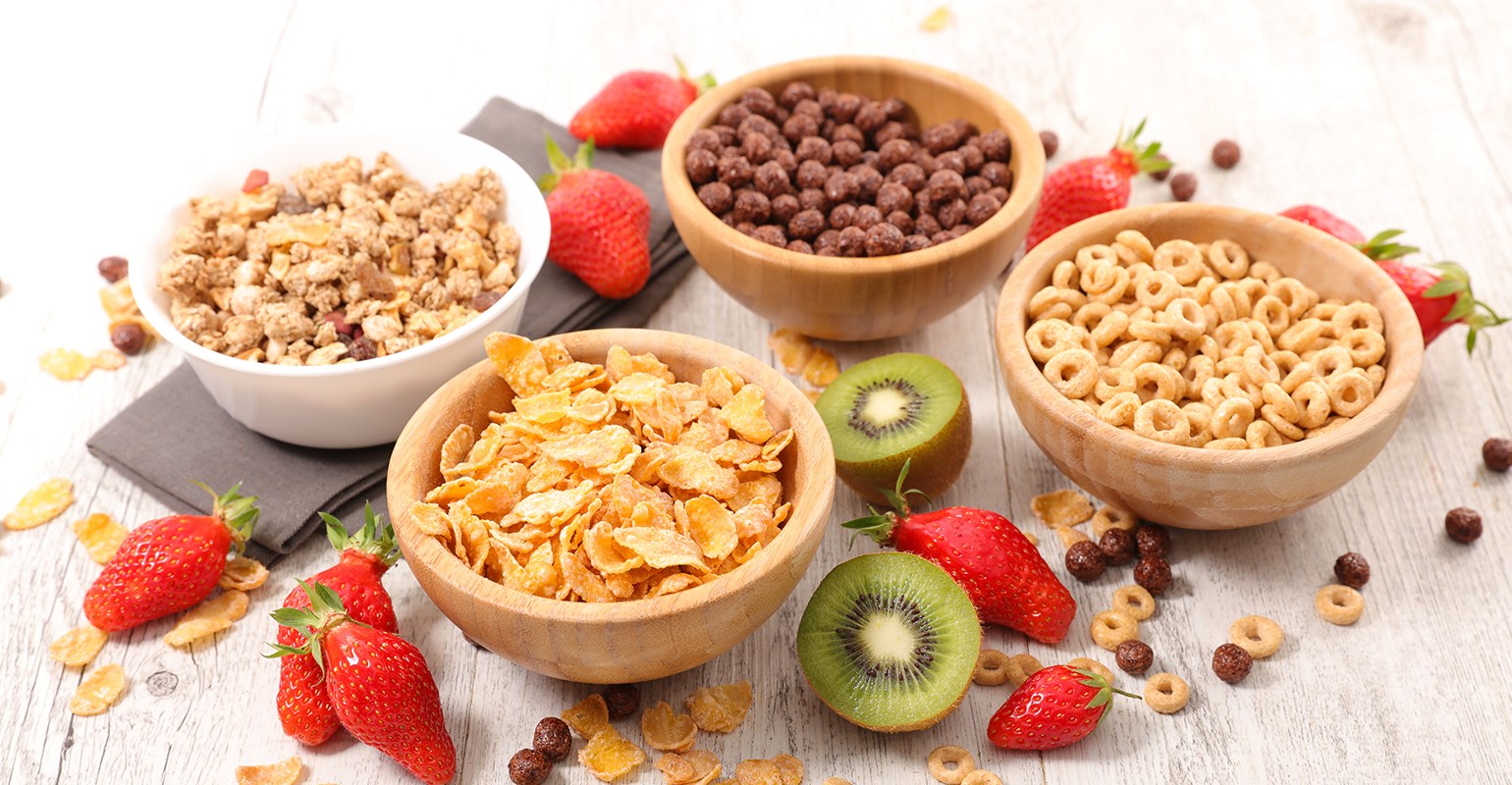
4. Sweetened breakfast cereals: Sweetened breakfast cereals are often high in sugar and calories. They’re also low in fiber, which can contribute to weight gain.

5. Higher-fat cuts of meat: Higher-fat cuts of meat, such as beef, lamb, and pork, are high in saturated fat. Saturated fat can raise your cholesterol levels and increase your risk of heart disease.

6. Foods with trans fats: Foods with trans fats, such as margarine and shortening, are also bad for diabetics. Trans fats can raise your cholesterol levels and increase your risk of heart disease.

7. Sugary foods: Sugary foods, such as candy, soda, and pastries, are high in sugar and calories. They’re also low in nutrients.

If you have diabetes, it’s important to avoid these foods as much as possible. Instead, focus on eating a healthy diet that includes plenty of fruits, vegetables, whole grains, and lean protein. You should also talk to your doctor or a registered dietitian about creating a meal plan that is right for you.

Here are some additional tips for diabetics:

  • Eat regular meals and snacks throughout the day.
  • Choose foods that are low on the glycemic index.
  • Limit your intake of unhealthy fats.
  • Get regular exercise.
  • Manage stress.
    By following these tips, you can help manage your diabetes and improve your overall health.
Tagged : / / / /

7 Ways In Which Your Body Gives You Hint About High Sugar Levels

7 Ways In Which Your Body Gives You Hint About High Sugar Levels
Diabetes is a chronic health condition that affects how your body turns food into energy. There are two main types of diabetes: type 1 and type 2.

Type 1 diabetes is an autoimmune disease that causes your body to attack the cells in your pancreas that produce insulin. Insulin is a hormone that helps your body use glucose for energy.
Type 2 diabetes is caused by a combination of genetics and lifestyle factors, such as being overweight or obese, having a family history of diabetes, or being inactive.

Diabetes can affect many parts of your body, but there are 7 body parts that can give you a hint that you may have diabetes.

1. Your skin
If you have diabetes, you may be more likely to develop skin problems, such as:

  • Darkened skin patches, especially in the armpits, elbows, knees, and knuckles (acanthosis nigricans)
  • Slow-healing sores
  • Infections of the skin, nails, and gums

2. Your eyes
Diabetes can damage your eyes and lead to serious vision problems, such as:

  • Cataracts
  • Glaucoma
  • Diabetic retinopathy, which can cause blindness

3. Your kidneys
Diabetes can damage your kidneys and lead to kidney disease. Symptoms of kidney disease can include:

  • Foamy urine
  • Trouble concentrating
  • Swelling in your feet, ankles, or legs

4. Your heart and blood vessels
Diabetes can increase your risk of heart disease and stroke. Symptoms of heart disease can include:

  • Chest pain
  • Shortness of breath
  • Pain in your arms, neck, or jaw

5. Your feet
Diabetes can damage your nerves and blood vessels in your feet. This can lead to problems such as:

  • Numbness or tingling in your feet
  • Painful sores that don’t heal
  • Foot infections
  • Gangrene, which is the death of tissue in your feet

6. Your gums
Diabetes can increase your risk of gum disease. Symptoms of gum disease can include:

  • Red, swollen, or bleeding gums
  • Bad breath
  • Loose teeth

7. Your mood
Diabetes can affect your mood and make you more likely to experience:

  • Anxiety
  • Depression
  • Mood swings
    If you notice any of these symptoms, it’s important to see your doctor right away. Early diagnosis and treatment of diabetes can help prevent serious complications.

In addition to the 7 body parts listed above, there are other signs and symptoms that could indicate diabetes, such as:

  • Increased thirst
  • Frequent urination
  • Extreme hunger
  • Unexplained weight loss
  • Fatigue
  • Irritability
    If you have any of these symptoms, it’s important to see your doctor for a blood test to check your blood sugar levels. Early diagnosis and treatment of diabetes can help you live a long and healthy life.
Tagged : / / / /

How Baby Corns Are a Super Food for Diabetic People

How Baby Corns Are a Super Food for Diabetic People
Baby corn is a miniature version of fully grown corn, but it packs a big nutritional punch. It is a low-calorie, high-fiber vegetable that is also a good source of vitamins, minerals, and antioxidants. For people with diabetes, baby corn can be a valuable addition to their diet. Here are some of the reasons why:

1. Low glycemic index
The glycemic index (GI) is a measure of how quickly a food raises blood sugar levels. Baby corn has a low GI, which means that it does not cause a sharp spike in blood sugar levels after eating.

2. High fiber content
Fiber helps to slow down the absorption of sugar into the bloodstream, which can help to keep blood sugar levels stable. Baby corn is a good source of soluble fiber, which is the type of fiber that has the most beneficial effects on blood sugar control.

3. Low in calories and fat
Baby corn is a low-calorie food, which makes it a good choice for people who are trying to lose weight or manage their weight. It is also a low-fat food, which is important for people with diabetes who are at risk of heart disease.

4. Rich in vitamins and minerals
Baby corn is a good source of vitamins A, C, and K, as well as the minerals magnesium, phosphorus, and potassium. These vitamins and minerals are essential for overall health and well-being, and they can also help to improve blood sugar control.

5. Antioxidant-rich
Baby corn is a good source of antioxidants, which can help to protect the body against damage from free radicals. Free radicals are unstable molecules that can damage cells, and they have been linked to a number of chronic diseases, including diabetes.

In addition to these health benefits, baby corn is also a versatile vegetable that can be enjoyed in a variety of dishes. It can be eaten raw, cooked, or stir-fried. It can also be added to soups, salads, and casseroles.

If you are looking for a healthy and delicious way to add more vegetables to your diet, baby corn is a great option. It is a low-calorie, high-fiber food that is also a good source of vitamins, minerals, and antioxidants. Baby corn can be a valuable addition to the diet of people with diabetes, as it can help to keep blood sugar levels stable.

Tagged : / / / / /

5 Signs your body is experiencing a glucose spike! Diabetic people should know these!

5 Signs your body is experiencing a glucose spike! Diabetic people should know these!
Blood sugar spikes occur when the level of glucose in the blood rises rapidly. This can happen for a variety of reasons, such as eating a high-sugar meal, not taking medication as prescribed, or exercising too much. If you have diabetes, it is important to be aware of the symptoms of a glucose spike so that you can take steps to manage it. Here are five common symptoms of glucose spike:

1 Brain Fog
Brain fog is a term used to describe a feeling of mental fuzziness or confusion. It can be caused by a variety of factors, including diabetes. In people with diabetes, brain fog can be caused by high blood sugar levels. High blood sugar can damage blood vessels in the brain, which can lead to impaired blood flow and oxygen delivery to the brain. This can cause problems with concentration, memory, and thinking. Brain fog can also be caused by low blood sugar levels. Low blood sugar can cause symptoms such as shakiness, sweating, and confusion. If blood sugar levels are not corrected quickly, it can lead to more serious complications, such as seizures or coma. If you have diabetes and are experiencing brain fog, it is important to talk to your doctor. They can help you to determine the cause of your brain fog and develop a treatment plan to manage your blood sugar levels and improve your cognitive function.

2 Palpitations at night
Heart palpitations are a common symptom of diabetes. They can be caused by a number of factors, including high blood sugar levels, low blood sugar levels, and diabetic heart disease. High blood sugar levels can damage the nerves that control the heart’s rhythm. This can lead to an irregular heartbeat, or arrhythmia. Arrhythmias can cause heart palpitations, as well as other symptoms such as chest pain, shortness of breath, and lightheadedness. Low blood sugar levels can also cause heart palpitations. When blood sugar levels drop too low, the body releases hormones that increase the heart rate. This can lead to a racing heart, or tachycardia. Diabetic heart disease is a serious complication of diabetes that can cause heart palpitations. Diabetic heart disease is caused by damage to the blood vessels that supply blood to the heart. This damage can lead to a number of problems, including heart failure, heart attack, and stroke.

3 Hair loss in women


Hair loss is a common problem in women with diabetes. It can be caused by a number of factors, including high blood sugar levels. High blood sugar levels can damage the hair follicles, which can lead to hair loss. Poor circulation can also contribute to hair loss, as it can prevent the hair follicles from getting the nutrients they need. f you are a woman with diabetes and are experiencing hair loss, it is important to see your doctor because this may mean irregular sugar levels in the blood.

4 Eczema
When blood sugar levels rise too high, the body releases a hormone called insulin. Insulin helps the body to use glucose for energy. However, if blood sugar levels are consistently high, the body can become resistant to insulin. This means that the body does not use glucose effectively, and the glucose builds up in the blood. High blood sugar levels can damage the skin barrier. The skin barrier is a thin layer of cells that protects the skin from bacteria, viruses, and other harmful substances. When the skin barrier is damaged, it can lead to dry, itchy skin. This can make eczema worse.

5 Constant hunger
Feeling constantly hungry is a common symptom of diabetes. It is known as polyphagia. It is caused by high blood sugar levels, which can lead to a number of problems, including the body not being able to use glucose for energy, which can lead to fatigue and weakness, the kidneys excreting more glucose in the urine, which can lead to dehydration, the liver producing more glucose, which can also lead to high blood sugar levels. If you are experiencing constant hunger, it is important to talk to your doctor. They can help you determine the cause of your hunger and develop a treatment plan that is right for you.

Tagged : / /

Lesser known symptoms of diabetes to look out for! Do not ignore!

Lesser known symptoms of diabetes to look out for! Do not ignore!
Diabetes is a chronic health condition that affects how your body turns food into energy. There are two main types of diabetes: type 1 and type 2. Type 1 diabetes is an autoimmune disease that causes your body to attack and destroy the cells in your pancreas that produce insulin. Insulin is a hormone that helps your body use glucose for energy. Type 2 diabetes is caused by a combination of genetics and lifestyle factors, such as being overweight or obese, having a family history of diabetes, or being inactive. The disease is always accompanied with some or the other symptoms. While some of the symptoms are quite well known and well recognized by people like increased thirst, frequent urination, blurred vision, slow healing sores, extreme fatigue, etc. but there are some lesser known symptoms too and one should always look out for these.

1 Excessive hunger: This is because your body is trying to compensate for the lack of glucose in your bloodstream.
2 Sudden weight loss: This can happen if your body is not able to use glucose for energy and starts breaking down fat instead.
3 Hand and foot tingling: This is due to nerve damage caused by high blood sugar levels.
4 Mood swings: This can be caused by changes in blood sugar levels or by stress and anxiety related to diabetes.
5 Urinary tract infections (UTIs): This is because high blood sugar levels make it more difficult for your body to fight off infection.
6 Yeast infections: This is also because high blood sugar levels make it more difficult for your body to fight off infection.
7 Fruity breath: This is due to ketones, which are substances produced when your body breaks down fat for energy. Ketones can build up in your blood if your blood sugar levels are not well-controlled.

It is important to note that not everyone with diabetes will experience all of these symptoms. Some people may only experience one or two of them. If you are experiencing any of these symptoms, it is important to see your doctor to get tested for diabetes. Early diagnosis and treatment can help you manage your diabetes and prevent complications.

Tagged : / /
Verified by ExactMetrics