Clogged Arteries? Consume these 7 Foods in your Daily Diet

Clogged Arteries? Consume these 7 Foods in your Daily Diet
Clogged arteries are a major health concern, and they can lead to serious problems like heart disease, stroke, and peripheral artery disease. But what you eat can make a big difference in your risk of developing clogged arteries.

In this blog post, we will discuss seven foods that you should include in your daily diet to help keep your arteries clear and healthy.

1. Fatty Fish

Fatty fish, such as salmon, sardines, and mackerel, are a great source of omega-3 fatty acids. Omega-3s have been shown to reduce inflammation, lower blood pressure, and improve blood flow. Aim to eat fatty fish at least twice a week.

2. Avocados

Avocados are a good source of monounsaturated fats, which can help to lower LDL (bad) cholesterol and raise HDL (good) cholesterol. They are also a good source of fiber, which can help to keep your blood sugar levels under control.

3. Nuts and Seeds

Nuts and seeds are a good source of healthy fats, fiber, and protein. They also contain antioxidants, which can help to protect your arteries from damage. Aim to eat a handful of nuts or seeds each day.

4. Olive Oil

Olive oil is a good source of monounsaturated fats and antioxidants. It can help to lower LDL cholesterol and raise HDL cholesterol. Use olive oil for cooking, salad dressings, and dips.

5. Fruits and Vegetables

Fruits and vegetables are low in calories and fat and high in fiber, vitamins, and minerals. They can help to lower blood pressure, improve blood flow, and reduce inflammation. Aim to eat five servings of fruits and vegetables each day.

6. Whole Grains

Whole grains are a good source of fiber, which can help to lower LDL cholesterol and improve blood sugar control. Choose whole-wheat bread, brown rice, and quinoa over refined grains.

7. Dark Chocolate

Dark chocolate is a good source of antioxidants, which can help to protect your arteries from damage. Choose dark chocolate with at least 70% cocoa solids.

In addition to eating these foods, there are other things you can do to reduce your risk of clogged arteries. These include quitting smoking, limiting your intake of alcohol, getting regular exercise, and managing stress.

If you are concerned about your risk of clogged arteries, talk to your doctor. They can help you create a plan to reduce your risk.


Tagged : / / / /

Winter Woes: Why Heart Attacks Spike During the Colder Months

Winter Woes: Why Heart Attacks Spike During the Colder Months
Heart attacks, unfortunately, don’t take a seasonal break. In fact, research shows a chilling trend: they’re more common during winter months compared to the rest of the year. But why does the mercury drop coincide with a rise in cardiac events? Let’s explore the complex interplay of factors that put your heart under extra strain during winter.

1. Cold Constrictors: As temperatures plummet, our blood vessels constrict in an attempt to conserve heat. This narrowing of the arteries makes it harder for blood to flow freely, increasing blood pressure and putting a strain on the heart. Imagine squeezing a hose – that’s what happens to your blood vessels in the cold.

2. Holiday Hustle: The festive season, while joyous, can be stressful. Deadlines, financial pressures, and family gatherings can all trigger the release of stress hormones like cortisol and adrenaline, further elevating blood pressure and heart rate.

3. Skipping the Sunny Strolls: Winter often means less time spent outdoors basking in the sun’s vitamin D. This essential vitamin plays a crucial role in cardiovascular health, and deficiency can be a risk factor for heart disease. So, swap the snuggles under the blanket for a brisk walk on a sunny day (when possible)!

4. Influenza’s Unwelcomed Guest: Winter is also peak season for the flu, and this viral infection can put additional stress on the heart. Inflammation caused by the flu can damage blood vessels and increase the risk of blood clots, both contributing factors to heart attacks.

5. Weighty Woes: Comfort food cravings often peak during winter, leading to weight gain for some. Carrying extra pounds puts additional strain on the heart, increasing the risk of cardiovascular problems.

Protecting Your Heart in the Cold:

So, what can you do to keep your heart safe during winter? Here are some tips:

  • Stay active: Regular exercise keeps your blood flowing and your heart healthy. Even a brisk walk inside the mall can help.
  • Mind your meals: Choose heart-healthy foods rich in fruits, vegetables, and whole grains. Limit saturated and trans fats, sugar, and salt.
  • Manage stress: Practice relaxation techniques like yoga or meditation to keep stress hormones in check.
  • Don’t skip your meds: If you have existing heart conditions, stick to your doctor’s prescribed medication and attend regular checkups.
  • Listen to your body: Pay attention to warning signs like chest pain, shortness of breath, and dizziness. If you experience any of these, seek immediate medical attention.
    Remember, even small changes can make a big difference in protecting your heart health during winter. By being proactive and mindful of your lifestyle, you can enjoy the season without fearing for your heart.

Stay warm, stay healthy, and keep your heart happy all winter long!

Tagged : / / / /

8 Little-Known Signs of Heart Disease That Appear at Night

8 Little-Known Signs of Heart Disease That Appear at Night
While we often associate heart disease symptoms with daytime activities like chest pain or shortness of breath during exercise, some surprising warning signs can manifest themselves at night. These nighttime symptoms can be easily mistaken for other conditions, making it even more crucial to be aware of them.

1. Chest Discomfort:

Waking up with a feeling of tightness or pressure in your chest is not always due to indigestion. If this discomfort is accompanied by pain radiating to your arms, jaw, or back, and persists for more than a few minutes, it could be a sign of angina, a reduced blood flow to the heart.

2. Sleep Apnea:

Snoring is often considered a harmless nuisance, but loud, gasping, or interrupted breathing could indicate sleep apnea. This condition, where your breathing repeatedly stops and starts during sleep, can disrupt oxygen flow to the heart and worsen existing heart disease.

3. Frequent Urination:

Needing to urinate more than usual at night, especially if accompanied by swelling in your ankles or feet, could be a sign of fluid buildup due to heart failure. The weakened heart struggles to pump blood efficiently, leading to fluid accumulation in the lower extremities and frequent urination at night.

4. Difficulty Lying Flat:

Experiencing breathlessness or discomfort when lying flat can be another sign of heart failure. As gravity pulls fluid towards your lungs when lying down, it can make breathing difficult for people with weakened hearts. Propping yourself up with pillows or sleeping in a recliner might ease this symptom.

5. Sweating at Night:

Waking up in a cold sweat for no apparent reason can be a sign of heart disease. This night sweat is often unrelated to the room temperature and can be accompanied by other symptoms like heart palpitations or anxiety.

6. Coughing:

A persistent cough, especially one that produces white or pink mucus, can be a symptom of heart failure. Fluid buildup in the lungs due to weakened heart function can irritate the airways and trigger coughing.

7. Restless Legs Syndrome:

While restless legs syndrome is a common condition, it can also be a symptom of underlying heart disease, especially in women. The urge to move your legs due to uncomfortable sensations can disrupt sleep and worsen daytime fatigue.

8. Nighttime Palpitations:

Feeling your heart flutter or race at night, especially when lying down or trying to sleep, can be a sign of an underlying heart rhythm disorder. These irregular heartbeats, known as arrhythmias, can be a risk factor for heart disease, particularly if they are frequent or accompanied by other symptoms like dizziness or chest pain.

Remember, these nighttime symptoms can occur due to various reasons and shouldn’t be solely interpreted as signs of heart disease. However, if you experience any of these symptoms regularly, especially in combination with other known risk factors like high blood pressure or diabetes, it’s crucial to consult a doctor for a proper diagnosis and timely intervention. Early detection and treatment of heart disease are vital for improving prognosis and preventing complications.

By being aware of these less-recognized nighttime symptoms and taking proactive steps, you can safeguard your heart health and ensure a good night’s sleep.

Tagged : / / /

Breakfast for Champions, Dinner by 9: Protecting Your Heart with Meal Timing

Breakfast for Champions, Dinner by 9: Protecting Your Heart with Meal Timing
A new study has revealed a surprising link between meal timing and heart health: delaying breakfast and dinner could increase your risk of heart attack and stroke. This research, published in the journal “Nutrients,” sheds light on the importance of maintaining a consistent eating schedule for cardiovascular well-being.

The Study’s Findings

The study, conducted by researchers at the University of California, San Diego, followed over 700 participants for five years. They tracked their eating habits and monitored their cardiovascular health through blood tests and imaging scans. The results showed a clear link between delayed meals and an increased risk of heart disease.

  • Skipping breakfast: Participants who consistently delayed their first meal of the day by more than two hours had a 11% higher risk of coronary heart disease compared to those who ate breakfast within two hours of waking up.
  • Late-night dinners: Eating dinner after 9 pm was not associated with a significant risk of heart disease on its own. However, each hour of delay after 9 pm was linked to an 8% increased risk of stroke or transient ischemic attack (TIA).

The Science Behind the Link

The researchers believe that the timing of meals may impact the body’s natural circadian rhythm, which regulates various physiological processes, including blood pressure, metabolism, and insulin sensitivity. Delaying meals can disrupt this rhythm, leading to hormonal imbalances and inflammation, which are known risk factors for cardiovascular disease.

What This Means for You

While this study doesn’t necessarily mean you need to eat breakfast at sunrise or avoid dinner altogether, it does highlight the importance of maintaining a consistent eating schedule for heart health. Here are some key takeaways:

  • Aim to eat breakfast within two hours of waking up. Choose a healthy breakfast that includes whole grains, lean protein, and fruits or vegetables.
  • Try to finish dinner by 9 pm. If you must eat later, opt for a lighter meal and avoid processed foods and sugary drinks.
  • Maintain a regular eating schedule throughout the day. This helps regulate your circadian rhythm and keeps your metabolism functioning optimally.
  • Remember, meal timing is just one piece of the puzzle when it comes to heart health. Combining a consistent eating schedule with a healthy diet, regular exercise, and stress management can significantly reduce your risk of cardiovascular disease.

Additional Tips for a Heart-Healthy Lifestyle:

  • Limit your intake of saturated and unhealthy fats, added sugar, and processed foods.
  • Choose plenty of fruits, vegetables, and whole grains.
  • Get regular exercise, aiming for at least 150 minutes of moderate-intensity activity per week.
  • Manage stress through relaxation techniques such as yoga, meditation, or deep breathing.
  • By making small changes to your lifestyle, you can significantly improve your heart health and reduce your risk of cardiovascular disease. So, prioritize your breakfast, enjoy an early dinner, and keep your heart happy!

Please note: This blog post is for informational purposes only and should not be interpreted as medical advice. Always consult with your doctor before making any changes to your diet or exercise routine.

I hope this informative blog post helps you understand the link between meal timing and heart health and provides you with some tips for making healthy choices for your cardiovascular well-being.

Tagged : / / / /

7 Warning Signs Your Body Sends When You Have Heart Blockage

7 Warning Signs Your Body Sends When You Have Heart Blockage
Your heart is the engine that keeps you going, and maintaining its health is vital. Unfortunately, blockages in the arteries supplying your heart with blood can silently develop, putting your health at risk. While chest pain is a classic symptom, several other seemingly unrelated signs can indicate heart blockage. Early detection and intervention are crucial, so pay attention to these 7 warning signs your body sends:

1. Unexplained Fatigue: Feeling constantly drained, even after adequate sleep, could be a sign of reduced blood flow to your heart. Your body prioritizes blood flow to vital organs, so activities that normally wouldn’t tire you out might feel incredibly taxing.

2. Excessive Sweating: Cold sweats, especially during activity or at rest, can be a sign your heart is working harder than usual to compensate for the blockage. This isn’t the same as exercise-induced sweating, so be mindful of unusual perspiration.

3. Dizziness or Lightheadedness: Feeling lightheaded or like you might faint could indicate a sudden drop in blood pressure due to the heart struggling to pump effectively. This can happen even when you’re standing still or getting up from a seated position.

4. Shortness of Breath: Difficulty catching your breath, even after minimal exertion or while lying down, can signal your heart isn’t getting enough oxygen-rich blood to meet your body’s demands. This can be a frightening symptom and requires immediate medical attention.

5. Nausea and Indigestion: While digestive issues can have various causes, persistent nausea, vomiting, or indigestion that doesn’t improve with medication could be a sign of reduced blood flow to the heart. This can mimic symptoms of other conditions, so consulting a doctor is crucial for proper diagnosis.

6. Pain Beyond the Chest: While chest pain is a typical symptom, heart blockages can also cause pain in unexpected places like the neck, jaw, shoulders, upper back, or even the arms. This pain can be sharp or dull and come and go, making it easy to dismiss. Don’t ignore persistent pain, especially if it radiates beyond your chest.

7. Swelling in the Legs and Ankles: Fluid buildup in the lower extremities can occur due to reduced blood flow from the heart. This swelling can be noticeable in the ankles and feet, particularly at the end of the day or after prolonged sitting.

Remember: These symptoms can have various causes, and experiencing one or two doesn’t necessarily mean you have a heart blockage. However, it’s always best to err on the side of caution and consult a doctor if you experience any of these symptoms persistently or with concerning intensity. Early diagnosis and treatment can significantly improve your prognosis and prevent serious complications.

Listen to your body, and don’t hesitate to seek medical help if you notice any of these warning signs. Your heart health is too important to ignore!

Tagged : / / / /

Silent heart attack: Watch out for hidden signs and symptoms that often go unnoticed

Silent heart attack: Watch out for hidden signs and symptoms that often go unnoticed
A silent heart attack, also known as a silent myocardial infarction, is a heart attack that occurs without the typical symptoms of chest pain or discomfort. This can be dangerous because it may delay diagnosis and treatment, which can increase the risk of complications or even death.

How common are silent heart attacks?

Silent heart attacks are more common than you might think. They are estimated to account for up to 20% of all heart attacks. Women are more likely to have silent heart attacks than men.

What are the symptoms of a silent heart attack?

The symptoms of a silent heart attack can be subtle and easily mistaken for other conditions. Some common symptoms include:

  • Unexplained shortness of breath
  • Fatigue
  • Nausea
  • Lightheadedness or dizziness
  • Sweating
  • Indigestion
  • Pain in the back, neck, jaw, or arm                                                                                                                                                                                                       What are the risk factors for silent heart attack?

The same risk factors that increase the risk of heart attack in general also increase the risk of silent heart attack. These include:

  • High blood pressure
  • High cholesterol
  • Diabetes
  • Obesity
  • Smoking
  • Family history of heart disease

How to prevent a silent heart attack?

The best way to prevent a silent heart attack is to control your risk factors for heart disease. This includes:

  • Eating a healthy diet
  • Maintaining a healthy weight
  • Exercising regularly
  • Quitting smoking
  • Managing stress
  • Controlling your blood pressure, cholesterol, and blood sugar levels

What to do if you think you’re having a silent heart attack?

If you think you’re having a silent heart attack, it’s important to seek medical attention immediately. Even if you don’t feel any chest pain, it’s important to be evaluated by a doctor to rule out a heart attack.

Early diagnosis and treatment of a silent heart attack can improve your chances of a full recovery.

In addition to the tips above, here are some other things you can do to reduce your risk of silent heart attack:

  • Be aware of your family history of heart disease.
  • Talk to your doctor about your risk factors for heart disease.
  • Get regular checkups and screenings.
  • Ask your doctor about aspirin therapy if you’re at risk for heart disease.

Silent heart attacks can be dangerous, but they are preventable. By controlling your risk factors and being aware of the symptoms, you can help protect your heart health.

Tagged : / / / / /

10 Health Benefits of Omega-3 Fish Oil

10 Health Benefits of Omega-3 Fish Oil
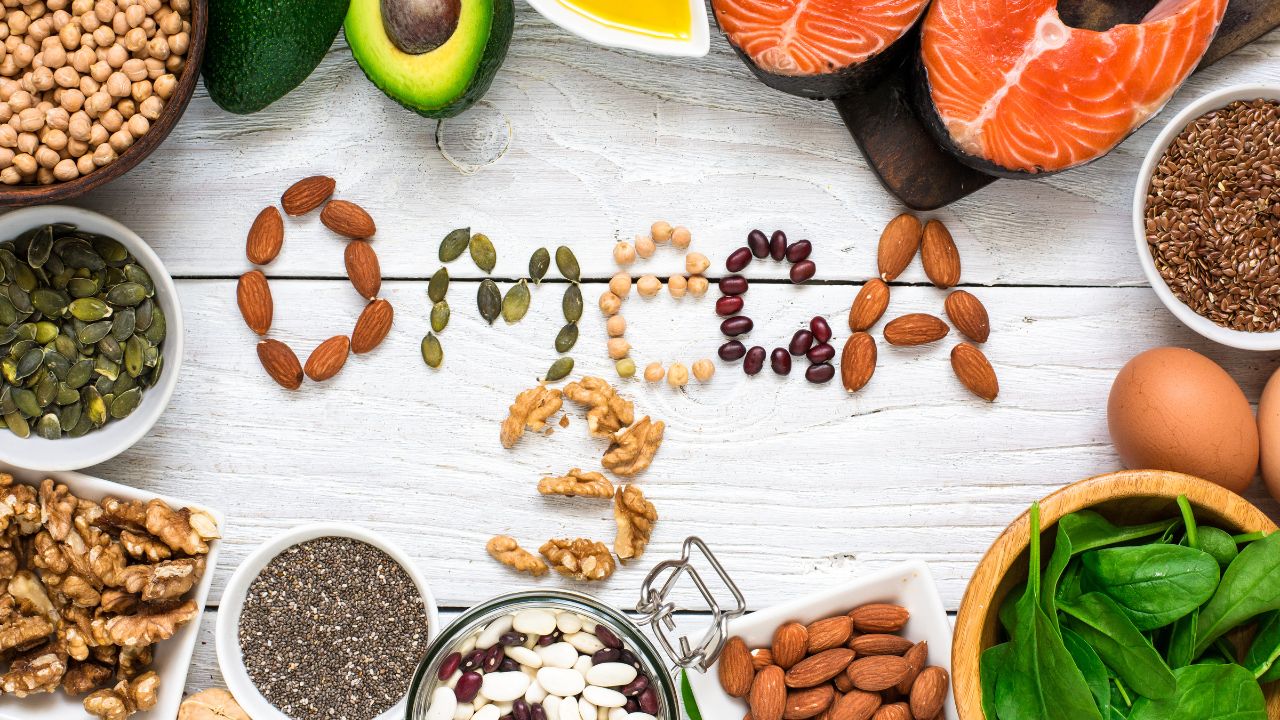
Omega-3 fatty acids are a type of polyunsaturated fat that is essential for human health. They are found in fatty fish, such as salmon, tuna, and mackerel, as well as in walnuts, flaxseeds, and chia seeds.

Omega-3 fatty acids play an important role in brain development, heart health, and inflammation reduction. They have also been shown to have a number of other health benefits, including:

1. Reduced risk of heart disease: Omega-3 fatty acids can help to reduce the risk of heart disease by lowering blood pressure, reducing triglycerides, and slowing the buildup of plaque in the arteries.

2. Improved brain function: Omega-3 fatty acids are essential for brain development and function. They have been shown to improve memory, learning, and cognitive function.

3. Reduced risk of inflammation: Omega-3 fatty acids have anti-inflammatory properties. They can help to reduce inflammation throughout the body, which may protect against a number of chronic diseases, such as arthritis, heart disease, and cancer.

4. Improved mental health: Omega-3 fatty acids have been shown to improve mental health and reduce the risk of depression and anxiety.

5. Reduced risk of Alzheimer’s disease: Omega-3 fatty acids may help to reduce the risk of Alzheimer’s disease by protecting the brain from damage.

6. Improved eye health: Omega-3 fatty acids are essential for eye health and may help to prevent macular degeneration, a leading cause of blindness in the elderly.

7. Reduced risk of cancer: Omega-3 fatty acids may help to reduce the risk of some types of cancer, such as colon cancer and breast cancer.

8. Improved skin health: Omega-3 fatty acids can help to improve skin health by reducing inflammation and dryness.
Reduced risk of asthma: Omega-3 fatty acids may help to reduce the risk of asthma and improve symptoms in people with asthma.

9. Improved joint health: Omega-3 fatty acids can help to improve joint health and reduce pain and stiffness in people with arthritis.

10. Omega-3 fatty acids are generally safe for most people to consume. However, it is important to talk to your doctor before taking omega-3 supplements, especially if you have any underlying health conditions.

Here are some tips for getting more omega-3 fatty acids in your diet:

  • Eat fatty fish, such as salmon, tuna, and mackerel, at least two times per week.
  • Add walnuts, flaxseeds, and chia seeds to your diet.
  • Cook with olive oil instead of other oils.
  • Take an omega-3 supplement if you are unable to get enough omega-3 fatty acids from your diet.

    By making small changes to your diet, you can easily increase your intake of omega-3 fatty acids and reap the many health benefits that they offer.

Tagged : / / / / / /

Is Okra Good For Your Health? What Is Its Nutritional Value and Health Benefits?

Is Okra Good For Your Health? What Is Its Nutritional Value and Health Benefits?
Okra is a flowering plant native to Africa and Asia. The edible part of the plant is the seed pod, which is often referred to as a “lady’s finger.” Okra is a popular ingredient in many cuisines around the world, and it is known for its unique flavor and texture.

Nutritional value of okra

Okra is a good source of vitamins, minerals, and antioxidants. It is particularly low in calories and fat, and it is a good source of dietary fiber.

Here is a breakdown of the nutritional value of one cup of cooked okra:

Calories: 33
Fat: 0 grams
Carbohydrates: 7 grams
Fiber: 4 grams
Protein: 2 grams
Vitamin C: 25% of the daily recommended value
Vitamin K: 20% of the daily recommended value
Folate: 15% of the daily recommended value
Magnesium: 10% of the daily recommended value
Potassium: 7% of the daily recommended value
Health benefits of okra

Okra has been shown to have a number of health benefits, including:

Heart health: Okra contains soluble fiber, which can help to lower cholesterol levels. It also contains potassium, which can help to regulate blood pressure.

Gut health: Okra is a good source of prebiotic fiber, which can help to feed the good bacteria in the gut. Prebiotic fiber helps to promote a healthy gut microbiome, which is important for overall health.

Bone health: Okra is a good source of vitamin K, which is important for bone health. Vitamin K helps the body to absorb calcium, which is essential for strong bones.

Blood sugar control: Okra contains a compound called inositol, which can help to improve insulin sensitivity and regulate blood sugar levels.

Other potential health benefits of okra:

  • Okra may help to protect against cancer. Okra contains antioxidants that can help to protect cells from damage.
  • Okra may help to boost the immune system. Okra is a good source of vitamin C, which is important for immune function.
  • Okra may help to improve weight loss. Okra is a low-calorie food that is high in fiber. Fiber can help to promote feelings of fullness and satisfaction, which can lead to weight loss.                                                                                                                                                                                                                                      Okra is a versatile vegetable that can be used in a variety of dishes. It can be eaten fresh, cooked, or dried.

Conclusion

Okra is a healthy and versatile vegetable that can be added to a variety of dishes. It is a good source of vitamins, minerals, and antioxidants, and it has a number of potential health benefits.

If you are looking for a nutritious and delicious way to boost your diet, okra is a great option.

Tagged : / / / / / / /

10 Best Foods To Eat After Your Morning Walk

10 Best Foods To Eat After Your Morning Walk
Eating a healthy breakfast after a morning walk can provide your body with the essential nutrients it needs to support heart and bone health. Some good options include:

1. Avocado: Avocados are a good source of healthy fats, fiber, and potassium, all of which are important for heart health.

2. Eggs: Eggs are a good source of protein, which is essential for muscle repair and growth. They also contain vitamin D, which is important for bone health.

3. Whole-grain bread: Whole-grain bread is a good source of fiber, which can help to lower cholesterol levels and reduce the risk of heart disease.

4. Leafy greens: Leafy greens are a good source of vitamins and minerals, including calcium, which is essential for bone health.

5. Nuts and seeds: Nuts and seeds are a good source of healthy fats, fiber, and protein. They also contain magnesium and potassium, which are important for heart health.

6. Salmon: Salmon is a good source of omega-3 fatty acids, which have been shown to reduce inflammation and improve heart health.

7. Berries: Berries are a good source of antioxidants, which can help to protect the heart from damage.

8. Greek yogurt: Greek yogurt is a good source of protein and calcium, both of which are important for bone health. It also contains probiotics, which are good for gut health.

9. Oatmeal: Oatmeal is a good source of fiber and complex carbohydrates, which can help to lower cholesterol levels and improve heart health.

10. Fortified foods: Fortified foods are foods that have been enriched with additional nutrients, such as calcium and vitamin D. These nutrients are important for bone health.

In addition to eating a healthy breakfast, it is also important to get regular exercise and avoid smoking. These lifestyle changes can help to reduce the risk of heart disease and osteoporosis.

Tagged : / / /

Magnesium Deficiency Causes Heart Problems! Eat These 8 Magnesium Rich Foods Daily!

Magnesium Deficiency Causes Heart Problems! Eat These 8 Magnesium Rich Foods Daily!
Magnesium is an essential mineral that plays a vital role in many bodily functions, including heart health. Magnesium helps regulate blood pressure, blood sugar levels, and heart rhythm. It also helps to keep the arteries relaxed, which can help to prevent heart disease. This is why you should make it a point to include Magnesium rich foods in your diet on a daily basis. Here are 8 good sources of Magnesium:

1. Dark Chocolate
Dark chocolate is a good source of magnesium, as well as other nutrients that are beneficial for heart health, such as antioxidants and flavonoids. A study published in the journal “Nutrition, Metabolism and Cardiovascular Diseases” found that people who ate 2 ounces of dark chocolate per day for two weeks had lower blood pressure and improved blood vessel function than those who did not eat dark chocolate.

2. Avocados
Avocados are another good source of magnesium, as well as healthy fats that can help to lower cholesterol levels. A study published in the journal “Nutrition Research” found that people who ate avocados for five days had lower levels of LDL (bad) cholesterol and triglycerides than those who did not eat avocados.

3. Almonds
Almonds are a good source of magnesium, vitamin E, fiber, and protein. They are also low in calories and fat. You should consume at least a fistful of almonds every day which have been soaked over night in water. Not only do they provide Magnesium for your heart health, the Vitamin E present in these nus is good for your skin health too.

4. Figs
Magnesium content tends to be high in fruits with a high fibre content. Magnesium, which may be found in abundance in figs, is known to assist in the reduction of high blood pressure. However, amazingly, magnesium has no effect on blood pressure levels that are already considered normal. Because of its inherent sweetness, this fruit is perfect for both a snack and a dessert. Dried figs have 51 milligrammes of magnesium in every half cup serving.

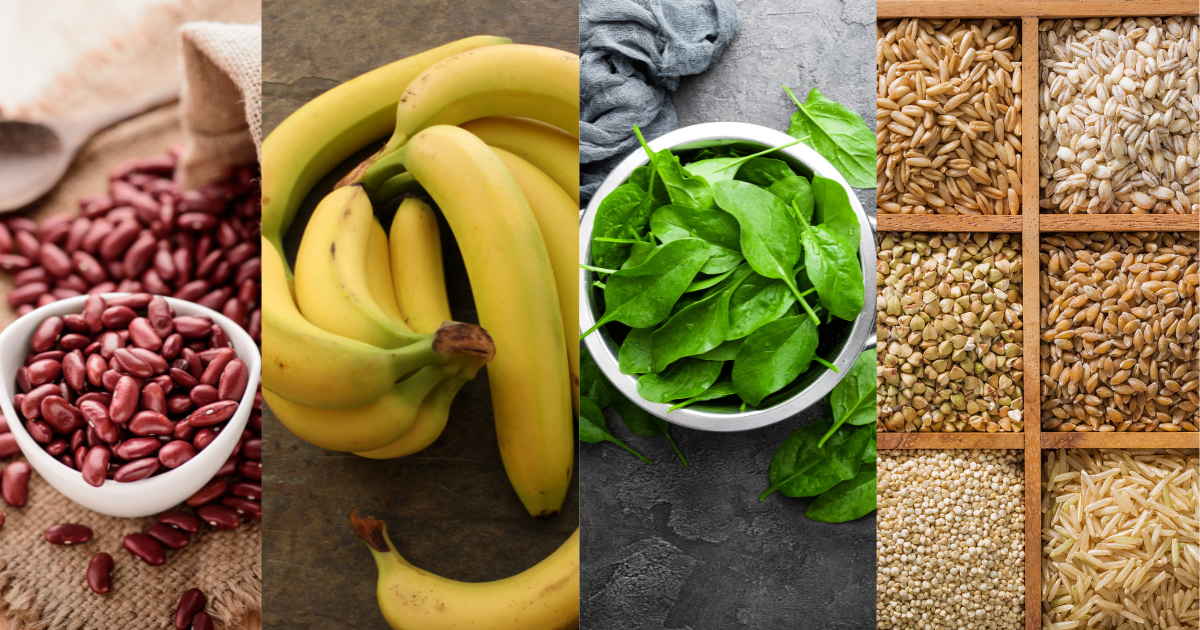
5. Kidney Beans (Rajma)
According to a number of studies, having a magnesium intake that is too low depletes the blood of a vital mineral, which in turn raises the risk of developing chronic inflammation as well as cardiac issues. There are several positive health effects associated with eating kidney beans due to their high nutrient content. You can get 79.3 mg of magnesium from eating one cup of boiling beans.

6. Banana
Not only is banana a great source of Potassium, it also provides one with a considerable amount of magnesium too. One medium sized banana provides 32 mg of magnesium. The best thing about bananas is that they are available throughout the year and are not very expensive.

7. Spinach
Spinach is a great green leafy vegetable because of the many nutrients and micronutrients it contains. A cup of raw spinach has around 23 mg of magnesium. So always include spinach in your diet.

8. Whole Grains
Whole grains are a good source of magnesium, as well as fiber and other nutrients that are beneficial for heart health. Some good choices include brown rice, quinoa, and whole wheat bread. One cup of whole wheat flour has nearly 165 mg of magnesium.

In addition to eating these magnesium-rich foods, there are other things you can do to improve your heart health, such as exercising regularly, maintaining a healthy weight, and quitting smoking.

Tagged : / / / /

10 Vitamin E-Rich Foods for Healthy Eyes and Heart

10 Vitamin E-Rich Foods for Healthy Eyes and Heart
Vitamin E is a powerful antioxidant that can help protect your cells from damage. It is especially important for protecting your eyes and heart.

Here are 10 vitamin E-rich foods that you can add to your diet to promote eye and heart health:

1. Almonds: Almonds are a great source of vitamin E, providing about 7.4 mg per ounce. They are also a good source of fiber, magnesium, and calcium. Almonds can be eaten on their own, added to cereal, or used in baking.

2. Avocado: Avocados are another good source of vitamin E, providing about 4.9 mg per ounce. They are also a good source of healthy fats, fiber, and potassium. Avocados can be eaten on their own, added to salads, or used in guacamole.

3. Ghee: Ghee is a type of clarified butter that is high in vitamin E. It is also a good source of conjugated linoleic acid (CLA), a type of fat that has been shown to have health benefits. Ghee can be used in cooking or drizzled over food.

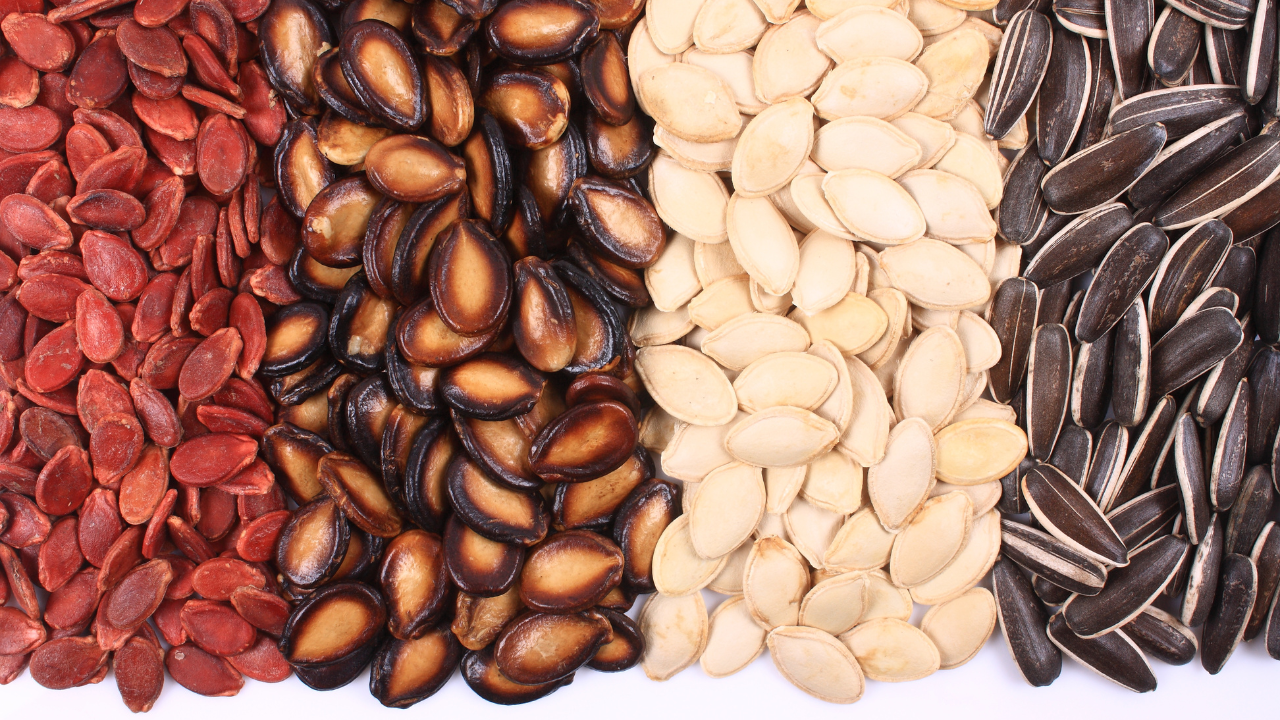
4. Pumpkin seeds: Pumpkin seeds are a good source of vitamin E, providing about 4.1 mg per ounce. They are also a good source of magnesium, zinc, and iron. Pumpkin seeds can be eaten on their own, roasted, or added to salads or yogurt.

5. Sunflower seeds: Sunflower seeds are another good source of vitamin E, providing about 3.7 mg per ounce. They are also a good source of selenium, a mineral that has antioxidant properties. Sunflower seeds can be eaten on their own, roasted, or added to trail mix.

6. Spinach: Spinach is a leafy green vegetable that is a good source of vitamin E, providing about 2.5 mg per cup. It is also a good source of vitamins A, C, and K. Spinach can be eaten raw in salads or cooked.

7. Sweet potatoes: Sweet potatoes are a good source of vitamin E, providing about 2 mg per cup. They are also a good source of beta-carotene, which is converted to vitamin A in the body. Sweet potatoes can be eaten baked, roasted, or mashed.

8. Mackerel: Mackerel is a fatty fish that is a good source of vitamin E, providing about 1.4 mg per ounce. It is also a good source of omega-3 fatty acids, which have heart-healthy benefits. Mackerel can be grilled, baked, or smoked.

9. Salmon: Salmon is another fatty fish that is a good source of vitamin E, providing about 1.3 mg per ounce. It is also a good source of omega-3 fatty acids. Salmon can be grilled, baked, or poached.

10. Tofu: Tofu is a good source of vitamin E, providing about 1 mg per ounce. It is also a good source of protein and iron. Tofu can be eaten plain or flavored with different sauces.

In addition to these foods, there are many other foods that contain vitamin E. By including a variety of vitamin E-rich foods in your diet, you can help to protect your eyes and heart from damage.

Here are some additional tips for getting enough vitamin E in your diet:

  • Eat a variety of colorful fruits and vegetables.
  • Include some nuts and seeds in your diet.
  • Choose fatty fish a few times a week.
  • Use vitamin E-rich oils in cooking.
  • Take a vitamin E supplement, if necessary.
    It is important to note that vitamin E is a fat-soluble vitamin, so it is best to consume it with some fat to help with absorption. You should also talk to your doctor before taking a vitamin E supplement, especially if you have any health conditions.

By following these tips, you can easily get enough vitamin E in your diet and improve your eye and heart health.

Tagged : / / / / /

What is the difference between a panic attack and heart attack?

What is the difference between a panic attack and heart attack?
Heart attack is slowly becoming one of the leading causes of death worldwide. Blame it on lifestyle change and fast food culture, this ailment is becoming prevalent even in the younger population. Similarly, cases of panic attacks have also increased owing to the stress. But do you know the difference between the two?

Their symptoms may confuse people and many people suffering from panic attacks have been admitted to hospitals citing heart attack as the cause. If you know the difference between the two then it can be life saving.

Heart attack
A heart attack occurs when a coronary artery supplying the heart with blood and oxygen becomes blocked or obstructed. A heart attack has some telltale symptoms like chest discomfort, heaviness in chest, indigestion, breathlessness, palpitations, nausea or cold sweats, lightheadedness, pain in the upper body, particularly in one or both arms, the neck, back, jaw or stomach.

Panic attack
Panic attacks do look like heart attacks and excessive stress, anxiety and intense fear that reaches a peak within minutes are some reasons behind the panic attack. A person can get a panic event due to a stressful event at home or just before a presentation at work. However, in some cases, no obvious signs of a panic attack are witnessed. Most common signs of panic attack are chest pain, a pounding heart as if it is about to jump out of your body, extreme sweating, fear of dying, feeling dizzy and nauseous, experiencing chills, numbness or tingling sensation. People with panic disorders may suffer from panic attacks more frequently.

Though the symptoms for both are mostly overlapping, the heart attack symptoms get intense with time whereas panic attack symptoms may show some relief after some time. Coughing and wheezing are also major symptoms of a heart attack. Remember, if there is a severe chest pain which radiates towards arms and jaws then you need to rush that person to the hospital immediately. Sometimes a simple panic attack can also lead to a heart attack, so if you observe severe symptoms you should waste no time and straight right away to the emergency room of a hospital.

Tagged : /
Verified by ExactMetrics