Does Using Tissues Mean Getting More Trees Cut? Should We Stop Using Tissues?

Does Using Tissues Mean Getting More Trees Cut? Should We Stop Using Tissues?”
The humble tissue, a ubiquitous companion in sneezes, spills, and runny noses, has sparked debate about its environmental impact. Is its convenience worth the potential deforestation it causes? Should we ditch tissues altogether and embrace a more sustainable alternative? Let’s unravel the tangled threads of this issue.

Tissues and Trees: A Complex Connection

The paper industry, a major source of tissue production, relies heavily on trees. Wood pulp, derived from harvested trees, forms the backbone of tissue paper. While some mills use recycled paper, virgin wood pulp remains a significant component. This raises concerns about deforestation, habitat loss, and the carbon footprint associated with tree harvesting and paper production.

However, the picture isn’t entirely black and white. The paper industry has made strides towards sustainable practices. Many mills source wood from certified forests, which are managed responsibly to ensure long-term forest health. Additionally, advancements in recycling technology have increased the use of recycled paper in tissue production, reducing the reliance on virgin wood.

Beyond Tissues: The Bigger Sustainability Picture

Tissues are just one piece of the paper puzzle. Paper towels, toilet paper, and other paper products also contribute to deforestation. A holistic approach to paper consumption and waste reduction is crucial for minimizing our environmental impact. Here are some alternative options to consider:

  • Reusable handkerchiefs and cloth napkins: These classic options offer a sustainable and stylish alternative to tissues.
  • Air dryers: Opting for air dryers in public restrooms can significantly reduce paper towel usage.
  • Compostable tissues: Look for tissues made from recycled paper or bamboo, which can be composted and returned to the soil.                                                                                                                                                                                  Finding the Balance: Responsible Tissue Use

While eliminating tissues entirely might seem ideal, it’s not always practical or realistic. The key lies in responsible use and conscious choices. Here are some tips:

  • Use tissues only when necessary. Avoid using them for minor spills or wiping surfaces that can be cleaned with a cloth.
  • Buy tissues in bulk. This reduces packaging waste and minimizes the number of trips to the store.
  • Support sustainable brands. Choose tissues made from recycled paper or bamboo, and look for certifications like FSC (Forest Stewardship Council) to ensure responsible forestry practices.

Ultimately, the issue of tissues and sustainability is a complex one. While their use can contribute to deforestation, responsible consumption and a shift towards sustainable alternatives can minimize their environmental impact. Remember, every little step counts in the journey towards a greener future. So, the next time you reach for a tissue, take a moment to consider the alternatives and choose wisely.

By making informed choices and embracing sustainable practices, we can ensure that our everyday actions don’t come at the cost of our precious trees. Let’s strive for a future where convenience and sustainability coexist, and tissues become a symbol of responsible resource management, not deforestation.


Tagged : / /

Lenovo’s Tiny Titan: Chromebox Micro Turns Any Display into a Chromebook for $219

Lenovo’s Tiny Titan: Chromebox Micro Turns Any Display into a Chromebook for $219
Move over, bulky desktops and clunky laptops! Lenovo has unleashed a pocket-sized powerhouse that’ll redefine your computing experience. Introducing the Chromebox Micro, a miniature marvel that transforms any display into a Chromebook, all for a budget-friendly $219.

Small But Mighty:

Don’t let its size fool you. This ultra-compact device, roughly the size of two smartphones stacked together (163 x 79 x 20mm), packs a serious punch. Under the hood, you’ll find:

  • Powerful MediaTek MT8183 octa-core processor: Stream your favorite shows, breeze through documents, and even tackle light gaming with ease.
  • 2GB or 4GB of RAM: Choose the configuration that best suits your multitasking needs.
  • 16GB or 32GB of eMMC storage: Save your essential files and applications locally.
  • Wi-Fi 6e: Experience blazing-fast wireless connectivity for seamless browsing and streaming.
  • USB-C 3.2 Gen 2 ports: Connect to external displays, keyboards, mice, and other peripherals with ease.

Versatility is Key:

The true magic of the Chromebox Micro lies in its adaptability. Simply plug it into any HDMI-equipped display, and boom! You’ve got a fully functional Chromebook at your fingertips. This makes it ideal for:

Breathing new life into old TVs: Turn that dusty TV in the corner into a smart display for streaming, web browsing, and even video conferencing.
Creating a clutter-free workspace: Set up a dedicated Chromebook station for work or study without breaking the bank.
Building a portable entertainment system: Take your movies, music, and games on the go with this pocket-sized powerhouse.

Big Value, Small Price:

Starting at $219 for the 2GB/16GB configuration, the Chromebox Micro is an incredibly affordable way to experience the best of ChromeOS. Plus, Lenovo is collaborating with display manufacturers to offer 15.6″ and 21.5″ displays with built-in cutouts for mounting the Chromebox Micro, creating a sleek and seamless setup.

Availability and Excitement:

Mark your calendars, because the Chromebox Micro is expected to hit the market in the first quarter of 2024. So, start planning your pocket-powered Chromebook adventures! Whether you’re a tech enthusiast, a budget-conscious consumer, or simply looking for a versatile way to get online, the Lenovo Chromebox Micro is definitely worth keeping an eye on.

Ready to downsize your computing experience and embrace the power of the pocket-sized Chromebox Micro? Let us know in the comments below!

Tagged : / /

7 Warning Signs Your Body Sends When You Have Heart Blockage

7 Warning Signs Your Body Sends When You Have Heart Blockage
Your heart is the engine that keeps you going, and maintaining its health is vital. Unfortunately, blockages in the arteries supplying your heart with blood can silently develop, putting your health at risk. While chest pain is a classic symptom, several other seemingly unrelated signs can indicate heart blockage. Early detection and intervention are crucial, so pay attention to these 7 warning signs your body sends:

1. Unexplained Fatigue: Feeling constantly drained, even after adequate sleep, could be a sign of reduced blood flow to your heart. Your body prioritizes blood flow to vital organs, so activities that normally wouldn’t tire you out might feel incredibly taxing.

2. Excessive Sweating: Cold sweats, especially during activity or at rest, can be a sign your heart is working harder than usual to compensate for the blockage. This isn’t the same as exercise-induced sweating, so be mindful of unusual perspiration.

3. Dizziness or Lightheadedness: Feeling lightheaded or like you might faint could indicate a sudden drop in blood pressure due to the heart struggling to pump effectively. This can happen even when you’re standing still or getting up from a seated position.

4. Shortness of Breath: Difficulty catching your breath, even after minimal exertion or while lying down, can signal your heart isn’t getting enough oxygen-rich blood to meet your body’s demands. This can be a frightening symptom and requires immediate medical attention.

5. Nausea and Indigestion: While digestive issues can have various causes, persistent nausea, vomiting, or indigestion that doesn’t improve with medication could be a sign of reduced blood flow to the heart. This can mimic symptoms of other conditions, so consulting a doctor is crucial for proper diagnosis.

6. Pain Beyond the Chest: While chest pain is a typical symptom, heart blockages can also cause pain in unexpected places like the neck, jaw, shoulders, upper back, or even the arms. This pain can be sharp or dull and come and go, making it easy to dismiss. Don’t ignore persistent pain, especially if it radiates beyond your chest.

7. Swelling in the Legs and Ankles: Fluid buildup in the lower extremities can occur due to reduced blood flow from the heart. This swelling can be noticeable in the ankles and feet, particularly at the end of the day or after prolonged sitting.

Remember: These symptoms can have various causes, and experiencing one or two doesn’t necessarily mean you have a heart blockage. However, it’s always best to err on the side of caution and consult a doctor if you experience any of these symptoms persistently or with concerning intensity. Early diagnosis and treatment can significantly improve your prognosis and prevent serious complications.

Listen to your body, and don’t hesitate to seek medical help if you notice any of these warning signs. Your heart health is too important to ignore!

Tagged : / / / /

The Lingering Shadow: Absent Parenting and its Far-Reaching Effects on Kids

The Lingering Shadow: Absent Parenting and its Far-Reaching Effects on Kids
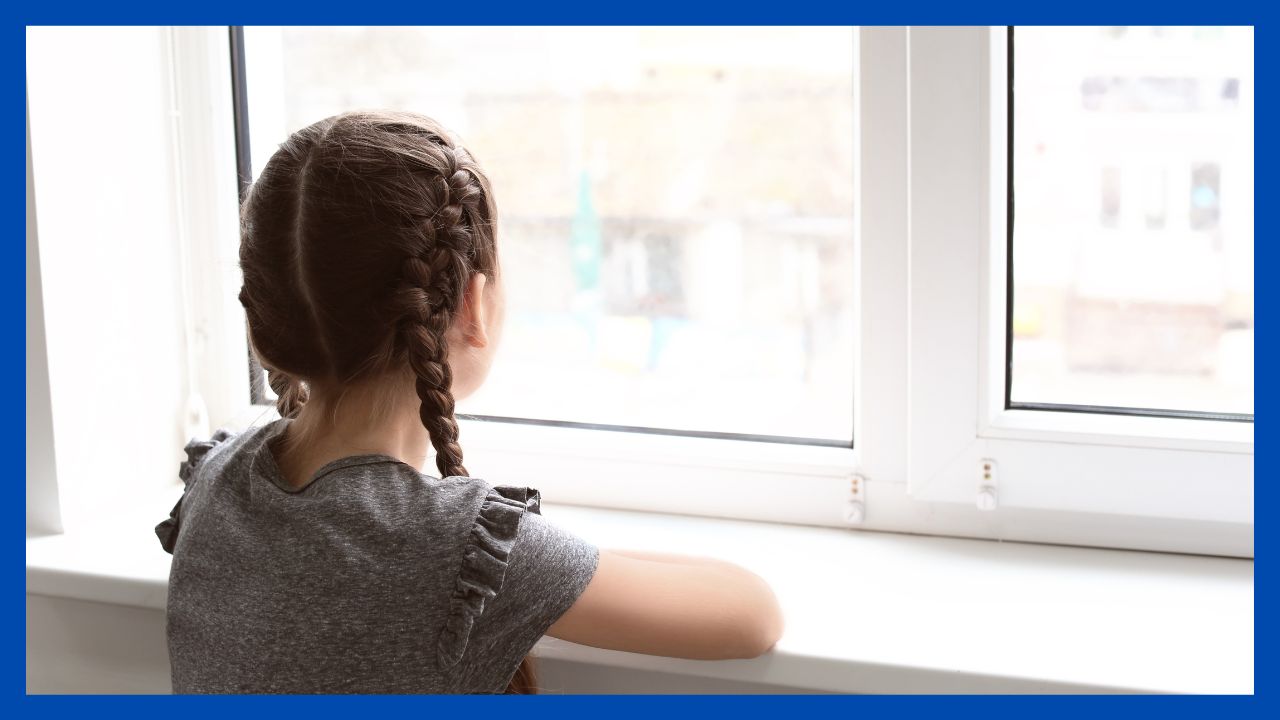
Across the globe, millions of children navigate the complexities of life without the guiding hand of involved parents. Absent parenting, encompassing physical or emotional unavailability, casts a long shadow on their lives, shaping their emotional, social, and cognitive development in profound ways.

The Vacuum of Care

Imagine a young sapling struggling to find sunlight amidst a dense forest canopy. That’s the reality for children of absent parents. They crave the warmth of connection, the nourishment of emotional support, and the steadying hand of guidance. In its absence, they grapple with a gnawing emptiness, often leading to:

1. Emotional turmoil: Loneliness, anxiety, and depression become unwelcome companions. The constant yearning for connection can manifest in anger, withdrawal, or self-destructive behaviors.

2. Low self-esteem: The absence of parental validation and affirmation chips away at their sense of worth. They may feel inadequate, unlovable, and question their place in the world.

3. Academic challenges: Difficulty concentrating, a lack of motivation, and poor study habits can become significant hurdles to academic success.

The Ripple Effect

The impact of absent parenting extends far beyond the individual child. It affects their relationships, their ability to form healthy attachments, and ultimately, the fabric of society. We see:

1. Increased risk of substance abuse and criminal activity: As coping mechanisms, children may turn to drugs, alcohol, or risky behavior to numb the pain of neglect.

2. Intergenerational cycles of dysfunction: The patterns of absent parenting can repeat themselves, perpetuating a cycle of neglect and emotional unavailability.

3. Increased risk of mental health issues: Children with absent parents during the growing years tend to succumb to mental health issues more than those who had involved parents.

Lighting the Path Forward

While the consequences of absent parenting are significant, there is hope. By acknowledging the problem, providing support systems for both children and families, and fostering a culture of understanding and compassion, we can work towards a brighter future. Here are some steps we can take:

  • Strengthening community support networks: Mentorship programs, foster care, and family counseling can provide much-needed support and guidance for children and families struggling with absent parenting.
  • Promoting responsible parenting initiatives: Educational programs can equip parents with the tools and resources necessary to raise healthy, well-adjusted children.
  • Combating stigma and discrimination: Society needs to move away from blaming and shaming children of absent parents and instead offer them empathy and understanding.

Remember, every child deserves a chance to bloom. By addressing the issue of absent parenting with compassion and proactive solutions, we can create a world where every child has the opportunity to thrive, regardless of their circumstances.

Let’s work together to ensure that no child grows up in the shadow of neglect. Their well-being is our collective responsibility.

Tagged : / / /

Day and Night: Why Your Skin Needs Two Different Creams

Day and Night: Why Your Skin Needs Two Different Creams
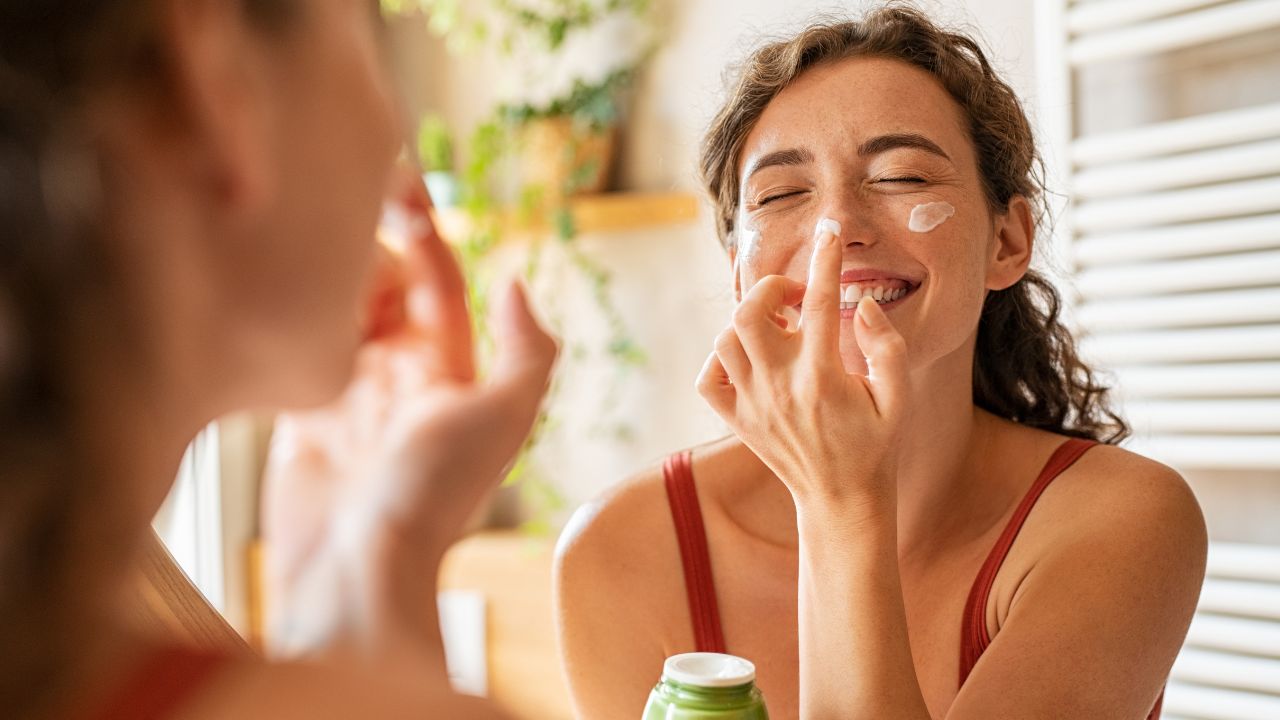
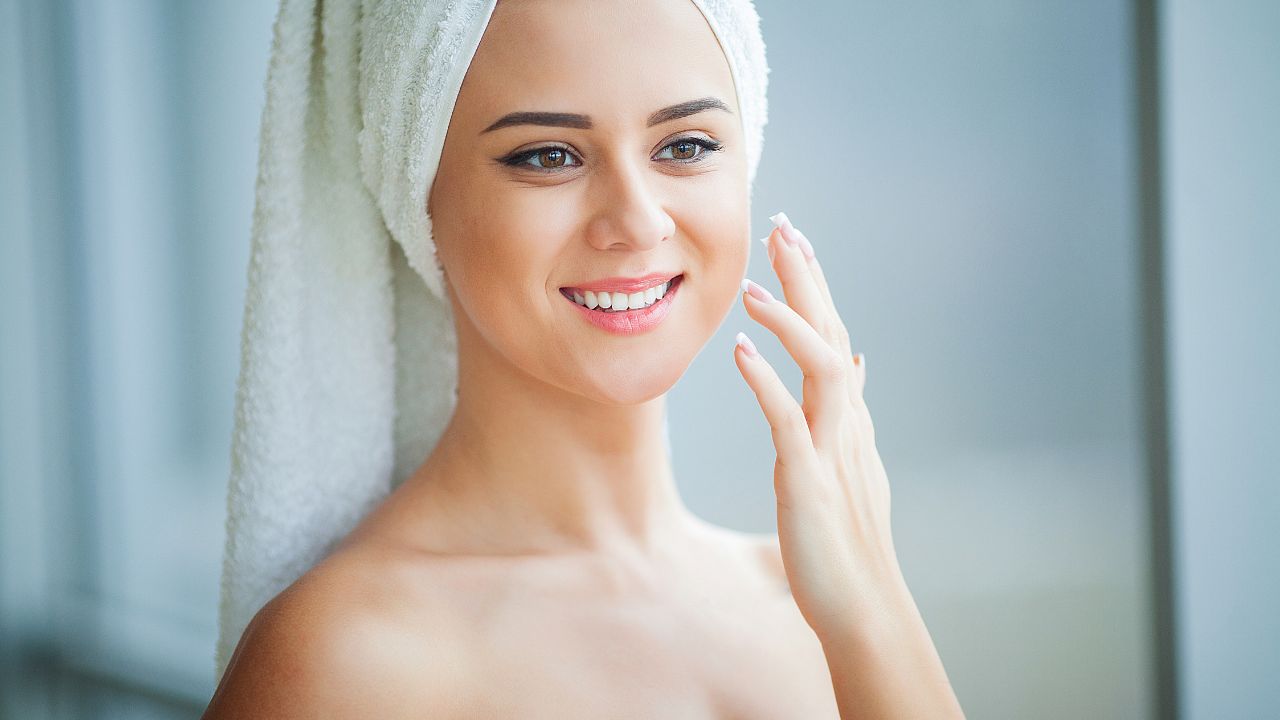
We all know the importance of a good skincare routine, but when it comes to moisturizers, are you using the right one for the right time? Many people reach for the same cream morning and night, but the truth is, your skin has different needs depending on the time of day. That’s where separate day and night creams come in.

Day Cream: Your Shield Against the Daytime Grind

Think of your day cream as your skin’s armor against the environmental aggressors it faces throughout the day. Pollution, UV rays, and even blue light from screens can damage your skin, leading to premature aging, hyperpigmentation, and dryness. A good day cream should:

  • Contain SPF: This is non-negotiable! SPF protects your skin from harmful UV rays that can cause sunburn, wrinkles, and even skin cancer. Look for a day cream with SPF 30 or higher.
  • Be lightweight and hydrating: Day creams should be light enough to wear under makeup but still provide adequate hydration. Hyaluronic acid and glycerin are great hydrating ingredients to look for.
  • Have antioxidant properties: Antioxidants like vitamin C and E help to neutralize free radicals that damage skin cells.

Night Cream: Your Skin’s Repair and Rejuvenation Partner

While your day cream is on defense duty, your night cream is all about repair and restoration. At night, your skin goes into repair mode, and the right night cream can help to:

  • Boost collagen production: Collagen is a protein that gives skin its plumpness and elasticity. Night creams often contain retinol, which stimulates collagen production and helps to reduce wrinkles.
  • Deeply hydrate: Night creams are typically richer and more emollient than day creams, providing your skin with the deep hydration it needs to repair itself overnight.
  • Soothe and calm: Night creams can help to soothe irritation and inflammation, leaving your skin feeling soft and smooth in the morning.
  •                                      
    The Importance of Using Separate Creams

Using separate day and night creams is not just about marketing hype; it’s about giving your skin the targeted care it needs to thrive. Day creams are formulated to protect your skin from external factors, while night creams focus on repair and rejuvenation. Using the right cream for the right time can:

  • Improve the overall health and appearance of your skin.
  • Help to prevent premature aging.
  • Reduce the appearance of wrinkles and fine lines.
  • Give your skin a healthy, radiant glow.
  • Making the Switch to Separate Creams

If you’re not already using separate day and night creams, it’s easy to make the switch. Simply talk to your dermatologist or esthetician for recommendations based on your skin type and concerns. Start by incorporating one new cream at a time, either your day cream or night cream, and see how your skin reacts. Once you’ve found the right products for you, you’ll be on your way to healthier, happier skin.

Remember, your skin is unique, so what works for one person may not work for another. Experiment with different products and find what works best for you. And most importantly, be patient! It takes time to see the full benefits of a good skincare routine.

Tagged : / / / /

We Bet You Didn’t Know These 10 Benefits Of Using Rose Water On Your Face

We Bet You Didn’t Know These 10 Benefits Of Using Rose Water On Your Face
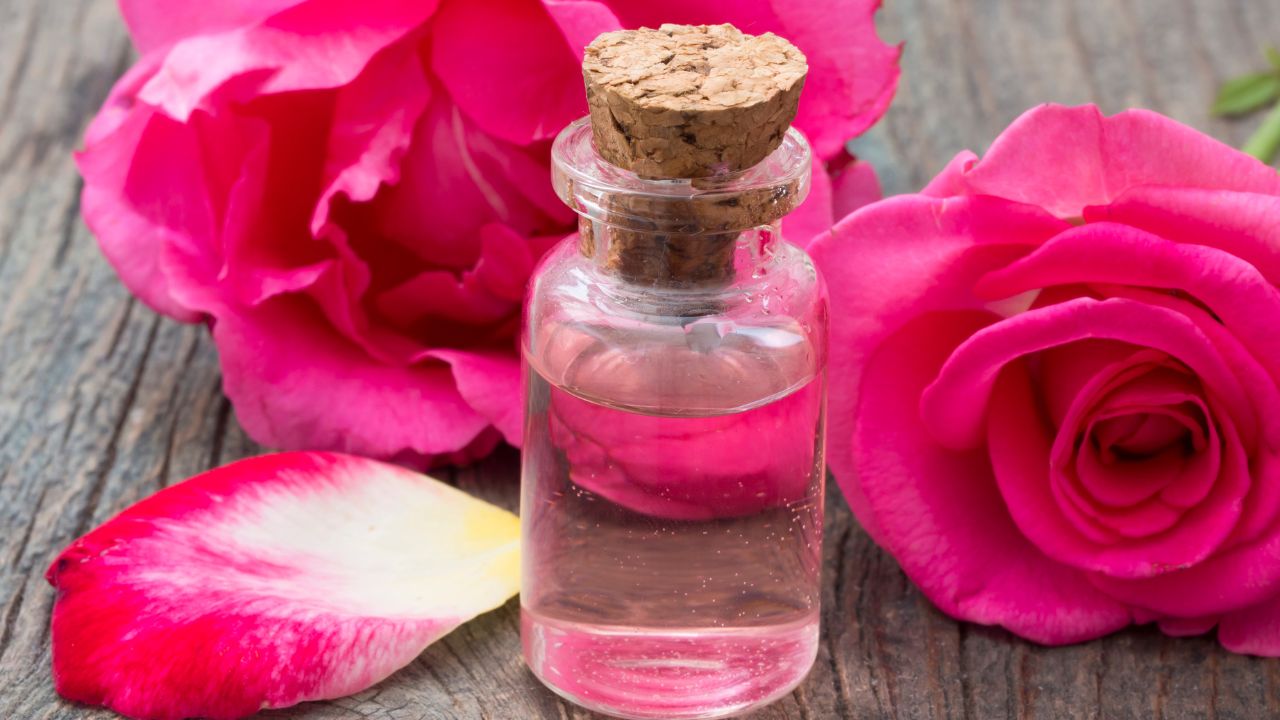
Rose water, a fragrant liquid extracted from rose petals, has been used for centuries for its beauty and health benefits. It’s a natural toner, astringent, and anti-inflammatory agent that can be used on all skin types. Here are 10 reasons why you should add rose water to your skincare routine:

1. Reduces redness and inflammation: Rose water’s anti-inflammatory properties can help to reduce redness and irritation caused by acne, sunburn, and eczema.

2. Soothes and hydrates: Rose water’s cooling and hydrating properties can help to soothe dry, irritated skin. It can also help to balance the skin’s pH level.

3. Controls oil: Rose water’s astringent properties can help to control excess oil production, making it beneficial for oily and acne-prone skin.

4. Treats acne: Rose water’s antibacterial properties can help to fight acne-causing bacteria. It can also help to reduce the appearance of acne scars.

5. Heals wounds: Rose water’s antiseptic properties can help to heal wounds and prevent infections.

6. Mood-enhancing: Rose water’s aroma is known to have mood-enhancing and calming properties. It can be used as a natural pick-me-up or to promote relaxation before bed.

7. Anti-aging: Rose water’s antioxidant properties can help to protect the skin from damage caused by free radicals. This can help to reduce the appearance of wrinkles and fine lines.

8. Soothes digestion: Rose water is sometimes used to soothe digestive problems such as indigestion and constipation.

9. Brightens skin: Rose water can help to brighten the skin and give it a natural glow.

10. Safe for all skin types: Rose water is gentle enough for all skin types, even sensitive skin.

In addition to these benefits, rose water is also affordable and easy to find. You can buy it at most drugstores and beauty stores.

Here are a few ways to use rose water on your face:

  • As a toner: After cleansing your face, spritz some rose water onto a cotton pad and wipe it over your face.
  • As a mask: Soak a cotton pad in rose water and place it on your face for 10-15 minutes.
  • As a mist: Keep a bottle of rose water in your refrigerator and spritz it on your face throughout the day to refresh and hydrate your skin.
  • In DIY skincare recipes: Rose water can be used in DIY skincare recipes such as face masks, toners, and serums.

This is why Rose Water is great for your skin. But always remember, everybody’s skin is different so always contact a doctor if you feel the rose water is not working on your skin or there are any side effects.

Tagged : / / /
Verified by ExactMetrics