5 Reasons Why You Should Eat A Custard Apple Everyday In Its Season

5 Reasons Why You Should Eat A Custard Apple Everyday In Its Season
Custard apples, also known as sitaphal, are a delicious and nutritious fruit that is native to tropical and subtropical regions of the world. They are in season during the winter months, and they are a great way to add variety to your diet and boost your health.

Here are five reasons why you should eat a custard apple every day in its season:

1. They are packed with nutrients.

Custard apples are a good source of vitamins A, C, and K, as well as minerals such as potassium, magnesium, and copper. They are also a good source of fiber and antioxidants.

2. They are good for your digestive system.

The fiber in custard apples helps to keep your digestive system healthy and regular. It also helps to promote satiety, which can help you to lose weight or maintain a healthy weight.

3. They can boost your immunity.

The vitamin C in custard apples helps to boost your immune system and protect you from infection.

4. They are good for your heart.

The potassium in custard apples helps to regulate blood pressure and reduce the risk of heart disease.

5. They are delicious and versatile.

Custard apples have a sweet and creamy taste, and they can be enjoyed in a variety of ways. You can eat them fresh, add them to smoothies or yogurt, or use them to make desserts.

Here are a few tips for incorporating custard apples into your diet:

  • Add sliced or diced custard apples to your next yogurt parfait or oatmeal bowl.
  • Make a custard apple smoothie by blending custard apples with milk, yogurt, and banana.
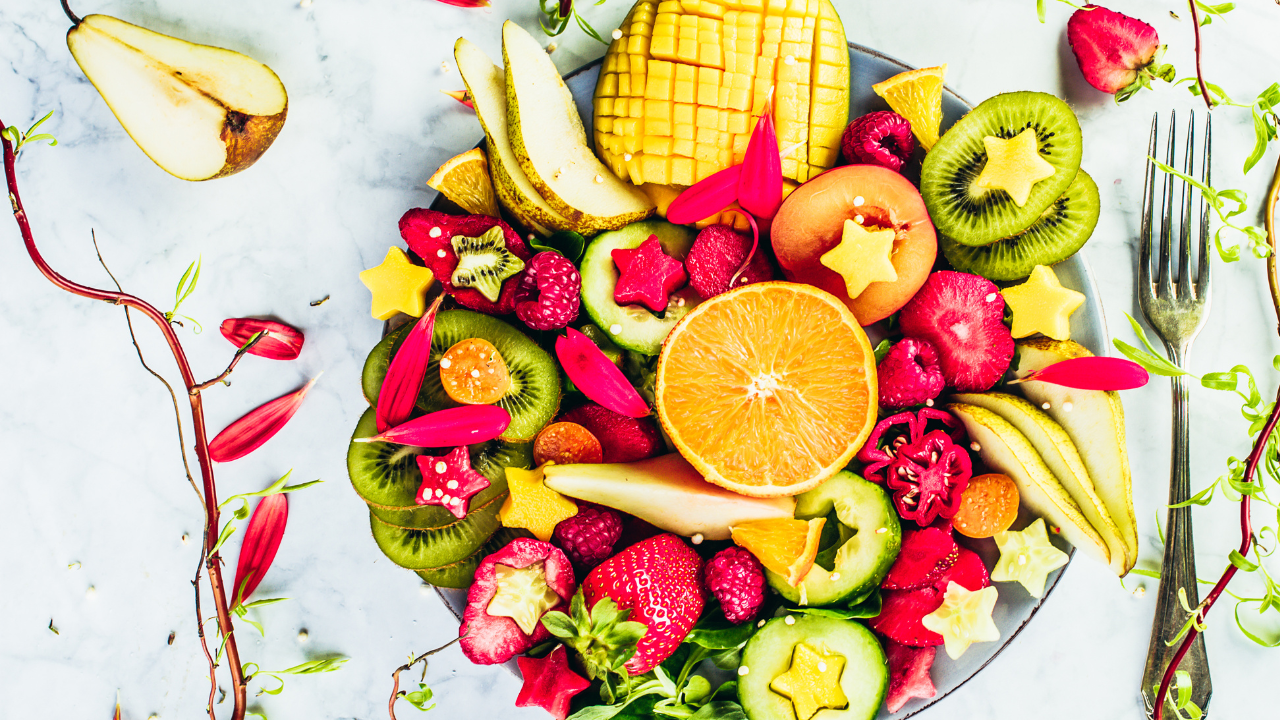
  • Add custard apples to your favorite fruit salad.
  • Use custard apples to make a custard apple pie or crumble.
  • Freeze custard apples and use them to make custard apple popsicles.

    Custard apples are a delicious and nutritious fruit that can be enjoyed in a variety of ways. By eating a custard apple every day in its season, you can reap the many health benefits that this fruit has to offer.

Tagged : / / / / /

10 Health Benefits of Omega-3 Fish Oil

10 Health Benefits of Omega-3 Fish Oil
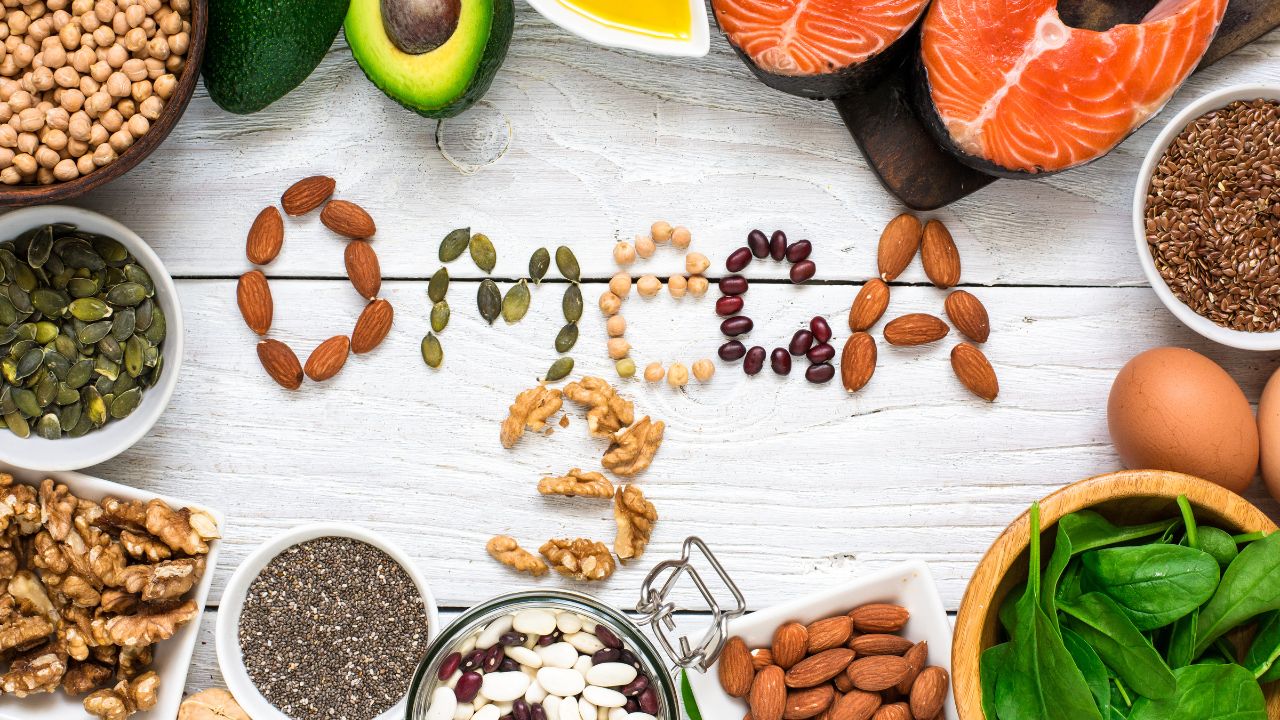
Omega-3 fatty acids are a type of polyunsaturated fat that is essential for human health. They are found in fatty fish, such as salmon, tuna, and mackerel, as well as in walnuts, flaxseeds, and chia seeds.

Omega-3 fatty acids play an important role in brain development, heart health, and inflammation reduction. They have also been shown to have a number of other health benefits, including:

1. Reduced risk of heart disease: Omega-3 fatty acids can help to reduce the risk of heart disease by lowering blood pressure, reducing triglycerides, and slowing the buildup of plaque in the arteries.

2. Improved brain function: Omega-3 fatty acids are essential for brain development and function. They have been shown to improve memory, learning, and cognitive function.

3. Reduced risk of inflammation: Omega-3 fatty acids have anti-inflammatory properties. They can help to reduce inflammation throughout the body, which may protect against a number of chronic diseases, such as arthritis, heart disease, and cancer.

4. Improved mental health: Omega-3 fatty acids have been shown to improve mental health and reduce the risk of depression and anxiety.

5. Reduced risk of Alzheimer’s disease: Omega-3 fatty acids may help to reduce the risk of Alzheimer’s disease by protecting the brain from damage.

6. Improved eye health: Omega-3 fatty acids are essential for eye health and may help to prevent macular degeneration, a leading cause of blindness in the elderly.

7. Reduced risk of cancer: Omega-3 fatty acids may help to reduce the risk of some types of cancer, such as colon cancer and breast cancer.

8. Improved skin health: Omega-3 fatty acids can help to improve skin health by reducing inflammation and dryness.
Reduced risk of asthma: Omega-3 fatty acids may help to reduce the risk of asthma and improve symptoms in people with asthma.

9. Improved joint health: Omega-3 fatty acids can help to improve joint health and reduce pain and stiffness in people with arthritis.

10. Omega-3 fatty acids are generally safe for most people to consume. However, it is important to talk to your doctor before taking omega-3 supplements, especially if you have any underlying health conditions.

Here are some tips for getting more omega-3 fatty acids in your diet:

  • Eat fatty fish, such as salmon, tuna, and mackerel, at least two times per week.
  • Add walnuts, flaxseeds, and chia seeds to your diet.
  • Cook with olive oil instead of other oils.
  • Take an omega-3 supplement if you are unable to get enough omega-3 fatty acids from your diet.

    By making small changes to your diet, you can easily increase your intake of omega-3 fatty acids and reap the many health benefits that they offer.

Tagged : / / / / / /

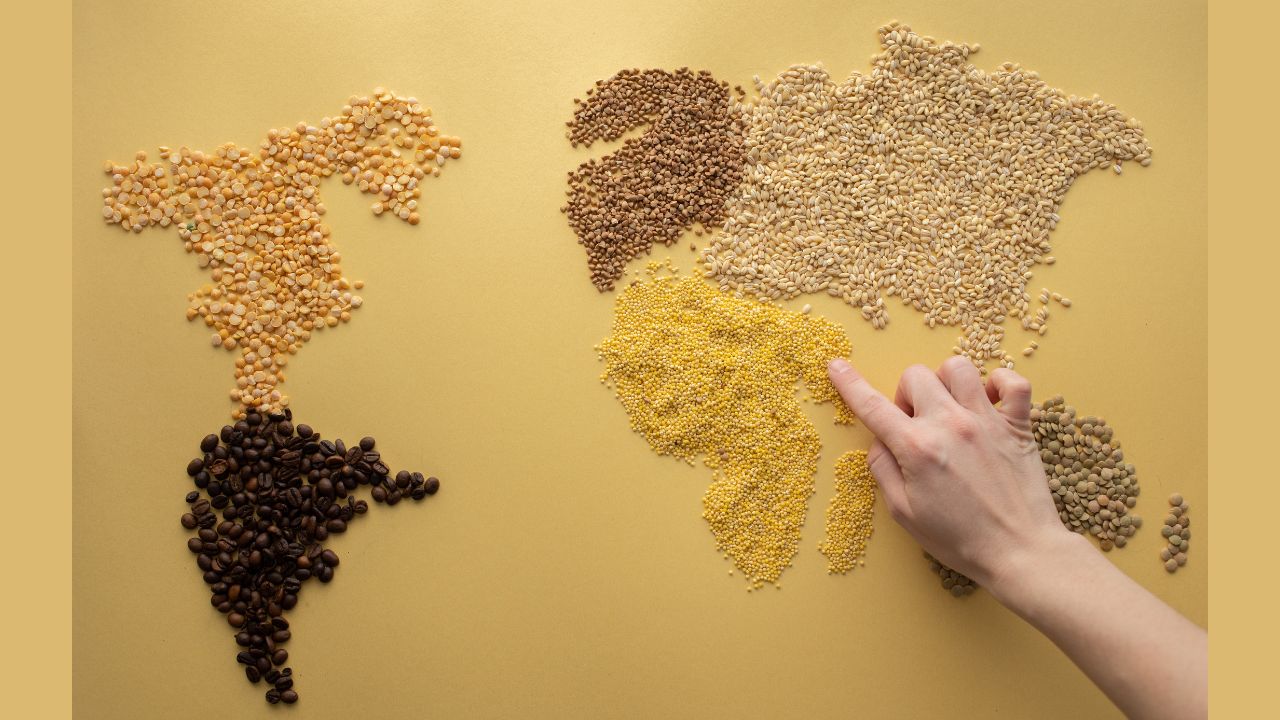
Why Millets Are The Best Food For You And The Easy Ways To Include Them In Your Diet

Why Millets Are The Best Food For You And The Easy Ways To Include Them In Your Diet
Millets are a group of small-seeded grasses that have been cultivated for thousands of years. They are a good source of protein, fiber, vitamins, and minerals. Millets are also gluten-free, making them a good choice for people with celiac disease or gluten intolerance.

Health benefits of millets

Millets have a number of potential health benefits, including:

1. Lowering blood sugar levels: Millets have a low glycemic index (GI), meaning that they don’t cause blood sugar levels to spike after eating. This makes them a good choice for people with diabetes or prediabetes.

2. Reducing cholesterol levels: Millets contain soluble fiber, which can help to reduce cholesterol levels.

3. Promoting weight loss: Millets are low in calories and high in fiber, making them a good food for people trying to lose weight.

4. Improving gut health: Millets contain prebiotics, which are fibers that feed the good bacteria in the gut. A healthy gut microbiome is important for overall health and well-being.

5. Reducing inflammation: Millets contain antioxidants and other compounds that can help to reduce inflammation throughout the body.

6. Preventing chronic diseases: Millets have been linked to a reduced risk of chronic diseases such as heart disease, stroke, type 2 diabetes, and some types of cancer.

How to include millets in your diet?

There are many ways to include millets in your diet. Here are a few ideas:

Breakfast: Start your day with a nutritious millet breakfast, such as millet porridge, millet idlis, or millet pancakes.
Lunch: Millet roti, millet khichdi, and millet salads are all great options for a healthy lunch.
Dinner: Millet can be used to make a variety of main dishes, such as millet biryani, millet pulao, and millet lasagna.
Snacks: Millet snacks, such as millet chikki, millet ladoo, and millet popcorn, are a healthy and delicious way to snack.

Tagged : / / / / / /

5 Foods That Are Causing Hormonal Imbalance In Your Body

5 Foods That Are Causing Hormonal Imbalance In Your Body
Hormones are chemical messengers that regulate many important bodily functions, including metabolism, reproduction, and mood. When hormones are out of balance, it can lead to a variety of health problems, including weight gain, fatigue, and irregular periods.

There are many factors that can contribute to hormonal imbalance, including stress, poor diet, and lack of sleep. Some foods can also disrupt the body’s hormonal balance. Here are five foods to avoid if you’re concerned about hormonal imbalance:

1. Processed foods : Processed foods are often high in unhealthy fats, sugar, and salt. These substances can contribute to inflammation, which can lead to hormonal imbalance.

2. Caffeine : Caffeine is a stimulant that can interfere with the body’s production of melatonin, a hormone that helps regulate sleep. When you don’t get enough sleep, it can throw off your hormones.

3. Alcohol : Alcohol can disrupt the body’s production of estrogen and testosterone. This can lead to imbalances in these hormones, which can have a negative impact on fertility and sex drive.

4. Soy products : Soy is a phytoestrogen, which means it has a similar structure to estrogen. In some people, soy can interfere with the body’s natural production of estrogen.

5. Trans fats : Trans fats are unhealthy fats that can increase inflammation and disrupt the body’s hormonal balance. They are often found in processed foods, such as fried foods and baked goods.

If you’re concerned about hormonal imbalance, it’s a good idea to eat a healthy diet that includes plenty of fruits, vegetables, and whole grains. You should also limit your intake of processed foods, caffeine, alcohol, soy products, and trans fats.

In addition to diet, there are other things you can do to improve your hormonal balance, such as getting regular exercise, getting enough sleep, and managing stress. If you’re concerned about your hormonal health, talk to your doctor.

Here are some additional tips for improving hormonal balance:

Get regular exercise : Exercise helps to reduce stress and inflammation, which can both contribute to hormonal imbalance. Aim for at least 30 minutes of moderate-intensity exercise most days of the week.

Get enough sleep : When you don’t get enough sleep, your body produces more of the stress hormone cortisol. Cortisol can disrupt the body’s production of hormones, such as testosterone and thyroid hormone. Aim for 7-8 hours of sleep per night.

Manage stress : Stress can lead to hormonal imbalance by increasing the production of cortisol. Find healthy ways to manage stress, such as yoga, meditation, or spending time in nature.

Eat a healthy diet : A healthy diet is essential for overall health and well-being. Make sure to eat plenty of fruits, vegetables, and whole grains. Avoid processed foods, sugary drinks, and excessive amounts of unhealthy fats.

Take supplements : There are some supplements that can help to improve hormonal balance. Talk to your doctor about which supplements are right for you.

By following these tips, you can improve your hormonal balance and promote overall health and well-being.

Tagged : / / / / /

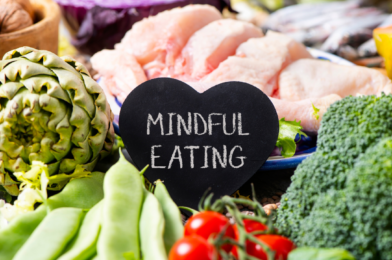
Only One Eating Habit That Can Help You Lose Weight

Only One Eating Habit That Can Help You Lose Weight
There are many different eating habits that can help you lose weight. Some people swear by intermittent fasting, while others prefer to focus on eating whole, unprocessed foods. But what if there was only one eating habit that you needed to focus on?

Well, there is. And it’s called mindful eating.

Mindful eating is the practice of paying attention to your food, both physically and emotionally. When you eat mindfully, you slow down and savor your food, paying attention to its taste, texture, and smell. You also become aware of your hunger and fullness cues, so you’re less likely to overeat.

There are many benefits to mindful eating. In addition to helping you lose weight, it can also improve your digestion, reduce stress, and boost your mood.

If you’re new to mindful eating, here are a few tips to get you started:

  • Eat slowly and deliberately.
  • Put your fork down between bites.
  • Chew your food thoroughly.
  • Pay attention to the taste, texture, and smell of your food.
  • Notice how your body feels before, during, and after eating.
  • Don’t eat when you’re stressed, bored, or angry.
  • Stop eating when you’re full.

Mindful eating is a simple but powerful habit that can help you lose weight and improve your overall health. So if you’re looking for a way to lose weight that doesn’t involve counting calories or following a strict diet, give mindful eating a try.

Here are some additional benefits of mindful eating:

  • It can help you break unhealthy eating habits.
  • It can help you make healthier food choices.
  • It can help you appreciate your food more.
  • It can help you connect with your body and your hunger cues.
  • It can help you reduce stress and anxiety.
  • It can improve your mood and overall well-being.

If you’re ready to start losing weight with mindful eating, here are a few additional tips:

  • Find a quiet place to eat where you won’t be interrupted.
  • Turn off the TV and put away your phone.
  • Focus on your food and nothing else.
  • Take small bites and savor each one.
  • Listen to your body and stop eating when you’re full.

    Mindful eating is a journey, not a destination. It takes time and practice to develop this habit. But if you’re willing to put in the effort, it can be a powerful tool for weight loss and overall health improvement.

Tagged : / / / / / /

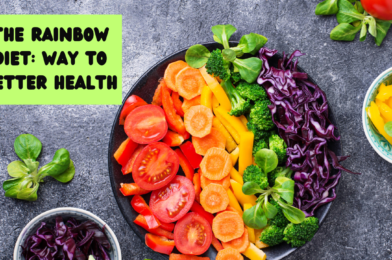
The Rainbow Diet: Eating Your Way to Better Health

The Rainbow Diet: Eating Your Way to Better Health
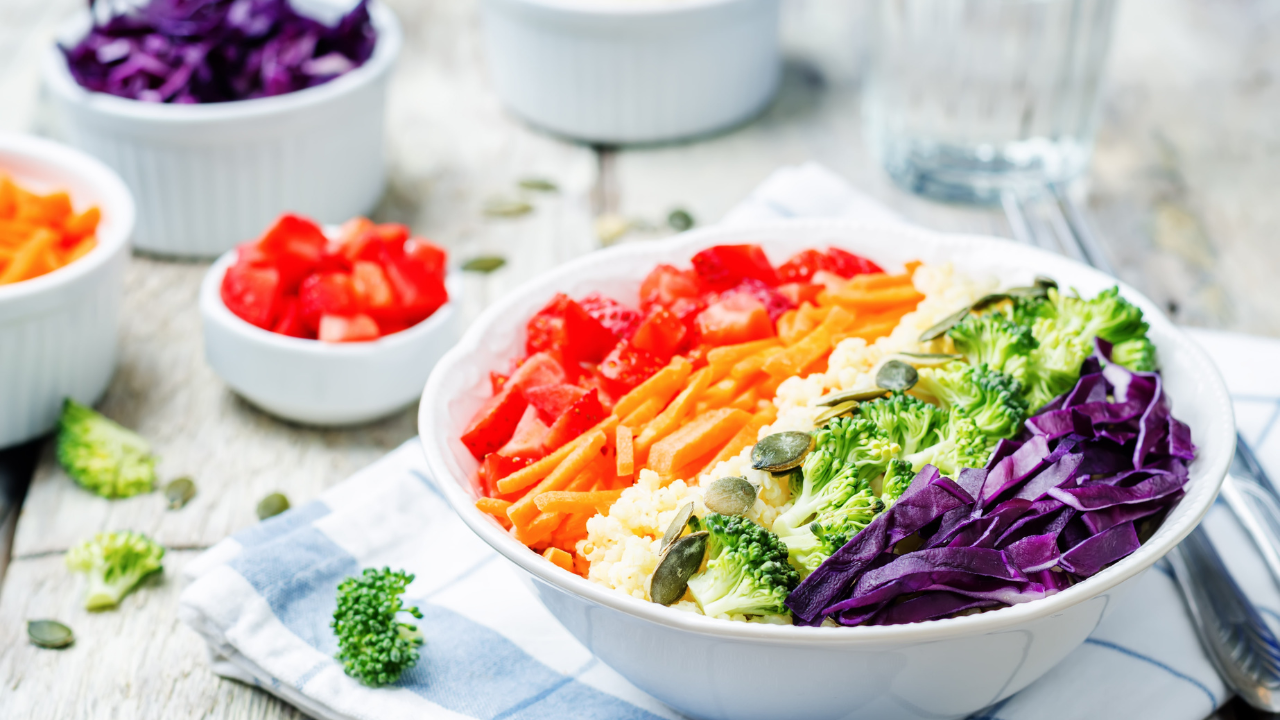
The rainbow diet is a simple concept: eat a variety of fruits and vegetables of different colors. The idea is that each color of food contains different nutrients that can benefit your health.

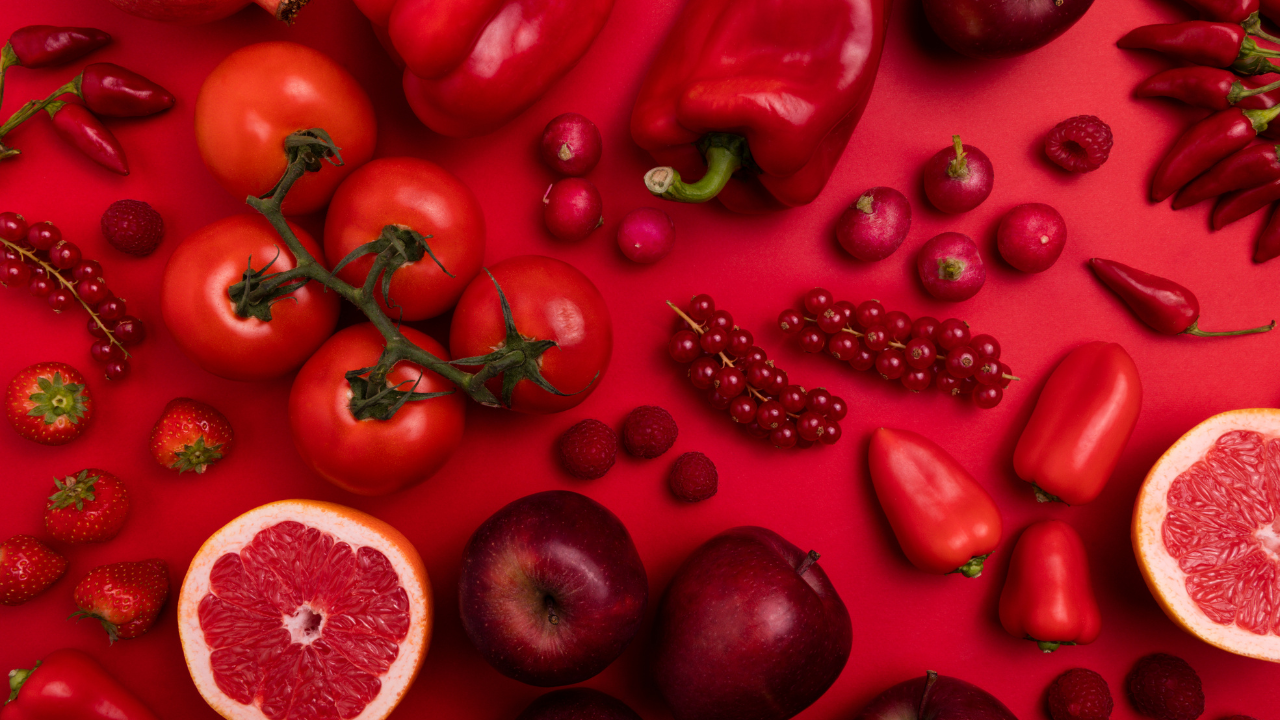
For example, red fruits and vegetables are rich in lycopene, an antioxidant that has been linked to a reduced risk of cancer. Orange fruits and vegetables are a good source of vitamin C, which is important for immune function. Yellow fruits and vegetables are high in beta-carotene, which can help protect your skin from sun damage. Green vegetables are packed with vitamins A and K, as well as fiber. And purple fruits and vegetables are a good source of anthocyanins, antioxidants that may help improve heart health.

You can try different colours of foods from these options:

1.Red
• Tomatoes
• Red bell peppers
• Strawberries
• Cherries
• Watermelon
• Red apples
• Red grapes
• Pomegranates

2. Orange or yellow
• Carrots
• Sweet potatoes
• Oranges
• Mangoes
• Pineapples
• Yellow bell peppers
• Peaches
• Apricots

3. Green
• Spinach
• Broccoli
• Kale
• Zucchini
• Green peas
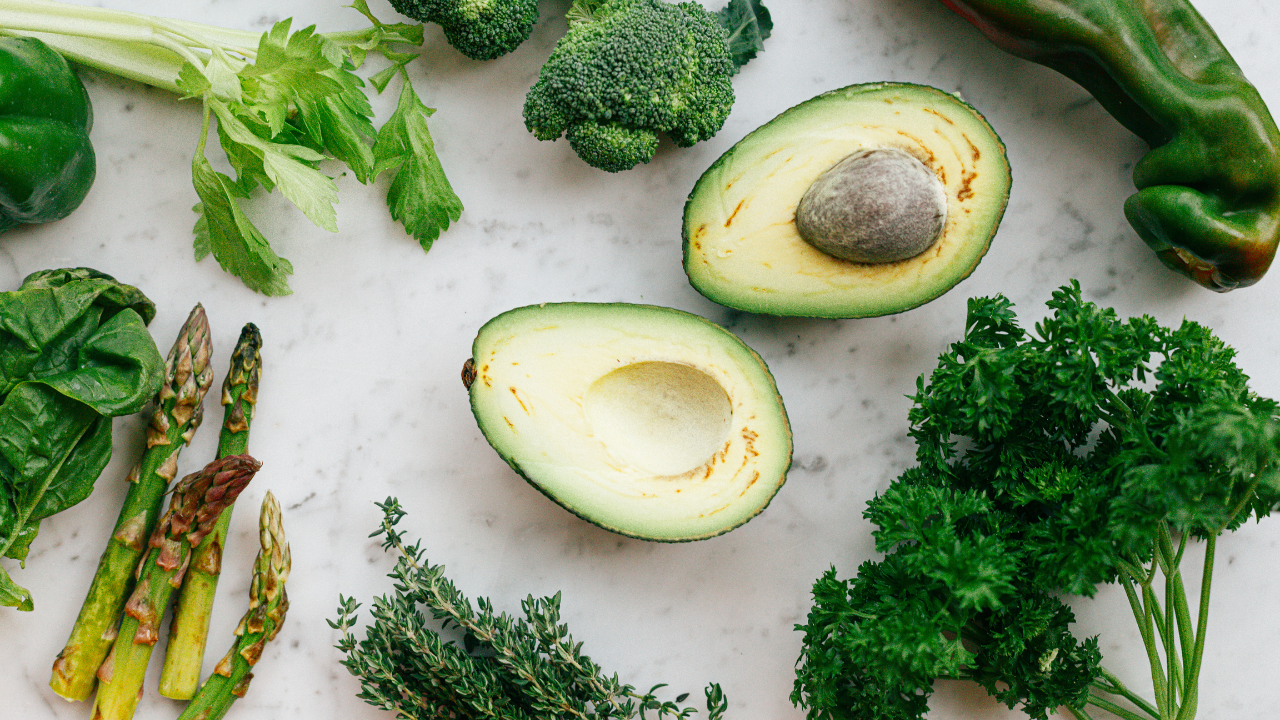
• Avocado
• Green beans
• Kiwi

4. Blue or purple
• Blueberries
• Blackberries
• Purple grapes
• Eggplant
• Purple cabbage
• Raisins

5. White
• Cauliflower
• Mushroom
• Onion
• Garlic

By eating a rainbow diet, you can get a wide range of nutrients that your body needs to stay healthy. Here are some of the specific health benefits of eating a rainbow diet:

1. Reduced risk of chronic diseases: A diet rich in fruits and vegetables has been linked to a reduced risk of chronic diseases such as heart disease, stroke, cancer, and type 2 diabetes.

2. Improved heart health: The nutrients in fruits and vegetables, such as fiber, potassium, and vitamin C, can help improve heart health by lowering blood pressure, cholesterol, and inflammation.

3. Weight loss: Fruits and vegetables are low in calories and high in fiber, which can help you feel full and satisfied, making it easier to lose weight or maintain a healthy weight.

4. Improved gut health: The fiber in fruits and vegetables can help feed the healthy bacteria in your gut, which is important for gut health.

5. Boosted immunity: The vitamins and minerals in fruits and vegetables can help boost your immune system, helping you fight off infections.

6. Improved skin health: The antioxidants in fruits and vegetables can help protect your skin from sun damage and premature aging.

The rainbow diet is a simple and delicious way to improve your health. By making sure to include a variety of fruits and vegetables in your diet, you can get the nutrients you need to stay healthy and strong.

Here are some recipes to help you get started on the rainbow diet:
Rainbow salad: This colorful salad is packed with nutrients from a variety of fruits and vegetables.

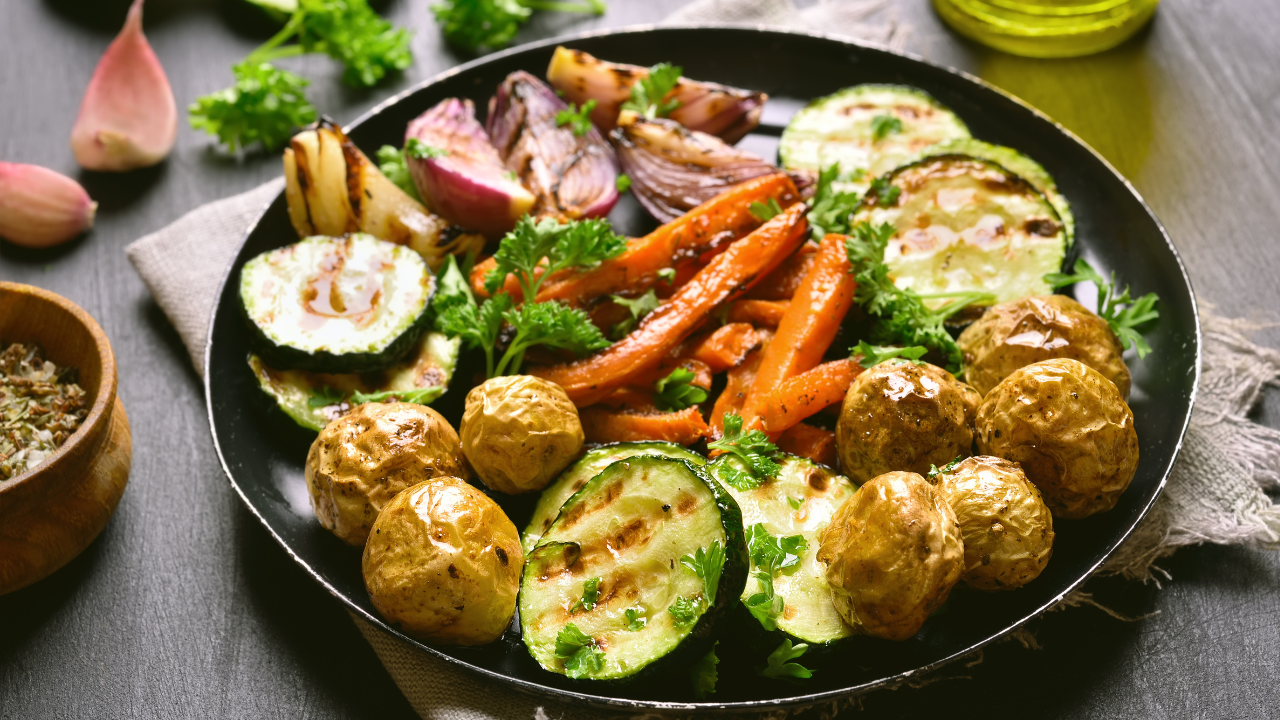
Roasted vegetable medley: This dish is a great way to enjoy a variety of roasted vegetables.

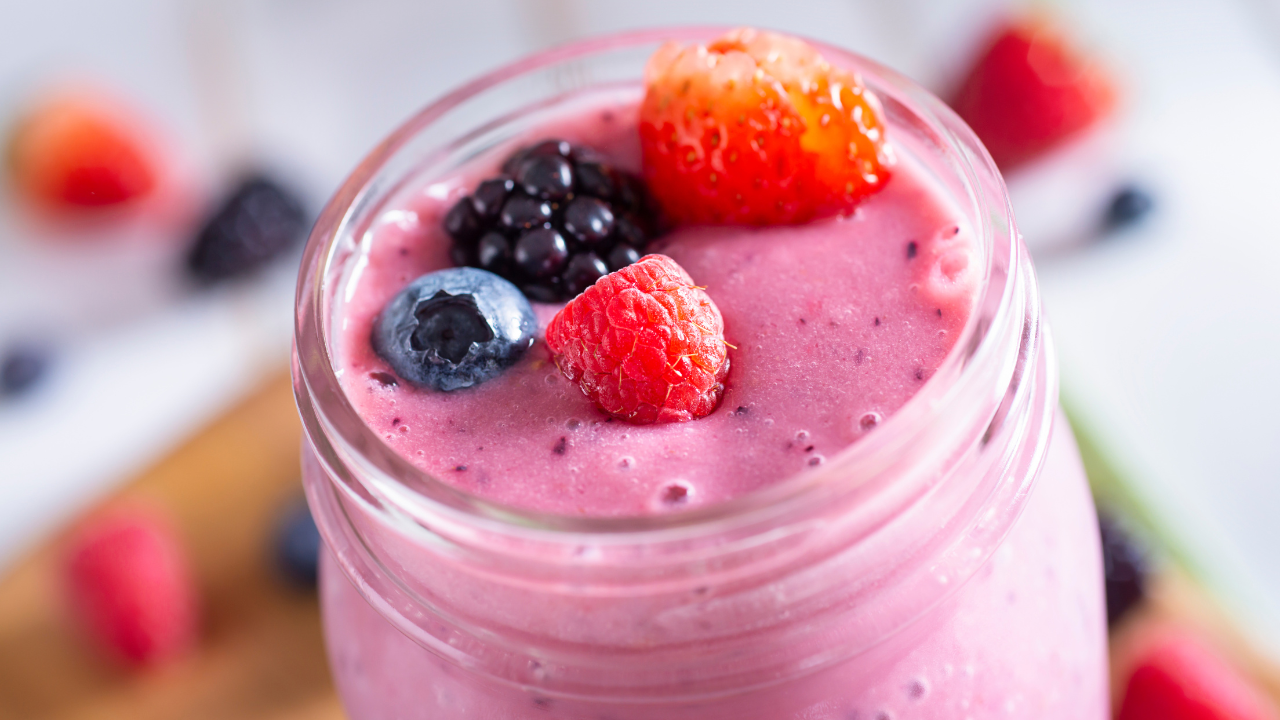
Fruit smoothie: This smoothie is a delicious and easy way to get your daily dose of fruits and vegetables.

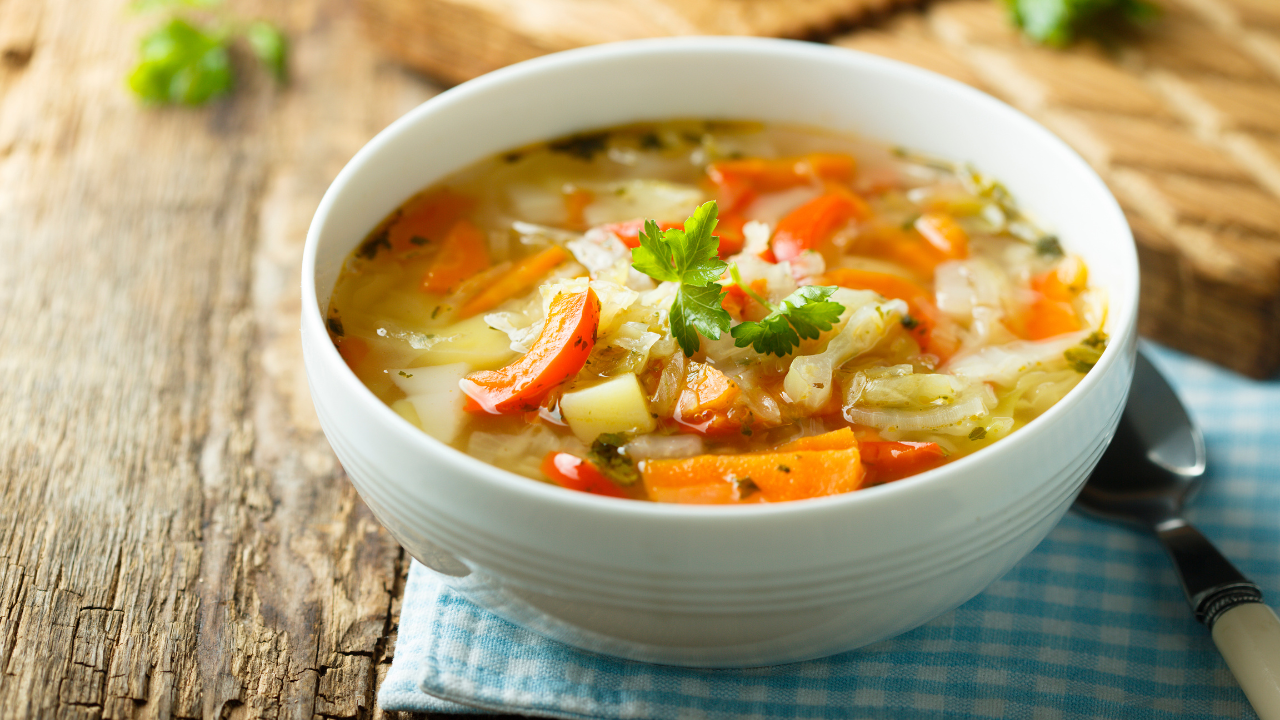
Vegetable soup: This soup is a hearty and satisfying way to warm up on a cold day.

The rainbow diet is a healthy and delicious way to eat. By following these tips, you can easily incorporate more fruits and vegetables into your diet and improve your overall health.

Tagged : / / / / /

What is fermented rice and why you should eat it regularly?

What is fermented rice and why you should eat it regularly?
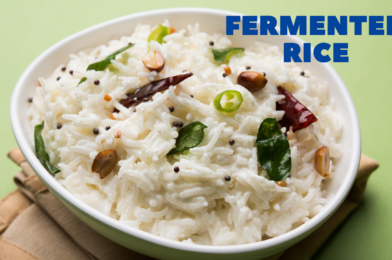
Fermented rice is a traditional Indian dish that has been consumed for centuries for its health benefits. It is made by fermenting cooked rice with water, salt, and buttermilk. The fermentation process enhances the nutritional value of the rice and produces beneficial bacteria that can improve gut health.

Fermented rice is a good source of probiotics, which are live bacteria that are beneficial for gut health. Probiotics can help to improve digestion, boost the immune system, and reduce the risk of chronic diseases. Fermented rice also contains prebiotics, which are non-digestible food ingredients that promote the growth of beneficial bacteria in the gut.

In addition to its gut-health benefits, fermented rice also has other health benefits. It is a good source of vitamins and minerals, including vitamin B12, iron, and magnesium. Vitamin B12 is essential for energy production and red blood cell formation. Iron is important for transporting oxygen throughout the body. Magnesium is involved in many bodily functions, including muscle contraction and nerve transmission.

Fermented rice is a versatile food that can be eaten for breakfast, lunch, or dinner. It can be eaten plain, or it can be used in a variety of dishes, such as dosas, idli, and upma.

Here is a recipe for making fermented rice at home:

Ingredients:

  • 1 cup cooked rice
  • 1/2 cup water
  • 1/4 teaspoon salt
  • 1 tablespoon buttermilk                                                                                                                                                                                                                                Instructions:

1 Combine the cooked rice, water, salt, and buttermilk in an airtight container.
2 Stir to combine.
3 Cover the container and let it sit at room temperature for 12-24 hours.
4 Once the rice has fermented, it will have a slightly sour smell and a softer texture.
5 Enjoy! The fermented Rice recipe is ready!

Fermented rice is a healthy and delicious food that can be enjoyed by people of all ages. It is a good source of probiotics, vitamins, and minerals, and it has a number of health benefits. If you are looking for a way to improve your gut health and overall health, fermented rice is a great option.

Here are some additional benefits of eating fermented rice:

  • Reduces fatigue
  • Improves immunity
  • Promotes good digestion
  • Improves skin and hair health
  • Helps to prevent diarrhea
  • Lowers cholesterol levels

If you are new to fermented rice, start by eating a small amount and gradually increase your intake as you tolerate it. Fermented rice is a safe and healthy food for most people, but it is important to talk to your doctor if you have any concerns

Tagged : / / / /

Omega – 3 deficiency? This is how your body shows it!

Omega – 3 deficiency? This is how your body shows it!
Omega-3 fatty acids are essential fatty acids that the body cannot produce on its own. They are important for many bodily functions, including brain development, heart health, and inflammation control. A deficiency in omega-3 fatty acids can lead to a variety of symptoms, including:

1 Dry skin, hair, and nails Omega-3 fatty acids are essential for maintaining the moisture in the skin, hair, and nails. A deficiency can lead to dryness, brittleness, and flaking.
2 Joint pain and stiffness Omega-3 fatty acids have anti-inflammatory properties that can help to reduce joint pain and stiffness.
3 Mood swings and depression Omega-3 fatty acids are important for brain health and can help to improve mood and reduce the risk of depression.
4 Fatigue and poor sleep Omega-3 fatty acids are involved in energy production and can help to improve fatigue and sleep quality.
5 Poor concentration and memory Omega-3 fatty acids are important for brain function and can help to improve concentration and memory.
6 Increased inflammation Omega-3 fatty acids have anti-inflammatory properties that can help to reduce inflammation throughout the body.
7 Vision problems Omega-3 fatty acids are important for eye health and can help to prevent age-related macular degeneration and other vision problems.
If you are experiencing any of these symptoms, it is important to talk to your doctor to see if you may have an omega-3 deficiency. There are a number of ways to increase your intake of omega-3 fatty acids, including eating fish, taking supplements, and using omega-3-rich oils in cooking.

Here are some additional tips for increasing your omega-3 intake:

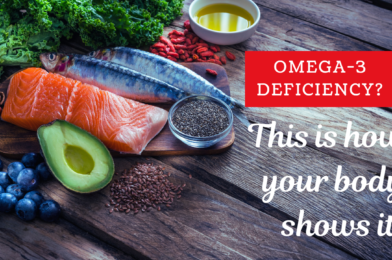
  • Eat oily fish such as salmon, mackerel, sardines, and tuna.
  • Take omega-3 supplements.
  • Use omega-3-rich oils in cooking, such as flaxseed oil, canola oil, and walnut oil.
  • Add ground flaxseed or chia seeds to your diet.
  • Eat leafy green vegetables such as spinach and kale.
    By following these tips, you can help to ensure that you are getting enough omega-3 fatty acids to support your overall health.
Tagged : / / / /

Simple Tips for Adding Probiotics to Your Diet

Simple Tips for Adding Probiotics to Your Diet
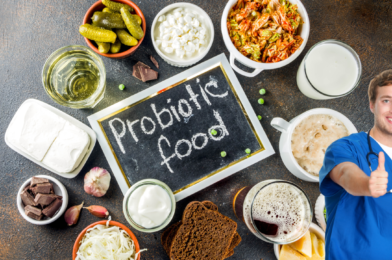
Probiotics are live bacteria that are good for your gut health. They can help improve digestion, boost your immune system, and protect you from disease. There are many ways to add probiotics to your diet, including eating fermented foods, drinking kombucha, taking probiotic supplements, and eating prebiotic foods.

Some common fermented foods that contain probiotics include yogurt, kefir, sauerkraut, kimchi, and tempeh. Kombucha is a fermented tea that is also a good source of probiotics. Probiotic supplements are available in capsule, powder, or liquid form. Prebiotic foods are not probiotics themselves, but they help to feed the probiotics that are already in your gut. Some good sources of prebiotics include fruits, vegetables, and whole grains.

If you are looking to improve your gut health, adding probiotics to your diet is a great way to do it. There are many different ways to get probiotics, so you can find a way that works for you.

Here are some additional tips for adding probiotics to your diet:

  • Look for fermented foods that are unpasteurized. This will ensure that the probiotics are still alive.
  • If you are taking probiotic supplements, look for a product that contains a variety of strains of bacteria.
  • Start with a small amount of probiotics and gradually increase your intake. This will help to prevent any side effects, such as bloating or gas.
  • Talk to your doctor before adding probiotics to your diet if you have any underlying health conditions.
Tagged : / / /

Dieting does not mean skipping restaurant food! You can order these healthy options!

Dieting does not mean skipping restaurant food! You can order these healthy options!
If you are on a diet, there may be people around you who will say “stop eating at restaurants’ and that may be a mood dampener for you. But you know what, you don’t really have to skip going to restaurants, you just have to make wise choices. Here are a few suggestions:

1 Grilled vegetables with a choice of protein or meat: This is a great way to get your daily dose of vegetables while also satisfying your hunger. Grilling uses little to no oil, so it is a healthy way to cook your food.
2 Chicken fajitas: Chicken fajitas are a good source of lean protein, which can help you lose weight. You can also add a side of beans or salsa to make your meal even healthier.
3 Salad : A salad is a classic healthy choice. The best thing is, there are a variety of salads available and you can take your pick. You can also make it even healthier by adding grilled chicken or fish. This will give you a good source of protein and healthy fats.
4 Soup: Soup is a filling and satisfying meal that is also relatively low in calories. You can choose a broth-based soup or a cream-based soup, depending on your preferences.
5 Steamed vegetables: Steamed vegetables are a great way to get your daily dose of vegetables without adding any extra calories or fat. You can season them with a little bit of salt and pepper to taste.

These are just a few suggestions for healthy dishes that you can order at a restaurant. If you are ever in doubt, ask your waiter or waitress for recommendations. They will be able to help you find a dish that fits your dietary needs and tastes good too.

Here are some additional tips for ordering healthy food at a restaurant:

  • Start with a salad or soup: This will help you fill up before you get to your main course.
  • Choose grilled, baked, or steamed dishes: These cooking methods are healthier than frying.
  • Ask for your dish to be made with less oil or butter: This will help you reduce your calorie intake.
  • Skip the high-calorie sides: Instead of french fries or mashed potatoes, choose a healthier side dish like a side salad or grilled vegetables.
  • Be aware of portion sizes: Restaurants often serve large portions, so be sure to ask for a to-go box if you can’t finish your meal.
Tagged : / / / /

6 Types of foods that should never be cooked in a pressure cooker?

6 Types of foods that should never be cooked in a pressure cooker?
Pressure cookers are a great way to cook food quickly and easily. However, there are some foods that you should never cook in a pressure cooker. These foods can either be unsafe to eat or they will not turn out well if cooked in a pressure cooker.

Here are some foods that you should avoid cooking in a pressure cooker:

1 Delicate, crispy, or fried foods : Pressure cookers add moisture to food, so dry and crispy foods like potato chips or popcorn will not turn out well. Light and fluffy pastries, as well as certain types of delicate fish, should also be avoided.
2 Dairy products : Dairy products like cheese, milk, and sour cream can curdle in a pressure cooker. If you want to add dairy to a pressure cooker dish, it is best to do so after the cooking cycle is complete.
3 Rare or medium-rare meats: Pressure cookers cook food quickly and evenly, which can make it difficult to get rare or medium-rare meats cooked to the desired doneness. If you want to cook meat to these doneness levels, it is best to use a different cooking method.
4 Creamy sauces : Creamy sauces can curdle or separate in a pressure cooker. If you want to make a creamy sauce in a pressure cooker, it is best to use a recipe that has been specifically designed for this type of cooking.
5 Some fruits and vegetables : Certain fruits and vegetables, such as apples, cranberries, and rhubarb, can release harmful chemicals when cooked in a pressure cooker. These chemicals can cause nausea, vomiting, and diarrhea.
6 Noodles : You should never cook noodles in a pressure cooker because noodles tend to foam, froth and can even clog the pressure release valve because of spluttering. Besides, who wants to eat overcooked soggy and messy noodles!
If you are unsure whether or not a food is safe to cook in a pressure cooker, it is best to err on the side of caution and use a different cooking method.

Here are some additional tips for cooking in a pressure cooker:

Use the correct amount of liquid: The amount of liquid you use in a pressure cooker is important. Too much liquid will prevent the pressure from building up, while too little liquid can cause the food to burn.
Don’t overcrowd the pot: Overcrowding the pot can prevent the pressure from building up, which will result in longer cooking times.
Release the pressure carefully: When you are finished cooking, it is important to release the pressure carefully. This can be done by carefully opening the valve or by letting the pressure release naturally.
By following these tips, you can safely and easily cook a variety of foods in your pressure cooker.

Tagged : / /
Verified by ExactMetrics