Why you should not eat curd at night?

Why you should not eat curd at night?
Curd is an essential part and parcel of the Indian thali. Curd, also known as yogurt, is a dairy product that is made by fermenting milk with live bacteria. It is a good source of protein, calcium, and other nutrients. However, there are some reasons why you should not eat curd at night.

1 It can cause digestive problems
Curd is a heavy food that can be difficult to digest, especially at night when your metabolism is slower. This can lead to bloating, gas, and indigestion.

2. It can increase mucus production
Curd is a cooling food that can increase mucus production in the body. This can aggravate respiratory problems such as asthma, cough, and cold.

3. It can disrupt sleep
Curd is a probiotic food that can increase the activity of the gut bacteria. This can lead to increased gas production and bloating, which can make it difficult to fall asleep.

4. It can interfere with the absorption of certain nutrients
Curd contains calcium, which can interfere with the absorption of iron. This is especially important for people who are prone to iron deficiency anemia.

5. It can increase the risk of food poisoning
Curd is a perishable food that should be stored in the refrigerator. If it is not stored properly, it can become contaminated with harmful bacteria and cause food poisoning.

If you are concerned about the health risks of eating curd at night, you can avoid it or eat it in moderation. If you do choose to eat curd at night, make sure it is fresh and store it properly in the refrigerator.

Here are some tips for eating curd safely at night:

Choose fresh curd that is made from pasteurized milk.
Store curd in the refrigerator at a temperature of 40 degrees Fahrenheit or below.
Do not eat curd that has been left out at room temperature for more than two hours.
If you have a weak digestive system, avoid eating curd at night.
If you are prone to respiratory problems, avoid eating curd at night.
If you are taking medication, talk to your doctor about whether it is safe for you to eat curd at night.
Overall, it is best to avoid eating curd at night, especially if you have any health concerns. If you do choose to eat curd at night, make sure it is fresh and store it properly.
Tagged : / /

Omega – 3 deficiency? This is how your body shows it!

Omega – 3 deficiency? This is how your body shows it!
Omega-3 fatty acids are essential fatty acids that the body cannot produce on its own. They are important for many bodily functions, including brain development, heart health, and inflammation control. A deficiency in omega-3 fatty acids can lead to a variety of symptoms, including:

1 Dry skin, hair, and nails Omega-3 fatty acids are essential for maintaining the moisture in the skin, hair, and nails. A deficiency can lead to dryness, brittleness, and flaking.
2 Joint pain and stiffness Omega-3 fatty acids have anti-inflammatory properties that can help to reduce joint pain and stiffness.
3 Mood swings and depression Omega-3 fatty acids are important for brain health and can help to improve mood and reduce the risk of depression.
4 Fatigue and poor sleep Omega-3 fatty acids are involved in energy production and can help to improve fatigue and sleep quality.
5 Poor concentration and memory Omega-3 fatty acids are important for brain function and can help to improve concentration and memory.
6 Increased inflammation Omega-3 fatty acids have anti-inflammatory properties that can help to reduce inflammation throughout the body.
7 Vision problems Omega-3 fatty acids are important for eye health and can help to prevent age-related macular degeneration and other vision problems.
If you are experiencing any of these symptoms, it is important to talk to your doctor to see if you may have an omega-3 deficiency. There are a number of ways to increase your intake of omega-3 fatty acids, including eating fish, taking supplements, and using omega-3-rich oils in cooking.

Here are some additional tips for increasing your omega-3 intake:

  • Eat oily fish such as salmon, mackerel, sardines, and tuna.
  • Take omega-3 supplements.
  • Use omega-3-rich oils in cooking, such as flaxseed oil, canola oil, and walnut oil.
  • Add ground flaxseed or chia seeds to your diet.
  • Eat leafy green vegetables such as spinach and kale.
    By following these tips, you can help to ensure that you are getting enough omega-3 fatty acids to support your overall health.
Tagged : / / / /

Simple Tips for Adding Probiotics to Your Diet

Simple Tips for Adding Probiotics to Your Diet
Probiotics are live bacteria that are good for your gut health. They can help improve digestion, boost your immune system, and protect you from disease. There are many ways to add probiotics to your diet, including eating fermented foods, drinking kombucha, taking probiotic supplements, and eating prebiotic foods.

Some common fermented foods that contain probiotics include yogurt, kefir, sauerkraut, kimchi, and tempeh. Kombucha is a fermented tea that is also a good source of probiotics. Probiotic supplements are available in capsule, powder, or liquid form. Prebiotic foods are not probiotics themselves, but they help to feed the probiotics that are already in your gut. Some good sources of prebiotics include fruits, vegetables, and whole grains.

If you are looking to improve your gut health, adding probiotics to your diet is a great way to do it. There are many different ways to get probiotics, so you can find a way that works for you.

Here are some additional tips for adding probiotics to your diet:

  • Look for fermented foods that are unpasteurized. This will ensure that the probiotics are still alive.
  • If you are taking probiotic supplements, look for a product that contains a variety of strains of bacteria.
  • Start with a small amount of probiotics and gradually increase your intake. This will help to prevent any side effects, such as bloating or gas.
  • Talk to your doctor before adding probiotics to your diet if you have any underlying health conditions.
Tagged : / / /

10 Foods you should never eat at dinner time!

10 Foods you should never eat at dinner time!
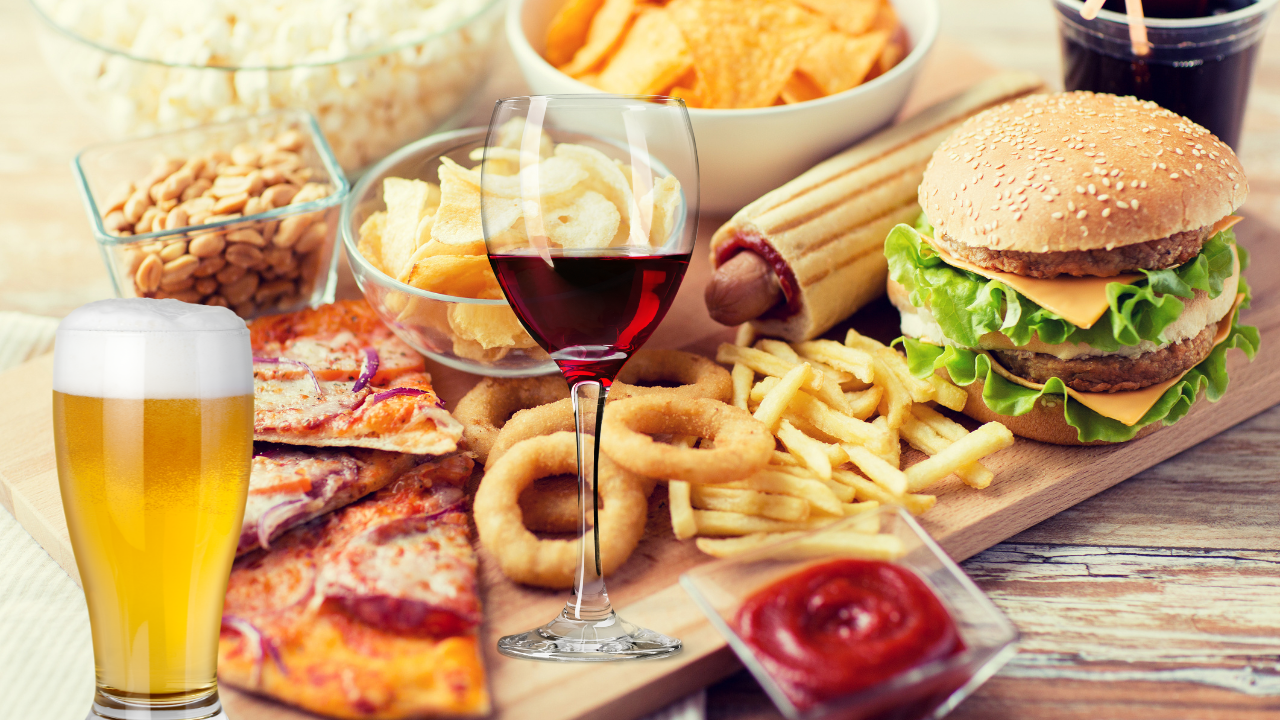
Dinner is often the last meal of the day, and it’s important to choose foods that will help you sleep well and wake up feeling refreshed. However, there are some foods that can actually interfere with your sleep and make you feel sluggish the next day. What you eat for dinner can have a big impact on your sleep quality. Some foods can make it difficult to fall asleep, while others can disrupt sleep later in the night. Here are 10 foods that you should avoid eating at dinner if you want to get a good night’s sleep:

1 Simple carbs: Simple carbs, such as white bread, pasta, and sugary snacks, can cause your blood sugar levels to spike and then crash, which can lead to difficulty sleeping.
2 Deep-fried foods : Deep-fried foods are high in fat, which can make it difficult for your body to digest before bed. This can lead to heartburn, indigestion, and other digestive problems that can disrupt sleep.
3 Sugary drinks : Sugary drinks, such as soda, juice, and sweetened tea, can also cause blood sugar spikes and crashes. They can also dehydrate you, which can make it harder to fall asleep.
4 Processed meats : Processed meats, such as bacon, sausage, and hot dogs, are high in unhealthy fats and sodium. These can contribute to inflammation, which can interfere with sleep.
5 Spicy foods : Spicy foods can irritate your stomach and make it difficult to fall asleep. If you’re sensitive to spicy food, it’s best to avoid it at dinnertime.
6 Caffeine : Caffeine is a stimulant that can make it difficult to fall asleep. If you’re sensitive to caffeine, it’s best to avoid it after noon.


7 Alcohol. : Alcohol may seem like it helps you fall asleep, but it can actually disrupt sleep later in the night. Alcohol can also dehydrate you, which can make it harder to fall asleep.
8 Large meals : Large meals can put a strain on your digestive system, which can make it difficult to fall asleep. If you’re going to eat a large meal, try to eat it earlier in the evening.
9 Foods that cause heartburn : If you’re prone to heartburn, avoid foods that can trigger it, such as fatty foods, acidic foods, and spicy foods.
10 Foods that you’re allergic to or sensitive to : If you have any food allergies or sensitivities, avoid eating those foods at dinner. These foods can cause inflammation and other problems that can interfere with sleep.
If you want to get a good night’s sleep, it’s important to choose healthy foods at dinner. These foods will help you digest easily and get a good night’s rest.

Here are some healthy dinner ideas that will help you sleep well:

1 Lean protein: Chicken, fish, tofu, and beans are all good sources of lean protein. Protein helps to keep you feeling full and satisfied, which can help you sleep better.
2 Complex carbs: Complex carbs, such as brown rice, quinoa, and sweet potatoes, are a good source of energy that will help you feel energized throughout the night.
3 Healthy fats: Healthy fats, such as olive oil, avocado, and nuts, are good for your heart and brain. They can also help to promote sleep.
4 Fiber: Fiber helps to keep you regular and can also help to promote sleep. Good sources of fiber include fruits, vegetables, and whole grains.
5 Water: Staying hydrated is important for overall health, and it can also help you sleep better. Aim to drink 8 glasses of water per day.

By following these tips, you can choose healthy foods at dinner that will help you sleep well and wake up feeling refreshed.

Tagged : / / / /
Verified by ExactMetrics