8 Everyday Vegetables That Are Not Of Indian Origin

8 Everyday Vegetables That Are Not Of Indian Origin
Indian cuisine is known for its rich flavors and diverse range of vegetarian dishes. However, many of the vegetables that are now staples of Indian cuisine were actually introduced to the country from other parts of the world.

Here are 10 vegetables that are not of Indian origin:

1. Potatoes: Potatoes are a staple food in many Indian dishes, but they are actually native to the Andes region of South America. Potatoes were introduced to India by the Portuguese in the 16th century and quickly became popular due to their high nutritional value and versatility.

2. Tomatoes: Tomatoes are another essential ingredient in Indian cooking, but they are also not native to India. Tomatoes originated in Central and South America and were introduced to India by the Portuguese in the 16th century.

3. Chillies: Chillies are another popular ingredient in Indian cuisine, but they are actually native to the Americas. Chillies were introduced to India by the Portuguese in the 16th century and quickly became popular due to their unique flavor and aroma.

4. Okra: Okra is a versatile vegetable that is used in many Indian dishes. However, okra is actually native to Africa and was introduced to India by the Arabs in the 13th century.

5. Cauliflower: Cauliflower is a popular vegetable in Indian cuisine, but it is actually native to the Mediterranean region. Cauliflower was introduced to India by the Portuguese in the 16th century.

6. Cabbage: Cabbage is another popular vegetable in Indian cuisine, but it is actually native to Europe and Asia. Cabbage was introduced to India by the Portuguese in the 16th century.

7. Corn: Corn is a popular vegetable in Indian cuisine, but it is actually native to Mesoamerica. Corn was introduced to India by the Portuguese in the 16th century.

8. Carrots: Carrots are a popular vegetable in Indian cuisine, but they are actually native to Afghanistan. Carrots were introduced to India by the Mughals in the 16th century.

How did these vegetables become so popular in India?

There are a few reasons why these vegetables became so popular in India. First, many of these vegetables were introduced to India during colonial times. The Portuguese, British, and Mughals all brought new vegetables to India, which were then adopted by the local population.

Second, many of these vegetables are well-suited to the Indian climate. For example, potatoes, tomatoes, and chillies are all heat-tolerant crops that can be grown in many parts of India.

Third, many of these vegetables are versatile and can be used in a variety of dishes. For example, potatoes can be used to make curries, fries, and samosas. Tomatoes can be used to make curries, sauces, and chutneys. Chillies can be used to add flavor to curries, vegetables, and rice dishes.

Tagged : / / / / /

Why Do Public Toilet Doors Have Wide Gaps At The Bottom ? We give you 6 reasons!

Why Do Public Toilet Doors Have Wide Gaps At The Bottom ? We give you 6 reasons!
Have you ever noticed that public toilet doors don’t touch the ground? You definitely would have because we have seen some of the scariest scenes in our movies where the killer or the killing weapon enters the toilet through that gap! But do you know that apart from making you jump in those scare scenes, there are a few important reasons for this, which we’ll explore in this blog post.

1. Cleanliness

One of the main reasons why public toilet doors don’t touch the ground is to promote cleanliness. Public restrooms are used by many people throughout the day, and bacteria and germs can easily spread. The gap at the bottom of the door makes it easier to clean the floor of the stall, as mops and other cleaning tools can easily reach underneath. This helps to reduce the risk of cross-contamination and keep the restroom clean for all users.

2. Ventilation

The gap at the bottom of the door also helps to improve ventilation in the stall. This is important because public restrooms can often be humid and smelly. The gap allows fresh air to circulate, which helps to reduce odors and moisture. This creates a more pleasant environment for users and helps to prevent the growth of mold and mildew.

3. Safety

In the event of an emergency, such as a medical episode or a fire, the gap at the bottom of the door allows people outside the stall to see if someone needs help. This is especially important in single-stall restrooms, where a person may be unable to call for help if they are injured or unconscious.

4. Accessibility

The gap at the bottom of the door also makes it easier for people with disabilities to enter and exit the stall. For example, people in wheelchairs may need extra space to maneuver, and the gap allows them to do so without having to worry about tripping over the door.

5. Durability

Doors that don’t touch the ground are less likely to be damaged by water and moisture at the bottom. This is because the gap allows water to flow underneath the door instead of pooling around it. This can help to extend the lifespan of the door and reduce maintenance costs.

6. Cost-effectiveness

Doors that don’t touch the ground are typically less expensive to purchase and install than doors that do. This is because they require less material and are easier to install.

Overall, there are many good reasons why public toilet doors don’t touch the ground. These doors are more hygienic, better ventilated, safer, more accessible, durable, and cost-effective than doors that do touch the ground.

Tagged : / /

Guinness World Records Shares The Bizarre Incident Of 11-Year-Old Boy Sleepwalking for 160 km

Guinness World Records Shares The Bizarre Incident Of 11-Year-Old Boy Sleepwalking for 160 km
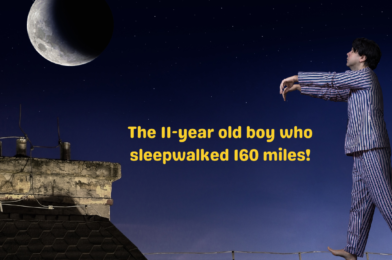
Sleepwalking is a disorder that causes a person to walk while they are in a sleep-like state, as the name of the condition suggests. According to the Guinness World Records, there was a strange incident in which a little youngster sleepwalked almost 100 miles (160 kilometres) away from his home.

On Tuesday, GWR stated that the incident occurred 36 years ago, when Michael Dixon was discovered walking down a railway track near Peru, Indiana, in the United States. This location is in the United States. He had no shoes on and was only wearing his pyjamas when I saw him.

A member of the train crew saw the 11-year-old youngster around 2:45 in the morning on April 6, 1987, and they reported to the authorities that the boy was in an unusual state. Dixon told the police that he was from Danville, Illinois, in response to their question on his residence.

By joining a goods train from a station that was located close to his residence, Dixon was able to travel such a significant distance in the middle of the night. After some time had passed, he related his story to a social worker working for the Miami County Welfare Department. He stated that he did not recall getting on or off the train. A nurse attended to his injured feet, but other than that, he was completely undamaged. His feet had cuts all over because he was not wearing any footwear.

Soon after, Dixon’s mother was notified about her son’s whereabouts, and she hurried over to get him as soon as she could. According to an article that was published in The Ball State Daily News, Michael’s mother stated that the last time she saw her son was at ten o’clock at night, while he was still in his bed. She stated that he would sleepwalk, but he was never expected to leave the house because of this behaviour.

According to the Cleveland Clinic, sleepwalking is a common childhood disorder that, in most cases, resolves on its own by the time a child enters puberty.

Tagged : / / / /

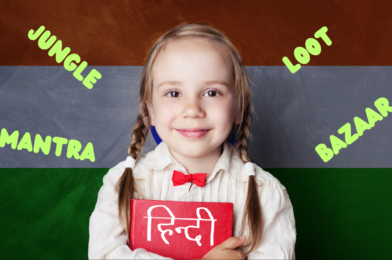
12 Hindi-Urdu Words Which Are Frequently Used In Everyday English

12 Hindi-Urdu Words Which Are Frequently Used In Everyday English
Hindi and Urdu are two closely related languages spoken by over 600 million people in India, Pakistan, and other parts of the world. For a long time India and Pakistan belonged to the same country and Hindi and Urdu were spoken by people of both sides. Even after partition, these languages are spoken in both the countries. Both languages have a rich vocabulary, and many of their words have been borrowed into English. Here we give you 10 such words:

1. Yoga
The Indian Spiritual way of living life through yoga has now found its takers far into the western world. The word ‘Yoga’ is now a part of the English language and people easily understand what it means.

2. Jungle
Jungle is now used in English language quite commonly and it means chaos or wild , originating from the dense Indian forests. Jungle’ was one of the very few first words to be picked up from India by the Oxford dictionary

3. Bazaar
Long before malls and markets, we used ‘bazaar’ as the place where we bought things and people sold them. This word is now used in English too signifying a commercial area.

4. Guru
Guru for Indians is the person who leads one to the right path – be it spiritual or academic. The word was adopted in the same form and meaning in the English language too.

5. Loot
Loot has been a part of the English language from quite some time. Just like Hindi, it means to rob someone. It is also the bounty taken under custody after the robbery.

6. Thug
This word taken as it is from Hindi language, means a violent, aggressive person, especially one who is a criminal. It is derived from ‘thug’ the Indian clans of criminal ruffians who looted people and killed them.

7. Mantra
We all know what mantra means – a repeated sound or words to increase concentration or offer prayers. This word was adopted in English too as a statement or slogan repeatedly.

8. Karma
For us Indians, it is the sum of a person’s actions in this and previous states of existence and when adopted in English language this means the same -good or bad luck, viewed as resulting from one’s actions.

9. verandah
The word which describes the area just outside of the house which is covered is derived from hindi word ‘baranda’ or urdu word ‘baramda’. There are no Verandahs in houses in England. But when the British came to know about this word during their stay in India, they made it a part of their dictionary.

10. Pajama
It is derived from the word ‘pyjama’ very commonly used in Hindi as well as Urdu. It means ‘Pay’ – leg and ‘jama’ – cloth.

11. Bungalow
Bungalow is also a word that has been long accepted in English language but which originated from ‘bangla’ meaning a big house.

12. Avatar
It was the movie avatar that made this Hindi word popular around the globe but the word has been a part of English language long before that. Derived from the Sanskrit avatra, meaning “descent,” avatar first appeared in English in 1784 to mean an incarnation or human appearance of a deity, particularly Vishnu. Now this word id everywhre – from movies to online games to chat rooms.

Apart from these, there are many other words that are now a part of the English language – like jugaad, namaste, Chit, Chutney, etc. The world is becoming smaller so the languages are bound to coalescence.

Tagged : / / / / /

5 Heaviest Dog Breeds In The World!

5 Heaviest Dog Breeds In The World!
People who love dogs do not just love dogs, they love them based on the size. There are some who love the large ones while some love the small cutie toy-like ones. If you are someone who is in love with the giant breeds of dogs then this article if for you. As opposed to popular belief, the bigger breeds of dogs are far more docile and calmer than their smaller counterparts. Here are the top 5 heaviest dog breeds:

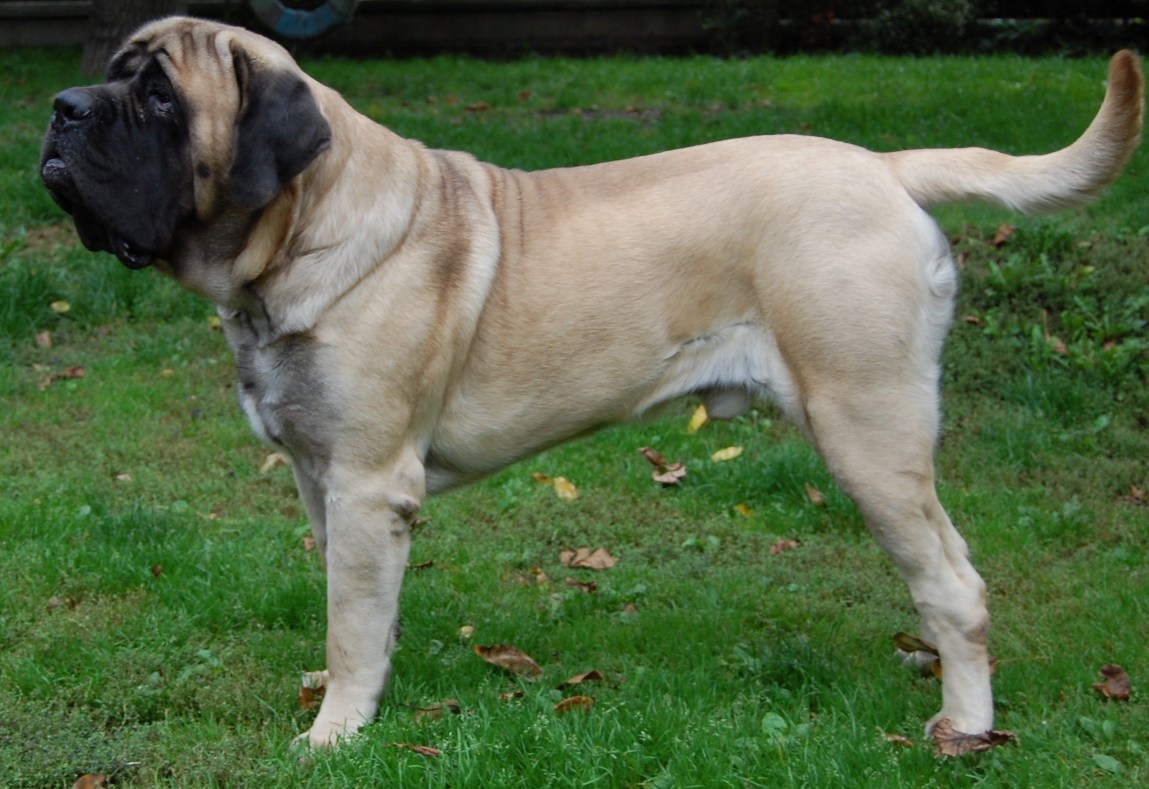
1 English Mastiff


The English Mastiff is the heaviest dog breed in the world, with males weighing up to 230 pounds and females weighing up to 170 pounds. They are gentle giants with a calm and loving disposition. English Mastiffs are known for their wrinkled faces and droopy jowls. They are also very protective of their families.

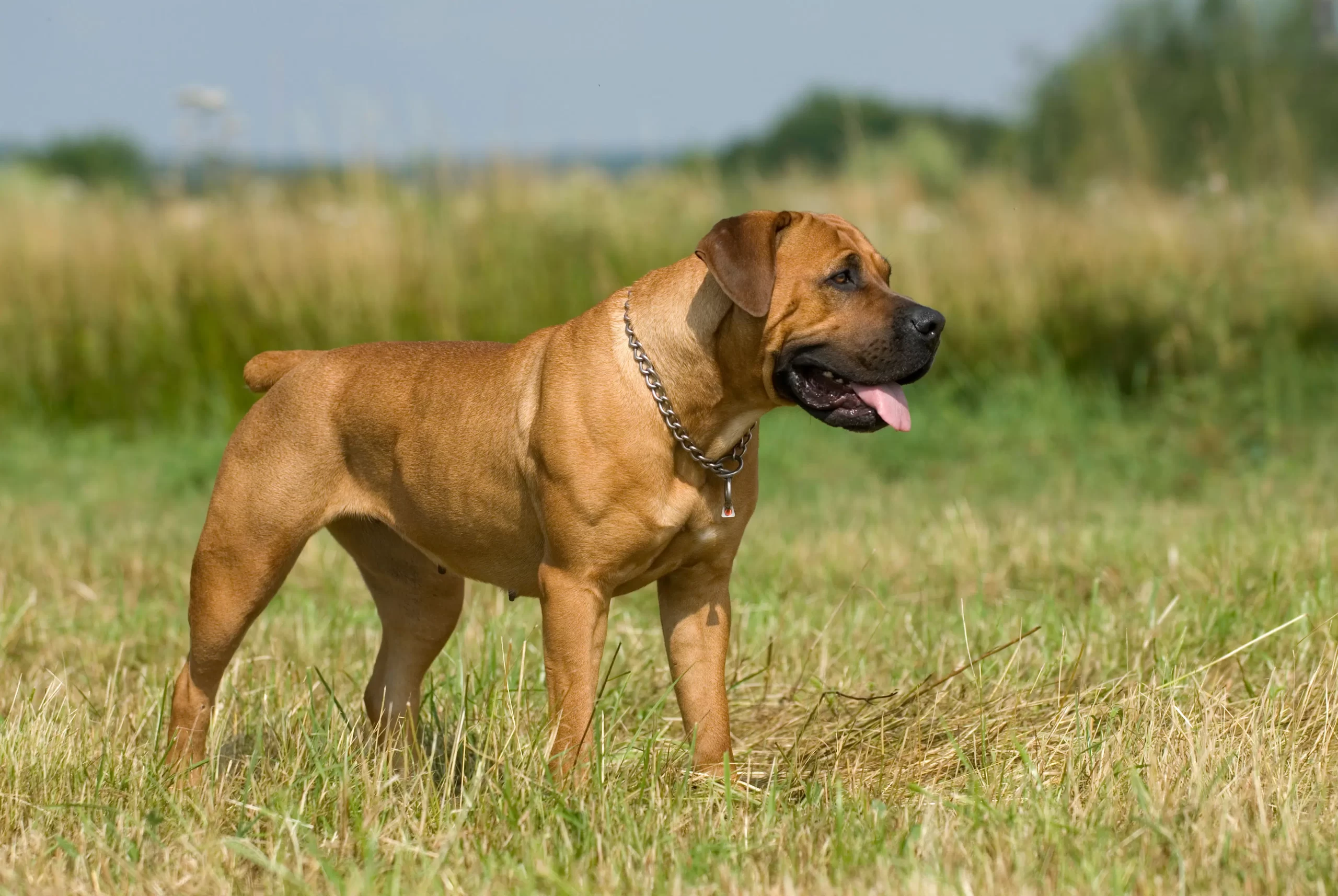
2 Boerboel


The Boerboel is a South African mastiff breed that is known for its strength and courage. Boerboels are typically large and muscular, with males weighing up to 200 pounds and females weighing up to 150 pounds. They are loyal and protective dogs that make great family pets.

3 Saint Bernard


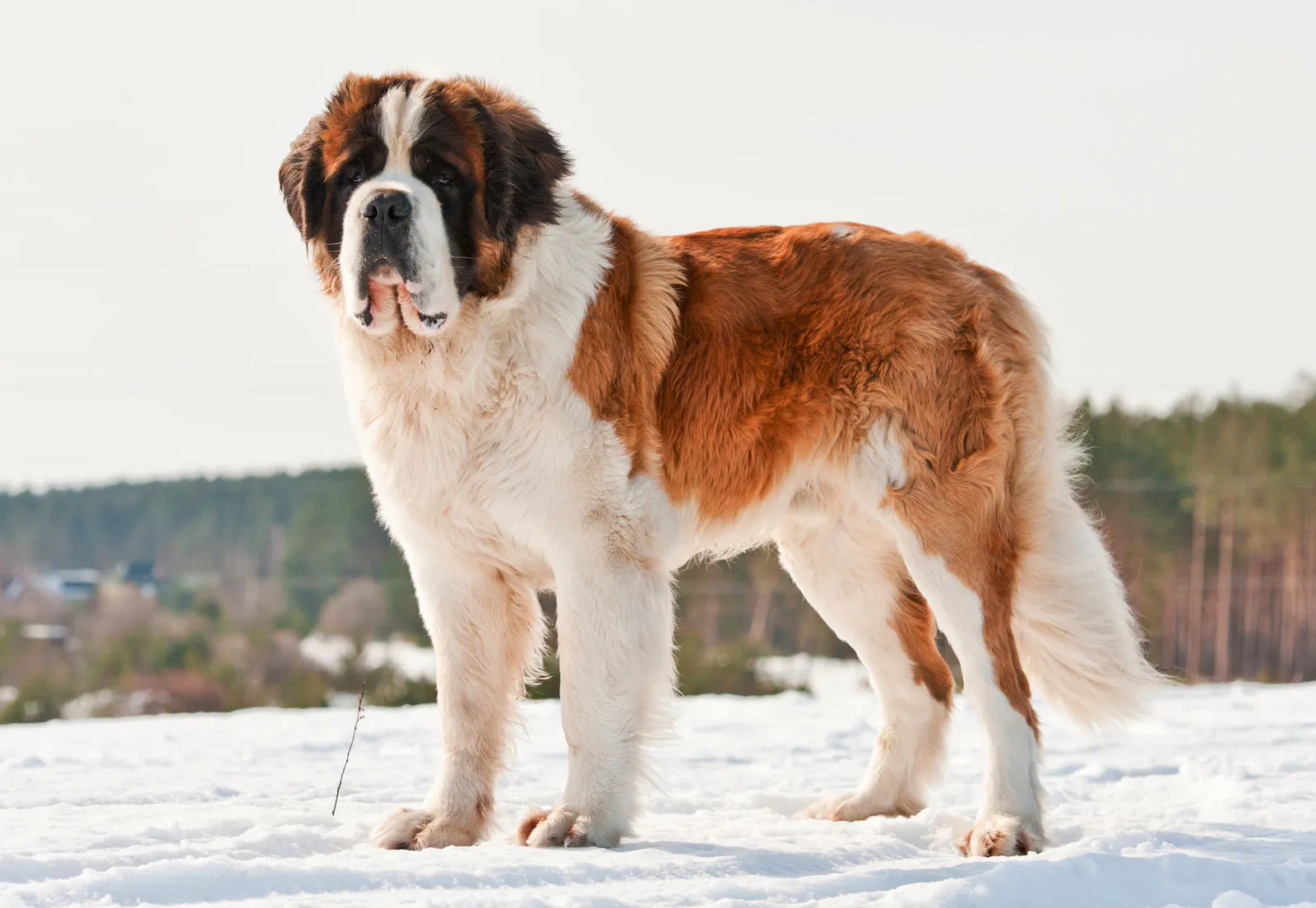
The Saint Bernard is a working dog breed that is known for its gentle nature and its rescue work in the Swiss Alps. Saint Bernards are typically large and heavy, with males weighing up to 180 pounds and females weighing up to 140 pounds. They are gentle giants that make great family pets.

4 Newfoundland


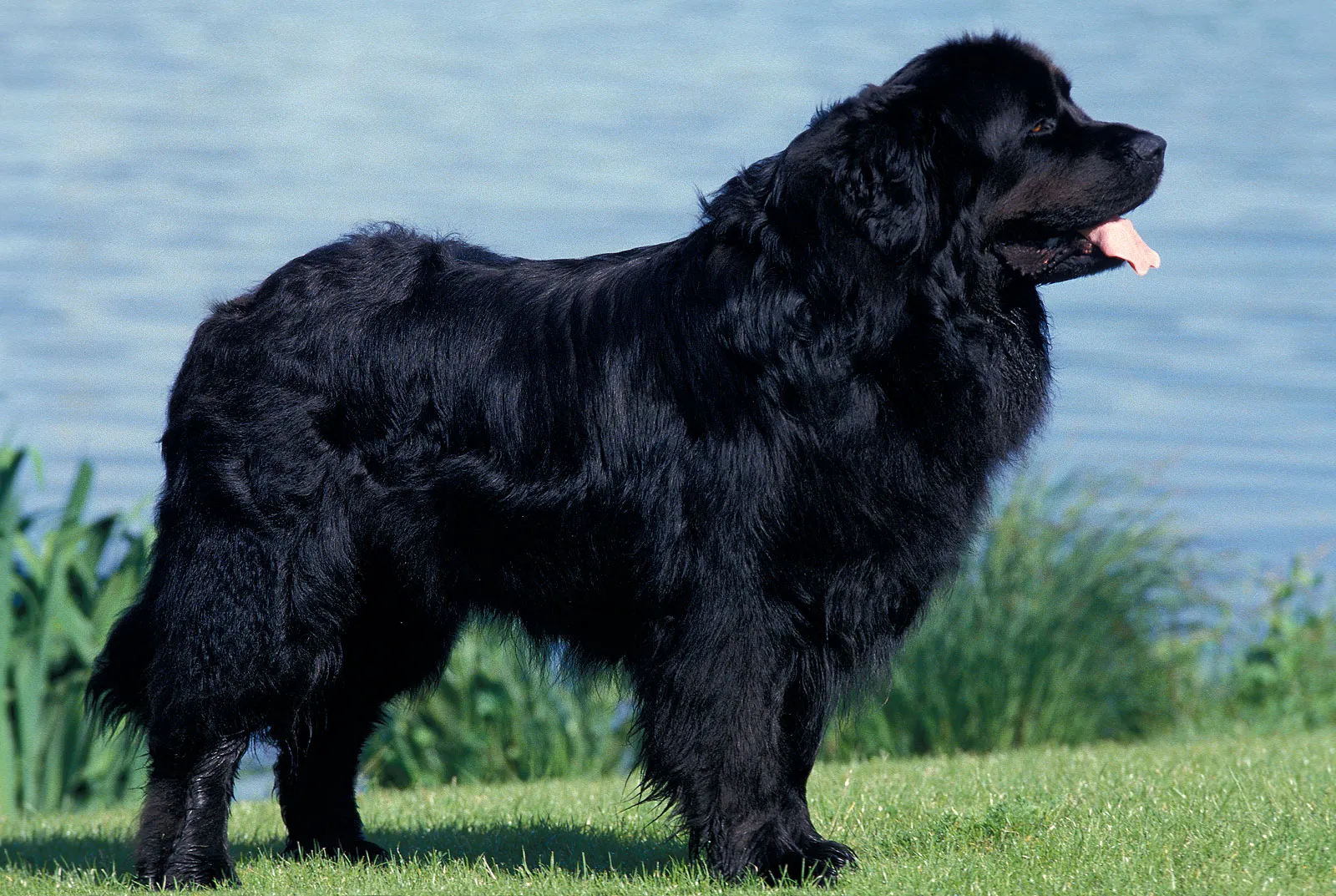
The Newfoundland is a working dog breed that is known for its strength and its ability to swim. Newfoundlands are typically large and heavy, with males weighing up to 175 pounds and females weighing up to 130 pounds. They are gentle giants that make great family pets.

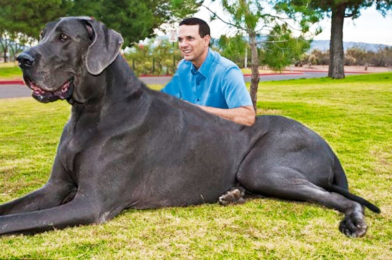
5 Great Dane


This breed which can go up to 175 pounds isn’t just known for its weight but also its height. Great Danes are one of the tallest dog breeds and can grow as tall as 32 inches. Most Great Danes tower over their humans when they are standing on their hind legs.

So which one would you buy?

Tagged : / / /

Bahubali Thali at Ponnusamy Hotel Chennai : A Challenge for the Daring!

Bahubali Thali at Ponnusamy Hotel Chennai : A Challenge for the Daring!
Ponnusamy Hotel in Chennai is known for its delicious and authentic Chettinad cuisine. But one of the restaurant’s most popular dishes is the Bahubali Thali, a massive thali that is sure to challenge even the most daring diners.

The Bahubali Thali is a massive platter that is piled high with over 50 different dishes, both vegetarian and non-vegetarian. The dishes include a wide variety of Chettinad specialties, such as mutton nalli, prawn masala, and ura puttu (shark). There are also a number of vegetarian dishes, such as idli, dosa, and sambar.

The thali is served with a generous helping of rice, and there are also a variety of chutneys and pickles to accompany the dishes. The entire thali is enough to feed four people, and it is priced at INR 1,399.

The Bahubali Thali is not for the faint of heart. It is a challenge to finish the entire meal, and those who do are often rewarded with a free meal or a prize. But for those who are up for the challenge, this thali is a truly unique and memorable dining experience.

Here are some tips for tackling the Bahubali Thali:

Start with the lighter dishes and work your way up to the heavier ones.
Don’t be afraid to ask for help from your server. They are happy to help you choose the right dishes and to refill your plates as needed.
Take your time and savor the flavors. There are so many different dishes to try, so don’t rush through the meal.
Have fun! The Bahubali Thali is a challenge, but it is also a lot of fun. So relax, enjoy the food, and see if you can finish the entire meal.

If you are looking for a truly unique and memorable dining experience, then the  Bahubali Thali at Ponnusamy Hotel is definitely worth trying. Just be warned, it is a challenge and you definitely can’t take it alone! So gather your team of foodies and attack this ‘Bahubali’!

Tagged : / / / / / /

5 Countries Where People Live The Longest!

7 Countries Where People Live The Longest!
Being Alive is the greatest gift given to us by God and most of us do not value it enough. We keep spoiling our lives because of petty issues and mundane problems whereas it is just a part and parcel of being alive. While life and death are in the hands of our maker, there are some countries where the God is a little more relaxed when it comes living. The average life expectancy in the world is 73 years. However, there are a number of countries where people live much longer. Here are 5 countries with the highest life expectancies:

1 Hong Kong
Hong Kong tops the life expectancy list with an average life expectancy of 85.83 years. Rice, nut oils, and a combination of meat and vegetables provide whole diets. Fortunately, Hong Kong provides suitable sanitation standards and clean water, which are also urban factors that promote long life.

2 Macao
Macao stands at the second place with a life expectancy of 85.51 years just a little behind Hong Kong. Macao’s public health and primary health care are relatively comprehensive, which provides a good safety net for the younger population, such as free vaccination for local residents under 18 and free pregnancy check-ups for all local residents.

3 Japan
With an average life expectancy of 84.95 years, Japan is at the third spot. This is also due to a number of factors, including a healthy diet, a strong focus on community, and a low stress lifestyle.

4 Switzerland
With its beautiful landscapes and eye catchy scnenary, Switzerland is one of the wealthiest nations in the world. Its people have access to some of the top notch medical facilities, high levels of personal safety and a general positive sense of well being. This is why it stands at number four with a life expectancy of 84. 38 years.

5 Singapore
Singapore is at number 5 with a life expectancy of 84. 27, closely following Switzerland. This is due to a number of factors, including a high standard of living, access to quality healthcare, and a focus on preventive care.

As is evident that Government’s commitment plays an important role in the general well being of the public. Also, the population also matters. When you have a manageable number of people to look after, it is easier. It is good that the people of these countries are well taken care for.

Tagged : / / /

7 Weird and Absurd Beauty Standards in Various Countries Around The World!

7 Weird and Absurd Beauty Standards in Various Countries Around The World!
The age old saying ‘Beauty lies in the eyes of the beholder’ seems to be losing its meaning nowadays. In this age of photoshop and filters, natural beauty is nowhere to be soon. The standards have become really strict and narrow. Every country has its own standards of beauty and some of it are extremely weird. Read on to know 7 such standards.

1 UK
In the UK, women are obsessed with tanning their bodies. This is ironic, as in India people look down upon tanned skin.

2 Japan
In Japan, women are expected to have pale skin and big eyes. This is due to the fact that pale skin is seen as a sign of wealth and status, while big eyes are seen as being more feminine.

3 USA
Women in USA are obsessed with having bigger assets – bigger boobs, bigger asses! The trend was made famous by reality drama queens like Kim Kardashian, Kylie Jenner etc.

4 Brazil
Smaller breasts and rounder bottoms are considered beautiful in Brazil. Brazilian butt lift (BBL) operations have gained a lot of fame and are being performed by people all over the world.

5 Jamaica
A lady in Jamaica must weigh between 70 and 95 kg since women there are obsessed with having a “healthy body” appearance. The ‘chicken pills’ are specific tablets used in Jamaica to increase bottom size and widen hips. Farmers give chickens these medicines to help them grow more quickly.

6 Venezuela
Venezuelan women are obsessed with breast enlargement. It is a popular gift for 15th birthday celebration in the country. You must have seen that Venezuelan women make it big in all the beauty pageants. So it is very normal for women here to gift each other or friends and family- the breast enlargement gift card.

7 Iran
Iranian women are obsessed with nose jobs. Over 70,000 people have got nose jobs done till now and it is considered a kind of status symbol in the country.

So, which of these did you find weird?

Tagged : / / /

The First billionaire of India used diamonds as paper weights! Owned 50 Rolls Royce and a private Airline!

The First billionaire of India used diamonds as paper weights! Owned 50 Rolls Royce and a private Airline!
While growing up, we all have heard stories of India being a rich and prosperous country and how it was called the ‘Golden Bird’ in the olden days. But then came the outsiders and deprived us of our own riches and wealth. Do you know that India’s first billionaire was a man who was not just a billionaire in India but the richest man in the world one time? Nizam Mir Osman Ali Khan, a native of Hyderabad, was the country’s first billionaire. He was the country’s first billionaire, according to reliable records of his enormous wealth and real estate holdings. There may have been other kings who were wealthier than Nizam Ali, but there are no tangible records of their wealth, therefore we may assume that Nizam Ali was the first billionaire in India. Time magazine dubbed Nizam Ali of Hyderabad “The Richest Man in the World” in its issue from February 22, 1937. Nizam Osman Ali possessed enormous fortune, and sources claim that more than Rs 3 billion of Nizam Ali’s money is still in deposit in an English bank.

It is also said that Osman Ali owned a private airline, 50 Rolls Royces, and many other expensive possessions. The Nizam’s private airline, named “Deccan Airways”, was founded in 1932. It was the first airline in India to offer scheduled flights. The Nizam owned a fleet of 12 aircraft, including Douglas DC-3s and Lockheed Constellations. The Nizam also owned a large collection of Rolls Royces. He reportedly owned 50 Rolls Royces, including the Silver Ghost Throne Car. The Silver Ghost Throne Car was a custom-built Rolls Royce that was used by the Nizam as his personal vehicle. It was equipped with a throne in the back seat, so that the Nizam could travel in comfort and style.

In addition to his private airline and Rolls Royces, the Nizam also owned many other luxurious possessions. He owned a palace, a zoo, and a private golf course. He was also a patron of the arts and sciences, and he donated generously to many charitable causes. The Nizam was a controversial figure, but there is no doubt that he was a man of great wealth and luxury. His private airline and Rolls Royces are a testament to his wealth and power. The Nizam had a special attachment with jewellery and diamonds. He had some of the most rare diamonds of those time like:

1 Jacob Diamond: Also known as the Imperial or Victoria Diamond, this is a 184.75-carat colorless diamond. It was found by Mir Osman Ali Khan in the toe of his father’s shoe at Chowmahalla Palace and used it as a paper weight for a long time. It was bought by the government of India for an estimated $US13 million in 1995.

2 Nizam Diamond: Also known as the “little Koh-i-noor”, this diamond was a famous diamond in the 1800s. It is said to have been around 340 carats (68 g) in size, and was mined from the now-submerged Kollur mine in the Krishna River valley in the year 1830. It is believed to have gone missing shortly after the 1948 Annexation of Hyderabad.

3 Princie Diamond: This diamond is a 32.38-carat yellow diamond that was cut from a larger diamond that was found in Kollur in 1860. It was named after the Nizam’s son, Prince Azam Jah. The Princie Diamond was sold by the Nizam’s family in 1948 and is now owned by the American philanthropist Harry Winston.

4 Darya-e Nur: This diamond is a 186-carat white diamond that was found in Golconda in the 17th century. It was originally owned by the Mughal emperor Shah Jahan, but was later captured by the Persian king Nadir Shah. The Darya-e Nur is now part of the Iranian Crown Jewels.

5 Nur-ul-Ain: This diamond is a 62.03-carat blue diamond that was found in Golconda in the 17th century. It was originally owned by the Mughal emperor Shah Jahan, but was later captured by the Persian king Nadir Shah. The Nur-ul-Ain is now part of the Iranian Crown Jewels.

These are just a few of the diamonds that were owned by the Nizam. The Nizam was known for his love of jewels, and he amassed a collection that was one of the most valuable in the world. His diamonds are a testament to his wealth and power, and they continue to fascinate people today.

Tagged : / / / / /

Animals that have astonishingly strong memory!

Animals that have astonishingly strong memory!
Animals have long been known for their incredible memories. From elephants who can remember the location of water sources for decades, to dolphins who can keep track of complex social relationships, animals have demonstrated memory abilities that rival or even surpass those of humans.

In this article, we will explore some of the animals with the strongest memories. We will discuss how these animals use their memories to survive and thrive in the wild, and we will learn about the scientific research that has helped us to understand their amazing cognitive abilities.

We will also take a look at some of the factors that contribute to an animal’s memory, such as its brain size, social complexity, and learning environment. By the end of this article, you will have a better understanding of how animals remember, and you will be amazed by the cognitive feats that they are capable of.

Here are some of the animals with the strongest memories:

Dolphins: Dolphins have been shown to have long-term memories that can last for decades. They use their memories to keep track of social relationships, learn new skills, and even navigate complex underwater environments.

Elephants: Elephants are also known for their excellent memories. They can remember the location of food sources, water holes, and even other elephants that they have met years ago. This ability to remember is essential for elephants, as it helps them to survive in the harsh African savanna.

Whales: Whales have also been shown to have impressive memories. They use their memories to learn songs, navigate long distances, and even find food. For example, humpback whales have been known to sing the same song for years, and they even pass these songs down to their young.

Octopuses: Octopuses have both short-term and long-term memory. They use their memories to learn new tasks, navigate their environment, and even avoid predators. Octopuses are also able to enhance their short-term memory during times of stress, which helps them to survive in dangerous situations.

Chimpanzees: Chimpanzees are considered to have better memories than humans. They can remember the location of food sources, learn new skills, and even remember the faces of other chimpanzees that they have met years ago. This ability to remember is essential for chimpanzees, as it helps them to survive in the competitive world of the African rainforest.

Horses: Long before any research was conducted for tracking animal’s memory strength, horse owners knew that their pet animal has excellent memory. Pet horses can remember and recognize their owners after years of separation. They can also remember family members and other horses within their community.

Tagged : / /

Check what your sitting position reveals about your personality!

Check what your sitting position reveals about your personality!
It is said that a person reveals a lot about his personality through his or her body language. Your gestures and your postures too say a lot about you. The way you sit can reveal a lot about your personality. Here are some common sitting positions and what they say about you:

1 Knees touching and feet pointing towards each other: This position suggests that you are carefree and live life on your own terms. You are not bothered by what others think of you, and you enjoy being spontaneous and quirky. You are also a good conversationalist and can steer through any conversation with ease.

2 Ankles crossed: This position indicates that you are a creative and imaginative person. You are also guarded and do not trust others easily. You keep your thoughts to yourself and may take a long time to let someone into your life.

3 Legs outstretched: This position suggests that you are confident and outgoing. You are comfortable in your own skin and enjoy being the center of attention. You are also a good listener and are always interested in learning new things.

4 Legs folded underneath you: This position indicates that you are shy and introverted. You prefer to stay in the background and avoid social situations. You are also a good observer and pick up on details that others may miss.

5 Feet tapping: This position suggests that you are anxious or impatient. You may be feeling restless or bored, or you may be worried about something.

Of course, these are just general interpretations. The way you sit can also be influenced by your physical comfort, the environment you are in, and the situation you are in. But if you are curious about what your sitting position says about you, take a moment to observe yourself and see if any of these descriptions fit.

Tagged : / /

The age old puzzle of the chicken and egg is finally solved!

The age old puzzle of the chicken and egg is finally solved!
The question of which came first, the chicken or the egg, has puzzled people for centuries. Now, a new study suggests that scientists may finally have the answer.

The study, published in the journal Nature, looked at the earliest ancestors of modern-day reptiles, birds, and mammals. These animals, which lived around 320 million years ago, were not yet laying eggs. Instead, they gave birth to live young. This conclusion is based on the analysis of 51 fossil species and 29 living species, which can be categorized as oviparous (laying eggs) or viviparous (giving birth to live young). While oviparous species are known for laying hard or soft-shelled eggs, viviparous species give birth to live young. These new findings have been published in the journal Nature Ecology & Evolution.

The study’s authors believe that the amniotic egg, which is the hard-shelled egg that is characteristic of birds, evolved over time from a type of sac that surrounded the developing embryo in live-bearing animals. This sac, called the amnion, helped to protect the embryo from drying out, which allowed animals to live on land.

The authors of the study say that their findings suggest that the chicken did not come first. Instead, they believe that the amniotic egg evolved first, and that the first chickens hatched from these eggs.

This finding is significant because it helps to answer one of the oldest questions in biology. It also provides insights into the evolution of birds and other amniotes.

Implications for the Future

The findings of this study have a number of implications for the future. First, they suggest that the amniotic egg was a key innovation that allowed animals to live on land. This innovation had a profound impact on the evolution of life on Earth, and it is likely that the amniotic egg played a role in the rise of the dinosaurs and other land-dwelling animals.

Second, the findings of this study suggest that the chicken did not evolve in a single step. Instead, it is likely that the chicken’s ancestors gradually evolved from live-bearing animals to egg-laying animals. This process of evolution took millions of years, and it is likely that there were many different types of animals that existed in between the live-bearing animals and the first chickens.

Conclusion

The findings of this study provide new insights into the evolution of birds and other amniotes. They also help to answer one of the oldest questions in biology: which came first, the chicken or the egg? The answer, it seems, is the egg.

Tagged : / / / /

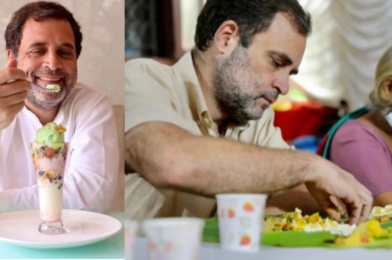
These are the foods that Rahul Gandhi loves to eat! But there are two foods he simply hates!

These are the foods that Rahul Gandhi loves to eat! But there are two foods he simply hates!
Rahul Gandhi is a well-known politician in India, but he is also a bit of a foodie. He has spoken openly about his love for food on several occasions, and he has even been known to go on food walks with food journalists. His love for food is not just limited to his personal life. He has also used his platform as a politician to promote Indian cuisine. In 2015, he launched a campaign called “Taste of India” to encourage people to try different Indian dishes. He has also utilized his love for food to connect with voters. He has often spoken about his favorite foods during campaign rallies, and he has even cooked for voters on occasion.

Rahul Gandhi is a non-vegetarian but he enjoys many vegetarian dishes. He loves Indian street food too. His favourite foods include tandoori chicken, butter chicken, chhole bhature, paranthas, aloo tikki, kulfi, chaat, and omelette. He also enjoys South Indian food and Punjabi cuisine. His favorite restaurants include Moti Mahal, Sagar, Swagat, and Saravana Bhawan. He has his favorite Chole Bhature and Golgappa joints in Old Delhi. In terms of drinks, Gandhi prefers coffee in the morning and tea in the evenings. By his own admission, he enjoys Indian mithai and sweets over French desserts so he loves kheer, laddoo, jalebi, gulabjamun , etc.

He has made some very public declarations about foods and you would be elated to read about these. On different occasions, he has admitted:

  • “I love to eat everything and enjoy what I am served. I do not have many big food preferences.”
  • “I make one of the best omelettes!”
  • “Lalu Prasad Yadav makes great food.”
  • “I don’t like jackfruit and peas.”

Well, now you know Rahul Gandhi’s food habits!

Tagged : / /

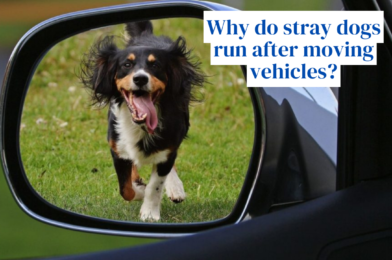
Why do stray dogs bark at and run after moving vehicles?

Why do stray dogs bark at and run after moving vehicles?
Dogs are naturally curious creatures, and they are often drawn to moving objects. This is especially true for stray dogs, who may not have had much exposure to cars before. When a stray dog sees a moving car, it may bark out of fear, curiosity, or excitement. In some cases, the dog may even chase after the car.

While barking at cars may seem harmless, it can actually be dangerous for both the dog and the people in the car. If a dog chases a car, it could be injured or killed. Additionally, if a dog barks at a car while it is driving, it could distract the driver and cause an accident. In this article, we will discuss the reasons why stray dogs bark and run after cars.

Fear : Stray dogs are often afraid of cars, and barking is their way of trying to feel safe. The loud noise, fast movement, and unfamiliarity of cars can be scary for dogs, and barking can help them to feel more in control of the situation.

Predatory instinct : Dogs are predators by nature, and they are naturally drawn to moving objects. The sight, sound, and smell of a car can trigger a dog’s prey drive, which can lead them to bark and chase after the vehicle.

Territorial behavior: Stray dogs may bark at cars to protect their territory. They may see cars as intruders, and barking is their way of warning them away.

Boredom or excitement : If a stray dog is bored or excited, they may bark at cars as a way to relieve their pent-up energy. This is especially common in stray dogs that don’t get enough exercise.

Loneliness : Stray dogs may bark at cars as a way to get attention. They may be lonely and looking for interaction, and barking at a car is a way to get people to notice them.

It is important to be aware of the dangers of stray dogs barking at cars. If a dog chases a car, they could be injured or killed. Additionally, if a dog barks at a car while it is driving, they could distract the driver and cause an accident. For these reasons, it is important to take steps to prevent stray dogs from barking at cars.

Here are some tips for preventing stray dogs from barking at cars:
1 Do not feed stray dogs. Feeding stray dogs will only encourage them to hang around cars and people.
2 If you see a stray dog barking at a car, do not interact with it. This will only make the dog more excited and likely to bark more.
3 If you are driving and a stray dog is barking at your car, do not slow down or stop. This will only encourage the dog to chase you.
4 Report stray dogs to animal control. Animal control can help to capture and relocate stray dogs to a safe place.

Tagged : /

7 Unusual things that astronauts experience in the space!

7 Unusual things that astronauts experience in the space!
Going to space is an incredible experience, but it’s also one that comes with a lot of challenges and strange sensations. Here are some of the most unbelievable things that astronauts experience in space:

1 See Sunrise and Sunsets every 45 minutes
The International Space Station (ISS) completes one orbit of Earth in 90 minutes. It is because of this phenomenon that astronauts in space are able to witness sunrise and sunset at an interval of 45 minutes.

2 They can’t cry in space
Tears are pulled down by gravity, but in space, there’s no gravity to pull them down. So, when astronauts get emotional, they might feel like crying, but no tears will come out or if they did, they will make a ball around the corner of their eyes which will be very uncomfortable.

3 They can’t burp
In space, there is no gravity to pull things straight down, so the gas and liquids in the astronauts’ stomachs don’t separate. This means the gas can’t come back up to create a burp!

4 Their hair grows faster in space
This is because there’s no gravity to weigh down their hair, so it grows more quickly.

5 Get thrown back when sneeze
Gravity is so important and even a sneeze is enough to show you that in space. If an astronaut sneezes in space he or she will be thrown back because of the lack of gravity. They can be thrown back vigorously and their sneeze can travel up to 20 feet.

6 Their blood cells change shape
In space, the lack of gravity causes the blood cells to become more spherical. This makes it harder for the blood to circulate, which can lead to problems like fatigue and dizziness.

7 The silence
There’s no sound in space. This is because there’s no air to carry sound waves. The only sound they hear is their own breathing and the occasional equipment noise.

Can you imagine how it all must feel?

Tagged : / / / /
Verified by ExactMetrics