4 Lesser Known Symptoms Of Cervical Cancer That Women Often Ignore

4 Lesser Known Symptoms Of Cervical Cancer That Women Often Ignore
If you are a woman, do you ever think about how much you really know about cervical cancer? Have you ever wondered if you could be missing some crucial signs? And most importantly, are you ready to empower yourself with life-saving knowledge?” Keep reading because today we are going to unravel four lesser-known symptoms of cervical cancer that women often overlook but shouldn’t.

1. Bleeding between periods

Hormonal changes may sometimes cause spotting or bleeding between two consecutive periods, but if this is happening regularly or every month then this is not something you should ignore. Bleeding between two period cycles – month after month – is not normal. Also, if your periods have suddenly become heavier and continue to be heavier, it is time you took notice. So if you too are experiencing this, you should rush to your nearest medical practitioner and get yourselves checked.

2. Pelvic Pain

Every woman has had pelvic pain or experiences pelvic pain during her periods or before her periods are about to start. But if you are experiencing pelvic pain that doesn’t go away and has become a constant companion, you need to take this seriously. While pelvic pain is often attributed to menstrual cramps or other benign causes, persistent or unexplained pelvic pain can sometimes be a sign of cervical cancer. Also, remember a consistent pelvic pain is one of the later symptoms of cervical cancer. This means that if a woman starts experiencing pelvic pain continuously, there is a possibility that the cervical cancer has advanced.

3. Leg Pain

While leg pain is often associated with issues like muscle strains or poor circulation, persistent leg pain, especially in one leg, can sometimes indicate advanced cervical cancer. This occurs when the cancer spreads to nearby tissues and affects nerves, causing discomfort or swelling in the legs. If you’re experiencing unexplained leg pain, it’s essential to discuss it with your healthcare provider to rule out any serious underlying conditions.

4. Unexplained weight loss

While all of us would love it if we dropped a few kilos or pounds off but if you are experiencing sudden and unexplained weight loss, especially when not actively trying to lose weight, it can signal a more significant health issue, including cervical cancer. Weight loss may occur as a result of cancer affecting your appetite, metabolism, or overall health. If you’re experiencing unexplained weight loss alongside other symptoms mentioned, it’s crucial to consult with your healthcare provider for a thorough evaluation.”

Remember dear women! You are your own best friend! So first and foremost never ignore yourselves. By being aware of these lesser-known symptoms and taking proactive steps to address any concerns, you can play a crucial role in protecting your health and well-being. Remember, your body often communicates with you, and it’s essential to listen and take action when something doesn’t feel right.
Tagged : / / / /

Dear Women! 5 Reasons Why There Is A Foul Smell In Your Nether Regions

Dear Women! 5 Reasons Why There Is A Foul Smell In Your Nether Regions
Ladies, let’s talk about a topic often shrouded in secrecy and stigma: vaginal odor. Before you hit the emergency panic button, understand that a healthy vagina has its own unique scent, and it can change throughout your cycle. However, if you’ve noticed a persistent, unusual, or unpleasant smell, then it’s worth investigating. Let’s explore five common reasons behind vaginal odor and ways to address them naturally:

1. Bacterial Vaginosis (BV): This imbalance in vaginal bacteria can cause a fishy odor. It’s not an STI and often clears up on its own, but you can support the process with gentle probiotics (taken orally or vaginally) and avoiding harsh soaps. Consult your doctor if symptoms persist.

2. Yeast Infection: A fungal overgrowth, characterized by itching, burning, and cottage-cheese-like discharge, can also cause a yeasty smell. Over-the-counter antifungal creams usually do the trick, but consult your doctor for recurrent infections.

3. Sweat and Friction: Yes, even down there! Tight clothing, intense workouts, and hot weather can increase sweating and friction, leading to a musky smell. Opt for breathable fabrics, loose-fitting clothing, and post-workout showers to keep things fresh.

4. Periods and Blood: Menstrual blood has a metallic scent, and sometimes it lingers if not cleaned properly. Use gentle wipes or panty liners regularly during your period and maintain good hygiene afterwards.

5. Forgotten Objects: Tampons or menstrual cups left in for too long can harbor bacteria and cause a foul odor. Always keep track of your period products and remove them within the recommended timeframe.

Remember: Avoid harsh soaps, douches, and scented products which can disrupt the delicate vaginal pH balance. Prioritize gentle cleansers, cotton underwear, and breathable clothing. If the odor persists or is accompanied by other symptoms like pain, burning, or unusual discharge, always consult your doctor.

Open Communication: Your gynecologist is your partner in vaginal health. Don’t hesitate to discuss any concerns or changes you notice. By normalizing open communication, we can break the stigma surrounding vaginal odor and empower women to prioritize their well-being.

Healthy vaginas come in all scents and variations, but addressing unusual odors naturally and seeking medical advice when needed is key to maintaining optimal vaginal health and confidence.

Disclaimer: This blog post is for informational purposes only and should not be construed as medical advice. Please consult your doctor for any concerns regarding your vaginal health.

Tagged : / / /

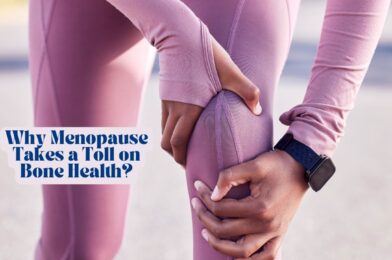
Why Menopause Takes a Toll on Bone Health: A Guide for Women

Why Menopause Takes a Toll on Bone Health: A Guide for Women
Menopause, a natural transition marking the end of menstruation, brings about a cascade of hormonal changes in women. While hot flashes and mood swings are often the first things that come to mind, another significant consequence of menopause is a decline in bone health.

Estrogen: The Bone-Building Guardian

Our bones are constantly undergoing a dynamic process of breakdown and rebuilding. Estrogen, a key female sex hormone, plays a crucial role in this process by stimulating the activity of bone-building cells called osteoblasts.

Menopause and the Estrogen Dip:

As women enter menopause, their estrogen levels plummet. This hormonal shift significantly disrupts the bone remodeling process, leading to an imbalance favoring bone breakdown over bone formation. Over time, this can lead to the development of osteoporosis, a condition characterized by weak and brittle bones that are more prone to fractures.

The Bone Health Domino Effect:

The impact of declining estrogen on bone health goes beyond just reduced bone formation. Here are some additional factors that contribute to the vulnerability of bones after menopause:

i. Increased bone resorption: Osteoclasts, the cells responsible for breaking down bone, become more active during menopause, further accelerating bone loss.
ii. Changes in calcium absorption: Estrogen also plays a role in calcium absorption from the gut. With lower estrogen levels, calcium absorption becomes less efficient, further impacting bone health.
iii. Loss of muscle mass: Muscle and bone are intricately linked. Loss of muscle mass, which is also common after menopause, can weaken the skeletal system and increase the risk of fractures.

Taking Charge of Bone Health:

The good news is that women can take proactive steps to protect their bone health during and after menopause. Here are some key strategies:

  • Healthy diet: Ensure adequate intake of calcium and vitamin D, essential nutrients for bone health. Calcium-rich foods like dairy products, leafy greens, and tofu, and vitamin D sources like fatty fish and fortified milk can be your allies.
  • Regular exercise: Weight-bearing exercises like walking, running, and dancing stimulate bone formation and strengthen muscles, providing better support for the skeleton.
  • Lifestyle modifications: Smoking and excessive alcohol intake can further accelerate bone loss. Quitting smoking and moderating alcohol consumption are crucial for bone health.
  • Hormone replacement therapy (HRT): In some cases, HRT may be recommended by a doctor to address declining estrogen levels and its impact on bone health.

Early Intervention is Key:

It’s important to remember that bone loss is a gradual process. By being proactive about bone health early on, women can significantly reduce their risk of developing osteoporosis and its associated complications. Regular bone density scans can help monitor bone health and guide treatment decisions if necessary.

Menopause may mark a shift in a woman’s life, but it doesn’t have to spell doom for bone health. By understanding the impact of hormonal changes and taking proactive steps, women can empower themselves to build strong, resilient bones and maintain their active lifestyles well into their golden years.

Tagged : / / / /

4 Hormones Controlling Your Period: Regularity or Rollercoaster?

4 Hormones Controlling Your Period: Regularity or Rollercoaster?
Your menstrual cycle is a complex dance orchestrated by a delicate interplay of hormones. These chemical messengers guide the monthly ebb and flow of your period, from egg maturation to uterine lining shedding. While some cycles run like clockwork, others can be as unpredictable as a rogue wave. Understanding the hormonal players behind this monthly rhythm can help shed light on why your period might sometimes be a well-behaved guest and other times, a mischievous prankster.

1. Follicle-Stimulating Hormone (FSH): The Conductor

Imagine FSH as the conductor of the menstrual cycle orchestra. It awakens dormant follicles in your ovaries, each containing an egg. As FSH levels rise in the early days of your cycle, one lucky follicle takes center stage, maturing and preparing to release an egg.

2. Luteinizing Hormone (LH): The Spotlight Stealer

Just as the conductor cues the soloist, LH takes over around mid-cycle. A surge in LH triggers ovulation, the grand release of the egg from the dominant follicle. This mid-cycle LH surge is what ovulation predictor kits detect, helping you pinpoint your fertile window.

3. Estrogen: The Set Designer

Estrogen, the diva of the hormonal cast, plays a crucial role in preparing the stage for potential pregnancy. It thickens the uterine lining, creating a plush welcome mat for a fertilized egg. Estrogen also influences cervical mucus, making it thin and slippery to facilitate sperm passage.

4. Progesterone: The Stagehand

Progesterone, the understudy waiting in the wings, takes over after ovulation. It further thickens the uterine lining and keeps it ready for implantation if the egg is fertilized. If fertilization doesn’t occur, progesterone levels dip, triggering the shedding of the thickened lining – your period.

The Irregularity Interruption

When these hormonal players don’t sing in perfect harmony, menstrual irregularities can occur. Stress, hormonal imbalances, medical conditions, and lifestyle factors can disrupt the delicate dance, leading to missed periods, delayed cycles, or heavy bleeding.

Understanding the hormonal symphony behind your menstrual cycle can empower you to make informed choices about your health and well-being. If you’re experiencing menstrual irregularities, consulting a healthcare professional can help identify the underlying cause and find ways to restore hormonal harmony.

Remember, a healthy menstrual cycle is a sign of a healthy you!

Additional Tips:

  • Maintain a healthy lifestyle with a balanced diet, regular exercise, and adequate sleep.
  • Manage stress effectively through relaxation techniques like yoga or meditation.
  • Track your menstrual cycle to identify patterns and potential irregularities.
  • Consult a doctor if you experience any concerning symptoms like heavy bleeding, extreme pain, or missed periods.

    By understanding your hormonal orchestra, you can conduct your menstrual cycle with confidence and embrace the rhythm of your unique womanhood.

Tagged : / / / /

Anemia during pregnancy? 5 vegetarian foods to overcome iron deficiency

Anemia during pregnancy? 5 vegetarian foods to overcome iron deficiency
Anemia is a common condition, especially during pregnancy. It occurs when your body doesn’t have enough red blood cells to carry oxygen. Iron deficiency is the most common cause of anemia, and pregnant women are at higher risk because they need more iron for both themselves and their developing baby.

Symptoms of anemia in pregnancy

If you’re pregnant and anemic, you may experience the following symptoms:

Fatigue
Pale skin
Dizziness
Headache
Shortness of breath
Cold hands and feet
Why are vegetarians more prone to anemia during pregnancy?

Vegetarians are more likely to be iron deficient than meat-eaters because the iron found in plant-based foods is not as easily absorbed by the body. Additionally, pregnant women need more iron than non-pregnant women, so vegetarians may struggle to meet their iron needs through diet alone.

5 vegetarian foods to overcome iron deficiency during pregnancy

If you’re a vegetarian pregnant woman who is anemic, don’t worry! There are plenty of delicious and nutritious foods you can eat to boost your iron intake. Here are five of the best:

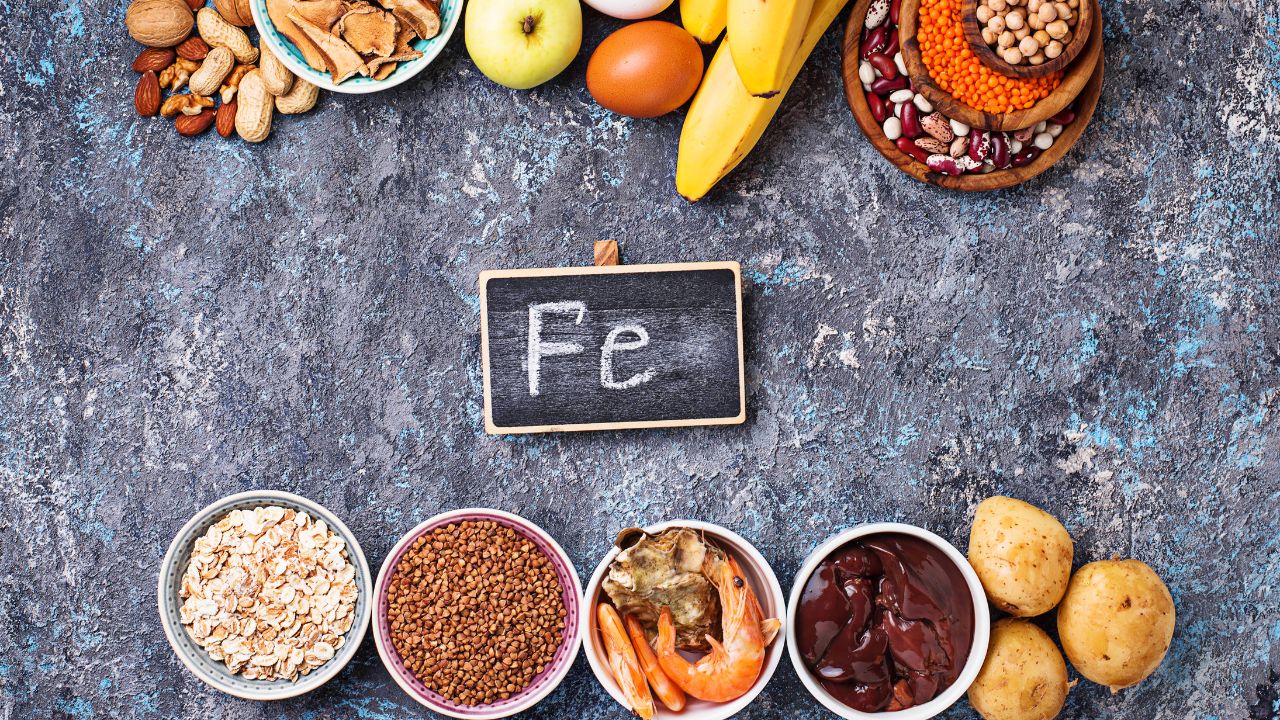
1. Lentils: Lentils are a great source of iron, with one cup of cooked lentils containing about 6.6 milligrams of iron. They’re also a good source of protein, fiber, and folate, which are all important nutrients for pregnant women.

2. Quinoa: Quinoa is a complete protein, meaning it contains all nine essential amino acids. It’s also a good source of iron, with one cup of cooked quinoa containing about 2.8 milligrams of iron. Quinoa is a versatile grain that can be used in salads, soups, and main dishes.

3. Tofu: Tofu is a plant-based food made from soybeans. It’s a good source of protein and iron, with one half-cup serving containing about 2 milligrams of iron. Tofu is a versatile ingredient that can be used in stir-fries, curries, and even breakfast scrambles.

4. Dark leafy greens: Dark leafy greens are packed with nutrients, including iron. One cup of cooked spinach contains about 6.7 milligrams of iron. Other good options include kale, collard greens, and Swiss chard.

5. Dried fruits: Dried fruits are a convenient way to get a boost of iron and other nutrients. One cup of raisins contains about 1.4 milligrams of iron. Other good options include prunes, apricots, and figs.

Tips for boosting iron absorption

In addition to eating iron-rich foods, there are a few things you can do to boost iron absorption:

Eat vitamin C-rich foods with your iron-rich foods. Vitamin C helps your body absorb iron. Good sources of vitamin C include citrus fruits, tomatoes, and bell peppers.
Avoid drinking coffee or tea with meals. Coffee and tea can interfere with iron absorption.
Cook in a cast iron skillet. Cast iron cookware can leach iron into food.
Talk to your doctor

If you’re concerned about anemia during pregnancy, talk to your doctor. They can check your iron levels and recommend the best course of treatment.

In conclusion

Anemia is a common condition during pregnancy, but it’s usually treatable. By eating a healthy diet that includes plenty of iron-rich foods, you can help prevent or overcome anemia and ensure a healthy pregnancy.

Tagged : / / / / / /

10 Foods That Help Manage PCOS

10 Foods That Help Manage PCOS
Polycystic ovary syndrome (PCOS) is a common endocrine disorder that affects women of reproductive age. It is characterized by irregular menstrual cycles, excess hair growth, and acne. PCOS can also lead to weight gain, insulin resistance, and infertility.

There is no cure for PCOS, but there are ways to manage the symptoms. One of the most important things you can do is to eat a healthy diet. Here are 8 nutrient-packed foods that can help you manage PCOS:

1. Oats: Oats are a good source of fiber, which can help regulate blood sugar levels and reduce insulin resistance. They are also a good source of magnesium, which is important for hormone balance.

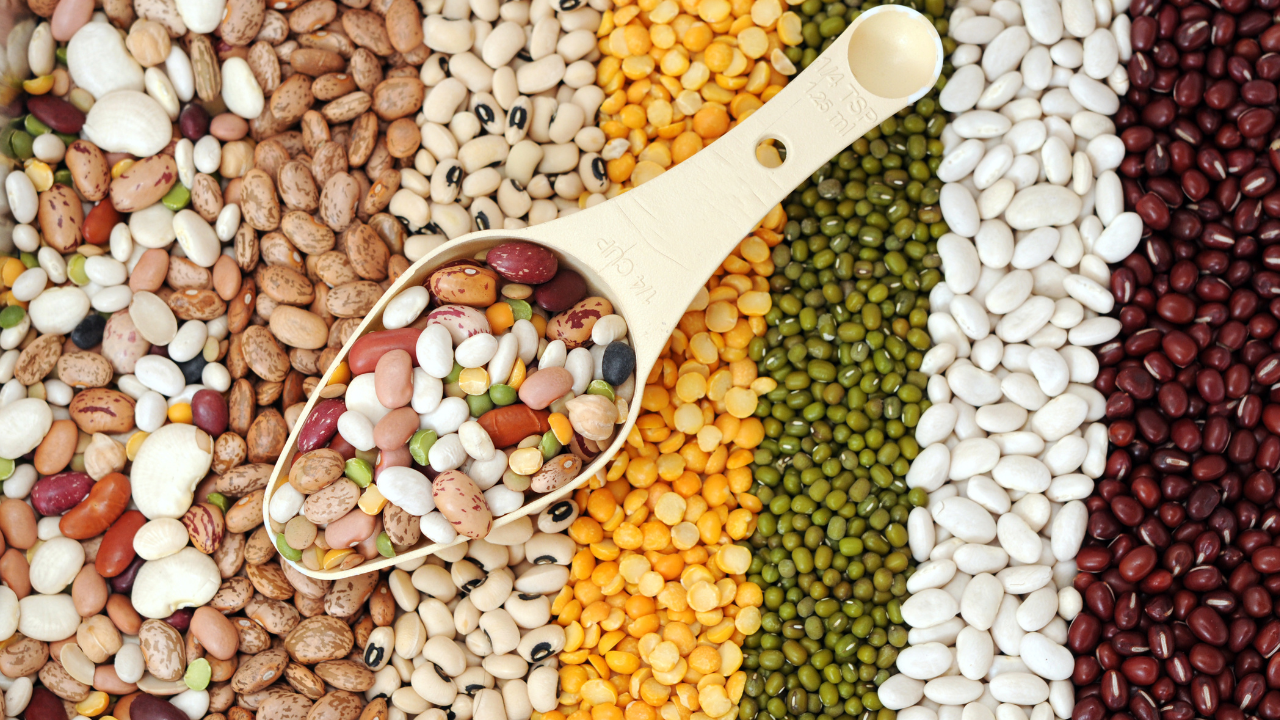
2. Beans: Beans are a good source of protein, fiber, and iron. They are also a good source of inositol, which is a nutrient that has been shown to improve insulin sensitivity in women with PCOS.

3. Salmon: Salmon is a good source of omega-3 fatty acids, which are important for reducing inflammation. Inflammation is a common problem in women with PCOS, and it can contribute to symptoms such as weight gain, acne, and hair loss.

4. Green leafy vegetables: Green leafy vegetables are a good source of vitamins, minerals, and antioxidants. They are also a good source of fiber, which can help regulate blood sugar levels.

5. Flaxseeds: Flaxseeds are a good source of fiber, omega-3 fatty acids, and lignans. Lignans are plant compounds that have been shown to have estrogen-like effects, which can be helpful for women with PCOS.

6. Nuts and seeds: Nuts and seeds are a good source of protein, fiber, and healthy fats. They are also a good source of magnesium, which is important for hormone balance.

7. Whole grains: Whole grains are a good source of fiber, which can help regulate blood sugar levels and reduce insulin resistance. They are also a good source of vitamins and minerals.

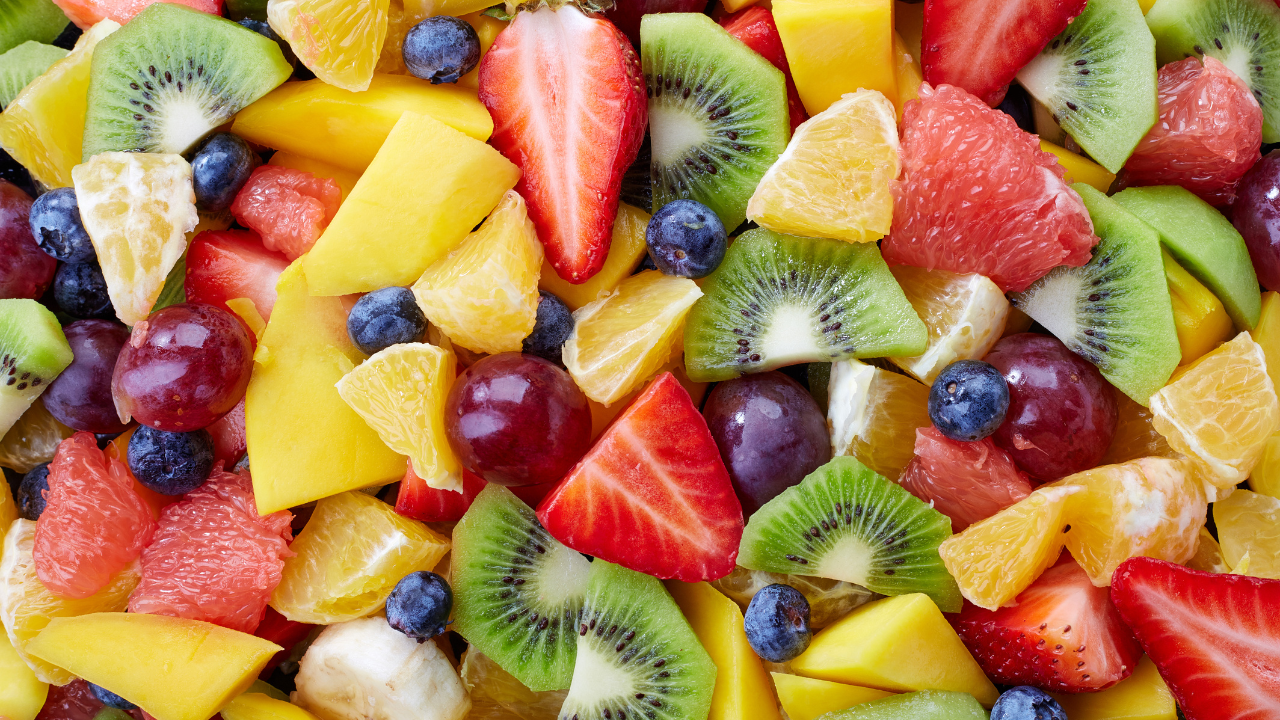
8. Fruits: Fruits are a good source of vitamins, minerals, and antioxidants. They are also a good source of fiber, which can help regulate blood sugar levels.

9. Cinnamon is a spice that has been shown to have a number of health benefits, including lowering blood sugar levels, reducing inflammation, and improving insulin sensitivity. These benefits may be helpful for women with PCOS, who are at risk for insulin resistance and type 2 diabetes.

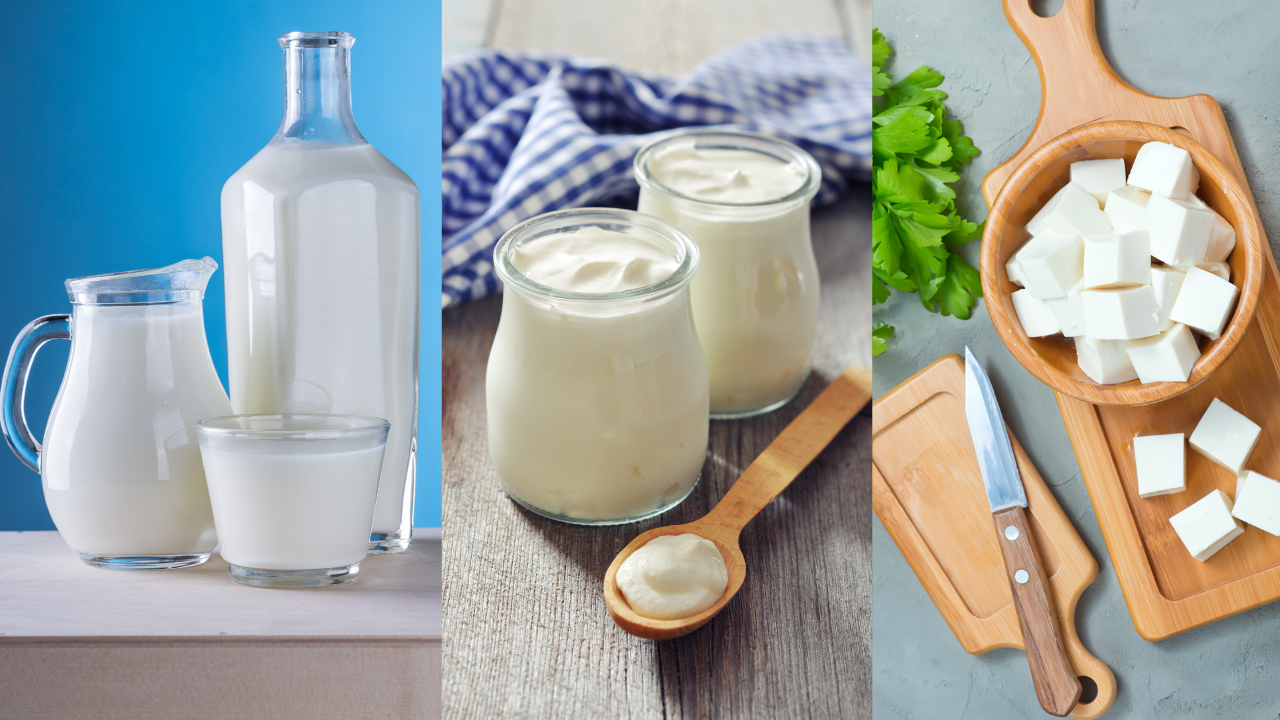
10. Low-fat dairy products are a good source of protein and calcium, which are important nutrients for women with PCOS. Low-fat dairy products are also a good source of vitamin D, which is important for bone health. Some studies have shown that low-fat dairy products may help improve insulin sensitivity in women with PCOS. However, more research is needed to confirm these findings. Good sources of low-fat dairy products include milk, yogurt, and cheese.

In addition to eating a healthy diet, it is also important to exercise regularly and manage stress levels. By making these lifestyle changes, you can help manage the symptoms of PCOS and improve your overall health. It is important to note that everyone with PCOS is different, and what works for one person may not work for another. If you are unsure about what foods are right for you, it is best to talk to your doctor or a registered dietitian.

Tagged : / / / / /

10 Best Calcium Sources for Women’s Bone Health

10 Best Calcium Sources for Women’s Bone Health
Calcium is an essential mineral for women of all ages. It is needed for strong bones and teeth, as well as for muscle function, blood clotting, and nerve transmission.

The recommended daily intake of calcium for women is 1,000 milligrams (mg) per day. However, some women, such as those who are pregnant or breastfeeding, may need more calcium. Here are 10 of the best calcium sources for women:

1. Milk and yogurt
Milk and yogurt are excellent sources of calcium. A cup of milk contains about 300 mg of calcium, and a cup of yogurt contains about 400 mg.

2. Cheese
Cheese is another good source of calcium. A slice of cheddar cheese contains about 200 mg of calcium.

3. Tofu
Tofu is a plant-based source of calcium. A 100-gram serving of tofu contains about 250 mg of calcium.

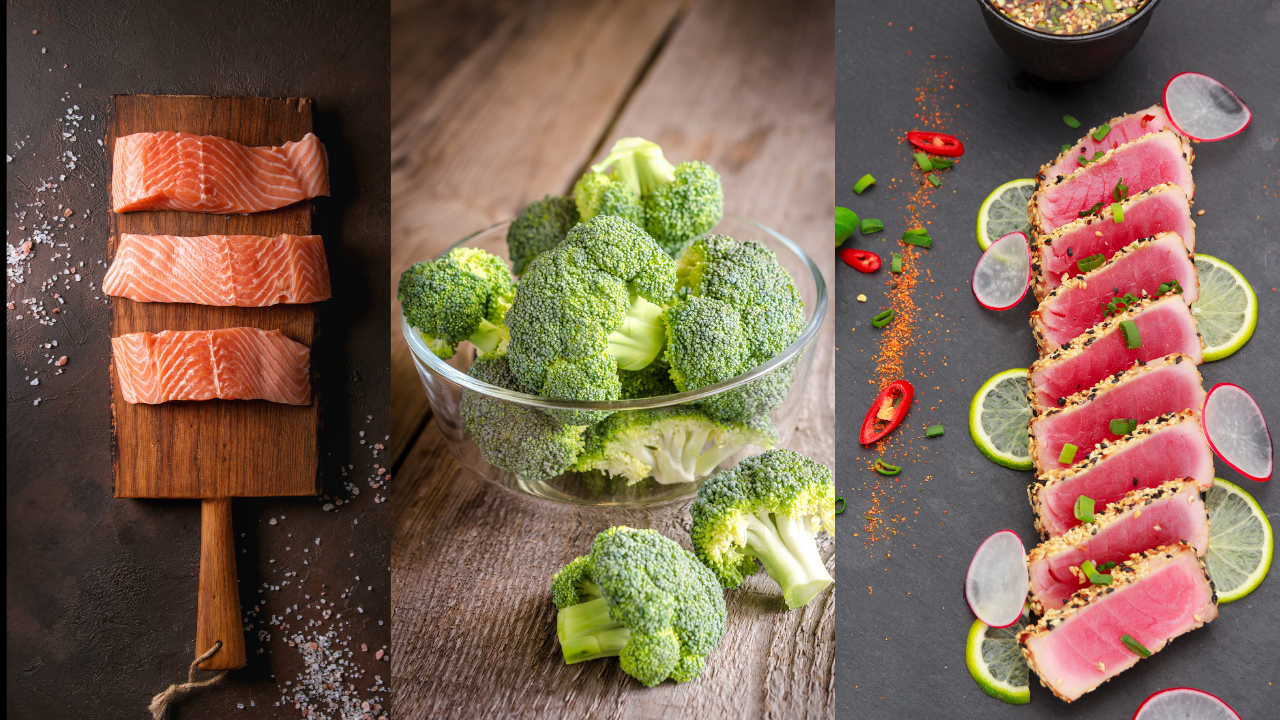
4. Broccoli
Broccoli is a good source of calcium, as well as other nutrients like vitamin C and fiber. A cup of cooked broccoli contains about 100 mg of calcium.

5. Salmon
Salmon is a good source of calcium, as well as protein and omega-3 fatty acids. A 3-ounce serving of salmon contains about 180 mg of calcium.

6. Tuna
Tuna is another good source of calcium from fish. A 3-ounce serving of tuna contains about 120 mg of calcium

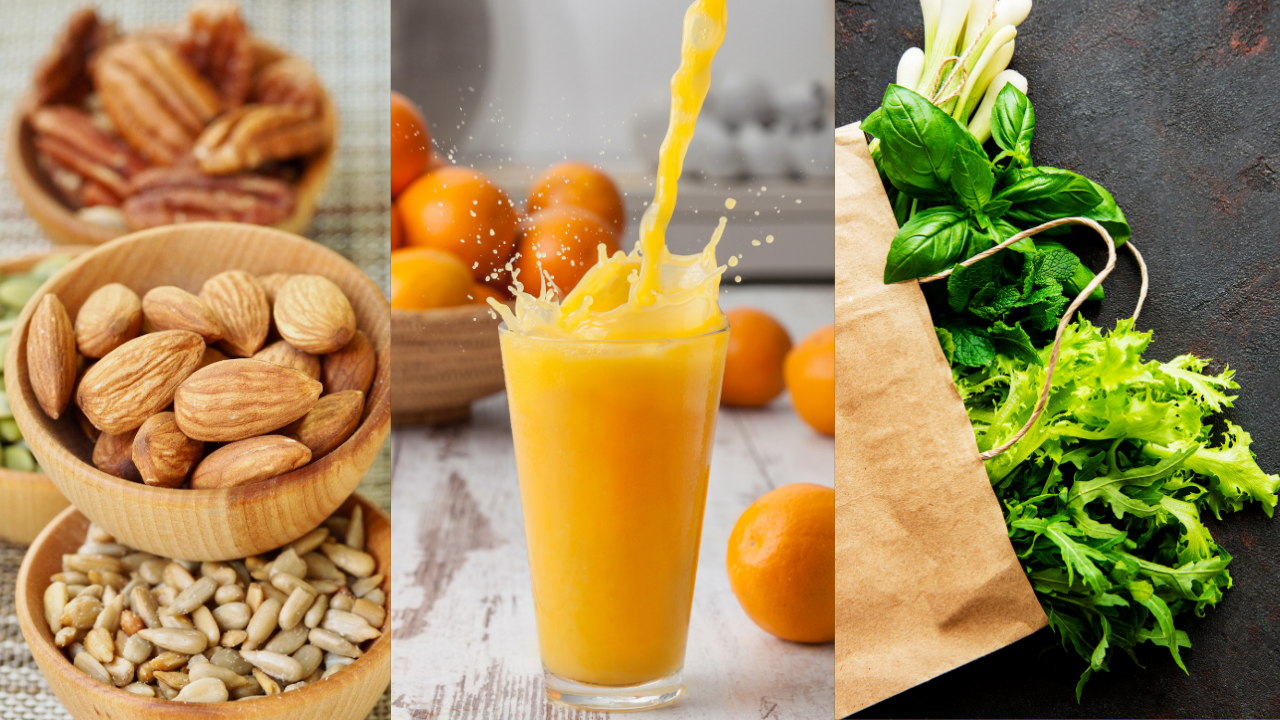
7. Orange juice
Orange juice is fortified with calcium, making it a good source of this mineral. A cup of orange juice contains about 300 mg of calcium.

8. Soy milk
Soy milk is a good source of calcium for people who are lactose intolerant. A cup of soy milk contains about 300 mg of calcium.

9. Nuts and seeds.
Nuts and seeds are a good source of calcium, as well as other nutrients like protein and fiber. Almonds, sesame seeds, and chia seeds are all good sources of calcium.

10. Dark green leafy vegetables
Dark green leafy vegetables, such as kale, spinach, and collard greens, are a good source of calcium. A cup of cooked kale contains about 200 mg of calcium.

In addition to these foods, there are also calcium supplements available. Calcium supplements are a good option for people who do not get enough calcium from their diet. It is important to note that too much calcium can be harmful. The upper limit for calcium intake is 2,500 mg per day. If you are taking calcium supplements, it is important to talk to your doctor to make sure you are not getting too much.

By eating a variety of calcium-rich foods, women can ensure that they are getting enough of this important mineral for good health.

Tagged : / / / / /
Verified by ExactMetrics