Samsung Teases Galaxy Ring: Everything We Know So Far

Samsung Teases Galaxy Ring: Everything We Know So Far
Hold onto your hats, tech enthusiasts, because Samsung has dropped a tantalizing teaser for a brand new wearable: the Galaxy Ring. While details are still under wraps, the brief glimpse offered during the recent Galaxy Unpacked event has sent the rumor mill into overdrive. So, let’s dive into everything we know (and speculate) about this intriguing new device.

A Stylish New Form Factor:

Gone are the bulky days of smartwatches! The Galaxy Ring embraces a sleek and sophisticated ring design, promising seamless integration with your daily life without weighing you down. Imagine checking notifications, tracking your fitness, or controlling your smart home – all with a simple gesture on your finger.

Health and Wellness Focus:

While Samsung hasn’t revealed the Galaxy Ring’s full capabilities, the teaser heavily hinted at its focus on health and wellness. We can expect features like heart rate monitoring, sleep tracking, and blood oxygen measurement, making it a potential rival to established players like the Oura Ring.

Sensor Power:

The glimpse we saw showcased what appeared to be three sensor bumps on the inside of the ring. These likely house the technology needed for the aforementioned health tracking features, potentially including ECG and blood pressure monitoring for even more comprehensive health insights.

Beyond Fitness:

Samsung’s vision for the Galaxy Ring seems to extend beyond just fitness tracking. The teaser hinted at potential integration with the Galaxy ecosystem, allowing you to control smart home devices, make payments, or even answer calls right from your finger.

Release Date and Price:

The big question marks remain the release date and price. Samsung has remained tight-lipped about these details, but rumors suggest a launch sometime in the latter half of 2024, with a price tag potentially in the range of other premium smart rings.

The Verdict:

The Samsung Galaxy Ring has the potential to be a game-changer in the wearable market. Its sleek design, focus on health and wellness, and potential for seamless smart home integration make it an exciting prospect. While many questions remain unanswered, one thing’s for sure: the Galaxy Ring has us eagerly awaiting its official arrival.

Stay tuned for updates as we learn more about this intriguing new device. And in the meantime, let us know your thoughts on the Galaxy Ring in the comments below!

Additional Notes:

  • It’s important to remember that the information in this blog is based on speculation and rumors. We’ll need to wait for Samsung’s official announcement for all the details.
  • The potential features and capabilities of the Galaxy Ring are exciting, but it’s important to see how they work in practice and how well they’re integrated with the Galaxy ecosystem.
  • The price of the Galaxy Ring is likely to be a major factor in its success. If it’s priced competitively, it could be a popular choice for health-conscious tech enthusiasts.

Tagged : / /

Eat These 10 Foods To Boost Your Dopamine Naturally & Embrace Happiness

Eat These 10 Foods To Boost Your Dopamine Naturally & Embrace Happiness
Dopamine, the “happy hormone,” plays a crucial role in motivation, reward, and pleasure. Low dopamine levels can lead to low mood, fatigue, and even depression. But wait, there’s good news! You can naturally boost your dopamine levels through the power of food. Ditch the sugary treats and processed snacks, and embrace these 10 delicious dopamine-boosting foods for a happier and healthier you:

1. Fatty Fish: Salmon, tuna, and mackerel are rich in omega-3 fatty acids, which have been shown to increase dopamine production. Salmon, in particular, is also a good source of vitamin D, another mood-lifter.

2. Eggs: Start your day with a sunny side up! Eggs are an excellent source of choline, a precursor to dopamine. They also contain vitamin B12 and iron, which are essential for neurotransmitter function.

3. Dark Chocolate: This one’s a crowd-pleaser! Dark chocolate (with at least 70% cocoa) contains anandamide, a compound that mimics the effects of THC (the psychoactive component of marijuana) and can temporarily boost dopamine levels. Just remember, moderation is key!

4. Nuts and Seeds: Almonds, walnuts, and pumpkin seeds are packed with protein, healthy fats, and L-tyrosine, an amino acid that helps produce dopamine. Sprinkle them on salads, yogurt, or enjoy them as a healthy snack.

5. Berries: These antioxidant powerhouses are not only delicious but also good for your brain. Berries are rich in vitamin C and flavonoids, which have been shown to improve mood and cognitive function.

6. Avocados: This creamy fruit is full of healthy fats, fiber, and vitamin B6, all of which are important for dopamine production. Spread some avocado on toast, add it to smoothies, or enjoy it on its own for a satisfying snack.

7. Green Tea: This healthy beverage is rich in L-theanine, an amino acid that can increase dopamine and GABA (another calming neurotransmitter) levels. Enjoy a cup of green tea in the morning or afternoon for a natural mood boost.

8. Spicy Foods: Chili peppers contain capsaicin, a compound that can trigger the release of endorphins and dopamine. Just be careful not to overdo it, especially if you have a sensitive stomach!

9. Yogurt with Probiotics: Probiotics are good bacteria that can improve gut health and mood. Some strains of probiotics have even been shown to increase dopamine production. Choose yogurt with live and active cultures for the best benefits.

10. Beans and Lentils: These plant-based protein sources are full of fiber, iron, and magnesium, all of which are important for neurotransmitter function. Enjoy them in soups, stews, or as a side dish for a satisfying and mood-boosting meal.

Remember, a healthy diet is just one piece of the puzzle when it comes to boosting your mood and happiness. Exercise, regular sleep, and stress management are also important factors. But by incorporating these dopamine-boosting foods into your diet, you can take a delicious step towards a brighter outlook!

So, what are you waiting for? Embrace the power of food and fuel your happiness from the inside out!

Tagged : / / / /

Basi Roti: The Unsung Breakfast Champion

Basi Roti: The Unsung Breakfast Champion
Move over, avocado toast and trendy smoothies, there’s a new breakfast hero in town! Don’t underestimate the humble basi roti, the champion of budget-friendly nutrition and sustained energy. While it might not have the flashy appeal of its instagrammable counterparts, this simple flatbread from the Indian kitchen packs a nutritional punch worth celebrating.

A Slow-Burning Energy Source:

Forget the mid-morning crash fueled by sugary cereals or pastries. Basi roti is a slow-burner, releasing energy gradually throughout the morning. Its high fiber content keeps you feeling full and satisfied, aiding digestion and slowing down sugar absorption. Imagine sustained focus, increased productivity, and a clear head – all thanks to your breakfast choice!

A Hidden Treasure Trove of Nutrition:

Don’t let the word “stale” fool you. Basi roti retains surprising amounts of its original nutritional goodness. While some vitamins slightly decrease during the aging process, it remains rich in B vitamins essential for cell function and a healthy metabolism, iron for oxygen transport and energy production, and protein for building and repairing tissues.

Bonus points for being a champion of sustainability! Basi roti utilizes leftover roti, reducing food waste and saving you money. It’s a win-win for your wallet and the planet.

Versatility is Its Middle Name:

Basi roti isn’t just a basic flatbread. It’s your culinary canvas! Toast it for a crispy morning treat, roll it with savory fillings for a quick on-the-go snack, or crumble it over yogurt for a delightful textural twist. The possibilities are endless!

So, ditch the fad diets and give basi roti a chance. It’s delicious, affordable, and packed with hidden benefits. This simple flatbread could just be the secret weapon for a healthy and productive morning, proving that sometimes, the best things come in simple, “stale” packages.

Give basi roti a try and experience the difference for yourself! You might just find your new breakfast BFF.

Tagged : / / / /

4 Hormones Controlling Your Period: Regularity or Rollercoaster?

4 Hormones Controlling Your Period: Regularity or Rollercoaster?
Your menstrual cycle is a complex dance orchestrated by a delicate interplay of hormones. These chemical messengers guide the monthly ebb and flow of your period, from egg maturation to uterine lining shedding. While some cycles run like clockwork, others can be as unpredictable as a rogue wave. Understanding the hormonal players behind this monthly rhythm can help shed light on why your period might sometimes be a well-behaved guest and other times, a mischievous prankster.

1. Follicle-Stimulating Hormone (FSH): The Conductor

Imagine FSH as the conductor of the menstrual cycle orchestra. It awakens dormant follicles in your ovaries, each containing an egg. As FSH levels rise in the early days of your cycle, one lucky follicle takes center stage, maturing and preparing to release an egg.

2. Luteinizing Hormone (LH): The Spotlight Stealer

Just as the conductor cues the soloist, LH takes over around mid-cycle. A surge in LH triggers ovulation, the grand release of the egg from the dominant follicle. This mid-cycle LH surge is what ovulation predictor kits detect, helping you pinpoint your fertile window.

3. Estrogen: The Set Designer

Estrogen, the diva of the hormonal cast, plays a crucial role in preparing the stage for potential pregnancy. It thickens the uterine lining, creating a plush welcome mat for a fertilized egg. Estrogen also influences cervical mucus, making it thin and slippery to facilitate sperm passage.

4. Progesterone: The Stagehand

Progesterone, the understudy waiting in the wings, takes over after ovulation. It further thickens the uterine lining and keeps it ready for implantation if the egg is fertilized. If fertilization doesn’t occur, progesterone levels dip, triggering the shedding of the thickened lining – your period.

The Irregularity Interruption

When these hormonal players don’t sing in perfect harmony, menstrual irregularities can occur. Stress, hormonal imbalances, medical conditions, and lifestyle factors can disrupt the delicate dance, leading to missed periods, delayed cycles, or heavy bleeding.

Understanding the hormonal symphony behind your menstrual cycle can empower you to make informed choices about your health and well-being. If you’re experiencing menstrual irregularities, consulting a healthcare professional can help identify the underlying cause and find ways to restore hormonal harmony.

Remember, a healthy menstrual cycle is a sign of a healthy you!

Additional Tips:

  • Maintain a healthy lifestyle with a balanced diet, regular exercise, and adequate sleep.
  • Manage stress effectively through relaxation techniques like yoga or meditation.
  • Track your menstrual cycle to identify patterns and potential irregularities.
  • Consult a doctor if you experience any concerning symptoms like heavy bleeding, extreme pain, or missed periods.

    By understanding your hormonal orchestra, you can conduct your menstrual cycle with confidence and embrace the rhythm of your unique womanhood.

Tagged : / / / /

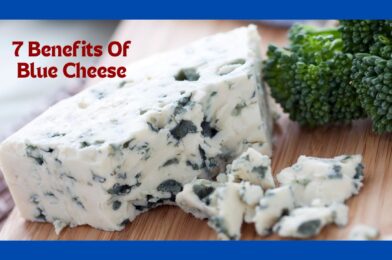
7 Health Benefits of Including Blue Cheese in Your Diet

7 Health Benefits of Including Blue Cheese in Your Diet
Blue cheese, with its sharp, pungent aroma and creamy texture, is a love-it-or-hate-it food. But beyond its bold flavor profile, this unique cheese offers a surprising array of health benefits. So, if you’re looking to add a little more zest to your diet (and potentially boost your well-being), consider incorporating blue cheese in moderation.

1. Champion of Calcium and Protein: Blue cheese is a nutritional powerhouse, particularly when it comes to calcium and protein. Just one ounce of this creamy delight packs in about 20% of your daily calcium requirement, crucial for strong bones and teeth. Protein, essential for building and repairing tissues, is also abundant in blue cheese, making it a great post-workout snack or addition to a balanced meal.

2. Heart-Health Hero: The good fats in blue cheese, primarily conjugated linoleic acid (CLA), can help lower bad cholesterol (LDL) levels while raising good cholesterol (HDL). This can contribute to a healthier heart and reduced risk of cardiovascular disease.

3. Anti-inflammatory All-Star: Blue cheese contains compounds that exhibit anti-inflammatory properties. These can help reduce inflammation associated with conditions like arthritis and autoimmune diseases, potentially alleviating pain and discomfort.

4. Immunity Booster: Certain strains of mold used in blue cheese production may enhance the immune system’s response to pathogens. This can help your body fight off infections and stay healthy.

5. Bone Builder: Beyond its calcium content, blue cheese also contains vitamin K2, which plays a vital role in bone health. Vitamin K2 helps the body absorb calcium and deposit it into bones, making them stronger and denser.

6. Gut Feeling: Blue cheese is a fermented food, and like other fermented products, it contains probiotics. These beneficial bacteria can improve gut health, digestion, and nutrient absorption.

7. Flavorful Friend: Let’s not forget the most obvious benefit – blue cheese adds a burst of umami depth and complexity to any dish. From salads and pasta to burgers and steak, a sprinkle of blue cheese can elevate your culinary creations to new heights.

Remember, moderation is key. While blue cheese offers a wealth of health benefits, it’s important to enjoy it in moderation due to its high fat, sodium, and calorie content. Pregnant women and individuals with certain medical conditions should consult their doctor before indulging in blue cheese.

So, the next time you encounter a cheeseboard, don’t shy away from the vibrant veins of blue cheese. This flavorful friend might just become your new secret weapon for a healthier and more delicious life.

Tagged : / / / /

The not-so-secret 5 side effects of protein shakes

The not-so-secret 5 side effects of protein shakes
Protein shakes have become a popular go-to for fitness enthusiasts and health-conscious individuals alike. They’re marketed as a quick and convenient way to up your protein intake and boost your workout results. But before you start gulping down those shakes like there’s no tomorrow, it’s important to be aware of the potential downsides.

1. Digestive distress

One of the most common side effects of consuming too much protein is digestive upset. This can include bloating, gas, constipation, and diarrhea. Whey protein, a common ingredient in shakes, can be especially hard to digest for some people. If you experience any of these symptoms after drinking a protein shake, try reducing your intake or switching to a plant-based protein powder.

2. Allergic reactions

Some people are allergic to whey or other protein sources in shakes. Symptoms of a protein allergy can range from mild (such as hives or skin rash) to severe (such as anaphylaxis). If you suspect you might have a protein allergy, it’s important to see a doctor for testing.

3. Kidney strain

High protein intake can put a strain on your kidneys, especially if you already have kidney problems. If you’re concerned about your kidney health, talk to your doctor before increasing your protein intake.

4. Bone loss

Some studies have suggested that high protein intake may increase the risk of bone loss. However, more research is needed to confirm this. If you’re concerned about your bone health, talk to your doctor about ways to keep your bones strong.

5. Acne

Some people may experience breakouts or worsening of acne after consuming protein shakes. This is likely due to the hormones in whey protein, which can stimulate oil production. If you’re prone to acne, talk to your doctor before starting or increasing your protein shake intake.

So, what’s the bottom line?

Protein shakes can be a healthy and convenient way to increase your protein intake. However, it’s important to be aware of the potential side effects and to talk to your doctor before making any major changes to your diet.

Here are some additional tips for consuming protein shakes safely:

  • Start with a small amount of protein powder and gradually increase your intake as tolerated.
  • Choose a protein powder that is low in sugar and artificial ingredients.
  • Drink plenty of water throughout the day to help your body digest the protein.
  • Don’t rely on protein shakes as your sole source of protein. Be sure to eat a variety of healthy foods to get all the nutrients you need.

    By following these tips, you can enjoy the benefits of protein shakes without putting your health at risk.

Tagged : / / / / /
Verified by ExactMetrics