7 Reasons the Galaxy S24 Ultra Might Reign Supreme Over iPhone 15 Pro Max

7 Reasons the Galaxy S24 Ultra Might Reign Supreme Over iPhone 15 Pro Max
The battle for smartphone supremacy rages on, and the upcoming clash of the titans – Samsung Galaxy S24 Ultra and iPhone 15 Pro Max – promises to be epic. While the full picture won’t be clear until both phones land, leaks and comparisons are already heating up. Buckle up as we explore 7 ways the S24 Ultra might steal the crown:

1. Display Domination: Brace yourself for a visual feast. The S24 Ultra’s rumored 6.8″ QHD+ 120Hz AMOLED panel could outshine the iPhone 15 Pro Max’s ProMotion display. Expect deeper blacks, brighter whites, and smoother scrolling thanks to LTPO 4.0 technology. Prepare to be dazzled.

2. Camera Kingpin: The megapixel wars escalate! The S24 Ultra could boast a monstrous 200MP main sensor alongside a versatile quad-camera system, potentially leaving the iPhone 15 Pro Max’s 48MP camera feeling a bit light. Zoom fanatics rejoice – the S24 Ultra’s rumored 5x periscope lens might bring distant objects closer than ever, potentially surpassing the iPhone’s 3x zoom.

3. S Pen Prowess: Remember the Galaxy Note? Its spirit lives on in the S Pen. This built-in stylus unlocks a world of creative possibilities, from note-taking to artistic masterpieces, that the iPhone simply can’t offer. Multitaskers and doodlers, rejoice!

4. Charging Champion: Time is money, and the S24 Ultra might save you both. With rumored 45W wired and 25W wireless charging, it could refuel faster than the iPhone 15 Pro Max, keeping you connected and on the go.

5. RAM Rumble: Power users, listen up! The S24 Ultra is expected to pack a whopping 12GB of RAM, potentially outmuscling the iPhone 15 Pro Max. This translates to smoother multitasking, faster app loading, and a future-proofed experience for demanding applications.

6. Open Ecosystem: Crave customization? The Android-powered S24 Ultra lets you personalize your phone to your heart’s content. Download launchers, tweak settings, and enjoy a world of options beyond Apple’s walled garden.

7. Value Contender: While the exact price is still under wraps, rumors suggest the S24 Ultra might be slightly more affordable than the iPhone 15 Pro Max. This could be a game-changer for budget-conscious tech enthusiasts.

Remember, these are just whispers of the future. The true story will unfold when both phones arrive. But if these leaks hold true, the Galaxy S24 Ultra might just have the edge to dethrone the iPhone 15 Pro Max as the ultimate smartphone champion. Stay tuned, the battle lines are drawn!


Tagged : / / / /

Fast Fuel, Slow Burn : Why Phones Support Fast Charging Till 80%

Fast Fuel, Slow Burn : Why Phones Support fast charging till 80%
Plugged in, phone in hand, you wait impatiently for that sweet 100% battery notification. But at 80%, the progress bar seems to get stuck in slow motion. What’s the deal? Why does your phone, capable of lightning-fast charges until that point, suddenly switch to a gentle simmer?

The answer lies in the delicate dance between speed and battery health. Fast charging, while a modern marvel, puts stress on your battery’s internal chemistry. Imagine filling a glass rapidly; the water splashes and overflows easily. Similarly, pumping high currents into a battery at full tilt can generate excessive heat and strain, leading to faster degradation.

Here’s why 80% becomes the magic cut-off:

i. Safety First: Lithium-ion batteries, the workhorses powering our phones, are notoriously sensitive to temperature. Pushing them beyond 80% with high currents significantly increases the risk of overheating, potentially causing damage or even fires. By slowing down the process, manufacturers prioritize safety and longevity.

ii. Battery Chemistry Breakdown: The final 20% of battery charging involves filling up the “reserve” capacity, requiring a different, slower chemical process. This delicate dance needs controlled voltage and current, incompatible with fast charging’s high-power approach.

iii. Long-Term Health: Fast charging is great for a quick top-up, but over time, it can wear down your battery faster. By limiting its use to the initial 80%, your phone extends the battery’s lifespan, letting you enjoy its full potential for longer.

iv. Smart Features: Some phones, like iPhones with “Optimized Battery Charging,” learn your charging habits and intelligently switch to slow charging when plugged in overnight. This ensures your phone reaches 100% just before you disconnect it in the morning, maximizing battery health while keeping you ready for the day.

So, the next time your phone seems to slow down at 80%, remember it’s not being lazy. It’s prioritizing your battery’s well-being, ensuring you have reliable power for the long haul. Embrace the slow burn, knowing that it’s actually fueling your phone’s long-term performance. And for those urgent top-ups, well, that’s what fast charging’s initial blast is for!

Tagged : / / /

iCub3 : A Robot Avatar That Can Make You Visit Any Place In The World via VR While Sitting On Your Couch!

iCub3 : A Robot Avatar That Can Make You Visit Any Place In The World via VR While Sitting On Your Couch!
Imagine being able to explore the Great Barrier Reef, climb Mount Everest, or even attend a concert in another country—all from the comfort of your own living room. Thanks to advancements in virtual reality (VR) and robotics, this is no longer a sci-fi fantasy. A recent news article in New Scientist highlights a groundbreaking development: a robot avatar that allows people to see and feel things remotely through VR.

This innovative technology, created by researchers at the Italian Institute of Technology, uses a humanoid robot called iCub 3 equipped with cameras and sensors. The robot’s movements and sensory experiences are relayed to a human operator wearing a VR headset and haptic feedback gloves. This means the operator can see what the robot sees, feel what it touches, and even hear what it hears.

The possibilities are endless

The implications of this technology are vast and exciting. Here are just a few potential applications:

i. Remote exploration: Imagine scientists using robot avatars to conduct research in dangerous or inaccessible environments, like deep-sea trenches or volcanic craters.
ii. Enhanced learning: Students could virtually visit historical sites, museums, or even other planets, gaining a firsthand understanding of different cultures and environments.
iii. Improved accessibility: People with disabilities could use robot avatars to experience activities they might not be able to do on their own, such as attending a concert or playing sports.
iv. Medical applications: Doctors could use robot avatars to remotely consult with patients in distant locations or perform delicate surgeries.

Of course, there are also ethical considerations to address.

  • Privacy concerns: Who will have access to the data collected by the robot avatars? How will this data be used and protected?
  • The potential for misuse: Could this technology be used for malicious purposes, such as spying or surveillance?
  • The impact on human interaction: Will relying on robot avatars make us less likely to interact with the world around us in person?

These are important questions that need to be carefully considered as this technology develops. However, the potential benefits of robot avatars are undeniable. This technology has the power to revolutionize the way we experience the world, bringing us closer to people and places that were once out of reach.

The future of VR is here, and it’s feeling pretty real.

We hope this blog gives you a glimpse into the exciting world of VR and robotics. What do you think about this technology? What are your hopes and concerns for the future? Share your thoughts in the comments below!

Tagged : / / / / / /

Stepping into the Future: How Samsung’s EX1 Robot is Empowering Older Adults to Move with Confidence

Stepping into the Future: How Samsung’s EX1 Robot is Empowering Older Adults to Move with Confidence
As we age, our bodies change. Muscle mass declines, balance can become precarious, and everyday activities that were once effortless can morph into daunting challenges. This is where Samsung’s EX1 wearable robot steps in, offering a beacon of hope for older adults yearning to maintain their independence and mobility.

Designed with Dignity in Mind:

Forget clunky, industrial exoskeletons. The EX1 is a sleek, lightweight device worn around the hips, resembling a high-tech fanny pack. Its unobtrusive design prioritizes user comfort and blends seamlessly into everyday attire.

A Powerful Partner for Every Step:

The EX1’s magic lies in its ability to subtly augment leg movements. Using gentle motorized assistance, it supports hip flexion and extension, making walking, standing, and climbing stairs smoother and less taxing. This translates to:

i. Reduced risk of falls: A major concern for older adults, falls can have devastating consequences. The EX1’s stabilizing effect enhances confidence and reduces the likelihood of stumbles.
ii. Improved gait and balance: The robot’s assistance corrects imbalances and promotes a more natural walking pattern, leading to better stability and coordination.
iii. Increased physical activity: By making movement easier, the EX1 encourages older adults to stay active, reaping the benefits of regular exercise for both physical and mental well-being.

Beyond Physical Benefits:

The EX1’s impact extends beyond the physical. Studies have shown that using the robot can:

  • Boost confidence and independence: Regaining the ability to move freely can be incredibly empowering, fostering a sense of self-reliance and autonomy.
  • Enhance quality of life: Increased mobility opens doors to a wider range of activities, allowing older adults to stay engaged with their communities and loved ones.
  • Reduce healthcare costs: Falls and related injuries are a major healthcare burden. By preventing falls, the EX1 has the potential to significantly reduce healthcare costs associated with these incidents.

The Future of Mobility Assistance:

While still in its early stages, the EX1 represents a significant leap forward in age-tech innovation. Its potential to improve the lives of older adults is undeniable, offering a glimpse into a future where technology empowers us to age with grace and independence.

It’s important to note that the EX1 is currently in the research and development phase and is not yet commercially available. However, its promising results pave the way for a future where robots become valuable companions, supporting and enhancing the lives of older adults as they navigate the silver years.

So, is the EX1 a game-changer for senior mobility? The early research suggests a resounding yes. As this technology continues to evolve, we can expect even more remarkable advancements in the field of robotic assistance, ensuring that aging doesn’t have to mean sacrificing independence and an active life.

Tagged : / / / /

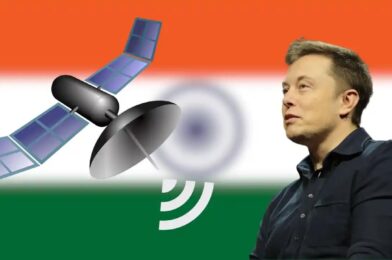
Starlink Soars into India: Elon Musk’s Satellite Internet Granted Crucial License

Starlink Soars into India: Elon Musk’s Satellite Internet Granted Crucial License
Indian internet users might soon have a new option beaming down from the sky, thanks to Elon Musk’s Starlink. Reports say the Department of Telecommunications (DoT) has granted Starlink the coveted Global Mobile Personal Communication by Satellite (GMPCS) license, paving the way for the company to offer its satellite internet services in India.

This marks a significant development for Starlink’s India ambitions, which have faced regulatory hurdles for some time. The GMPCS license is crucial for offering satellite-based voice and data services, and its acquisition clears a major roadblock for Starlink’s entry into the Indian market.

What does this mean for India?

Starlink’s entry into the Indian market could potentially be a game-changer for internet access, particularly in remote and underserved areas. The company’s constellation of satellites orbiting the Earth promises high-speed, low-latency internet connectivity, even in regions where traditional terrestrial infrastructure is lacking.

This could be a boon for millions of Indians who currently lack reliable internet access. It could also boost education, healthcare, and economic development in remote areas. Additionally, Starlink’s competition could drive down internet costs for all users, benefiting consumers across the country.

Challenges remain

While the GMPCS license is a major step forward, Starlink still needs to overcome some hurdles before it can start offering its services in India. The company needs to secure additional licenses, such as a frequency allocation license, and set up ground stations to connect with its satellites.

Starlink also faces competition from other players in the satellite internet space, such as OneWeb and Jio Satellite Communications. Both companies have already received their GMPCS licenses and are planning to launch their services in India soon.

The future of internet in India

The entry of Starlink and other satellite internet providers is likely to shake up the Indian internet landscape. With increased competition and a wider range of options, Indian consumers can look forward to faster, more affordable, and more accessible internet in the years to come.

It will be interesting to see how Starlink fares in the Indian market, and how its presence impacts the existing players. One thing is for sure, the competition is heating up, and the future of internet in India is looking brighter than ever.

Stay tuned for further updates as Starlink navigates the remaining regulatory hurdles and prepares to launch its services in India. This could be the dawn of a new era for internet access in the country.

Tagged : / / / /

Mars Gets Wings: NASA Considers Sending “Maggie,” a Giant Flying Explorer, to the Red Planet

Mars Gets Wings: NASA Considers Sending “Maggie,” a Giant Flying Explorer, to the Red Planet
Hot on the heels of Ingenuity’s historic helicopter flights on Mars, NASA is eyeing the skies with its next ambitious Martian mission: the Mars Aerial and Ground Intelligent Explorer (Maggie). This proposed behemoth wouldn’t be another nimble chopper, but a colossal fixed-wing plane, dwarfing its predecessor in both size and scope.

Dubbed “Maggie” for short, this solar-powered aircraft wouldn’t just soar through the thin Martian air; it would be designed to revolutionize our understanding of the Red Planet. Its impressive wingspan, stretching potentially 32 meters, would allow it to traverse vast distances, covering up to 179 kilometers on a single charge. And Maggie isn’t built for fleeting expeditions; its extended-range fuel cells could keep it cruising for over 16,000 kilometers throughout a Martian year, roughly two Earth years.

But what would Maggie be exploring in its cosmic voyages? Unlike its helicopter cousin, focused on short, targeted flights, Maggie aims to paint a panoramic picture of Mars. Its mission will revolve around three key objectives:

1. Unveiling the Secrets of Martian Water: Water, the elixir of life, is one of Mars’ biggest mysteries. Maggie will carry sophisticated instruments to detect evidence of past and present water, searching for hidden deposits in polar ice caps and subterranean reservoirs.

2. Decoding the Martian Magnetic Field: Mars’ weak magnetic field leaves it exposed to harmful solar radiation, a major hurdle for future human missions. Maggie will map the Martian magnetic field in unprecedented detail, helping us understand how it works and its impact on the planet’s environment.

3. Chasing the Methane Puzzle: Methane, a potential indicator of biological activity, has been detected on Mars, sparking excitement about possible life forms. Maggie will meticulously measure methane concentrations across the planet, providing crucial clues to this tantalizing mystery.

Sending a giant plane to Mars presents unprecedented challenges. The thin atmosphere requires innovative designs for efficient lift and propulsion. Maggie’s landing system will need to be robust enough to handle the Martian terrain, and its solar panels must withstand the harsh dust storms that rage across the red landscape.

But if these hurdles are overcome, Maggie could change the game for Martian exploration. Its ability to cover vast distances, map large areas, and carry sophisticated instruments makes it a powerful tool for understanding the Red Planet like never before. The tiny chopper Ingenuity proved that flight is possible on Mars; Maggie could show us just how far we can soar.

While still in the conceptual stage, Maggie represents a bold step forward in our quest to unlock the secrets of Mars. As NASA engineers refine the design and technology, one thing is clear: the Martian skies might soon welcome a new kind of explorer, one with wings as wide as our ambitions.

Tagged : / / / / /

Samsung Teases Galaxy Ring: Everything We Know So Far

Samsung Teases Galaxy Ring: Everything We Know So Far
Hold onto your hats, tech enthusiasts, because Samsung has dropped a tantalizing teaser for a brand new wearable: the Galaxy Ring. While details are still under wraps, the brief glimpse offered during the recent Galaxy Unpacked event has sent the rumor mill into overdrive. So, let’s dive into everything we know (and speculate) about this intriguing new device.

A Stylish New Form Factor:

Gone are the bulky days of smartwatches! The Galaxy Ring embraces a sleek and sophisticated ring design, promising seamless integration with your daily life without weighing you down. Imagine checking notifications, tracking your fitness, or controlling your smart home – all with a simple gesture on your finger.

Health and Wellness Focus:

While Samsung hasn’t revealed the Galaxy Ring’s full capabilities, the teaser heavily hinted at its focus on health and wellness. We can expect features like heart rate monitoring, sleep tracking, and blood oxygen measurement, making it a potential rival to established players like the Oura Ring.

Sensor Power:

The glimpse we saw showcased what appeared to be three sensor bumps on the inside of the ring. These likely house the technology needed for the aforementioned health tracking features, potentially including ECG and blood pressure monitoring for even more comprehensive health insights.

Beyond Fitness:

Samsung’s vision for the Galaxy Ring seems to extend beyond just fitness tracking. The teaser hinted at potential integration with the Galaxy ecosystem, allowing you to control smart home devices, make payments, or even answer calls right from your finger.

Release Date and Price:

The big question marks remain the release date and price. Samsung has remained tight-lipped about these details, but rumors suggest a launch sometime in the latter half of 2024, with a price tag potentially in the range of other premium smart rings.

The Verdict:

The Samsung Galaxy Ring has the potential to be a game-changer in the wearable market. Its sleek design, focus on health and wellness, and potential for seamless smart home integration make it an exciting prospect. While many questions remain unanswered, one thing’s for sure: the Galaxy Ring has us eagerly awaiting its official arrival.

Stay tuned for updates as we learn more about this intriguing new device. And in the meantime, let us know your thoughts on the Galaxy Ring in the comments below!

Additional Notes:

  • It’s important to remember that the information in this blog is based on speculation and rumors. We’ll need to wait for Samsung’s official announcement for all the details.
  • The potential features and capabilities of the Galaxy Ring are exciting, but it’s important to see how they work in practice and how well they’re integrated with the Galaxy ecosystem.
  • The price of the Galaxy Ring is likely to be a major factor in its success. If it’s priced competitively, it could be a popular choice for health-conscious tech enthusiasts.
Tagged : / /

Marching into the Future: The Indian Army Ditches Mules for High-Tech Hardware

Marching into the Future: The Indian Army Ditches Mules for High-Tech Hardware
For over a century, the Indian Army relied on loyal but slow-moving mules for traversing treacherous terrain and delivering crucial supplies. But times are changing, and the stalwart mules are now making way for a high-tech brigade of drones, robots, and all-terrain vehicles. This progressive move signals a crucial modernization effort, aimed at increasing efficiency, reducing risk, and boosting the Army’s operational capabilities.

From Hobbling Hooves to Hovering Drones: The Army’s logistics game is set for a complete makeover. Logistics drones, with their ability to carry payloads over long distances and navigate challenging terrain, are emerging as game-changers. They can rapidly deliver essential supplies to remote outposts, evacuate the wounded from inaccessible areas, and even conduct aerial surveillance. Contracts have been signed for multiple types of drones, including those designed for high-altitude areas exceeding 12,000 feet.

Robotic Mules Taking the Reins: Remember the image of a soldier leading a line of mules? Soon, it might be replaced by a soldier controlling a robotic mule. These four-legged marvels, capable of carrying up to 350 kg of cargo, offer several advantages. They can autonomously navigate complex terrain, operate in extreme weather conditions, and avoid obstacles with built-in obstacle detection systems. The Army has already signed a deal for 100 of these intelligent beasts, paving the way for a future where robotic mules share the burden with human soldiers.

Taming the Toughest Terrains: From the snow-capped Himalayas to the scorching Thar Desert, the Indian Army operates in some of the world’s most diverse and challenging environments. To conquer these landscapes, the Army is bringing in a fleet of all-terrain and rough-terrain vehicles. These rugged machines can go where even mules struggle, ensuring uninterrupted supply lines and rapid troop movement. Additionally, these vehicles offer greater protection and comfort for soldiers compared to traditional trucks and jeeps.

Modernizing for a Secure Future: This shift towards technological solutions is driven by multiple factors. Firstly, it aims to reduce dependence on animals, minimizing reliance on their training and upkeep. Secondly, it addresses manpower concerns, as fewer soldiers are needed to operate and maintain drones and robots compared to managing an animal transport fleet. Finally, it enhances operational efficiency, speed, and accuracy, giving the Army a critical edge in a constantly evolving geopolitical landscape.

The gradual phasing out of mules is not about discarding tradition or belittling their service. It is about adapting to the demands of a modern battlefield, where agility, precision, and speed are paramount. As the Indian Army marches into the future, it does so with a strategic blend of respect for its past and a firm embrace of cutting-edge technology, ensuring its preparedness for any challenge that may lie ahead.

Tagged : / / /

Snotty Science! Tiny Sea Creature’s “Mucus House” Inspires Efficient Pump Design

Snotty Science! Tiny Sea Creature’s “Mucus House” Inspires Efficient Pump Design
Move over, Rube Goldberg, there’s a new engineering whiz in town, and it’s about a millimeter long and lives in a house made of snot. That’s right, the latest biomimicry marvel comes from the humble Oikopleura dioica, a filter-feeding marine larvacean that builds itself a temporary mucus mansion for snack time. And guess what? Scientists are captivated by its ingenious filtration system, which they believe could revolutionize pump design.

Nicknamed the “snot palace” or “mucus house,” this gelatinous abode is more than just a quirky dwelling. It’s a hydrodynamic masterpiece. Inside its mucus walls, the Oikopleura beats its tail, creating waves that propel water and food particles towards its mouth with remarkable efficiency. Unlike traditional pumps, which can have inefficiencies and energy losses, the snot palace’s design seems to achieve smooth, continuous flow with minimal effort.

“Pumps are everywhere in nature, but this pump is unique in driving fluid through a filter by beating a tail inside a sealed chamber,” says Kelly Sutherland, a biologist at the University of Oregon’s Oregon Institute of Marine Biology. “Plus, the animals are so mesmerizing to observe.”

Scientists are using high-speed cameras and computer simulations to understand the complex fluid dynamics at play within the snot palace. They hope to translate these insights into the design of new pumps for various applications, including:

  • Wastewater treatment: More efficient pumps could mean lower energy consumption and improved filtration in wastewater treatment plants.
  • Air filtration: Similar principles could be applied to design quieter and more energy-efficient air purifiers for homes and buildings.
  • Microfluidic devices: The delicate control of fluid flow within the snot palace could inspire the development of miniature pumps for medical and lab-on-a-chip applications.

    So, the next time you wrinkle your nose at a runny nose, remember, it might just be nature’s blueprint for the next generation of super-efficient pumps. Who knows, maybe one day our homes and cities will be running on the power of snotty ingenuity!

This research is a fascinating example of how biomimicry, the practice of imitating nature’s designs, can lead to innovative solutions for human challenges. It’s a testament to the power of looking beyond the obvious and appreciating the wonders of the natural world, even if they come in slimy packages.

Here are some additional points you may find interesting:

The Oikopleura dioica can build and abandon its mucus house multiple times a day.
The mucus house also serves as a protective barrier against predators.
Scientists are still in the early stages of research, but the potential applications of this technology are vast.

Tagged : / / /

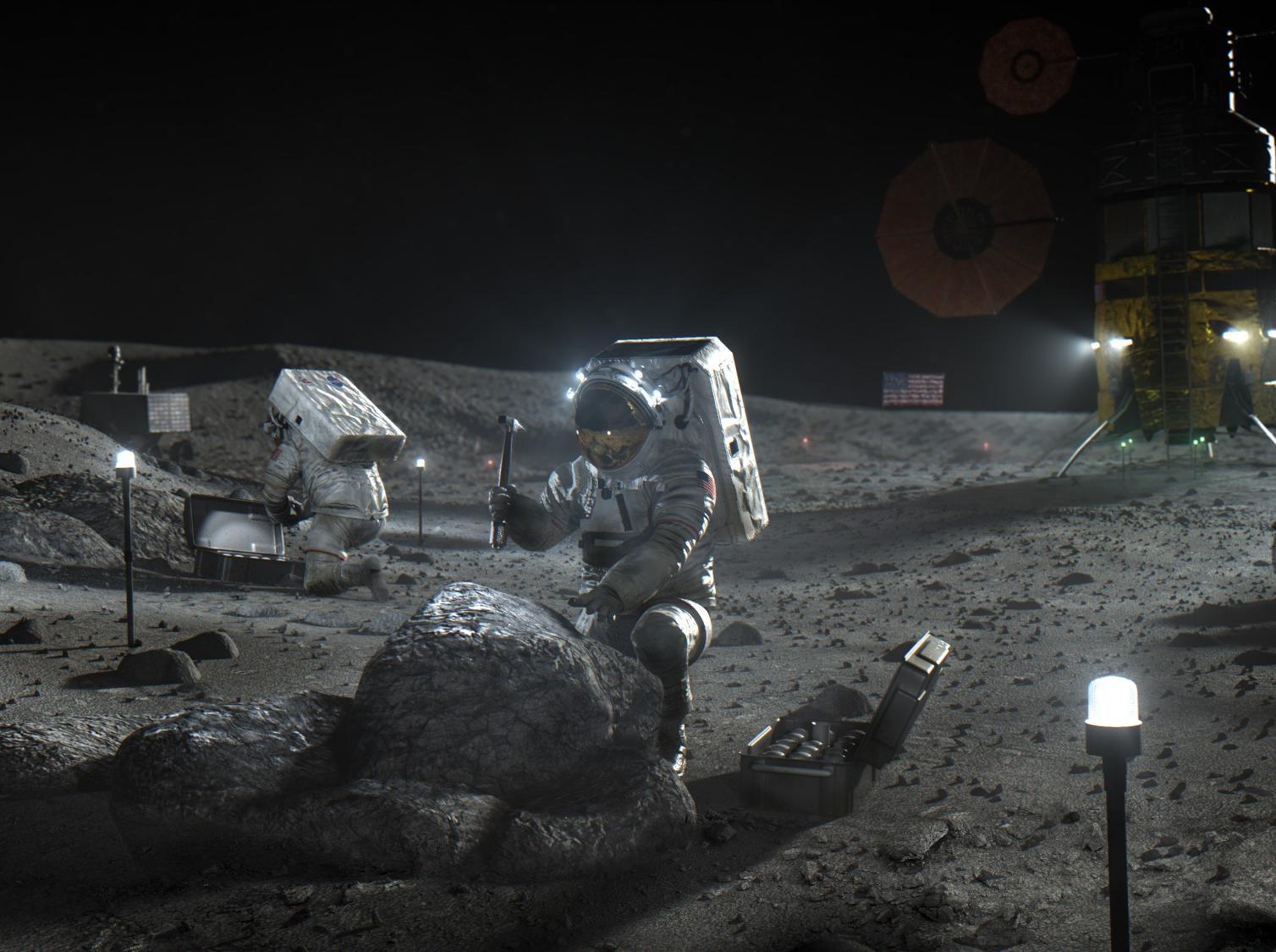
Space Mining: Harvesting the Riches of the Universe! How And Why Do We Do It?

Space Mining: Harvesting the Riches of the Universe! How And Why Do We Do It?
Imagine a future where we don’t just gaze at the stars, but reach out and extract resources from them. This is the vision of space mining, a burgeoning field with the potential to revolutionize our future. But what exactly is it, and why would we want to mine in space?

Space Mining 101

Space mining refers to the extraction of resources from celestial bodies like asteroids, moons, and even planets. These resources can be anything from precious metals like platinum and gold to water ice, building materials, and even fuel for spacecraft.

Why Mine in Space?

There are several compelling reasons to pursue space mining:

i. Limited Earthly Resources: We’re rapidly depleting Earth’s finite resources like minerals and water. Space mining offers a sustainable way to secure these resources for future generations.
ii. Fueling Space Exploration: Mining asteroids for water ice could be crucial for establishing permanent settlements on the Moon or Mars. Water can be converted into fuel for spacecraft and life support systems.
iii. Economic Boom: Space mining could open up a new economic frontier, creating jobs, generating wealth, and potentially triggering technological advancements.

How Do We Mine in Space?

Space mining is still in its early stages, but several approaches are being explored:

Robotic Extraction: Robots would be sent to asteroids to collect and process resources. This minimizes human risk and allows for remote operations.
Asteroid Mining: Exploiting asteroids closer to Earth could be a first step, with resources extracted and brought back to Earth or used in space.
In-situ Resource Utilization (ISRU): Processing resources directly on the Moon or Mars, using existing materials like lunar regolith, could be crucial for long-term settlements.

Challenges and Considerations

Space mining faces several challenges, including:

  • High Costs: Launching and operating equipment in space is expensive.
  • Technological Hurdles: Developing reliable and efficient extraction and processing technologies is crucial.
  • Legal and Ethical Considerations: Establishing international regulations and addressing ethical concerns regarding resource ownership and environmental impact are essential.

    The Future of Space Mining

While space mining still has a long way to go, it holds immense potential for humanity’s future. As technology advances and costs decrease, space mining could become a reality, paving the way for a sustainable and prosperous future beyond Earth.

So, the next time you look up at the night sky, remember, it’s not just a starry expanse; it’s a treasure trove waiting to be unlocked.

Tagged : / / / /

Adani Takes Flight: India’s First Indigenous Drone Takes Off

Adani Takes Flight: India’s First Indigenous Drone Takes Off
Marking a significant milestone in India’s defense and technological advancements, the Adani Group recently unveiled the country’s first indigenously manufactured medium-altitude, long-endurance (MALE) drone, the Drishti 10 Starliner. This sophisticated piece of technology signifies a giant leap forward in India’s self-reliance in the domain of unmanned aerial vehicles (UAVs).

The Drishti 10 is equipped with an array of impressive capabilities:

Endurance: With a staggering 36-hour flight time, this drone can stay airborne for extended periods, enabling long-range surveillance and reconnaissance missions.
Payload Capacity: Capable of carrying up to 450 kg of payload, the Starliner can be equipped with a variety of sensors and weapons, making it adaptable to diverse military requirements.
All-Weather Operations: Certified for all-weather flying, the drone can operate effectively in challenging weather conditions, ensuring uninterrupted mission execution.

Strategic Significance

The development and deployment of the Drishti 10 hold immense strategic significance for India. It strengthens the country’s maritime security posture, particularly along its vast coastline, by providing enhanced surveillance and intelligence gathering capabilities. Additionally, the drone’s potential applications extend beyond maritime operations, encompassing border security, disaster management, and communication relay.

Indigenous Development & Aatmanirbhar Bharat

The Drishti 10 stands as a testament to India’s growing prowess in indigenous defense technology development. This achievement aligns perfectly with the government’s “Aatmanirbhar Bharat” initiative, promoting self-reliance in critical sectors like defense. The successful development of this drone signifies India’s growing ability to design, manufacture, and deploy cutting-edge military technology, reducing dependence on foreign imports.

The Future of UAVs in India

The unveiling of the Drishti 10 marks a pivotal moment in India’s drone journey. It paves the way for further advancements in indigenous UAV technology and opens doors for a wider range of applications in various sectors. With continued focus on research and development, India is poised to become a leading player in the global UAV market, ensuring its strategic autonomy and technological leadership in the years to come.

Tagged : / / /

Taming the Battery Beast: Simple Tricks to Stretch Your Android Phone’s Battery Life

Taming the Battery Beast: Simple Tricks to Stretch Your Android Phone’s Battery Life
In today’s fast-paced world, our smartphones are our lifelines, connecting us to information, communication, and entertainment. But with great power comes great responsibility (and a rapidly-draining battery). Fear not, Android users! Here are some simple yet effective tips to extend your phone’s battery life and keep it buzzing throughout the day:

1. Dim the Light, Brighten the Battery: Our displays are major battery guzzlers. Lowering the screen brightness is the easiest and most impactful way to save power. Utilize automatic brightness or manually adjust it to a comfortable level.
Silent Treatment for Background Apps:

2. Background apps, even the seemingly harmless ones, can silently drain your battery. Regularly check and force stop apps you’re not actively using. Consider using Android’s built-in battery optimization features to limit background activity.
Location, Location, Not-So-Crucial:

3. GPS and other location services are power-hungry. Keep location services turned off when not needed, like when browsing social media or listening to music. Use Wi-Fi whenever possible for location-based apps.
Power-Saving Prowess:

4. Most Android phones come with built-in power-saving modes. Activate these modes when your battery is low, as they automatically adjust settings like background activity and screen refresh rate to conserve power.

5. Charging Consciousness: Avoid letting your battery completely drain before charging. Aim to keep it above 20% for optimal battery health. Likewise, unplug your phone once it reaches 100% to prevent overcharging.

6. App Vigilance: Certain apps are notorious battery hogs. Identify and uninstall resource-intensive apps you rarely use. Look for battery-efficient alternatives to your favorite apps when possible.

7. Wi-Fi Wise Guy: Switch off Wi-Fi when you’re not connected to a network. Using cellular data constantly consumes more power than Wi-Fi.

8. Bluetooth Blues Buster: Similar to Wi-Fi, keep Bluetooth off when not actively using it for headphones or car connections.

9. Update Frenzy: Keep your phone’s software and apps updated. Updates often include bug fixes and performance improvements, including better battery management.

10. Bonus Tip: Use dark mode whenever possible. Not only is it easier on your eyes, but it can also save battery life on phones with OLED displays.

By implementing these simple tips, you can significantly improve your Android phone’s battery life and avoid the dreaded low-battery anxiety. Remember, a little mindfulness can go a long way in keeping your smartphone powered up and ready to face the day (or night)!

Tagged : / / / / / /

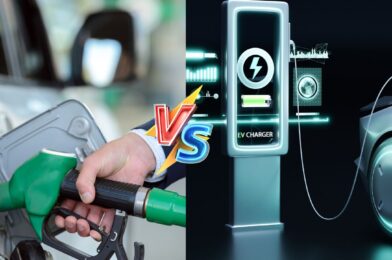
Does Charging an Electric Vehicle Cost More Than Running a Petrol Car?

Does Charging an Electric Vehicle Cost More Than Running a Petrol Car?
The ongoing debate about electric cars (EVs) often centers around their environmental benefits, but another crucial factor for many is cost. Specifically, the question of whether charging an EV is more expensive than filling up a petrol car remains a point of contention.

While the answer isn’t straightforward and depends on several variables, in most cases, charging an EV is cheaper than running a petrol car. Let’s delve into the factors that influence the cost comparison:

Cost of Electricity vs. Petrol:

Electricity prices: Electricity costs vary depending on location, time of day, and your chosen charging plan. However, the average cost per kilowatt-hour (kWh) of electricity is generally lower than the cost per liter of petrol.

EV energy efficiency: EVs are significantly more energy-efficient than petrol cars, meaning they can travel further on a single charge compared to the distance a petrol car can travel on a full tank.

Charging methods: The cost of charging an EV can vary depending on the charging method. Home charging is usually the most affordable, followed by public charging stations and fast chargers.
Example:

Let’s consider a scenario where an EV gets 4 miles per kWh and costs $0.10 per kWh to charge, while a petrol car gets 25 miles per gallon (mpg) and petrol costs $2.50 per gallon. To travel 100 miles, the EV would need 25 kWh of electricity, costing $2.50. The petrol car would need 4 gallons of petrol, costing $10.00. In this example, charging the EV is significantly cheaper than running the petrol car.

Additional Factors:

Maintenance costs: EVs generally have lower maintenance costs than petrol cars, as they have fewer moving parts and require less frequent oil changes.
Government incentives: Many governments offer incentives for purchasing and owning EVs, which can further reduce the overall cost of ownership.

Conclusion:

While the cost of charging an EV can vary depending on several factors, it is generally cheaper than running a petrol car in most situations. When considering the total cost of ownership, including fuel, maintenance, and government incentives, EVs often emerge as the more economical option.

However, it’s important to remember that the cost comparison can vary depending on individual circumstances. If you have access to cheap petrol and primarily drive short distances, a petrol car might still be the more affordable option. But for many drivers, the environmental benefits and lower running costs of EVs make them a compelling choice.

As EV technology continues to improve and charging infrastructure expands, the cost of owning and operating an EV is expected to become even more competitive with petrol cars. So, if you’re looking for a more sustainable and potentially cost-effective way to get around, an EV might be the perfect choice for you.

Tagged : / /

Fingerprints: AI Shatters the Myth of Uniqueness?

Fingerprints: AI Shatters the Myth of Uniqueness?
For centuries, fingerprints have been considered the gold standard of forensic identification. Their intricate swirls and loops were believed to be as unique as snowflakes, making them an infallible tool for catching criminals and solving mysteries. But a recent study, spearheaded by AI researchers at Columbia University, throws a monkey wrench into this long-held belief.

Using a new deep learning algorithm, the team analyzed tens of thousands of fingerprints and found some disturbing results: fingerprints from different individuals can, in some cases, exhibit remarkable similarities. While the traditional method focuses on minutiae (ridge endings and bifurcations), the AI model delved deeper, analyzing the overall flow and direction of the ridges. This new approach revealed previously unseen patterns and correlations, leading to the unsettling possibility that fingerprints might not be as unique as we thought.

This finding throws several implications into the air. Could fingerprint-based security systems be compromised? Might wrongful convictions based on fingerprint evidence need to be re-examined? While the researchers emphasize that their findings don’t render fingerprints irrelevant, it does call for a cautious re-evaluation of their role in identification.

There are a few caveats to consider, however. The AI model achieved only 75-90% accuracy in identifying matching fingerprints, leaving room for improvement. Additionally, the study focused on a specific population and may not represent global fingerprint diversity. Further research is needed to fully understand the implications of these findings.

Despite the uncertainties, the study marks a significant shift in our understanding of fingerprints. It highlights the power of AI in uncovering hidden patterns and challenging established beliefs. Moving forward, we need to embrace a more nuanced approach to fingerprint identification, one that acknowledges the potential for error and incorporates complementary forms of evidence.

This research also throws light on the fascinating complexity of the human body. Fingerprints, once thought to be a simple mark of individuality, now appear to be a product of intricate and not-fully-understood biological processes. It’s a reminder that even in the familiar, there’s always more to discover.

So, the next time you look at your fingerprint, remember: it’s a unique story etched on your skin, but a story that might have unexpected chapters yet to be revealed. Thanks to the tireless pursuit of knowledge, we’re one step closer to understanding the intricate secrets hidden within ourselves.

Tagged : / / / /

India Takes Flight: DRDO’s Anti-Drone Tech Soars into Production

India Takes Flight: DRDO’s Anti-Drone Tech Soars into Production
The Indian skies are getting safer, thanks to a major leap by the Defence Research and Development Organisation (DRDO). Their comprehensive anti-drone system, capable of detecting, identifying, and neutralizing aerial threats, is now ready for mass production. This technology is being transferred not only to state-owned Bharat Electronics Limited (BEL) but also to private firms like Adani, Larsen & Toubro, and ICOMM, marking a significant step towards self-reliance in counter-drone defense.

This system is a game-changer for border security and internal defense. Imagine a shield that can identify a rogue drone buzzing near a sensitive installation, track its movements, and then take it down – silently and effectively. That’s the power of DRDO’s anti-drone technology. It encompasses diverse solutions, including radars for early detection, jammers to disrupt communication, and laser and net-based neutralization methods to bring down the drone itself.

But the story doesn’t end there. While industry giants will focus on producing this advanced technology, DRDO itself is setting its sights on a new frontier: High endurance Unmanned Aerial Vehicles (UAVs). These long-range drones will serve as India’s eyes in the sky, patrolling vast stretches of borders and gathering critical intelligence. Think of them as persistent guardians, providing a continuous aerial presence wherever needed.

This strategic shift highlights DRDO’s forward-thinking approach. Instead of getting bogged down in producing smaller drones, a task well-suited for private players, they are focusing on developing cutting-edge technology that will give India a decisive edge in future conflicts. These high-end UAVs will not only offer unparalleled surveillance capabilities but also open doors for offensive drone warfare, a rapidly evolving domain.

However, challenges remain. Developing complex UAVs requires expertise in advanced materials, avionics, and AI-powered autonomous systems. DRDO will need to collaborate with domestic research institutions and private players to bridge these technological gaps. But with their proven track record and the government’s support, there’s no doubt that DRDO will successfully navigate these challenges and ensure India’s skies remain safe and secure.

In conclusion, the transfer of DRDO’s anti-drone technology to production and their focus on high-end UAVs mark a significant leap in India’s defense capabilities. It’s a testament to the country’s growing self-reliance in the crucial realm of aerial defense. As DRDO takes flight with advanced UAVs, one thing is clear: India’s skies are in good hands

Tagged : / / / /
Verified by ExactMetrics