5 Indian Foods That Are Surprisingly Banned in Other Countries

5 Indian Foods That Are Surprisingly Banned in Other Countries
India’s culinary scene is a vibrant tapestry of flavors, spices, and traditions. But did you know that some of our beloved dishes are actually banned in other countries? It’s true! From the humble samosa to the exotic chyawanprash, here are five Indian foods that have faced the banhammer abroad:

1. Samosas: These crispy, golden triangles filled with spiced potatoes are a ubiquitous street food in India. But in Somalia, samosas are considered a symbol of Western cultural influence and are therefore prohibited.

2. Chyawanprash: This ancient Ayurvedic jam made with a blend of herbs and fruits is revered for its health benefits in India. However, in Canada, chyawanprash was banned for containing high levels of lead and mercury.

3. Ghee: Clarified butter, or ghee, is a staple in Indian kitchens, adding richness and flavor to countless dishes. However, the European Union has banned ghee because it exceeds the permitted levels of saturated fat.

4. Poppy Seeds: These tiny black seeds are used in various Indian sweets and breads. But in some countries, like Australia and Singapore, poppy seeds are banned due to their potential to contain trace amounts of opiates.

5. Jelly Cups: These wobbly treats, beloved by children across India, have been banned in the United States due to concerns about choking hazards posed by the gelatin sheets used to seal them.

These are just a few examples of how cultural and regulatory differences can lead to unexpected bans on certain foods. So, the next time you enjoy a plate of samosas or a spoonful of chyawanprash, remember that these culinary delights are not universally embraced!

Beyond the Bans: A Celebration of Indian Food

While these bans may seem strange or even unfair, they highlight the fascinating diversity of food cultures around the world. They also serve as a reminder of the importance of appreciating and respecting our own culinary heritage.

So, let us continue to celebrate the unique flavors and traditions of Indian food, both at home and abroad. And who knows, maybe someday these banned foods will find their way back onto menus around the world, bringing a taste of India to new and unexpected corners of the globe.

Tagged : / / / / /

Space Tomato Mystery Solved: The Tomato Was In Hiding It Seems!

Space Tomato Mystery Solved: The Tomato Was In Hiding It Seems!
After eight months, NASA astronauts finally found the lost tomato grown in space. It was in a corner of the International Space Station (ISS). After being carefully grown at the ISS, the tomato went missing on March 29, 2023. It quickly became a running joke among the team. Space.com says that astronaut Frank Rubio was blamed for eating the lost tomato. This tomato was grown in space as part of NASA’s VEG-05 project, which also grew cabbage, kale, and other vegetables. Each ISS astronaut got a sample of the tomatoes in March, after they were picked safely.

But the pilots were hesitant to eat the crops grown in space because they were afraid that fungi might be growing on them. Astronaut Frank Rubio lost his tomato, and his team made fun of the idea that he ate it and was not paying attention.

Last but not least, on Wednesday, astronauts on the International Space Station (ISS) talked about finding the lost tomato in a live-streamed event to honour the ISS’s 25th anniversary. During the video, NASA astronaut Jasmin Moghbeli said, “For a long time, our good friend Frank Rubio, who went home, has been blamed for eating the tomato.” We can clear him though. The tomato was found.

In September, Rubio talked to NASA Administrator Bill Nelson and Deputy Administrator Pam Melroy through a live stream about his long stay at ISS. He was asked in jest about the missing tomato during the talk. “I didn’t eat the tomato, and I wish I had at this point because I think everyone thinks I did,” the 47-year-old said. It took me hours and hours to find that thing.

Tagged : / / / /

Saudi Arabia’s $1 Trillion Skyscraper ‘The Line’ That Stretches 75 Miles is Now Under Construction

Saudi Arabia’s $1 Trillion Skyscraper ‘The Line’ That Stretches 75 Miles is Now Under Construction
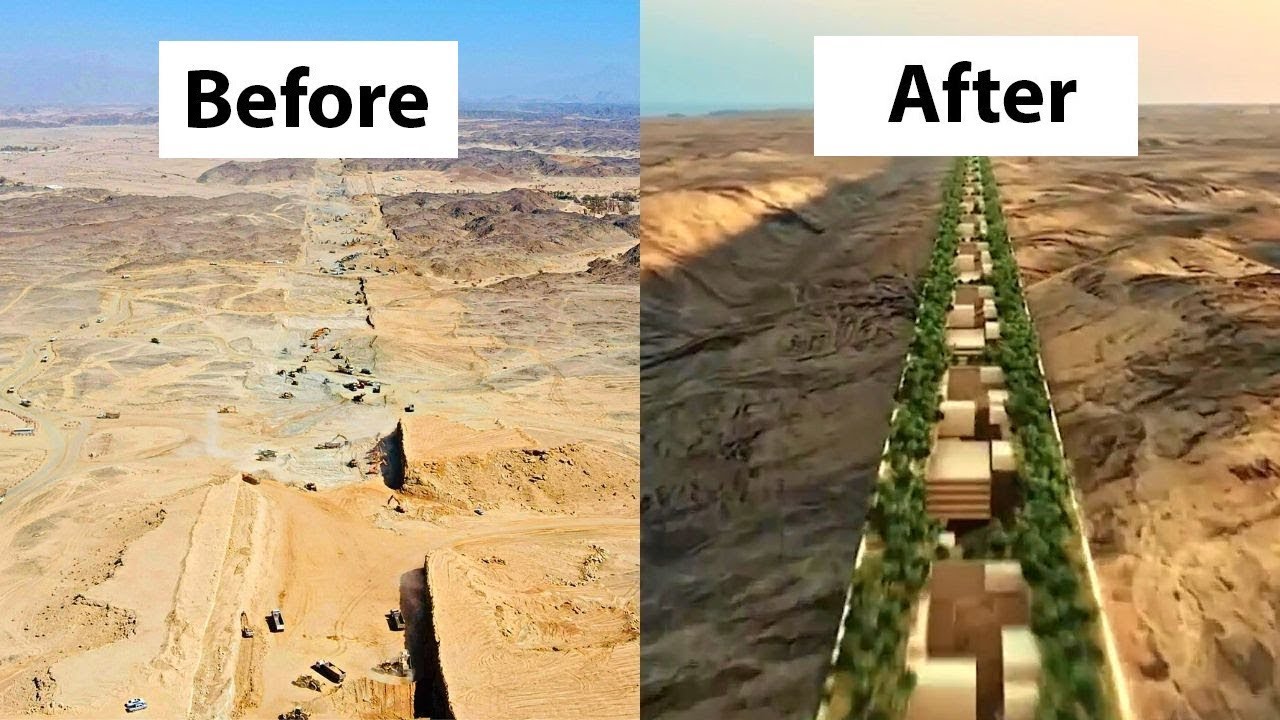
Construction has officially begun on The Line, a $1 trillion skyscraper project in Saudi Arabia that will stretch for 75 miles across the desert. The project is part of the kingdom’s ambitious Vision 2030 plan to diversify its economy and become a global leader in innovation.

The Line will be a linear city with two parallel, mirrored skyscrapers that will house up to 9 million people. The buildings will be 500 meters tall and 200 meters wide, and they will be connected by a high-speed rail system. The city will also have a variety of amenities, including schools, hospitals, and shopping malls.

The project is being funded by the Saudi Arabian government, and it is expected to be completed by 2030. The project’s sustainability credentials extend beyond its architectural design. The Line aims to achieve zero carbon emissions by utilizing renewable energy sources, such as solar and wind power, and implementing cutting-edge sustainable practices. This commitment to environmental responsibility aligns with Saudi Arabia’s Vision 2030 plan, which seeks to diversify the economy and reduce reliance on fossil fuels.

Here are some of the key features of The Line:

  • 75 miles long
  • 500 meters tall
  • 200 meters wide
  • Can accommodate up to 9 million people
  • Connected by a high-speed rail system
  • Includes a variety of amenities like its own stadium

The Line is expected to have a number of benefits, including:

  • Reduced traffic congestion
  • Improved air quality
  • Increased sustainability
  • New jobs and opportunities

However, the project has also been criticized for its:

  • High cost (estimated to be $1 trillion)
  • Environmental impact (including the destruction of natural habitat)
  • Social impact (including concerns about privacy and surveillance)

Despite the criticisms, the Saudi Arabian government is confident that The Line will be a success. The project is a key part of the kingdom’s Vision 2030 plan, and it is seen as a way to diversify the economy and become a global leader in innovation. Only time will tell whether The Line will live up to its promise, but it is sure to be a landmark project that will be watched by the world.

Tagged : / / / / /

Top 10 Countries With Longest Working Hours! Which Place Does India Hold?

Top 10 Countries With Longest Working Hours! Which Place Does India Hold?
Working hours are the number of hours that a person works in a day, week, or year. The average working hours vary from country to country. Some countries have a longer workweek, while others have a shorter workweek.

The International Labour Organization (ILO) defines excessive working hours as more than 48 hours per week. According to the ILO, the following are the top 10 countries with the longest working hours:

Country | Average Working Hours Per Week

1) United Arab Emirates | 52.6
2) Gambia | 50.8
3) Bhutan | 50.7
4) Lesotho | 49.8
5) Congo | 48.6
6) Qatar | 48.6
7) India | 47.7
8) Mauritania | 47.5
9) Liberia | 47.2
10) Bangladesh | 46.9

Factors Contributing to Long Working Hours

There are a number of factors that contribute to long working hours in different countries. Some of these factors include:

i. Economic development: Countries with less developed economies often have longer working hours. This is because workers in these countries need to work longer hours to earn a living.

ii. Cultural factors: Some cultures value hard work and dedication. In these cultures, people may be more likely to work longer hours.

iii. Government policies: Some governments may have policies that encourage or require workers to work longer hours. For example, some governments may have overtime laws that allow employers to require workers to work more than 48 hours per week.

iv. Industry: Some industries are more likely to have long working hours than others. For example, the healthcare industry and the transportation industry are known for their long working hours.

Impact of Long Working Hours

Long working hours can have a number of negative consequences for workers. Some of these consequences include:

1. Health problems: Long working hours can lead to a number of health problems, including stress, fatigue, and burnout.

2 Work-life balance: Long working hours can make it difficult for workers to maintain a healthy work-life balance. This can lead to problems in their personal relationships and their overall well-being.

3 Productivity: Long working hours can actually lead to decreased productivity. This is because workers who are tired and stressed are less likely to be productive.

What Can Be Done to Reduce Long Working Hours?

There are a number of things that can be done to reduce long working hours. Some of these things include:

Government intervention: Governments can play a role in reducing long working hours by setting limits on overtime and providing support for workers who need to take time off.

Employer education: Employers can be educated about the negative consequences of long working hours and encouraged to adopt policies that promote work-life balance.

Worker awareness: Workers can be made aware of the risks of long working hours and encouraged to take steps to protect their health and well-being.

Conclusion

Long working hours are a problem in many countries around the world. There are a number of factors that contribute to long working hours, and there are a number of negative consequences associated with long working hours. Governments, employers, and workers can all play a role in reducing long working hours and creating healthier and more productive workplaces.

Tagged : / / /

Made in India: The New Trend in US Manufacturing

Made in India: The New Trend in US Manufacturing
In recent years, there has been a shift away from China as the world’s manufacturing hub. This is due to a number of factors, including rising labor costs in China and concerns about the quality of Chinese goods. As a result, many US companies are now looking to source their products from other countries, and India is emerging as a popular choice.

There are several reasons why India is becoming increasingly attractive to US manufacturers. First, India’s labor costs are significantly lower than China’s. For example, the average hourly wage for a manufacturing worker in China is \$2.50, while the average hourly wage for a manufacturing worker in India is \$1.25. This difference in labor costs can have a major impact on a company’s bottom line.

Second, India has a strong advantage in direct manufacturing costs. This is due to a number of factors, including lower taxes, cheaper land, and less expensive energy. For example, the corporate tax rate in India is 30%, while the corporate tax rate in China is 25%. Additionally, land prices in India are significantly lower than land prices in China. Finally, energy costs in India are also lower than energy costs in China.

Third, India is becoming more popular as a sourcing destination for a wider range of products, beyond just textiles. In the past, India was primarily seen as a source of textiles and other low-value goods. However, India is now increasingly exporting higher-value goods, such as electronics and machinery. This is due to a number of factors, including improvements in infrastructure and education.

As a result of these factors, India is well-positioned to replace China as the world’s manufacturing hub. India has a large and growing population, a skilled workforce, and a strong economy. Additionally, the Indian government is taking steps to make the country more attractive to foreign investors.

If you are a US manufacturer, you should strongly consider sourcing your products from India. India can offer you a number of advantages, including lower labor costs, lower direct manufacturing costs, and a wider range of products. By sourcing from India, you can improve your bottom line and gain a competitive edge in the global market.

Tagged : / / /

Not Just India, Diwali Is Celebrated In These 7 Countries Too!

Not Just India, Diwali Is Celebrated In These 7 Countries Too!
Diwali, also known as the Festival of Lights, is the most popular Hindu festival celebrated all over the world. It is a five-day festival that marks the victory of good over evil, light over darkness, and knowledge over ignorance. Diwali is celebrated with great fervor and enthusiasm in India, but it is also celebrated in many other countries around the world.

Here are seven countries apart from India that celebrate Diwali:

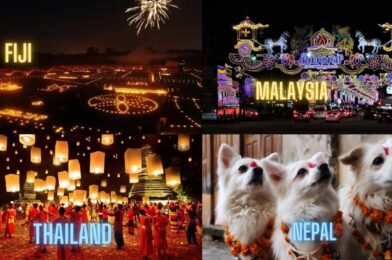
1. Fiji

Fiji has a large Indian diaspora, and Diwali is one of the most important festivals celebrated in the country. Fijians celebrate Diwali with traditional rituals and festivities, including lighting diyas, decorating their homes with flowers and lights, and exchanging gifts. Diwali is celebrated as public holiday in Fiji.

2. Mauritius

Diwali is a public holiday in Mauritius, and it is celebrated with great fervor and enthusiasm by the Hindu community, which forms over half of the country’s population. Mauritians celebrate Diwali by lighting diyas (earthen lamps) and candles outside their homes, drawing colorful rangolis (floor patterns) on their entrances, and exchanging gifts with friends and family. One of the most unique features of Diwali celebrations in Mauritius is the use of firecrackers. Mauritians love firecrackers, and they set them off throughout the night on Diwali. The sky is lit up with a dazzling display of colors and sounds, and it is a truly spectacular sight to behold. ‘ Lakshmi Pooja is also performed on Diwali in Mauritius.

3. Srilanka

Diwali is also a major festival in Sri Lanka, where it is known as Deepawali. Deepawali is celebrated by the Hindu Tamil community, which forms about 12% of the country’s population. Sri Lankans celebrate Deepawali with traditional rituals and festivities, including lighting diyas, decorating their homes with flowers and lights, and exchanging gifts. They also visit temples to pray to the goddess Lakshmi. One of the most popular Diwali traditions in Sri Lanka is the “oil lamp competition.” In this competition, people from all over the country create elaborate and beautiful oil lamps. The lamps are then displayed in public places, and people vote for their favorite lamps. The winners of the competition are awarded prizes.

4. Nepal

Diwali is a national holiday in Nepal, and it is celebrated with great pomp and splendor by all Nepalese, regardless of their religion. Diwali in Nepal is known as Tihar, and it is celebrated over five days. Each day of Tihar has its own significance and traditions. On the first day, Nepalese worship Kaag (crow), the messenger of Yama, the god of death. On the second day, they worship Kukur (dog), the guardian of the house. On the third day, they worship Gai (cow), the mother goddess. On the fourth day, they worship Laxmi, the goddess of wealth and prosperity. On the fifth day, they worship Bhai Tika, the brotherhood bond. Tihar is a time for families and friends to come together and celebrate. Nepalese exchange gifts, eat delicious food, and enjoy cultural performances. Diwali is a truly special festival in Nepal, and it is a time for joy and celebration.
5. Thailand

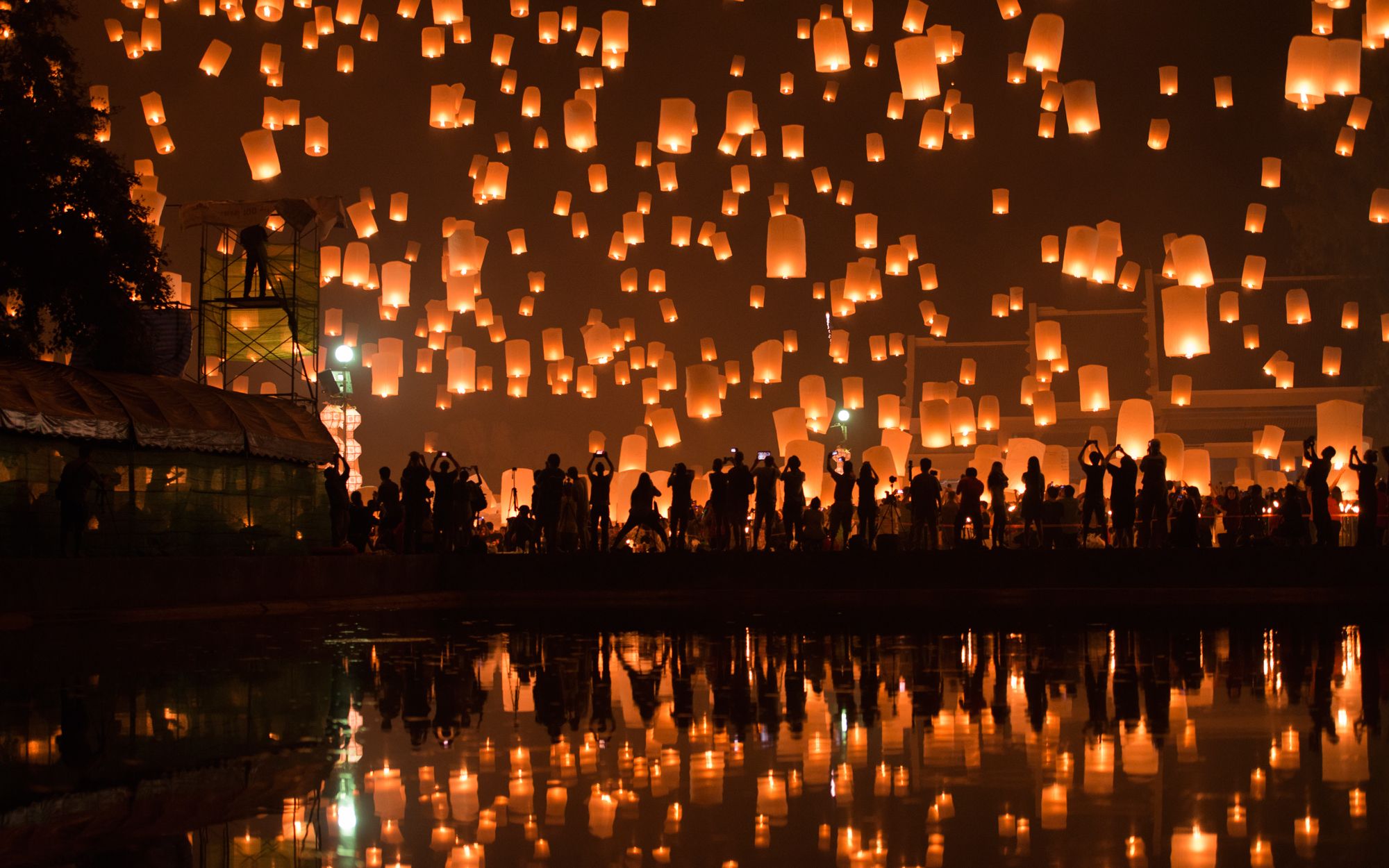
Diwali is known as Lam Kriyongh in Thailand, and it is celebrated with great fanfare. Thais celebrate Lam Kriyongh by lighting lanterns and floating them on rivers and lakes. They also decorate their homes with flowers and lights, and visit temples to pray. Here is a festival of light and water, and it is celebrated to thank the goddess of water for her abundance.

6. Malaysia

Diwali is a public holiday in Malaysia, and it is celebrated with great fervor and enthusiasm by the Hindu community, which forms over 7% of the country’s population. Malaysians celebrate Hari Diwali with traditional rituals and festivities, including Lighting diyas (earthen lamps) and candles outside their homes, Drawing colorful rangolis (floor patterns) on their entrances, Exchanging gifts with friends and family and Performing the Lakshmi puja (worship of the goddess Lakshmi).
The open house tradition: On Diwali day, many Hindu families open their homes to friends and neighbors of all faiths. This is a time for people to come together and celebrate the festival, regardless of their religion or background.

7. USA

Diwali is also celebrated by the large Indian diaspora in the United States. American Hindus celebrate Diwali with traditional rituals and festivities. Pensylvannia state even has a holiday on Diwali. Some of the most popular Diwali celebrations in the United States include:

i. The Diwali Mela in New York City is one of the largest Diwali celebrations outside of India. It features a variety of cultural performances, food vendors, and activities for all ages.
ii. The Diwali on the Potomac celebration in Washington, D.C. is another popular event. It features a fireworks display over the Potomac River, as well as cultural performances and food vendors.
iii. The Diwali festival at the BAPS Shri Swaminarayan Mandir in Robbinsville, New Jersey is one of the largest Hindu temples in the United States. It attracts thousands of visitors each year for its Diwali celebrations.

Diwali is a festival of joy, hope, and new beginnings. It is celebrated with great fervor and enthusiasm in Mauritius, Sri Lanka, and Nepal, as well as in many other countries around the world. Diwali is a reminder that even in the darkest of times, good will always triumph over evil.

Tagged : / / / / /

What Exactly Is The 100 Year Old Israel- Palestine Conflict? Wat Are The Roles Of Lebanon And Iraq In it?

What Exactly Is The 100 Year Old Israel- Palestine Conflict? Wat Are The Roles Of Lebanon And Iraq In it?
The Israel-Palestine conflict is an ongoing conflict between Israelis and Palestinians concerning the status of the territory of Palestine. The conflict is rooted in opposing religious and ethnic claims to the territory, as well as political disputes over sovereignty and self-determination.

The conflict began in the early 1900s, when the Zionist movement began to advocate for the establishment of a Jewish homeland in Palestine. At the time, Palestine was part of the Ottoman Empire and had a majority Arab population. The Zionist movement argued that Jews had a historical right to the land and that they could create a thriving state there.

Arab Palestinians opposed the establishment of a Jewish state in Palestine, arguing that it would lead to the displacement of the Arab population. The conflict escalated in the 1920s and 1930s, with both sides carrying out attacks against each other.

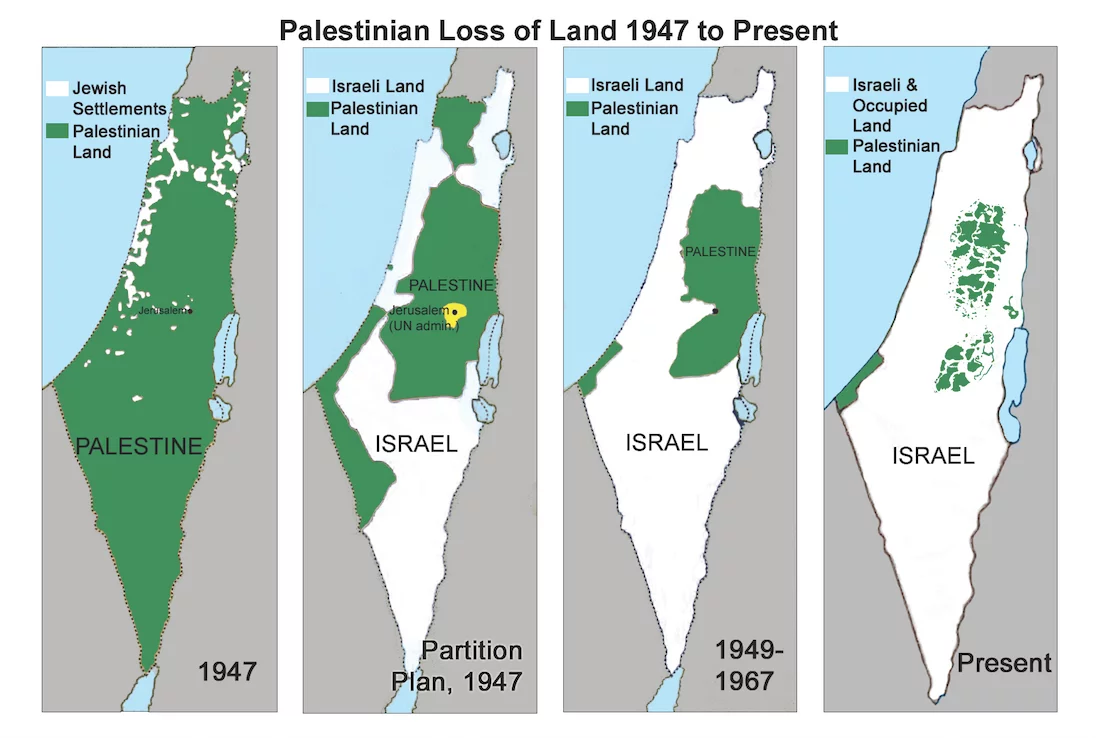
In 1947, the United Nations voted to partition Palestine into two states, one Jewish and one Arab. The Jewish community accepted the plan, but the Arab community rejected it. The following year, Israel declared its independence, and the surrounding Arab countries invaded.

The war ended with Israel in control of most of the territory that had been allocated to it under the UN partition plan. The Arab population of Palestine was displaced, with hundreds of thousands of people fleeing to neighboring countries.

Since then, the conflict has continued, with both sides engaging in violence and diplomacy. There have been several wars and uprisings, as well as numerous attempts at peace negotiations. However, no lasting peace agreement has been reached.

The conflict is complex and multifaceted, and there is no easy solution. Both sides have legitimate claims, and both sides have suffered greatly. The only way to resolve the conflict is through a negotiated settlement that takes into account the needs and aspirations of both Israelis and Palestinians.

How old is the Israel-Palestine conflict?

The Israel-Palestine conflict is over 100 years old. The roots of the conflict can be traced back to the early 1900s, when the Zionist movement began to advocate for the establishment of a Jewish homeland in Palestine. At the time, Palestine was part of the Ottoman Empire and had a majority Arab population.

The conflict has escalated over the years, with both sides engaging in violence and diplomacy. There have been several wars and uprisings, as well as numerous attempts at peace negotiations. However, no lasting peace agreement has been reached.

The Israel-Palestine conflict is one of the most intractable conflicts in the world. It is a complex conflict with a long history, and there is no easy solution.

What is the role of Lebanon and Iraq in the Israel- Palestine conflict 

Lebanon and Iraq have both played significant roles in the Israel-Palestine conflict. Lebanon has been a haven for Palestinian refugees, and it has been involved in numerous clashes with Israel. Iraq has been a strong supporter of the Palestinian cause, and it has provided financial and military support to Palestinian militants.

However, the roles of Lebanon and Iraq in the conflict have changed over time. Lebanon’s civil war and the Israeli occupation of southern Lebanon had a significant impact on the conflict. The US invasion of Iraq in 2003 also led to a decline in Iraq’s role in the conflict.

Despite the changes in their roles, Lebanon and Iraq remain important players in the Israel-Palestine conflict. The conflict is complex and multifaceted, and it is unlikely to be resolved without the participation of both Lebanon and Iraq.

Tagged : / / / /

7 countries so small that you can see them in a day

7 countries so small that you can see them in a day
Our world is home to a diverse range of countries, from the vast expanses of Russia and Canada to the tiny city-states of Monaco and Vatican City. While most countries require at least a few days to explore properly, there are a handful of countries that are so small that you can see them in a single day.

Here are seven countries that you can see in a day:

1. Vatican City

Vatican City is the smallest country in the world by both area and population. It is located within the city of Rome, Italy and is home to the Pope, the head of the Catholic Church. Vatican City is home to a number of iconic landmarks, including St. Peter’s Basilica, the Sistine Chapel, and the Vatican Museums.

2. Monaco

Monaco is the second smallest country in the world by area and population. It is located on the French Riviera and is known for its glamorous casinos, luxury yachts, and Formula One Grand Prix. Monaco is a popular tourist destination, and it is possible to see the main attractions in a single day.

3. Nauru

Nauru is the smallest island nation in the world with an area of just 21 sq. km. It is located in the South Pacific Ocean and is known for its beautiful beaches, coral reefs, and phosphate mining. Nauru is a popular tourist destination for divers and snorkelers.

4. Tuvalu

Tuvalu is the fourth smallest country in the world by area and population. It is located in the South Pacific Ocean and is made up of nine atolls. Tuvalu is a popular tourist destination for its beautiful beaches, crystal-clear waters, and traditional culture.

5. San Marino

San Marino is the fifth smallest country in the world by area and population. It is located in Italy and is known for its medieval hilltop towns and stunning scenery. San Marino is a popular tourist destination for its history, culture, and food.

6. Liechtenstein

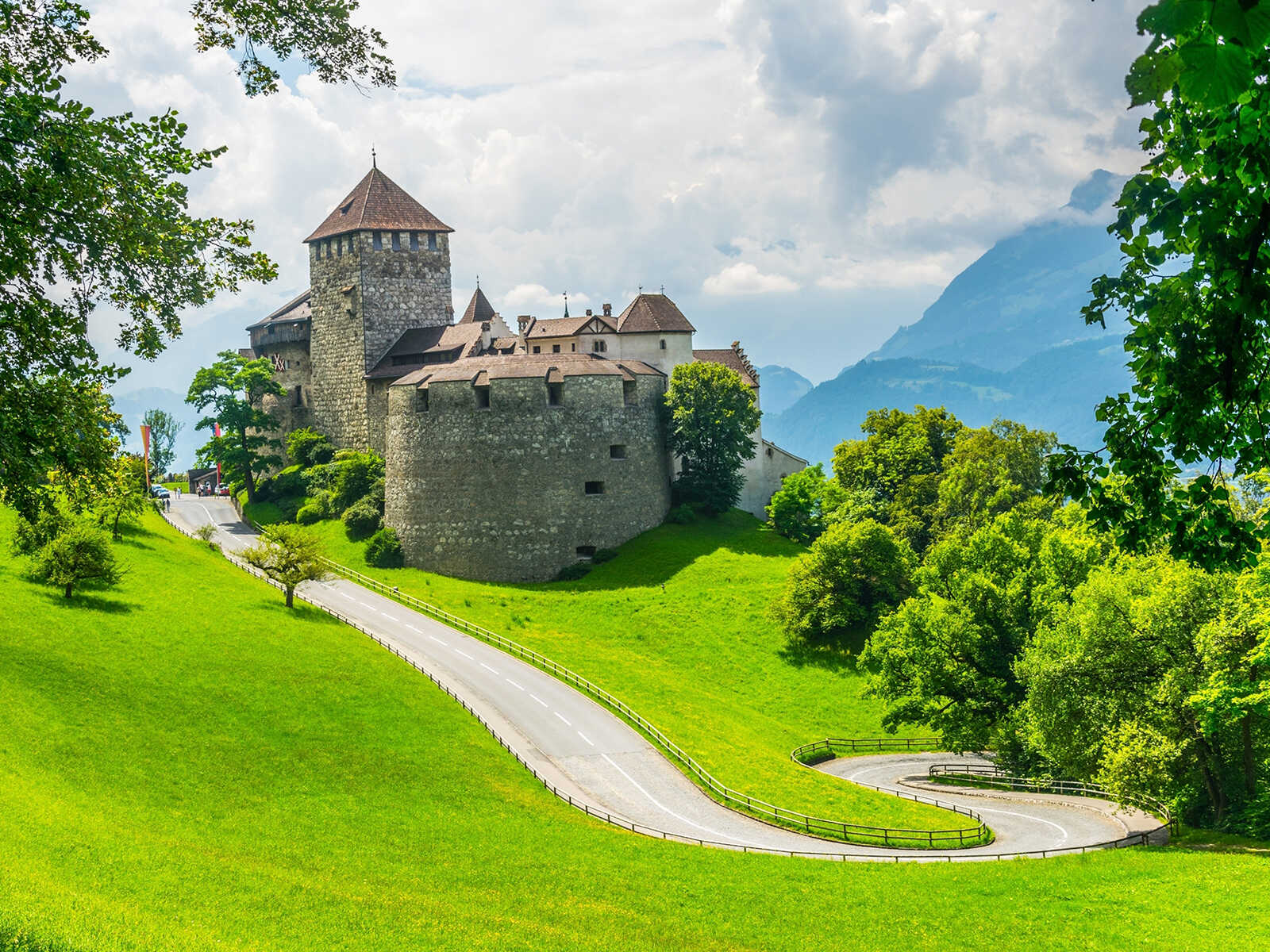
Liechtenstein is the sixth smallest country in the world by area and population. It is located between Austria and Switzerland and is known for its Alpine scenery, castles, and villages. Liechtenstein is a popular tourist destination for skiing, hiking, and sightseeing.

7. Saint Kitts and Nevis

Saint Kitts and Nevis is the seventh smallest country in the world by area and population. It is located in the Caribbean Sea and is known for its beautiful beaches, rainforests, and Mount Liamuiga, the highest point in the Eastern Caribbean. Saint Kitts and Nevis is a popular tourist destination for its beaches, resorts, and hiking trails.

If you are looking for a quick and easy getaway, consider visiting one of these seven countries. With their small size and stunning scenery, they are the perfect place to relax and unwind.

Tagged : / / / /

UAE-India passenger ship service on the cards: 200kg baggage limit, Dh440 ticket fare

UAE-India passenger ship service on the cards: 200kg baggage limit, Dh440 ticket fare
A passenger ship service between the UAE and India is expected to launch in 2023, offering a convenient and cost-effective mode of travel. The ship is expected to carry up to 1,250 passengers at once and will allow them to take up to 200kg of luggage with them. The ship will take roughly three days to reach Kerala from the UAE.

The ticket prices are likely to range between Dh440 and Dh663, depending on the travel time. The ship will offer a wide variety of food and entertainment options for passengers.

The ship service is being launched to provide a more affordable and convenient travel option for Indian expats living in the UAE. Currently, air fares between the two countries can be quite expensive. The ship service will also allow passengers to carry more luggage with them, which is important for many expats who travel back to India to visit family and friends.

The ship service is expected to be popular with both Indian expats and tourists. It will offer a unique and relaxing way to travel between the two countries.

Potential benefits of the UAE-India passenger ship service

The UAE-India passenger ship service has the potential to offer a number of benefits to both Indian expats and tourists. Here are a few examples:

More affordable travel: The ship service is expected to offer more affordable travel than air travel between the two countries. This will be a major benefit for Indian expats who travel back to India regularly.

More convenient travel: The ship service will also be more convenient than air travel for many passengers. This is because the ship will allow passengers to carry more luggage with them and to travel at a more leisurely pace.

Unique travel experience: The ship service will offer a unique and relaxing way to travel between the two countries.

Passengers will be able to enjoy the views of the Arabian Sea and the Indian Ocean, and they will have a variety of food and entertainment options to choose from.

Potential challenges and limitations of the UAE-India passenger ship service

Travel time: The ship service will take roughly three days to reach Kerala from the UAE. This is significantly longer than the travel time for a flight between the two countries.

Limited capacity: The ship will only be able to carry up to 1,250 passengers at a time. This means that there may be limited availability on certain dates.

Weather conditions: The ship service may be affected by weather conditions, such as storms and high winds. This could lead to delays or even cancellations.

Overall, the UAE-India passenger ship service is a promising new development that has the potential to offer a number of benefits to both Indian expats and tourists. However, there are also some potential challenges and limitations that need to be considered. It remains to be seen how popular the ship service will be. However, if it is successful, it could lead to the launch of similar ship services between other countries in the region.

Tagged : / / / /

These 10 Countries Have The Fastest Mobile Internet Speed! Do You Live In One Of These?

These 10 Countries Have The Fastest Mobile Internet Speed! Do You Live In One Of These?
The world’s mobile internet speeds are getting faster and faster, and the competition to be the fastest is fierce. In 2023, the countries with the fastest mobile internet speeds are:

1. United Arab Emirates (238.06 Mbps)
2. South Korea (202.61 Mbps)
3. Norway (177.72 Mbps)
4. Qatar (172.18 Mbps)
5. China (165.38 Mbps)
6. Kuwait (157.18 Mbps)
7. Saudi Arabia (155.97 Mbps)
8. Cyprus (144.64 Mbps)
9. Bulgaria (142.27 Mbps)
10. Switzerland (135.70 Mbps)

These countries have all invested heavily in their mobile infrastructure, and are reaping the benefits of faster speeds and better connectivity. The United Arab Emirates, for example, has rolled out 5G networks across the country, and now offers average speeds of over 200 Mbps. South Korea is also a leader in 5G, and has average speeds of over 200 Mbps as well.

China is another country that has made significant investments in its mobile infrastructure. The country has over 1 billion mobile subscribers, and is constantly expanding its network to meet the growing demand. China’s average mobile internet speed is now over 160 Mbps, and is expected to continue to grow in the coming years.

The United States does not make the top 10 list, but it still has relatively fast mobile internet speeds. The average speed in the US is 100 Mbps, which is more than enough for most people’s needs. However, the US is falling behind some other countries in terms of 5G adoption. Only about 10% of US cell towers are currently 5G-enabled, compared to over 50% in South Korea and the UAE.

As 5G continues to roll out around the world, we can expect to see even faster mobile internet speeds in the years to come. This will open up new possibilities for mobile applications and services, and make it easier for people to stay connected no matter where they are.

Fast mobile internet speeds have a number of positive impacts on society. They can help to improve education, healthcare, and economic development. For example, fast mobile internet speeds can be used to deliver high-quality online education to students in rural areas. They can also be used to provide remote healthcare services to people in remote areas. And they can be used to connect businesses with customers and suppliers around the world.

Tagged : / / / /

Is Pakistan eyeing the name ‘India’ amidst the ‘Bharat’ row?

Is Pakistan eyeing the name ‘India’ amidst the ‘Bharat’ row?
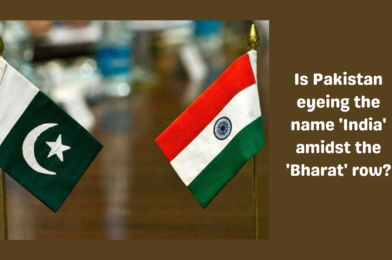
Pakistan is considering using the name “India” amid the continuing controversy that was started when Rashtrapati Bhavan (the President’s House) received invitations for a G20 luncheon on September 9 in the name of the President of Bharat rather than the customary President of India.

Media sources state that Pakistan may attempt to claim the name “India” if the UN formally withdraws its recognition. Pakistan has previously asserted that the term “India” refers to the Indus area.

In the meantime, the opposition began criticising the BJP for the India vs. Bharat controversy. Some claim that the BJP is aiming to rename the nation from India to Bharat out of fear of an INDIA alliance.
West Bengal Chief Minister Mamata Banerjee launched a harsh attack against the BJP and the government for sending invitations for the G20 dinner from Rashtrapati Bhavan, calling it a transparent attempt to misrepresent the nation’s history.

An affront to the Constitution drafted by Dr. B. R. Ambedkar, according to Shiv Sena (UBT) MP Sanjay Raut, would result from changing the name of India to Bharat. He emphasised that “India” and “Bharat” were both included in the country’s Constitution, and that using “India” has been acceptable for all these years. He then inquired as to who had granted them the permission to change their name at this time.

According to news sources, the administration may decide to have the name “India” removed from the Constitution. According to reports, this action will be discussed during the upcoming special session of parliament, which will take place from September 18 to 22.

It is unclear whether the central government will truly change the Constitution to just refer to the nation as “Bharat” and take the word “India” out entirely. In that case, it becomes unclear if Pakistan will actually claim the name “India.”

Tagged : / / /

Top 7 Countries With The Highest Numbers Of Satellites In The Space

Top 7 Countries With The Highest Numbers Of Satellites In The Space
Satellites are objects that orbit Earth or other celestial bodies. They are used for a variety of purposes, including communication, navigation, Earth observation, and scientific research. The number of satellites in space is constantly increasing, as more and more countries and private companies are investing in space technology. This is leading to a new era of space exploration and discovery, with the potential to revolutionize our understanding of the world and our place in it. In the list of countries with satellites up in the space, there are few who are front runners. Here are the top 7 countries with maximum number of satellites in the space:

1. United States of America – 3,449 satellites

2. China – 541 satellites

3. United Kingdom – 486 satellites

4. Multinational collaborations – 180 satellites

5. Russia – 170 satellites

6. Japan – 88 satellites

7. India – 62 satellites

The satellites in these countries are used for a variety of purposes, including communication, navigation, Earth observation, and scientific research. Communication satellites are used to transmit data and voice signals around the world. Navigation satellites are used to track the location of ships, airplanes, and other vehicles. Earth observation satellites are used to collect data about the Earth’s surface, such as its landforms, vegetation, and climate. Scientific research satellites are used to study a variety of phenomena, such as the stars, planets, and black holes.

In addition to the countries listed above, other countries with a significant number of satellites in space include France, Italy, Brazil, and South Korea. These countries are also investing heavily in space technology, and their number of satellites is expected to grow in the coming years. The development of space technology is a key driver of economic growth and innovation. Satellites are used in a wide range of industries, from telecommunications to agriculture. They are also used to provide essential services, such as weather forecasting and disaster relief.

The future of space exploration is bright. With the increasing number of satellites in space, we are learning more about our planet and the universe around us. We are also developing new technologies that will allow us to explore further into space. This is an exciting time to be involved in space exploration, and the next few decades will see even more amazing discoveries.

Tagged : / / / / /

12 Hindi-Urdu Words Which Are Frequently Used In Everyday English

12 Hindi-Urdu Words Which Are Frequently Used In Everyday English
Hindi and Urdu are two closely related languages spoken by over 600 million people in India, Pakistan, and other parts of the world. For a long time India and Pakistan belonged to the same country and Hindi and Urdu were spoken by people of both sides. Even after partition, these languages are spoken in both the countries. Both languages have a rich vocabulary, and many of their words have been borrowed into English. Here we give you 10 such words:

1. Yoga
The Indian Spiritual way of living life through yoga has now found its takers far into the western world. The word ‘Yoga’ is now a part of the English language and people easily understand what it means.

2. Jungle
Jungle is now used in English language quite commonly and it means chaos or wild , originating from the dense Indian forests. Jungle’ was one of the very few first words to be picked up from India by the Oxford dictionary

3. Bazaar
Long before malls and markets, we used ‘bazaar’ as the place where we bought things and people sold them. This word is now used in English too signifying a commercial area.

4. Guru
Guru for Indians is the person who leads one to the right path – be it spiritual or academic. The word was adopted in the same form and meaning in the English language too.

5. Loot
Loot has been a part of the English language from quite some time. Just like Hindi, it means to rob someone. It is also the bounty taken under custody after the robbery.

6. Thug
This word taken as it is from Hindi language, means a violent, aggressive person, especially one who is a criminal. It is derived from ‘thug’ the Indian clans of criminal ruffians who looted people and killed them.

7. Mantra
We all know what mantra means – a repeated sound or words to increase concentration or offer prayers. This word was adopted in English too as a statement or slogan repeatedly.

8. Karma
For us Indians, it is the sum of a person’s actions in this and previous states of existence and when adopted in English language this means the same -good or bad luck, viewed as resulting from one’s actions.

9. verandah
The word which describes the area just outside of the house which is covered is derived from hindi word ‘baranda’ or urdu word ‘baramda’. There are no Verandahs in houses in England. But when the British came to know about this word during their stay in India, they made it a part of their dictionary.

10. Pajama
It is derived from the word ‘pyjama’ very commonly used in Hindi as well as Urdu. It means ‘Pay’ – leg and ‘jama’ – cloth.

11. Bungalow
Bungalow is also a word that has been long accepted in English language but which originated from ‘bangla’ meaning a big house.

12. Avatar
It was the movie avatar that made this Hindi word popular around the globe but the word has been a part of English language long before that. Derived from the Sanskrit avatra, meaning “descent,” avatar first appeared in English in 1784 to mean an incarnation or human appearance of a deity, particularly Vishnu. Now this word id everywhre – from movies to online games to chat rooms.

Apart from these, there are many other words that are now a part of the English language – like jugaad, namaste, Chit, Chutney, etc. The world is becoming smaller so the languages are bound to coalescence.

Tagged : / / / / /

7 Beautiful Buildings In The World That Look More Beautiful At Night

7 Beautiful Buildings In The World That Look More Beautiful At Night
The beauty of a building can be appreciated during the day, but there is something truly magical about seeing it at night. When the sun goes down and the lights come on, the architecture takes on a whole new dimension. Here are 7 buildings around the world that look more beautiful at night:

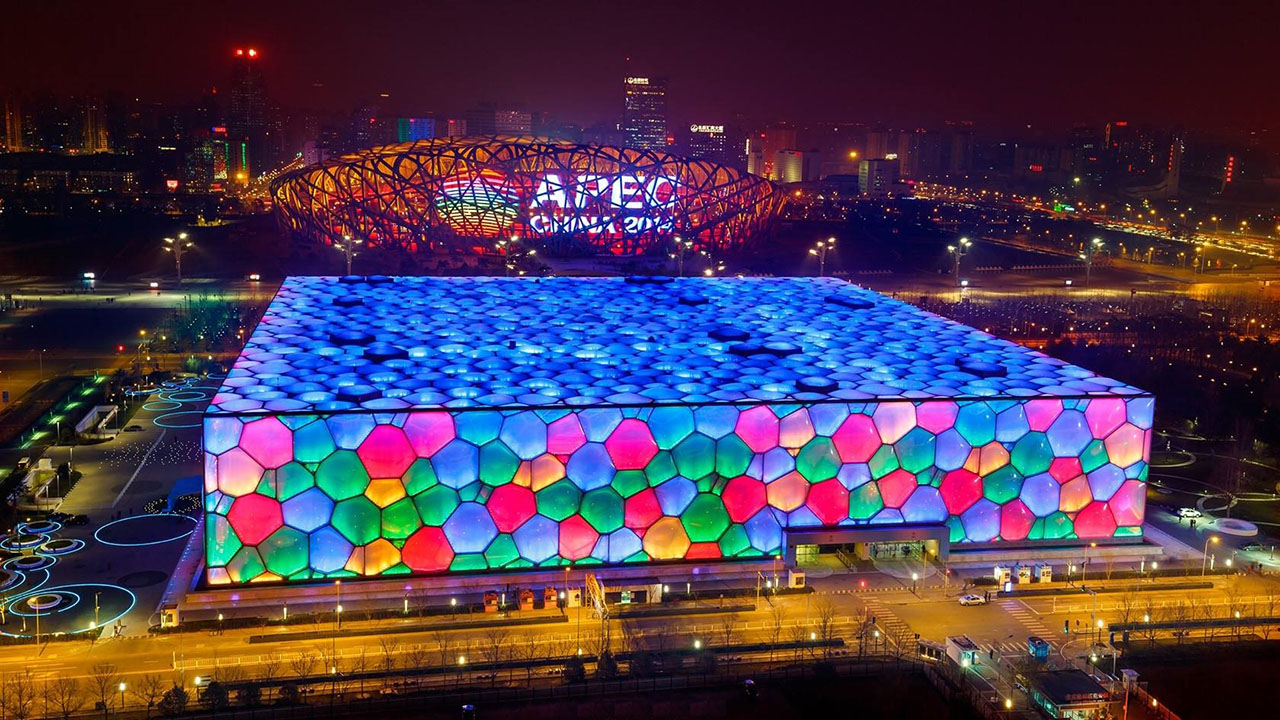
1. Beijing National Aquatics Center (Beijing, China)


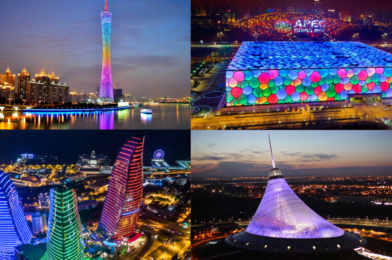
It’s possible that the Beijing National Aquatics Centre is the only structure on this list that really needs it to be dark for the entire vision of the designers to be evident. The scale-like facade is apparent throughout the day, but at night, it comes to life. It is night you can clearly see why is it an ‘Aquatics’ center because those beautiful blue scales at night create a perfect world of water.

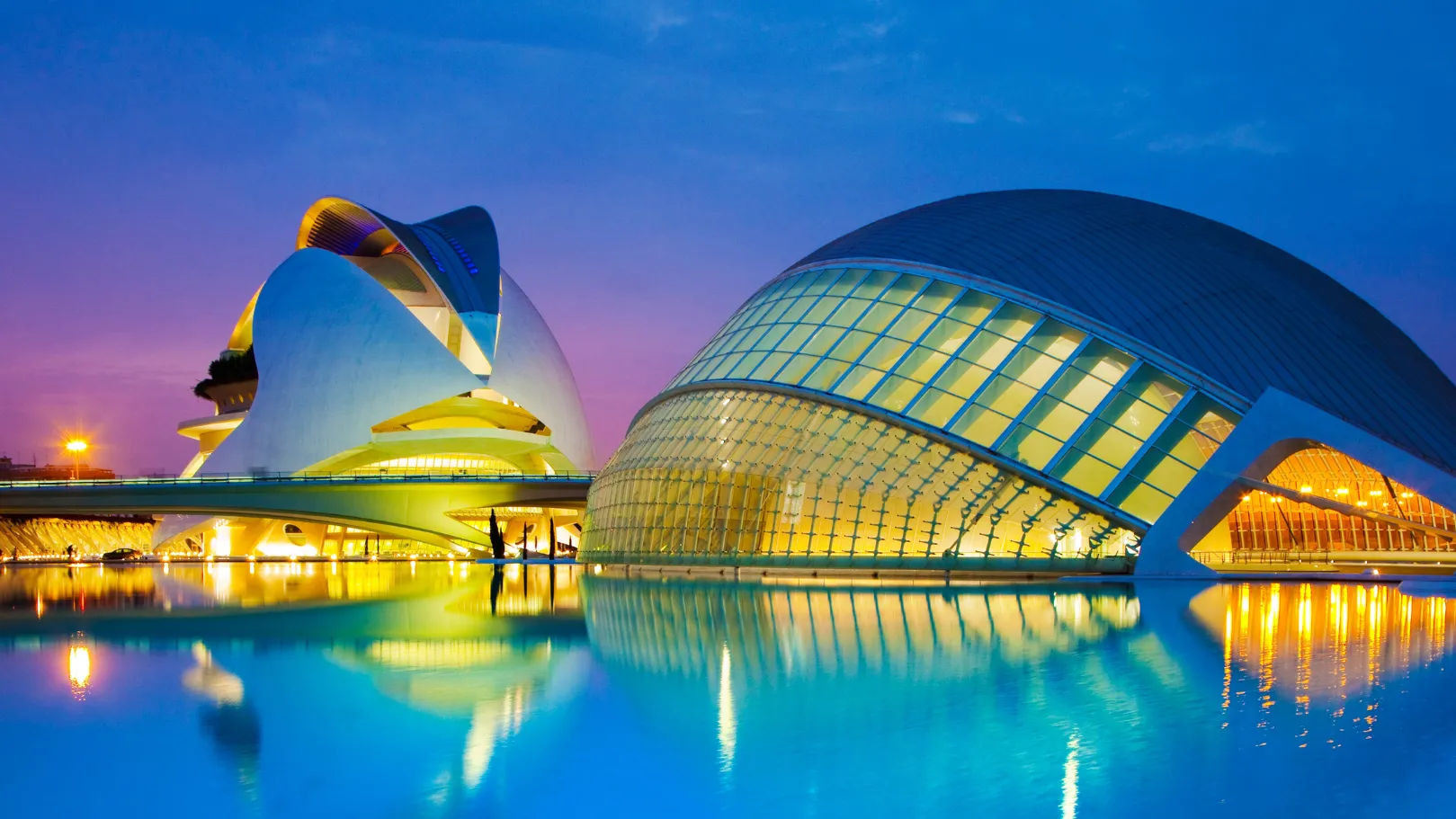
2. The Palau de les Arts Reina Sofia (Valencia, Spain)


Within the City of Arts and Sciences in Valencia, Spain can be found the Palau de les Arts Reina Sofia, which was designed by the renowned architect Santiago Calatrava. The L’Hemisfèric, an eye-shaped structure housing an IMAX, a laser show venue, and a planetarium, is situated next to the arts complex and emits a dazzling, futuristic glow to lure any eye towards it.

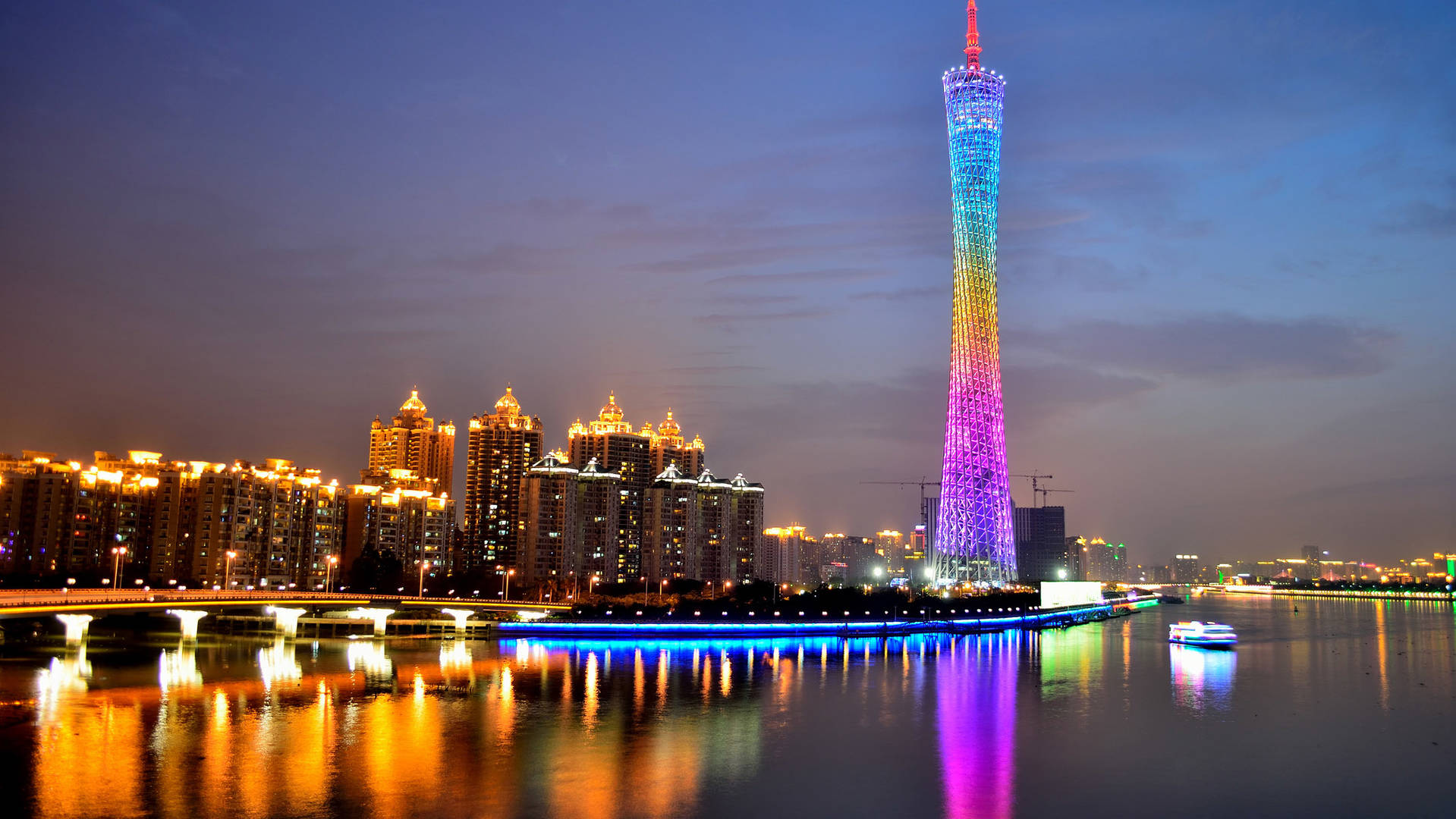
3. Canton Tower (Guangzhou, China)


Rogier van der Heide, a lighting designer, is responsible for the magnificent colour explosions that fill Canton Tower each evening. The tower, in contrast to many other structures, creates its own light rather than being uplit by strobes. Since each node can be controlled separately, it is possible to animate and alter the colour of the entire building.

4. The Eiffel Tower, Paris, France

This is probably one of the most famous places in the entire world. But people who visit it sometimes feel disappointed as they describe it as just another piece of metal standing erect. It is because they haven’t seen this marvel at night. At night, the tower is illuminated with thousands of lights, and it can be seen for miles around. When you see it at that time, you will feel nothing less than magic.

5. Esplanade – Theatres on the Bay (Downtown Core, Singapore)


Esplanade – Theatres on the Bay was brought to life thanks to the collaborative efforts of two different architectural firms, DP Architects and Michael Wilford & Partners. Because of the theatres’ spherical glass-covered frames’ initial detractors, some still call the structures “the big durians” due to their resemblance to the exotic fruit. However, the unusual shapes of the buildings provide for a striking nighttime scene.

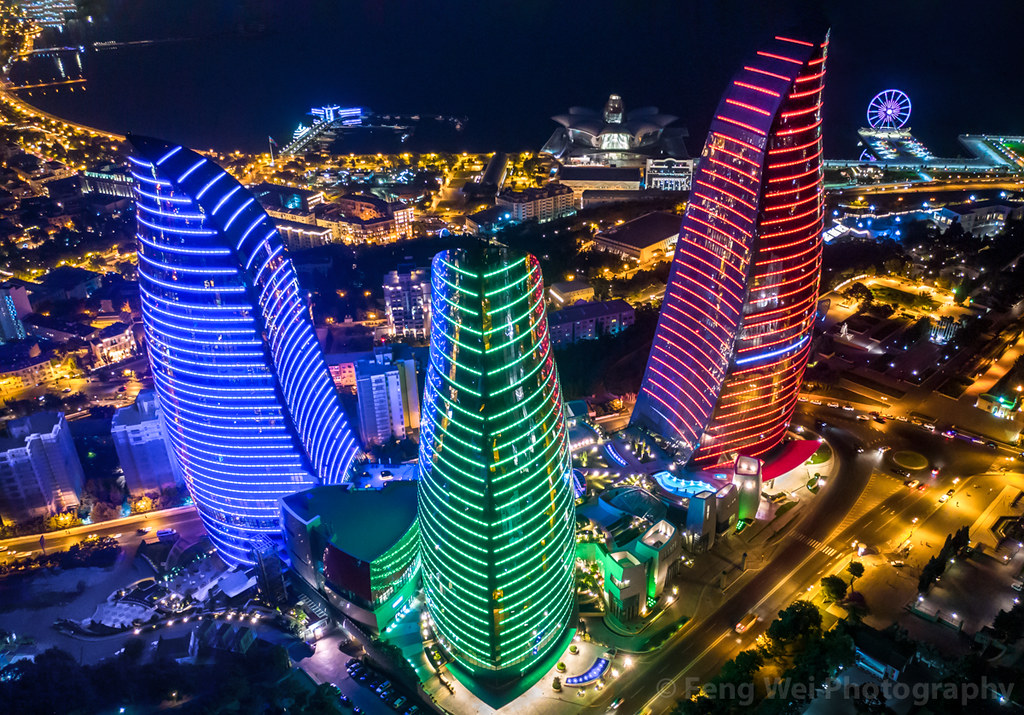
6. Flame Towers (Baku, Azerbaijan)


The teardrop-like shape of the three towers that make up the Flame Towers in Azerbaijan is where the name “Flame Towers” originates from. This design calls to mind flames dancing across the head of a match. The facades of all three buildings were designed by HOK, and each one is covered in LED displays that produce a flickering light effect similar to that of real flames.

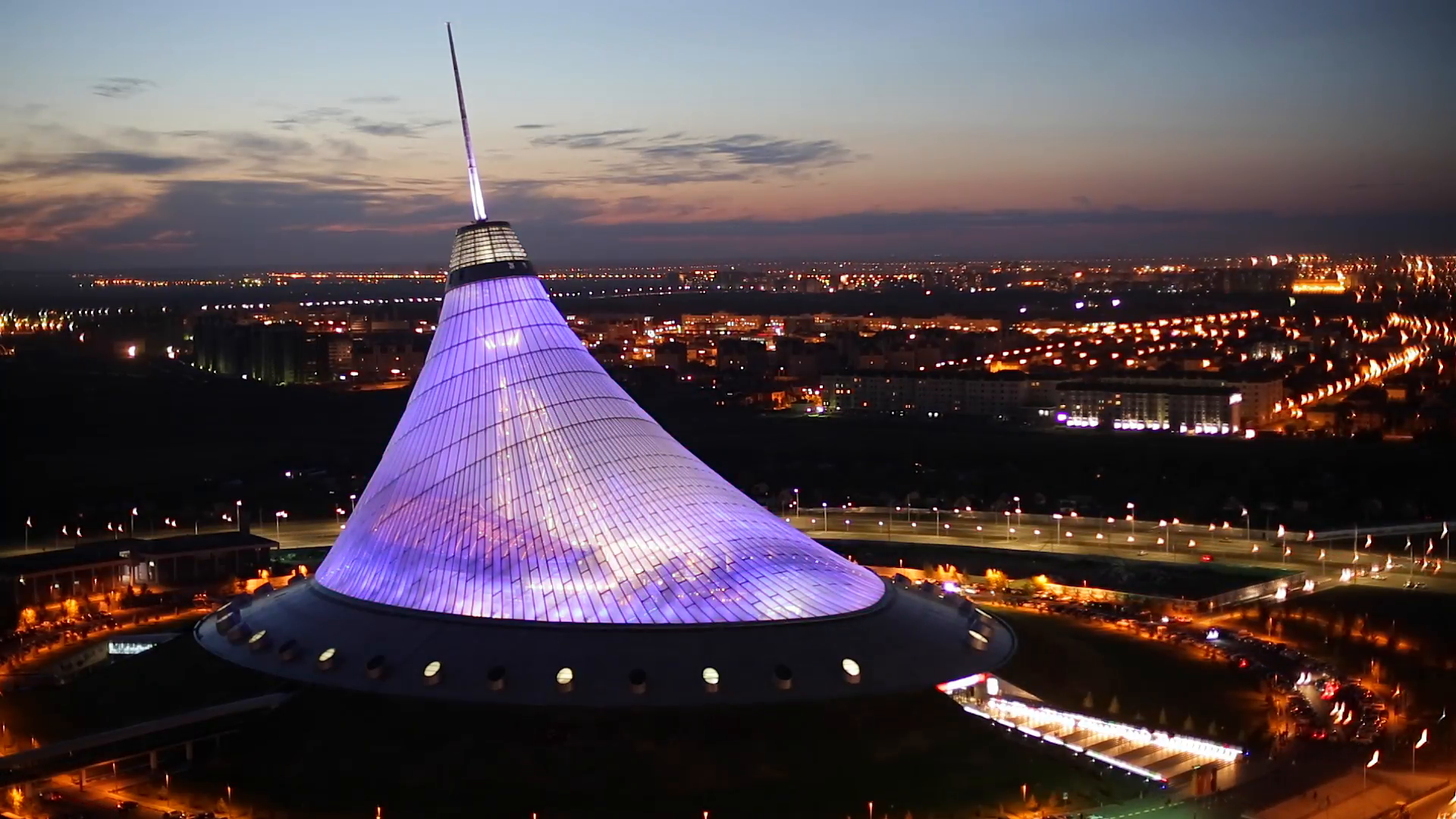
7. Khan Shatyr Entertainment Center (Astana, Hazakhstan)

An indoor beach, urban park, shopping and entertainment venue, boating river, and mini golf facilities are spread across an area that is larger than ten football stadiums and are all located underneath the tent-like structure that is the Khan Shatyr Entertainment Centre. Foster and Partners was responsible for the design of the all-in-one leisure venue, and its lighting system enables a wide variety of colour palettes to be displayed on any given night.

We are not saying these are the only beautiful buildings in the world at night. There are many many more but we picked our favourite seven. Do give the name of your favourite building in the comments section.

Tagged : / / / / /

What Does NASA Do When An Astronaut Dies In Space?

What Does NASA Do When An Astronaut Dies In Space?
In consideration of how challenging human spaceflight is, it is truly amazing how few fatalities (20 individuals in six decades) have occurred so far. But in the following ten years, NASA intends to send astronauts to Mars and a crew to the Moon. Commercial space travel has become commonplace. As the use of space travel increases, so does the chance that someone might pass away while travelling there.

Death on Mars and the Moon

If someone perished while in low-Earth orbit, such as on board the International Space Station, the crew might quickly return the body to Earth in a capsule. If it occurred on the Moon, the crew could quickly return to Earth with the body. For such situations, NASA already has elaborate systems in place.Because of the fast return, it is likely that NASA would place more emphasis on ensuring the safety of the surviving crew’s return to Earth than on maintaining the body.

If an astronaut perished during the 300 million-mile journey to Mars, everything would be changed. The crew most likely wouldn’t be able to turn around and head back in those situation. Instead, at the conclusion of the mission, which would be a few years later, the body would probably return to Earth together with the crew. The crew would likely preserve the body in a separate room or specialised body bag in the interim. The body would supposedly be preserved by the spacecraft’s constant temperature and humidity.

All those eventualities, however, would only be relevant if the fatality occurred in a pressurised space, such as a space station or a spacecraft.

What would happen if someone entered space without a spacesuit to protect them?

Almost immediately, the astronaut would pass away. The astronaut would be unable to breathe due to the pressure drop and exposure to space’s vacuum, and their blood and other bodily fluids would boil.

What about last rites?
Let’s say the astronaut passed away on Mars’ surface after landing.

Cremation is undesirable since it consumes too much energy that the crew members who survive would rather use for other things. Additionally, burial is not a smart move. The Martian surface might become contaminated by bacteria and other creatures from the body. Until it could be brought back to Earth, the crew would probably maintain the body in a special body bag.

There are still a lot of questions regarding how explorers would handle a death. Not merely the issue of what to do with the body is involved. Just as crucial as how the deceased’s remains are handled is how the crew handles the loss and how the grieving families back on Earth are helped. However, in order to actually colonise distant worlds, whether the Moon, Mars, or a planet outside of our solar system, planning and regulations will be needed.

Tagged : / / / / /
Verified by ExactMetrics