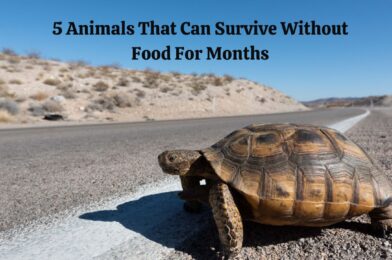
5 Animals That Can Survive Without Food For Months
The animal kingdom is full of amazing adaptations, and one of the most impressive is the ability to go for extended periods without food. While most animals need to eat regularly to stay alive, some have developed incredible strategies to survive in harsh environments with limited resources. Here are five animals that can go months without a single bite:
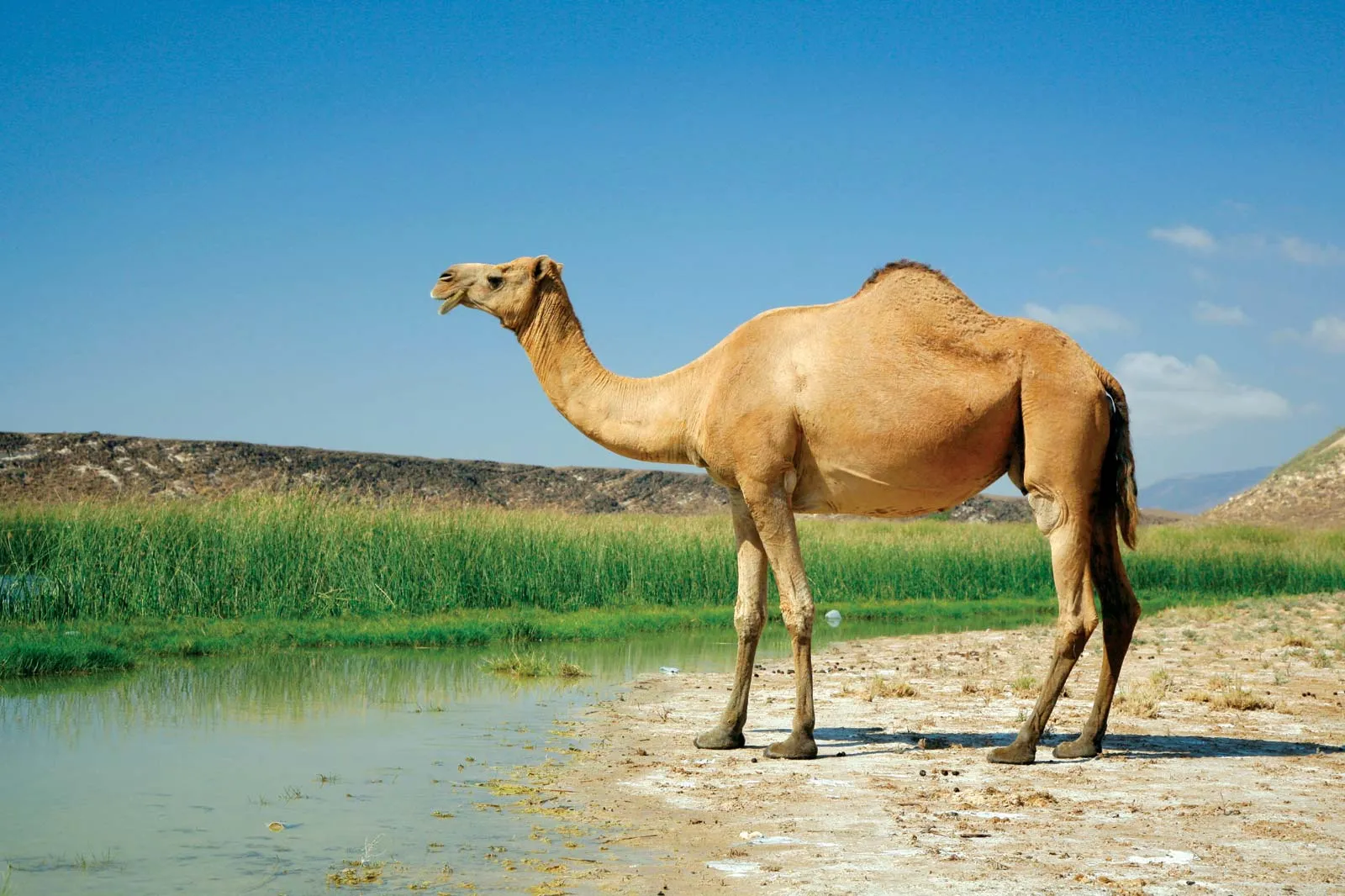
1. Camels: These iconic desert dwellers are perhaps the most famous for their ability to withstand long periods of hunger. Their humps store not just fat but also water, allowing them to trek for weeks through scorching sand dunes without needing to refuel.
2. Bears: During winter, many bear species hibernate, entering a state of deep sleep where their metabolism slows down significantly. They can live off their stored fat for months, emerging from their dens in the spring leaner but alive.
3. Crocodiles: These patient predators are masters of energy conservation. With a slow metabolism and efficient hunting techniques, crocodiles can go for months, or even years, between meals. They conserve energy by resting motionless in the water, waiting for prey to come within striking distance.

4. Snakes: Depending on the species, some snakes can go for months without eating. They achieve this by slowing down their metabolism and digesting their meals slowly. Pythons, for example, can swallow prey many times their own size and then slowly digest it over a period of weeks or even months.
5. Desert Tortoises: These slow-moving reptiles are perfectly adapted to life in arid environments. They can store water in their bladders and extract moisture from their food, allowing them to survive for months without drinking. Their low metabolic rate and ability to burrow underground for shade further help them conserve energy.

These are just a few examples of the many animals that have evolved remarkable strategies to survive without food. Their adaptations teach us about the incredible resilience of nature and the power of evolution in shaping the animal kingdom.
It’s important to note that while these animals can go for extended periods without eating, it’s not healthy for them to do so all the time. They still need to eat regularly to maintain their health and energy levels. So, the next time you see a camel crossing a desert or a snake curled up in its den, remember the incredible adaptations that allow them to thrive in some of the harshest environments on Earth.