5 Animals That Can Survive Without Food For Months

5 Animals That Can Survive Without Food For Months
The animal kingdom is full of amazing adaptations, and one of the most impressive is the ability to go for extended periods without food. While most animals need to eat regularly to stay alive, some have developed incredible strategies to survive in harsh environments with limited resources. Here are five animals that can go months without a single bite:

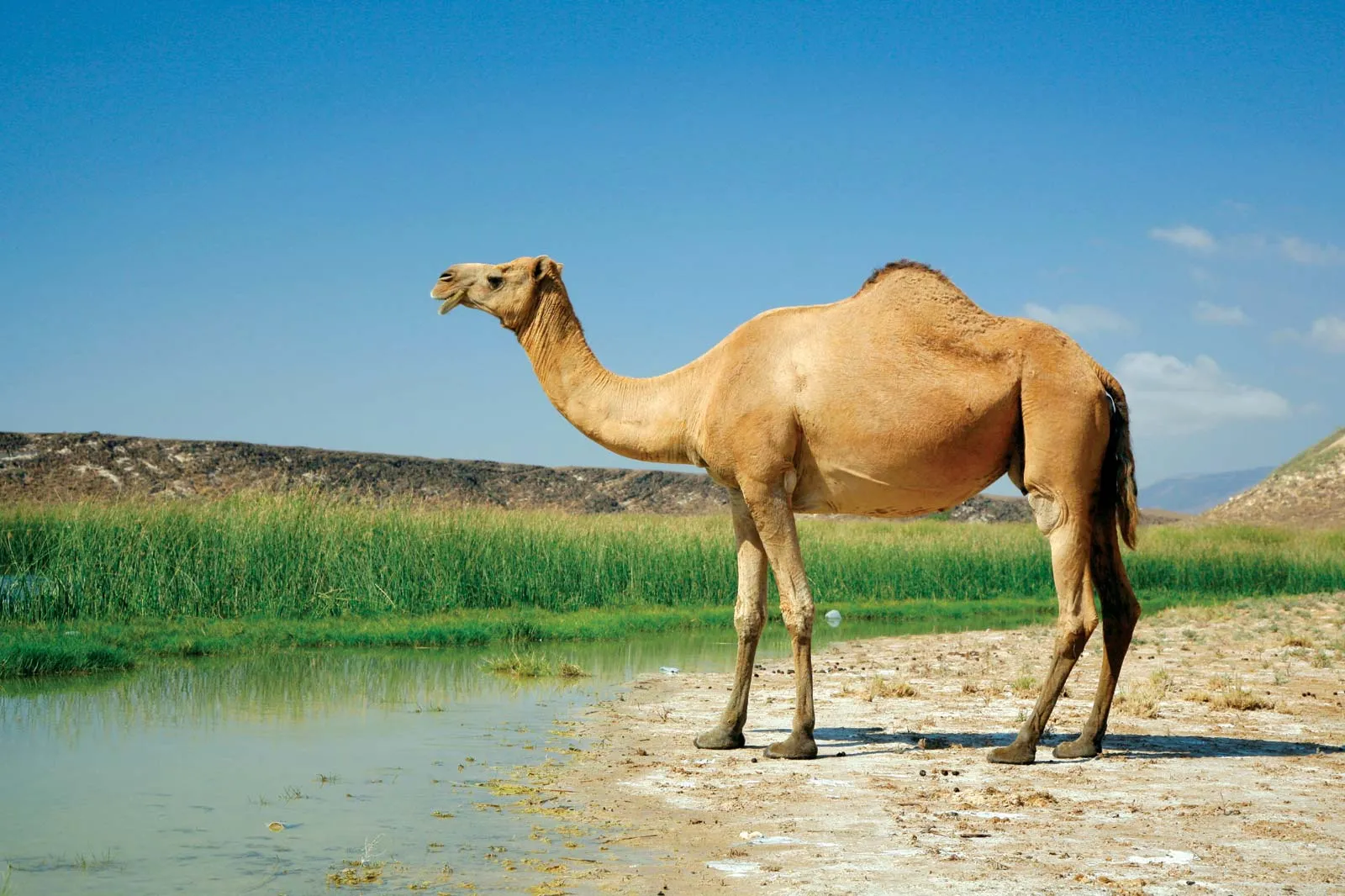
1. Camels: These iconic desert dwellers are perhaps the most famous for their ability to withstand long periods of hunger. Their humps store not just fat but also water, allowing them to trek for weeks through scorching sand dunes without needing to refuel.
2. Bears: During winter, many bear species hibernate, entering a state of deep sleep where their metabolism slows down significantly. They can live off their stored fat for months, emerging from their dens in the spring leaner but alive.

3. Crocodiles: These patient predators are masters of energy conservation. With a slow metabolism and efficient hunting techniques, crocodiles can go for months, or even years, between meals. They conserve energy by resting motionless in the water, waiting for prey to come within striking distance.

4. Snakes: Depending on the species, some snakes can go for months without eating. They achieve this by slowing down their metabolism and digesting their meals slowly. Pythons, for example, can swallow prey many times their own size and then slowly digest it over a period of weeks or even months.

5. Desert Tortoises: These slow-moving reptiles are perfectly adapted to life in arid environments. They can store water in their bladders and extract moisture from their food, allowing them to survive for months without drinking. Their low metabolic rate and ability to burrow underground for shade further help them conserve energy.

These are just a few examples of the many animals that have evolved remarkable strategies to survive without food. Their adaptations teach us about the incredible resilience of nature and the power of evolution in shaping the animal kingdom.

It’s important to note that while these animals can go for extended periods without eating, it’s not healthy for them to do so all the time. They still need to eat regularly to maintain their health and energy levels. So, the next time you see a camel crossing a desert or a snake curled up in its den, remember the incredible adaptations that allow them to thrive in some of the harshest environments on Earth.

Tagged : / /

9 Fastest Reproducing Animals In The World!

9 Fastest Reproducing Animals In The World!
In the animal kingdom, there are a variety of species that are known for their ability to reproduce quickly. These animals have evolved to reproduce rapidly in order to ensure the survival of their species.

Here are some of the fastest reproducing animals in the world:
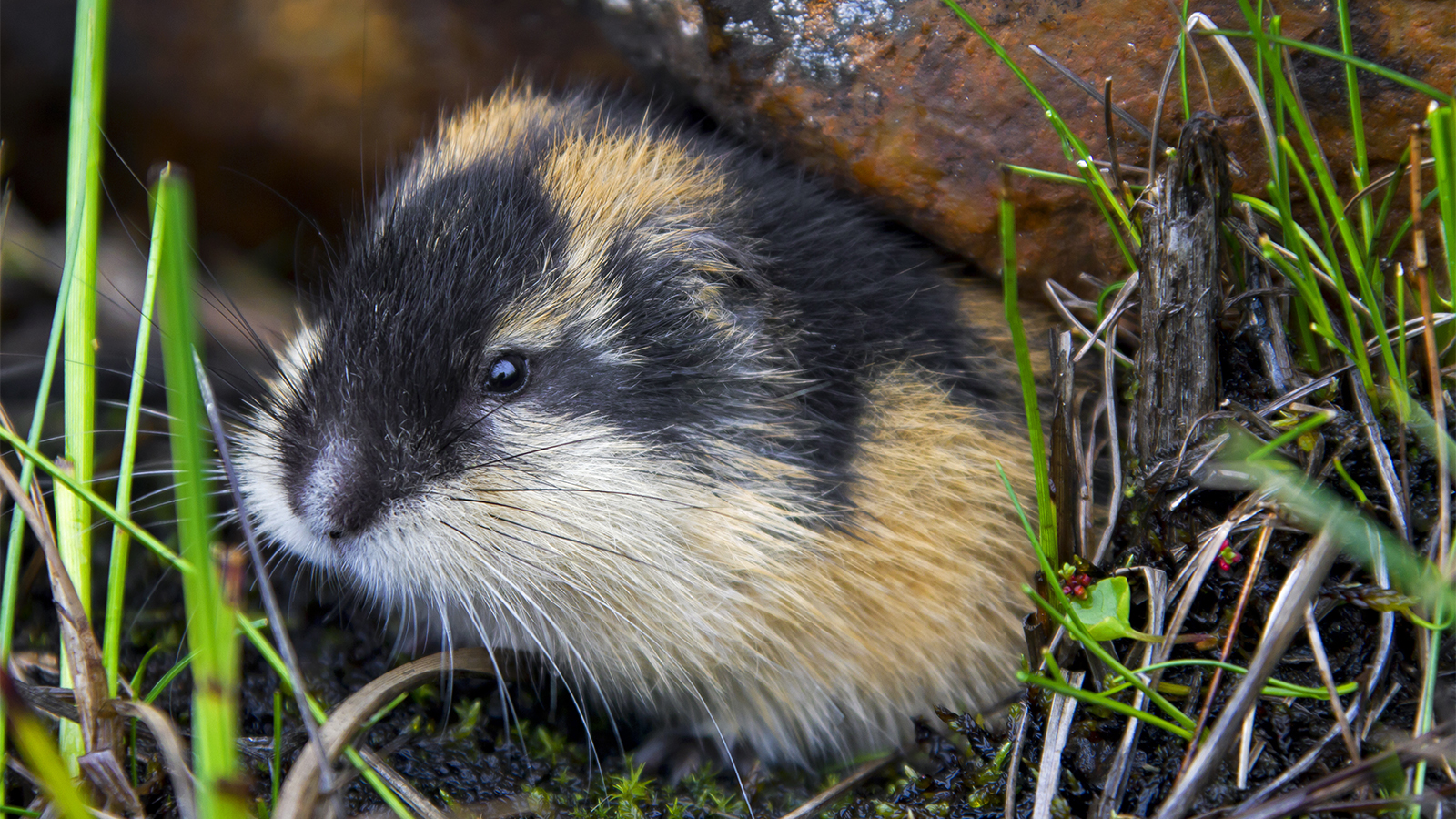
1. Norway lemmings


These small rodents are found in the Arctic tundra. Female lemmings can become pregnant as early as two weeks old, and they can produce up to 10 litters per year, each with an average of 8-10 pups. This means that a single lemming could potentially produce over 100 offspring in a single year!

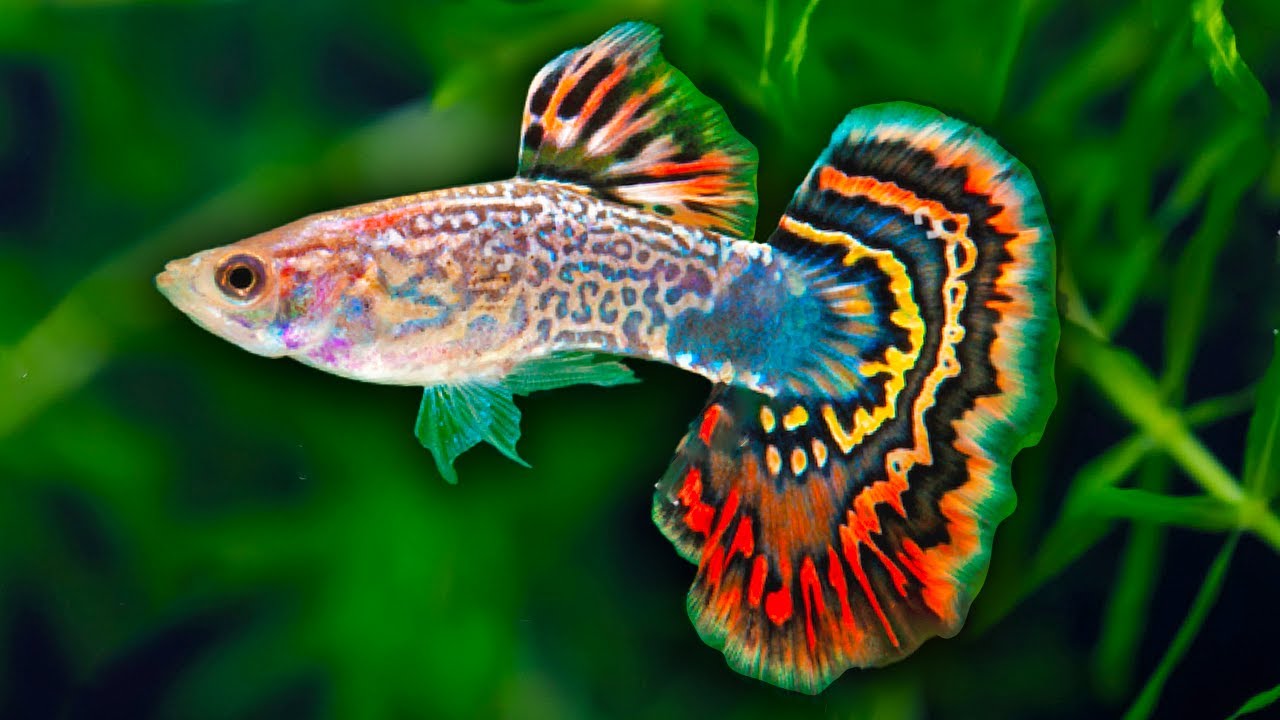
2. Guppies

These small fish are native to South America. Guppies are able to reproduce very quickly, and they can reach sexual maturity within 3-4 months. A single female guppy can produce up to 2000 offspring in her lifetime.

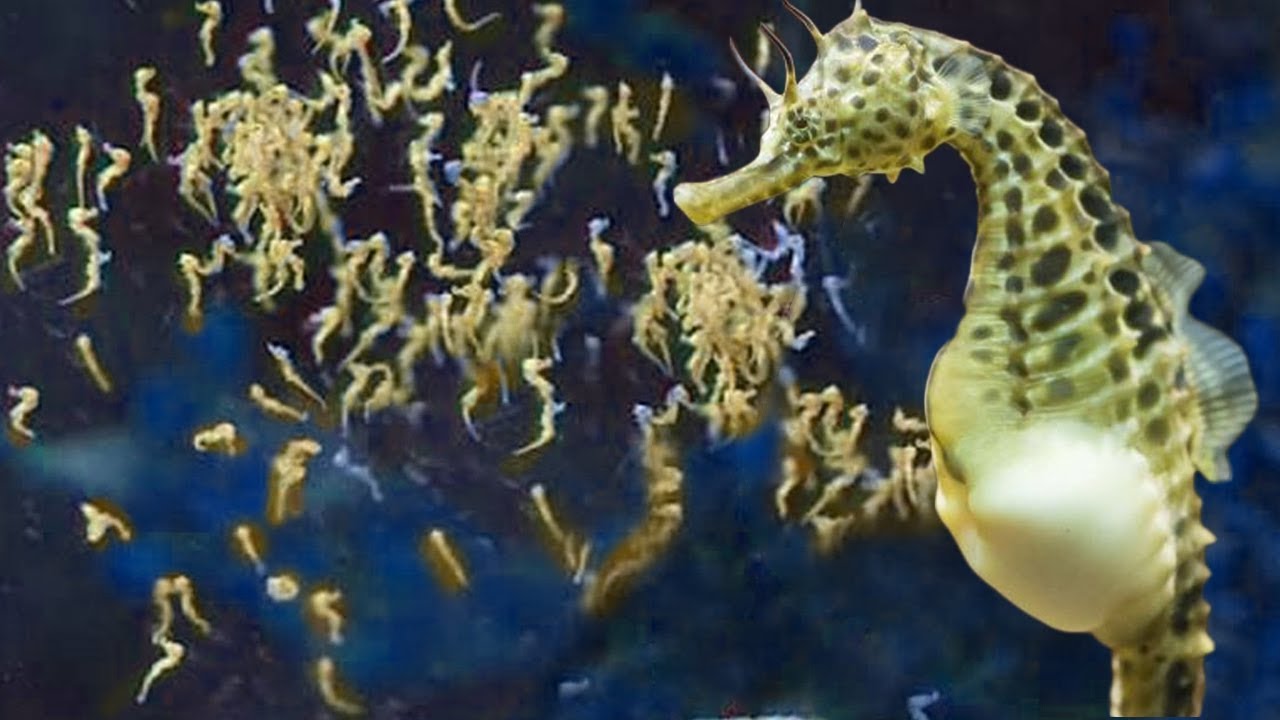
3. Seahorses

Seahorses are unique in that the male is the one who carries the eggs. The female seahorse will deposit her eggs into the male’s pouch, where they will incubate for 4-6 weeks. A single male seahorse can father up to 1500 offspring in a single breeding season.

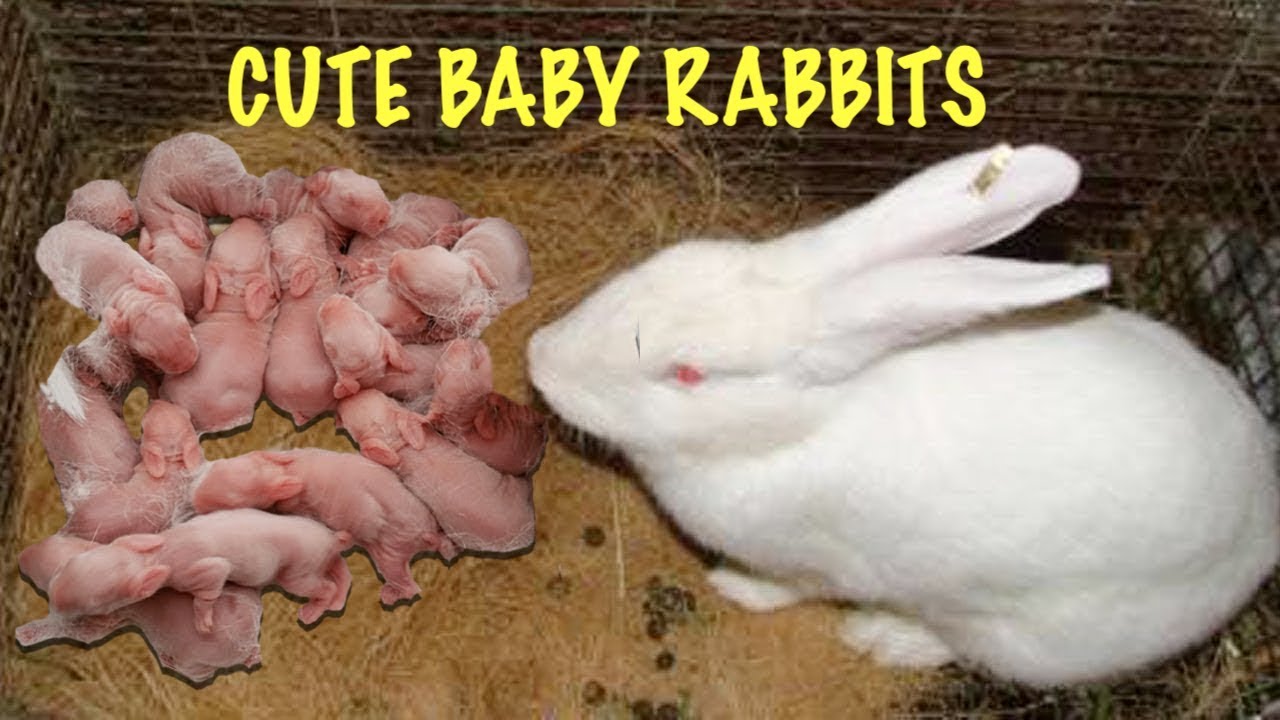
4. Rabbits

Rabbits are another species that is known for its rapid reproduction. Female rabbits can become pregnant as early as 4-5 months old, and they can produce up to 8 litters per year. Each litter can contain up to 12 young rabbits.

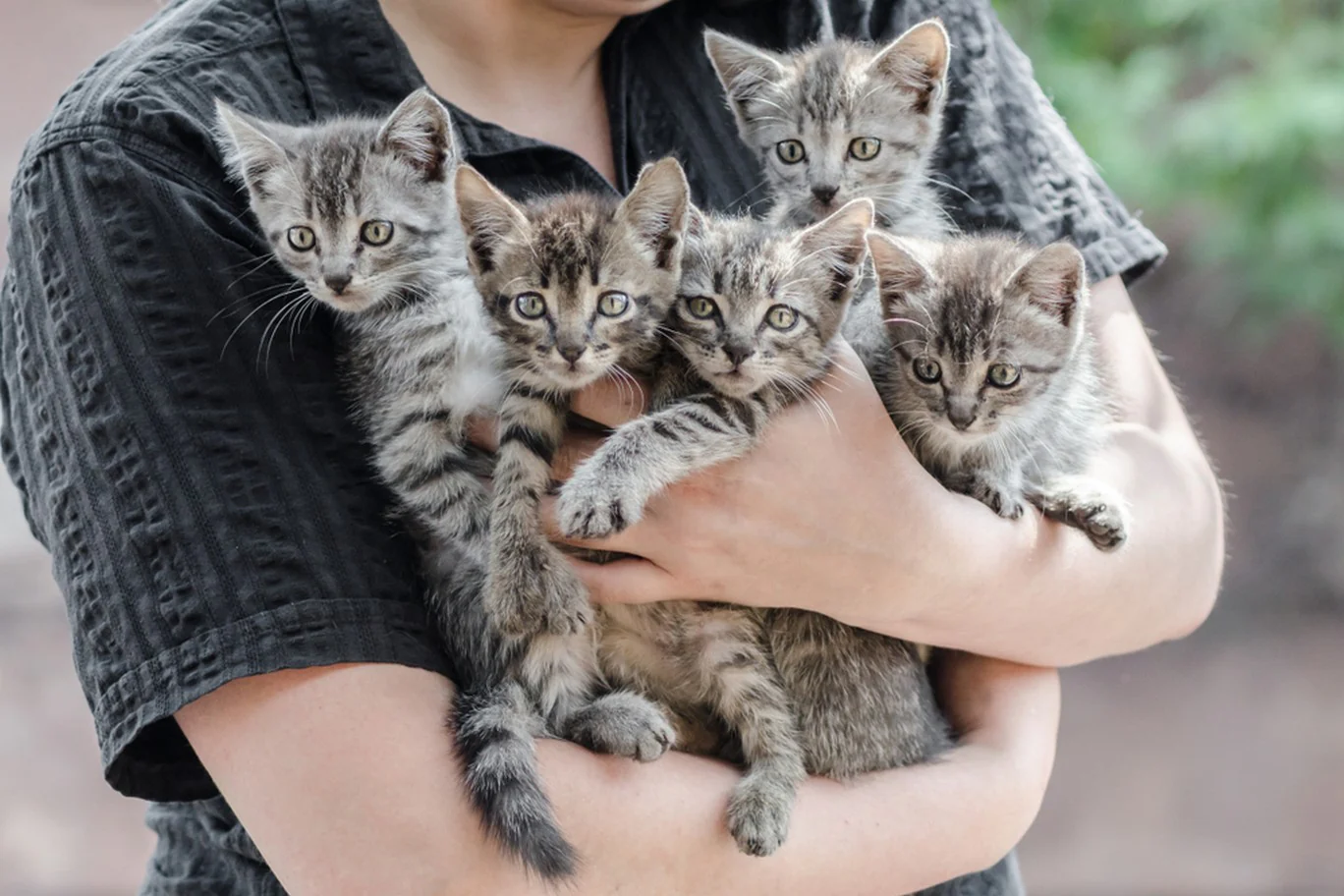
5. Domestic cats

Domestic cats are also relatively quick to reproduce. Female cats can become pregnant as early as 5 months old, and they can have up to 2 litters per year. Each litter can contain up to 6 kittens.

6. Domestic dogs

Female dogs can become pregnant as early as 6 months old, and they can have up to 10 puppies in a litter. This means that a single dog could potentially produce over 100 puppies in her lifetime. Dogs are also relatively long-lived animals, with some breeds living for up to 20 years. This means that they have plenty of time to reproduce and raise their young.

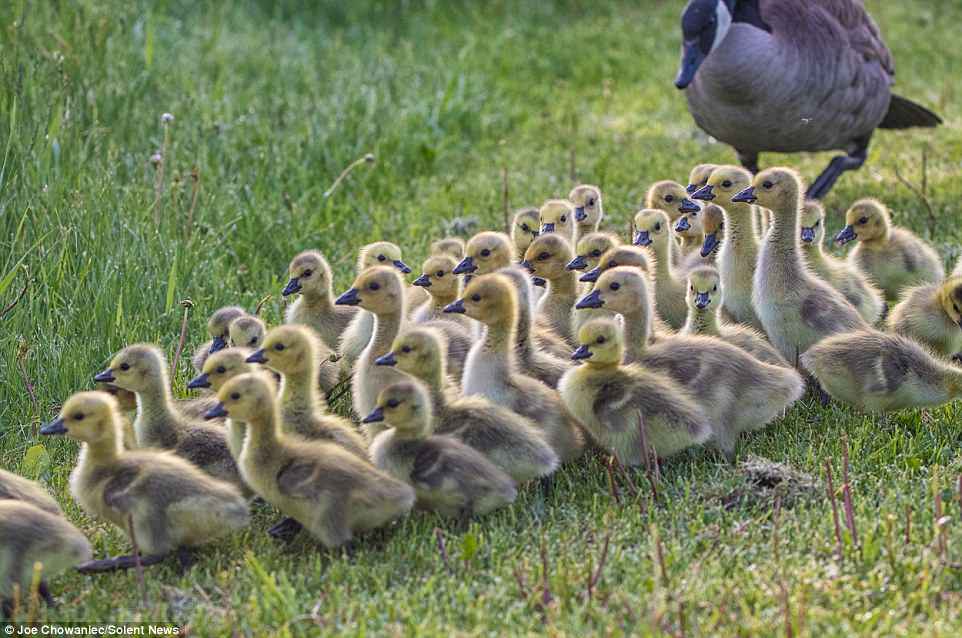
7. Canada geese

Canada geese are known for their large broods. A female goose can lay up to 12 eggs in a single clutch, and the average clutch size is 8 eggs. The young geese are able to fly within a few months of hatching, so they can quickly disperse and start their own families.

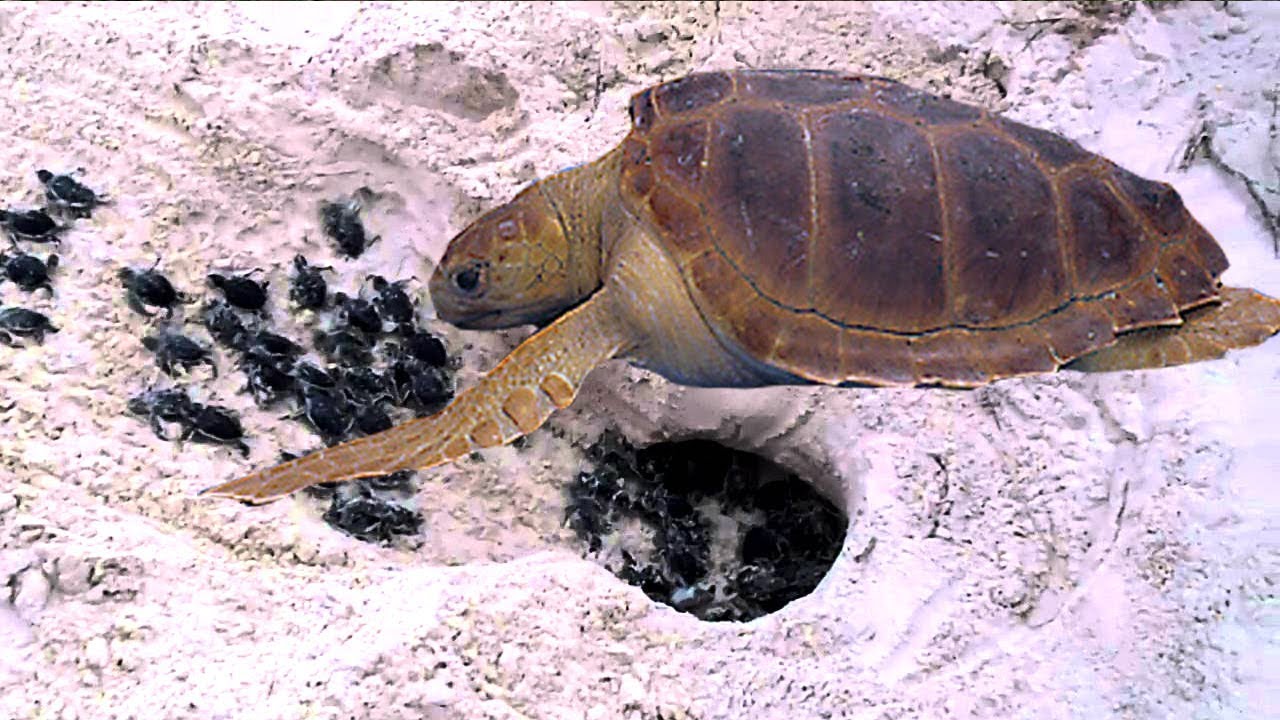
8. Sea turtles

Sea turtles are another group of animals that are known for their rapid reproduction. Female sea turtles can lay up to 100 eggs in a single nest, and they may nest multiple times in a season. The young sea turtles face many challenges, but those that survive can live for many years.

9. Arctic foxes

Arctic foxes are also known for their large litters. A female fox can give birth to up to 15 pups in a single litter, and the average litter size is 8 pups. The young foxes are able to hunt and fend for themselves within a few months of birth, so they can quickly start their own families.

These are just a few of the many animals that reproduce quickly. These animals have evolved to reproduce rapidly in order to ensure the survival of their species. Their rapid reproduction can have both positive and negative implications, but it is clear that these animals play an important role in the natural world.

Tagged : / / /

The 5 Worst Mothers in the Animal Kingdom

The 5 Worst Mothers in the Animal Kingdom
Motherhood is a sacred bond that is celebrated across cultures and species. But not all mothers are created equal. In the animal kingdom, there are some mothers who are notorious for their neglectful or even downright cruel behavior.

Here are a few of the worst mothers in the animal kingdom:

1 Cuckoos
Cuckoos are perhaps the most famous bad mothers in the animal kingdom. These birds lay their eggs in the nests of other birds, leaving the unsuspecting hosts to raise their young. The cuckoo chicks are often larger than the host chicks, and they can even push the host chicks out of the nest.

2 Harp seals
Harp seals are also known as neglectful mothers. After giving birth, female harp seals abandon their pups for up to two weeks. During this time, the pups are left to fend for themselves on the ice floes.

3 House sparrows
House sparrows are another species of bird that is known for its neglectful attitude towards its babies. If a house sparrow’s mate is killed, she may kill her own young in order to attract a new mate.

4 Black bears
Black bears are solitary animals, and they only come together to mate. After giving birth, the mother bear leaves her cubs alone in a den for up to 7 months. During this time, the cubs are on their own to survive.

5 Black eagles
Black eagles are known for their aggressive behavior. If two chicks hatch in the same nest, the mother eagle may kill the weaker chick. This is thought to be a way of ensuring that the stronger chick has the best chance of survival.

These are just a few of the worst mothers in the animal kingdom. While their behavior may seem cruel to us, it is important to remember that these mothers are simply following their instincts. In the wild, survival is often the most important thing, and these mothers are doing what they need to do to ensure the survival of their young. Of course, there are also many amazing mothers in the animal kingdom. Some of the most devoted mothers include elephants, orangutans, and penguins. These mothers are incredibly protective of their young, and they will go to great lengths to ensure their survival.

So, next time you think your mom is being a bit hard on you, just remember that there are some mothers in the animal kingdom who are much, much worse.

Tagged : / / /
Verified by ExactMetrics