Understanding Hypertension Headaches: What You Need to Know

Understanding Hypertension Headaches: What You Need to Know
Hypertension headaches, also known as high blood pressure headaches, are a common yet often overlooked symptom of elevated blood pressure levels. While headaches can be caused by various factors, understanding the link between hypertension and headaches is crucial for managing overall health. In this blog, we’ll delve into what hypertension headaches are, their symptoms, causes, and ways to manage them effectively.

What are Hypertension Headaches?

Hypertension headaches are headaches that occur due to elevated blood pressure levels. These headaches typically manifest as a dull, persistent ache that can affect both sides of the head. They are often described as throbbing or pulsating and may worsen with physical activity.

Symptoms of Hypertension Headaches:

  • Dull, persistent headache
  • Throbbing or pulsating pain
  • Pain located on both sides of the head
  • Worsening pain with physical activity
  • Nausea or vomiting
  • Visual disturbances

    Causes of Hypertension Headaches:

Hypertension headaches occur when high blood pressure causes blood vessels in the brain to narrow or become inflamed, resulting in increased pressure within the skull. This pressure can lead to pain and discomfort, often felt as a headache. Chronic hypertension can also damage blood vessels over time, further exacerbating the problem.

 

Managing Hypertension Headaches:

i. Monitor Blood Pressure: Regularly monitor your blood pressure levels to ensure they remain within a healthy range. Consult with a healthcare professional to determine your target blood pressure and develop a plan for managing hypertension.

ii. Lifestyle Changes: Adopting a healthy lifestyle can help reduce blood pressure levels and alleviate hypertension headaches. This includes maintaining a balanced diet, engaging in regular exercise, managing stress, limiting alcohol consumption, and avoiding tobacco use.

iii. Medication: In some cases, medication may be prescribed to help lower blood pressure and prevent hypertension headaches. It’s essential to follow your healthcare provider’s recommendations regarding medication usage and dosage.

iv. Stress Management: Practicing relaxation techniques such as deep breathing, meditation, yoga, or massage therapy can help reduce stress levels and alleviate hypertension headaches.

In conclusion, hypertension headaches are a common symptom of elevated blood pressure levels and should not be ignored. By understanding the causes and symptoms of hypertension headaches and adopting healthy lifestyle habits, individuals can effectively manage their blood pressure and reduce the occurrence of headaches. Consult with a healthcare professional for personalized guidance and treatment options tailored to your needs.


Tagged : / / /

4 Lesser Known Symptoms Of Cervical Cancer That Women Often Ignore

4 Lesser Known Symptoms Of Cervical Cancer That Women Often Ignore
If you are a woman, do you ever think about how much you really know about cervical cancer? Have you ever wondered if you could be missing some crucial signs? And most importantly, are you ready to empower yourself with life-saving knowledge?” Keep reading because today we are going to unravel four lesser-known symptoms of cervical cancer that women often overlook but shouldn’t.

1. Bleeding between periods

Hormonal changes may sometimes cause spotting or bleeding between two consecutive periods, but if this is happening regularly or every month then this is not something you should ignore. Bleeding between two period cycles – month after month – is not normal. Also, if your periods have suddenly become heavier and continue to be heavier, it is time you took notice. So if you too are experiencing this, you should rush to your nearest medical practitioner and get yourselves checked.

2. Pelvic Pain

Every woman has had pelvic pain or experiences pelvic pain during her periods or before her periods are about to start. But if you are experiencing pelvic pain that doesn’t go away and has become a constant companion, you need to take this seriously. While pelvic pain is often attributed to menstrual cramps or other benign causes, persistent or unexplained pelvic pain can sometimes be a sign of cervical cancer. Also, remember a consistent pelvic pain is one of the later symptoms of cervical cancer. This means that if a woman starts experiencing pelvic pain continuously, there is a possibility that the cervical cancer has advanced.

3. Leg Pain

While leg pain is often associated with issues like muscle strains or poor circulation, persistent leg pain, especially in one leg, can sometimes indicate advanced cervical cancer. This occurs when the cancer spreads to nearby tissues and affects nerves, causing discomfort or swelling in the legs. If you’re experiencing unexplained leg pain, it’s essential to discuss it with your healthcare provider to rule out any serious underlying conditions.

4. Unexplained weight loss

While all of us would love it if we dropped a few kilos or pounds off but if you are experiencing sudden and unexplained weight loss, especially when not actively trying to lose weight, it can signal a more significant health issue, including cervical cancer. Weight loss may occur as a result of cancer affecting your appetite, metabolism, or overall health. If you’re experiencing unexplained weight loss alongside other symptoms mentioned, it’s crucial to consult with your healthcare provider for a thorough evaluation.”

Remember dear women! You are your own best friend! So first and foremost never ignore yourselves. By being aware of these lesser-known symptoms and taking proactive steps to address any concerns, you can play a crucial role in protecting your health and well-being. Remember, your body often communicates with you, and it’s essential to listen and take action when something doesn’t feel right.

Tagged : / / / /

Do You Know The Connection Between Lifestyle and Genetics in Cancer?

Do You Know The Connection Between Lifestyle and Genetics in Cancer?
Cancer, a complex group of diseases characterized by the uncontrolled growth and spread of abnormal cells, remains one of the most significant health challenges worldwide. While advancements in research and treatment have led to improved outcomes for many cancer patients, the incidence of cancer continues to rise globally. Understanding the interplay between lifestyle factors and genetic predisposition is crucial in comprehending this alarming trend.

Lifestyle Factors:

Modern lifestyles characterized by sedentary behavior, poor dietary choices, smoking, excessive alcohol consumption, and exposure to environmental toxins have been strongly linked to an increased risk of cancer. High-calorie, low-nutrient diets rich in processed foods, red and processed meats, and sugary beverages have been implicated in the development of various cancers, including colorectal, breast, and pancreatic cancer. Lack of physical activity and obesity are significant risk factors for several types of cancer, including breast, colon, and endometrial cancer.

Smoking remains the leading preventable cause of cancer worldwide, accounting for a substantial proportion of lung, throat, mouth, and bladder cancers. Additionally, excessive alcohol consumption is associated with an elevated risk of liver, breast, colorectal, and esophageal cancer. Environmental factors such as air and water pollution, exposure to carcinogens in the workplace, and ultraviolet (UV) radiation from the sun also contribute to the burden of cancer.

Genetic Predisposition:

While lifestyle factors play a crucial role in cancer development, genetic predisposition also significantly influences an individual’s susceptibility to certain types of cancer. Mutations in specific genes, inherited from parents, can increase the likelihood of developing cancer. For instance, mutations in the BRCA1 and BRCA2 genes are strongly associated with an increased risk of breast, ovarian, and prostate cancer. Similarly, individuals with certain genetic syndromes, such as Lynch syndrome and familial adenomatous polyposis (FAP), have a higher predisposition to colorectal cancer.

The Interplay Between Lifestyle and Genetics:

The rising incidence of cancer can be attributed to the complex interplay between lifestyle factors and genetic predisposition. While genetic factors contribute to an individual’s inherent risk of developing cancer, lifestyle choices can modulate gene expression and influence cancer development. For example, individuals with a genetic predisposition to colorectal cancer can reduce their risk by adopting a healthy lifestyle that includes regular physical activity, a balanced diet rich in fruits and vegetables, and avoiding smoking and excessive alcohol consumption.

Conclusion:

In conclusion, the rising incidence of cancer underscores the importance of addressing both modifiable lifestyle factors and genetic predisposition in cancer prevention and control efforts. Promoting healthy behaviors, early detection, and access to quality healthcare are essential in reducing the burden of cancer and improving outcomes for individuals affected by this devastating disease. By raising awareness and implementing comprehensive strategies, we can strive towards a future where cancer incidence is reduced, and lives are saved.

Tagged : / / /

5 Top Reasons Why You Might Be Getting Migraines

5 Top Reasons Why You Might Be Getting Migraines
Migraines are no fun. They can strike suddenly, leaving you debilitated by throbbing pain, nausea, and sensitivity to light and sound. If you’re one of the millions who suffer from these debilitating headaches, understanding the triggers can be key to managing them and reducing their frequency and severity. Here are five of the top reasons why you might be getting migraines:

1. Genetics:

If your parents or siblings have migraines, you’re more likely to experience them too. This is because certain genes can increase your susceptibility to migraine attacks. It’s not a guaranteed inheritance, but it’s a significant risk factor.

2. Hormonal Changes:

Fluctuations in estrogen levels can trigger migraines, especially in women. This is often why migraines occur around periods, ovulation, and during menopause. Men can also experience hormonal migraines, though it’s less common.

3. Stress and Anxiety:

Mental and emotional stress are major migraine triggers. When you’re stressed, your body releases hormones that can constrict blood vessels and lead to inflammation, both of which are factors in migraines.

4. Sleep Disruptions:

Getting too little or too much sleep can trigger migraines. Maintaining a regular sleep schedule and practicing good sleep hygiene are crucial for migraine prevention.

5. Dietary and Environmental Factors:

Certain foods and beverages, like aged cheese, red wine, and processed meats, can trigger migraines in some people. Additionally, strong smells, bright lights, and loud noises can be migraine triggers.

Remember: These are just some of the most common reasons for migraines. It’s important to keep a migraine diary to identify your own personal triggers and to consult with a doctor to develop a personalized treatment plan. With proper management, you can reduce the frequency and severity of your migraines and live a healthy, fulfilling life.

Bonus Tip: Regular exercise and relaxation techniques like yoga and meditation can be helpful in preventing and managing migraines.

Tagged : / / /

Why You Should Eat Two Soaked Figs Every Morning?

Why You Should Eat Two Soaked Figs Every Morning?
Figs, those jewel-toned bursts of sweetness, aren’t just a delightful treat. Turns out, incorporating a couple of soaked figs into your daily routine can unlock a treasure trove of health benefits. So, ditch the sugary snacks and join the fig revolution!

Why Soak?

Soaking figs overnight enhances their nutritional profile. The process softens their tough skin, making them easier to digest and increasing the bioavailability of certain nutrients. It’s like giving your body a VIP pass to the figgy goodness!

Benefits Galore:

i. Digestive Delight: Figs are loaded with fiber, both soluble and insoluble, which keeps your gut happy and digestion smooth. Soaking further promotes their prebiotic activity, feeding the good bacteria in your gut and fostering a balanced microbiome. Say goodbye to constipation and hello to a healthy belly!

ii. Heart Happy Helper: Figs are rich in potassium, which helps regulate blood pressure and keeps your heart rhythm steady. They also contain chlorogenic acid, an antioxidant that may lower bad cholesterol and reduce the risk of heart disease. Double whammy for your ticker!

iii. Sweet Satisfaction: Craving something sweet? Figs come to the rescue with their natural sugars and satisfying fiber. They curb unhealthy cravings and keep you feeling fuller for longer, making them a guilt-free way to indulge your sweet tooth. Bonus points for ditching refined sugar!

iv. Bone Booster: Figs are a good source of calcium and magnesium, minerals essential for strong bones. Soaking can increase the absorption of these minerals, making them even more effective in keeping your skeleton sturdy. Osteoporosis, begone!

v. Antioxidant Arsenal: Figs are packed with antioxidants that fight free radicals, those pesky molecules that damage cells and contribute to aging and disease. These antioxidants may help protect against several chronic conditions, like cancer and diabetes. Stay youthful and disease-free!

Soaking is Simple:

Just add 2-3 dried figs to a glass of water and let them soak overnight. In the morning, enjoy them on their own, blended into a smoothie, or sprinkled on cereal. You can even add them to baked goods for a touch of natural sweetness and a boost of nutrition.

Remember, moderation is key. While two soaked figs a day are beneficial, overindulging can lead to unwanted side effects like diarrhea due to the high fiber content.

So, embrace the humble fig, soaked and ready to shower your body with its hidden treasures. Your taste buds and your health will thank you for it!

Tagged : / / / /

Trans Fats: What Are These And Why These Sneaky Culprits Are Dangerous?

Trans Fats: What Are These And Why These Sneaky Culprits Are Dangerous?
Imagine a villain lurking in your favorite cookies, pastries, and even some savory snacks. This hidden enemy isn’t a sugar monster or a calorie counter, but something more insidious: trans fats.

What are Trans Fats?

Unlike their healthier cousins, unsaturated and saturated fats, trans fats are a type of unsaturated fat created by a process called hydrogenation. This process adds hydrogen atoms to vegetable oils, making them solidify and giving them a longer shelf life. While convenient for manufacturers, trans fats wreak havoc on our health.

Why are Trans Fats Bad?

The biggest concern with trans fats is their ability to raise LDL (“bad”) cholesterol levels while lowering HDL (“good”) cholesterol levels. This imbalance increases the risk of heart disease, stroke, type 2 diabetes, and even some types of cancer.

Where Do Trans Fats Hide?

Trans fats can be sneaky, often hiding under innocent-sounding names on food labels like “partially hydrogenated oils” or “shortening.” They lurk in:

  • Fried foods: French fries, onion rings, and fried chicken are all common culprits.
  • Baked goods: Cookies, pastries, doughnuts, and cakes often contain trans fats to improve texture and shelf life.
  • Microwave popcorn: The convenient coating on some popcorn bags can be loaded with trans fats.
  • Non-dairy creamers: Some coffee creamers use trans fats for a richer mouthfeel.
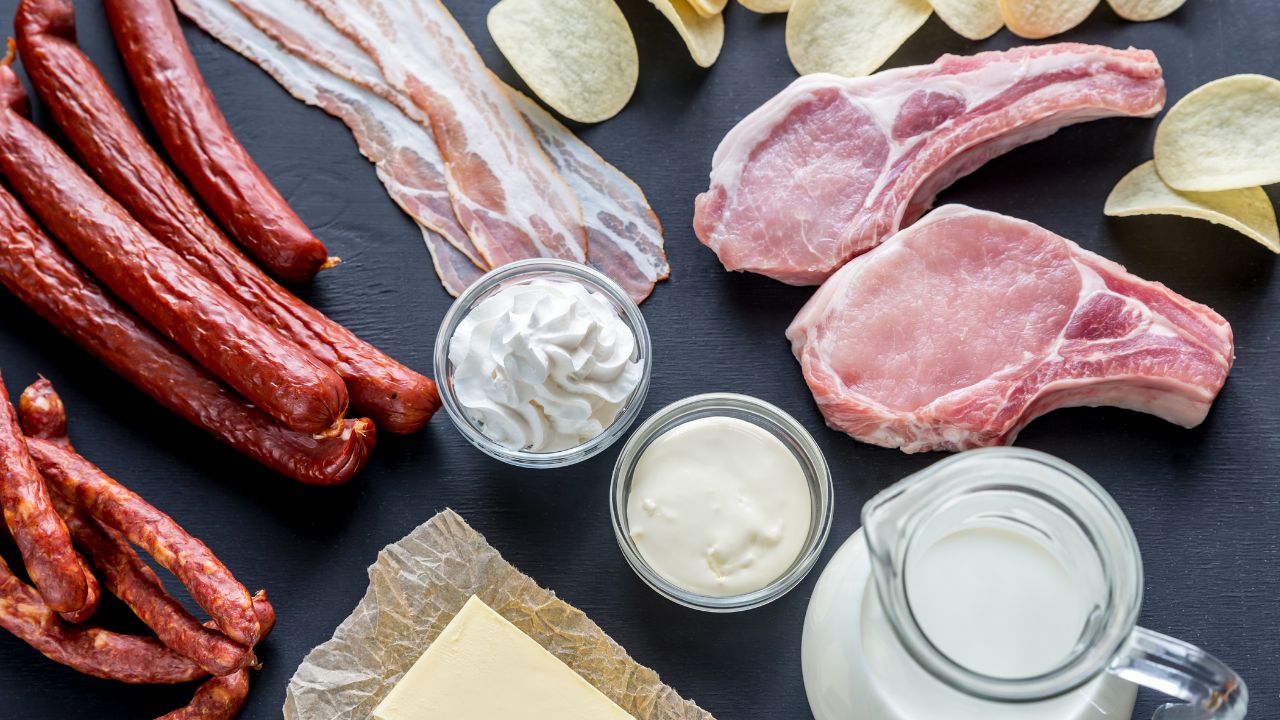
  • Processed meats: Sausages, hot dogs, and frozen pizzas may contain trans fats.

    So, how can you avoid these hidden nasties?

i. Read food labels carefully: Look for “partially hydrogenated oils” and avoid products that list them.
ii. Choose whole foods over processed foods: Fresh fruits, vegetables, and whole grains are naturally trans fat-free.
iii. Limit fried and baked goods: Opt for baked or grilled options whenever possible.
iv. Check for “trans fat-free” labels: Many food manufacturers have reduced or eliminated trans fats from their products.

The Good News:

The good news is that many countries, including the US, have taken steps to limit the use of trans fats in processed foods. This has led to a significant decrease in trans fat consumption and a subsequent drop in heart disease rates.

By being mindful of what you eat and reading food labels carefully, you can take control of your health and avoid the hidden dangers of trans fats. Remember, even small changes can make a big difference in the long run!

Additional Tips:

  • When cooking, opt for healthy oils like olive oil, avocado oil, or canola oil.
  • Choose lean protein sources like fish, beans, and poultry.
  • Get regular exercise to help manage your cholesterol levels.

Let’s all work together to keep trans fats out of our diets and create a healthier future for ourselves and our loved ones.

Tagged : / / / /

8 Morning Rituals to Kickstart Your Day and Curb Cholesterol

8 Morning Rituals to Kickstart Your Day and Curb Cholesterol
Cholesterol, a waxy substance our bodies need for essential functions, can become an enemy when its levels skyrocket. High cholesterol increases the risk of heart disease, stroke, and other health woes. But fret not! Small changes in your morning routine can make a big difference in keeping your cholesterol in check. Here are 8 simple yet powerful ways to start your day right and lower your cholesterol levels:

1. Sip on Citrusy Goodness: Squeezing fresh lemon or grapefruit juice into a glass of warm water is a refreshing and cholesterol-lowering way to begin your day. These tangy fruits are packed with pectin, a soluble fiber that helps bind cholesterol and prevent its absorption in the gut.

2. Embrace the Oats Wave: Oatmeal isn’t just for cold winter mornings. This whole-grain wonder is a powerhouse of soluble fiber, beta-glucan, which actively lowers LDL (“bad”) cholesterol while boosting HDL (“good”) cholesterol. Top your oats with berries, nuts, and seeds for added fiber and heart-healthy fats.

3. Move Your Body: Exercise is nature’s magic potion for good health. A brisk 30-minute morning walk, jog, or yoga session not only gets your blood pumping but also helps burn calories and reduce cholesterol levels. Find an activity you enjoy and make it a daily habit.

4. Swap Sugar for Spice: Ditch the sugary breakfast cereals and pastries for a protein-packed omelet or smoothie. Eggs are excellent sources of choline, which helps regulate cholesterol metabolism, while smoothies made with fruits, vegetables, and plant-based protein powders keep you feeling full and energized.

5. Embrace the Green Giants: Leafy green vegetables like spinach, kale, and collard greens are loaded with nutrients, including fiber, vitamins, and minerals, that contribute to overall heart health and cholesterol management. Add a handful to your smoothie, omelet, or salad for a healthy boost.

6. Snack Smart: Mid-morning cravings are inevitable, but choose wisely. Opt for nuts, seeds, or fruits instead of sugary treats or processed snacks. These nutrient-dense options provide healthy fats, fiber, and antioxidants that can help manage cholesterol levels.

7. Stress Less, Live More: Chronic stress can negatively impact your cholesterol levels. Practice stress-management techniques like meditation, deep breathing, or spending time in nature. Prioritize getting enough sleep, as sleep deprivation can also affect cholesterol balance.

8. Be Mindful of Fats: Not all fats are created equal. Choose healthy fats like avocado, olive oil, and fatty fish over saturated and trans fats found in processed foods, fried foods, and fatty meats. These healthy fats can actually help improve your cholesterol profile.

Remember, consistency is key. By incorporating these simple yet effective practices into your morning routine, you can take control of your cholesterol levels and pave the way for a healthier, happier you.

Bonus Tip: Consult your doctor regularly to monitor your cholesterol levels and discuss personalized strategies for optimal heart health.

Let’s prioritize our health and well-being, one delicious and mindful morning at a time!

Tagged : / / /

6 Reasons Why Roasted Chana is the Best Snack for Your Health

6 Reasons Why Roasted Chana is the Best Snack for Your Health
Looking for a delicious and healthy snack that will keep you coming back for more? Look no further than roasted chana, also known as roasted chickpeas! These little nuggets of goodness are packed with nutrients and offer a variety of health benefits that make them the perfect choice for a mid-morning or afternoon pick-me-up.

Here are just 6 reasons why roasted chana is the best snack for your health:

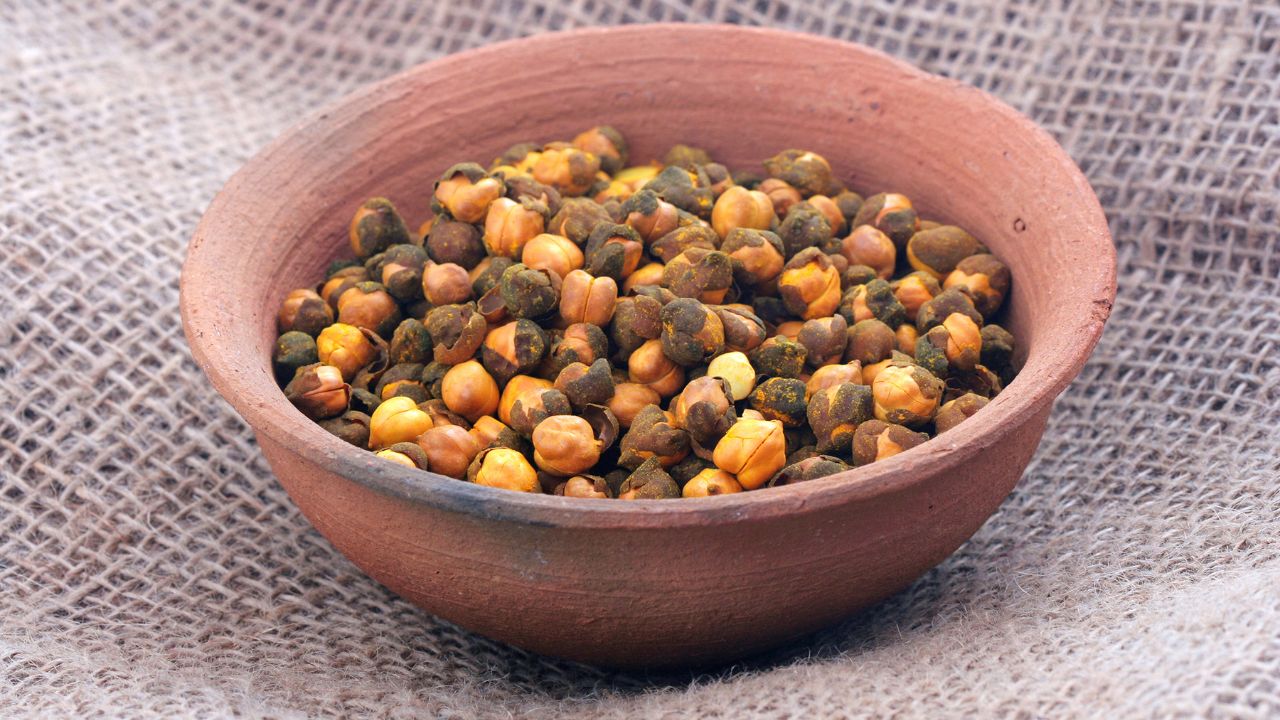
1. Protein Powerhouse: Roasted chana is a fantastic source of plant-based protein, containing around 17 grams per 100-gram serving. This protein helps keep you feeling full and satisfied, preventing unhealthy cravings and overeating.

2. Fiber Fiesta: Chana is also a great source of dietary fiber, with about 6 grams per 100-gram serving. Fiber helps regulate digestion, promotes gut health, and can even lower cholesterol levels.

3. Vitamin and Mineral Vault: Roasted chana is a rich source of essential vitamins and minerals, including folate, iron, phosphorus, manganese, and magnesium. These nutrients play important roles in maintaining overall health and well-being.

4. Low in Calories and Fat: Compared to many other snack options, roasted chana is relatively low in calories and fat. This makes it a great choice for people who are watching their weight or trying to eat a healthy diet.

5. Budget-Friendly and Versatile: Roasted chana is an affordable snack option that is readily available in most grocery stores. You can enjoy them plain, roasted with spices, or even used in salads, curries, and other dishes.

6. Delicious and Satisfying: Perhaps the best reason of all to choose roasted chana is that it’s simply delicious! The satisfying crunch and roasted flavor make it a truly enjoyable snack that you can feel good about indulging in.

So, there you have it! Six reasons why roasted chana is the best snack for your health. Next time you’re looking for a healthy and satisfying snack option, reach for a handful of these crunchy chickpeas. Your body (and taste buds) will thank you!

In addition to the benefits listed above, roasted chana is also a good source of antioxidants, which can help protect cells from damage and reduce the risk of chronic diseases. Additionally, chana is a good source of complex carbohydrates, which provide sustained energy throughout the day.

Overall, roasted chana is a nutritious and delicious snack that can be enjoyed by people of all ages. So, give it a try and see for yourself why it’s the best snack for your health!

Tagged : / / / /

Pearly Whites? Brushing Isn’t Your Only Weapon Against Yellow Teeth!

Pearly Whites? Brushing Isn’t Your Only Weapon Against Yellow Teeth!
We all crave a dazzling smile, but stubborn yellow teeth can dim our confidence. While diligent brushing is key, achieving pearly whites requires a multi-pronged approach. The truth is, brushing alone often falls short, as the article in India Today aptly highlights. Let’s delve into the secrets beyond the toothbrush to combat yellowing and unlock a brighter smile.

Brushing – Yes, but with Finesse:

  • Technique matters: Overzealous scrubbing can erode enamel, revealing the naturally yellow dentin underneath. Opt for gentler circular motions with a soft-bristled brush. Consider switching to an electric toothbrush, which ensures consistent pressure.
  • Brushing frequency: Twice a day is ideal, but avoid brushing immediately after meals. Wait at least 30 minutes to let softened enamel re-harden.

    Tongue matters too! Bacteria on your tongue can contribute to bad breath and staining. Gently brush your tongue with your toothbrush or a tongue scraper for a fresher, cleaner mouth.

Beyond the Brush:

  • Diet detective: Certain foods and beverages – coffee, tea, wine, sugary treats, acidic fruits – can stain teeth. Limit their intake, and rinse your mouth with water after indulging.
  • Smoking Cessation: Tobacco’s tar and nicotine are notorious tooth stainers. Quitting smoking not only brightens your smile but also improves overall health.
  • Professional polish: Regular dental cleanings remove stubborn stains and tartar that brushing can’t reach. Schedule professional cleanings twice a year for a professional-grade shine.

Bonus Tips:

  • Whitening solutions: Consult your dentist about safe and effective home or professional whitening options. Remember, whitening doesn’t work on restorations like crowns or fillings.
  • Natural remedies: Some fruits and vegetables, like strawberries and celery, have natural stain-fighting properties. While their effectiveness is limited, they can be a refreshing and healthy addition to your diet.

Remember, a bright smile is a team effort. By combining good brushing habits with mindful dietary choices, regular dental checkups, and exploring additional options, you can conquer yellow teeth and reveal your most radiant smile

Tagged : / / / /

7 Habits That Dim Your Mental Spark

7 Habits That Dim Your Mental Spark
The brain, our command center, controls everything from our thoughts to our movements. But just like any other organ, it needs our TLC to stay in tip-top shape. Unfortunately, some of our everyday habits can be stealthy brain busters, slowly but surely chipping away at our cognitive prowess. Don’t worry, though! By identifying these culprits, we can protect our precious grey matter and keep our minds sharp for years to come.

1. Sleep Skimming: Cramming that extra episode of your favorite show instead of hitting the hay? Think again! Chronic sleep deprivation is a notorious brain shrinker. When you’re sleep-deprived, your brain struggles to consolidate memories, learn new things, and even make simple decisions. Aim for 7-8 hours of quality sleep each night to keep your brain firing on all cylinders.

2. Junk Food Frenzy: We all know that greasy burgers and sugary treats aren’t exactly health food, but did you know they can also harm your brain? A diet rich in processed junk food can damage brain cells, impair memory, and even increase the risk of dementia. Swap those fries for a colorful salad and swap that soda for a glass of water – your brain will thank you!

3. Multitasking Mania: Juggling ten tasks at once might feel productive, but it’s actually a recipe for mental mayhem. Multitasking forces your brain to constantly switch gears, which can lead to errors, decreased focus, and even increased stress. Focus on one task at a time, and watch your brainpower soar.

4. Tech Trance: We’re all glued to our smartphones, constantly checking emails, scrolling through social media, and consuming endless content. But this digital deluge can overload our brains, making it harder to concentrate, learn, and remember things. Take regular breaks from the tech and give your brain some breathing room.

5. Exercise Enigma: Hitting the gym isn’t just good for your body, it’s a boon for your brain too! Physical activity increases blood flow to the brain, stimulates the growth of new brain cells, and improves memory and cognitive function. So, lace up your shoes and get moving – your brain will be grateful!

6. Stress Storm: Feeling constantly stressed? Your brain isn’t a fan. Chronic stress releases cortisol, a hormone that can damage brain cells and shrink the hippocampus, the area responsible for memory and learning. Manage stress through relaxation techniques like meditation, yoga, or spending time in nature.

7. Learning Lapse: Keeping your brain challenged is crucial for its health. Once you stop learning, your brain starts to shrink. Engage in activities that stimulate your mind, like reading, learning a new language, or taking up a new hobby. Challenge yourself, and keep that brain growing!

Remember, a healthy brain is a happy brain. By avoiding these brain-draining habits and adopting healthy ones, you can ensure your cognitive functions stay sharp and your mind stays vibrant for years to come. So, ditch the junk food, hit the gym, and pick up a good book – your brain will thank you for it!

Tagged : / / /

How Much Coffee is Too Much? Find The Right Amount of Coffee for You!

How Much Coffee is Too Much? Find The Right Amount of Coffee for You!
Ah, coffee. The golden elixir of productivity, the morning motivator, the afternoon pick-me-up. But how much of this beloved brew do you really need to stay alert all day? And, when does that blissful buzz cross over into jittery territory? Let’s navigate the caffeinated waters and find your personal “bean-tiful” balance.

The Alertness Sweet Spot:

Science suggests that most adults can safely and effectively consume up to 400 milligrams (mg) of caffeine per day, roughly equivalent to four standard cups of brewed coffee. This magic number can kickstart cognitive function, improve focus, and boost memory. Remember, though, everyone metabolizes caffeine differently, so your sweet spot might be closer to two cups or even five. Listen to your body!

Fuel Your Focus, Not Your Anxiety:

Exceed that recommended daily intake, and the friendly buzz can morph into something less desirable. We’re talking jitters, anxiety, insomnia, and even digestive woes. Ouch! Aiming for moderation is key to enjoying the benefits of caffeine without the unpleasant side effects.

Know Your Beans:

Not all brews are created equal. A cup of espresso packs a whopping 80mg of caffeine, while a cup of decaf might have under 5mg. Knowing your coffee strengths can help you stay within your optimal range. Consider switching to smaller brewing methods or decaf later in the day to avoid over-caffeination.

Beyond the Mug:

It’s not just coffee that harbors caffeine. Tea, soda, energy drinks, and even chocolate can contribute to your daily intake. Keep an eye on hidden sources and factor them into your caffeine budget.

Listen to Your Body:

The ultimate gauge of your caffeine needs is you. Pay attention to how you feel after a cup. Do you feel energized and focused, or shaky and anxious? Let your body be your guide, and adjust your coffee intake accordingly.

Remember:

  • Moderation is key. Stick to 400mg of caffeine per day as a general guideline.
  • Listen to your body. Adjust your intake based on how you feel.
  • Be mindful of hidden caffeine sources.
  • Consider alternative sources of energy, like exercise or a good night’s sleep.

    Coffee can be a powerful tool for staying alert and productive. But understanding your personal tolerance and brewing a balanced approach is key to enjoying its benefits without getting buzzed out. So, brew wisely, listen to your body, and find your perfect “bean-tiful” balance for a happy, energized you!

Tagged : / / / /

7 Foods That Can Send Your Uric Acid Levels Soaring

7 Foods That Can Send Your Uric Acid Levels Soaring
Uric acid is a natural waste product produced by your body when it breaks down purines, substances found in many foods. While some uric acid is excreted through urine, high levels can crystallize in joints, causing the excruciating pain of gout. If you’re managing uric acid levels, certain foods can act like landmines, triggering flares and discomfort. Let’s explore seven dietary culprits to keep on your radar:

1. Organ Meats

Liver, kidney, heart, and sweetbreads are purine powerhouses. Just a 3-ounce serving of liver packs a whopping 250mg of purines, more than 10 times the daily recommended intake for people with gout. So, skip the pâté and opt for leaner protein sources like chicken or fish.

2. Red Meat

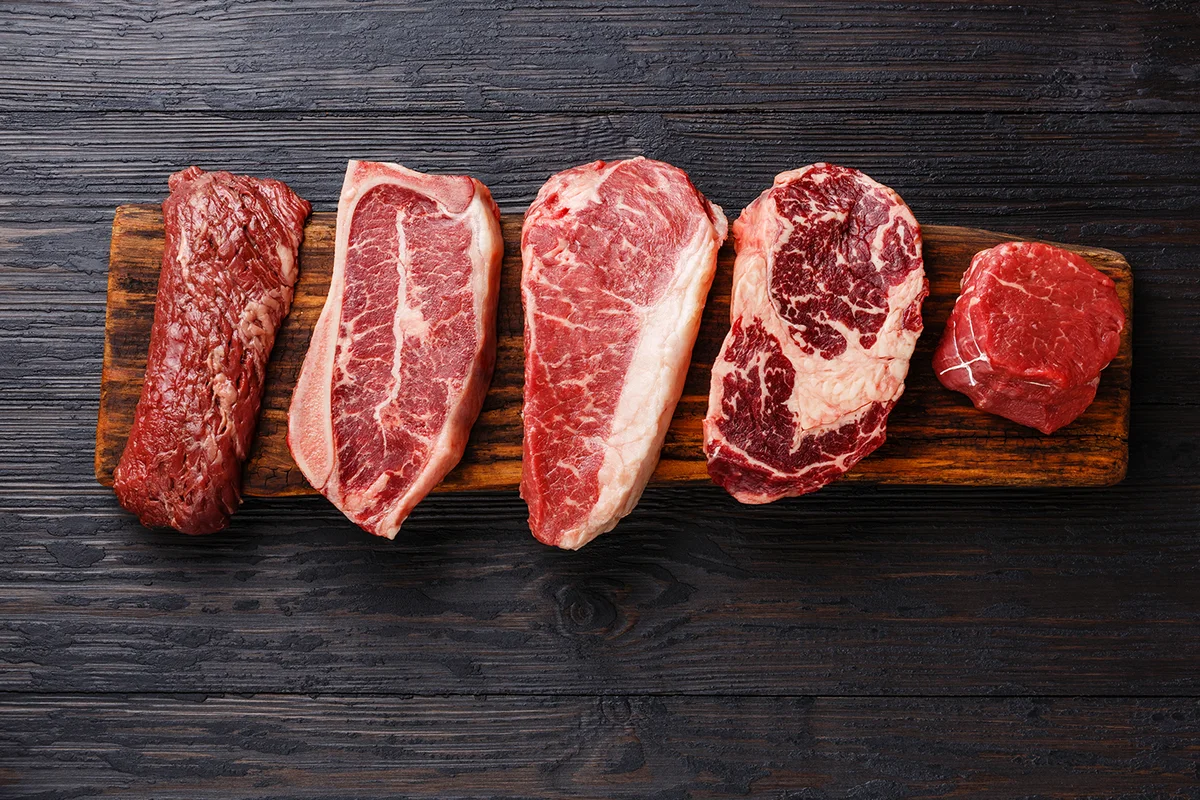
While not as purine-dense as organ meats, red meat like beef, lamb, and pork can still elevate uric acid levels. Moderation is key. Opt for lean cuts and limit portion sizes. Consider replacing red meat with fish, poultry, or plant-based protein sources more often.

3. Certain Seafood

Anchovies, sardines, mussels, and shrimp are purine-rich members of the underwater kingdom. While some fish like tuna and salmon are lower in purines, enjoy them in moderation. Opt for shellfish-free seafood dishes or choose low-purine options like cod or haddock.

4. Sugary Drinks and Sweets

Fructose, a sugar found in sugary drinks and sweets, can increase uric acid production. Ditch the soda, fruit juices, and candy, and quench your thirst with water or unsweetened tea. Choose whole fruits over sugary desserts for a natural sweetness fix.

5. Alcohol

Alcohol, especially beer, is a double whammy for uric acid. It not only contains purines but also hinders your kidneys’ ability to excrete uric acid. Limit alcohol intake or consider abstaining altogether if you struggle with high uric acid levels.

6. Yeast Extract

Found in processed foods like gravies, soups, and savory snacks, yeast extract is a concentrated source of purines. Be mindful of hidden sources and check food labels carefully. Opt for homemade sauces and broths whenever possible.

7. High-Fructose Corn Syrup

This sneaky sweetener lurks in many packaged foods and beverages. Its high fructose content can contribute to increased uric acid production. Choose whole, unprocessed foods and read labels carefully to avoid hidden HFCS.

Remember:

While these foods can increase uric acid levels, it’s important to note that individual responses vary. Consult your doctor or a registered dietitian for personalized dietary guidance based on your specific needs and health conditions. By making informed food choices and managing purine intake, you can keep your uric acid levels in check and enjoy a gout-free life.

In addition to the foods mentioned above, here are some other tips for managing uric acid levels:

  • Maintain a healthy weight
  • Drink plenty of water
  • Exercise regularly
  • Manage stress

By following these tips, you can improve your overall health and well-being.

Tagged : / / / /

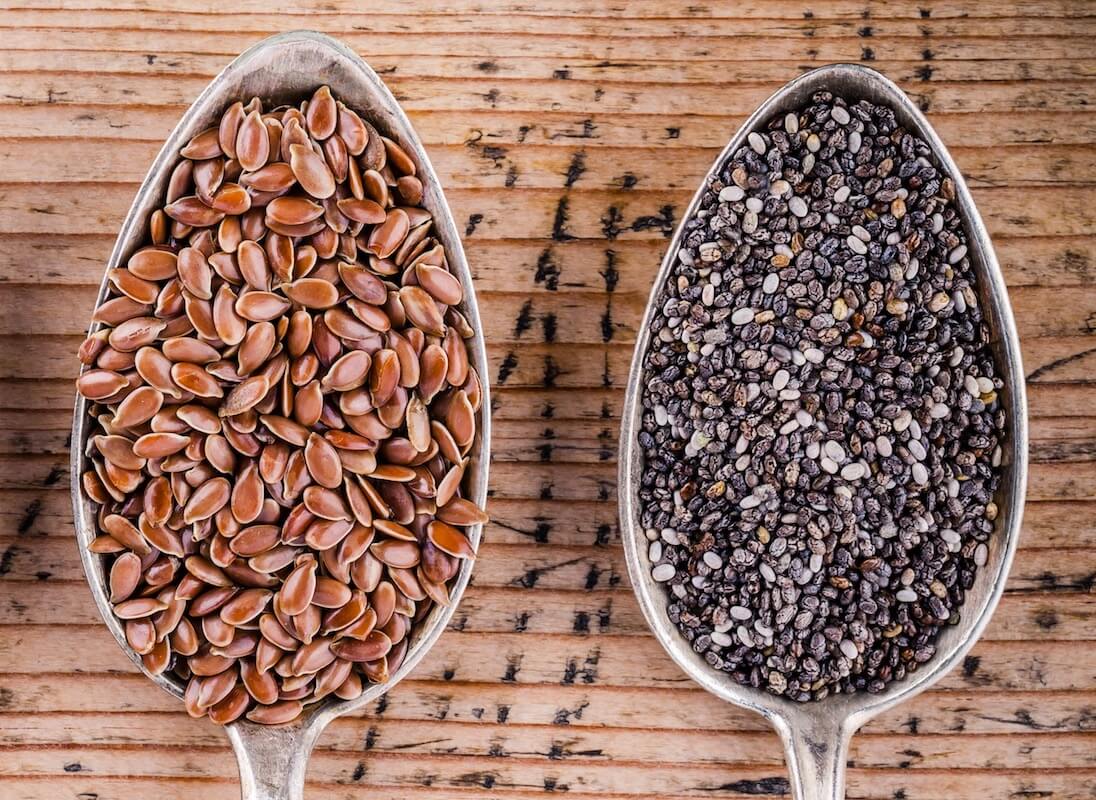
Flax Seeds or Chia Seeds: Which Is The Better Option for Weight Loss?

Flax Seeds or Chia Seeds: Which Is The Better Option for Weight Loss?
When it comes to weight loss, superfoods often take center stage. Among the trendiest contenders are flax seeds and chia seeds, both brimming with nutrients and promising a path to a slimmer you. But before you blindly sprinkle them on everything, let’s crack the code and see which one reigns supreme in the weight loss arena.

Fiber Frenzy: The Appetite-Suppressing Duo

Both flax and chia seeds are fiber superstars, with flaxseeds packing a whopping 12 grams per 2 tablespoons and chia seeds coming in at a respectable 10 grams. This dietary fiber, especially the soluble kind, is your secret weapon against hunger pangs. It forms a gel in your gut, slowing down digestion and keeping you feeling fuller for longer. This means fewer cravings and potentially smaller portions at mealtimes, setting you on the calorie-reduction track.

Flaxseeds: The Omega-3 Edge

Flaxseeds boast a hidden treasure: plant-based omega-3 fatty acids. These good fats not only contribute to heart health but also play a role in regulating appetite and metabolism. Studies suggest that omega-3s may increase satiety and reduce calorie intake, making flaxseeds a potential ally in your weight loss journey.

Chia Seeds: The Hydration Hero

Chia seeds have a unique trick up their sleeve: they absorb water and transform into a gel-like pudding. This not only adds bulk to your meals but also keeps you hydrated, a crucial factor for weight management. Proper hydration can boost metabolism, curb cravings, and even prevent overeating. So, chia seeds might be your perfect partner if staying hydrated is your Achilles’ heel.

Nutritional Nuances: Beyond the Fiber Fight

While both seeds are nutritional powerhouses, their profiles differ slightly. Flaxseeds are richer in protein, potassium, and magnesium, while chia seeds are champions of calcium, iron, and antioxidants. Ultimately, the choice depends on your individual needs and dietary gaps.

The Verdict: A Tie with Different Trophies

So, who wins the weight-loss crown? The truth is, it’s a tie, but with different trophies. Flaxseeds might take the lead for their higher fiber and omega-3 content, while chia seeds shine with their hydration prowess and unique nutritional profile.

The Real Winner: You!

The real winner in this battle is you! The key is to incorporate both seeds into your diet in ways you enjoy. Sprinkle them on smoothies, porridge, yogurt, or salads. Bake them into bread or muffins. Make chia pudding or flaxseed crackers. Experiment and find what works for you. Remember, a healthy, balanced diet with regular exercise is the ultimate recipe for successful weight loss, and these little seeds can be valuable additions to your culinary journey.

Bonus Tip: Grind flaxseeds before consuming them to enhance their nutrient absorption. Chia seeds, on the other hand, can be enjoyed whole or ground.

So, ditch the diet wars and embrace the power of both flax and chia seeds! Let them be your tiny nutritional allies on your path to a healthier, happier you.

Tagged : / / / / /

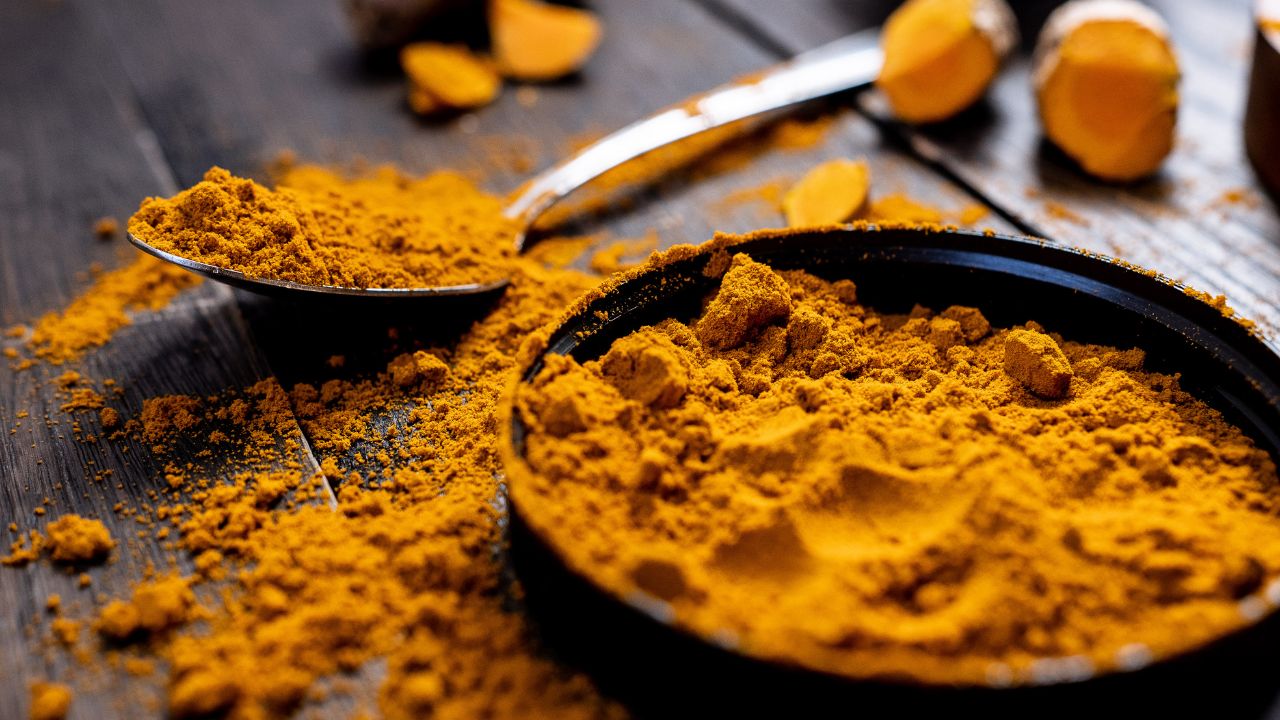
Why Everyone’s Sipping on Turmeric Shots and You Should Too!

Why Everyone’s Sipping on Turmeric Shots and You Should Too!
In the age of juice cleanses and superfood smoothies, there’s a new health elixir taking the wellness world by storm: the turmeric shot. This potent little concoction packs a punch of antioxidants and anti-inflammatory properties, promising a myriad of health benefits for your body. But is the hype real, or just another fad?

Turmeric Powerhouse:

The star ingredient, turmeric, has been revered for centuries in Ayurveda for its medicinal properties. Its vibrant orange hue comes from curcumin, a powerful compound with anti-inflammatory and antioxidant effects. These properties are linked to a range of potential health benefits, including:

  • Boosts immunity: Curcumin can help fight off infections and viruses, keeping you feeling your best.
  • Reduces inflammation: Chronic inflammation is linked to various diseases, and turmeric can help reduce it, potentially easing pain and stiffness.
  • Improves digestion: Turmeric can stimulate bile production and aid digestion, alleviating bloating and discomfort.
  • Brainpower booster: Curcumin may improve cognitive function and memory, potentially reducing the risk of Alzheimer’s disease.
  • Glowing skin: Turmeric’s antioxidants can combat free radical damage, promoting healthy, radiant skin.

The Shot of Wellness:

Turmeric shots are typically small, concentrated doses of turmeric blended with other ingredients like ginger, lemon, black pepper, and honey to enhance flavor and absorption. Taking a shot daily can be an easy way to reap the benefits of this wonder spice.

DIY or Buy Pre-made?

Making your own turmeric shots is quite simple. Just blend fresh turmeric root or powder with your choice of ingredients and enjoy! However, if you’re short on time, pre-made shots are readily available in health stores and online. Just be sure to check the ingredients for added sugars or preservatives.

A Word of Caution:

While turmeric is generally safe for most people, it’s crucial to check with your doctor before consuming it, especially if you have any underlying health conditions or are taking medications.

So, should you try the turmeric shot?

If you’re looking for a natural way to boost your health and well-being, the turmeric shot is definitely worth a try. Just remember, consistency is key. Make it a daily ritual, and your body will thank you for it with improved immunity, reduced inflammation, and a radiant glow from the inside out!

Cheers to your health!

Tagged : / / /

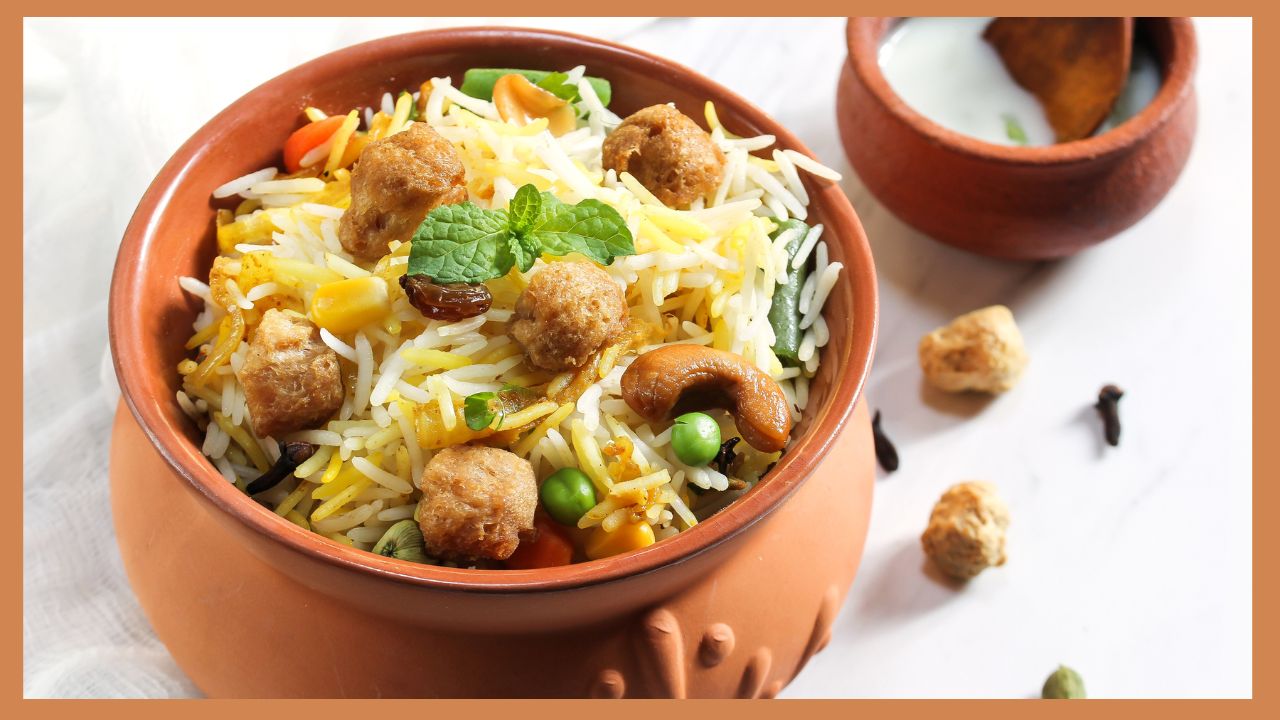
Soya Chunks: The Meatless Marvel And Its 8 Amazing Benefits

Soya Chunks: The Meatless Marvel And Its 8 Amazing Benefits
Soya chunks, also known as textured vegetable protein (TVP), have emerged as a popular meat alternative for vegetarians and vegans alike. But their appeal goes beyond just being a meat substitute. These little nuggets pack a powerful punch of nutrients, making them a valuable addition to any diet.

1. Protein Powerhouse: Soya chunks are champions of protein, containing around 50% protein by weight. This is more than double the amount found in tofu and even rivals that of lean beef. Protein is essential for building and repairing tissues, keeping you feeling full and energized, and supporting a healthy metabolism.

2. Low-fat and Fabulous: Unlike fatty meats, soya chunks are naturally low in fat, making them a heart-friendly choice. They’re also cholesterol-free, further adding to their cardiovascular benefits. So, indulge in your favorite soya curry or stir-fry without worrying about piling on unhealthy fats.

3. Fiber Fiesta: Soya chunks are a treasure trove of dietary fiber, essential for gut health and digestion. Fiber keeps you feeling full and prevents blood sugar spikes, making it a friend for weight management and diabetes control.

4. Calcium Craze: Soya chunks are a rich source of calcium, a mineral crucial for strong bones and teeth. This is particularly beneficial for vegans and people with lactose intolerance who might struggle to meet their daily calcium needs.

5. Magnesium Magic: Soya chunks are also a good source of magnesium, a mineral involved in over 300 biochemical reactions in the body. Magnesium plays a vital role in muscle function, energy production, and mood regulation.

6. Iron Inspiration: Feeling tired and sluggish? Soya chunks might be the answer. They’re a good source of iron, which helps transport oxygen throughout the body, combating fatigue and anemia.

7. Phytoestrogen Flair: Soya chunks contain phytoestrogens, plant-based compounds with estrogen-like effects. These may help balance hormones, alleviate menopausal symptoms, and even reduce the risk of certain cancers.

8. Versatile and Delicious: Soya chunks are incredibly versatile in the kitchen. They can be minced, crumbled, or chopped to mimic the texture of ground meat, making them perfect for curries, bolognese, tacos, and even kebabs. Their bland flavor readily absorbs the spices and sauces you cook them in, making them a culinary chameleon.

So, next time you’re looking for a healthy, protein-packed, and versatile ingredient, give soya chunks a try. Your body and taste buds will thank you!

Remember, moderation is key. While soya chunks offer a multitude of health benefits, it’s important to consume them in moderation as part of a balanced diet.

Tagged : / / / /
Verified by ExactMetrics