Do You Know The Connection Between Lifestyle and Genetics in Cancer?

Do You Know The Connection Between Lifestyle and Genetics in Cancer?
Cancer, a complex group of diseases characterized by the uncontrolled growth and spread of abnormal cells, remains one of the most significant health challenges worldwide. While advancements in research and treatment have led to improved outcomes for many cancer patients, the incidence of cancer continues to rise globally. Understanding the interplay between lifestyle factors and genetic predisposition is crucial in comprehending this alarming trend.

Lifestyle Factors:

Modern lifestyles characterized by sedentary behavior, poor dietary choices, smoking, excessive alcohol consumption, and exposure to environmental toxins have been strongly linked to an increased risk of cancer. High-calorie, low-nutrient diets rich in processed foods, red and processed meats, and sugary beverages have been implicated in the development of various cancers, including colorectal, breast, and pancreatic cancer. Lack of physical activity and obesity are significant risk factors for several types of cancer, including breast, colon, and endometrial cancer.

Smoking remains the leading preventable cause of cancer worldwide, accounting for a substantial proportion of lung, throat, mouth, and bladder cancers. Additionally, excessive alcohol consumption is associated with an elevated risk of liver, breast, colorectal, and esophageal cancer. Environmental factors such as air and water pollution, exposure to carcinogens in the workplace, and ultraviolet (UV) radiation from the sun also contribute to the burden of cancer.

Genetic Predisposition:

While lifestyle factors play a crucial role in cancer development, genetic predisposition also significantly influences an individual’s susceptibility to certain types of cancer. Mutations in specific genes, inherited from parents, can increase the likelihood of developing cancer. For instance, mutations in the BRCA1 and BRCA2 genes are strongly associated with an increased risk of breast, ovarian, and prostate cancer. Similarly, individuals with certain genetic syndromes, such as Lynch syndrome and familial adenomatous polyposis (FAP), have a higher predisposition to colorectal cancer.

The Interplay Between Lifestyle and Genetics:

The rising incidence of cancer can be attributed to the complex interplay between lifestyle factors and genetic predisposition. While genetic factors contribute to an individual’s inherent risk of developing cancer, lifestyle choices can modulate gene expression and influence cancer development. For example, individuals with a genetic predisposition to colorectal cancer can reduce their risk by adopting a healthy lifestyle that includes regular physical activity, a balanced diet rich in fruits and vegetables, and avoiding smoking and excessive alcohol consumption.

Conclusion:

In conclusion, the rising incidence of cancer underscores the importance of addressing both modifiable lifestyle factors and genetic predisposition in cancer prevention and control efforts. Promoting healthy behaviors, early detection, and access to quality healthcare are essential in reducing the burden of cancer and improving outcomes for individuals affected by this devastating disease. By raising awareness and implementing comprehensive strategies, we can strive towards a future where cancer incidence is reduced, and lives are saved.

Tagged : / / /

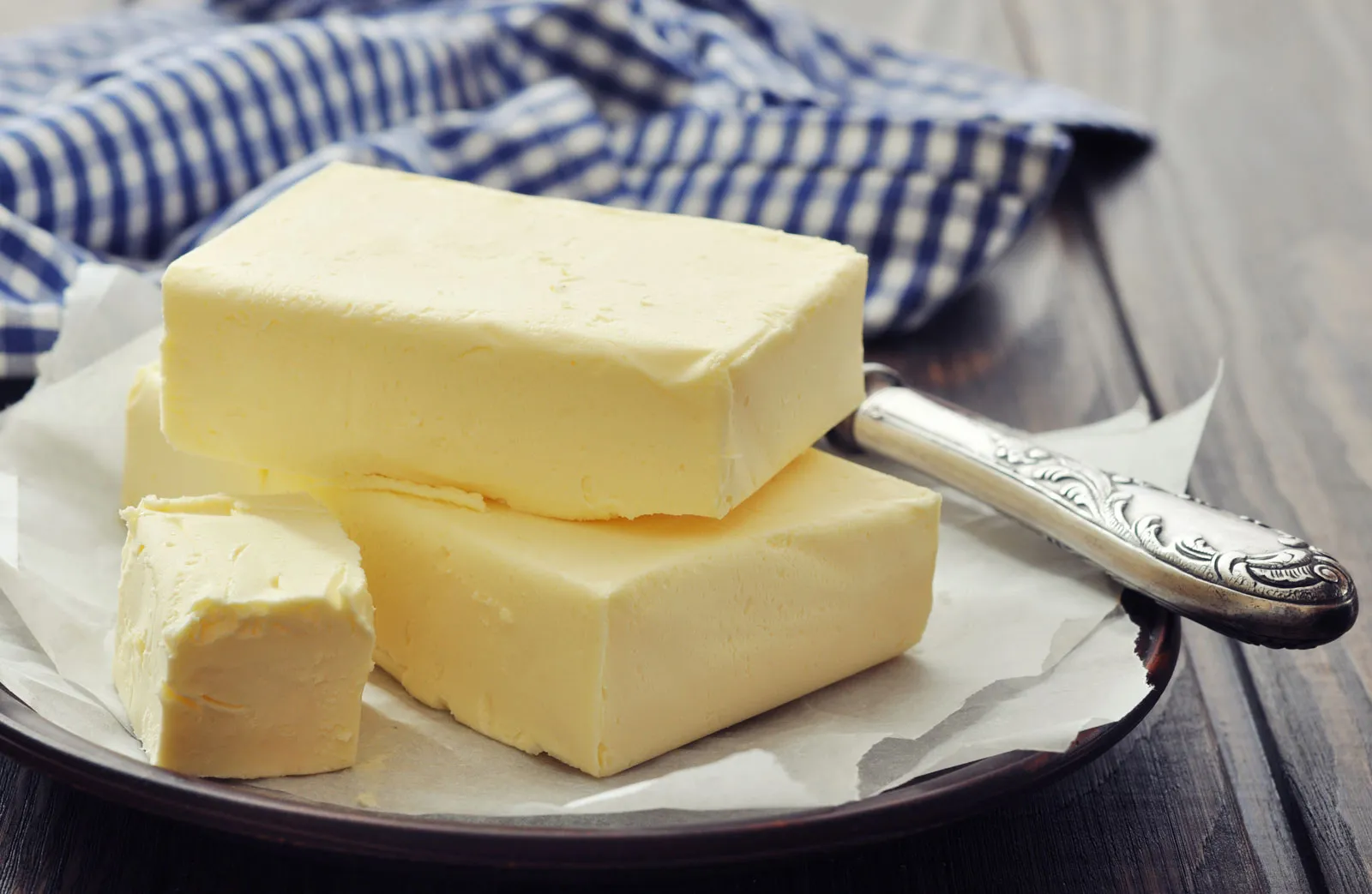
Butter or Margarine: Which One Should You Eat?

Butter or Margarine: Which One Should You Eat?
In the realm of spreads, two contenders have long vied for a place on our tables: butter and margarine. For decades, the debate over which is better for our health has sparked controversy and confusion. So, which should you choose to include in your diet? Let’s delve into the pros and cons of each to help you make an informed decision.

Butter:

Butter is a dairy product made by churning fresh or fermented cream or milk to separate the butterfat from the buttermilk. It is primarily composed of milk fat, water, and milk proteins. Butter has a rich, creamy texture and a distinct flavor that varies depending on factors such as the animal source (e.g., cow, goat) and the processing method. It has been a staple in cooking, baking, and food preparation for centuries, prized for its culinary versatility and ability to enhance the flavor and texture of dishes.

Pros:

i. Natural Flavor: Butter, made from churned cream, offers a rich, creamy flavor that many find irresistible.
ii. Rich in Fat-Soluble Vitamins: Butter is a good source of fat-soluble vitamins like A, E, and K, which play vital roles in maintaining overall health.
iii. Minimal Processing: Traditional butter is minimally processed, making it a more natural option compared to some margarine varieties.
iv. Flavor Enhancement: Butter adds depth and richness to dishes, enhancing their overall taste and texture.

Cons:

i. High in Saturated Fat: Butter is high in saturated fat, which, when consumed in excess, can raise cholesterol levels and increase the risk of heart disease.
ii. Lacks Essential Fatty Acids: Unlike some vegetable oils, butter does not contain essential fatty acids, which are important for overall health.
iii. Potential for Dairy Allergies: Butter is derived from dairy, making it unsuitable for individuals with dairy allergies or lactose intolerance.
iv. Caloric Density: Butter is calorie-dense, meaning it can contribute to weight gain if consumed excessively.

Margarine:

Margarine is a spread derived from vegetable oils, such as soybean, corn, canola, or sunflower oil. It was originally developed in the late 19th century as a cheaper alternative to butter. Margarine undergoes a process called hydrogenation, where hydrogen atoms are added to unsaturated fats to make them solid at room temperature. This process creates a spreadable product with a texture similar to butter. Over the years, margarine has evolved to include various formulations, including those that are low in saturated fat, trans fat-free, and suitable for vegan or dairy-free diets. Margarine is widely used as a spread on bread, toast, and crackers, as well as in baking and cooking applications.

Pros:

i. Lower in Saturated Fat: Many margarine products are formulated to be low in saturated fat or free from trans fats, making them a heart-healthier option compared to butter.
ii. Fortified with Vitamins: Some margarine brands are fortified with vitamins such as A, D, and E, providing additional nutritional benefits.
iii. Suitable for Vegans: Plant-based margarine options are available, making them suitable for individuals following a vegan or dairy-free diet.
iv. Versatility: Margarine can be used as a spread, for baking, or for cooking, offering versatility in culinary applications.

Cons:

i. Trans Fats: Some margarine products may contain trans fats, which are associated with an increased risk of heart disease and other health issues.
ii. Processing: Margarine undergoes processing, which may involve hydrogenation or other methods that can affect its nutritional profile and increase the presence of unhealthy fats.
iii. Artificial Additives: Some margarine varieties contain artificial additives, preservatives, and flavorings, which may not be desirable for those seeking natural options.
iv. Potential for Oxidation: Margarine can undergo oxidation when exposed to heat or light, leading to the formation of harmful compounds.

Conclusion:

When it comes to choosing between butter and margarine, there is no one-size-fits-all answer. Both options have their pros and cons, and the best choice depends on individual health needs, dietary preferences, and culinary considerations. For those seeking a more natural option with a rich flavor, butter may be the preferred choice, while margarine may be a suitable alternative for those looking to reduce saturated fat intake or follow a plant-based diet. Ultimately, moderation and balance are key, and incorporating a variety of fats and oils into your diet is recommended for optimal health and enjoyment.

Tagged : / / /

The 7 Most Beautiful Ancient Temples in India You Must Visit In This Lifetime

The 7 Most Beautiful Ancient Temples in India You Must Visit In This Lifetime
India, a land of myriad cultures and traditions, is adorned with architectural marvels that stand as testaments to its rich heritage. Among these, ancient temples hold a special place, reflecting the spiritual fervor and artistic excellence of bygone eras. Let’s embark on a virtual journey through the corridors of time to explore the seven most captivating ancient temples in India.

1. Khajuraho Temples, Madhya Pradesh:

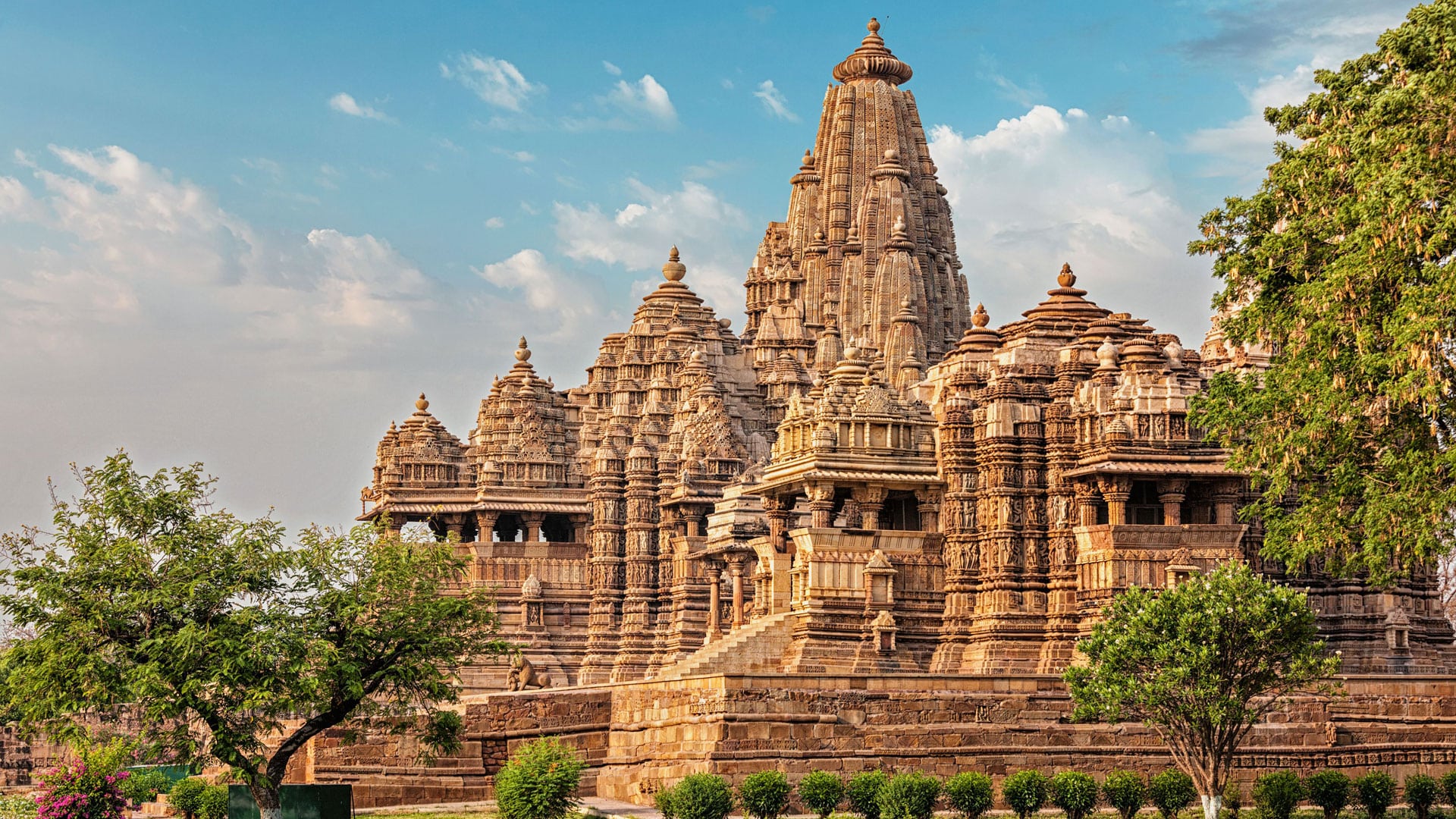
Specialties: The Khajuraho Group of Monuments, a UNESCO World Heritage Site, is renowned for its exquisite sculptures depicting various facets of life. These temples, built between 950 and 1050 CE by the Chandela dynasty, feature intricate carvings showcasing sensuality, spirituality, and everyday activities. The most famous among them are the Kandariya Mahadeva Temple, Lakshmana Temple, and Vishvanatha Temple.

2. Konark Sun Temple, Odisha:

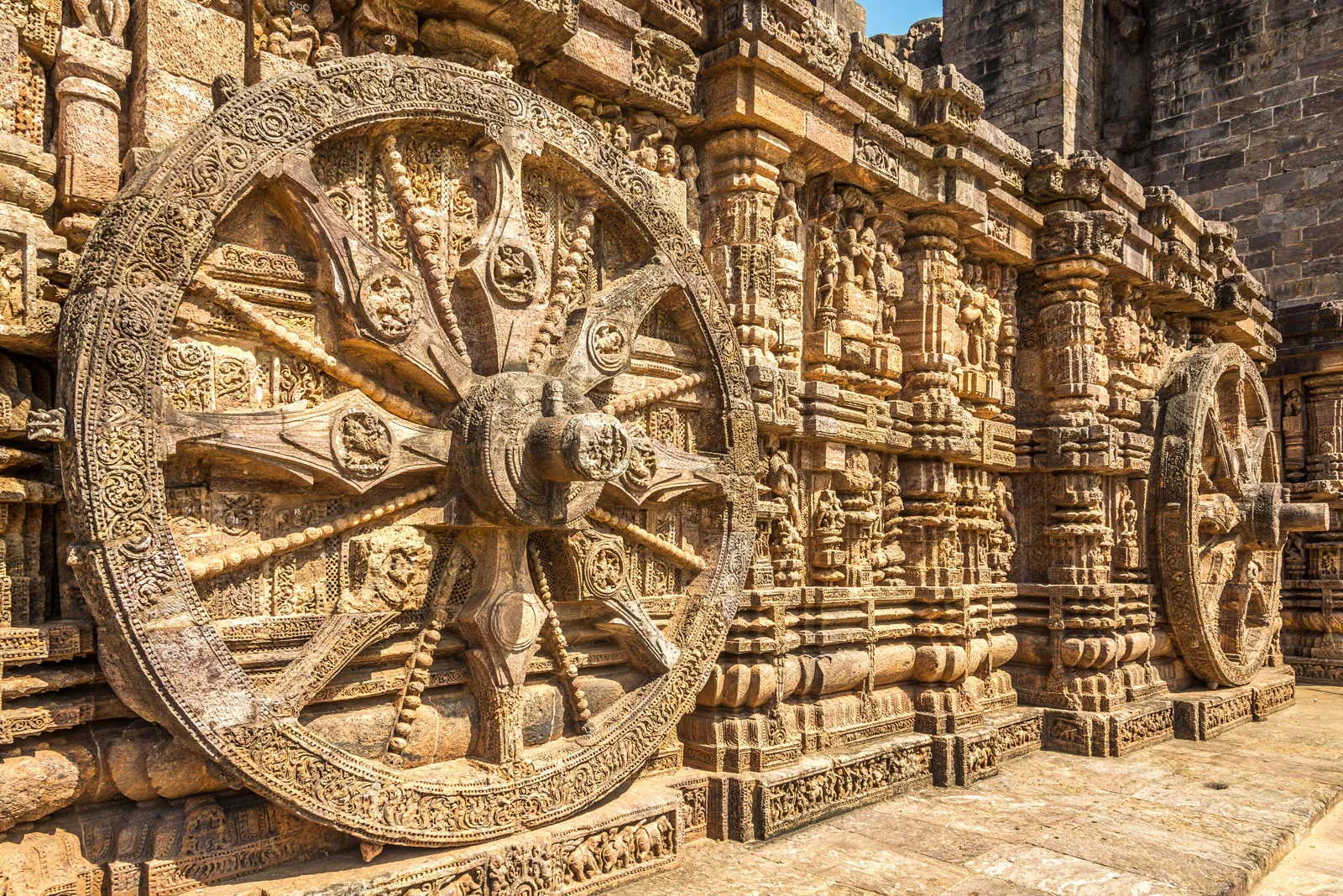
Specialties: Dedicated to the sun god Surya, the Konark Sun Temple is a masterpiece of Odishan architecture. Built in the 13th century by King Narasimhadeva I, the temple is designed in the shape of a colossal chariot with intricately carved wheels, pillars, and walls. The temple’s Konark wheel, a UNESCO World Heritage Site, is an engineering marvel that serves as a sundial, accurately predicting time.

3. Brihadeeswarar Temple, Tamil Nadu:

Specialties: Also known as the Big Temple, the Brihadeeswarar Temple in Thanjavur is a testament to the architectural brilliance of the Chola dynasty. Built in the 11th century by King Raja Raja Chola I, this temple is renowned for its towering vimana (tower), which stands as one of the tallest in the world. The temple’s massive monolithic lingam and intricate frescoes add to its grandeur.

4. Meenakshi Amman Temple, Tamil Nadu:

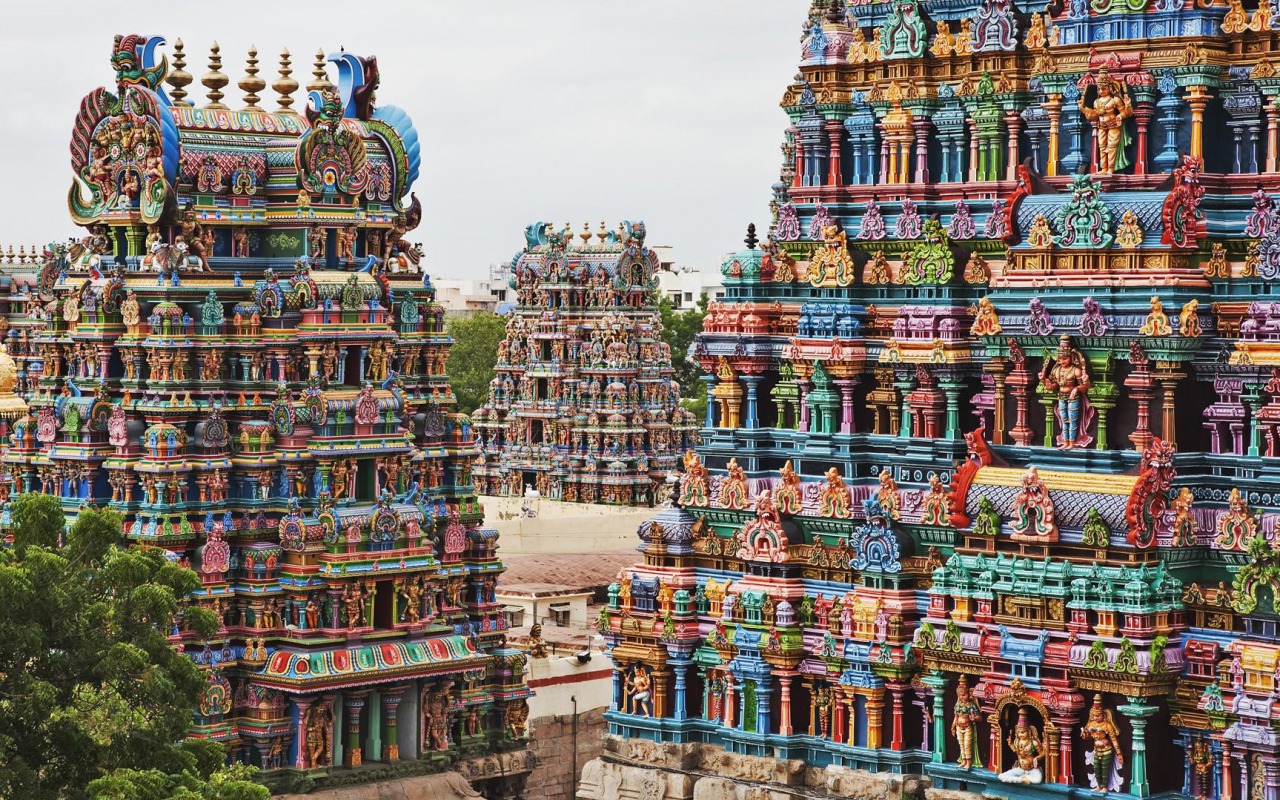
Specialties: The Meenakshi Amman Temple in Madurai is a splendid example of Dravidian architecture and one of the most revered temples in South India. Dedicated to Goddess Meenakshi (an avatar of Parvati) and her consort Lord Sundareswarar (Shiva), this temple complex is adorned with towering gopurams (gateway towers) intricately carved with mythological figures and deities. The temple’s Hall of Thousand Pillars, with its exquisite sculptures and musical pillars, is a marvel of craftsmanship and engineering. Visitors are captivated by the vibrant rituals, festivals, and cultural performances that enliven the spiritual atmosphere of Meenakshi Temple.

5. Dilwara Temples, Rajasthan:

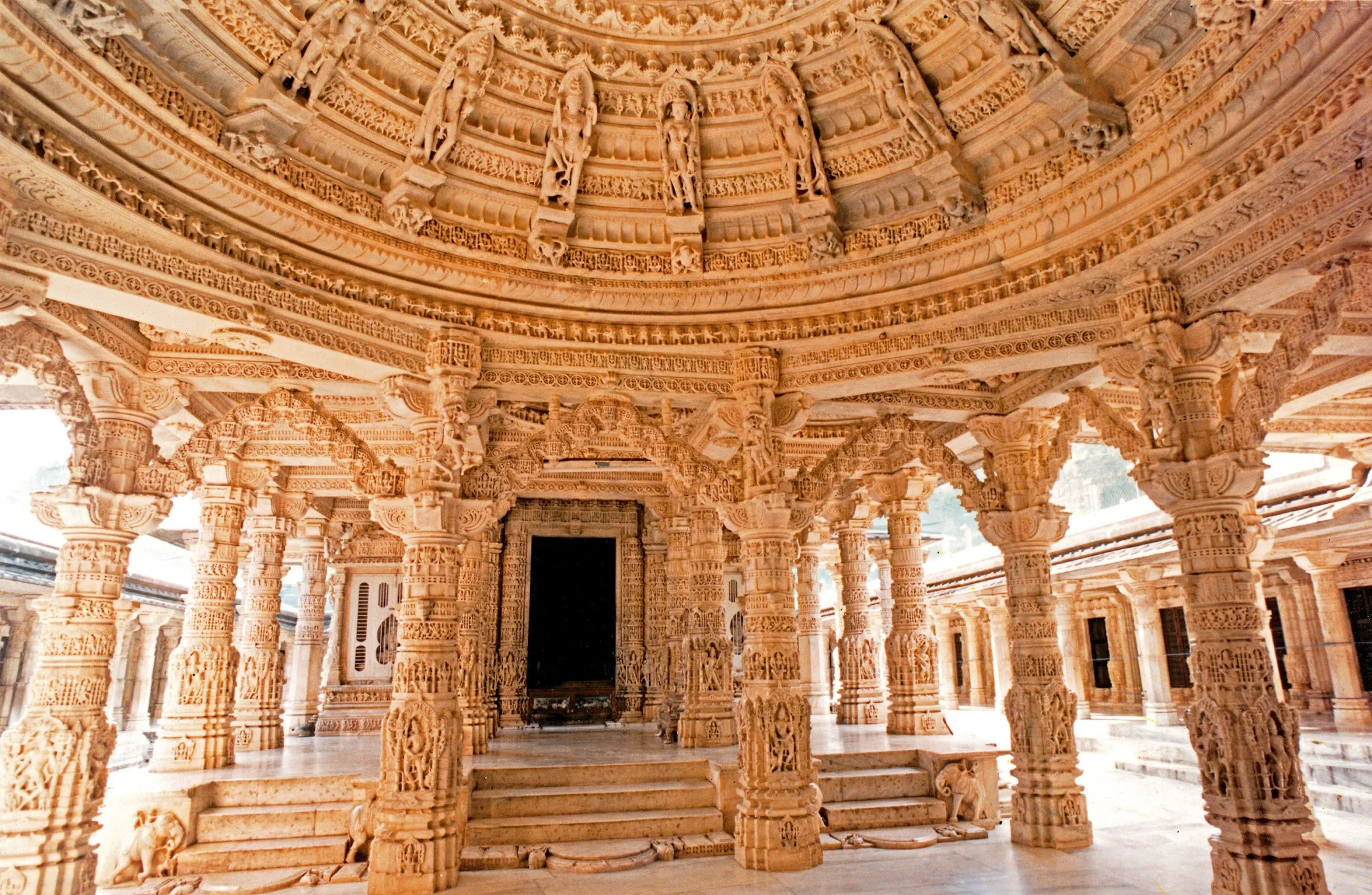
Specialties: Nestled amidst the lush Aravalli hills in Mount Abu, the Dilwara Temples are architectural gems of the Jain community. Built between the 11th and 13th centuries, these temples are renowned for their intricate marble carvings, which exhibit remarkable craftsmanship and attention to detail. The Vimal Vasahi and Luna Vasahi temples are prime examples of Dilwara’s architectural splendor.

6.Kailasa Temple, Maharashtra:

Specialties: Carved out of a single rock, the Kailasa Temple in Ellora is a stunning example of ancient rock-cut architecture. Built in the 8th century under the patronage of the Rashtrakuta dynasty, this monolithic marvel is dedicated to Lord Shiva. The temple’s intricate carvings, including depictions of deities, mythological scenes, and celestial beings, leave visitors spellbound.

7.Badami Cave Temples, Karnataka

The Badami Cave Temples, nestled in the picturesque town of Badami in Karnataka, stand as a testament to the architectural prowess and spiritual fervor of ancient India. Carved into the rugged sandstone cliffs that overlook the Agastya Lake, these rock-cut temples date back to the 6th century CE, during the reign of the Chalukya dynasty. The complex comprises four main cave temples dedicated to Hindu deities—Lord Shiva, Lord Vishnu, and the Jain Tirthankaras. Each cave is adorned with intricately carved sculptures and bas-reliefs depicting scenes from Hindu mythology and Jain iconography, showcasing a seamless blend of Dravidian and Nagara architectural styles. The highlight of the Badami Cave Temples is the exquisitely sculpted pillars, ceilings, and panels that captivate visitors with their fine craftsmanship and attention to detail. These temples serve as significant pilgrimage sites and cultural landmarks, offering a glimpse into the rich heritage and religious diversity of ancient India.

Each of these ancient temples not only showcases the architectural prowess of their respective eras but also serves as spiritual sanctuaries that continue to inspire awe and reverence in the hearts of millions. As custodians of India’s cultural heritage, these temples stand as living testimonials to the country’s rich and vibrant past, inviting visitors to immerse themselves in their timeless grandeur.

Tagged : / / / /
Verified by ExactMetrics