Milk: Nature’s Secret Weapon for a Flawless Face

Milk: Nature’s Secret Weapon for a Flawless Face
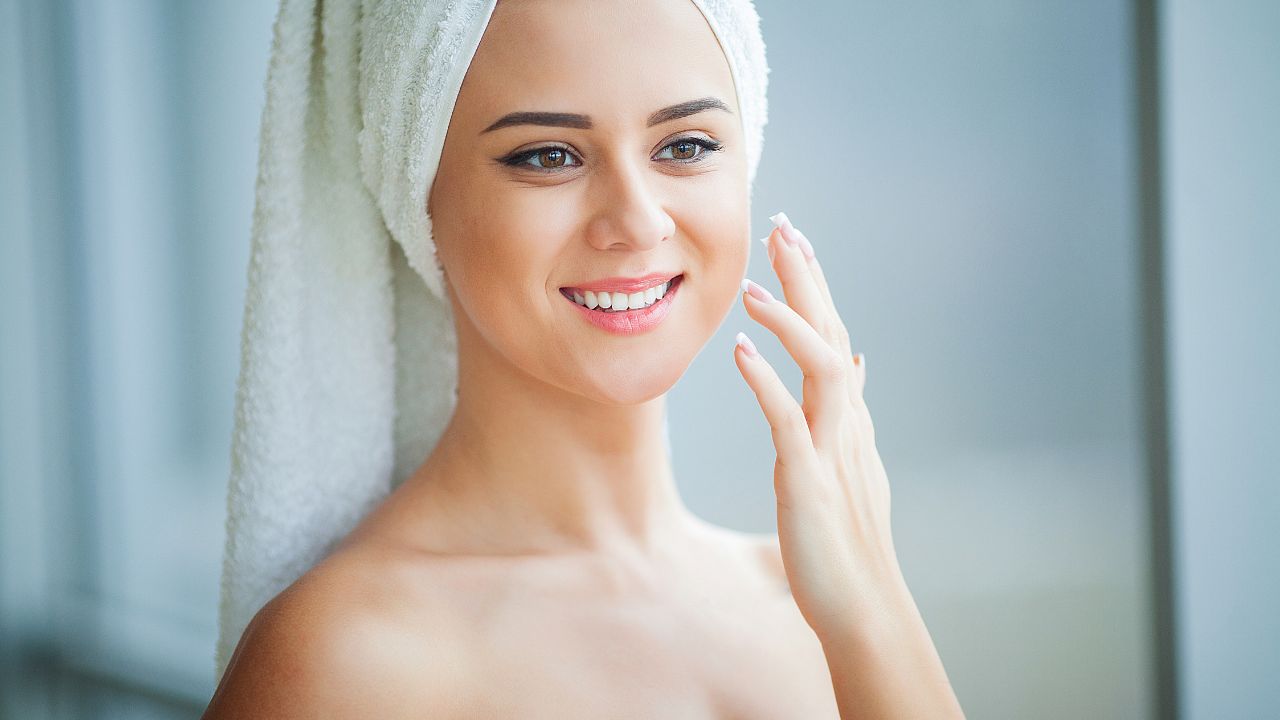
Forget fancy serums and expensive creams – sometimes, the best beauty secrets are hiding in plain sight, right in your fridge. Yes, we’re talking about milk! This surprisingly versatile beverage isn’t just good for your bones – it can also work wonders for your skin, offering a treasure trove of benefits you can unlock with simple DIY face packs.

1. Natural Hydration Hero: Ditch the drying cleansers and embrace the gentle touch of milk. Packed with lactic acid, a natural alpha-hydroxy acid, milk effectively removes dead skin cells and impurities, leaving your skin feeling soft, smooth, and deeply hydrated. Plus, its natural fats and proteins act as a moisture barrier, locking in hydration for a dewy, healthy glow.

2. Acne Blasting Buddy: Lactic acid’s exfoliating prowess extends to tackling acne woes. This mild AHA unclogs pores, prevents breakouts, and even diminishes the appearance of existing blemishes. Milk’s anti-inflammatory properties help soothe existing pimples and calm redness, leaving your skin clear and calm.

3. Anti-Aging Magic Potion: Wrinkles? Not on milk’s watch! Rich in vitamins A and D, milk acts as a natural antioxidant, fighting free radicals that contribute to premature aging. Its protein content stimulates collagen production, keeping your skin firm and elastic, minimizing the appearance of fine lines and wrinkles. Hello, youthful radiance!

4. Gentle Exfoliator Extraordinaire: Forget harsh scrubs that leave your skin irritated. Milk’s lactic acid offers a gentle, yet effective, exfoliation, dissolving dead cells and revealing a brighter, more even-toned complexion. This natural alternative promotes cell turnover, leaving your skin looking fresh and revitalized, without any redness or sensitivity.
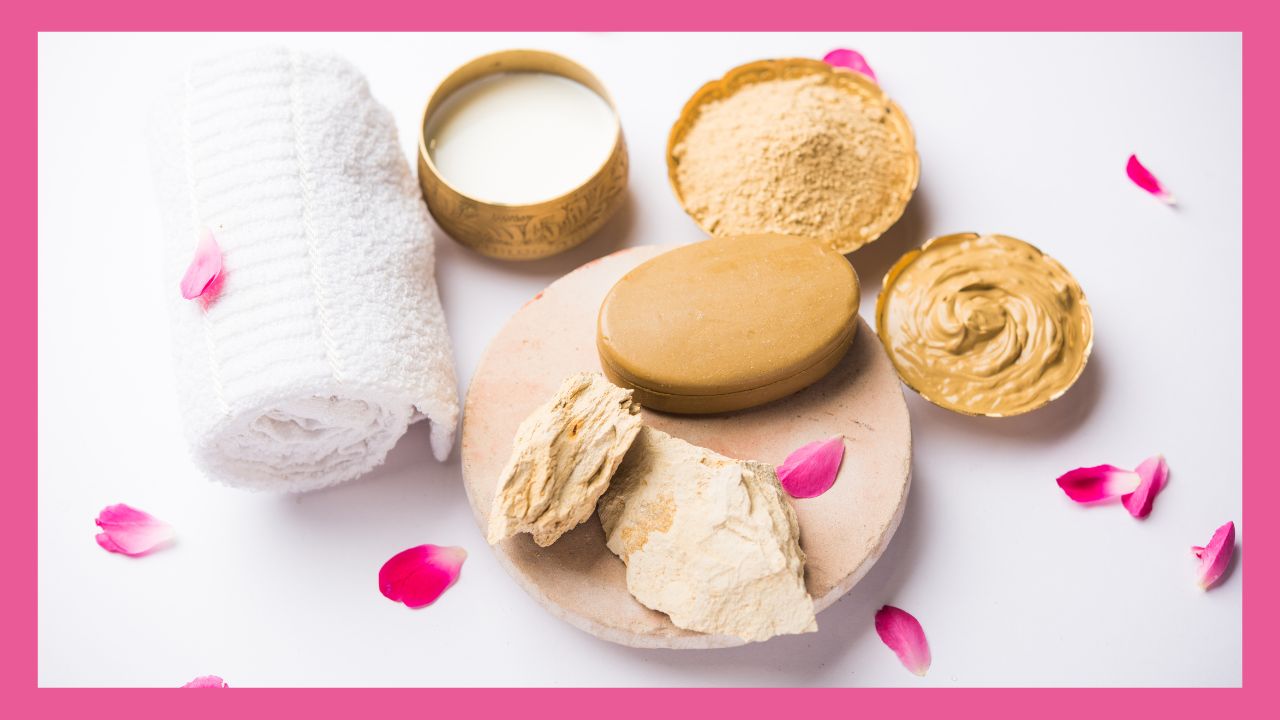
Ready to whip up your own milk-powered face masks? Here are a few easy recipes:

i. Hydrating Honey Mask: Mix 2 tablespoons of honey with 1 tablespoon of milk and apply to your face for 15 minutes. The honey adds a boost of hydration and antibacterial properties, while the milk gently exfoliates and moisturizes.

ii. Acne-Fighting Lemon Mask: Add 1 teaspoon of lemon juice to 2 tablespoons of milk for a clarifying mask. The lemon juice helps control oil production and fights acne, while the milk soothes and balances the skin.

iii. Anti-Aging Oatmeal Mask: Combine 1 tablespoon of oatmeal with 2 tablespoons of milk for a gentle exfoliating and anti-aging mask. The oatmeal’s texture provides a light scrub, while the milk’s antioxidants and proteins work their magic.
Remember, a patch test on your arm is always recommended before applying any new mask to your face.

So, next time you reach for the milk carton, remember it’s not just for cereal! Unleash its hidden beauty potential and pamper your skin with the power of nature’s secret weapon. Your face will thank you for it!
Tagged : / / / /

Day and Night: Why Your Skin Needs Two Different Creams

Day and Night: Why Your Skin Needs Two Different Creams
We all know the importance of a good skincare routine, but when it comes to moisturizers, are you using the right one for the right time? Many people reach for the same cream morning and night, but the truth is, your skin has different needs depending on the time of day. That’s where separate day and night creams come in.

Day Cream: Your Shield Against the Daytime Grind

Think of your day cream as your skin’s armor against the environmental aggressors it faces throughout the day. Pollution, UV rays, and even blue light from screens can damage your skin, leading to premature aging, hyperpigmentation, and dryness. A good day cream should:

  • Contain SPF: This is non-negotiable! SPF protects your skin from harmful UV rays that can cause sunburn, wrinkles, and even skin cancer. Look for a day cream with SPF 30 or higher.
  • Be lightweight and hydrating: Day creams should be light enough to wear under makeup but still provide adequate hydration. Hyaluronic acid and glycerin are great hydrating ingredients to look for.
  • Have antioxidant properties: Antioxidants like vitamin C and E help to neutralize free radicals that damage skin cells.

Night Cream: Your Skin’s Repair and Rejuvenation Partner

While your day cream is on defense duty, your night cream is all about repair and restoration. At night, your skin goes into repair mode, and the right night cream can help to:

  • Boost collagen production: Collagen is a protein that gives skin its plumpness and elasticity. Night creams often contain retinol, which stimulates collagen production and helps to reduce wrinkles.
  • Deeply hydrate: Night creams are typically richer and more emollient than day creams, providing your skin with the deep hydration it needs to repair itself overnight.
  • Soothe and calm: Night creams can help to soothe irritation and inflammation, leaving your skin feeling soft and smooth in the morning.
  •                                      
    The Importance of Using Separate Creams

Using separate day and night creams is not just about marketing hype; it’s about giving your skin the targeted care it needs to thrive. Day creams are formulated to protect your skin from external factors, while night creams focus on repair and rejuvenation. Using the right cream for the right time can:

  • Improve the overall health and appearance of your skin.
  • Help to prevent premature aging.
  • Reduce the appearance of wrinkles and fine lines.
  • Give your skin a healthy, radiant glow.
  • Making the Switch to Separate Creams

If you’re not already using separate day and night creams, it’s easy to make the switch. Simply talk to your dermatologist or esthetician for recommendations based on your skin type and concerns. Start by incorporating one new cream at a time, either your day cream or night cream, and see how your skin reacts. Once you’ve found the right products for you, you’ll be on your way to healthier, happier skin.

Remember, your skin is unique, so what works for one person may not work for another. Experiment with different products and find what works best for you. And most importantly, be patient! It takes time to see the full benefits of a good skincare routine.

Tagged : / / / /

We Bet You Didn’t Know These 10 Benefits Of Using Rose Water On Your Face

We Bet You Didn’t Know These 10 Benefits Of Using Rose Water On Your Face
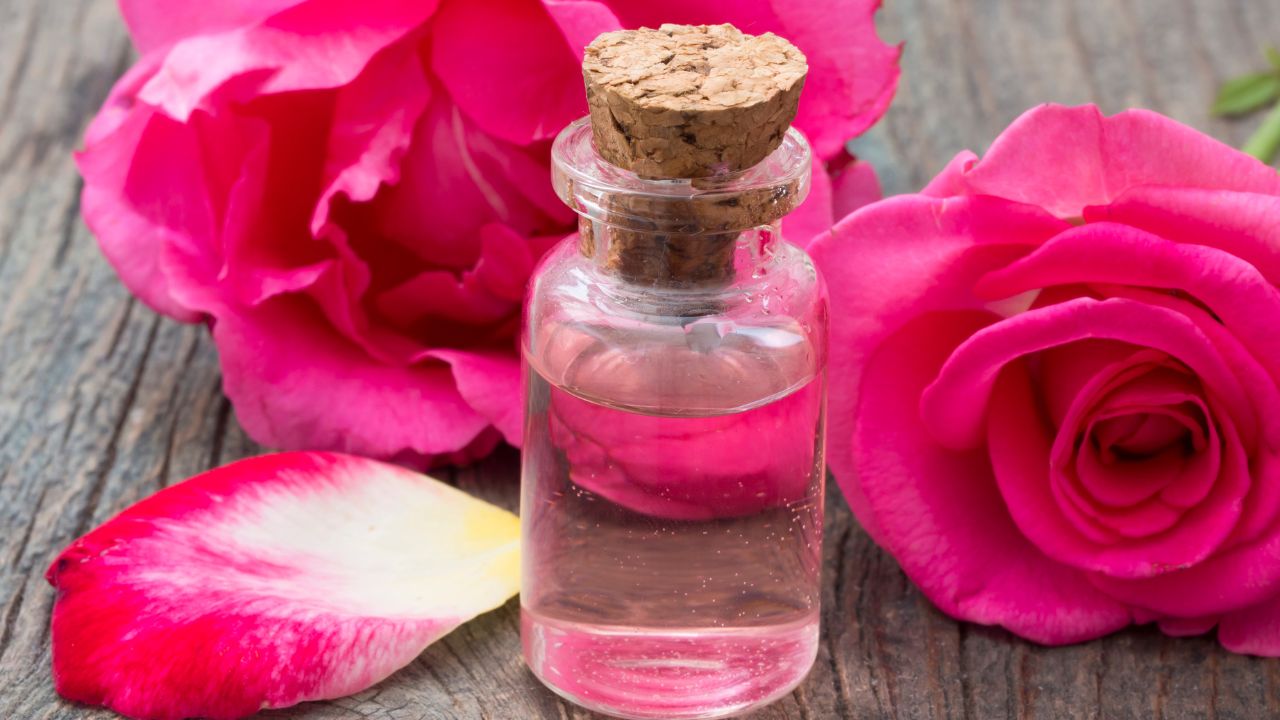
Rose water, a fragrant liquid extracted from rose petals, has been used for centuries for its beauty and health benefits. It’s a natural toner, astringent, and anti-inflammatory agent that can be used on all skin types. Here are 10 reasons why you should add rose water to your skincare routine:

1. Reduces redness and inflammation: Rose water’s anti-inflammatory properties can help to reduce redness and irritation caused by acne, sunburn, and eczema.

2. Soothes and hydrates: Rose water’s cooling and hydrating properties can help to soothe dry, irritated skin. It can also help to balance the skin’s pH level.

3. Controls oil: Rose water’s astringent properties can help to control excess oil production, making it beneficial for oily and acne-prone skin.

4. Treats acne: Rose water’s antibacterial properties can help to fight acne-causing bacteria. It can also help to reduce the appearance of acne scars.

5. Heals wounds: Rose water’s antiseptic properties can help to heal wounds and prevent infections.

6. Mood-enhancing: Rose water’s aroma is known to have mood-enhancing and calming properties. It can be used as a natural pick-me-up or to promote relaxation before bed.

7. Anti-aging: Rose water’s antioxidant properties can help to protect the skin from damage caused by free radicals. This can help to reduce the appearance of wrinkles and fine lines.

8. Soothes digestion: Rose water is sometimes used to soothe digestive problems such as indigestion and constipation.

9. Brightens skin: Rose water can help to brighten the skin and give it a natural glow.

10. Safe for all skin types: Rose water is gentle enough for all skin types, even sensitive skin.

In addition to these benefits, rose water is also affordable and easy to find. You can buy it at most drugstores and beauty stores.

Here are a few ways to use rose water on your face:

  • As a toner: After cleansing your face, spritz some rose water onto a cotton pad and wipe it over your face.
  • As a mask: Soak a cotton pad in rose water and place it on your face for 10-15 minutes.
  • As a mist: Keep a bottle of rose water in your refrigerator and spritz it on your face throughout the day to refresh and hydrate your skin.
  • In DIY skincare recipes: Rose water can be used in DIY skincare recipes such as face masks, toners, and serums.

This is why Rose Water is great for your skin. But always remember, everybody’s skin is different so always contact a doctor if you feel the rose water is not working on your skin or there are any side effects.

Tagged : / / /

Yes You Can Wear A Face Primer Alone And It Has Benefits Too!

Yes You Can Wear A Face Primer Alone And It Has Benefits Too!
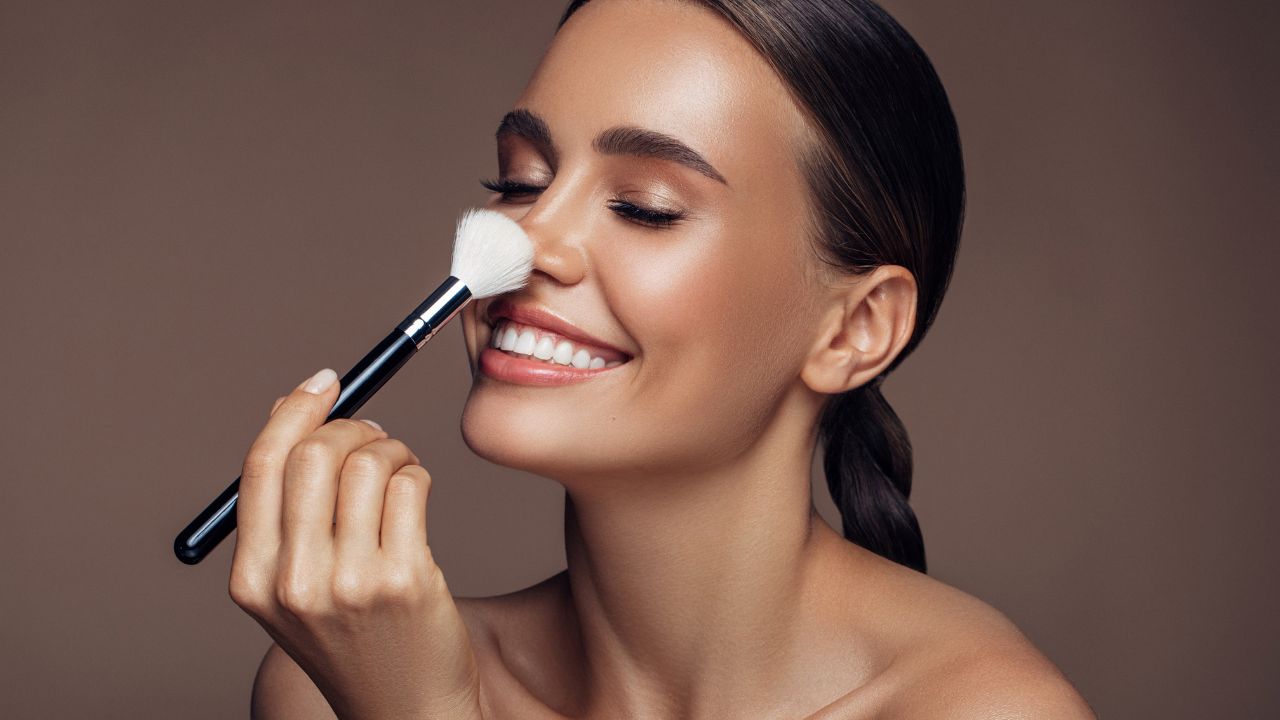
Primer is a makeup product that is applied to the skin before foundation and other makeup products. It is designed to create a smooth canvas for makeup application and to help makeup stay in place longer. Primers can also help to even out skin tone, minimize the appearance of pores, and reduce redness.

While primer is most commonly used with makeup, it can also be worn alone. In fact, there are many benefits to wearing primer without makeup.

Benefits of wearing primer alone:

1. Improved skin texture: Primer can help to blur the appearance of pores and fine lines, giving your skin a smoother, more even complexion.

2. Reduced redness and irritation: Some primers contain ingredients such as green tea or aloe vera that can help to soothe and calm the skin. This is especially beneficial for people with sensitive skin or conditions such as rosacea or eczema.

3. Hydration: Many primers are also moisturizing, which can help to keep your skin hydrated and plump. This is especially important for people with dry skin.

4. Sun protection: Some primers contain SPF, which can help to protect your skin from the harmful UV rays of the sun.

5. Natural glow: Some primers can give your skin a subtle, natural glow without the need for foundation or other makeup products.

How to choose the right primer for your skin type:

Oily skin: Choose a lightweight, oil-free primer that will help to control shine and keep your makeup looking fresh all day long.

Dry skin: Choose a hydrating primer that will help to plump up your skin and give it a dewy glow.

Combination skin: Choose a primer that is both hydrating and oil-free.

Sensitive skin: Choose a hypoallergenic, fragrance-free primer that is unlikely to irritate your skin.

How to apply primer without makeup:

  • Cleanse and moisturize your face as usual.
  • Apply a small amount of primer to your fingertips and dot it onto your forehead, cheeks, nose, and chin.
  • Gently blend the primer into your skin using your fingertips or a makeup brush.
  • Allow the primer to dry completely before applying any other makeup products.

Tips for wearing primer without makeup:

  • Choose a primer that is tinted or has a shimmery finish to give your skin a natural glow.
  • If you have oily skin, you may want to dust your face with a translucent powder after applying primer to help control shine.
  • If you have dry skin, you may want to apply a light layer of highlighter to the tops of your cheekbones, brow bones, and bridge of your nose to create a dewy glow.

    Overall, primer is a versatile makeup product that can be worn alone or with other makeup products. It offers a number of benefits for the skin, including improved skin texture, reduced redness and irritation, hydration, and sun protection. If you are looking for a way to improve your complexion without wearing a lot of makeup, consider trying primer alone.

Tagged : / / / /

5 Essential Oils You Can Safely Use On Your Face

5 Essential Oils You Can Safely Use On Your Face
Essential oils are highly concentrated extracts of plants that have a wide range of therapeutic properties. They can be used for aromatherapy, massage, and other holistic therapies, and they are also becoming increasingly popular in skincare products.

Many essential oils can be used safely on the face, but it is important to dilute them with a carrier oil before applying them to the skin. Carrier oils are vegetable oils that help to dilute essential oils and prevent them from irritating the skin. Popular carrier oils include jojoba oil, coconut oil, and almond oil.

Here are 10 essential oils that you can use on your face:

1. Tea tree oil

Tea tree oil is a powerful antibacterial and antifungal oil that can be used to treat acne, eczema, and other skin conditions.

2. Lavender oil

Lavender oil is a calming and soothing oil that can be used to reduce inflammation, redness, and irritation.

3. Chamomile oil

Chamomile oil is a calming and relaxing oil that can be used to reduce inflammation and redness.

4. Sandalwood oil

Sandalwood oil is a soothing and moisturizing oil that can be used to reduce inflammation and dryness.

5. Ylang-ylang oil

Ylang-ylang oil is a hydrating and nourishing oil that can be used to improve the elasticity of the skin.

To use essential oils on your face, simply add a few drops of essential oil to a carrier oil and mix well. Apply the mixture to your face using a gentle massage motion. Avoid getting essential oils in your eyes, nose, and mouth.

Here are a few tips for using essential oils on your face safely:

  • Always dilute essential oils with a carrier oil before applying them to the skin.
  • Start with a small amount of essential oil and increase the amount gradually as needed.
  • Perform a patch test on a small area of skin before using an essential oil for the first time.
  • Avoid using essential oils on broken or irritated skin.
  • Avoid getting essential oils in your eyes, nose, and mouth.
  • If you experience any irritation, discontinue use immediately.

    Essential oils can be a great way to improve the health and appearance of your skin. However, it is important to use them safely and effectively.

Tagged : / /

What is Skin Cancer, Its Symptoms and How to prevent it?

What is Skin Cancer, Its Symptoms and How to prevent it?
What is Skin Cancer?

Skin cancer is the most common cancer in the United States. It is caused by the damage to the DNA of skin cells caused by ultraviolet (UV) radiation from the sun or tanning beds.

There are three main types of skin cancer:

1. Basal cell carcinoma is the most common type of skin cancer. It usually appears as a small, raised bump on the skin.

2. Squamous cell carcinoma is the second most common type of skin cancer. It usually appears as a scaly or crusty patch on the skin.

3. Melanoma is the least common but most serious type of skin cancer. It can appear as a new mole or a change in an existing mole.

Symptoms of Skin Cancer

The symptoms of skin cancer can vary depending on the type of cancer. However, some common symptoms include:

  • A new growth or change in an existing mole
  • A sore that does not heal
  • A scaly or crusty patch on the skin
  • A red, scaly patch that itches
  • A bleeding or crusting growth
  • How to Prevent Skin Cancer

There are a number of things you can do to help prevent skin cancer, including:

  • Limit your exposure to UV radiation from the sun and tanning beds.
  • Wear sunscreen with an SPF of 30 or higher every day, even on cloudy days.
  • Wear protective clothing, such as a hat and sunglasses, when you are outdoors.
  • Avoid tanning beds.
  • Get regular skin checks from your doctor.
  • If you notice any changes in your skin, such as a new growth or a change in an existing mole, it is important to see your doctor right away. Early detection and treatment of skin cancer is important to improve the chances of a cure.

Tagged : / / / /

3 Simple Ways to Keep Your Ankles Soft and Smooth

3 Simple Ways to Keep Your Ankles Soft and Smooth
Your ankles are a delicate part of your body that can easily become dry and rough. This can be due to a number of factors, such as wearing tight shoes, not moisturizing enough, or simply not exfoliating regularly.

If you want to keep your ankles soft and smooth, there are a few simple things you can do:

1. Soothe with a warm water soak
Soaking your ankles in warm water for 10-15 minutes can help to soften the skin and remove dead cells. You can add a few drops of essential oil to the water for an extra boost of hydration and moisture.

2. Exfoliate regularly
Exfoliating helps to remove dead skin cells and reveal the soft, smooth skin underneath. You can use a pumice stone, a body scrub, or even a washcloth to exfoliate your ankles.

3. Moisturize daily
Moisturizing is essential for keeping your ankles soft and smooth. Choose a moisturizer that is specifically designed for the feet and ankles, and apply it daily after showering or bathing.

In addition to these tips, there are a few other things you can do to keep your ankles soft and smooth:

  • Avoid wearing tight shoes that restrict circulation.
  • Wear socks made of natural fibers, such as cotton or wool.
  • Keep your ankles cool and dry.
  • Avoid rubbing or scratching your ankles.
    By following these simple tips, you can keep your ankles soft and smooth all year long.

Here are some additional tips that you may find helpful:

  • Use a gentle soap when washing your ankles. Harsh soaps can dry out the skin.
  • Avoid using harsh chemicals on your ankles, such as those found in some foot powders and sprays.
  • If your ankles are particularly dry or rough, you may want to see a doctor or dermatologist. They may be able to recommend additional treatments to help improve the condition of your skin.
    With a little care and attention, you can keep your ankles soft and smooth for years to come.
Tagged : / / /

5 Secrets Tips For Flawless Skin In Your 40’s, Just Like Kareena Kapoor Khan

5 Secrets Tips For Flawless Skin In Your 40’s, Just Like Kareena Kapoor Khan
Aging is a natural process that happens to everyone. As we age, our skin undergoes a number of changes. The epidermis, the outermost layer of skin, becomes thinner with age. This is because the cells in the epidermis divide less often and produce less collagen and elastin. Collagen and elastin are proteins that give skin its strength and elasticity. The dermis, the layer of skin beneath the epidermis, also loses fat with age. This makes skin look less plump and smooth. Wrinkles are caused by the loss of collagen and elastin. They are also caused by the repeated movement of facial muscles. Age spots are brown or black spots that can appear on the skin with age. They are caused by the overproduction of melanin, the pigment that gives skin its color. If you too are observing signs of aging then you need to follow 5 simple tips to keep your skin young like Kareena Kapoor Khan and these are:

1. Stop using straws for drinking beverages
You may not believe this but drinking beverages using a straw can actually contribute to early wrinkles. If you are someone who has a habit of using straw regularly while drinking beverages then you should know that the continuous pursing of the lips makes the skin near your mouth develop fine lines with time and the area around your mouth can actually age faster because of this.

2. Never skip moisturiser
Moisturizer is one of the most important skincare products you can use. It helps to keep your skin hydrated, which is essential for maintaining its health and appearance. When your skin is properly hydrated, it looks plump and smooth, and it is less likely to develop wrinkles and other signs of aging. You should apply moisturizer to your face and body twice a day, morning and night if you are in your 30’s.

3. Say No to tight hairstyles
A sleek bun or ponytail makes you look really stylish and cool but if you keep repeating these hairstyles continuously, you will start facing the problem of premature pattern baldness which will make you look older than you actually are. So keep your hair loosely tied so that there is no extra stress on the strands and roots.

4. Make Sunscreen your best friend
Sunscreen is one of the most important anti-aging products you can use. It protects your skin from the sun’s ultraviolet (UV) rays, which can cause premature aging, wrinkles, age spots, and skin cancer. UV rays can damage the collagen and elastin in your skin, which are the proteins that give your skin its strength and elasticity. When these proteins are damaged, your skin becomes more prone to wrinkles and sagging. UV rays can also damage the DNA in your skin cells, which can lead to skin cancer. To protect your skin from the sun’s harmful rays, you should apply sunscreen with an SPF of 30 or higher every day, even on cloudy days. You should also reapply sunscreen every two hours, or more often if you are sweating or swimming.

5. Get enough sound sleep
Sleep is important for keeping aging at bay because it helps to repair and restore cells and tissues throughout the body. When we sleep, our bodies produce hormones that help to boost the immune system, repair damaged cells, and remove toxins from the body. Sleep also helps to regulate our metabolism and appetite, which can help to prevent weight gain. Also note that your sleep should be deep an uninterrupted one.

Just follow these 5 tips religiously and you will definitely see an improvement in the quality of your skin.

Tagged : / / / /

Why Is Collagen Important For Aging And What Are Its Vegetarian Sources?

Why Is Collagen Important For Aging And What Are Its Vegetarian Sources?
Collagen is the most abundant protein in the human body, making up about 30% of all proteins. It is found in the bones, skin, muscles, tendons, and ligaments. Collagen is responsible for providing structure and strength to these tissues. It also helps to keep the skin looking young and healthy.

As we age, our body’s production of collagen decreases. This can lead to wrinkles, sagging skin, and joint pain. There are a number of ways to boost collagen production, including eating a diet rich in collagen-rich foods, taking collagen supplements, and getting regular exercise.

Here are 8 vegetarian food sources of collagen:

1. Avocado: Avocados are a good source of healthy fats, which are essential for collagen production. They also contain vitamins C and E, which are antioxidants that can help to protect the skin from damage.

2. Papaya: Papaya contains papain, an enzyme that helps to break down collagen. This can be helpful for people who are trying to reduce wrinkles or improve the appearance of their skin.

3. Spinach: Spinach is a good source of vitamin C, which is essential for collagen production. It also contains beta-carotene, which is converted to vitamin A in the body. Vitamin A is important for collagen production.

4. Carrots: Carrots are a good source of beta-carotene, which is converted to vitamin A in the body. Vitamin A is important for collagen production.

5. Almonds: Almonds are a good source of vitamin E, which is an antioxidant that can help to protect collagen from damage. They are also a good source of magnesium, which is needed for collagen production.

6. Cucumber: Cucumber is a good source of silica, which is a mineral that is important for collagen production.

7. Mushrooms: Mushrooms are a good source of lentinan, a compound that has been shown to boost collagen production.

8. Cashews: Cashews are a good source of copper, which is a mineral that is essential for collagen production.

In addition to eating a diet rich in collagen-rich foods, there are a few other things you can do to boost collagen production:

Get enough sleep. Sleep is when the body repairs and rebuilds tissues, including collagen.
Get regular exercise. Exercise helps to stimulate collagen production.
Avoid smoking and excessive sun exposure. Smoking and excessive sun exposure can damage collagen.

Tagged : / / / / /

Sunscreen : Amazing Things That It Does Apart From Blocking The Sun’s Rays!

Sunscreen : Amazing Things That It Does Apart From Blocking The Sun’s Rays!
Sunscreen is one of the most important skincare products you can use, but it’s often thought of as just a way to prevent skin cancer. However, sunscreen does a lot more than that. It can also help to prevent premature aging, hyperpigmentation, and even eye damage.

Here are just a few of the benefits of using sunscreen:

1. Prevents skin cancer: Sunscreen is the best way to prevent skin cancer, including melanoma, the deadliest form of skin cancer. The American Academy of Dermatology recommends using a broad-spectrum sunscreen with an SPF of 30 or higher every day, even on cloudy days.

2. Prevents premature aging: Sun exposure can cause wrinkles, age spots, and other signs of premature aging. Sunscreen can help to protect your skin from the sun’s harmful UV rays and keep your skin looking younger for longer.

3. Reduces hyperpigmentation: Hyperpigmentation is a condition that causes dark spots to appear on the skin. Sun exposure can worsen hyperpigmentation, so using sunscreen can help to reduce the appearance of dark spots.

4. Protects eyes from damage: The sun’s UV rays can also damage your eyes, increasing your risk of cataracts and macular degeneration. Sunscreen with an SPF of 15 or higher can help to protect your eyes from sun damage.

In addition to these benefits, sunscreen can also help to:

  • Improve your skin’s elasticity
  • Reduce the risk of sunburn
  • Protect your skin from windburn
  • Make your makeup last longer
    So, if you’re not already using sunscreen, start today! It’s one of the best things you can do for your skin.

Here are some additional tips for using sunscreen:

  • Apply sunscreen generously to all exposed skin 30 minutes before going outside.
  • Reapply sunscreen every two hours, or more often if you’re sweating or swimming.
  • Choose a sunscreen with an SPF of 30 or higher.
  • Look for a sunscreen that is labeled “broad-spectrum” and that protects against both UVA and UVB rays.
  • Test sunscreen on a small area of your skin before applying it to your entire body.
    If you have any concerns about using sunscreen, talk to your doctor.Sunscreen is an essential part of any skincare routine. By using sunscreen every day, you can help to protect your skin from the sun’s harmful rays and keep your skin looking healthy and youthful for years to come.
Tagged : / / /

7 Simple Habits Of People With Good Skin

7 Simple Habits Of People With Good Skin
Your skin is your largest organ, and it’s important to take care of it from the inside out. What you do in the morning can have a big impact on the health and appearance of your skin. Here are 7 simple habits that most people with great, glowing skin follow:

1. Washing face with a gentle cleanser
This will remove any dirt, oil, or makeup that accumulated overnight. Use a cleanser that is appropriate for your skin type.

2. Applying antioxidant serum
Antioxidants help protect your skin from damage caused by free radicals, which can lead to premature aging. Look for a serum that contains vitamin C, vitamin E, or ferulic acid.

3. Moisturize your skin
This will help keep your skin hydrated and prevent it from drying out. Choose a moisturizer that is oil-free and non-comedogenic, which means it will not clog your pores.

4. Applying sunscreen with SPF 30 or higher
This is the most important step in any morning skin care routine. Sunscreen protects your skin from the sun’s harmful UV rays, which can cause premature aging, wrinkles, and skin cancer.

5. Drinking plenty of water
Water is essential for overall health, and it also helps keep your skin hydrated. Aim to drink 8 glasses of water per day.

6. Getting enough sleep
While you’re sleeping, your body is repairing itself and producing collagen, which is a protein that gives your skin its strength and elasticity. Aim for 7-8 hours of sleep per night.

7. Eating a healthy diet
What you eat has a big impact on the health of your skin. Eat plenty of fruits, vegetables, and whole grains, and limit processed foods, sugary drinks, and unhealthy fats.

Following these simple habits will help you achieve glowing, radiant skin. Just remember to be consistent and patient, as it takes time to see results.

Here are some additional tips for good skin:

  • Avoid smoking and excessive alcohol consumption.
  • Manage stress levels.
  • Exfoliate your skin regularly.
  • Get regular facials.
  • See a dermatologist if you have any skin concerns.

    With a little care and attention, you can have beautiful, healthy skin for years to come.

Tagged : / / /

Try these 10 home remedies to lighten dark areas on your body

Try these 10 home remedies to lighten dark areas on your body
Dark spots or hyperpigmentation can occur on any part of the body, but they are most common on the face, neck, armpits, and groin area. They can be caused by a number of factors, including sun exposure, hormonal changes, and certain medical conditions. While there are many commercial products available to lighten dark spots, there are also a number of home remedies that you can try. These remedies are generally safe and effective, and they can be a great way to save money.

1. Lemon juice
Lemon juice is a natural bleaching agent that can help to lighten dark spots. Simply apply lemon juice to the affected area with a cotton ball and let it sit for 15 minutes. Rinse with warm water and repeat daily.

2. Tomatoes
Tomatoes are a good source of lycopene, an antioxidant that can help to lighten dark spots. Apply a slice of tomato to the affected area and let it sit for 30 minutes. Rinse with warm water and repeat daily.

3. Aloe vera
Aloe vera is a natural skin soother that can also help to lighten dark spots. Apply aloe vera gel to the affected area and let it sit for 30 minutes. Rinse with warm water and repeat daily.

4. Oatmeal
Oatmeal is a gentle exfoliator that can help to remove dead skin cells and lighten dark spots. Mix 2 tablespoons of oatmeal with enough water to form a paste. Apply the paste to the affected area and let it sit for 15 minutes. Rinse with warm water and repeat daily.

5. Gram flour
Gram flour, also known as chickpea flour, is a natural exfoliator that can help to lighten dark spots. Mix 2 tablespoons of gram flour with enough water to form a paste. Apply the paste to the affected area and let it sit for 15 minutes. Rinse with warm water and repeat daily.

6. Turmeric
Turmeric is a natural antiseptic and anti-inflammatory agent that can help to lighten dark spots. Mix 1 tablespoon of turmeric powder with enough water to form a paste. Apply the paste to the affected area and let it sit for 15 minutes. Rinse with warm water and repeat daily.

7. Potatoes
Potatoes contain enzymes that can help to lighten dark spots. Cut a potato into thin slices and apply the slices to the affected area. Let the slices sit for 30 minutes and then rinse with warm water. Repeat daily.

8. Baking soda: Baking soda is a natural exfoliator that can help to remove dead skin cells and lighten dark spots. Mix 1 teaspoon of baking soda with enough water to form a paste. Apply the paste to the affected area and let it sit for 15 minutes. Rinse with warm water and repeat daily.

9. Honey
Honey is a natural humectant that can help to moisturize the skin and lighten dark spots. Apply honey to the affected area and let it sit for 30 minutes. Rinse with warm water and repeat daily.

10. Coconut oil
Coconut oil is a natural moisturizer that can also help to lighten dark spots. Apply coconut oil to the affected area and let it sit overnight. Rinse with warm water in the morning and repeat daily.

It is important to note that these home remedies may not work for everyone. If you have any concerns, please consult with a dermatologist.

Here are some additional tips to help lighten dark spots:

  • Exfoliate regularly. Exfoliating helps to remove dead skin cells and reveal new, brighter skin.
  • Use sunscreen. Sun exposure can make dark spots worse. Be sure to wear sunscreen every day, even on cloudy days.
  • Moisturize regularly. Dry skin can make dark spots more noticeable. Keep your skin hydrated by using a moisturizer that is right for your skin type.
  • Be patient. It takes time to lighten dark spots. Be patient and consistent with your treatment, and you will eventually see results.
Tagged : / / / /

9 Super Useful Beauty Tips for Women Over 40

9 Super Useful Beauty Tips for Women Over 40
As we age, our skin changes. It becomes drier, thinner, and more prone to wrinkles. This can make it difficult to find makeup that looks natural and flattering. But don’t despair! There are plenty of beauty tips that can help women over 40 look their best.

Here are a few of the most important beauty tips for women over 40:

1 Choose the right foundation
A liquid or cream foundation is a better choice for mature skin than a powder foundation. Powder can settle into fine lines and wrinkles, making them more noticeable.

2 Use a light touch
When applying makeup, go light on the foundation and powder. Too much makeup can make your skin look cakey and aged.
Highlight your best features. Use highlighter to accentuate your cheekbones, brow bone, and the inner corners of your eyes. This will help to create a more youthful look.

3 Define your brows
Eyebrows frame the face, so it’s important to keep them well-defined. Use a brow pencil or powder to fill in any gaps and create a natural-looking shape.

4 Use a lip liner
A lip liner can help to define your lips and make them look fuller. Choose a liner that is a shade or two darker than your natural lip color.

5 Finish with a setting spray
A setting spray will help to keep your makeup in place all day long.
In addition to these makeup tips, there are a few other things you can do to enhance your natural beauty. These include:

6 Take care of your skin
This means using a gentle cleanser, moisturizer, and sunscreen every day.

7 Get enough sleep
Sleep is essential for healthy skin. When you don’t get enough sleep, your skin can look tired and haggard.

8 Eat a healthy diet
Eating a healthy diet will help to keep your skin looking its best. Make sure to include plenty of fruits, vegetables, and whole grains in your diet.

9 Stay hydrated
Drinking plenty of water will help to keep your skin hydrated and looking its best.

Following these beauty tips can help women over 40 look their best. Remember, beauty is more than just skin deep. It’s about feeling confident and comfortable in your own skin. So take care of yourself, both inside and out, and let your natural beauty shine through.

Here are some additional tips for women over 40:

  • Use a hydrating primer. A hydrating primer will help to smooth out your skin and make your makeup look more natural.
  • Avoid harsh chemicals. Harsh chemicals can irritate your skin and make it look older. Look for makeup products that are labeled as “natural” or “organic.”
  • Experiment with different colors. As you age, your skin tone may change.
  • Experiment with different colors of makeup to find what looks best on you.
    Have fun! Beauty should be fun. Don’t be afraid to experiment with different looks and find what works best for you.
Tagged : / / /

7 Simple signs of healthy skin! This is how your skin tells you it is happy!

7 Simple signs of healthy skin! This is how your skin tell you it is happy!
Your skin is your body’s largest organ, and it plays a vital role in protecting you from the environment and regulating your body temperature. Healthy skin is also important for your overall appearance and self-esteem. There are many factors that can affect the health of your skin, including genetics, age, diet, lifestyle, and the environment. However, there are also things you can do to help keep your skin healthy, such as washing your face twice a day, using a moisturizer, protecting your skin from the sun, and eating a healthy diet. In this article, we will discuss the seven ways your body tells you have healthy skin. We will also provide some tips for maintaining healthy skin.

Here are 7 ways your body tells you have healthy skin:

1 Your skin is smooth and even-toned
Healthy skin has a consistent color and texture throughout. There are no red patches, dark spots, or dry, flaky areas.
2 Your skin is hydrated
When your skin is healthy, it should feel soft and supple to the touch. If your skin feels dry or tight, it’s a sign that it’s not getting enough moisture.
3 Your skin is resilient
Healthy skin is able to bounce back after being stretched or pinched. If your skin is easily bruised or damaged, it’s a sign that it’s not as healthy as it could be.
4 Your skin is free of blemishes
Healthy skin doesn’t have acne, pimples, or other blemishes. If you’re experiencing frequent breakouts, it’s a sign that your skin is not getting the care it needs.
5 Your skin is free of wrinkles and age spots
As we age, our skin naturally loses some of its elasticity and moisture, which can lead to wrinkles and age spots. However, if you’re starting to see these signs of aging prematurely, it’s a sign that your skin is not as healthy as it could be.
6 Your skin is free of infections
Healthy skin is able to fight off infections. If you’re prone to skin infections, such as impetigo or cellulitis, it’s a sign that your skin’s natural defenses are not as strong as they could be.
7 Your skin feels comfortable
Healthy skin should feel comfortable and not itchy, irritated, or painful. If your skin feels uncomfortable, it’s a sign that something is wrong.

Here are some additional tips for maintaining healthy skin:

  • Wash your face twice a day with a gentle cleanser.
  • Use a moisturizer to keep your skin hydrated.
  • Protect your skin from the sun with sunscreen.
  • Eat a healthy diet that includes plenty of fruits, vegetables, and whole grains.
  • Get enough sleep.
  • Manage stress levels.
    By following these tips, you can help keep your skin healthy and looking its best.
Tagged : / / /
Verified by ExactMetrics