Olympus Mons : The Largest Volcano In The Universe Is Two Mount Everests High!

Olympus Mons : The Largest Volcano In The Universe Is Two Mount Everests High!
Imagine a mountain so vast, it could span the entire state of Arizona and still tower over Mount Everest by two Mount Everests stacked on top! Meet Olympus Mons, the unrivaled ruler of the volcanic kingdom, not just on Mars, but across the entire solar system. But what makes this fiery giant so impossibly big, leaving even the mightiest Earthly volcanoes blushing in its shadow? Buckle up, space explorers, because we’re about to uncover the secrets of Olympus Mons’ majestic reign.

Size Matters: First things first, sheer scale. Olympus Mons dwarfs its Earthly counterparts. With a height of 21.9 kilometers (13.6 miles) and a base diameter of 600 kilometers (370 miles), it’s about three times taller than Mount Everest and six times wider! It’s not just tall, it’s broad, covering an area roughly the size of France. It’s like stretching from Paris to Marseille… on a volcano!

The Calm Giant: Unlike Earth’s restless tectonic plates, Mars enjoys a more stable crust. This means the hot spot beneath Olympus Mons, a molten plume deep within the planet, hasn’t budged in millions of years. Earth’s volcanoes, constantly shifting with plate movements, rarely have the luxury of erupting from the same spot for so long. Olympus Mons has had millennia to pile on layer after layer of lava, building itself into a monstrous mountain.

Thick as a Brick: Mars boasts a thicker, sturdier crust than Earth. This robust foundation can handle the immense weight of Olympus Mons without buckling or collapsing. Imagine trying to stack skyscrapers on a flimsy deck of cards – not going to happen. But on Mars’ sturdy platform, Olympus Mons erupts with impunity, building its volcanic empire without fear of crumbling.

Volcanic Buffet: While Earth’s volcanoes often erupt explosively, spewing ash and gas, Olympus Mons favors a calmer approach. Its eruptions are typically slow and flowing, like a never-ending volcanic buffet. This gentle oozing, combined with the long lifespan of its hot spot, has allowed Olympus Mons to accumulate its staggering size.

So, there you have it! Olympus Mons isn’t just a mountain; it’s a testament to the unique geological conditions of Mars, where a calm hot spot, a thick crust, and millions of years of tireless eruption have combined to create the biggest volcano in the solar system. So next time you gaze at the stars, remember the fiery giant reigning supreme on the Red Planet, a silent reminder of the wonders that lie beyond our earthly home.

Tagged : / / /

Winter Woes: Why Old Injuries Flare Up When the Temperature Drops?

Winter Woes: Why Old Injuries Flare Up When the Temperature Drops?
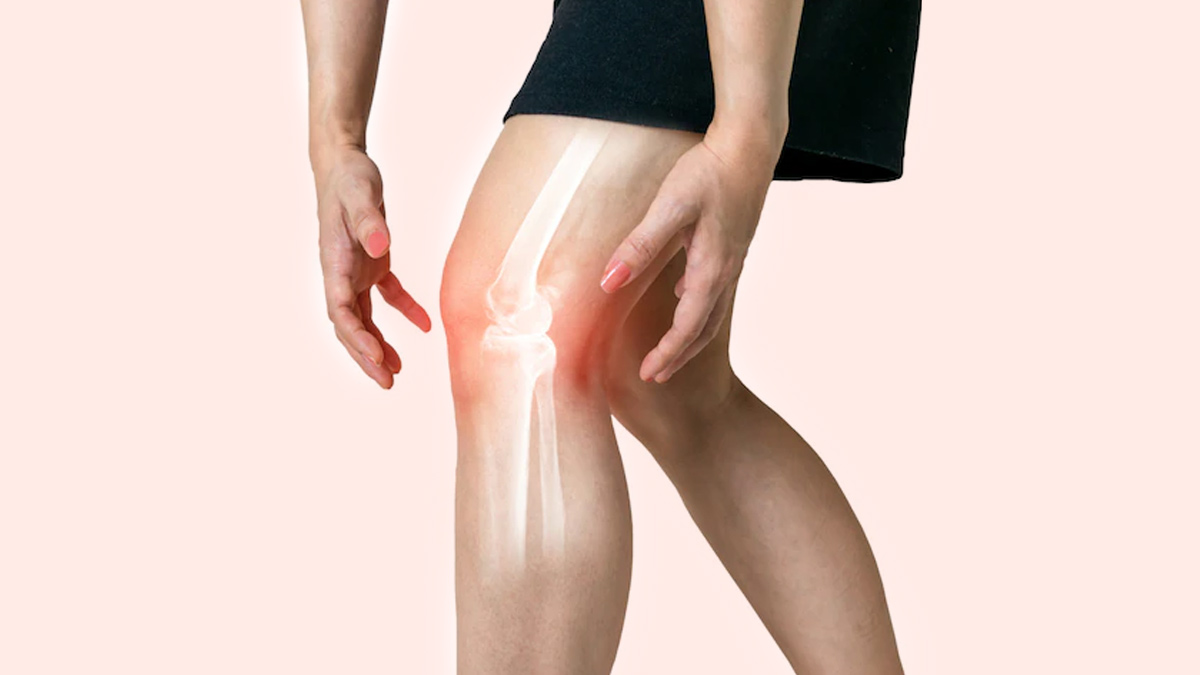
Ah, winter. The season of cozy nights, hot cocoa, and… excruciating pain from that old football injury? If you’ve noticed your aches and pains seem to amplify as the temperature plummets, you’re not alone. Many people experience a worsening of old injuries during the colder months. But why? Here are 3 reasons why your winter walks might feel more like hobbles down memory lane:

1. Barometric Pressure Fluctuations: Imagine your body like a well-balanced balloon. When the atmospheric pressure drops, as it often does during cold fronts, the pressure inside your body tries to equalize. This can put extra strain on the tissues and fluids around old injuries, leading to stiffness, swelling, and increased pain. Think of it like your body subtly reminding you of that time you overdid it on the slopes.

2. Changes in Joint Fluid: Our joints are lubricated by a special fluid that keeps things moving smoothly. But guess what? This fluid gets thicker and stickier in colder temperatures. This can make your joints feel stiff and less flexible, potentially exacerbating pain in areas that have already sustained damage. So, those morning creaks and groans might not just be your aging bones; it could be your joint fluid channeling its inner ice princess.

3. Increased Muscle Tension: When the temperature drops, our muscles naturally tense up to conserve heat. This can be helpful for staying warm, but it can also put extra pressure on sensitive areas, especially around old injuries. Think of it like your body building a makeshift winter armor, except unfortunately, the armor sometimes rubs against old battle wounds.

So, what can you do to combat these winter woes?

  • Stay warm: Bundle up! Keeping your body temperature up can help prevent muscle tension and joint stiffness.
  • Gentle exercise: Regular movement, even just light stretches and walks, can help keep your joints lubricated and your muscles from getting too tense.
  • Listen to your body: If you start to experience pain, don’t push yourself. Take a break, rest, and apply ice or heat as needed.
  • Talk to your doctor: If your pain is severe or persistent, consult your doctor. They can help you develop a personalized plan to manage your symptoms and prevent future flare-ups.

    Remember, you’re not alone in your winter pain battle. By understanding the reasons behind it and taking proactive steps, you can weather the colder months with more comfort and less of that “ouch, remember that time?” feeling.

Enjoy the winter wonderland, but don’t let it turn into a pain wonderland for your old injuries! Stay warm, stay informed, and stay comfortable!

Tagged : / /

From Ancient Ayurveda to Modern Science: Can Copper Water Really Boost Your Health?

From Ancient Ayurveda to Modern Science: Can Copper Water Really Boost Your Health?
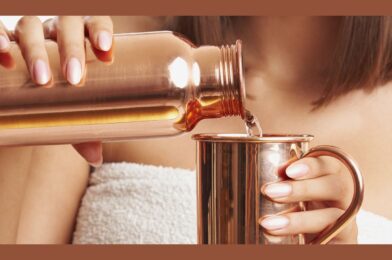
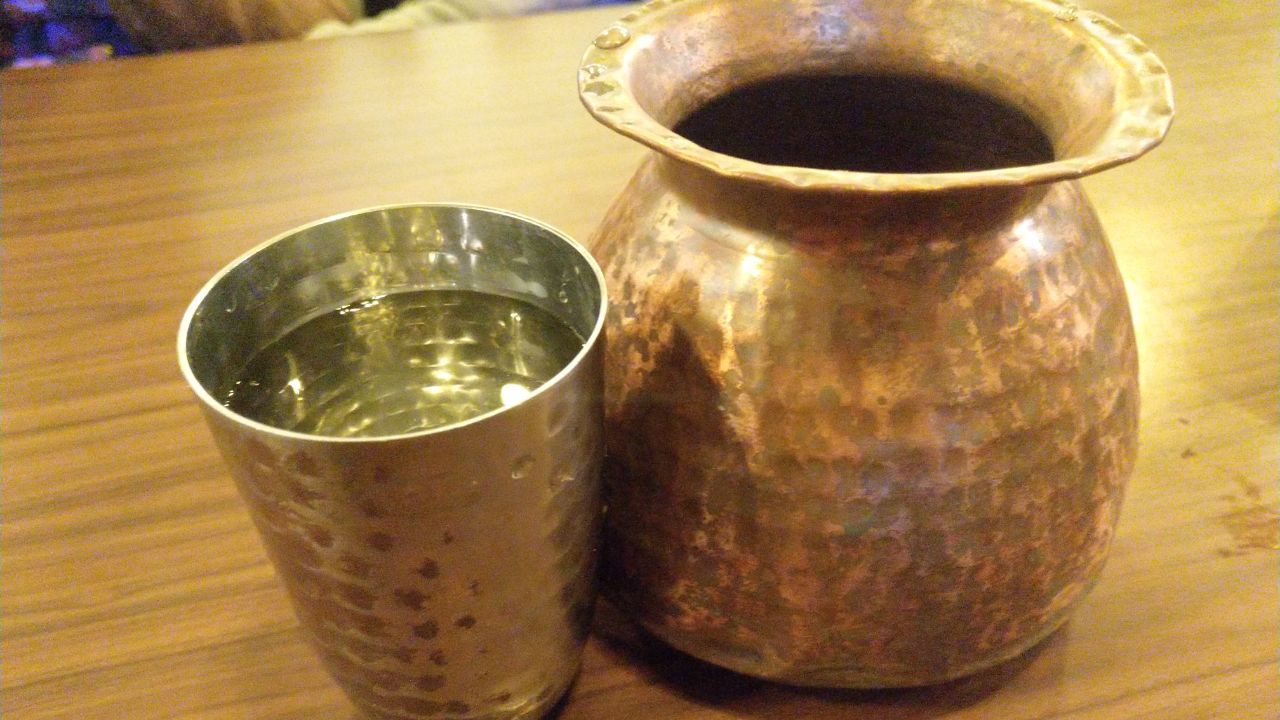
For centuries, people around the world have used copper vessels to store and drink water, believing it to bestow a range of health benefits. But is there any truth to these claims? Let’s dive into the science and explore whether copper water truly enhances your health.

Antibacterial Properties:

One of the most well-established benefits of copper is its antibacterial and antiviral properties. Studies have shown that storing water in copper vessels for 16 hours can significantly reduce the presence of harmful bacteria like E. coli and cholera. This can be particularly beneficial in areas with limited access to clean drinking water.

Improved Digestion:

Copper plays a vital role in aiding digestion. It helps stimulate the production of digestive enzymes, which break down food more efficiently. Additionally, copper has anti-inflammatory properties that can soothe the stomach and intestines, potentially reducing indigestion and ulcers.

Enhanced Immunity:

Copper is an essential mineral for maintaining a healthy immune system. It helps in the production of white blood cells, which fight off infections. Studies have shown that drinking copper water may boost the immune system and increase resistance to disease.

Other Potential Benefits:

There is some evidence to suggest that copper water may have other health benefits, such as:

  • Pain relief: Copper has anti-inflammatory properties that may help reduce pain and inflammation.
  • Wound healing: Copper is essential for collagen production, which is important for wound healing.
  • Weight management: Some studies suggest that copper may help regulate metabolism and boost fat burning.

Important Considerations:

While copper water offers potential health benefits, it’s important to exercise caution:

  • Copper toxicity: Consuming too much copper can be harmful. The recommended daily intake of copper for adults is 900 micrograms. Excessive copper intake can lead to liver damage, nausea, and vomiting.
  • Leaching: The amount of copper that leaches from copper vessels into water can vary depending on the acidity of the water, the age of the vessel, and the manufacturing process. It’s best to use high-quality copper vessels lined with tin or stainless steel to minimize leaching.
  • Individual needs: People with certain medical conditions, such asa Wilson’s disease, should avoid copper water altogether.

    Conclusion:

While more research is needed to fully understand the health benefits of copper water, the existing evidence suggests that it may offer several advantages, including improved digestion, enhanced immunity, and antibacterial properties. However, it’s crucial to be mindful of potential copper toxicity and consult with a doctor before incorporating copper water into your daily routine. Ultimately, the decision of whether or not to drink copper water is a personal one.

Remember, a healthy lifestyle that includes a balanced diet, regular exercise, and adequate sleep is essential for overall well-being.

Tagged : / / /

Apple vs. Orange: Who Wins The Blood Sugar Battle Royale?

Apple vs. Orange: Who Wins The Blood Sugar Battle Royale?
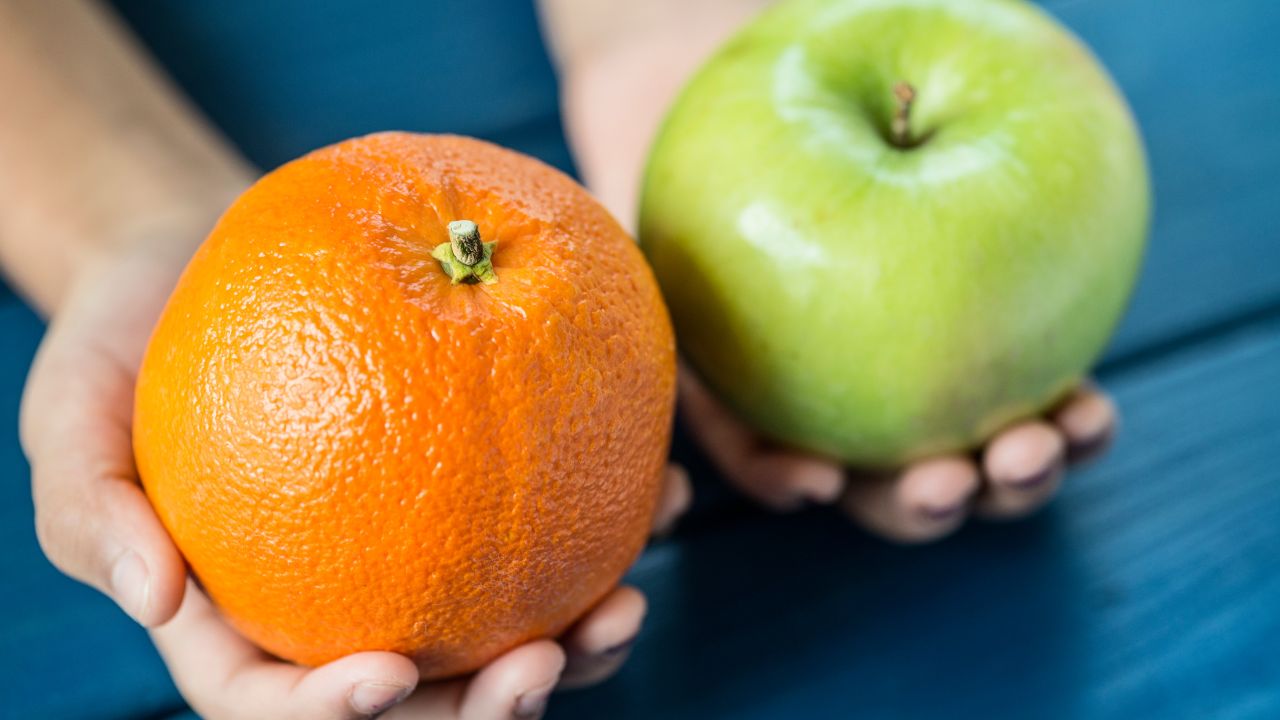
When it comes to keeping your blood sugar in check, both apples and oranges are superstar contenders. But choosing the champion can feel like navigating a fruit-filled maze. Fear not, sugar warriors! This blog will crack the code, revealing the hidden powers of each fruit and crowning the ultimate blood sugar hero.

Round 1: Fiber Frenzy

Fiber, the mighty moderator, slows down sugar absorption, preventing blood sugar spikes. Apples pack a powerful punch with 4.4 grams per medium fruit, while oranges offer a respectable 3.1 grams. Apple takes the first round!

Round 2: Glycemic Index Showdown

The Glycemic Index (GI) measures how quickly a food raises blood sugar, with lower numbers being better. Apples boast a GI of 36, while oranges come in slightly higher at 43. Apple maintains its lead!

Round 3: Vitamin Bonanza

Vitamin C is another champion for blood sugar control. Both fruits are bursting with this antioxidant powerhouse, with oranges slightly ahead with 70mg per fruit compared to an apple’s 8.4mg. Orange scores a point!

Round 4: Sugar Showdown

Naturally occurring sugars, like fructose, can impact blood sugar. Oranges have a slightly higher sugar content, with 9 grams per fruit versus an apple’s 5.3 grams. Apple regains control!

The Final Tally:

After a fierce battle, the apple emerges victorious, thanks to its superior fiber content, lower GI, and lower sugar content. However, oranges shouldn’t be banished from your blood sugar-balancing arsenal. Their vitamin C richness and deliciousness offer valuable contributions to a healthy diet.

Remember:

  • Portion control is key! Stick to one medium apple or orange per serving.
  • Variety is vital! Enjoy both fruits as part of a balanced diet rich in fruits, vegetables, and whole grains.
  • Consult your doctor for personalized advice on managing your blood sugar.
    So, ditch the fruit-picking panic and embrace both apples and oranges. With mindful consumption and a balanced diet, you can keep your blood sugar happy and your taste buds singing!

Bonus Round:

Feeling adventurous? Combine the powers of both fruits in a delicious and nutritious salad or smoothie! Mix sliced apple with segmented orange, leafy greens, and a sprinkle of nuts for a blood sugar-balancing powerhouse.

Now go forth, fruit-fueled warriors, and conquer your blood sugar with the wisdom of both the apple and the orange!

Tagged : / / / / /

Cheat Meal Cravings: Indulge Guilt-Free with These Smart Tweaks

Cheat Meal Cravings: Indulge Guilt-Free with These Smart Tweaks
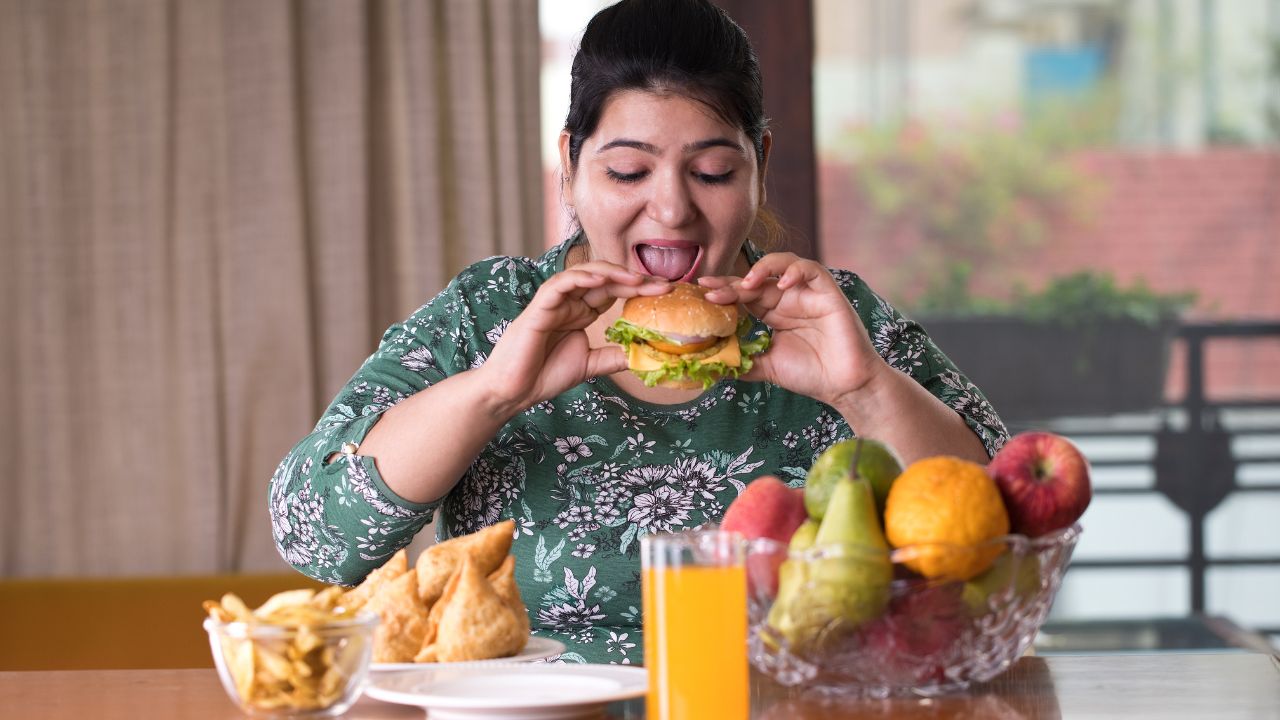
We’ve all been there: the siren song of that extra slice of pizza, the insistent whispers of a double-scoop sundae. Cheat meals, those glorious breaks from our usual healthy routines, can be tempting little devils. But here’s the thing: indulging doesn’t have to mean derailing your progress or ending in a post-feast guilt spiral.

Let’s rewrite the narrative and turn that cheat meal into a celebration of mindful indulgence. Here are some smart tweaks to help you savor the moment without going overboard:

1. Plan Your Pleasure: Don’t let cravings dictate your decisions. Pick a day and a meal in advance, giving yourself time to choose something truly special. Planning avoids impulsive binges and lets you fit it seamlessly into your week.

2. Portion Perfection: Remember, it’s all about quality, not quantity. Savor a smaller serving of your favorite dish instead of piling your plate high. Savor each bite, letting the flavors truly resonate.

3. Think Beyond Junk: Cheat meals don’t have to be synonymous with greasy fast food. Indulge in a gourmet burger made with fresh, local ingredients, or whip up a decadent (but nutritious) homemade pasta dish.

4. Make it a Mini-Meal: Instead of turning your cheat meal into a day-long feast, keep it focused on one special dish. Enjoy it as a larger lunch or a luxurious dinner, and stick to your usual healthy choices for the rest of your meals.

5. Listen to Your Body: Pay attention to your hunger cues. Savor your chosen treat slowly, and stop when you’re comfortably satisfied, not stuffed. Remember, mindful indulgence is key!

6. Hydration Hero: Don’t let thirst masquerade as hunger pangs. Stay hydrated throughout the day, and before and after your cheat meal. A glass of water can help you avoid overeating and make you feel fuller faster.

7. Move Your Body: Cheat meals don’t mean abandoning your workout routine. A brisk walk or light exercise session before or after your indulgence can help regulate your blood sugar and prevent that sluggish feeling.

8. Embrace the Balance: Remember, one cheat meal is just that – one meal. Don’t let it snowball into a week-long free-for-all. Get back on track with your healthy habits the next day, and remember, consistency is key!

So, there you have it! Cheat meals can be a delightful reward and a chance to break the monotony, but with a little planning and these smart tweaks, you can indulge guilt-free and keep your health goals firmly in sight. Now go forth and conquer those cravings, the mindful way!

Remember, mindful indulgence is all about finding balance and listening to your body. Enjoy your cheat meals, but don’t let them control you. By following these tips, you can keep your health goals on track and still satisfy your cravings!

Tagged : / / / / /

Milk: Nature’s Secret Weapon for a Flawless Face

Milk: Nature’s Secret Weapon for a Flawless Face
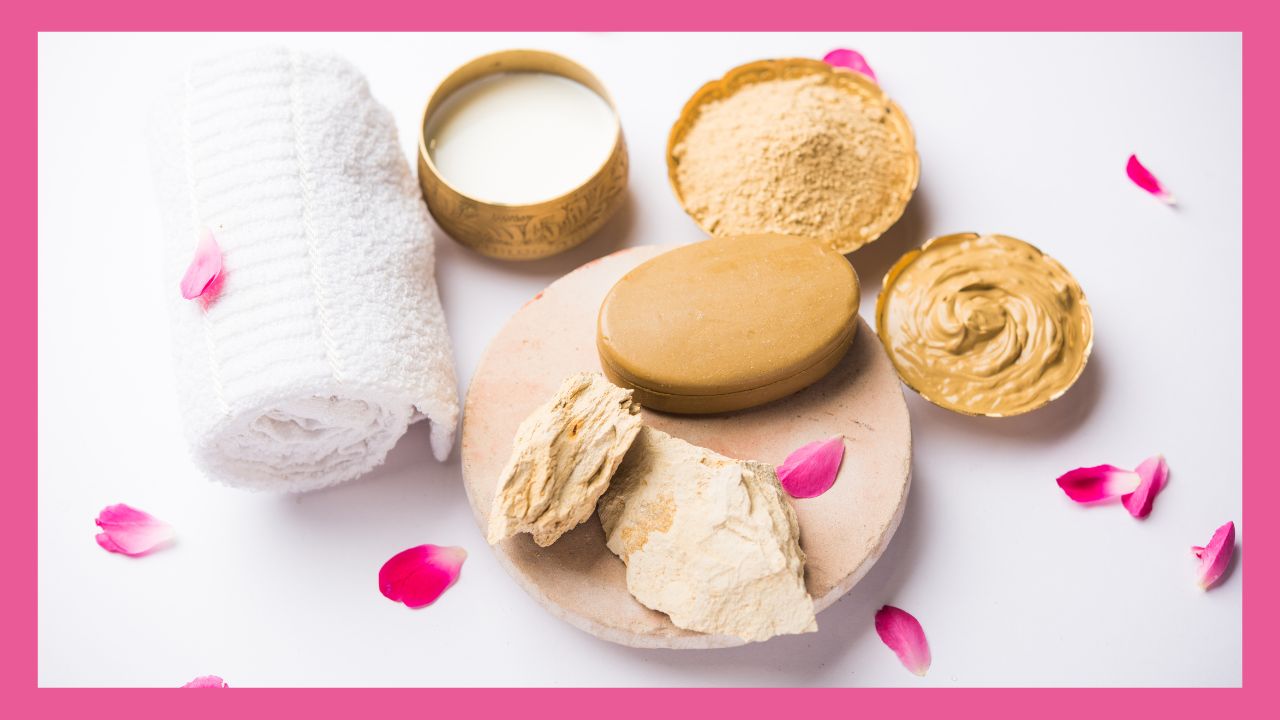
Forget fancy serums and expensive creams – sometimes, the best beauty secrets are hiding in plain sight, right in your fridge. Yes, we’re talking about milk! This surprisingly versatile beverage isn’t just good for your bones – it can also work wonders for your skin, offering a treasure trove of benefits you can unlock with simple DIY face packs.

1. Natural Hydration Hero: Ditch the drying cleansers and embrace the gentle touch of milk. Packed with lactic acid, a natural alpha-hydroxy acid, milk effectively removes dead skin cells and impurities, leaving your skin feeling soft, smooth, and deeply hydrated. Plus, its natural fats and proteins act as a moisture barrier, locking in hydration for a dewy, healthy glow.

2. Acne Blasting Buddy: Lactic acid’s exfoliating prowess extends to tackling acne woes. This mild AHA unclogs pores, prevents breakouts, and even diminishes the appearance of existing blemishes. Milk’s anti-inflammatory properties help soothe existing pimples and calm redness, leaving your skin clear and calm.

3. Anti-Aging Magic Potion: Wrinkles? Not on milk’s watch! Rich in vitamins A and D, milk acts as a natural antioxidant, fighting free radicals that contribute to premature aging. Its protein content stimulates collagen production, keeping your skin firm and elastic, minimizing the appearance of fine lines and wrinkles. Hello, youthful radiance!

4. Gentle Exfoliator Extraordinaire: Forget harsh scrubs that leave your skin irritated. Milk’s lactic acid offers a gentle, yet effective, exfoliation, dissolving dead cells and revealing a brighter, more even-toned complexion. This natural alternative promotes cell turnover, leaving your skin looking fresh and revitalized, without any redness or sensitivity.

Ready to whip up your own milk-powered face masks? Here are a few easy recipes:

i. Hydrating Honey Mask: Mix 2 tablespoons of honey with 1 tablespoon of milk and apply to your face for 15 minutes. The honey adds a boost of hydration and antibacterial properties, while the milk gently exfoliates and moisturizes.

ii. Acne-Fighting Lemon Mask: Add 1 teaspoon of lemon juice to 2 tablespoons of milk for a clarifying mask. The lemon juice helps control oil production and fights acne, while the milk soothes and balances the skin.

iii. Anti-Aging Oatmeal Mask: Combine 1 tablespoon of oatmeal with 2 tablespoons of milk for a gentle exfoliating and anti-aging mask. The oatmeal’s texture provides a light scrub, while the milk’s antioxidants and proteins work their magic.
Remember, a patch test on your arm is always recommended before applying any new mask to your face.

So, next time you reach for the milk carton, remember it’s not just for cereal! Unleash its hidden beauty potential and pamper your skin with the power of nature’s secret weapon. Your face will thank you for it!

Tagged : / / / /

Hair on the Trigger: 4 Foods that Can Hinder Healthy Growth

Hair on the Trigger: 4 Foods that Can Hinder Healthy Growth
While a good hair day can add inches to our confidence, the opposite – excessive hair fall – can feel like a personal blizzard. While genetics and underlying health conditions can play a role, our diet surprisingly wields considerable influence over the fate of our follicles. So, before you despair over a clogged drain, consider taking a peek at your pantry. Here are some common culprits that might be accelerating your hair’s journey south:

1. Sugar Rush, Hair Crash: We all know sugar isn’t a friend to our waistlines, but did you know it can also wreak havoc on your mane? Excess sugar spikes your insulin levels, causing inflammation and disrupting the hair growth cycle. This can lead to thinning hair, weak strands, and premature shedding. So, skip those sugary treats and reach for fruits or yogurt for a sweeter, hair-friendly fix.

2. Carb Crash, Hair Crash (Part 2): Refined carbs like white bread, pasta, and pastries share a similar hair-unfriendly story. These quickly metabolize into sugar, triggering the same insulin surge and inflammatory response. Opt for complex carbs like whole grains, veggies, and legumes instead. They release energy slower, keeping your blood sugar stable and your hair happy.

3. Alcohol: The Double Whammy: Enjoying a glass of wine might not directly cause hair loss, but alcohol dehydrates your body, robbing your hair follicles of precious moisture. Additionally, it interferes with nutrient absorption, making it harder for your body to access the vitamins and minerals essential for healthy hair growth. Moderation is key, and remember to stay hydrated to counteract the dehydrating effects.

4. Fizz with a Fizzle: Sparkling beverages might be refreshing, but the carbonation and artificial sweeteners they often contain can wreak havoc on your hair. The sugar can trigger the same insulin spikes mentioned earlier, and the artificial sweeteners can interfere with nutrient absorption and hormone balance, both of which impact hair health. Opt for plain water, herbal teas, or naturally flavored sparkling water to keep your fizz and your follicles happy.

Remember, healthy hair starts from within. While avoiding these hair-unfriendly foods is a good first step, incorporating nutrient-rich options like protein, iron, vitamins A, C, and E (think eggs, fish, leafy greens, berries) can nourish your hair from the inside out. Consider consulting a doctor or nutritionist for personalized advice if you’re concerned about your hair health. So, ditch the dietary saboteurs, embrace hair-friendly choices, and watch your confidence rise along with your happy, healthy hair!

Tagged : / / / /

The 8 Glasses Myth Debunked: How Much Water Should You Really Drink?

The 8 Glasses Myth Debunked: How Much Water Should You Really Drink?
For years, the magic number 8 haunted water bottles and fridge doors. Eight glasses a day, the mantra went, was the golden ticket to hydration heaven. But what if we told you the truth is… murkier?

A recent wave of research is finally putting the “8 glasses” myth to rest, revealing a more nuanced picture of our individual water needs. While the US National Academies of Sciences suggests 15.5 cups (124 ounces) for men and 11.5 cups (92 ounces) for women as a general guideline, it’s far from a one-size-fits-all approach.

“These numbers were established for generally healthy individuals,” explains Dr. Tamara Ouldibbat, a registered dietitian, “but factors like age, activity level, and even body composition can significantly impact individual needs.”

So, ditch the one-size-fits-all mentality and dive into the personalized world of hydration. Here are some key factors to consider:

i. Body Size: The Academy of Nutrition and Dietetics suggests around 30-35 milliliters of fluid per kilogram of body weight. Do the math, and voila! You’ve got a personalized hydration target that goes beyond gender.

ii. Activity Level: Sweat it out at the gym? Hike mountains on weekends? Your fluid needs skyrocket with physical exertion. Listen to your body and sip more often after exercise or during hot weather.

iii. Health Conditions: Pregnant or breastfeeding? Certain medical conditions? Your water needs might be higher. Consult your doctor for personalized recommendations.

iv. Food Intake: Remember those juicy watermelons and cucumber salads? They contribute to your daily fluid intake too! So, factor in your fruit and veggie consumption when adjusting your water bottle habits.

But how do you know if you’re hitting the hydration mark? Pay attention to your body’s subtle cues. Feeling sluggish, foggy-headed, or experiencing muscle cramps? These could be signs of dehydration.

Another handy trick? Check your urine color. Pale yellow is your hydration sweet spot. Darker shades, however, signal a need to up your water intake.

While the “8 glasses” myth may have reigned supreme for years, remember, hydration is a personal journey. Listen to your body, tweak your habits based on your individual needs, and embrace the freedom of personalized hydration. Your body (and your glowing skin) will thank you for it!

Tagged : / / /
Verified by ExactMetrics