5 Realistic Ways to Actually Slow Down the Process of Aging

5 Realistic Ways to Actually Slow Down the Process of Aging
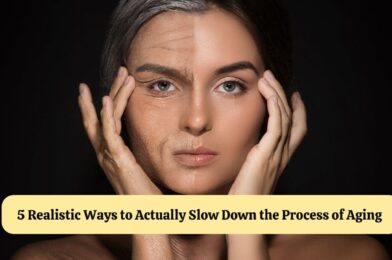
Aging is an inevitable part of life, but that doesn’t mean we have to surrender to wrinkles and creaky joints without a fight. By incorporating some simple yet effective habits into our daily lives, we can slow down the aging process and embrace a healthier, more vibrant version of ourselves. Here are 5 realistic ways to achieve just that:

1. Nourish Your Body with a Rainbow of Goodness:

What you eat plays a crucial role in how you age. Ditch the processed junk and embrace a diet rich in fruits, vegetables, whole grains, and healthy fats. These foods are packed with antioxidants and essential nutrients that combat free radical damage, keeping your cells healthy and your skin glowing. Think leafy greens, colorful berries, nuts, and avocados for a diet that’s as delicious as it is anti-aging.

2. Move Your Body, and Keep it Moving:

Regular exercise isn’t just good for your waistline; it’s also a fountain of youth! Physical activity strengthens your muscles and bones, improves circulation, and boosts brain function, all of which contribute to a more youthful appearance and overall well-being. Aim for at least 150 minutes of moderate-intensity exercise per week, or a combination of cardio and strength training. A brisk walk, a fun dance session, or a yoga class can all be fantastic ways to keep your body moving and your cells rejuvenated.

3. Befriend Sleep, Your Ultimate Rejuvenator:

While we sleep, our bodies repair and restore themselves, making sleep essential for both physical and mental health. Aim for 7-8 hours of quality sleep each night to allow your body to do its magic. Create a relaxing bedtime routine, avoid screens before bed, and ensure a cool, dark sleeping environment for optimal slumber. Remember, sleep deprivation shows on your face, so prioritize those precious Zzz’s for a youthful glow.

4. Stress Less, Live More:

Chronic stress wreaks havoc on our bodies, accelerating the aging process. Find healthy ways to manage stress, whether it’s through meditation, yoga, spending time in nature, or simply connecting with loved ones. Learning to relax and de-stress not only improves your mood but also keeps your cells happy and healthy, leading to a more youthful appearance.

5. Embrace the Sunshine, but with Caution:

While moderate sun exposure can be beneficial for vitamin D synthesis, excessive sunbathing is a major contributor to wrinkles and age spots. Protect your skin with a broad-spectrum sunscreen of SPF 30 or higher every time you step out, even on cloudy days. Additionally, consider wearing protective clothing and hats, especially during peak sun hours. Remember, sun protection is essential for maintaining healthy, youthful skin throughout your life.

By incorporating these 5 realistic tips into your daily routine, you can take control of your aging process and embrace a healthier, more vibrant version of yourself. Remember, aging is a natural part of life, but it doesn’t have to define you. With a little effort and the right approach, you can slow down the clock and live your life to the fullest, at any age!

Bonus Tip: Don’t underestimate the power of laughter, social connection, and a positive attitude. Staying positive, having fun, and nurturing your relationships can add years to your life and keep your spirit young.

So, let’s ditch the age-defying creams and quick fixes, and focus on building a healthy lifestyle that promotes inner and outer well-being. Remember, the best way to slow down aging is to embrace life with every fiber of your being, and age gracefully with wisdom, vitality, and a smile!


Tagged : / / /

Why Does Time Seem To Fly Faster When You Are Older?

Why Does Time Seem To Fly Faster When You Are Older?
Have you ever noticed that time seems to fly faster as you get older? It’s not just your imagination. There are a few scientific reasons why time feels faster as we age.

One reason is that we have fewer new experiences as we get older. When we’re young, we’re constantly learning new things and experiencing new things. This helps to create new memories, which makes time feel like it’s passing more slowly. As we get older, we tend to have fewer new experiences and our days start to feel more routine. This can make time feel like it’s passing more quickly.

Another reason is that our perception of time changes as we get older. When we’re younger, our brains are constantly processing new information and creating new memories. This processing of information takes time. As we get older, our brains start to slow down and process information more slowly. This can make time feel like it’s passing more quickly.

A 2019 study published in the journal Frontiers in Psychology found that our perception of time is also linked to the length of our heartbeats. The study found that people with slower heartbeats tend to perceive time as passing more slowly, while people with faster heartbeats tend to perceive time as passing more quickly.

So, what can we do to make time feel like it’s passing more slowly? Here are a few tips:

i. Have new experiences: Try new things, travel to new places, and meet new people. Having new experiences will help to create new memories and make time feel like it’s passing more slowly.

ii. Be present in the moment: Pay attention to what you’re doing and what’s happening around you. When you’re present in the moment, you’re more likely to appreciate the time you have.

iii. Slow down: Take your time and enjoy the simple things in life. Don’t rush through your days.

iv. Focus on positive emotions: Try to focus on the positive aspects of your life and spend time with people who make you happy. Positive emotions will make time feel like it’s passing more slowly.

It’s also important to remember that time is a relative concept. What one person perceives as fast, another person may perceive as slow. It’s all about perspective. So, try to focus on the positive aspects of time and enjoy every moment.

Tagged : / / / /

Why Is Collagen Important For Aging And What Are Its Vegetarian Sources?

Why Is Collagen Important For Aging And What Are Its Vegetarian Sources?
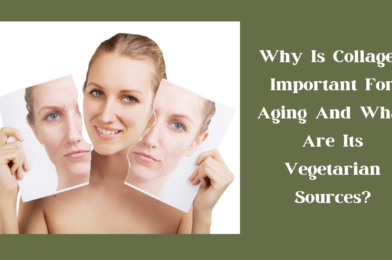
Collagen is the most abundant protein in the human body, making up about 30% of all proteins. It is found in the bones, skin, muscles, tendons, and ligaments. Collagen is responsible for providing structure and strength to these tissues. It also helps to keep the skin looking young and healthy.

As we age, our body’s production of collagen decreases. This can lead to wrinkles, sagging skin, and joint pain. There are a number of ways to boost collagen production, including eating a diet rich in collagen-rich foods, taking collagen supplements, and getting regular exercise.

Here are 8 vegetarian food sources of collagen:

1. Avocado: Avocados are a good source of healthy fats, which are essential for collagen production. They also contain vitamins C and E, which are antioxidants that can help to protect the skin from damage.

2. Papaya: Papaya contains papain, an enzyme that helps to break down collagen. This can be helpful for people who are trying to reduce wrinkles or improve the appearance of their skin.

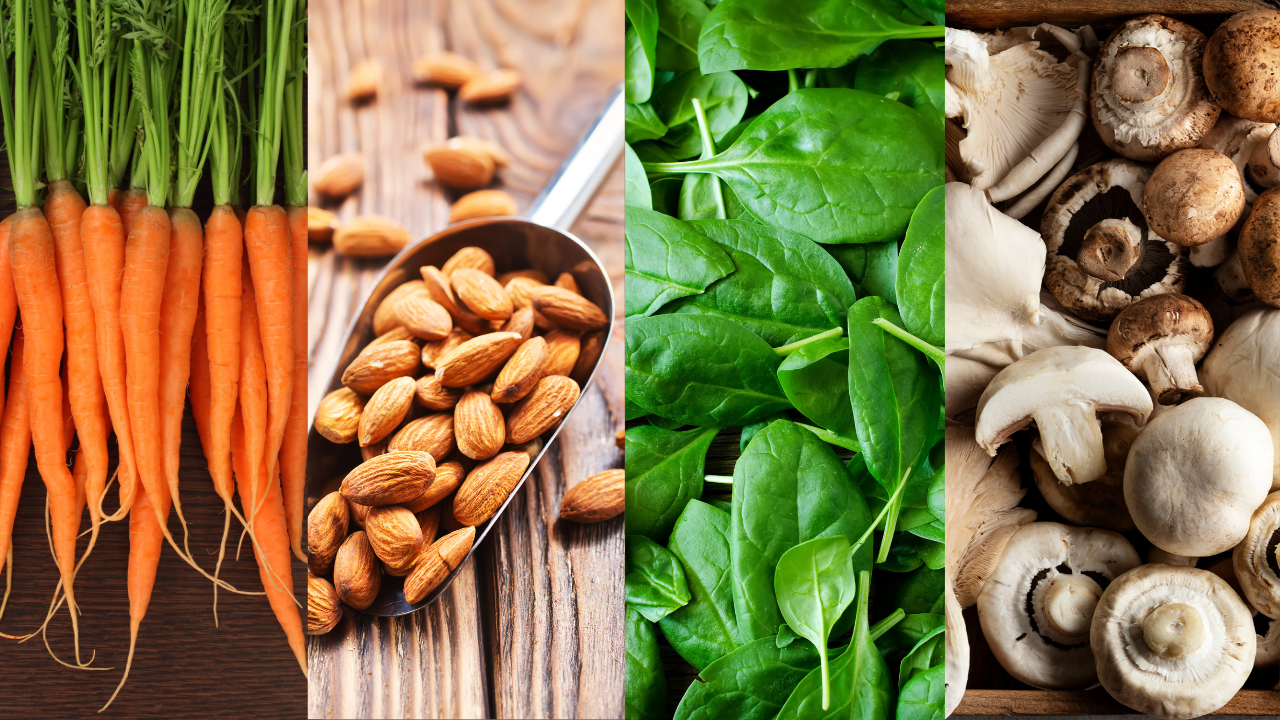
3. Spinach: Spinach is a good source of vitamin C, which is essential for collagen production. It also contains beta-carotene, which is converted to vitamin A in the body. Vitamin A is important for collagen production.

4. Carrots: Carrots are a good source of beta-carotene, which is converted to vitamin A in the body. Vitamin A is important for collagen production.

5. Almonds: Almonds are a good source of vitamin E, which is an antioxidant that can help to protect collagen from damage. They are also a good source of magnesium, which is needed for collagen production.

6. Cucumber: Cucumber is a good source of silica, which is a mineral that is important for collagen production.

7. Mushrooms: Mushrooms are a good source of lentinan, a compound that has been shown to boost collagen production.

8. Cashews: Cashews are a good source of copper, which is a mineral that is essential for collagen production.

In addition to eating a diet rich in collagen-rich foods, there are a few other things you can do to boost collagen production:

Get enough sleep. Sleep is when the body repairs and rebuilds tissues, including collagen.
Get regular exercise. Exercise helps to stimulate collagen production.
Avoid smoking and excessive sun exposure. Smoking and excessive sun exposure can damage collagen.

Tagged : / / / / /
Verified by ExactMetrics