How to Raise Empathic Children?

How to Raise Empathic Children?
Empathy is the ability to understand and share the feelings of another person. It is an important quality to have, as it allows us to connect with others and build strong relationships.

There are many things that parents can do to raise empathetic children. Here are a few tips:

1. Model empathy
Children learn by watching the adults in their lives. If you want your child to be empathetic, be sure to model empathy yourself. When you see someone who is struggling, offer help or support. Talk about how you are feeling and why.

2. Talk about feelings
Help your child learn to identify and express their own feelings. This will help them to understand the feelings of others. Talk about different emotions and how they make people feel.

3. Read books about empathy
There are many great children’s books that teach about empathy. Reading these books with your child can help them to learn about different emotions and how to respond to them.

4. Teach your child about different cultures
Help your child to understand that people from different cultures may have different ways of expressing their emotions. This will help them to be more understanding and accepting of others.

5. Encourage your child to help others
Volunteering or helping out at home are great ways for children to learn about empathy. When they help others, they learn to see the world from someone else’s perspective.

Raising empathetic children takes time and effort, but it is worth it. Empathic children are more likely to be kind, compassionate, and understanding. They are also more likely to have strong relationships with others.

Here are some additional tips for raising empathetic children:

  • Be patient. It takes time for children to learn empathy. Don’t get discouraged if your child doesn’t seem to be getting it right away. Just keep modeling empathy and talking about feelings, and eventually they will get it.
  • Be consistent. The more you talk about empathy and the more you model it, the more likely your child is to learn it. Make it a regular part of your conversations and interactions.
  • Be positive. Focus on the positive aspects of empathy, such as how it helps people to connect with each other and build strong relationships. Avoid getting into negative discussions about people who lack empathy.

    Raising empathetic children is an important investment in their future. By following these tips, you can help your child develop this essential quality.

Tagged : / / / /

5 Zodiac Signs Who Never Support Their Partner

5 Zodiac Signs Who Never Support Their Partner
Astrology can be a helpful tool for understanding ourselves and our relationships. It can also be used to identify the zodiac signs that are more likely to be supportive partners and those that are less likely to be.

According to astrology, the following are the 5 zodiac signs who are least likely to support their partners:

1. Aries (March 21 – April 19): Aries are known for being independent and self-sufficient. They can be quick to take action and make decisions, without always considering the needs of their partner. Aries can also be impatient and demanding, which can make it difficult for them to be supportive.

2. Leo (July 23 – August 22): Leos are natural leaders and need to be the center of attention. They can be very generous and supportive when they are in the spotlight, but they can be less so when they are not. Leos can also be egoistic and demanding, which can make it difficult for them to be supportive of their partner’s needs.

3. Scorpio (October 23 – November 21): Scorpios are passionate and intense. They can be very supportive when they are committed to a relationship, but they can also be jealous and possessive. Scorpios can be secretive and manipulative, which can make it difficult for them to be truly supportive of their partner.

4. Aquarius (January 20 – February 18): Aquarians are independent and unconventional. They can be very supportive of their partner’s dreams and goals, but they may not always be emotionally available. Aquarians can also be aloof and detached, which can make it difficult for them to be truly supportive.

5. Capricorn (December 22 – January 19): Capricorns are ambitious and goal-oriented. They can be very supportive of their partner’s success, but they may not always be emotionally expressive. Capricorns can also be critical and demanding, which can make it difficult for them to be truly supportive.

It is important to note that these are just generalizations, and there are always exceptions. There are many Aries, Leos, Scorpios, Aquarians, and Capricorns who are loving and supportive partners. However, these signs are more likely to struggle with providing support than others. If you are in a relationship with one of these signs, it is important to communicate your needs and expectations clearly. Be patient and understanding, and don’t expect them to change their personality overnight. With time and effort, you can build a strong and supportive relationship, regardless of your zodiac signs.

Tagged : / / / /

5 Simple Yoga Asanas to Get Relief From Acidity and Gas

5 Simple Yoga Asanas to Get Relief From Acidity and Gas
oga is a mind-body practice that has been shown to be effective in relieving a variety of health conditions, including acidity and gas. Yoga poses can help to improve digestion, reduce inflammation, and relieve stress, all of which can contribute to acidity and gas.

Here are 5 yoga asanas that are especially beneficial for relieving acidity and gas:

1. Paschimottanasana (seated forward bend): This pose helps to stretch the stomach and intestines, which can help to relieve gas and bloating. To do paschimottanasana, sit on the floor with your legs extended in front of you. Bend forward from the hips, keeping your back straight, and reach for your toes. Hold for 30 seconds.

2. Vajrasana (thunderbolt pose): This pose helps to improve digestion and relieve gas. To do vajrasana, sit on the floor with your knees bent and your feet flat on the floor. Bring the soles of your feet together and rest your knees on the sides of your body. Hold for 5 minutes.

3. Cat cow pose (Marjaryasana and Bitilasana): This pose helps to massage the abdominal organs and improve digestion. To do cat cow pose, start on your hands and knees. As you inhale, arch your back and look up. As you exhale, round your back and tuck your chin to your chest. Repeat 5-10 times.

4. Pawanmuktasana (wind-relieving pose): This pose helps to improve digestion and relieve gas. To do pawanmuktasana, lie on your back with your knees bent and your feet flat on the floor. Bring your right knee to your chest and wrap your arms around it. Hold for 30 seconds, then repeat on the other side.

5. Kapalbhati Pranayama (skull shining breath): This breathing technique helps to reduce acidity and gas by stimulating the digestive system. To do kapalbhati pranayama, sit in a comfortable position with your spine erect. Close your mouth and inhale deeply through your nose. Then, exhale forcefully through your nose, making a sound like a sigh. Repeat for 5-10 minutes.

It is important to note that these are just a few of the many yoga poses that can help to relieve acidity and gas. If you are experiencing these symptoms, it is always best to consult with a doctor or a yoga instructor to get personalized advice.

Here are some tips for doing yoga for acidity and gas:

  • Start with gentle poses and gradually increase the intensity as you become more comfortable.
  • Listen to your body and avoid doing any poses that cause pain.
  • Hold each pose for a few breaths, and focus on your breath as you practice.
  • Practice yoga regularly to get the most benefits.
    Yoga can be a helpful way to relieve acidity and gas. By practicing these poses regularly, you can improve your digestion and reduce your symptoms.
Tagged : / / / / / /

10 Jobs That Artificial Intelligence Will Never Replace

10 Jobs That Artificial Intelligence Will Never Replace
Artificial intelligence (AI) is rapidly changing the world, and many jobs are being automated. Because of this, there is a general sense of fear in almost every sector of the jobs market that the jobs are getting replaced by AI and the human workforce will soon be out of job. But no, this is not the case. AI is here to stay but so are many jobs – jobs that AI can never do as efficiently as the humans. Here are 10 such jobs:

1. Teachers
We spend between 15 and 20 years of our first years learning because it is such an essential part of who we are. It’s a huge societal commitment that affects a lot of various facets of who we are. It is a significant time in our life. Between the lines of the things they particularly teach, teachers have a significant responsibility to communicate to us fundamental principles and values. For many of us, teachers frequently serve as a point of reference. We frequently base our academic choices in part on how motivating a certain teacher was to us in previous years. Due to all of these factors, it is improbable that future classrooms will be entirely computerised.

2. Lawyers and Judges
These roles heavily rely on case analysis, strategy, and negotiation. Much depends on the unique experience and expertise of each specialist. A specific set of abilities is necessary to successfully negotiate intricate legal frameworks and present a client’s case in court. When it comes to weighing all the many factors in a case and making a choice that, in the instance of a judge, might result in years in prison, there is a human element at play. Even the most knowledgeable Android won’t be able to handle these types of jobs, either today or in the future. Additionally, will you actually feel at ease having a robot defend you in court?

3. Psychologists and Psychiatrists
Despite the fact that a lot of facial recognition technology is presently being used to create first AI counselling care and assistance, mental health is a particularly sensitive subject due to the rising demand. When it comes to assisting people in succeeding in their life in all that it may entail, a human touch is crucial. No matter how sophisticated systems might develop, let’s say 50 years from now, these jobs are extremely unlikely to be replaced by complicated and cyber-friendly algorithms with prosthetic faces since in order to aid a human in their activities, you first need to have had a human experience.

4. Surgeons
Technology has undoubtedly greatly improved the accuracy with which we are now able to identify disorders in any medical report. Micro robots also improves the surgical precision of the doctors, allowing for less intrusive operations. However, being a surgeon necessitates the capacity to relate to the patient on a variety of other levels while simultaneously taking a huge number of factors into account. During an operation, experience, knowledge, and abilities that have been accumulated through time must all be distilled into a few minutes. Critical choices will always be made with the assistance of humans. Therefore, you might want to pay attention to your mother if she continues to push for you to pursue a career in medical.

5. Computer System Analysts
No matter how automated we get, we’ll always need people to do maintenance work, update, upgrade, fix, and set up complicated software and hardware systems that frequently require collaboration between multiple specialists to function properly. Computer system analysts, whose services have seen increased demand in recent years, review system capabilities, manage workflow, schedule enhancements, and increase automation. The internet of things, in which an enormous number of gadgets are connected, share data (ostensibly for our benefit), and actively engage with one another, is about to enter our lives. Therefore, there will be a growing demand for this particular occupation in the years to come.

6. Directors, Managers and CEOs
It takes leadership to manage teams inside an organisation, yet leadership is not a set of behaviours that can be codified and applied in a linear manner. A CEO is also in charge of communicating the company’s values and mission to the team. Investors are very unlikely to ever feel at ease making investments in a company run by robots or algorithms. Unless, of course, robot investors become a reality in the future.

7. Cooks and Chefs
Yes there are automated machines and AI based ovens and fryers but what a chef does, a robot will never be able to do because cooking is not just about adding certain ingredients for some recipe, it is also about making something good based on the preference of the person who is going to eat it. This is something a robot will never be able to do, that is cook from the heart. No AI can replace a good chef.

8. Politicians
Politicians need to develop this talent since it is one of the main distinctions between what distinguishes humans from machines or artificial intelligence (AI): people are actually fairly good at coming up with original answers for unforeseen events. Due to the current pandemic crisis and how specific leaders’ decisions have had a very significant impact on the conclusion of the virus spread, we have lately witnessed this, for better or worse outcomes. Would you honestly cast your vote for a robot to stand in for the vast majority of people and their needs? Politicians, for better or worse, are not likely to be leaving office very soon.

9. Priests and Spiritual Figures
You may not be religious or a fervent believer in anything, yet for many centuries, spirituality has been seen as a fundamental element of the human experience. Priests, priests, and other religious leaders in general played significant roles in our communities by providing assistance and frequently educational opportunities to millions of people in earlier generations when educational systems were less advanced and networks of emotional support were harder to access.
It almost seems contradictory to think that robots or artificial intelligence (AI) would someday take over this area of our lives because spirituality is such a very personal and human experience. We will never attribute faith, empathy, sympathy, or feeling to supernatural beings who are not human.

10. Farming
Yes there is a lot of mechanization happening in the field of mechanization but no machine can replace a farmer’s labour, his knowledge and his skill set. You can never see robots deciding what to sow and when to sow in which part of the pasture or the farm. Similarly, a robot can not handle livestock forget rearing them.

Apart from these there many other jobs like that of a singer, a painter or a writer that AI can never do as good as a human being. Yes AI can read a book in seconds and give you in words what it feels but in reality it does not feel. A singer singing notes right from his or her heart, a painter drawing something unbelievable just based on his or her imagination, a port writing words that can only be written when you have had the same feeling are simply the most amazing things that no AI can do as good as humans.

So don’t you worry and start thinking about what you are gonna do when you grow up.

Tagged : / / / / /

How the Shape of Your Lips Reveals Your Hidden Personality Traits

How the Shape of Your Lips Reveals Your Hidden Personality Traits
Did you know that the shape of your lips can reveal hidden personality traits? There are many different theories about what the shape of your lips can say about you, but some of the most common include:

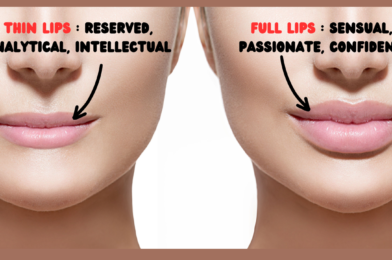
Full lips: People with full lips are often seen as being sensual, passionate, and confident. They are also said to be good at expressing their emotions and connecting with others.

Thin lips: People with thin lips are often seen as being more reserved, analytical, and intellectual. They are also said to be good at controlling their emotions and keeping secrets.

Upper lip: The upper lip is said to represent the conscious mind, while the lower lip is said to represent the subconscious mind. People with a larger upper lip are often seen as being more expressive and outgoing, while people with a larger lower lip are often seen as being more emotional and intuitive.

Cupid’s bow: A cupid’s bow is the indentation in the center of the upper lip. People with a cupid’s bow are often seen as being romantic, charming, and attractive.

Defined lips: People with defined lips are often seen as being assertive, confident, and outgoing. They are also said to be good at communicating their ideas and thoughts.

Uneven lips: People with uneven lips are often seen as being more creative and individualistic. They are also said to be good at seeing the world from different perspectives.

It is important to note that these are just theories, and the shape of your lips does not necessarily determine your personality. However, it can be a fun way to learn more about yourself and the people around you.

No matter what your lip shape, it is important to remember that you are unique and special. Your lips are a part of what makes you who you are, and they should be celebrated.

Tagged : / /

9 Reasons to Consume Ginger Every Day

9 Reasons to Consume Ginger Every Day

Ginger is a popular spice that has been used for centuries for its medicinal properties. It is known for its anti-inflammatory, antioxidant, and antiemetic (nausea-relieving) effects. There are many reasons why you should consider consuming ginger every day.

Here are 9 of the top reasons:

  1. Reduces nausea and vomiting. Ginger is a well-known remedy for nausea and vomiting, making it a good choice for people who are pregnant, have motion sickness, or are undergoing chemotherapy.
  2. Eases pain. Ginger has been shown to be effective in relieving pain, including muscle pain, arthritis pain, and headache pain.
  3. Improves digestion. Ginger can help to improve digestion by stimulating the production of saliva and gastric juices. It can also help to relieve gas and bloating.
  4. Boosts the immune system. Ginger is a good source of antioxidants, which can help to boost the immune system and fight off infection.
  5. Lowers blood sugar levels. Ginger has been shown to help lower blood sugar levels in people with type 2 diabetes.
  6. Improves heart health. Ginger can help to improve heart health by lowering cholesterol levels and reducing the risk of blood clots.
  7. Fights cancer. Ginger has been shown to have anti-cancer properties. It may help to prevent the growth of cancer cells and tumor formation.
  8. Relieves menstrual cramps. Ginger can help to relieve menstrual cramps by reducing inflammation and pain.
  9. Improves cognitive function. Ginger has been shown to improve cognitive function in people with Alzheimer’s disease and other age-related cognitive decline.

Ginger is a safe and versatile spice that can be enjoyed in many different ways. You can add it to your food, beverages, or take it as a supplement. If you are considering consuming ginger every day, it is important to talk to your doctor first, especially if you are taking any medications.

Here are some tips for incorporating ginger into your diet:

  • Add fresh ginger to your favorite dishes, such as stir-fries, curries, and soups.
  • Make ginger tea by steeping grated ginger in hot water for 5-10 minutes.
  • Add ginger to your smoothies or juices.
  • Take ginger capsules as a dietary supplement.

Ginger is a delicious and healthy spice that can be enjoyed in many different ways. By incorporating ginger into your diet, you can reap the many health benefits it has to offer.

Tagged : / / / /

The Rainbow Diet: Eating Your Way to Better Health

The Rainbow Diet: Eating Your Way to Better Health
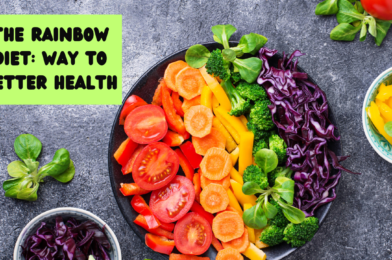
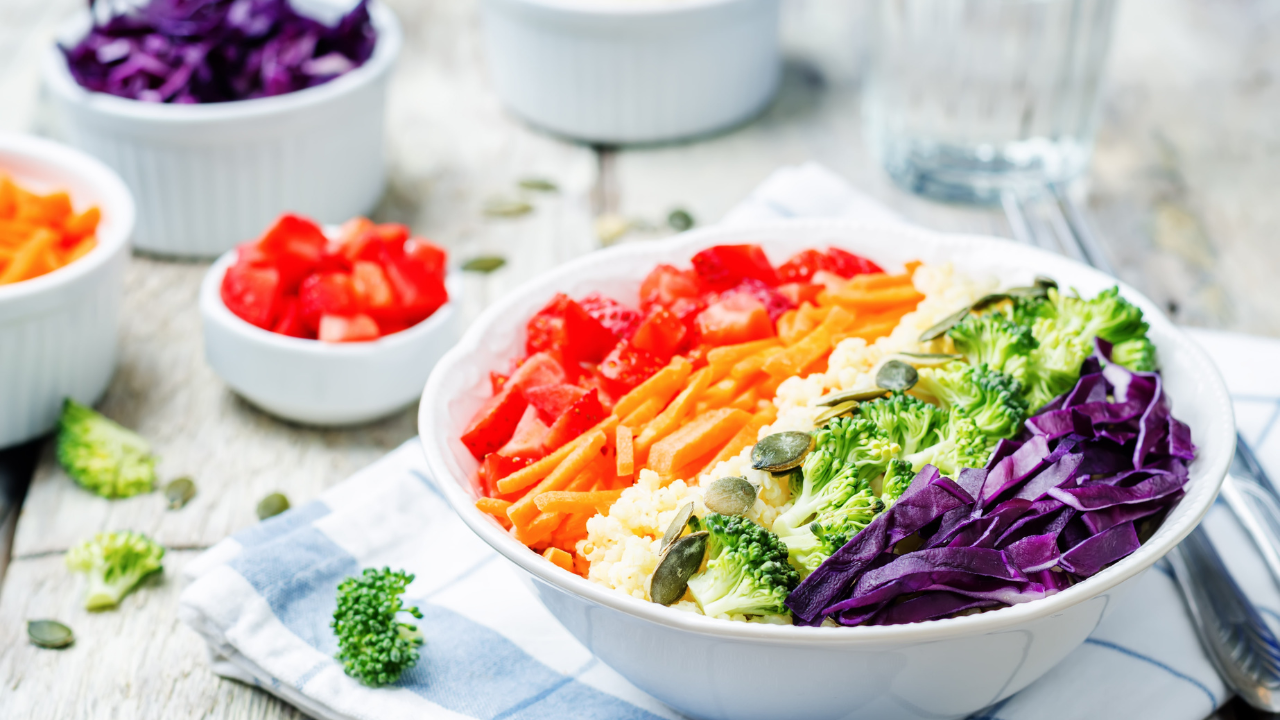
The rainbow diet is a simple concept: eat a variety of fruits and vegetables of different colors. The idea is that each color of food contains different nutrients that can benefit your health.

For example, red fruits and vegetables are rich in lycopene, an antioxidant that has been linked to a reduced risk of cancer. Orange fruits and vegetables are a good source of vitamin C, which is important for immune function. Yellow fruits and vegetables are high in beta-carotene, which can help protect your skin from sun damage. Green vegetables are packed with vitamins A and K, as well as fiber. And purple fruits and vegetables are a good source of anthocyanins, antioxidants that may help improve heart health.

You can try different colours of foods from these options:

1.Red
• Tomatoes
• Red bell peppers
• Strawberries
• Cherries
• Watermelon
• Red apples
• Red grapes
• Pomegranates

2. Orange or yellow
• Carrots
• Sweet potatoes
• Oranges
• Mangoes
• Pineapples
• Yellow bell peppers
• Peaches
• Apricots

3. Green
• Spinach
• Broccoli
• Kale
• Zucchini
• Green peas
• Avocado
• Green beans
• Kiwi

4. Blue or purple
• Blueberries
• Blackberries
• Purple grapes
• Eggplant
• Purple cabbage
• Raisins

5. White
• Cauliflower
• Mushroom
• Onion
• Garlic

By eating a rainbow diet, you can get a wide range of nutrients that your body needs to stay healthy. Here are some of the specific health benefits of eating a rainbow diet:

1. Reduced risk of chronic diseases: A diet rich in fruits and vegetables has been linked to a reduced risk of chronic diseases such as heart disease, stroke, cancer, and type 2 diabetes.

2. Improved heart health: The nutrients in fruits and vegetables, such as fiber, potassium, and vitamin C, can help improve heart health by lowering blood pressure, cholesterol, and inflammation.

3. Weight loss: Fruits and vegetables are low in calories and high in fiber, which can help you feel full and satisfied, making it easier to lose weight or maintain a healthy weight.

4. Improved gut health: The fiber in fruits and vegetables can help feed the healthy bacteria in your gut, which is important for gut health.

5. Boosted immunity: The vitamins and minerals in fruits and vegetables can help boost your immune system, helping you fight off infections.

6. Improved skin health: The antioxidants in fruits and vegetables can help protect your skin from sun damage and premature aging.

The rainbow diet is a simple and delicious way to improve your health. By making sure to include a variety of fruits and vegetables in your diet, you can get the nutrients you need to stay healthy and strong.

Here are some recipes to help you get started on the rainbow diet:
Rainbow salad: This colorful salad is packed with nutrients from a variety of fruits and vegetables.

Roasted vegetable medley: This dish is a great way to enjoy a variety of roasted vegetables.

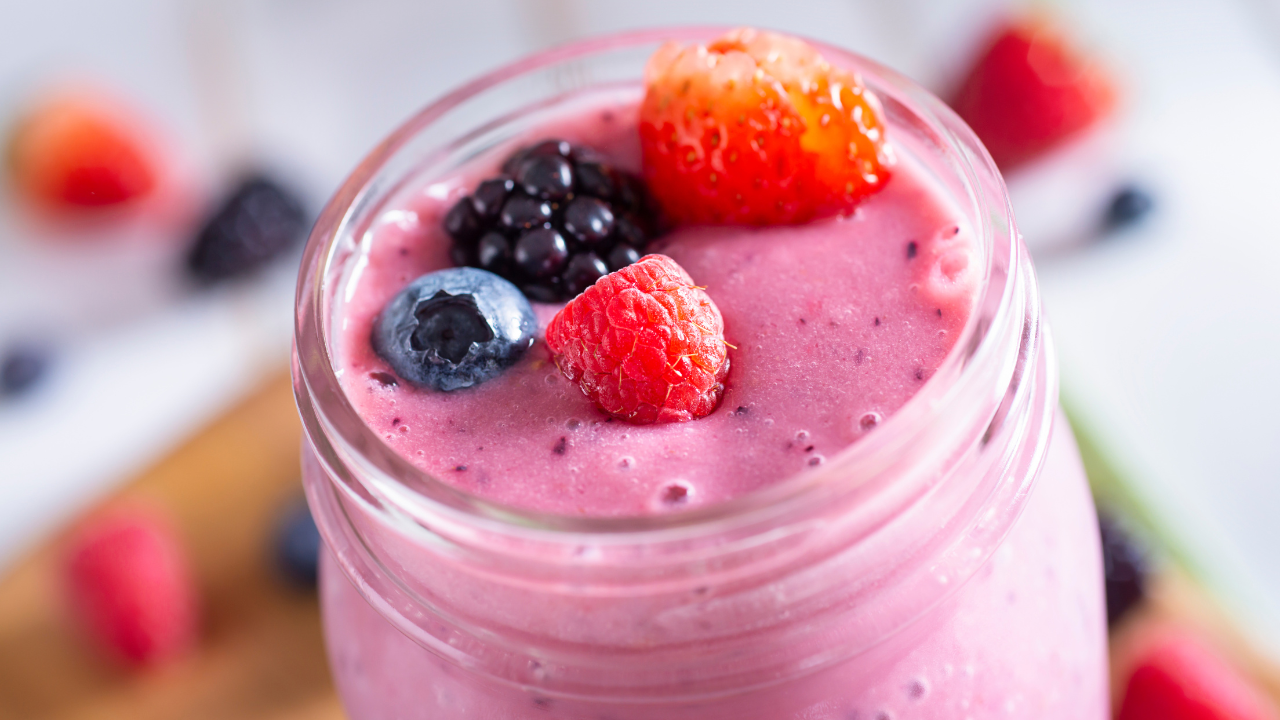
Fruit smoothie: This smoothie is a delicious and easy way to get your daily dose of fruits and vegetables.

Vegetable soup: This soup is a hearty and satisfying way to warm up on a cold day.

The rainbow diet is a healthy and delicious way to eat. By following these tips, you can easily incorporate more fruits and vegetables into your diet and improve your overall health.

Tagged : / / / / /

Google Launches AI-Powered Search in India

Google Launches AI-Powered Search in India
Google has launched its AI-powered Search in India, making it easier for users to find information and get answers to their questions. The new search experience, called Search Generative Experience (SGE), uses generative AI to provide more comprehensive and informative results.

SGE can answer your questions in a natural language format, providing summaries of factual topics, lists of relevant information, and even images and videos. It can also help you explore a topic in more depth by providing pointers to related content.

To use SGE, simply visit Google.com and enable the feature in Search Labs. You can do this by clicking on the gear icon in the top right corner of the search results page and selecting Search Labs. Then, scroll down to the Generative AI in Search section and toggle the switch to On.

Once SGE is enabled, you can start asking your questions in a natural language format. For example, you could ask “What is the capital of India?” or “How do I make a cake?” SGE will then provide you with a comprehensive answer, including a summary of the topic, relevant information, and even images and videos.

SGE is currently available in English and Hindi. It is still under development, but Google plans to add more languages in the future.

Here are some tips for using SGE:

  • Be as specific as possible when asking your questions.
  • Use keywords that are relevant to the topic you are interested in.
  • Avoid using slang or informal language.
  • If you are not sure how to phrase your question, try using the Search bar to get suggestions.

SGE is a powerful new tool that can help you find information and get answers to your questions more easily. With its ability to understand natural language and provide comprehensive and informative results, SGE is a valuable resource for anyone who uses Google Search.

How to enable SGE in Google Search

1.Open Google.com in your web browser.
2.Click on the gear icon in the top right corner of the search results page.
3.Select Search Labs.
4.Scroll down to the Generative AI in Search section and toggle the switch to On.
Once SGE is enabled, you can start asking your questions in a natural language format.

Tagged : / / /
Verified by ExactMetrics