
7 Superfoods to Soothe Acid Reflux and Heartburn Naturally

7 Superfoods to Soothe Acid Reflux and Heartburn Naturally
Acid reflux, that burning sensation creeping up your chest, can make even the simplest meal a daunting task. But fear not, fellow heartburn warriors! Mother Nature has provided us with an arsenal of delicious “superfoods” that can help calm the flames and bring peace to your gut. Ditch the antacids and embrace these 7 natural heartburn heroes:

1. Melons: Watermelon, cantaloupe, and honeydew are nature’s candy, packed with water and electrolytes that help dilute stomach acid and soothe irritation. Plus, their high fiber content aids digestion, preventing food from sitting in your stomach and triggering reflux.

2. Bananas: This potassium-rich fruit is a natural antacid, neutralizing stomach acid and preventing heartburn. Their creamy texture also coats the esophagus, providing a protective barrier against irritation. Bonus points for ripe bananas, as unripe ones can be acidic.

3. Leafy Greens: Don’t underestimate the power of greens! Spinach, kale, and collard greens are low in fat and acid, making them easy on your stomach. They’re also packed with vitamins and minerals that support overall gut health and digestion.

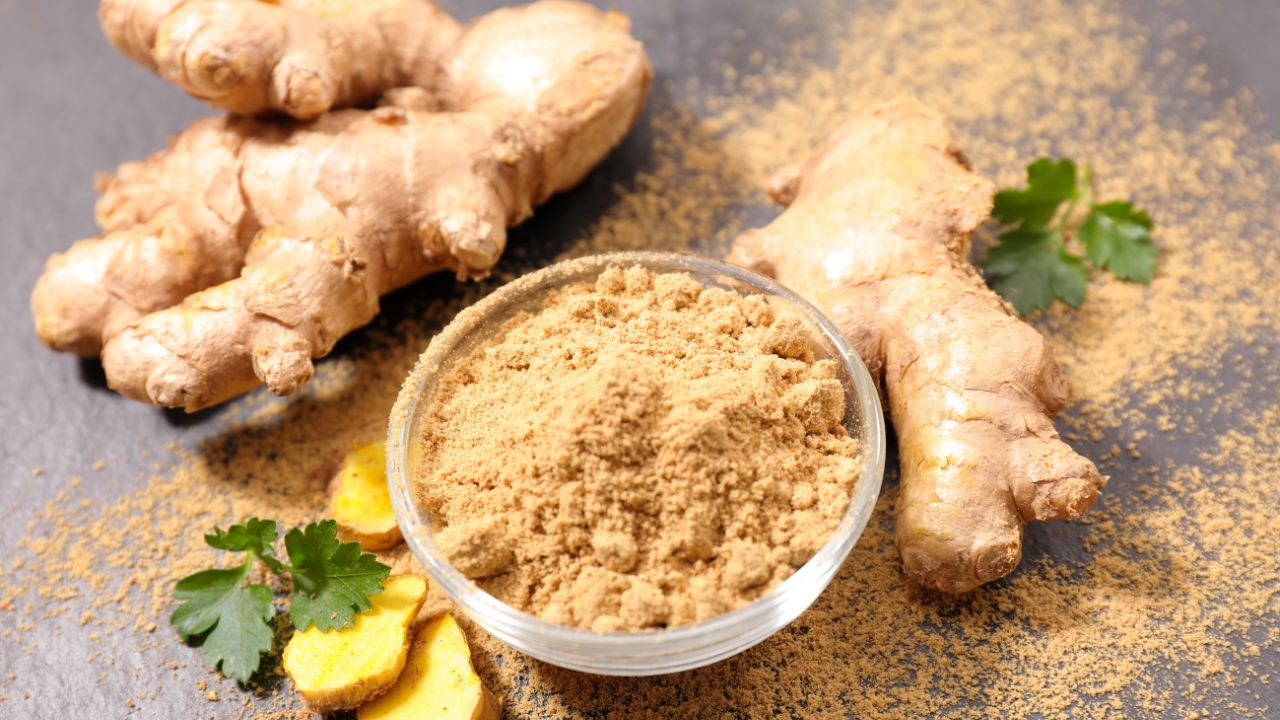
4. Ginger: This spicy root is a natural anti-inflammatory and has been used for centuries to soothe digestive issues. Ginger tea or a few slices chewed after a meal can help calm stomach upset and reduce acid reflux symptoms.
5. Oatmeal: This fiber-rich breakfast staple is a lifesaver for heartburn sufferers. Oatmeal absorbs excess stomach acid and creates a barrier against irritation. Opt for steel-cut oats for the most fiber and avoid sugary toppings.

6. Almonds: These crunchy nuts are a good source of healthy fats and magnesium, both of which can help relax the esophageal sphincter and prevent reflux. Enjoy a handful as a snack or sprinkle them on yogurt for added texture and flavor.

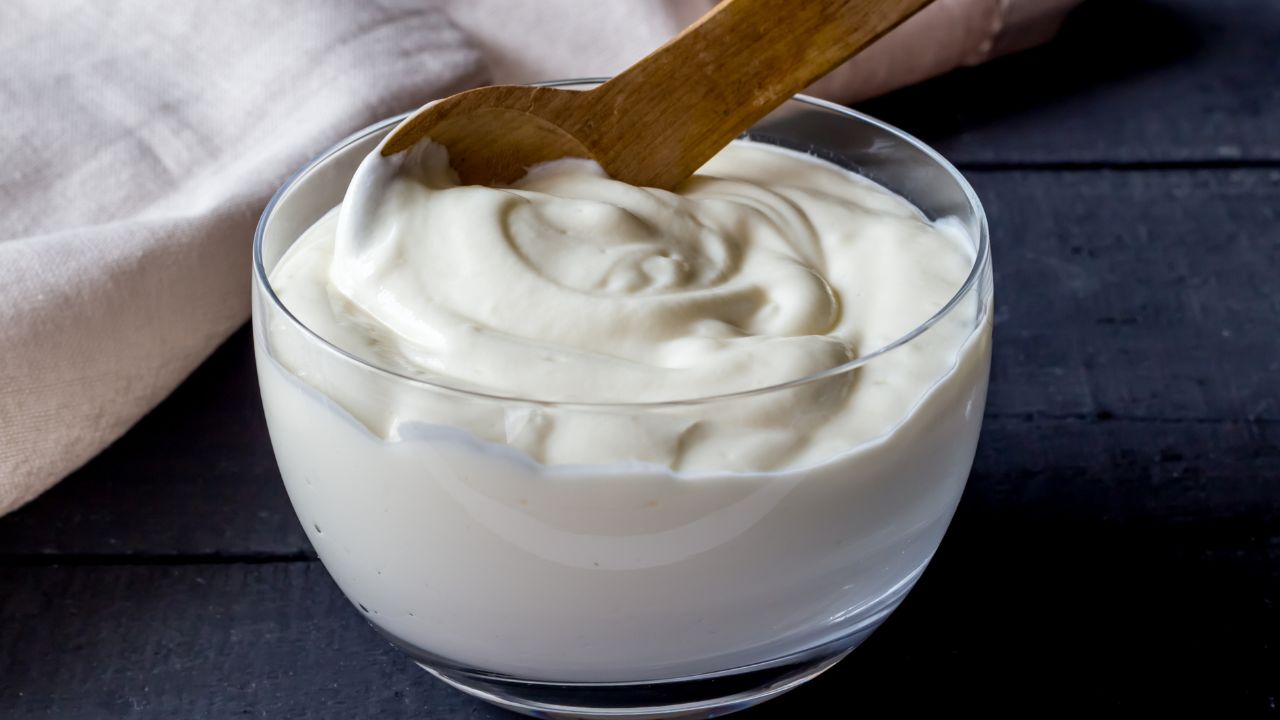
7. Yogurt: Plain, unsweetened yogurt is a probiotic powerhouse, teeming with good bacteria that aid digestion and keep your gut microbiome happy. This can help prevent acid reflux and other digestive issues. Choose low-fat or fat-free options for optimal comfort.
Remember, everyone’s triggers are different, so experiment and find what works best for you. Incorporate these superfoods into your diet, listen to your body, and enjoy the freedom of a heartburn-free life!

Bonus Tip: Lifestyle changes like eating smaller meals more frequently, managing stress, and avoiding trigger foods can also significantly improve acid reflux symptoms. Consult your doctor if symptoms persist or worsen.

With these superfoods and a little lifestyle tweaking, you can say goodbye to heartburn and embrace a life of delicious, comfortable meals!


Tagged : / / / / / /

5 Simple Yoga Asanas to Get Relief From Acidity and Gas

5 Simple Yoga Asanas to Get Relief From Acidity and Gas
oga is a mind-body practice that has been shown to be effective in relieving a variety of health conditions, including acidity and gas. Yoga poses can help to improve digestion, reduce inflammation, and relieve stress, all of which can contribute to acidity and gas.

Here are 5 yoga asanas that are especially beneficial for relieving acidity and gas:

1. Paschimottanasana (seated forward bend): This pose helps to stretch the stomach and intestines, which can help to relieve gas and bloating. To do paschimottanasana, sit on the floor with your legs extended in front of you. Bend forward from the hips, keeping your back straight, and reach for your toes. Hold for 30 seconds.

2. Vajrasana (thunderbolt pose): This pose helps to improve digestion and relieve gas. To do vajrasana, sit on the floor with your knees bent and your feet flat on the floor. Bring the soles of your feet together and rest your knees on the sides of your body. Hold for 5 minutes.

3. Cat cow pose (Marjaryasana and Bitilasana): This pose helps to massage the abdominal organs and improve digestion. To do cat cow pose, start on your hands and knees. As you inhale, arch your back and look up. As you exhale, round your back and tuck your chin to your chest. Repeat 5-10 times.

4. Pawanmuktasana (wind-relieving pose): This pose helps to improve digestion and relieve gas. To do pawanmuktasana, lie on your back with your knees bent and your feet flat on the floor. Bring your right knee to your chest and wrap your arms around it. Hold for 30 seconds, then repeat on the other side.

5. Kapalbhati Pranayama (skull shining breath): This breathing technique helps to reduce acidity and gas by stimulating the digestive system. To do kapalbhati pranayama, sit in a comfortable position with your spine erect. Close your mouth and inhale deeply through your nose. Then, exhale forcefully through your nose, making a sound like a sigh. Repeat for 5-10 minutes.

It is important to note that these are just a few of the many yoga poses that can help to relieve acidity and gas. If you are experiencing these symptoms, it is always best to consult with a doctor or a yoga instructor to get personalized advice.

Here are some tips for doing yoga for acidity and gas:

  • Start with gentle poses and gradually increase the intensity as you become more comfortable.
  • Listen to your body and avoid doing any poses that cause pain.
  • Hold each pose for a few breaths, and focus on your breath as you practice.
  • Practice yoga regularly to get the most benefits.
    Yoga can be a helpful way to relieve acidity and gas. By practicing these poses regularly, you can improve your digestion and reduce your symptoms.
Tagged : / / / / / /

7 Most Common Root Causes of Acidity!

7 Most Common Root Causes of Acidity!
Acid reflux, also known as heartburn, is a common condition that occurs when stomach acid backs up into the esophagus. This can cause a burning sensation in the chest, throat, or neck. There are many different things that can cause acidity, but some of the most common root causes include:

1 Diet
Certain foods and drinks can irritate the lining of the esophagus and make acidity worse. These include fatty and fried foods, spicy foods, citrus fruits, tomatoes, chocolate, peppermint, and alcohol.
2 Medications
Some medications, such as aspirin, ibuprofen, and naproxen, can increase stomach acid production.
3 Pregnancy
During pregnancy, the hormone progesterone relaxes the muscles in the lower esophageal sphincter, which can allow stomach acid to back up into the esophagus.
4 Hiatal hernia
A hiatal hernia occurs when part of the stomach pushes up through the diaphragm, the muscle that separates the chest from the abdomen. This can increase pressure on the lower esophageal sphincter and make acidity worse.
5 Obesity
Being overweight or obese can put extra pressure on the lower esophageal sphincter and make acidity worse.
6 Smoking
Smoking irritates the lining of the esophagus and can make acidity worse.
7 Stress
Stress can increase stomach acid production and make acidity worse.
If you experience acidity on a regular basis, it is important to see a doctor to rule out any underlying medical conditions.
There are also a number of lifestyle changes that you can make to help reduce acidity, such as:

  • Losing weight: If you are overweight or obese, losing even a small amount of weight can help to reduce acidity.
  • Eating smaller, more frequent meals: This will help to keep your stomach from becoming too full, which can put pressure on the lower esophageal sphincter.
  • Avoiding trigger foods: If you know that certain foods or drinks trigger your acidity, avoid them as much as possible.
  • Not eating within 3 hours of bedtime: This will give your stomach time to empty before you lie down, which can help to prevent acid reflux.
  • Raising the head of your bed by 6-8 inches: This will help to keep stomach acid from backing up into the esophagus while you sleep.
  • Quitting smoking: Smoking irritates the lining of the esophagus and can make acidity worse.
  • Managing stress: Stress can increase stomach acid production and make acidity worse. There are a number of different ways to manage stress, such as exercise, relaxation techniques, and spending time with loved ones.                                      If you have tried these lifestyle changes and you are still experiencing acidity, your doctor may prescribe medication to help control your symptoms. There are a number of different medications available, so your doctor can help you find one that is right for you.
Tagged : / / / /

10 Simple Indian foods that work wonders in preventing acidity and they are in your kitchen!

10 Simple Indian foods that work wonders in preventing acidity and they are in your kitchen!
Acidity is a common problem that can be caused by a variety of factors, including stress, eating spicy foods, and drinking too much alcohol. Due to our sedentary lifestyle in the modern world, acidity and other digestive problems are now rather typical. As a result, many people do not give acidity the necessary attention it requires, despite the fact that failing to do so can lead to a number of serious health issues such gastric ulcers. While there are medications that can help to relieve acidity, there are also a number of natural remedies that can be effective. Indian cuisine is full of delicious and nutritious foods that can help to prevent acidity. Here are 10 Indian superfoods that can help to keep your stomach acid at bay and they are very easily available in your kitchen.

1 BUTTERMILK
Many individuals often drink buttermilk as a refreshing beverage, especially after meals. Ever questioned why? Lactic acid, which is present in buttermilk, helps to balance stomach acidity or acid reflux. Additionally, it calms any gastrointestinal tract inflammation and cools your stomach. To reduce acidity, you can drink a glass of buttermilk before or after meals.

2 CINNAMON
Although cinnamon is most commonly used as a flavouring, its benefits go far beyond cooking. The majority of people are unaware that it also functions naturally as an antacid. Before eating, consume two tablespoons of honey with two teaspoons of cinnamon powder to reduce acidity and aid in digestion of even the heaviest meals. In order to prepare an aromatic tea, you additionally boil and drain the cinnamon powder.

3 TULSI LEAVES
Tulsi, commonly referred to as holy basil, is well-known for its medical benefits and also helps to control acidity. It aids in enhancing the mucus production in your stomach. Additionally, it lessens the impact of gastric acids in the digestive system, aiding in the prevention of ulcers. The best technique to relieve the discomfort you experience whenever you have an episode of acidity is to chew on five to six tulsi leaves.

4 JEERA
Another spice that is frequently used in Indian cuisine is cumin, or jeera. It possesses qualities that increase salivation, which aids in better metabolism, better digestion, and relieves gas and other gastrointestinal issues. To reduce acidity, you can chew a few jeera seeds or boil the seeds in water and drink the resulting concoction once it has cooled. Any time of the day is appropriate for drinking it as tea.

5 MINTLEVES
Mint leaves are used in cooking, but they also possess some powerful qualities that can lower stomach acid levels and promote better digestion. Additionally, it provides a cooling effect that lessens the burning & agony brought on by acid reflux. After a large meal, chew on a few mint leaves or add them to your glass of buttermilk for an extra boost.

6 CAROM SEEDS
Carom seeds, sometimes referred to as ajwain in India, are rich in thymol. Thymol aids in the discharge of gastric juices from the stomach, speeding up the digestive process and reducing acid reflux.

7 GINGER
The root is renowned for enhancing digestion and assisting in better nutritional absorption and assimilation. By encouraging mucus secretion and lessening the impact of the acid on your stomach, it also helps to prevent ulcers.It can be eaten raw or added to soups, green tea, & tea.

8 AMLA
Amla is a vitamin C powerhouse. High vitamin C intake aids in the recovery of the oesophagus and damaged stomach lining. To combat acidity, consume one teaspoon of amla powder twice daily.

9 ELAICHI OR CARDAMOM
Ever ponder why elaichi is frequently used in post-meal mouthwashes? That’s because elaichi is a carminative and is known to increase digestion; as a result, it helps reduce heartburn and stomach lining inflammation. Additionally, it calms the mucous membrane, improving its functionality and easing acidity-related symptoms. For immediate relief from acidity, crush two cardamom pods (with or without the peel), boil the powdered cardamom in water, and then drink the cooled juice.

10 ALMOST TEN APPLE CIDER VINEGAR
Many individuals wrongly think that an excess of acid is what causes all cases of acid reflux and indigestion. According to the most recent studies, for many people, not enough acid is produced to properly digest the food they eat. Each day, a spoonful of apple cider vinegar mixed with water enhances the stomach’s acid content and facilitates better digestion.

Tagged : / / / /
Verified by ExactMetrics