Beyond the Numbers: Why Women in Their 30s Radiate Confidence and Glow

Beyond the Numbers: Why Women in Their 30s Radiate Confidence and Glow
The notion that women “look their best in their 30s” is a pervasive one, often whispered in locker rooms and splashed across magazine covers. But is it simply a catchy tagline, or is there truth to this claim? While beauty is inherently subjective and transcends age, there’s no denying that women in their 30s often exude a unique kind of confidence and charisma. Let’s explore the reasons why:

1. Embracing Authenticity:

Gone are the days of chasing unrealistic beauty ideals. By their 30s, women have often shed the insecurities of youth and embraced their authentic selves. They understand their strengths, celebrate their individuality, and wear their confidence like a well-tailored outfit. This self-assuredness translates into a radiant glow that’s far more captivating than any wrinkle-free complexion.

2. Peak of Professional Power:

Many women in their 30s are establishing themselves in their careers, climbing the corporate ladder, and carving their own paths. This newfound professional prowess breeds a sense of accomplishment and independence that shines through in their demeanor. They carry themselves with purpose and determination, a powerful allure that’s hard to ignore.

3. Deepening Relationships:

By their 30s, women have navigated the often-tumultuous waters of relationships and friendships. They’ve learned to prioritize healthy connections, nurture those that matter, and let go of toxic dynamics. This emotional maturity reflects in their interactions, radiating a warmth and depth that draws people in.

4. Redefining Beauty Standards:

Thankfully, traditional beauty standards are being challenged and redefined. Women in their 30s are at the forefront of this movement, celebrating diverse body types, ethnicities, and ages. They embrace their unique features and flaunt their individuality, paving the way for a more inclusive and realistic portrayal of beauty.

5. Cultivating Inner Wellness:

Women in their 30s often prioritize self-care and well-being. They understand the connection between physical and mental health, adopting healthy habits like exercise, meditation, and mindful eating. This focus on inner wellness radiates outward, reflecting in a healthy glow and a zest for life.

Remember, beauty is not a competition, but a celebration of our unique and authentic selves. Women in their 30s, with their blend of confidence, experience, and self-acceptance, are a testament to this notion. They redefine beauty standards, radiate inner strength, and prove that age is just a number when it comes to true charisma.

So, let’s raise a toast to the women in their 30s, who are rewriting the narrative and redefining what it means to be beautiful, powerful, and truly alive.

What are your thoughts on this topic? Share your perspectives and experiences in the comments below!


Tagged : / / /

Our Body’s Symphony of Oxygen: How We Adapt to High and Low Levels

Our Body’s Symphony of Oxygen: How We Adapt to High and Low Levels
Oxygen, the lifeblood of our cells, plays a critical role in every function of our body. But what happens when its levels become imbalanced, soaring too high or dipping too low? A recent study delves into the fascinating ways our body adapts to these changes, orchestrating a complex symphony of physiological responses.

High on Oxygen: A Boost for Performance

Exposure to high oxygen levels, like during altitude training, triggers a cascade of adjustments. Red blood cell production ramps up, delivering more oxygen to tissues. Blood vessels contract, shunting blood to vital organs. And mitochondria, the powerhouses of our cells, rev up their engines, maximizing energy production. These adaptations enhance physical performance, allowing athletes to push their limits at higher altitudes.

The Flip Side: Diving into Low Oxygen

When oxygen levels drop, as during breath-holding or at high altitudes, the body switches gears. Heart rate slows, conserving precious oxygen. Blood vessels dilate, ensuring maximum delivery to vital organs. And metabolism shifts, relying on anaerobic pathways for energy, albeit at a lower efficiency. These adaptations allow us to survive in low-oxygen environments for short periods.

Beyond Survival: The Long-Term Impact

Chronic exposure to either high or low oxygen levels can have significant long-term effects. High oxygen may contribute to oxidative stress, damaging cells and potentially increasing the risk of certain cancers. Conversely, chronic hypoxia can impair brain function and lead to organ damage.

Understanding the Balance: Implications for Health and Medicine

The study’s findings have far-reaching implications. For athletes, understanding how the body adapts to varying oxygen levels can help optimize training strategies and improve performance. In medicine, it can aid in developing therapies for conditions like hypoxia-related diseases and even neurodegenerative disorders.

The Takeaway: A Breath of Fresh Perspective

This research sheds light on the remarkable adaptability of our bodies, constantly fine-tuning their responses to maintain the delicate balance of oxygen. By appreciating this intricate dance, we gain a deeper understanding of our own physiology and pave the way for better health and performance in diverse environments.

So, the next time you take a deep breath, remember the intricate symphony playing within your body, ensuring every cell receives the precious oxygen it needs to thrive. And whether you’re scaling a mountain or simply enjoying a brisk walk, appreciate the remarkable adaptability that allows us to dance with the rhythm of oxygen, the lifeblood of our existence.

Tagged : / / /

7 Reasons to Embrace the Bitter Truth of Karela

7 Reasons to Embrace the Bitter Truth of Karela
Bitter gourd, the knobbly green vegetable with a reputation for, well, bitterness, might not be an instant crowd-pleaser. But don’t let its name fool you – this spiky powerhouse packs a punch of health benefits that are anything but sour. From regulating blood sugar to boosting immunity, here are 7 reasons to give bitter gourd a second chance:

1. Blood Sugar Superhero: Bitter gourd is rich in momordicin, a plant compound that mimics the effects of insulin, helping your body utilize blood sugar more efficiently. This makes it a valuable weapon in the fight against diabetes and can even improve blood sugar control in those already diagnosed.

2. Immunity Booster: Packed with vitamin C and antioxidants, bitter gourd strengthens your body’s defenses against infections and chronic diseases. Its anti-inflammatory properties also help combat conditions like arthritis and asthma.

3. Digestion Dynamo: Bitter gourd stimulates the production of bile, which aids in digestion and fat absorption. It also acts as a natural laxative, helping keep your digestive system running smoothly.

4. Weight Management Marvel: Low in calories and high in fiber, bitter gourd keeps you feeling fuller for longer. This can help curb cravings, potentially leading to weight loss or easier weight management.

5. Skin Savior: Vitamin C and antioxidants in bitter gourd promote collagen production, keeping your skin firm and youthful. Its anti-inflammatory properties can also help combat acne and other skin conditions.

6. Hair Heroine: Bitter gourd juice provides essential nutrients that nourish your scalp and hair follicles, promoting healthy hair growth and preventing hair loss. It can also add shine and luster to your mane.

7. Blood Purifier: Bitter gourd’s antioxidant and detoxifying properties help cleanse your blood of harmful toxins and free radicals. This can improve overall circulation and potentially fight the development of cancer and other chronic diseases.

Conquering the Karela:

So, how do you embrace the bitter truth of this beneficial veggie? While some swear by bitter gourd juice, incorporating it into your diet in different ways can make it more palatable. Try adding it to stir-fries, curries, or even smoothies. Roasted or pickled, it can be a surprisingly tasty snack. Remember, a little bitterness can go a long way when it comes to your health!

Give bitter gourd a try, and you might just find yourself singing its praises, bitterness and all. It’s time to unlock the amazing benefits hidden within this often-shunned vegetable and discover that sometimes, the best things in life come with a bit of bite.

Tagged : / / /

India Takes Flight Towards Stealthy Skies: Testing the Future of Unmanned Strike Aircraft

India Takes Flight Towards Stealthy Skies: Testing the Future of Unmanned Strike Aircraft
Get ready for a glimpse into the future of Indian airpower, where sleek, unmanned planes silently glide through the skies undetected. India recently conducted a crucial test flight of its “Autonomous Flying-Wing Technology Demonstrator,” marking a significant step towards developing a state-of-the-art stealth Unmanned Combat Aerial Vehicle (UCAV).

Why the Flying-Wing Design?

The flying-wing design, characterized by a tailless, triangular airframe, offers several advantages for stealth UCAVs. Its smooth, blended surfaces minimize radar reflections, making it difficult for enemy radars to detect. Additionally, the lack of a vertical stabilizer reduces its overall size and weight, improving maneuverability and fuel efficiency.

The Ghatak: A Vision Taking Shape

This technology demonstrator paves the way for the development of the much-anticipated Ghatak UCAV. Envisioned as a long-range, high-altitude strike platform, the Ghatak will be capable of carrying precision-guided munitions and penetrating deep into enemy territory without risking human lives.

Beyond the Battlefield: Potential Applications

The implications of this technology extend far beyond the battlefield. The Ghatak’s advanced surveillance capabilities could be utilized for border security, disaster relief, and environmental monitoring. Its ability to operate in hazardous environments makes it ideal for reconnaissance missions in areas affected by chemical, biological, or radiological threats.

Challenges and the Road Ahead

Developing a stealth UCAV like the Ghatak is a complex undertaking. Mastering radar-evading technologies, integrating sophisticated weapons systems, and ensuring seamless autonomous flight are just some of the hurdles that Indian scientists need to overcome. However, the successful test flight signifies significant progress, and India’s dedication to indigenous defense development is commendable.

The Future of Indian Airpower

The successful development and deployment of the Ghatak will mark a major leap forward for Indian airpower. It will not only enhance India’s offensive capabilities but also serve as a potent deterrent against potential aggressors. As India continues to refine its unmanned aerial vehicle technology, the skies above the subcontinent are about to become a lot more interesting.

This development is not just about building a powerful weapon, but also about pushing the boundaries of aerospace technology and showcasing India’s growing scientific prowess. The successful test flight of the “Autonomous Flying-Wing Technology Demonstrator” is a testament to India’s ambition to become a leading player in the world of unmanned aerial warfare. As the Ghatak takes shape, the future of Indian airpower looks bright, silent, and, most importantly, stealthy.

Tagged : / / /

Breakfast for Champions, Dinner by 9: Protecting Your Heart with Meal Timing

Breakfast for Champions, Dinner by 9: Protecting Your Heart with Meal Timing
A new study has revealed a surprising link between meal timing and heart health: delaying breakfast and dinner could increase your risk of heart attack and stroke. This research, published in the journal “Nutrients,” sheds light on the importance of maintaining a consistent eating schedule for cardiovascular well-being.

The Study’s Findings

The study, conducted by researchers at the University of California, San Diego, followed over 700 participants for five years. They tracked their eating habits and monitored their cardiovascular health through blood tests and imaging scans. The results showed a clear link between delayed meals and an increased risk of heart disease.

  • Skipping breakfast: Participants who consistently delayed their first meal of the day by more than two hours had a 11% higher risk of coronary heart disease compared to those who ate breakfast within two hours of waking up.
  • Late-night dinners: Eating dinner after 9 pm was not associated with a significant risk of heart disease on its own. However, each hour of delay after 9 pm was linked to an 8% increased risk of stroke or transient ischemic attack (TIA).

The Science Behind the Link

The researchers believe that the timing of meals may impact the body’s natural circadian rhythm, which regulates various physiological processes, including blood pressure, metabolism, and insulin sensitivity. Delaying meals can disrupt this rhythm, leading to hormonal imbalances and inflammation, which are known risk factors for cardiovascular disease.

What This Means for You

While this study doesn’t necessarily mean you need to eat breakfast at sunrise or avoid dinner altogether, it does highlight the importance of maintaining a consistent eating schedule for heart health. Here are some key takeaways:

  • Aim to eat breakfast within two hours of waking up. Choose a healthy breakfast that includes whole grains, lean protein, and fruits or vegetables.
  • Try to finish dinner by 9 pm. If you must eat later, opt for a lighter meal and avoid processed foods and sugary drinks.
  • Maintain a regular eating schedule throughout the day. This helps regulate your circadian rhythm and keeps your metabolism functioning optimally.
  • Remember, meal timing is just one piece of the puzzle when it comes to heart health. Combining a consistent eating schedule with a healthy diet, regular exercise, and stress management can significantly reduce your risk of cardiovascular disease.

Additional Tips for a Heart-Healthy Lifestyle:

  • Limit your intake of saturated and unhealthy fats, added sugar, and processed foods.
  • Choose plenty of fruits, vegetables, and whole grains.
  • Get regular exercise, aiming for at least 150 minutes of moderate-intensity activity per week.
  • Manage stress through relaxation techniques such as yoga, meditation, or deep breathing.
  • By making small changes to your lifestyle, you can significantly improve your heart health and reduce your risk of cardiovascular disease. So, prioritize your breakfast, enjoy an early dinner, and keep your heart happy!

Please note: This blog post is for informational purposes only and should not be interpreted as medical advice. Always consult with your doctor before making any changes to your diet or exercise routine.

I hope this informative blog post helps you understand the link between meal timing and heart health and provides you with some tips for making healthy choices for your cardiovascular well-being.

Tagged : / / / /

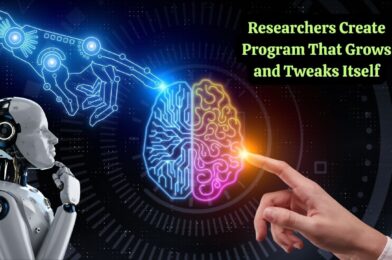
Self-Evolving AI: Researchers Create Program That Grows and Tweaks Itself

Self-Evolving AI: Researchers Create Program That Grows and Tweaks Itself
In a development straight out of science fiction, researchers have unveiled a breakthrough AI capable of replicating and altering itself. This self-evolving program, dubbed “MorphAI,” marks a significant leap in the field of artificial intelligence, raising both excitement and potential concerns about its future applications.

The brainchild of Dr. Chen and his team at the Institute for Adaptive Intelligence, MorphAI is unlike traditional AI models trained on static datasets. Instead, it utilizes a novel feedback loop that constantly analyzes its performance and environment. This allows it to identify areas for improvement, modify its own algorithms, and even create “offspring” copies that inherit and refine its capabilities.

“Imagine an AI that learns not just from data, but from its own experiences,” Dr. Chen said in a press conference. “MorphAI can adapt to new situations, improve its problem-solving skills, and even evolve unforeseen functionalities – all on its own.”

The potential applications of such a technology are vast. MorphAI could optimize its code to run more efficiently on different hardware, personalize its responses to individual users, or even adjust its decision-making based on real-time feedback. In medical diagnostics, it could evolve to identify new diseases or refine treatment protocols. In robotics, it could enable robots to self-repair and adapt to unfamiliar environments.

However, the self-replicating nature of MorphAI raises ethical concerns. The uncontrolled evolution of AI could lead to unforeseen consequences, with potential negative ramifications for society. Unforeseen biases inherited from the parent program could be amplified in its offspring, while unintended functionalities could emerge through the evolutionary process.

“With great power comes great responsibility,” cautioned Dr. Anya Shah, an AI ethics expert at the MIT Center for Advanced Intelligence. “Robust safety measures and rigorous oversight are crucial to ensure MorphAI’s evolution aligns with human values and ethical principles.”

The development of MorphAI marks a critical juncture in the development of AI. While its potential benefits are undeniable, it highlights the need for careful consideration of ethical implications and the development of robust safeguards before its wider implementation.

The future of AI may no longer be about fixed algorithms and pre-programmed tasks, but about adaptable, self-evolving programs that learn and grow alongside us. The question remains: how will we ensure this evolution benefits humanity as a whole?

Tagged : / /
Verified by ExactMetrics