5 Amazing Dry Fruits That Can Help Improve Your Vision

5 Amazing Dry Fruits That Can Help Improve Your Vision
Dry fruits are not just delicious and nutritious snacks, but they can also be a great way to boost your eye health. These tiny powerhouses are packed with vitamins, minerals, and antioxidants that are essential for maintaining good vision. Here are five amazing dry fruits that can help you see better:

1. Almonds

Almonds are rich in vitamin E, a powerful antioxidant that protects your eyes from free radical damage. They also contain zinc, which is important for the production of melanin, a pigment that protects your eyes from harmful UV rays.

2. Cashews

Cashews are a good source of lutein and zeaxanthin, two carotenoids that are found in the macula, the part of the eye responsible for central vision. These antioxidants help to protect the macula from age-related macular degeneration (AMD).

3. Dates

Dates are a good source of vitamin A, which is essential for night vision. They also contain beta-carotene, which the body converts into vitamin A. Dates are also a good source of fiber, which can help to lower cholesterol levels and reduce the risk of heart disease, a major risk factor for AMD.

4. Apricots

Apricots are a good source of vitamins A, C, and E, as well as beta-carotene. These nutrients are all important for maintaining good eye health. Apricots are also a good source of fiber, which can help to lower cholesterol levels and reduce the risk of heart disease.

5. Raisins

Raisins are a good source of vitamin B6, which is important for the production of neurotransmitters that are essential for normal vision. They also contain fiber, which can help to lower cholesterol levels and reduce the risk of heart disease.

In addition to eating these dry fruits, there are other things you can do to improve your vision, such as:

  • Eating a healthy diet that is rich in fruits, vegetables, and whole grains.
  • Getting regular exercise.
  • Wearing sunglasses that protect your eyes from UV rays.
  • Getting regular eye exams.
    By making these lifestyle changes, you can help to protect your vision and keep your eyes healthy for years to come.
Tagged : / / / /

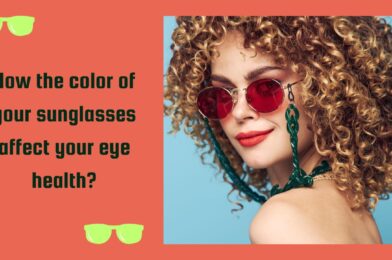
How the color of your sunglasses affect your eye health?

How the color of your sunglasses affect your eye health?
Sunglasses are an essential accessory for protecting your eyes from the sun’s harmful ultraviolet (UV) rays. But did you know that the color of your sunglasses can also affect your eye health?

Here is a detailed blog on how the color of your sunglasses affects your eye health:

1. UV protection

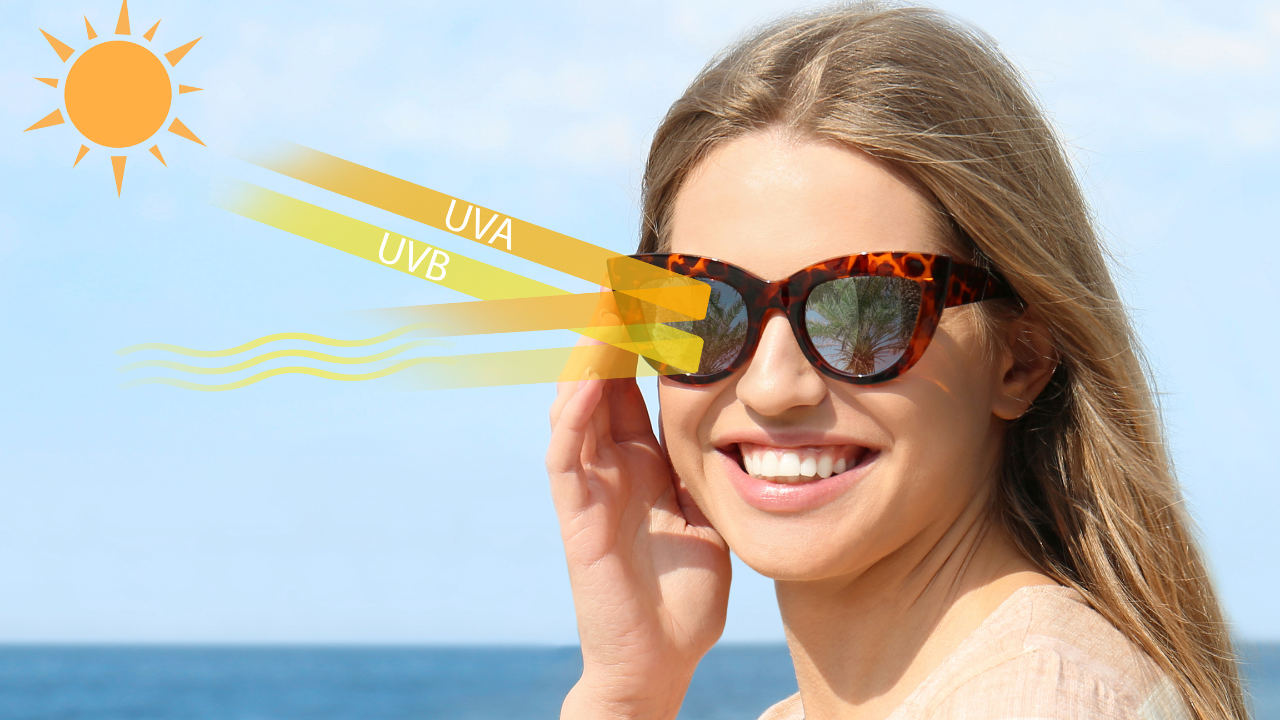
The most important thing to consider when choosing sunglasses is UV protection. All sunglasses should block 99-100% of both UVA and UVB rays. UVA rays can penetrate deep into the eye and damage the retina, while UVB rays are responsible for sunburns and cataracts.

The color of your sunglasses does not affect UV protection. However, it is important to note that darker lenses do not necessarily block more UV rays. Look for sunglasses that are labeled as having 100% UV protection, regardless of the lens color.

2. Glare reduction

Glare is another factor to consider when choosing sunglasses. Glare is caused by sunlight reflecting off of surfaces such as water, snow, and pavement. It can be uncomfortable and even dangerous, especially when driving.

Some lens colors are better at reducing glare than others. Gray, green, and brown lenses are all good choices for reducing glare. Yellow and orange lenses can also reduce glare, but they may distort colors.

3. Color perception

The color of your sunglasses can also affect your color perception. Some lens colors can make colors appear more vibrant or muted.

Gray lenses are a good choice for everyday wear because they do not distort colors. Green lenses can enhance contrast and make colors appear more vibrant, which can be helpful for activities such as golf and fishing. Brown lenses can reduce glare and make objects appear sharper.

4. Specific activities

Some lens colors are better suited for specific activities than others. For example, if you spend a lot of time on the water, you may want to choose sunglasses with blue or violet lenses. These colors can help to reduce glare and improve contrast.

If you play sports, you may want to choose sunglasses with gray or brown lenses. These colors can help to reduce glare and improve your depth perception.

Here is a more detailed breakdown of how different lens colors affect your eye health and vision:

Gray lenses: Gray lenses are a popular choice for sunglasses because they do not distort colors. They are also good at reducing glare and improving contrast. Gray lenses are a good choice for everyday wear and for activities such as driving, walking, and hiking.

Green lenses: Green lenses enhance contrast and make colors appear more vibrant. This can be helpful for activities such as golf, fishing, and hunting. Green lenses can also help to reduce glare.

Brown lenses: Brown lenses reduce glare and make objects appear sharper. Brown lenses are a good choice for everyday wear and for activities such as driving, walking, and hiking. They are also a good choice for people with sensitive eyes.

Yellow and orange lenses: Yellow and orange lenses can help to improve visibility in low-light conditions. They can also help to reduce glare. However, yellow and orange lenses can distort colors, so they are not a good choice for everyday wear.

Blue and violet lenses: Blue and violet lenses can help to reduce glare and improve contrast. They are a good choice for activities such as water sports and snow sports. However, blue and violet lenses can also distort colors, so they are not a good choice for everyday wear.

Which lens color is right for you?

The best lens color for you depends on your individual needs and preferences. Consider the activities you will be using your sunglasses for and the type of environment you will be in when choosing a lens color.

If you are unsure which lens color is right for you, ask your eye doctor for a recommendation. They can help you to choose the right lens color for your eye health and vision needs.

Here are some additional tips for choosing sunglasses:

  • Make sure your sunglasses block 99-100% of both UVA and UVB rays.
  • Choose a lens color that is appropriate for the activities you will be using your sunglasses for and the type of environment you will be in.
  • Consider your individual needs and preferences when choosing a lens color.
  • Ask your eye doctor for a recommendation if you are unsure which lens color is right for you.

    Protect your eyes from the sun’s harmful UV rays and improve your vision with the right pair of sunglasses.

Tagged : / / / /

10 Simple Daily Habits to Care for Your Eye Health Naturally

10 Simple Daily Habits to Care for Your Eye Health Naturally
Your eyes are one of your most important senses, and it’s important to take care of them. There are a number of things you can do to keep your eyes healthy, and many of them are simple things you can do every day.

Here are 10 daily habits to care for your eye health naturally:

1. Eat a healthy diet
A healthy diet is important for overall health, including eye health. Make sure to eat plenty of fruits, vegetables, and whole grains. These foods are packed with vitamins, minerals, and antioxidants that are essential for healthy eyes.

2. Get enough sleep
When you don’t get enough sleep, your eyes can become red, dry, and irritated. Aim for 7-8 hours of sleep each night.

3. Take breaks from screens
Spending too much time looking at screens can put strain on your eyes. Take breaks every 20 minutes or so to look away from the screen and focus on something else.

4. Protect your eyes from the sun
Wear sunglasses when you’re outdoors to protect your eyes from the harmful UV rays of the sun. Sunglasses should block at least 99% of UVA and UVB rays.

5. Don’t smoke
Smoking is bad for your overall health, including your eye health. Smoking can increase your risk of developing cataracts, macular degeneration, and other eye problems.

6. Get regular eye exams
Even if you don’t have any vision problems, it’s important to get regular eye exams. Eye exams can detect eye problems early on, when they’re most treatable.

7. Exercise regularly
Exercise is good for your overall health, including your eye health. Exercise can help to lower blood pressure and reduce the risk of developing diabetes, both of which can lead to eye problems.

8. Maintain a healthy weight
Being overweight or obese can increase your risk of developing eye problems such as glaucoma and diabetic retinopathy.

9. Manage stress
Stress can worsen many eye problems, such as dry eyes and eye strain. Find healthy ways to manage stress, such as exercise, yoga, or meditation.

10. Give your eyes a break
If you spend a lot of time on the computer, take breaks every 20 minutes or so to look away from the screen and focus on something else. You can also try doing some eye exercises, such as rolling your eyes in circles or focusing on a distant object.

Following these simple tips can help you to keep your eyes healthy for many years to come.

Here are some additional tips for taking care of your eye health:

Wash your hands regularly :This is especially important before handling contact lenses or putting on eye makeup.
Avoid rubbing your eyes : Rubbing your eyes can irritate them and spread germs.
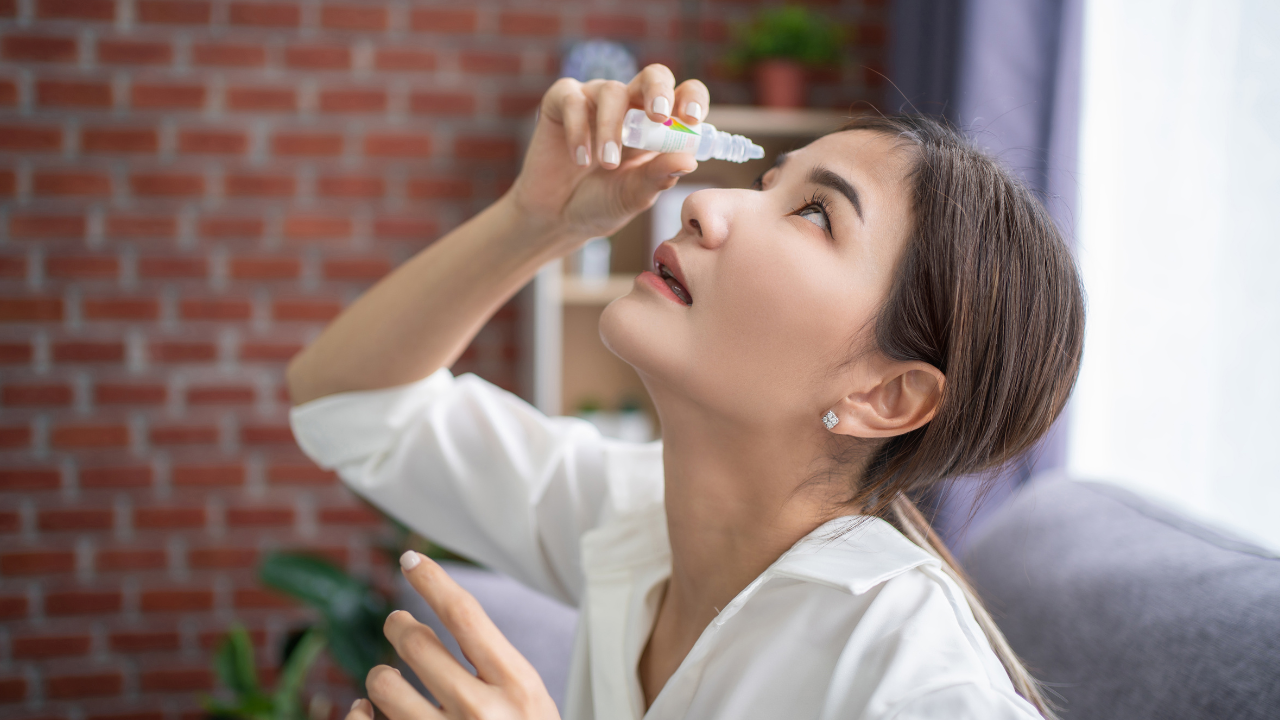
Use artificial tears if your eyes are dry : Artificial tears can help to lubricate your eyes and relieve dryness.
Remove your eye makeup before going to bed : This will help to prevent eye infections.

If you have any concerns about your eye health, be sure to see an eye doctor.

Tagged : / / / /

6 Lifestyle habits that can damage your eyes

6 Lifestyle habits that can damage your eyes
Our eyes are one of our most important senses, and we need to take care of them. However, there are many lifestyle habits that can damage our eyesight, even if we don’t realize it. In this blog post, we will discuss some of the most common eye damaging lifestyle habits and how to avoid them. We will also provide tips on how to protect your eye health and keep your vision healthy for many years to come.

Eye damaging habits:

1. Smoking
Smoking damages the blood vessels in the retina, which can lead to age-related macular degeneration (AMD), a leading cause of vision loss.

2. Too much screen time
Spending too much time looking at screens, such as computers, tablets, and smartphones, can cause eye strain and dry eyes and weaken them.

3. Not getting enough sleep
When we don’t get enough sleep, our eyes don’t have a chance to rest and repair themselves. This can lead to eye fatigue and blurred vision.

4. Not wearing sunglasses
Sunglasses are not just a fashion accessory. Wearing sunglasses protects our eyes from the sun’s harmful ultraviolet (UV) rays, which can cause cataracts and macular degeneration.

5. Lack of nutrients
Not getting enough of certain nutrients, such as vitamin C, vitamin E, and zinc, can increase the risk of developing eye problems, such as cataracts and macular degeneration.

6. Being overweight or obese
Being overweight or obese can increase the risk of developing glaucoma, a condition that damages the optic nerve. Obesity can also lead to diabetes which may lead to weakening of eyes in the long run, sometimes vision impairment too.

If you are concerned about your eye health, it is important to see an eye doctor for regular checkups. They can check for any eye problems and recommend ways to protect your vision.

In addition to avoiding the habits listed above, there are also some things you can do to protect your eye health, such as:

  • Eating a healthy diet that includes plenty of fruits, vegetables, and whole grains.
  • Getting regular exercise.
  • Quitting smoking.
  • Wearing sunglasses that block UV rays.
  • Taking breaks from screens every 20-30 minutes.
  • Blinking often to keep your eyes moist.By following these tips, you can help protect your eyes and keep your vision healthy for many years to come.
Tagged : / / / / /

10 Vitamin E-Rich Foods for Healthy Eyes and Heart

10 Vitamin E-Rich Foods for Healthy Eyes and Heart
Vitamin E is a powerful antioxidant that can help protect your cells from damage. It is especially important for protecting your eyes and heart.

Here are 10 vitamin E-rich foods that you can add to your diet to promote eye and heart health:

1. Almonds: Almonds are a great source of vitamin E, providing about 7.4 mg per ounce. They are also a good source of fiber, magnesium, and calcium. Almonds can be eaten on their own, added to cereal, or used in baking.

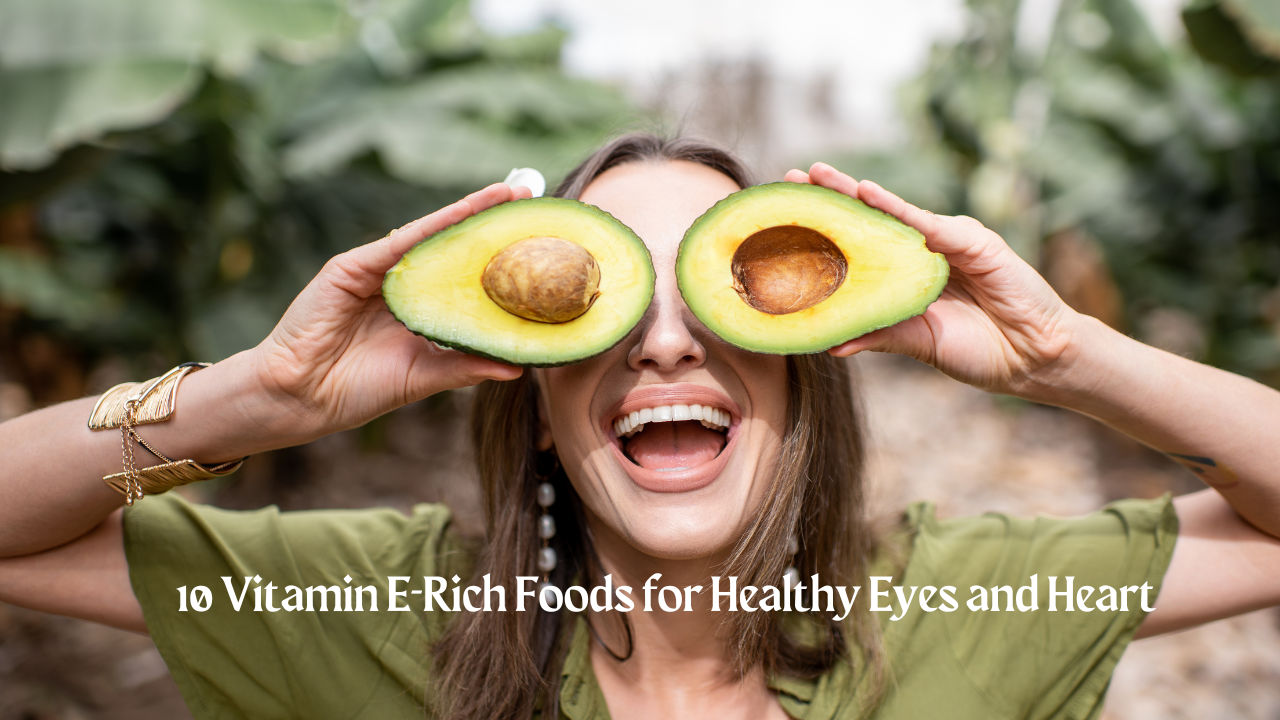
2. Avocado: Avocados are another good source of vitamin E, providing about 4.9 mg per ounce. They are also a good source of healthy fats, fiber, and potassium. Avocados can be eaten on their own, added to salads, or used in guacamole.

3. Ghee: Ghee is a type of clarified butter that is high in vitamin E. It is also a good source of conjugated linoleic acid (CLA), a type of fat that has been shown to have health benefits. Ghee can be used in cooking or drizzled over food.

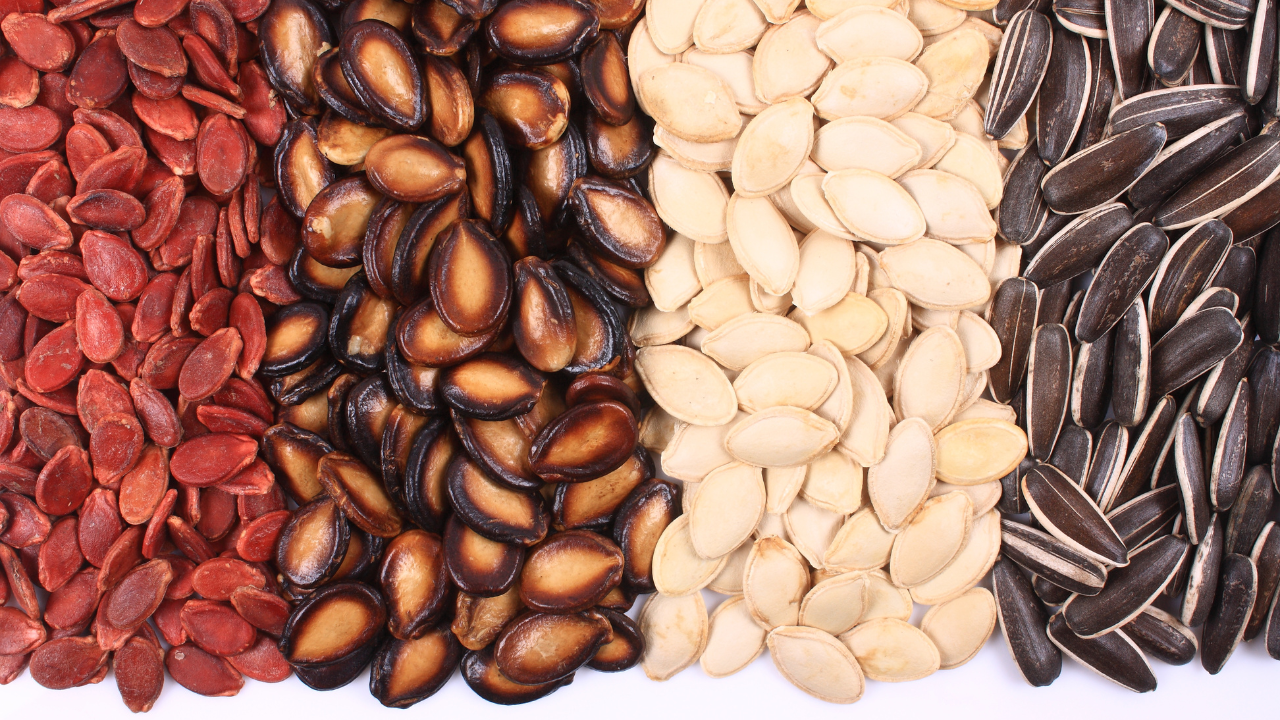
4. Pumpkin seeds: Pumpkin seeds are a good source of vitamin E, providing about 4.1 mg per ounce. They are also a good source of magnesium, zinc, and iron. Pumpkin seeds can be eaten on their own, roasted, or added to salads or yogurt.

5. Sunflower seeds: Sunflower seeds are another good source of vitamin E, providing about 3.7 mg per ounce. They are also a good source of selenium, a mineral that has antioxidant properties. Sunflower seeds can be eaten on their own, roasted, or added to trail mix.

6. Spinach: Spinach is a leafy green vegetable that is a good source of vitamin E, providing about 2.5 mg per cup. It is also a good source of vitamins A, C, and K. Spinach can be eaten raw in salads or cooked.

7. Sweet potatoes: Sweet potatoes are a good source of vitamin E, providing about 2 mg per cup. They are also a good source of beta-carotene, which is converted to vitamin A in the body. Sweet potatoes can be eaten baked, roasted, or mashed.

8. Mackerel: Mackerel is a fatty fish that is a good source of vitamin E, providing about 1.4 mg per ounce. It is also a good source of omega-3 fatty acids, which have heart-healthy benefits. Mackerel can be grilled, baked, or smoked.

9. Salmon: Salmon is another fatty fish that is a good source of vitamin E, providing about 1.3 mg per ounce. It is also a good source of omega-3 fatty acids. Salmon can be grilled, baked, or poached.

10. Tofu: Tofu is a good source of vitamin E, providing about 1 mg per ounce. It is also a good source of protein and iron. Tofu can be eaten plain or flavored with different sauces.

In addition to these foods, there are many other foods that contain vitamin E. By including a variety of vitamin E-rich foods in your diet, you can help to protect your eyes and heart from damage.

Here are some additional tips for getting enough vitamin E in your diet:

  • Eat a variety of colorful fruits and vegetables.
  • Include some nuts and seeds in your diet.
  • Choose fatty fish a few times a week.
  • Use vitamin E-rich oils in cooking.
  • Take a vitamin E supplement, if necessary.
    It is important to note that vitamin E is a fat-soluble vitamin, so it is best to consume it with some fat to help with absorption. You should also talk to your doctor before taking a vitamin E supplement, especially if you have any health conditions.

By following these tips, you can easily get enough vitamin E in your diet and improve your eye and heart health.

Tagged : / / / / /

How to Protect Your Eyes from Conjunctivitis?

How to Protect Your Eyes from Conjunctivitis?
Conjunctivitis, also known as pink eye, is a common eye infection that causes the conjunctiva, the clear lining of the eye, to become inflamed. It can be caused by a virus, bacteria, or allergies.Conjunctivitis is usually not serious and goes away on its own within a week or two. However, it can be uncomfortable and contagious. There are a few things you can do to protect your eyes from conjunctivitis:

1. Wash your hands often. This is the single most important thing you can do to prevent the spread of conjunctivitis. Wash your hands with soap and water for at least 20 seconds, especially after using the bathroom, changing diapers, or blowing your nose.

2. Avoid touching your eyes. If you do touch your eyes, wash your hands immediately.

3. Avoid sharing personal items. This includes things like towels, makeup, and eye drops.

4. If you have conjunctivitis, stay home from work or school until your symptoms have cleared up. This will help to prevent the spread of the infection to others.

5. If you wear contact lenses, take them out and clean them according to the manufacturer’s instructions. You may also want to consider wearing glasses instead of contacts until your conjunctivitis has cleared up.

There are also a few over-the-counter medications that can help to relieve the symptoms of conjunctivitis, such as:

  • Artificial tears. These can help to keep your eyes moist and relieve dryness and irritation.
  • Cold compresses. Applying a cold compress to your eyes can help to reduce inflammation and swelling.
  • Antihistamine eye drops. If your conjunctivitis is caused by allergies, antihistamine eye drops can help to relieve itching and redness.

    If your conjunctivitis does not improve after a few days, or if it is accompanied by other symptoms, such as fever or pain, see your doctor. They may prescribe antibiotics or other medications to help you get better faster.

Tagged : / / /
Verified by ExactMetrics