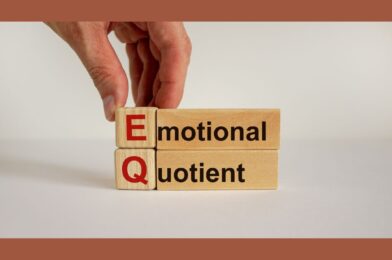
Emotional Wordplay: 10 Phrases That People With Low Emotional Intelligence Use

Emotional Wordplay: 10 Phrases That People With Low Emotional Intelligence Use
Emotional intelligence (EQ) isn’t just about hugging puppies and crying at movies (though those can be helpful). It’s about understanding your own emotions, managing them constructively, and empathizing with others. But sometimes, people with low EQ give themselves away with their choice of words. Here are 10 phrases that might indicate someone needs a little emotional intelligence tune-up:

1. “Calm down, you’re overreacting.” This phrase invalidates the other person’s feelings and shuts down any meaningful conversation. Instead, try, “Tell me what’s going on. I’m here to listen.”

2. “It’s not a big deal.” Minimizing someone’s experience can feel dismissive and hurtful. Remember, what might seem trivial to you might be a big deal to them. Acknowledge their feelings with “That must be tough. Is there anything I can do to help?”

3. “I know exactly how you feel.” While empathy is key, claiming to understand someone’s unique experience perfectly is rarely accurate. Focus on active listening and saying, “I can imagine that’s hard. Would you like to talk about it?”

4. “You’re too sensitive.” This is a classic EQ blunder. Labeling someone as “sensitive” shuts down any discussion about their valid emotions. Instead, try, “I understand that this might be a sensitive topic for you. Can we talk about it in a way that feels comfortable?”

5. “It’s all your fault.” Blaming others for your own feelings is a recipe for conflict. Take ownership of your emotions and say, “I’m feeling [emotion] because [situation]. What can we do to resolve this?”

6. “I don’t care.” This phrase might feel dismissive, but it could also be a cry for help. If someone repeatedly uses this phrase, offer support and encourage them to express their emotions in a healthy way.

7. “That’s not what I meant.” This is a backpedal when someone realizes their words were hurtful. While owning up to mistakes is important, it’s better to avoid saying insensitive things in the first place.

8. “I’m always right.” This is a red flag for anyone who values healthy relationships. No one is always right, and being open to different perspectives is crucial for emotional growth.

9. “Stop being so emotional.” This phrase invalidates the other person’s right to feel their emotions. Instead, try validating their feelings and offering support.

10. “You should be happy for me.” This phrase implies that others’ emotions are supposed to revolve around you. Remember, everyone experiences emotions differently, and expecting others to feel a certain way is unfair.

Remember, low EQ doesn’t mean someone is a bad person. It just means they might need a little help navigating their emotions and the emotions of others. By understanding these common phrases and offering constructive communication, we can all build more emotionally intelligent relationships. So, the next time you hear one of these phrases, don’t judge, offer a gentle hand and a listening ear. You might just help someone unlock their emotional superpower.


Tagged : / / /

Keep Your Kidneys Thriving: Essential Tips for Diabetics

Keep Your Kidneys Thriving: Essential Tips for Diabetics
Diabetes, a chronic condition affecting millions worldwide, can put extra strain on your kidneys. But fear not! By taking proactive steps, you can safeguard your kidney health and ensure they continue to filter your blood efficiently.

Why Kidneys Matter in Diabetes:

Kidneys are superheroes of your body, constantly filtering waste and toxins from your blood. In diabetes, high blood sugar levels can damage these tiny filters, leading to a condition called diabetic kidney disease (DKD). Early detection and proper management are crucial to prevent serious complications.

Guiding Principles for Kidney Care:

1. Blood Sugar Control: This is your top priority. Maintain healthy blood sugar levels through medication, diet, and exercise as recommended by your doctor.
2. Blood Pressure Management: High blood pressure is another risk factor for DKD. Regularly monitor your pressure and work with your doctor to keep it under control.
3. Weight Management: Maintaining a healthy weight reduces stress on your kidneys and overall health.
4. Hydration: Drink plenty of water throughout the day to flush toxins and keep your kidneys functioning optimally. Aim for eight glasses daily.

Dietary Tweaks for Kidney Health:

  • Reduce Sodium: Limit processed foods, fast food, and added salt in cooking. Opt for fresh ingredients and natural herbs for flavor.
  • Monitor Potassium and Phosphorus: These minerals can build up in the blood with kidney disease. Talk to your doctor about recommended intake levels and adjust your diet accordingly.
  • Choose Protein Wisely: Opt for plant-based protein sources like beans, lentils, and tofu. Limit animal protein intake as discussed with your doctor.
  • Reduce Stress: Chronic stress can elevate blood pressure and worsen kidney function. Practice relaxation techniques like yoga, meditation, or deep breathing.

    Early Detection is Key:

Regular checkups with your doctor are essential for monitoring kidney health. Early signs of DKD can include:

  • High blood pressure
  • Protein in the urine
  • Increased thirst and urination
  • Fatigue and weakness
  • Swelling in the ankles and feet

Remember: You are not alone in this journey. By following these tips, working closely with your healthcare team, and prioritizing your well-being, you can empower your kidneys to thrive despite diabetes.

Bonus Tip: Get moving! Regular exercise helps manage blood sugar and blood pressure, both beneficial for kidney health. Choose activities you enjoy, like brisk walking, swimming, or cycling.

Taking care of your kidneys is an investment in your long-term health and well-being. By incorporating these simple yet effective strategies into your daily life, you can ensure your kidneys continue to function optimally, even with diabetes. Remember, knowledge is power, and early intervention is key to a healthy future. So, let’s prioritize kidney care and keep those vital organs singing!

Tagged : / / / /

Tiny Robot Snail: Nature Inspires An Innovative Idea for Microplastic Cleanup

Tiny Robot Snail: Nature Inspires An Innovative Idea for Microplastic Cleanup
Microplastics, tiny plastic fragments less than 5 millimeters in diameter, have become a major pollutant in our oceans, posing a threat to marine life and potentially even entering our food chain. But researchers at Cornell University might have found a slimy solution: a tiny robot snail inspired by a real-life creature.

The robot, still in its prototype stage, is modeled after the Hawaiian apple snail. This slow-moving mollusk uses its muscular foot to create ripples on the water’s surface, drawing in food particles. The Cornell team replicated this motion with a 3D-printed, soft-bodied robot equipped with tiny hairs. As the robot undulates, it generates a current that funnels microplastics towards a collection chamber.

“We were inspired by how this snail collects food particles at the water and air interface to engineer a device that could possibly collect microplastics in the ocean or at a water body’s surface,” explains Sunghwan Jung, a professor in the department of biological and environmental engineering at Cornell University.

The robot, currently about the size of a large marble, is designed to be biodegradable and solar-powered, making it a sustainable solution for microplastic cleanup. The researchers envision fleets of these tiny snails patrolling polluted waters, their gentle movements mimicking their natural counterparts.

While the project is still in its early stages, it represents a promising step forward in the fight against microplastic pollution. The robot’s biomimetic design offers several advantages over traditional cleaning methods, such as nets or filters, which can harm marine life or be ineffective against smaller particles.

“This is a really exciting development,” says Dr. Sarah Gray, a marine biologist at the University of Plymouth. “Microplastics are a huge problem, and we need innovative solutions like this to tackle them. The biomimetic approach is particularly promising because it’s gentle on the environment and could potentially be very effective.”

Of course, challenges remain. Scaling up the production of the robot snails and ensuring their effectiveness in real-world scenarios will require further research and development. But the potential of this tiny technology to help clean up our oceans is undeniable. By harnessing the power of nature, researchers may have found a way to turn the tide on microplastic pollution.

So, the next time you see a snail inching its way across the ground, remember that its slow and steady pace could inspire a revolution in environmental cleanup. This tiny creature, a master of adaptation and survival, might just hold the key to a cleaner and healthier planet for generations to come.

Tagged : / / /

Are Smartphones Making Us Dumb? New Study Raises Concerns About Mental Health and Excessive Mobile Use

Are Smartphones Making Us Dumb? New Study Raises Concerns About Mental Health and Excessive Mobile Use
Our smartphones, once touted as revolutionary tools, might be chipping away at our very minds. A recent study, published in the Journal of Behavioral Addictions, paints a concerning picture: spending 4 or more hours glued to your phone daily can significantly impact your mental health.

The research, conducted on over 450 participants, looked at the correlation between smartphone usage and mental health indicators like depression, anxiety, and loneliness. The findings were stark – those who spent more than 4 hours a day on their phones exhibited higher levels of all three negative mental states.

But how does this happen? The constant barrage of notifications, the endless scroll of social media feeds, and the dopamine hit of instant gratification – all conspire to create a state of digital addiction. We get trapped in a loop of seeking the next fix, neglecting real-world interactions and activities that nourish our mental well-being.

The study points to several potential mechanisms:

  • Reduced attention span: The constant switching between tasks and stimuli on our phones fragments our focus, making it harder to concentrate and retain information.
  • Social isolation: The illusion of connection fostered by social media can actually lead to increased feelings of loneliness and isolation, as we prioritize online interactions over real-world ones.
  • Sleep disruption: The blue light emitted from smartphones disrupts our sleep cycle, leading to fatigue, irritability, and impaired cognitive function.
  • Increased anxiety and depression: The constant comparison and self-judgment triggered by social media can fuel anxiety and contribute to feelings of inadequacy and depression.

So, what can we do to break free from the digital shackles and protect our mental health? Here are some tips:

  • Set boundaries: Be mindful of your phone usage and set daily limits. Turn off notifications, silence your phone during meals and bedtime, and designate certain times as “phone-free zones.”
  • Prioritize real-world interactions: Make time for activities that involve face-to-face interaction, like spending time with loved ones, pursuing hobbies, or engaging in community activities.
  • Practice mindfulness: Techniques like meditation and deep breathing can help you become more aware of your thoughts and emotions, and break the cycle of compulsive phone checking.
  • Seek support: If you feel overwhelmed by your phone use or its impact on your mental health, talk to a therapist or counselor. They can provide tools and strategies to manage your tech habits and prioritize your well-being.

Remember, smartphones are powerful tools, but they should not control us. Let’s reclaim our attention, prioritize our mental health, and ensure that technology serves us, not the other way around.

This is just the beginning of the conversation about the impact of smartphones on our mental well-being. As research continues, we can develop better strategies to use these devices responsibly and ensure they remain tools for good, not for mental decline.

Tagged : / / / /

Soaked vs Unsoaked Almonds: Which Is The Bigger Nutritional Treasure Chest?

Soaked vs Unsoaked Almonds: Which Is The Bigger Nutritional Treasure Chest?
Almonds, the crunchy, buttery jewels of the nut world, have long been revered for their nutritional prowess. But when it comes to maximizing their goodness, a debate arises: soak them or not? Let’s dive into the world of soaked and unsoaked almonds, cracking open the secrets to unlocking their full potential.

Soaking the Science:

Soaking almonds overnight in water activates enzymes, which break down phytic acid, a compound that can hinder nutrient absorption. This process also makes the nuts softer and easier to digest, especially for those with sensitive stomachs.

Benefits of Soaked Almonds:

1. Enhanced nutrient absorption: Studies suggest soaking can increase the bioavailability of minerals like iron, calcium, and magnesium by up to 50%.
2. Improved digestion: Soaking breaks down complex carbohydrates, making the nuts gentler on the gut and potentially reducing bloating and gas.
3. Creamier texture: Soaked almonds have a softer, creamier texture, making them ideal for snacking, blending into smoothies, or using in desserts.

But wait, unsoaked almonds have their own perks!

1.Convenience: No need for pre-planning, just grab and munch.
2. Potentially higher nutrient content: Soaking can lead to a slight loss of water-soluble vitamins like vitamin B6.
3. Nutty flavor: Unsoaked almonds have a more intense, nutty flavor that some prefer.

So, which is the ultimate winner?

The answer, like most things in life, is: it depends!

For optimal nutrient absorption and digestion, soaked almonds are the clear champions.
If convenience and a stronger nutty flavor are your priorities, unsoaked almonds might be your match.
Ultimately, listen to your body and choose what works best for you.
Bonus tip: Don’t discard the soaking water! It’s packed with nutrients and can be used in smoothies, pancakes, or even as a facial toner.

Remember: Both soaked and unsoaked almonds are excellent sources of healthy fats, protein, fiber, vitamins, and minerals. So, don’t get caught up in the debate – just enjoy these delicious nuts in whatever way you find most appealing!

And hey, don’t stop exploring! Experiment with different soaking times, try dry-roasting for a different texture, or get creative and whip up some almond butter or milk. The possibilities are endless, just like the health benefits of these amazing nuts.

So, go forth and conquer the world of almonds, soaked or unsoaked, your taste buds and body will thank you!

Tagged : / / / /

India’s 5 Biggest Railway Stations with Most Number of Platforms

India’s 5 Biggest Railway Stations with Most Number of Platforms
India is a land of vast distances and diverse landscapes, and its railway network is the lifeline that connects its many corners. With over 7,000 stations and more than 12,000 trains running daily, the Indian Railways is one of the largest and busiest in the world.

Not all railway stations are created equal, however. Some stand out for their size, grandeur, and historical significance. These are the stations that cater to millions of passengers and handle a staggering number of trains every day.

Today, we’ll take a journey through India’s eight biggest railway stations, ranked by the number of platforms they have:

1. Howrah Junction (Kolkata)
Howrah Junction (HWH) is the largest station in the nation in terms of platforms, with 23. With 23 railway tracks, it handles almost 280 trains per day. With around a million passengers using it every day for transportation, it is also one of the busiest stations in the nation. HWH, which opened in 1854, has been electrified since that year. Numerous agencies have acknowledged it as the nation’s first green station among major cities.

2. Sealdah Railway Station (SDAH)
The second-largest railway station on this list is Sealdah Railway Station (SDAH). With its 20 platforms, it provides travel assistance to almost a million people every day. Every day, about 80 trains pass over SDAH. The Northern and Southern Terminals are the two categories into which SDAH’s platforms are divided. There are 13 platforms in the SDAH Northern Terminal and 7 in the Southern Terminal. Since 1862, SDAH has provided passenger services.

3. Chhatrapati Shivaji Maharaj Terminus (CSMT)
Mumbai’s Chhatrapati Shivaji Maharaj Terminus (CSMT), with its eighteen platforms, is one of the nation’s biggest train stations. In addition to being a bustling train station, UNESCO has designated CSMT as a World Heritage Site. The more than a century-old neo-gothic architectural style of CSMT will astound you. Every day, about 130 trains depart from CSMT to service passengers. At CSMT, there are restrooms, food stands, parking spaces, and other amenities for passengers.

4. Chennai Central Railway Station (MAS)
There are 17 platforms at Chennai Central Railway Station (MAS), which are split between two terminals. Puratchi Thalaivar Dr. M.G. Ramachandran Central Railway Station is another name for MAS in Chennai. Twelve stations at the main terminal serve long-distance trains that go to and from Chennai. Platforms 1 through 11 are part of the main terminal, along with a unique platform called 2A. There are five platforms in the second platform, which is often referred to as Moore Market Complex or Chennai Suburban Terminal. With almost 5,50,000 passengers utilising it every day, it is one of the busiest stations in South India.

5. New Delhi Railway Station (NDLS)
One of the busiest stations in the nation is New Delhi Railway Station (NDLS), which has sixteen platforms. Situated close to Connaught Place in New Delhi, NDLS serves approximately 235 trains every day. Every day, almost 2.13 lakh travellers use NDLS for their transit needs. Six lakhs of travellers can use NDLS in a single day on busy days. In addition to 16 platforms, NDLS provides 18 train tracks. The station complex as a whole is large and has good connections to the closest auto stand, taxi rank, and metro station.

These are just a few of the many impressive railway stations that dot the Indian landscape. Each station has its own unique story to tell, and they all play a vital role in connecting people and places across the vast country. So, the next time you find yourself at one of these grand railway stations, take a moment to appreciate the history, culture, and sheer human effort that went into building and running these giants of transportation.

Tagged : / / / /
Verified by ExactMetrics