
10 Ayurvedic Superfoods to Help Manage Blood Sugar

10 Ayurvedic Superfoods to Help Manage Blood Sugar
Blood sugar control is crucial for overall health and well-being. Ayurveda, the ancient Indian science of healing, offers a wealth of natural remedies to manage blood sugar levels and prevent diabetes. Here are 10 powerful Ayurvedic foods that can be your allies in this journey:

1. Bitter Gourd (Bitter Melon): This unappetizing veggie might surprise you with its blood-sugar-lowering properties. Momordica charantia, as it’s called scientifically, contains compounds that mimic insulin and regulate glucose metabolism. Enjoy it in juices, stir-fries, or even pickles.

2. Fenugreek Seeds: These tiny seeds pack a big punch when it comes to blood sugar control. Fenugreek’s fiber content slows down sugar absorption, while its trigonelline compound mimics insulin’s action. Soak or sprout them before consuming for better digestion.

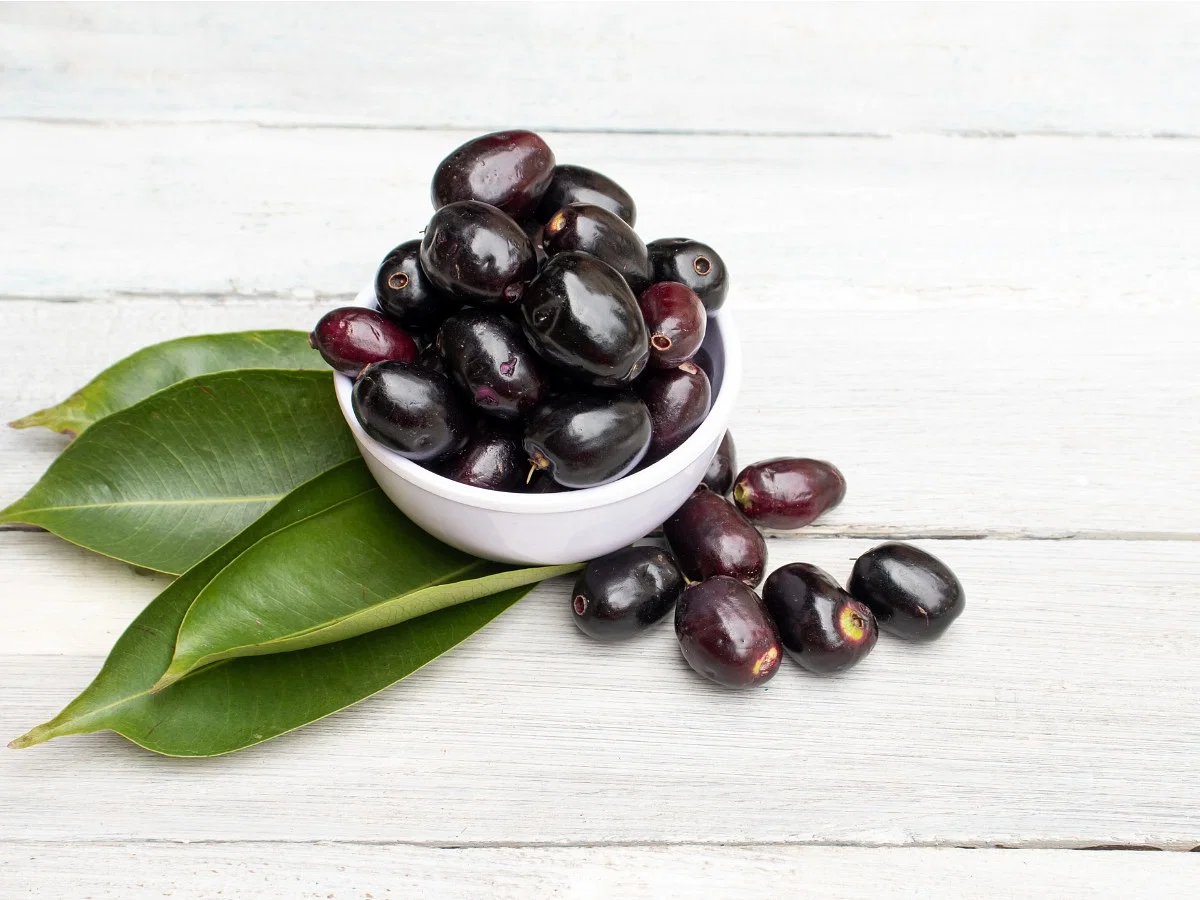
3. Jamun (Black Plum): This delicious fruit is a treasure trove of antioxidants and jambosine, a compound that aids in pancreatic beta-cell function, crucial for insulin production. Enjoy it fresh, dried, or as juice.
4. Giloy (Guduchi): This herb is revered in Ayurveda for its immune-boosting and blood sugar-lowering properties. Giloy helps regulate glucose metabolism and pancreatic function. Consume it in juice form or as a decoction.

5. Neem Leaves: Don’t let the bitter taste fool you! Neem leaves are packed with anti-diabetic properties. They help improve insulin sensitivity and pancreatic beta-cell function. Consume them in juice form or add them to curries.

6. Turmeric: This golden spice is a well-known anti-inflammatory wonder. Curcumin in turmeric helps regulate blood sugar levels and protects against diabetic complications. Add it to your daily meals or consume it in milk with honey.

7. Cinnamon: This fragrant spice not only adds flavor but also helps manage blood sugar. Cinnamon improves insulin sensitivity and slows down glucose absorption. Sprinkle it on your oatmeal, yogurt, or even coffee.

8. Flaxseeds: These tiny seeds are rich in fiber and omega-3 fatty acids, both of which contribute to blood sugar control. Grind them into flour or enjoy them soaked in water or yogurt.

9. Amla (Indian Gooseberry): This vitamin C powerhouse boosts immunity and aids in blood sugar regulation. Amla’s chromium content enhances insulin sensitivity, making it a diabetic-friendly fruit. Enjoy it fresh, juiced, or in chutneys.

10. Aloe Vera: This gel-like wonder isn’t just for soothing sunburns! Aloe vera gel helps regulate blood sugar levels and protects against oxidative stress. Consume it fresh, in juice form, or add it to smoothies.

Remember, these foods are best incorporated into a healthy lifestyle that includes regular exercise and stress management. Consult your doctor before making any drastic dietary changes, especially if you have pre-existing medical conditions.

By incorporating these Ayurvedic superfoods into your diet, you can take a proactive approach to managing your blood sugar levels and live a healthier, happier life.


Tagged : / / / / /

Beyond Hydration: Demystifying the Optimal Time to Drink Water After Meals in Ayurveda

Beyond Hydration: Demystifying the Optimal Time to Drink Water After Meals in Ayurveda
Drinking water is essential for our health, but Ayurveda, the ancient Indian system of holistic medicine, emphasizes the “when” just as much as the “what” when it comes to hydration, especially after meals. Forget chugging a glass right after your plate is cleared! In Ayurvedic wisdom, the timing of water intake plays a crucial role in supporting optimal digestion and overall well-being.

Why Wait? Understanding Agni, the Digestive Fire:

Ayurveda views digestion as a transformative process governed by “Agni,” the digestive fire. Water, according to this philosophy, can either dampen or support Agni depending on when it’s consumed. Drinking immediately after meals dilutes the digestive juices, potentially weakening Agni and hindering its ability to efficiently break down and absorb nutrients. This can lead to indigestion, bloating, and incomplete digestion, leaving you feeling sluggish and uncomfortable.

The Ayurvedic Guidelines:

So, when is the optimal time to quench your thirst after a meal? Ayurveda suggests waiting for a specific window depending on your individual constitution and digestive strength:

Vata Dosha: Individuals with Vata dominance, known for their airy and quick nature, are advised to wait at least 30 minutes after meals to drink warm water. This helps balance their tendency towards dryness and gas.
Pitta Dosha: Pitta individuals, fiery and intense, should wait for at least 1 hour before sipping on cool or room-temperature water. This helps avoid aggravating their internal heat and potential heartburn.
Kapha Dosha: Those with Kapha, the heavy and slow dosha, are recommended to wait for at least 2 hours before drinking a moderate amount of warm water. This helps stimulate their sluggish digestion and prevent Kapha accumulation.

Beyond Doshas:

Remember, these are general guidelines. Your individual digestive capacity and the type of meal you consumed also play a role. Avoid large quantities of water after heavy meals, and opt for small sips if you feel truly thirsty. Certain herbs like ginger and fennel can be infused in water after meals to aid digestion.

Hydration Beyond Meals:

Don’t neglect regular water intake throughout the day. Ayurveda recommends sipping warm water throughout the morning, especially on an empty stomach, to kindle Agni and prepare your body for digestion. Avoid cold water directly from the fridge, as it can shock your system and disrupt Agni.

Listen to Your Body:

Ultimately, the most important guide is your own body. Pay attention to how you feel after drinking water at different times. If you experience discomfort, adjust your timing accordingly. Remember, Ayurveda is a personalized approach, so what works for one person might not be ideal for another.

By understanding the Ayurvedic principles behind water intake after meals, you can optimize your digestion, enhance your well-being, and cultivate a deeper connection with your body’s innate wisdom. So, ditch the automatic post-meal gulp and embrace a mindful approach to hydration for a truly transformative experience.

Tagged : / / / /

Even Science agrees with these 5 amazing benefits of Ashwagandha!

Even Science agrees with these 5 amazing benefits of Ashwagandha!
Ashwagandha is an adaptogenic herb that has been used in traditional Indian medicine for centuries. Adaptogens are substances that help the body adapt to stress and improve overall health and well-being.

There is a growing body of scientific evidence to support the health benefits of ashwagandha. Here are five of the most well-studied benefits:

1. Reduces stress and anxiety
Ashwagandha has been shown to reduce cortisol levels, a hormone that is released in response to stress. It can also improve symptoms of anxiety and depression.

2. Improves cognitive function
Ashwagandha has been shown to improve memory, attention, and reaction time. It may also be helpful for people with Alzheimer’s disease and Parkinson’s disease.

3. Boosts the immune system
Ashwagandha has been shown to increase the number of white blood cells, which are essential for fighting infection. It may also help to reduce inflammation.

4. Promotes heart health
Ashwagandha has been shown to lower blood pressure, cholesterol, and blood sugar levels. It may also help to protect against heart disease and stroke.

5. Improves athletic performance
Ashwagandha has been shown to increase muscle mass, strength, and endurance. It may also help to reduce fatigue and improve recovery time.

Ashwagandha is generally safe for most people to take, but it can interact with certain medications. It is important to talk to your doctor before taking ashwagandha, especially if you have any health conditions.

In addition to the five benefits listed above, ashwagandha may also have other health benefits, such as improving sleep quality, reducing pain, and balancing hormones. More research is needed to confirm these benefits. If you are interested in trying ashwagandha, it is important to choose a high-quality supplement from a reputable source. Ashwagandha is available in capsules, powders, and extracts. The recommended dose of ashwagandha is 300-600 milligrams per day.

It is important to note that ashwagandha can take several weeks to produce noticeable results. If you do not see any improvement after a few weeks, you may need to increase your dosage or try a different brand of ashwagandha.

Overall, ashwagandha is a promising herb with a wide range of potential health benefits. However, more research is needed to confirm its safety and effectiveness. If you are considering taking ashwagandha, it is important to talk to your doctor first.

Tagged : / / / /
Verified by ExactMetrics