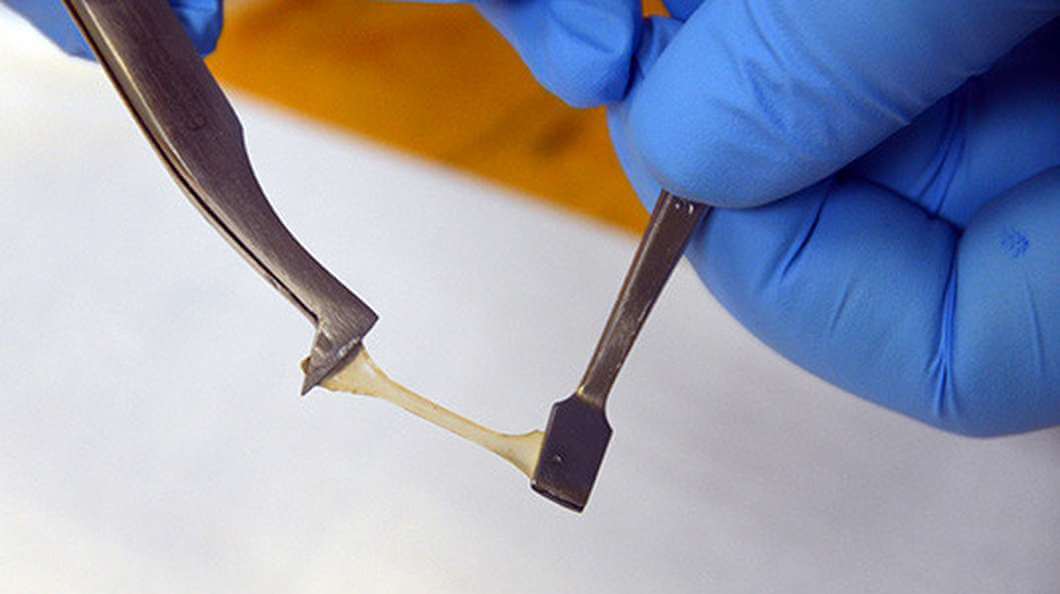
A strong, self-healing polymer has been inspired from squid teeth. Teeth samples from different squid species all over the world were studied for their amazing self-healing property by a team of researchers led by engineers from the University of Pennsylvania. The protein that enabled this healing was recovered, and can find applications in several devices in water-filled environments that are difficult to access.
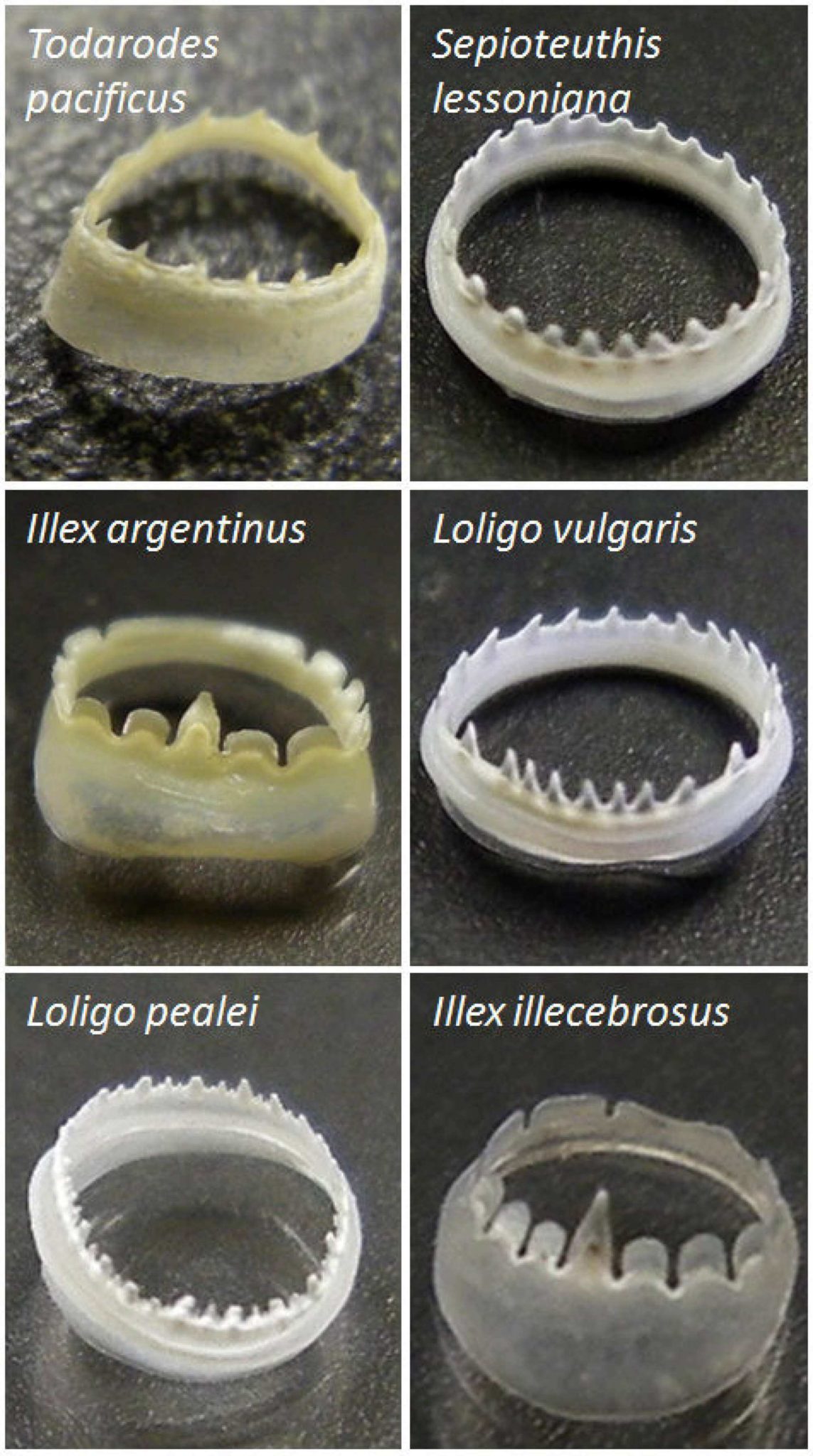
Squid teeth rings can phase from liquid to solid in water, this ability allows the teeth to selfheal. By decoding the genetic code that codes for this protein, a polymer has been created which is super-strong and requires minimal management on the breakage front.
This material was able to reattach on its own with just a drop of water and some heat, after it was cut into two. The material was found to heal best at 113 degrees Fahrenheit, a little warmer than the temperature of the human body, and with slight pressure from a metal tool. The reformed material worked just as well to left the same amount of weight as before.
Using biotechnology, bacteria was able to code for the very same protein for further research. The researchers made the proteins into a rubbery plastic by mixing them with a solvent and letting the solvent evaporate. The new material combines a soft, amorphous part of the protein that gives the plastic its self-healing properties, and a more structured sheet of amino acids give it a solid structure.
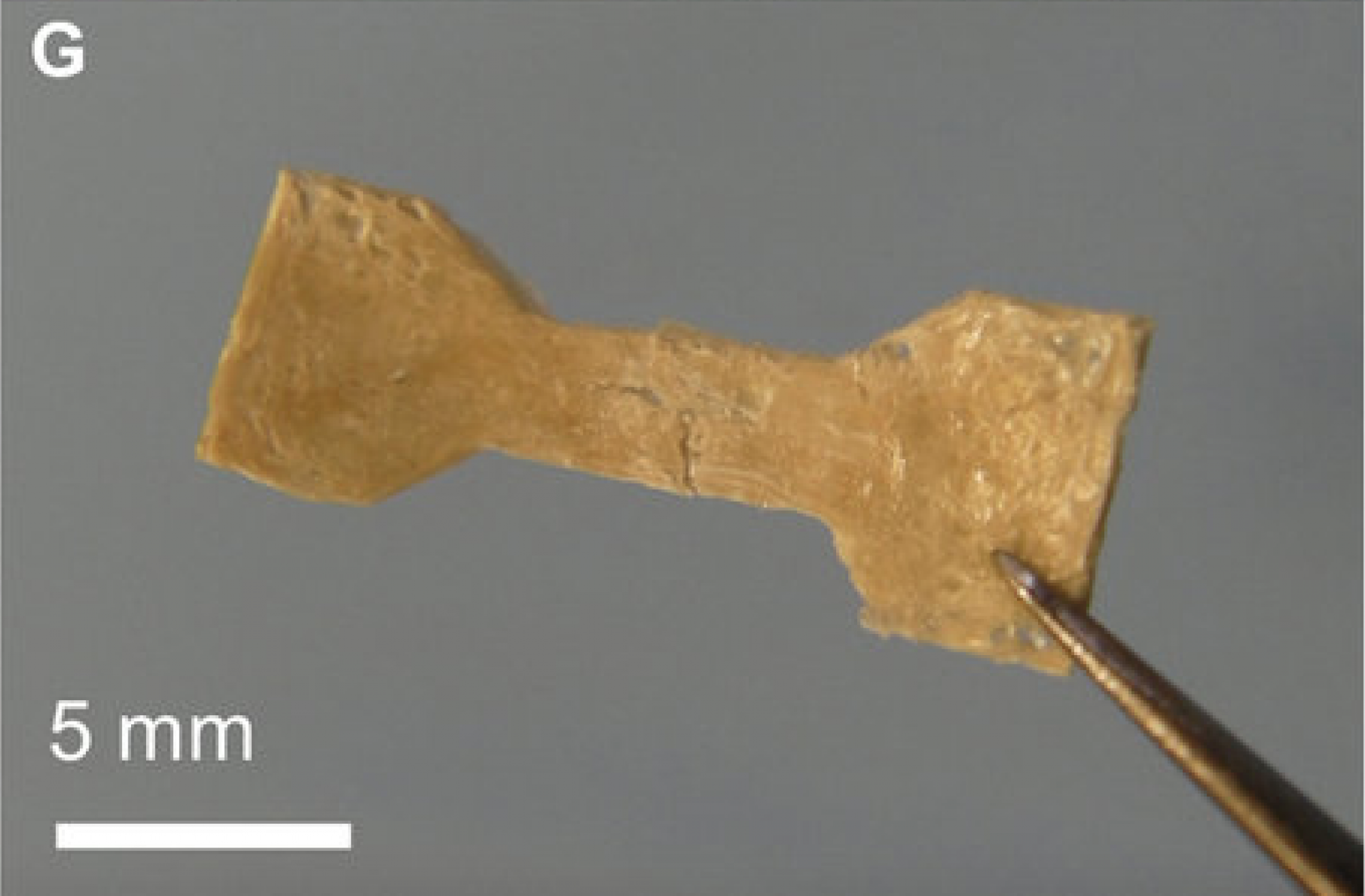
This polymer could find use in biomedical implants, or hard-to-access fiber optic cables on the ocean floor that need repairs. The tests are yet to see if the material is degraded in the constant presence of water. Further course of study is the feasibility of this material in wound healing.
[adinserter block=”7″]
Author: Technology Blog

