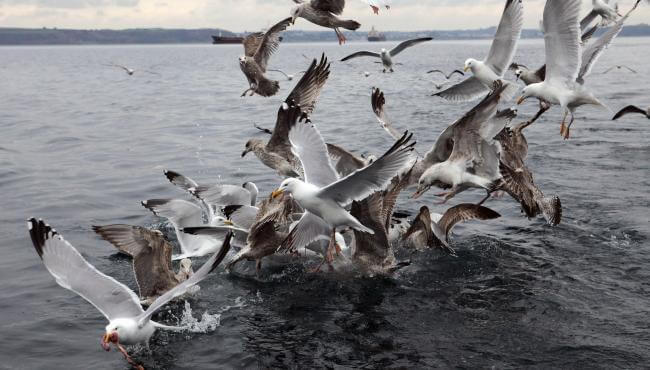
Studies have estimated that there could be up to 580,000 fragments of bags, bottle caps and plastic fibers per square kilometer of ocean. Up to 90% of marine birds alive today may have ingested plastic, and by 2050, that number could be as high as 95%. The Great Pacific Garbage Patch, a disgusting vortex of LEGOs, toothbrushes, synthetic cushions and other non-degradable waste products spanning a region larger than Texas, is only a testimony to the fact of how little we care about other life on the planet except us.
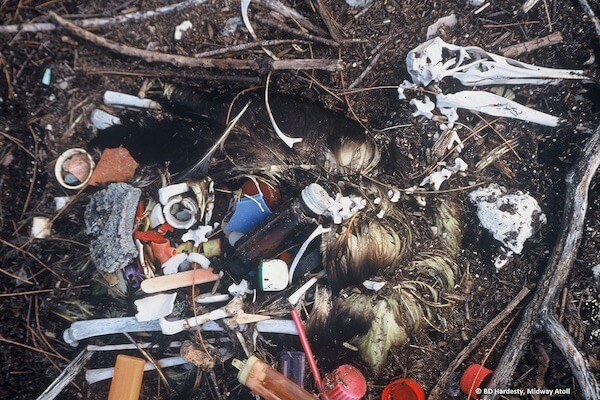
The previous literature on avian plastic ingestion rates, published between 1962 and 2012, indicated an average of 29% of birds had plastic in their gut. With advancements in computing and tracking technology, that amount is currently estimated to be 90%.
On opening up these marine dwellers, whole chunks of plastic items, toys can be found. They ingest large quantities of plastics, and small fragments alike, and unknowingly die a swift and painful death. Plastics can concentrate organic pollutants to levels a million times greater than those found in surrounding seawater.
We think we are making progress towards a better society but we are really just degrading the planet that let us prosper. With our plastic production rates doubling every 11 years, it is a calculated guess that between 2015 and 2026, humans will produce as much plastic as we have since plastic manufacturing began. A large fraction of that used and thrown away plastic will find its place in oceans and marine animals’ guts.
“Projecting patterns in the literature forward using our fitted regression models, we predict that plastic will be found in the digestive tracts of 99% of all seabird species by 2050 and that 95% of the individuals within these species will have ingested plastic by the same year,” the authors, Chris Wilcox(lead) and Denise Hardesty write.
The solution? Please, we all know it. Ban plastic. Is anyone brave enough to follow through? The middle ground then; only throw away plastic as last resort. Use it till you can’t use it anymore.
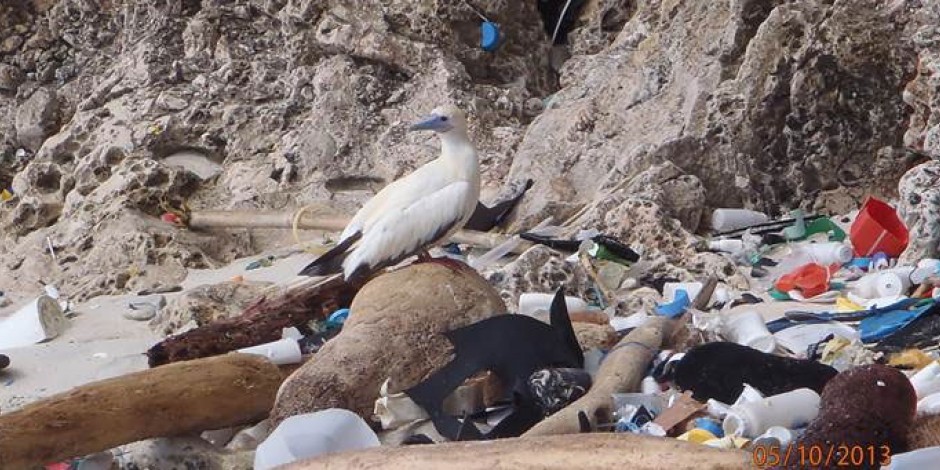
Even simple measures can make a difference,” Hardesty said. “Efforts to reduce plastics dumped into the environment in Europe resulted in measureable changes in plastic in seabird stomachs in less than a decade. This suggests that improvements in basic waste management can reduce plastic in the environment in a really short time.”
[adinserter block=”7″]
Author: Technology Blog

