A wearable mouthguard for monitoring diabetes

Till now, patients suffering from hyperuricemia, used to get their uric acid levels checked only by multiple blood samples and this could be really bothersome if there are wide fluctuations in a person’s uric acid levels in a short span of time. But there is some good news for those who have this problem.
396610-mouthguard

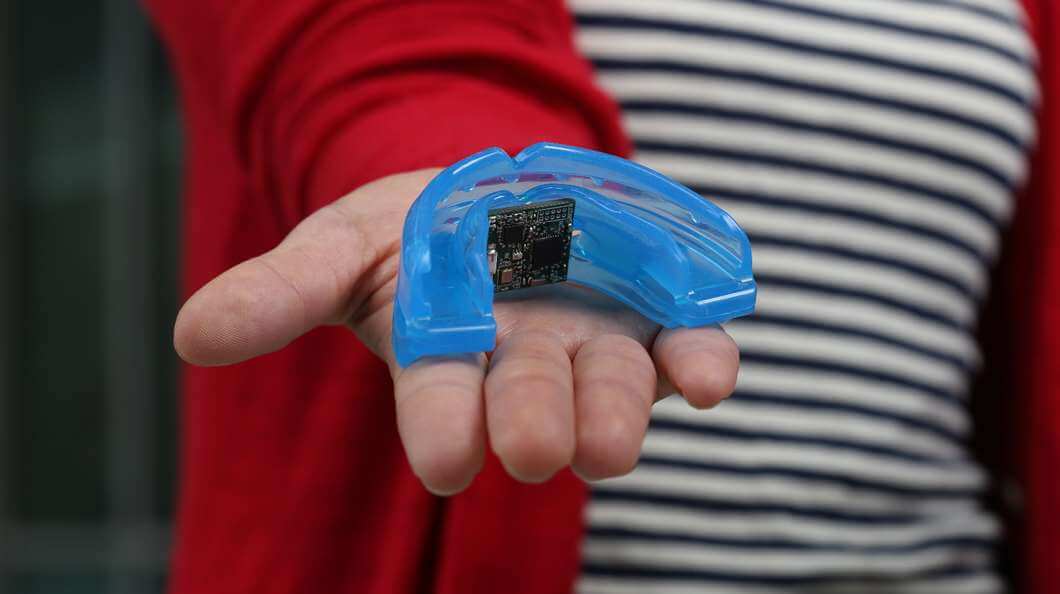
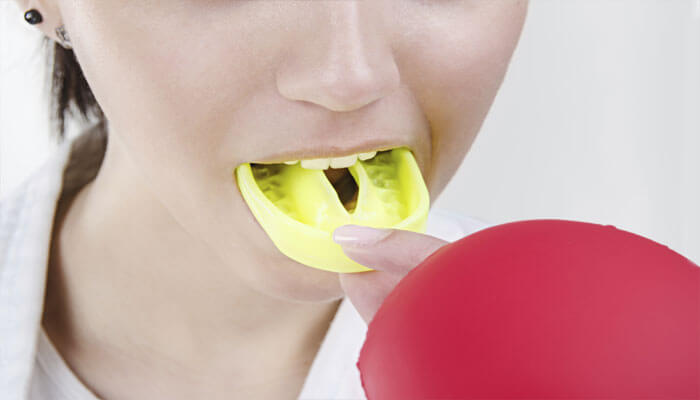
Scientists at the University of California, San Diego have developed a mouthguard that could provide continuous readings of users’ health markers including lactate, cortisol and uric acid. It has variable uses like monitoring the well-being of diabetics, tracking the performance of athletes or detecting stress in soldiers. The current version developed by professors Joseph Wang and Patrick Mercier, though is designed specifically to check wearer’s uric acid levels.

How does it work? Well, it has a penny size circuit board which contains a screen printed sensor that incorporates silver Prussian blue ink and an enzyme known as uricase. When the uricase is exposed to uric acid in the user’s saliva, there is a reaction which results in the formation of hydrogen peroxide, which subsequently reacts with the ink.

p16holesmouthguard1_zpsc1ce7ec7

This in turn produces an electrical signal, which is digitized and then wirelessly transmitted to a smart phone or tablet for analysis. So far the mouth guard has given accurate results but in lab tests, the saliva samples were simply spread on the sensor. So the efforts are now moving in the direction of miniaturizing the electronics of this device so that it can be worn continuously in the mouth and hopefully this miniaturised version will be complete in a year.

[adinserter block=”7″]

Author: Technology Blog

Now, Smartphone can Detect How Bored you are!

A series of studies conducted by several researchers at Telefonica Research in Barcelona, Spain, have led to be coding of an algorithm that can determine your mental state and figure out if you are bored.

screen_shot_2015-09-02_at_10.29.54_am

Over a period of two weeks, people were studied on how intensely they used their phones, and how many apps they accessed when they were bored. Both of these factors tend to increase when the state of boredom sets in. The researchers found that looking at this kind of data gave a reliable prediction of boredom as often as 83% of the time.
After the algorithm was coded and introduced in the smartphones, it analysed when the user seemed bored. It then sent out notifications at that exact time. For example, to check out an article on BuzzFeed. People who were sent out notifications on this basis were much likely to click on the link, then the user who were randomly targeted.

shutterstock_234142087_story

Such a function on our smartphones will help us utilize our time better. Although, it would be tricky to get people to agree to use an app or service that analyzes lots of data about their phone behavior. Moreover, M. Ehsan Hoque, an assistant professor of computer science at the University of Rochester who co directs the school’s human-computer interaction lab, says that this may not capture “true boredom,” as our mental states are often subconscious.

[adinserter block=”7″]

Author: Technology Blog

These Water-Holding Trees are Firefighters

Dry, humid climates often lead to the worst kind of, unpreventable forest fires. These devastating ignitions have an adverse effect on the biodiversity of an area, and can set back the fauna and flora growth by more than a decade.

_85313265_85313264

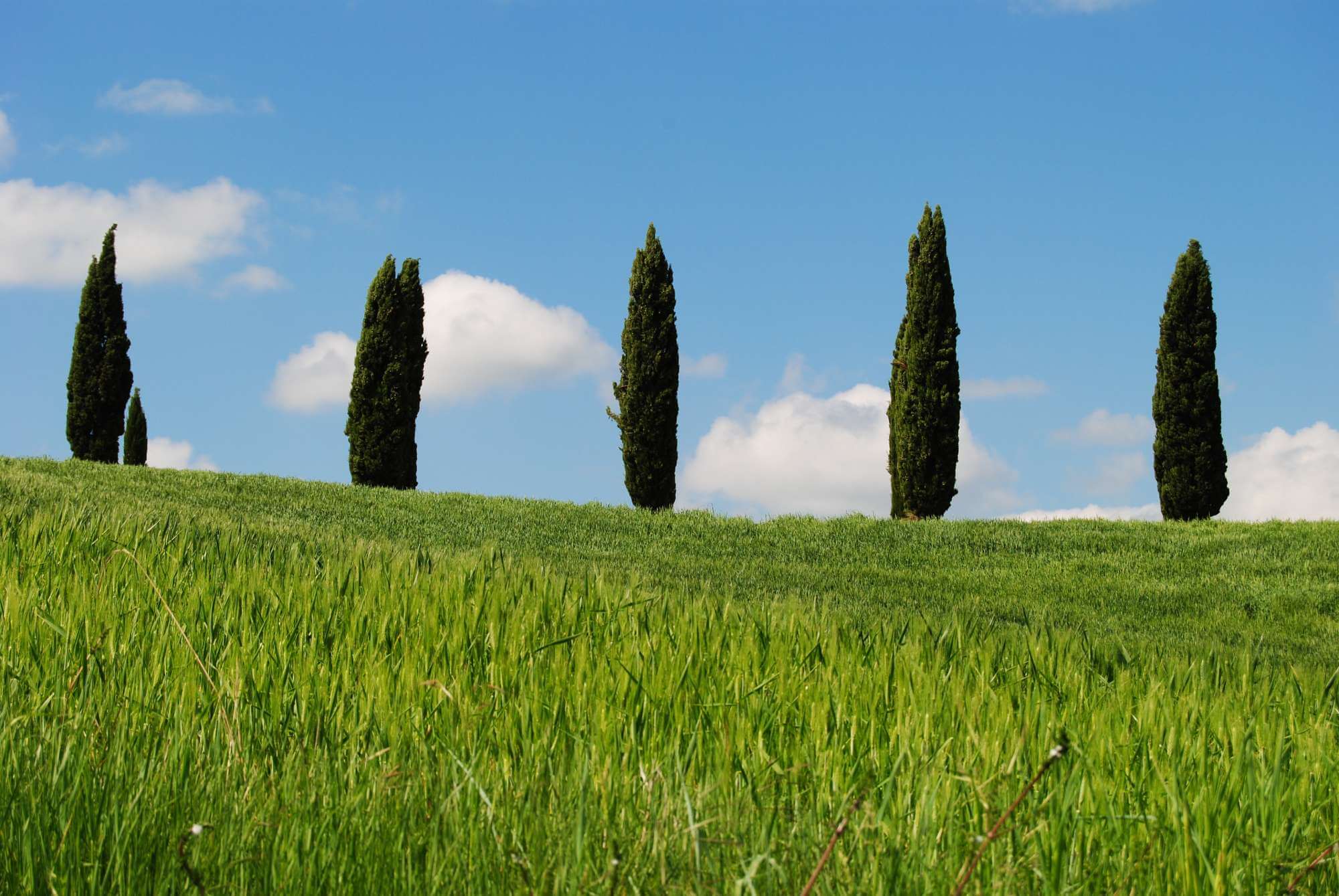
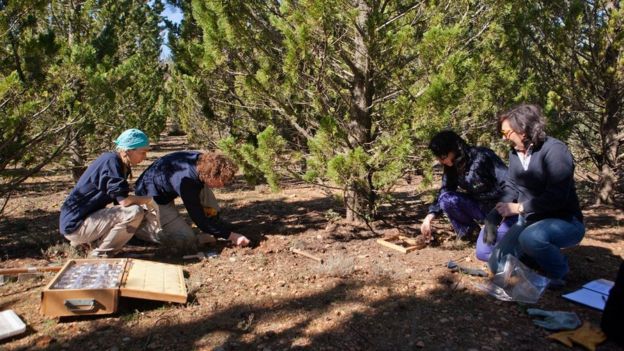
But it took the fire of 2012, for the researchers to discover the planted varieties of Mediterranean cypress trees (Cupressus sempervirens) in Spain. These varieties were introduced locally to test how different varieties of the species would handle exposure to a deadly pathogen.
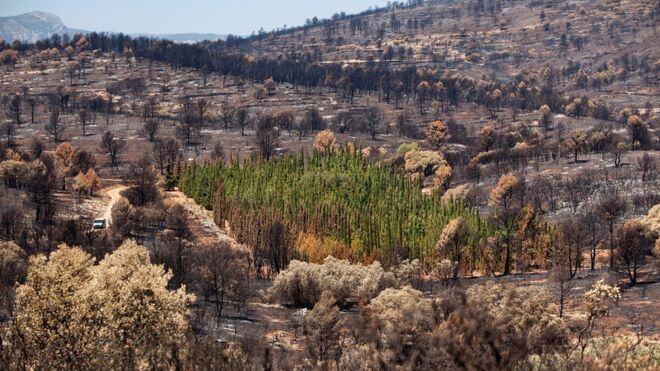
“When we got there we saw that all the common oaks, holm oaks, pines, and junipers had completely burnt. But only 1.27% of the Mediterranean cypresses had ignited,” study author Bernabé Moya told BBC Mundo.

Turns out, the green patches of cypress have the ability to store high amounts of water content in their leaves. This ability persists even in very hot and dry environments. What’s more, the fallen leaves from the tree retain their moisture content and create inhospitable conditions for flames. Trees like aspen or cottonwood are fire-resistant, but their dry, fallen leaves put them at a fire risk.

_85303238_85303237

Researchers are further delving into the chemical properties of cypresses, while planning to plant these as firebreaks in the Mediterranean region.

[adinserter block=”7″]

Author: Technology Blog

Verified by ExactMetrics