A pillow that’s actually cool!

Was there a time in this summer when you woke up from your sleep feeling hot? Then there is a pillow especially for you. This pillow known as the ‘Hibr pillow’ is the product of a successful Kickstarter campaign. It is basically a memory foam pillow that promises a cooler sleep.

hibr-cool-pillow-2-2-970x647-c

And how does it do this? It is made of a special material which regulates your body temperature while you are sleeping and it achieves this feat with the help of certain capsules embedded in the foam of the pillow. These are basically bidirectional thermo-regulating capsules,that change their phase when heated up. Depending on what kind of microclimate is around the pillow, it either absorbs or releases heat. There is a gel of layer that keeps the surface of the pillow cool.

The pillow comes covered in a soft, zippered pillow case probably to help regulate the airflow. Only one side of the pillow has the cooling function: the blue side. The other; white side is just like any other normal pillow.

HIBR-Cover815

It comes in three varieties: simple (which is actually just like a traditional pillow), side (bit like a neck pillow you see at airports) and the silhouette (the contour is dipped in the middle to aid those who have sleep disorders). The pillow also gives a faint chemical like smell when you sleep on it. It is priced at $79 dollars- a pricey one! But what not would you pay to barter a good night’s sleep? Right?

[adinserter block=”7″]

Author: Technology Blog

3-D printed edible gummy have entered the real world

The first 3-D printed food to make an entry into the real world has finally arrived. No, it is not some royal delicacy but our humble gummy! German candy company Katjes has unveiled the first ever 3D printer for gummies and it is first in the category of 3D food which will ‘actually’ be available for general public.

wpid-lego-5

The printer has been aptly named as the Magic Candy Factory. It prints out Sour Power-esque strings of candy, which when layered produce 3 D shapes. The printer takes only five minutes to make the candy. The gummies that come out are gluten-free and vegan. You can choose and customise your candy out of the ten fruity flavours and colours available.

There is also a ‘rainbow’ option that lets you select your favourite combination of colours for the candy. The candies can be printed in various animal shapes. There’s also an option of printing the candies in the shape of your favourite letter or letters.

magic-candy-factory-gummy-3D-printer-from-katjes

Consumers can also put in their suggestions regarding the new shapes to be made by the factory, on their official website. Whatever may be the date of arrival of the candies, children surely would love these gummies.

[adinserter block=”7″]

Author: Technology Blog

China Committed to Decrease Pollution with Artificial Intelligence

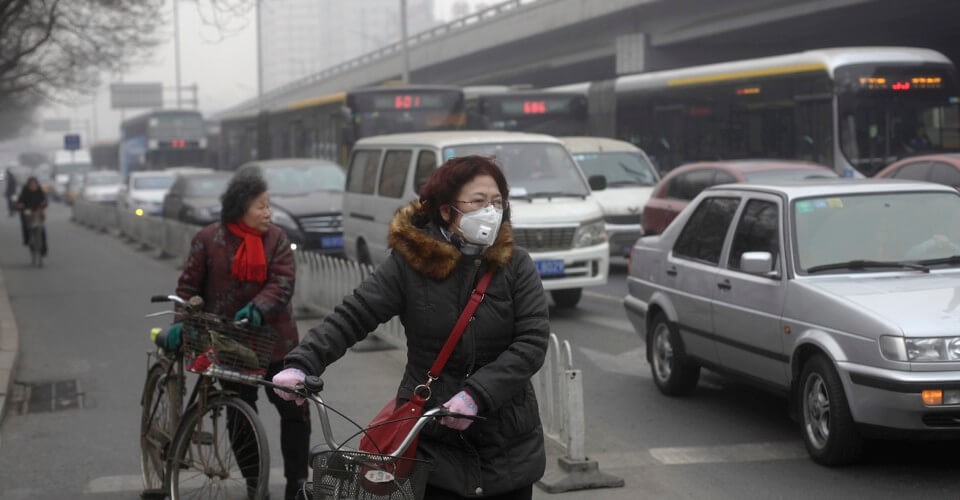
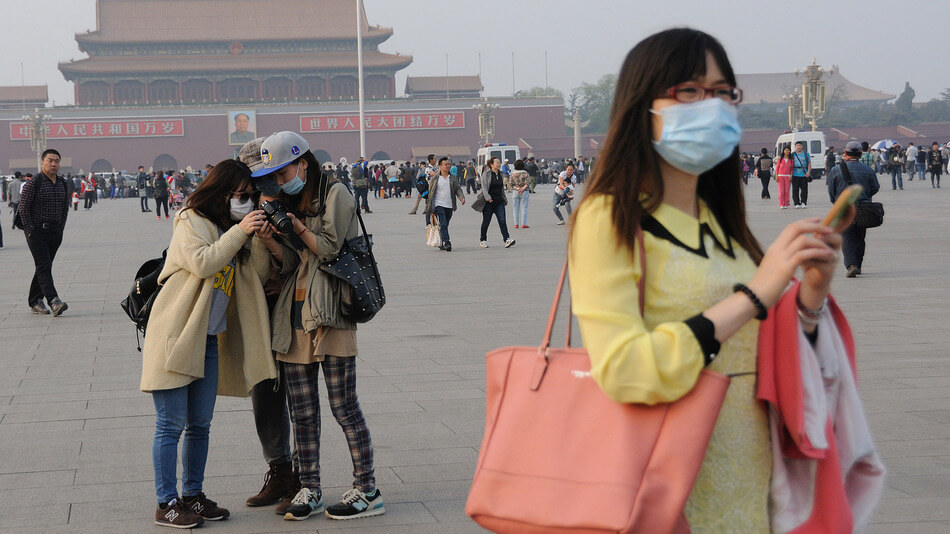
China’s air pollution has reached the average level of airborne particulates limit recommended by the World Health Organization, and crossed it to two and a half times more. China thus took the initiative to improve the air quality 10 percent, by 2017, through the Airborne Pollution Prevention and Control Action Plan. For this, IBM researchers have come up with an artificial intelligence that is perfect for this purpose.

977391e10afb137c511be4729d780cea

The project, dubbed Green Horizon, uses “cognitive computing” i.e., extracts relevant data from various different models, and uses this to predict the severity of air pollution in different parts of the city several days in advance. The system also uses “adaptive machine learning” to determine the best combination of models to use.

“We have built a prototype system which is able to generate high-resolution air quality forecasts, 72 hours ahead of time,” says Xiaowei Shen, director of IBM Research China. “Our researchers are currently expanding the capability of the system to provide medium- and long-term (up to 10 days ahead) as well as pollutant source tracking, ‘what-if’ scenario analysis, and decision support on emission reduction actions.”

smog

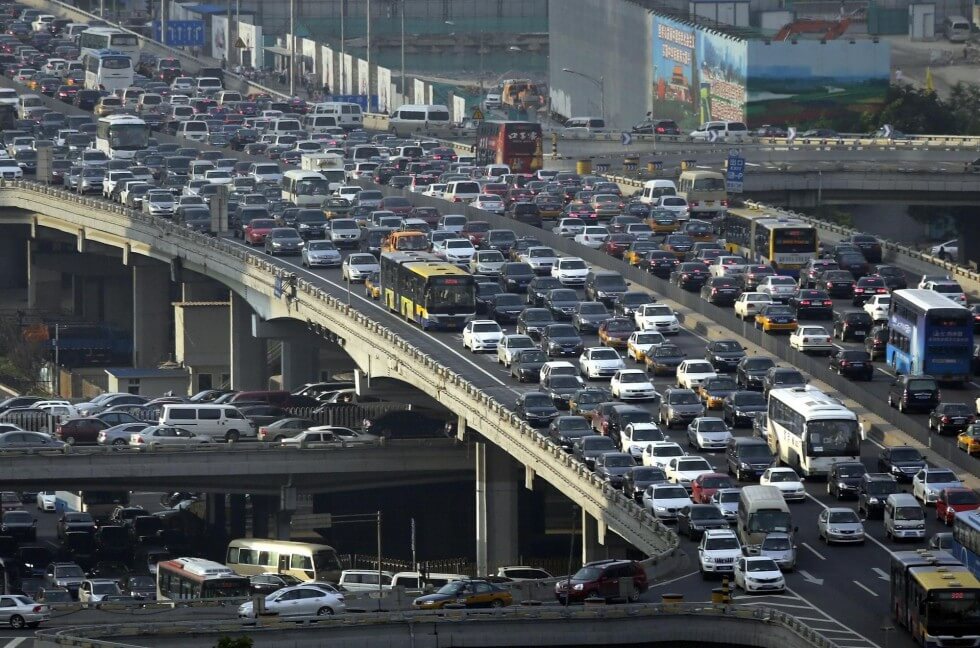
The air pollution can vary on a day-to-day depending on various factors including traffic, industrial activities and weather conditions. This system can predict these changes and recommend on how to lessen the pollution, for example, by closing down a street for a day, or minimizing the work in a factory for a week. The project also highlights an application of the technology that IBM would like to export to other countries where pollution is a growing problem.

[adinserter block=”7″]

Author: Technology Blog
Verified by ExactMetrics