Do you know that 90 percent of cancer deaths are caused by metastatic cancer? Metastatic cancer is the one in which the cancer spreads to other parts of the body when cancer cells break off from the original tumour and start proliferating. The biggest problem is, these cells are difficult to detect hence the tests are rendered inefficient.

Based on past studies, researchers have found out that cancer cells don’t just metastasize anywhere. They flow in blood to areas that are conducive to their growth. It has been observed that immune cells play an important role in creating these areas and hence metastasizing cells tend to follow immune cells.
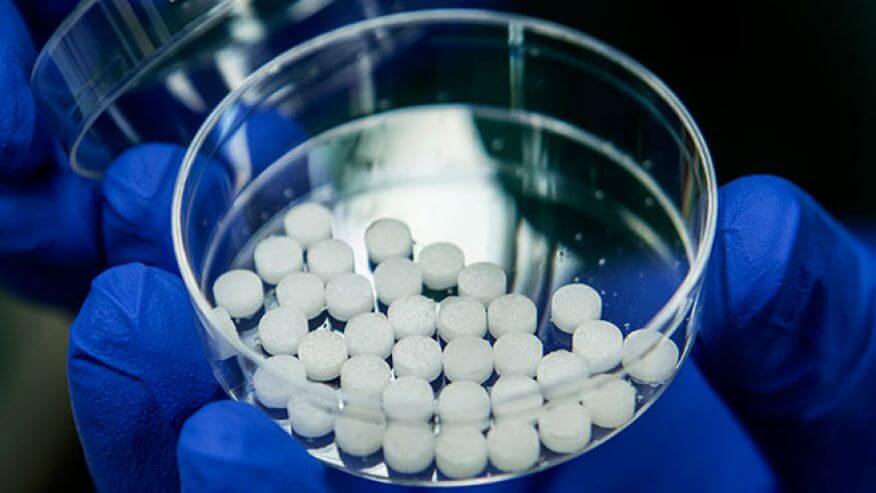
Considering all these facts, a team of researchers has developed a tiny implantable sponge that can soak up these cancer cells which helps the doctors to intervene before the cancer has completely settled in. These sponges are made of a biocompatible plastic called PLGA and are one fifth part of an inch in diameter. These sponges were tested in mice with breast cancer.
They were implanted in the mice’s abdomen and under their skin, places where cancer doesn’t usually spread. 28 days later, when the sponges were removed, the researchers detected cancer cells on them. It is also to be noted that there were no cancer cells in the same area without sponge implants. The researchers explained that the reason for this may be that after the sponge was implanted, immune cells flocked to the site and the metastatic cancer cells followed these immune cells where they got trapped in the sponge and stayed there.
This outcome of the study is hoped to help researchers detect metastatic cancer cells sooner than ever. Another advantage that came out of this study was that the sponge also soaked up the cancer cells from the original tumour environment thereby reducing the number of tumour cells by ten percent. This reduction in the number of cancer cells would surely make the cancer easier to treat.
Apart from all this, there are still limitations like, the study included only breast cancer, and so what is the scenario in cancer without tumours like leukaemia is still uncertain. Also it is not yet proven that early metastasis protection improves a patient’s overall outcome. With all these points in mind, researchers wish to take this study forward by including humans at some point of time.
[adinserter block=”7″]
Author: Technology and Beyond








 The Interact Centaur rover used for the experiment was designed and constructed as part of a collaboration between ESA engineers and graduate students from the Delft University of Technology, in the Netherlands. The robot is equipped with many different features like a 4 X 4 design, a camera “head” and two incredibly flexible robotic arms with force-feedback sensors with which to manipulate the target object. Features also include a host of proximity sensors and an arm laser to enhance depth perception.

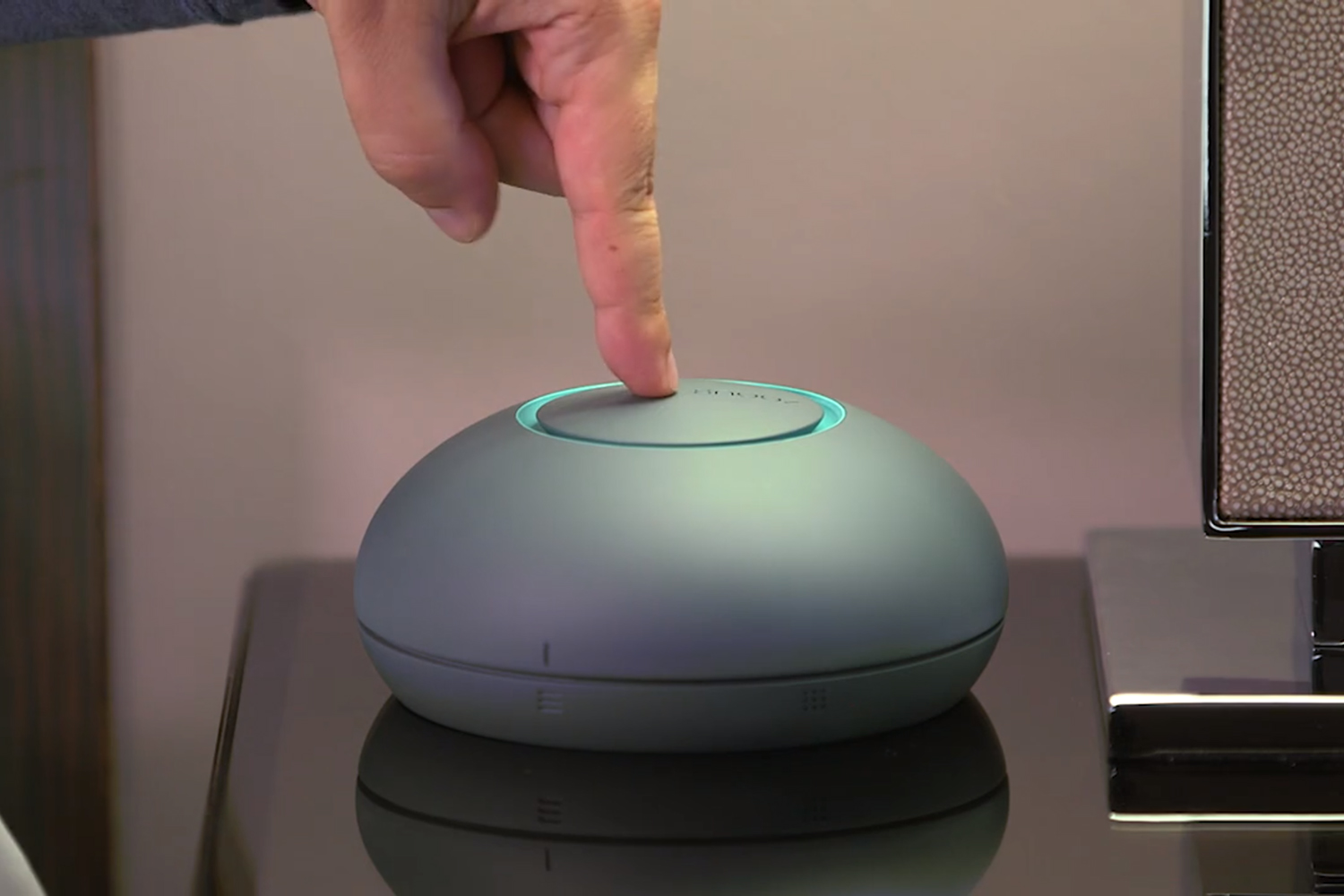





 The very first thing to do is to know how strong or weak exactly is your signal and no, by this we don’t mean the number of bars on your phone. Do you know that there are no industry standards for these bars? So a three bar signal on one phone can be a two bar signal on another. So in order to know about the signal strength, you will have to dial *3001#12345#. Dialling this number will put your phone in a field test mode and will give an exact number for your signal strength.

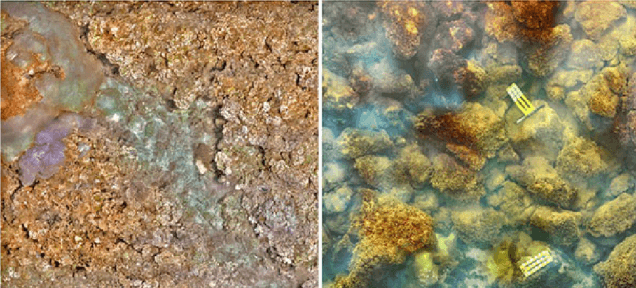
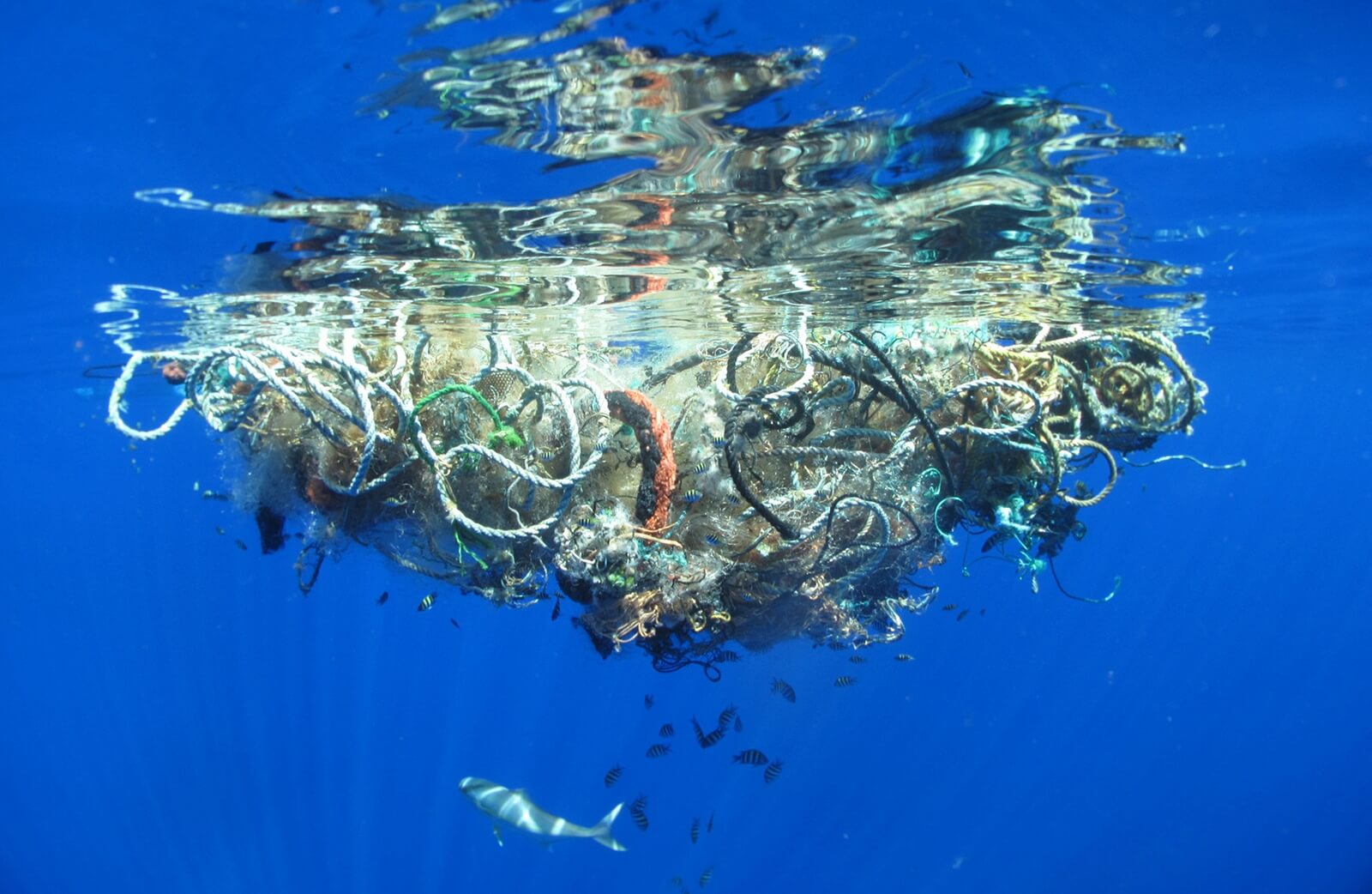












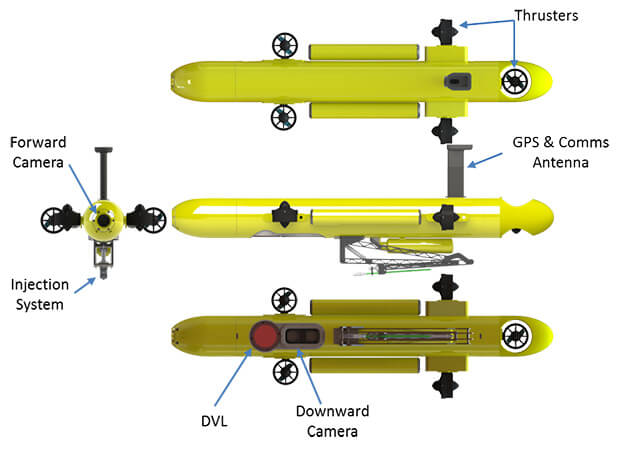 Although COTS occur naturally in low numbers on coral reefs, they sometimes appear in high densities called “outbreaks”. An outbreak is usually defined as 30 or more adult starfish per hectare on reefs, or when they reach densities such that the starfish are consuming coral tissue faster than the corals can grow.