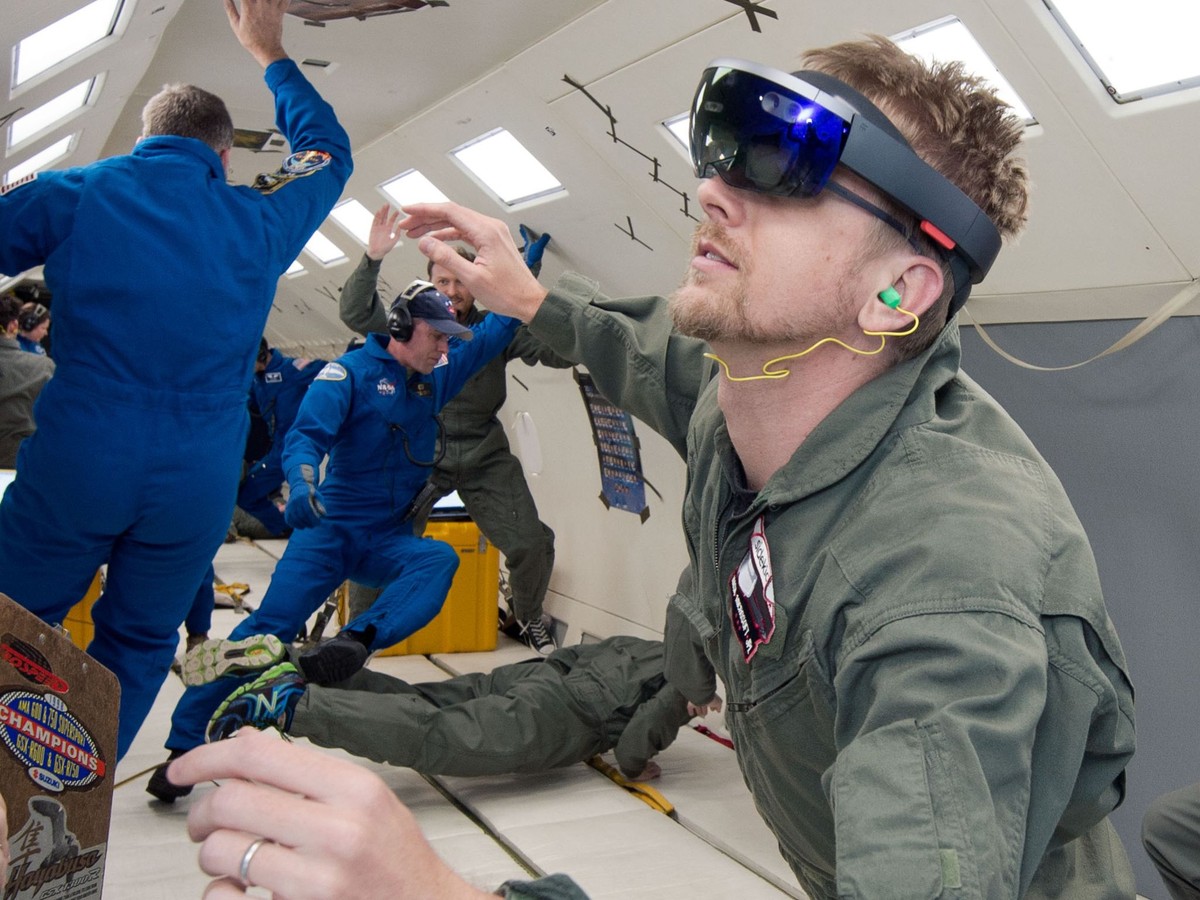
This June a rocket carrying two HoloLens headsets to the International Space Station blew up and it was a major setback for two HoloLens projects that NASA is working on in its Jet Propulsion Laboratory (JPL) in Pasadena, California. But such is the importance of the HoloLens for this project, that within a couple of weeks project manager Jeff Norris, his team and their Microsoft counterparts readied new HoloLens hardware to be launched on December 3 to resupply the space station.
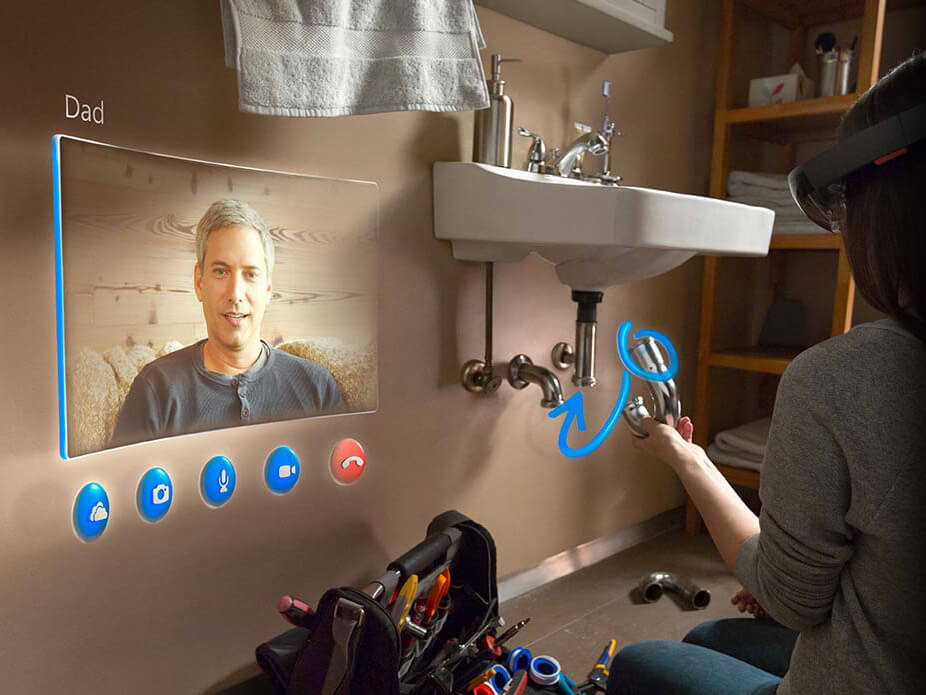
HoloLens headsets are actually Microsoft’s augmented-reality gadgets and NASA sees numerous practical and time-saving uses for this technology in space viz. using HoloLens aboard the space station to allow astronauts to work with a remote expert who can see what the astronaut sees and help with unfamiliar tasks. The device can also come in handy as an augmented-reality instruction manual that uses 3-D images to show an astronaut where to place some equipment or what button to push or what handle to turn.
According to Norris, NASA is also looking at the possibility of using augmented reality for applications like inventory management as it is actually a challenging task to keep track of the entire inventory on a space station even though it has clear-cut bar codes with a database. NASA has developed a prototype app that can be used to recognize an object and show the HoloLens wearer a path to follow that leads to where the object should be stored.
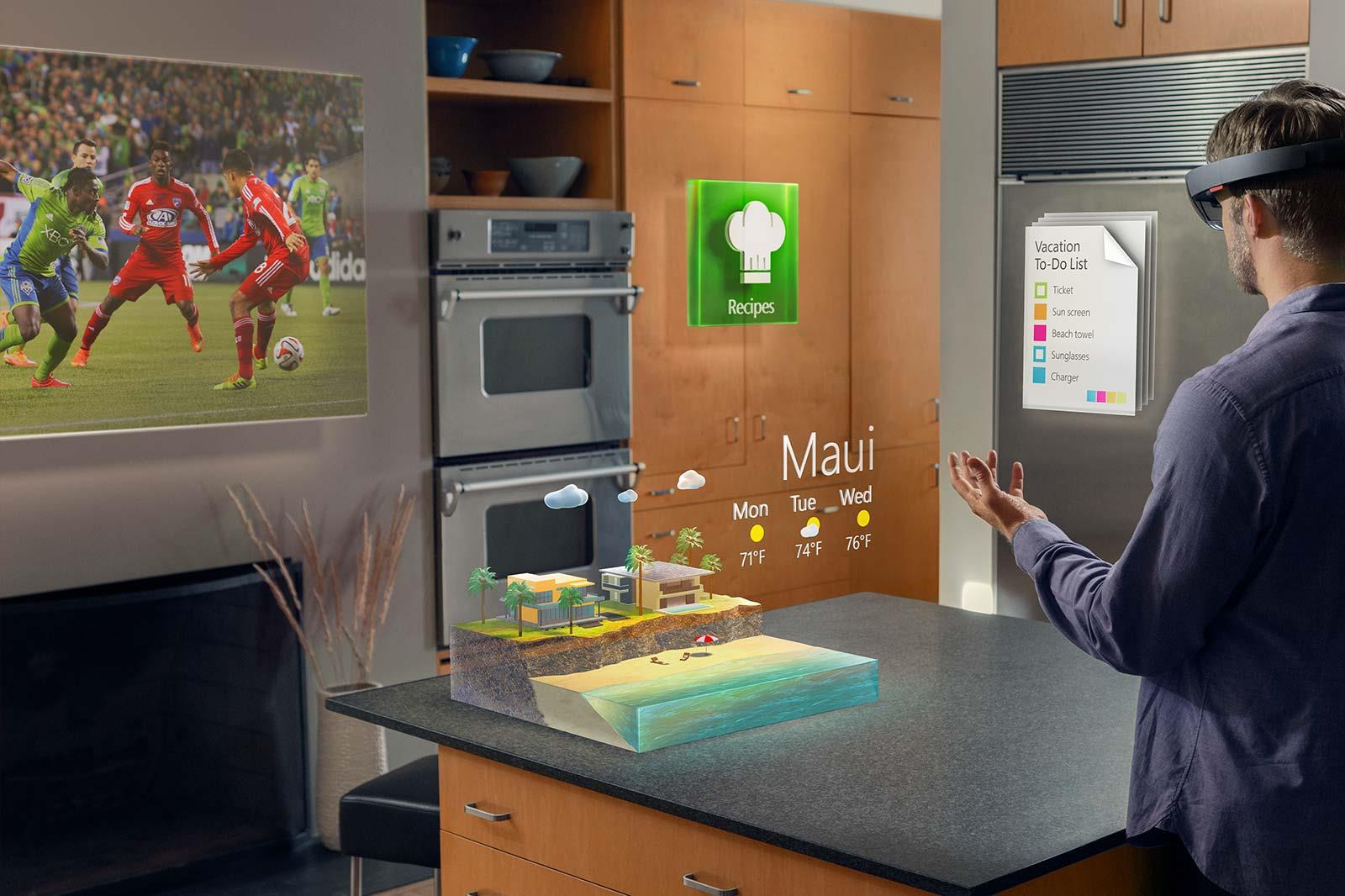
Though all these things and applications sound exciting but according to Jeff Norris, many challenges are also associated with these applications such as figuring out how an application menu should look and how the user should interact with it when it’s not shown on a laptop or smartphone screen. If and when such challenges are met, the technology will surely give a boost to the space station.
[adinserter block=”7″]
Author: Technology Blog


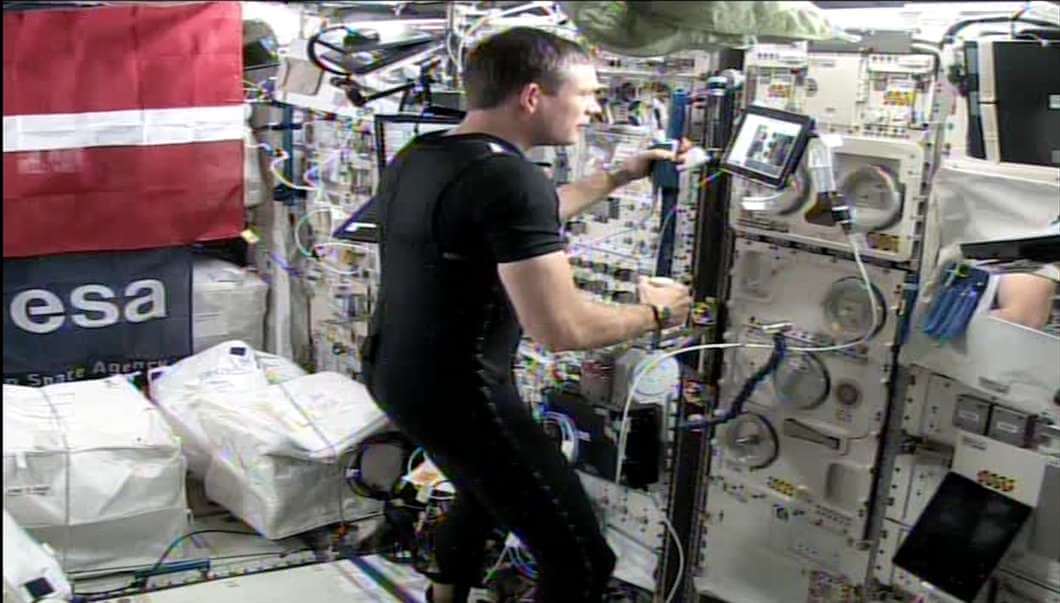
 The Interact Centaur rover used for the experiment was designed and constructed as part of a collaboration between ESA engineers and graduate students from the Delft University of Technology, in the Netherlands. The robot is equipped with many different features like a 4 X 4 design, a camera “head” and two incredibly flexible robotic arms with force-feedback sensors with which to manipulate the target object. Features also include a host of proximity sensors and an arm laser to enhance depth perception.

