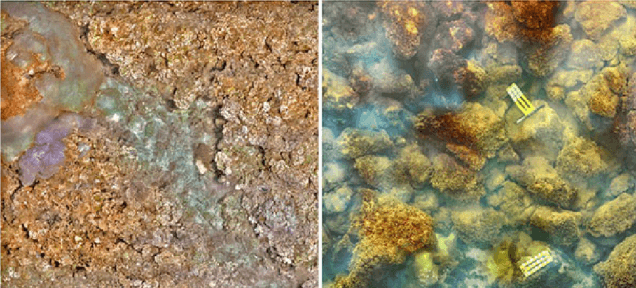
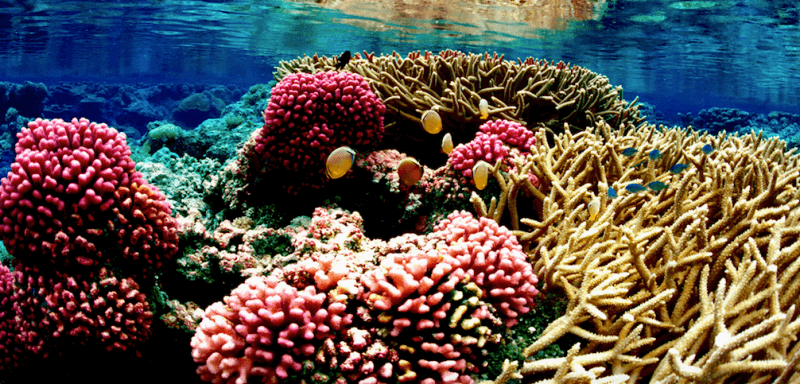
Watching beautiful colourful ocean life is a delight both for the eyes and for the heart. Just by looking at such variety among species one wonders how beautifully the world has been created and with how much variety! But do you know ocean life is continuously changing itself? New marine species are entering new communities and kicking the old ones out. At this rate, it is assumed that by the end of this century 70% of our ecosystem that is a part of our present lives will change completely. Seas are indeed shifting and that too very quickly.
Ben Halpern of UC Santa Barbara, who is one of an international team of authors on a massive new ocean biodiversity analysis says, “The changes we’re seeing in response to climate change are much faster than the last millions of years, but maybe ever in the history of the planet.” This study, for the first time will throw light on the consequences of rising temperatures due to climate change. It postulates that these rising temperatures would cause a jumbling up of various marine communities across the world. As the temperature increases and becomes favourable for certain species, biodiversity will increase as survival will be possible for wider range of species. This may seem like a good thing as the biodiversity will become rich but this same thing will cause similar looking ecosystems everywhere and loss of species with very narrow range.
In the study, the researchers used two 21st century global climate models to predict the changing distribution of nearly 13,000 species across our planet’s warming oceans. The models in the new study were based on the idea that species are most affected by the change in water temperatures as water holds and conducts heat a lot more than air. This assumption allowed the researchers to model nearly 12 times more species than ever before which helped them to derive conclusions on a bigger scale about changing patterns of biodiversity.
The study found that though increase in temperature would also increase the species richness in a particular area but it will also homogenize the now-distinct groups via widespread invasions. It may also lead to a situation where a part of ocean teeming with wonderful marine life may become a complete biological desert. According to Halpern, a lot of species will move out of the tropics as the temperature rise becomes unbearable. Consequently, Polar Regions will see more influx of lower altitude life. This will surely affect the adaptability and longevity of cold-adapted species. The species richness would increase but after a point of time, the original inhabitants of the region would not be able to tolerate such a large influx and may even become extinct.
The fear is this change will start affecting humans as well. For example fishing industry in some parts of the world may flourish like anything whereas others will be left deserted and poor. For cultures that depend on certain water species, the migration would be no less than a catastrophe.
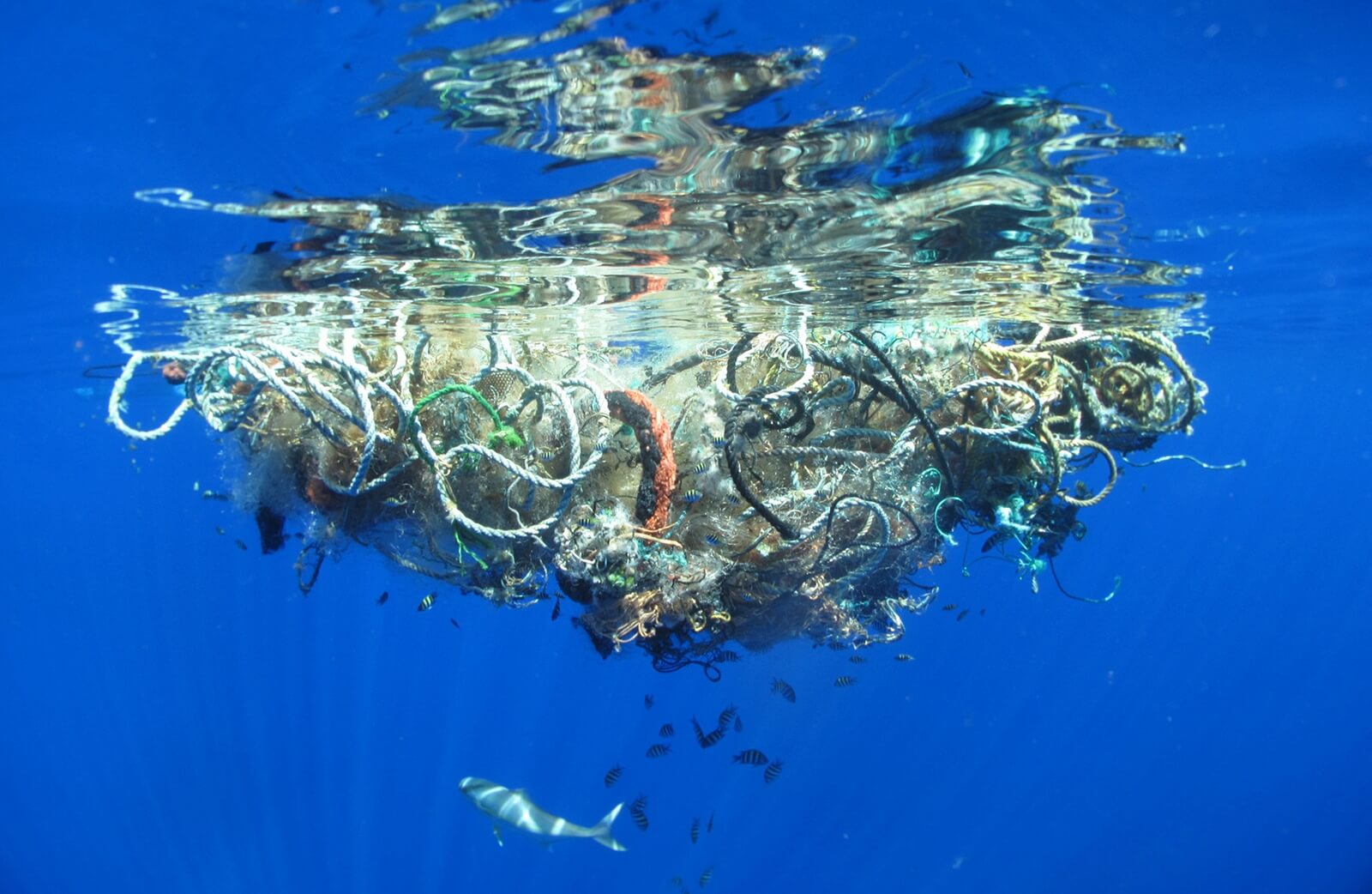
It all sounds scary and the worst part is, we, humans are the ones who will be responsible for this but there is still time. What we need to do in coming centuries is to stop treating our oceans as garbage bags or dumpster and work towards committing to carbon reductions. As expressed in the words of Halpern: “If we can reduce pressures from other human activities, it’ll make it a little easier for species to adapt.”
[adinserter block=”7″]
Author: Technology Blog