Bubble Homes on Mars- Would NASA Look Into It?

There is a great hype on relocating to another planet and establishing mankind in different environments. Thus, to fuel this idea and brainstorm, NASA devised an open challenge last May which tasked American-based design firms with developing plans for 3D-printed habitats fit to sustain life on Mars. Though only companies in the US were allowed to participate, the French company named Fabulous decided to forgo this stipulation and arguably just submitted one of the contest’s most intriguing ideas.

Fabulous-3D-Martian-Bubble-House-Concept1

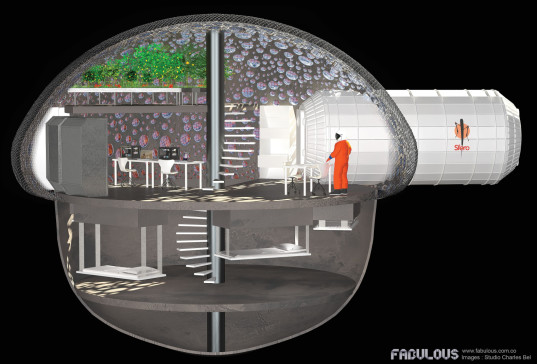
Although it is not clear yet if NASA has taken this idea into consideration, the proposed design and structure look very promising. The goal is to construct homes which are completely compatible to face the harshest of climates. Fabulous has proposed NASA with a design of multi-level bubble home that’s fully 3D-printed using only Martian soil as the raw material. Mars’ iron-oxide rich soil is being used to make it back in time and it resists the atmospheric low presence and intensity. Fabulous requires planet’s abundance of permafrost to create an exterior water pocket that will defend the structure from solar radiation.

Construction of Fabulous’ bubble home will the main drilling into Mars’ surface to place a large central pillars having two robotic arms. The robotic arms will then set out to harvest the necessary iron oxide and permafrost for assembling of the structure.

Fabulous intends the printer to build a two-story structure with a laser 3D printing the top floor serving as a workspace and indoor garden, while the bottom floor contains a future crew’s sleeping quarters.
fabulous2

Hawaii and the Mojave Desert in California having same soil composition and texture will be travelled to by Fabulous in an attempt to test out the design. If successful, Mars’ Gale crater is undoubtedly the best possible spot to construct the habitat given the area’s richness of iron oxide and likely presence of water.

[adinserter block=”7″]

Author: Technology Blog

Project RAM Helps People with Traumatic Brain Injuries Function Normally

The project, called Restoring Active Memory (RAM), could help people suffering from traumatic brain injury with the help of sophisticated mind-controlled robot limbs. This is an incredible breakthrough as previously paralyzed individuals had successfully moved limbs with their mind, but had not been able to feel back with those limbs.

ROBOCOP-640x360

In one study, a 28-year-old man who was paralyzed more than a decade ago became the first person to “feel” physical touch through a prosthetic hand. In another breakthrough, volunteers who got electrical arrays implanted in their brains are seeing improvements in their memory, DARPA said.

In another study, DARPA engineers and scientists at Johns Hopkins University’s Applied Physics Laboratory inserted electrodes into the patient’s motor cortex which allowed him to control the hand with mere thoughts. The working of the arm uses sensors that detect pressure being applied to its fingers, and converts this pressure into electric signals which tell the brain implant how the device has to act.

In a series of tests, the team touched each of the prosthetic hand’s fingers while the patient was blindfolded to measure the accuracy to the arm. The subject was able to respond with 100% accuracy most times. “At one point, instead of pressing one finger, the team decided to press two without telling him,” Justin Sanchez, the  program manager said in a statement. “He responded asking whether somebody was trying to play a trick on him. That is when we knew that the feelings he was perceiving through the robotic hand were near-natural.”

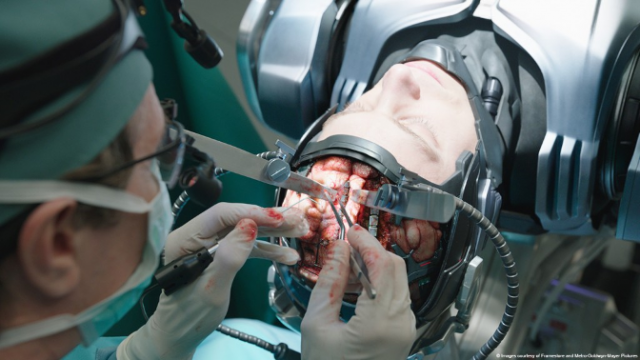
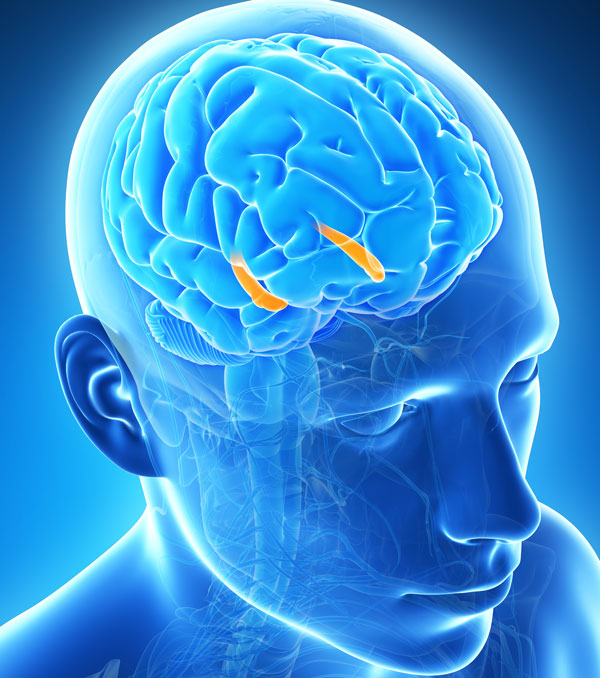
In yet another study, the spatial memory of the subjects undergoing brain surgery, saw significant improvements with the insertion of electrode implants. The small electrode arrays placed in brain regions were involved in the formation of declarative memory, according to DARPA.

shutterstock_128575292

The goal is to improve memory by using targeted electrical stimulation, which could help people with memory problems — including those with traumatic brain injuries, Sanchez said.

[adinserter block=”7″]

Author: Technology Blog
Low cost, semi transparent, high-efficiency perovskite /grapheme solar cells created

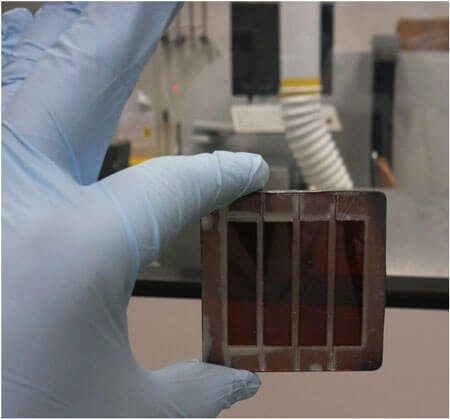
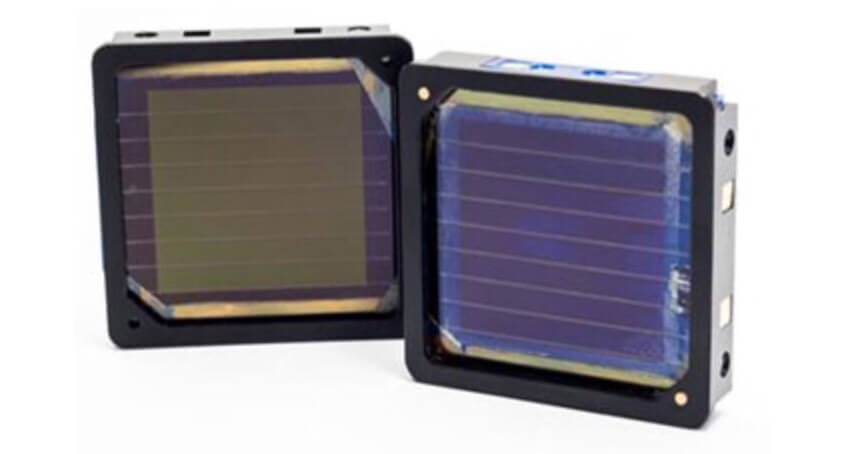
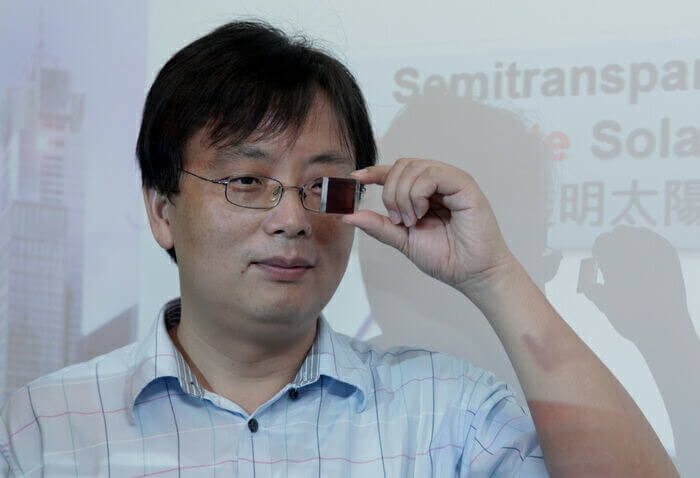
Solar energy has firmly set its foot in the market of energy production but the problem is the high cost associated with it. People have become more open to imbibing the power of solar energy and are ready to incorporate this in buildings and vehicles. But the opaque solar cells that are the most prevalent ones have high costs and poor efficiencies. In order to find a solution to these problems, researchers of Hong Kong Polytechnic University have created semi-transparent, efficient, low cost perovskite solar cells that have graphene electrodes.

image1

Graphene has the qualities of being exceptionally thin, high conductivity and low cost associated with it. So it becomes an obvious choice for semitransparent solar cells as it allows light to be absorbed from both the sides. According to researchers, these semi transparent devices can easily be used in windows, louvers and building roof surfaces, thereby increasing the surface area for collecting solar energy. The PolyU researchers while using graphene, enhanced its conductivity by coating it with a patina of PEDOT: PSS conductive polymer (poly (3,4-ethylenedioxythiophene) polystyrene sulfonate). It also acted as an adhesion layer to the perovskite during the process of lamination.

To promote power conversion efficiency, the researchers found that if they multi-layered graphene through chemical vapour deposition to create transparent electrodes, the sheet resistance of the electrodes was additionally reduced while the exceptional transparency of the electrodes was retained. Finally, the performance of the device was further improved by increasing the degree of contact between the top graphene electrodes and the hole transport layer on the perovskite film.

perovskite-solar-2

It is to be noted that silicon solar cells were the first generation solar cells for photovoltaic energy conversion. But their opacity and high costs associated with them led to the second generation solar cells which are thin film photovoltaics: light in weight and flexible but still expensive as they were created from rare materials using high-temperature production processes. The perovskite graphene solar cells are actually the third generation solar cells in this line, which are flexible as well as low cost unlike their predecessors. Hopefully these third generation solar cells will increase the reach of solar energy to areas where it was not possible earlier because of cost and flexibility issues.

[adinserter block=”7″]

Author: Technology Blog
Robots may feel more human with the help of this futuristic muscle material

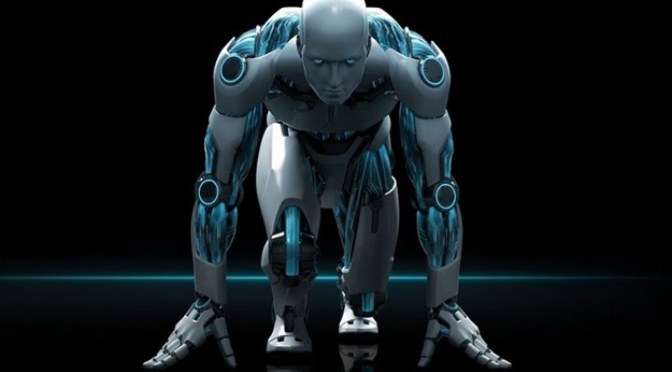
An accident of a loved cousin prompted Ras Labs co-founder Lenore Rasmussen to embark on a journey of finding a new material to develop robotic limbs that are flexible like human ones.  Years ago, Rasmussen had accidentally stumbled upon the synthetic muscle material while mixing chemicals in the lab at Virginia Tech. Due to wrong proportions, the experiment produced a blob of wobbly jelly that contracted and expanded like human muscles when Ramussen passed current through it. So now, Ras Labs is working with the International Space Station to test such smart materials that can expand, contract and conform to our limbs just like human muscles when a current is passed through them. It is hoped that these materials can be used to make robots move and feel more human to touch.

taucidrigev1l8czqzrd0h5luxtx3zfs5ua2kvjamok

Ras Labs CEO Eric Sandberg says that the team is actually trying to recreate Luke Skywalker’s arm of Star Wars episode 5. According to Ramussen and her team, the material will be able to conform to and fit human flesh which ensures that the prosthetic liners will shrink and fill in the space to maintain a comfortable fit. In addition to this, Sandberg reveals that the material will even react and adjust when the wearer is dehydrated after a run or hiking. The materials are still in their testing phase though, as some materials are stiff but not flexible while others are flexible but not strong.

The use of this material on Earth will revolve around prosthetics whereas when it comes to the matters of the Space, Ramussen has sent a batch of these polymers with the SpaceX 6 Falcon 9 rocket earlier this spring to see how they hold up in space. She informed: “They’re able to withstand a variety of really hostile environments for life. What they’re being tested for up on the International Space Station is radiation resistance.” But for this, she will have to wait for the results as those materials will remain in orbit until sometime in 2016 when the rocket comes back to Earth.

cropped-ai3

But Rasmussen thinks she’ll be able to apply her synthetic muscles to both human and robot in the next five years. The hope is that the material will be included as part of the NASA 2020 Mission to Mars. With a possibility to make fleshy and human like limbs, they are a step closer in making robots that may feel more human.

[adinserter block=”7″]

Author: Technology Blog
A smart door lock that knows your finger print

As soon as you build a property, whether it is your apartment, your one room office, your godown or your workshop, the first thing that comes to your mind is its security to avert break-ins. So locks; that too smart ones, come in handy for this. Smart locks and door bells make your property much safer and even you too feel safer and confident. 129 year old company Westinghouse has introduced a new lock called Nucli Smart Lock. The best feature of the product is that it is a two-in-one system.

Ola-Fingerprint-Smart-Lock-03

It incorporates a door bell and a dead bolt as well. In addition to this, this smart lock has a camera and microphone that enables you to see and communicate with the person standing outside your door keeping yourself safe within the confines of your home or office. It also has a facility of accepting messages i.e. your visitors can leave messages if you are away from home or your phone.

Using accompanying Android, iOS or Windows app you can easily lock and unlock your door remotely. There are four ways by which Nucli can let you enter inside your home or office: with the app, using a key fob, with a keypad and the pin or using your fingerprint. You can give unique pins to 50 different people to gain entry in the building if you are using it for business purpose. The Nucli doesn’t have any slot for traditional keys in case you get locked out when the batteries die. To overcome this problem, the battery-operated Nucli has a slot for a 9-volt battery as a backup.

ola_fingerprint_smart_lock_1

With all these amazing features, the lock doesn’t come cheap. Once out in the markets, the lock will retail for $440.

[adinserter block=”7″]

Author: Technology Blog
Human beings are wired to be lazy beings and science says so!

Don’t blame anyone if he/she is a couch potato, doesn’t exercise or loves spending time sprawled on his/her bed. It is not their fault; they are wired to do so! Well this is what a team of Canadian researchers are claiming. And how did they arrive on this conclusion? As a part of a study, they asked nine volunteers to wear robotic exoskeletons (quite like leg braces). These exoskeletons offered resistance to the wearer while they walked. Just after a few minutes of wearing that exoskeleton, each volunteer worked out a way to walk in which he/she had to spend lesser energy (nearly 5%).

Mid adult man sitting on sofa using computer game control

According to the findings of the study the human body prefers a gait which is optimally energetic for it and there is a preferred step frequency for that. When subjects were held away from their preferred step frequency using a metronome and then released, they returned to their new preferred step frequency within seconds.

Though people have a set way of walking since their birth, they readily adapted established motor programs to minimize energy expenditure, and they did so for quite small energetic gains. Continuous energetic optimization benefits motor adaptation by keeping movements close to energetically optimal, helping people to efficiently adapt to changing terrains, compensate for injury or motor deficits, and learn new tasks.

how-to-stop-being-lazy-and-get-more-done

All this points out that a complex series of biological sensors are constantly trying to find ways so that you spend the least amount of energy or trying to make you lazier in other words! J But this is also a part of our evolution. Our ancestors used to hunt and were sometimes being hunted down so they needed to save their calories for the same. That is the reason why energy conservation or optimization is in our system since long.

[adinserter block=”7″]

Author: Technology Blog
The First Human Head Transplant in History

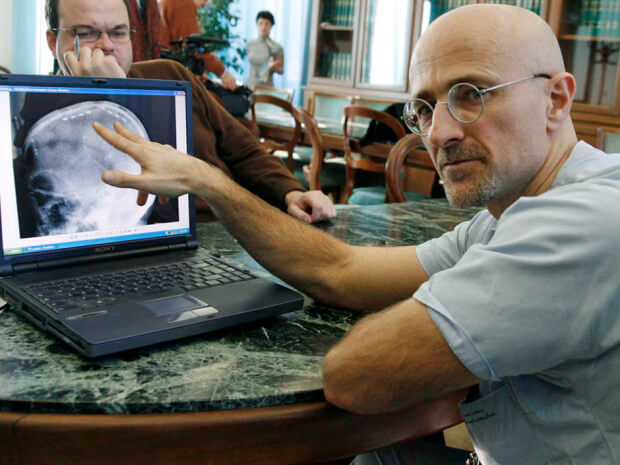
When Italian neurosurgeon Sergio Canavero announced his plans to perform the first human head transplant, the world was skeptical as to whether the most complicated procedure in the history of surgery could be pulled off. But, the neurosurgeon now has date for the D-day.

canavero-feature

The subject who will undergo the transplant is 30 year old Russian computer scientist Valery Spiridonov. The surgery is set to be performed in December 2017, running the risk of many complications and uncertainties. The head and the body have to be compatible, and they still might reject the union and the fusing of spinal cord. Valery’s personality and mental capacities might end up vastly altered.

The unpredictability of this procedure is extremely high. Valery’s incentive to risk it is that he suffers from the Werdnig-Hoffmann disease, a rare genetic muscle-wasting disorder with no known cure.

2759994700000578-3029376-Mr_Spiridonov_I_don_t_do_this_because_I_don_t_have_a_life_but_I_-a-32_1428448339300

“When I realized that I could participate in something really big and important, I had no doubt left in my mind and started to work in this direction,” Spiridonov told the Central European News. “The only thing I feel is the sense of pleasant impatience, like I have been preparing for something important all my life and it is starting to happen.”

[adinserter block=”7″]

Author: Technology Blog

Genetically Modified Plants Can Eliminate E.coli Poisoning

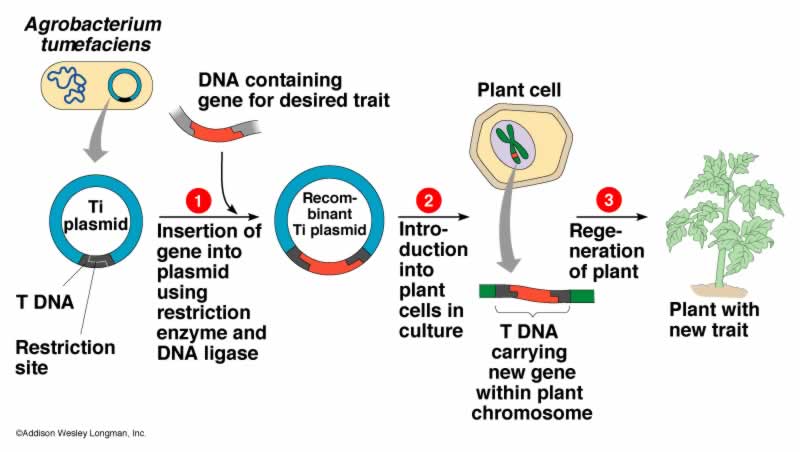
Scientists have come up with a method to do off with the deadly E.coli strains and salmonella outbreaks using genetically modified plants. In this form genetic engineering, the original plants are altered to procure antimicrobial proteins that can be extracted and applied to contaminated meat produce to combat food poisoning.

transgenic_plant

The team, led by scientists from two German biotech companies, Nomad Bioscience and Icon Genetics, engineered tobacco, leafy beets, spinach, chicory and lettuce to produce proteins called colicins which are capable of the killing deadly strains of E.coli.

“All of the food outbreaks that have been recorded in the last 15 years or so could have been controlled very well by a combination of just two colicins, applied at very low concentrations. Colicins are 50 times more active against bacteria than normal antibiotics.” said Yuri Gleba, CEO of Nomad Bioscience and one of the authors of the paper. E. coli-laced pork steaks sprayed with a mixture of two types of colicins, at 4 milligrams of colicin per kilogram of meat, and found significant reductions in E. coli after just an hour.

In the United States, nearly 300,000 E. coli infections occur each year. According to the World Health Organization, up to 10 percent of E. coli infections could leading to life-threatening disease. The major source of E.coli has been identified in beef and pork, but the poisonous strains have been linked to organic produce which was treated with animal manure and not chemical fertilisers.

The host for growing colicins, usually end up poisoned to death, such is their potency. Engineering microbes to produce colicins end up killing the host. So, plants cells were used instead to produce colicin with amazing results. The scientists were successful in getting various plant types to produce large amounts of twelve different colicins, found naturally in E.coli.

“The yield that they’re getting through their plant source is much larger than what we would normally make in the lab with E. coli,” said William Cramer, a structural biologist who studies proteins at Purdue University.

“Normally the meat industry’s ready to spend two to five cents to treat one pound of meat,” said Gleba. “Our costs are lower than that.” Superiority of this process to the current employed one of heat and acid washes, is undeniable as this method doesn’t compromise the taste and quality of the meat.

While, Glebo is confident to securing the FDA approval because our intestines is accustomed to small amounts of colicins as they are naturally produced by E.coli. So degradation of the regulated quantity used, wouldn’t be a problem inside our bodies.

raw_meat_original

Francisco Diez-Gonzalez, a food safety microbiologist at the University of Minnesota, warns “To get approval for a food additive, you have to present a lot of toxicology studies and effectiveness studies,” he said. “I think it would be difficult to make the case that these colicins should qualify for GRAS, because they’re not typically part of the human diet.”

“We are already studying colicins for the control of Salmonella,” Gleba and his team informed.

[adinserter block=”7″]

Author: Technology Blog

Developments in the Field of Stretchable Metal

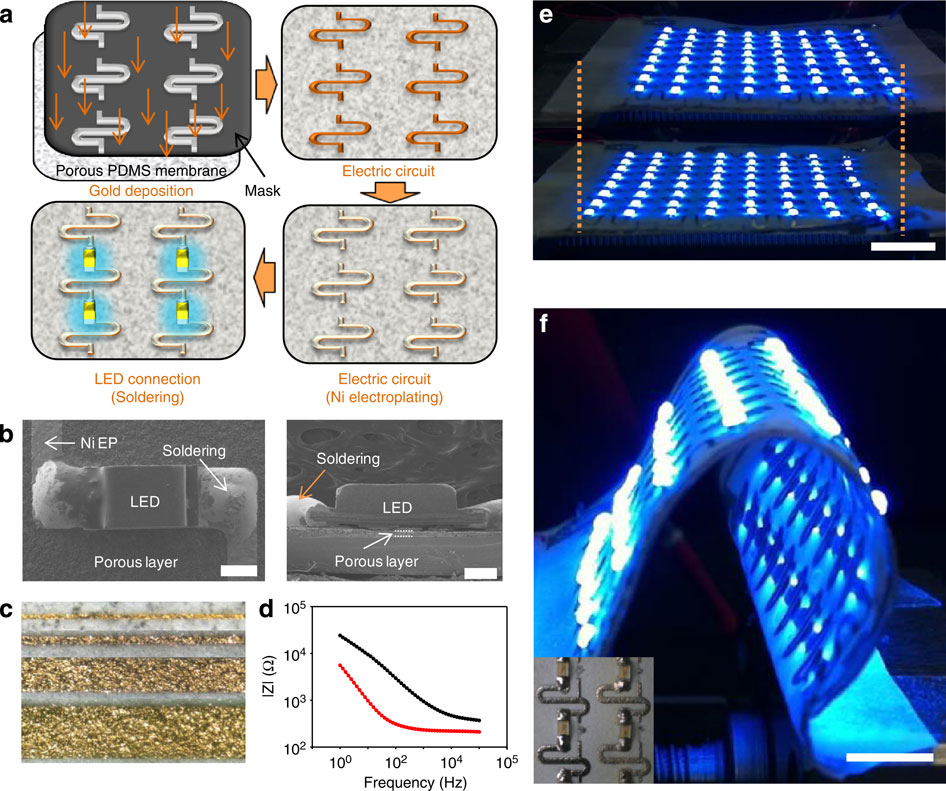
The idea of stretchable electronics sounds incredibly attractive, but was something scientists were not making any substantial progress on until the researchers at Washington State University discovered a way of stretching metal circuitry to twice its size with a discovery made by a team from Voiland College’s School of Mechanical and Materials Engineering.

this-stretchy-metal-will-change-the-future-of-electronics

Previous attempts were made for gold and copper. While gold is quite stretchy, it has significant cost restrictions, and copper broke on only 30% stretching. Then, the Washington State University researchers decided to look at indium, a soft and malleable metal already used in electronics with surprising results. When banded to a layer of plastic, Indium easily stretches to twice its length. Further stretching was stopped due to the plastic layer breaking.

Flexible electronic technology could pave the way for bendable batteries, flexible displays, connected fabrics, and robotic skins. The limitations of metallurgy have until now restricted the creation of scientists. Manufacturers developed tiny metal springs for flexibility instead, but the springs are don’t work as desired as they are bulky and require more power and bigger batteries to conduct electricity. “The circuitry ends up requiring a ton of real estate and bulky batteries,” said a lead.

ncomms1980-f4

One of the lead scientists note “this is a quantum improvement in stretchable electronics and wearable devices.” The team plans to study the properties of the metal in greater detail with the goal of commercializing the process for its use in the production of flexible electronics.

[adinserter block=”7″]

Author: Technology Blog
What Would A Future Sans Fossil Fuels on Earth Look Like?

Just like an ice cube melts in your glass of water before you know it, the ice sheets in Antarctica are also susceptible to the same phenomenon of melting to heat. A new study published in Science Advances leaves no doubt in saying that we were to burn out all the fossil fuel in store on earth, the polar caps are going to completely disappear causing the sea levels to rise by as much as 200 feet-enough to drown most major cities in the world.

floodcap

The problem is as obvious as the solution, yet not that simple to follow: use renewable resources of energy, instead of non-renewable ones which trap the heat in the atmosphere. Our non-renewable resources broadly include coal, oil and natural gas all of which release the greenhouse gas CO2 on burning.

“Our findings show that if we do not want to melt Antarctica, we can’t keep taking fossil fuel carbon out of the ground and just dumping it into the atmosphere as CO2 like we’ve been doing,” climate scientist and co-author of the paper Ken Caldeira said in a press release. “Most previous studies of Antarctica have focused on loss of the West Antarctic Ice Sheet. Our study demonstrates that burning coal, oil, and gas also risks loss of the much larger East Antarctic Ice Sheet.”

The renewable resources like solar, wind and nuclear power have yet to see efficient harnessing, not to mention nuclear power poses questionable future threats. But, another recent study from Stanford found that while the East Antarctic Ice Sheet has been more stable than we’ve given it credit for, the complete meltdown of this sheet would cause the sea levels to raise by as much as 44 feet.

FleetNY

Differently, the estimate by NASA shows the level would increase 3 feet every century, which frankly doesn’t seem like an urgent matter of concern now, but would encroach several important NASA facilities, many of which are in coastal areas, and many large cities located on the coast.

[adinserter block=”7″]

Author: Technology Blog

A new test that can tell your biological age

Do you know what chronological and biological age is and what is the difference between the two? Chronological age is your age in years, months, days and minutes from the moment you were born while the biological age is related to the general health of our body at a particular age. This implies, that two people who have the chronological age of 50, may have a wide disparity between their biological ages.

biological-age-test@2x

Earlier there was no reliable method or tool to determine a person’s biological age accurately. But now, an international study undertaken by King’s College London (KCL), the Karolinska Institute in Sweden, and Duke University in the US, appears to have created a test that can determine the biological age of a patient’s body. During a seven-year experiment stage, the team examined thousands of tissue samples from subjects of the same chronological age. These tissues were then subjected to a test called RNA profiling. Through this approach, it was discovered that the activation of 150 genes in the blood, brain and muscle tissue of an individual at the chronological age of 65 constituted the biological markers of being in good health.

Using this discovery as a basis, the researchers were then able to create a formula for healthy aging. The team also believes that the molecular test developed during the research could be easily translated into a blood test that could provide early indications of the onset of a degenerative disease such as Alzheimer’s, which is currently known to affect 5.1 million people in America alone. This ability to determine a person’s exact biological age could also increase the success rate of organ transplant surgeries by matching the biological age of the patient and the donor.

Young woman applying beauty cream, close up

The team moving forward in this direction wants to find out why actually the differences in biological age occur? This may in turn help them to nip age-related diseases in the bud.

[adinserter block=”7″]

Author: Technology Blog

Japanese paper-art Kirigami inspires twisting solar panels

Solar energy has come out as a wonderful renewable energy source with the help of solar panels. But the technology is still not fool proof. The problem with flat solar panels is that they have to keep facing the sun in order to produce electricity at an optimum rate but the glitch here is: the sun doesn’t remain fixed at one point and moves across the sky.

kirigami-sun-tracking-solar-cells-2@2x

So in order to give maximum possible output, the panels have to pan themselves in such a way that they always keep facing the sun. Though there are motorized assemblies to achieve that but these assemblies increase the weight, complexity and expenditure of this system as a whole.

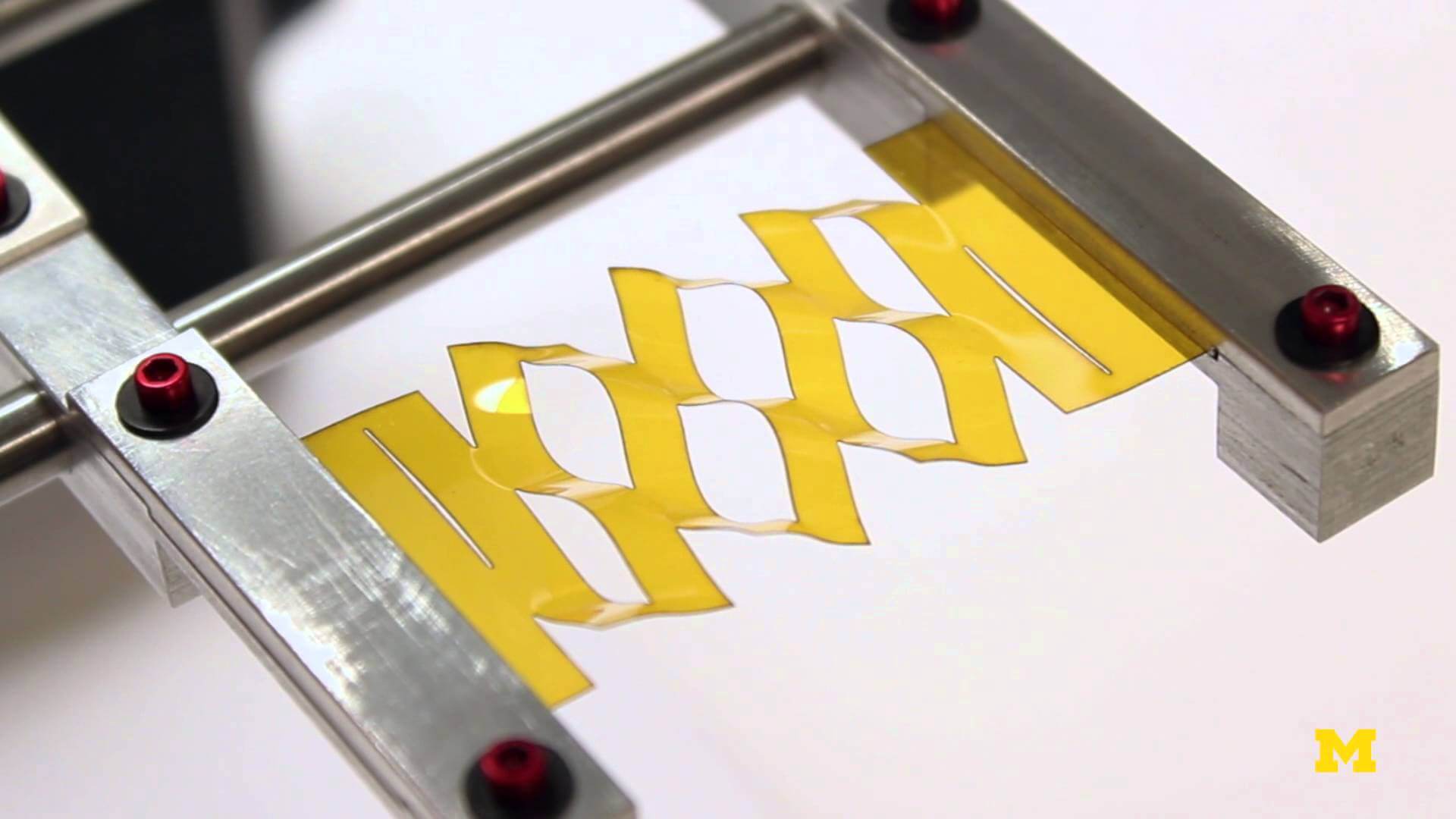
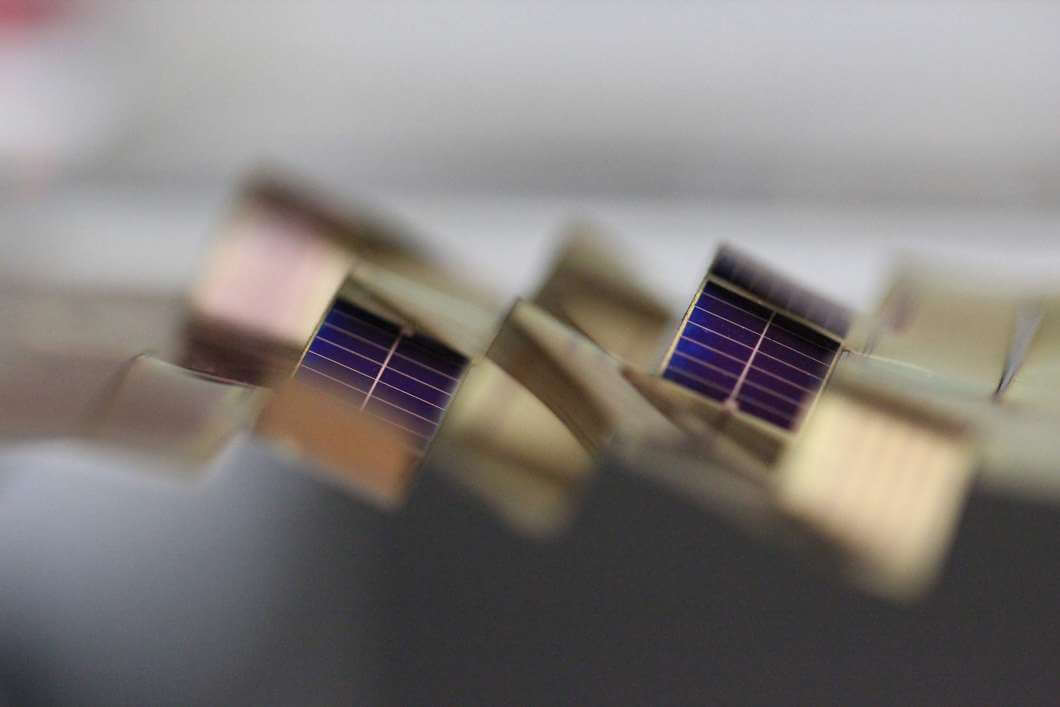
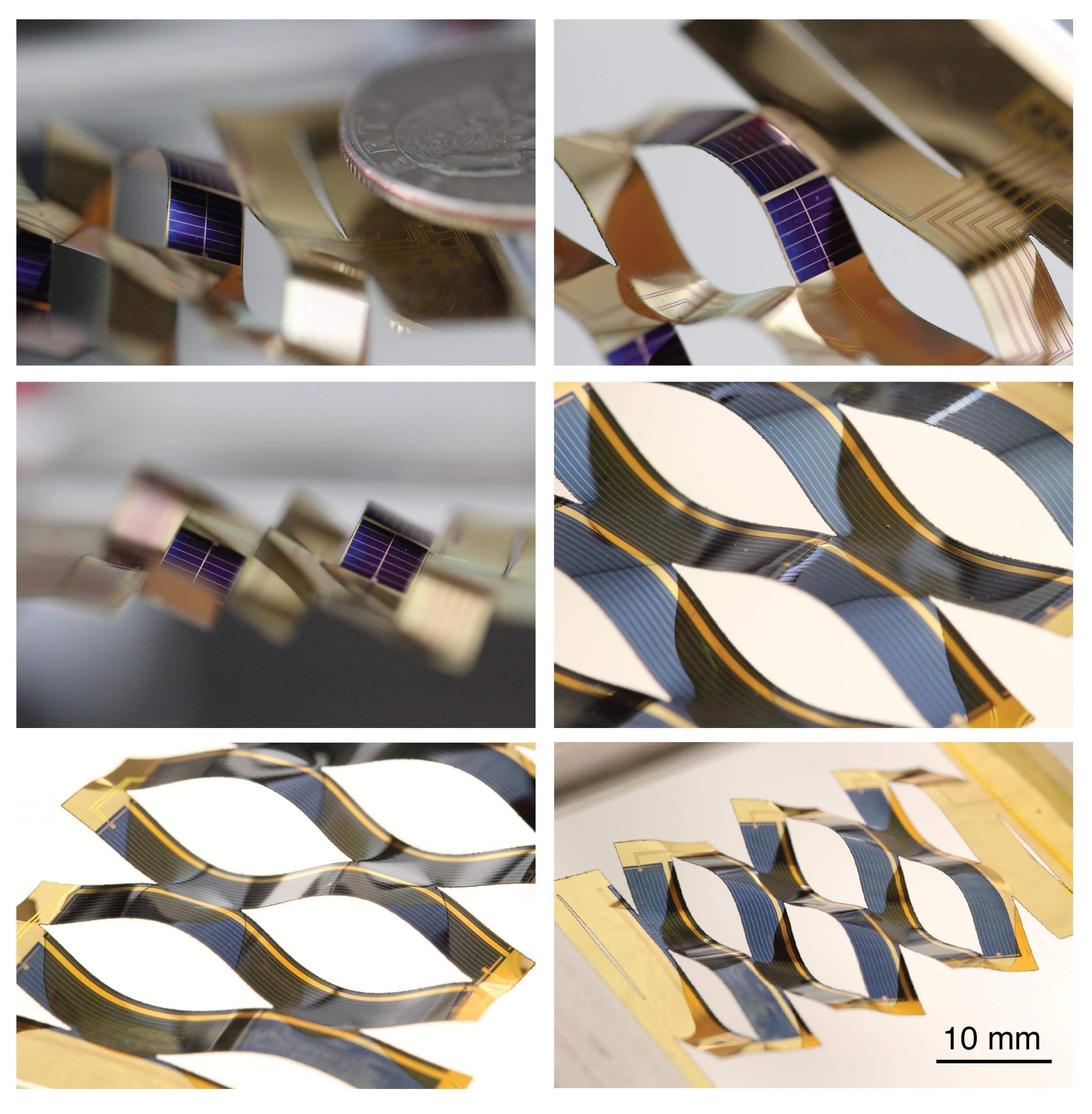
In order to find a solution to this problem, the scientists of University of Michigan stumbled upon the idea of using Japanese art Kirigami to develop a simpler alternative of these flat solar panels. The engineers of University of Michigan consulted with a paper artist Matthew Shlian who showed them a Kirigami pattern to suit their need. This pattern essentially consisted of stacked lines of dashes cut into a piece of paper. Doctoral student Aaron Lamoureux and associate professor Max Shtein reproduced an advanced version of that pattern on a sheet of Kapton plastic. This sheet of Kapton already had individual solar cells adhered to it.

When no external force is applied, the sheet remains flat, but as soon as the sheet is stretched, the strips of plastic between the cuts along with the solar cells adhered to them twist to one side. It is to be noted that the angle of twist can be controlled by modulating the degree to which the sheet is stretched. If the cells can be mounted under glass in a flat photovoltaic panel, the cells would turn to face the sun all the time without needing to move the whole panel.

Kirgami-1441744914036

This new Kirigami inspired cell arrangement when tested in a setup simulating the summer solstice in Arizona, was able to produce 36 percent more energy than the traditional setup. Associate professor Max Shtein said: “We think it has significant potential, and we’re actively pursuing realistic applications. It could ultimately reduce the cost of solar electricity.”

[adinserter block=”7″]

Author: Technology Blog

Electronic Noses Can Sniff out Stinky Water

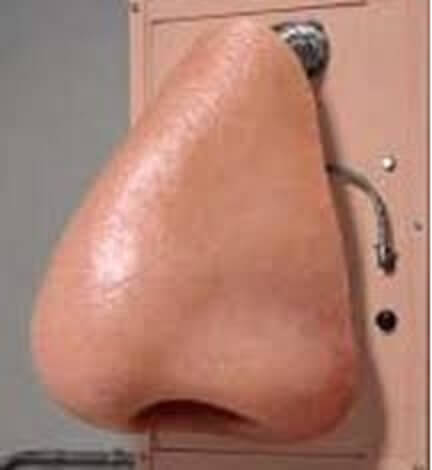
While Electronic noses or biosensor, have been prepared for detecting bugs, disease and explosives, scientists are trying to extend this technology to the terrain of drinking water testing.

optical-dog-nose@2x

Most of us in developing countries are privileged to have water pass through many tests and purification procedures before coming to us as drinking water. But the water is hardly ever pure. The human nose can be pretty sensitive to some chemicals found in contaminated water such as, geosmin (GSM) and 2-methylisoborneol (MIB). These molecules often slip past the purification techniques. Even though they are not harmful per se, but leave a kind of earthy and musty smell respectively on top of making the water taste bad.
Testing in laboratories for these chemicals are expensive and time consuming. Thus, these biosensors based on the human nose, and be a faster way to sniff this water out. A device like this one would help water quality technicians detect contaminants quickly and on site, preventing the delay caused by lab testing.
A team of South Korean researchers has developed sensors which is coated with olfactory receptors that bind to the molecules when they are present. The very same olfactory receptor associated with the human nose in hunting these chemicals down were isolated and bound in carbon nanotubes, which light up when the molecules are present.

5trxlj.hm74up.im.lg
Tests show that the sensor is sensitive to 10 nanograms per liter of water, or 10,000 parts per trillion, less than the human nose which can detect GSM at just 5 parts per trillion, but it’s a good start.

[adinserter block=”7″]

Author: Technology Blog

The CST Starliner Will Shuttle Astronauts and Paid Enthusiasts into Space

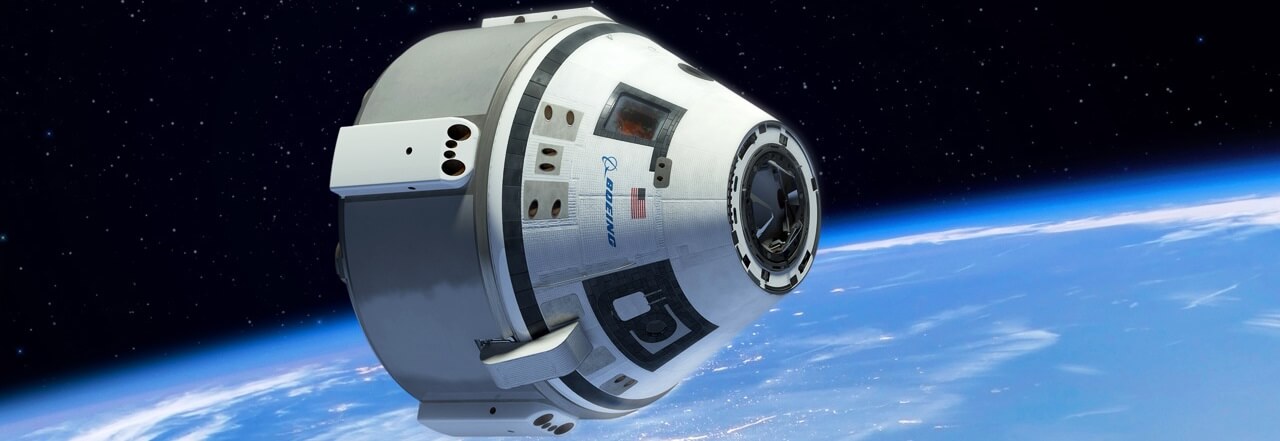
The new CST Starliner by Boeing is a commercial crew transport spacecraft for astronauts and paid customers. It serves the dual purpose of shuttling astronauts to the space station and transporting paid customers to low-Earth orbit. The Starliner is funded partly by NASA, which awarded contracts to both Boeing and SpaceX for a launch system and shuttle craft for their astronauts from the United States to the International Space Station.

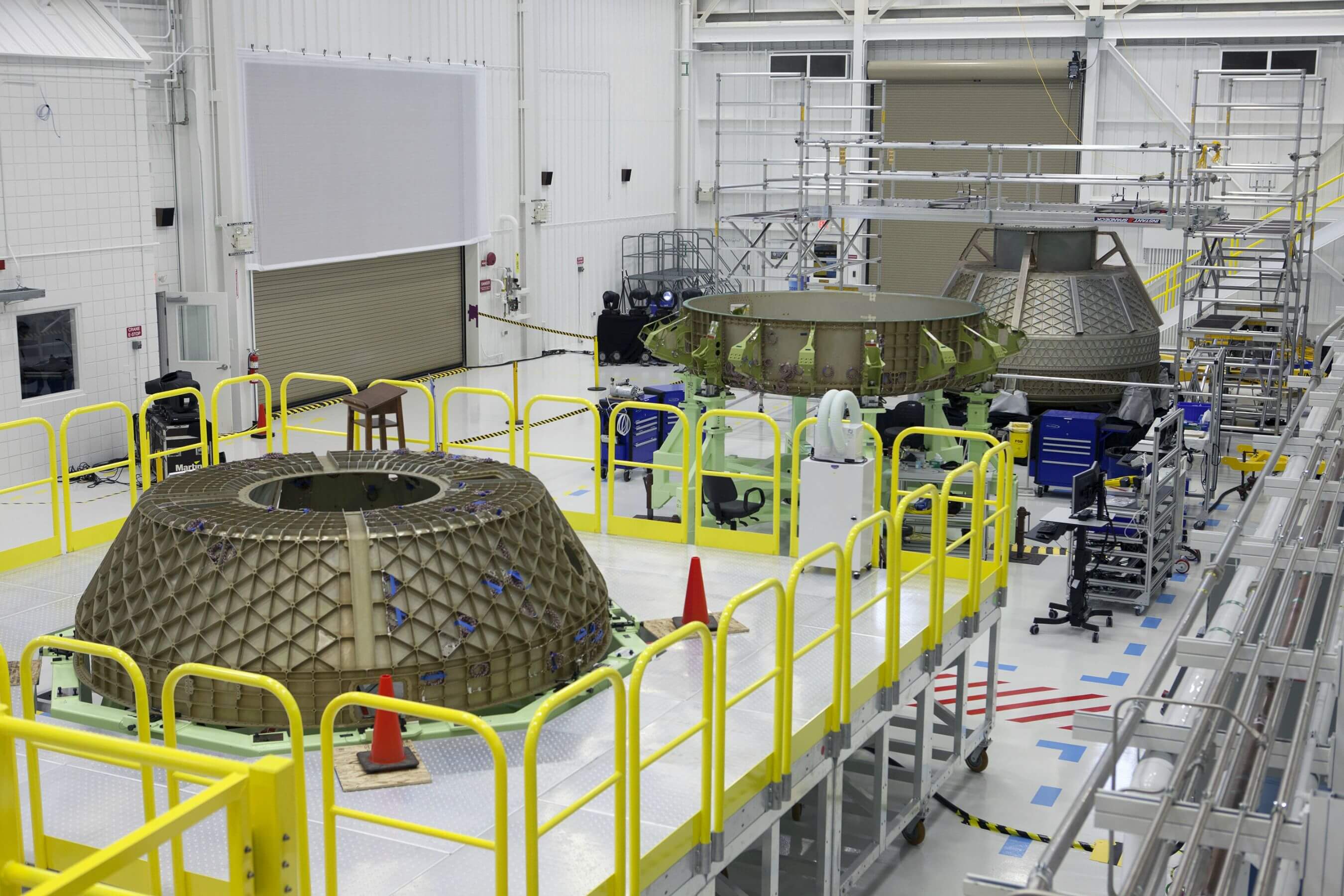
650_12002-640x427The extra 80 hours research time that would be possible if more astronauts were brought to the space station, would be useful in wake of the preparation for deep space journey to Mars. NASA has imposed a program that requires two phases to be completed before the spacecraft is put to use, both the Boeing Starliner and the SpaceX Crew Dragon have to complete an orbital mission without a crew and a second test mission with astronauts and a manned flight. The manned flight phase will allow the spacecraft an opportunity to display its skills.

Boeing is starting to assemble its first CST-100 module and will begin a series of tests that’ll end in a 2017 with a pad abort test. These are the current test planned to test the pre-launch capabilities of the spacecraft.

jnlR6zv

Most of the processing and testing is being conducted at NASA’s Kennedy Space Center in Florida, making use of facilities previously set aside for the now inoperative shuttle program. One all the formalities are completed and the precautions are taken, NASA can start transporting four astronauts to the space station on a regular basis. Florida’s Space Coast will see a return in astronauts and manned flights. Upcoming future launches will be conducted at Cape Canaveral, Florida using an Atlas V rocket to carry the spacecraft into orbit.

[adinserter block=”7″]

Author: Technology Blog

Do natural supplements and vitamins actually do what they claim to do?

In today’s fast forward world everyone needs quick solutions: quick conversations, quick food and quick health. Vitamins and natural supplements fulfil this need of quick health. Nearly one fifth of American population keeps popping in these vitamins and natural supplements hoping their health is well taken care of by these pills and capsules and shakes and powders.

Yellow liquid capsules lie near a bottle

But is it really the case? Keeping this same question in mind the National Institutes of Health (NIH) has announced that it plans to invest $35 million towards research into dietary supplements. The research will be an important one as the medical benefits of many nutritional supplements are still unproven. Using the grant money five research centres will investigate the effectiveness of the most popular, so called “natural” supplements, in a span of five years.

Paul Offit, an infectious disease specialist at Children’s Hospital of Philadelphia has written and studied a lot about this subject of dietary supplements opines that these kinds of studies may be valuable but he also stresses that the investment from NIH is not going to solve the main problem related to these supplements: a complete lack of regulation. He says that the term “natural” is deceiving in itself since most drugs are derived from compounds found in nature.

Many studies in recent years have shown that these supplements sold in health food stores do not contain the exact quantity of the active content as written on the bottle and in some cases there are ingredients which aren’t even mentioned on the label.

400-03952948c_774_500

Offit opines: “The problem is getting a quality product in an unregulated industry. I cannot emphasize this more strongly—the FDA simply does not regulate supplements.” He goes on to add: “I think the NIH’s $35 million is a waste of money. The supplement industry is a fraud, and until it’s regulated by the FDA so that it meets safety and efficacy standards, Americans will continue to be duped.”

[adinserter block=”7″]

Author: Technology Blog

Verified by ExactMetrics