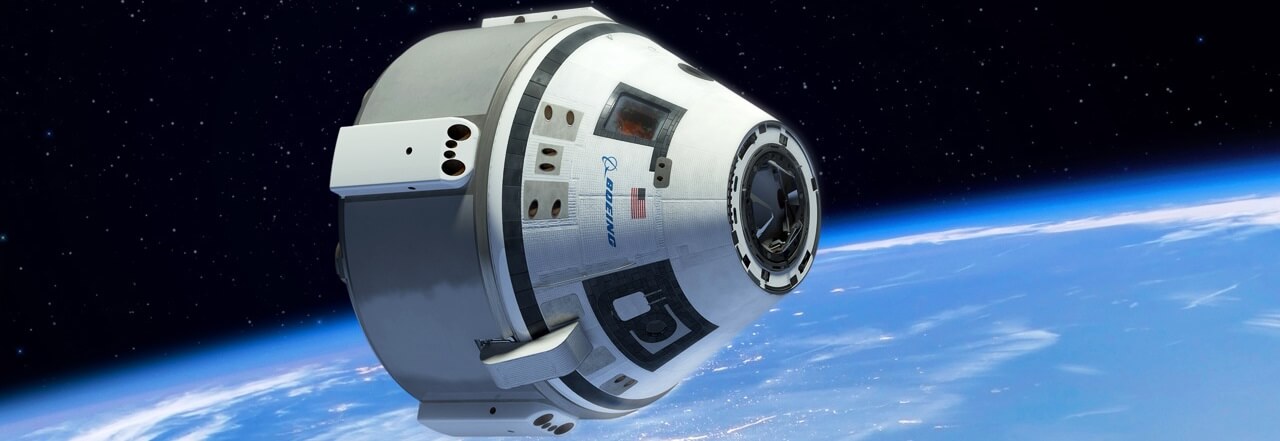
The new CST Starliner by Boeing is a commercial crew transport spacecraft for astronauts and paid customers. It serves the dual purpose of shuttling astronauts to the space station and transporting paid customers to low-Earth orbit. The Starliner is funded partly by NASA, which awarded contracts to both Boeing and SpaceX for a launch system and shuttle craft for their astronauts from the United States to the International Space Station.
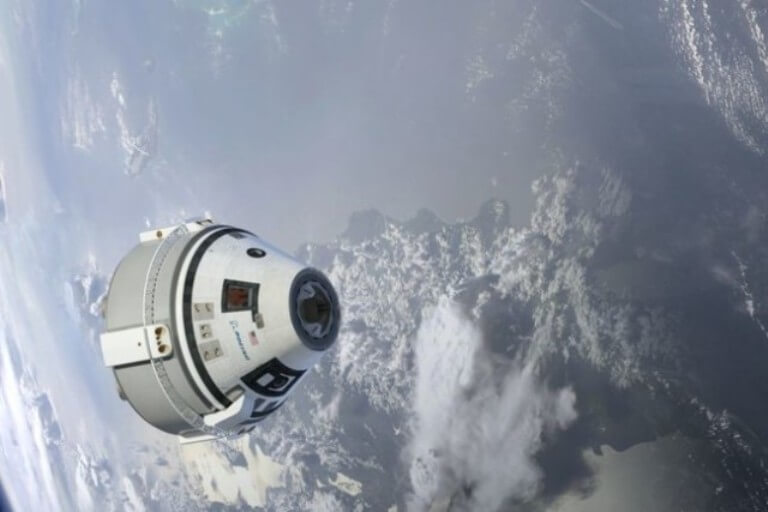 The extra 80 hours research time that would be possible if more astronauts were brought to the space station, would be useful in wake of the preparation for deep space journey to Mars. NASA has imposed a program that requires two phases to be completed before the spacecraft is put to use, both the Boeing Starliner and the SpaceX Crew Dragon have to complete an orbital mission without a crew and a second test mission with astronauts and a manned flight. The manned flight phase will allow the spacecraft an opportunity to display its skills.
Boeing is starting to assemble its first CST-100 module and will begin a series of tests that’ll end in a 2017 with a pad abort test. These are the current test planned to test the pre-launch capabilities of the spacecraft.
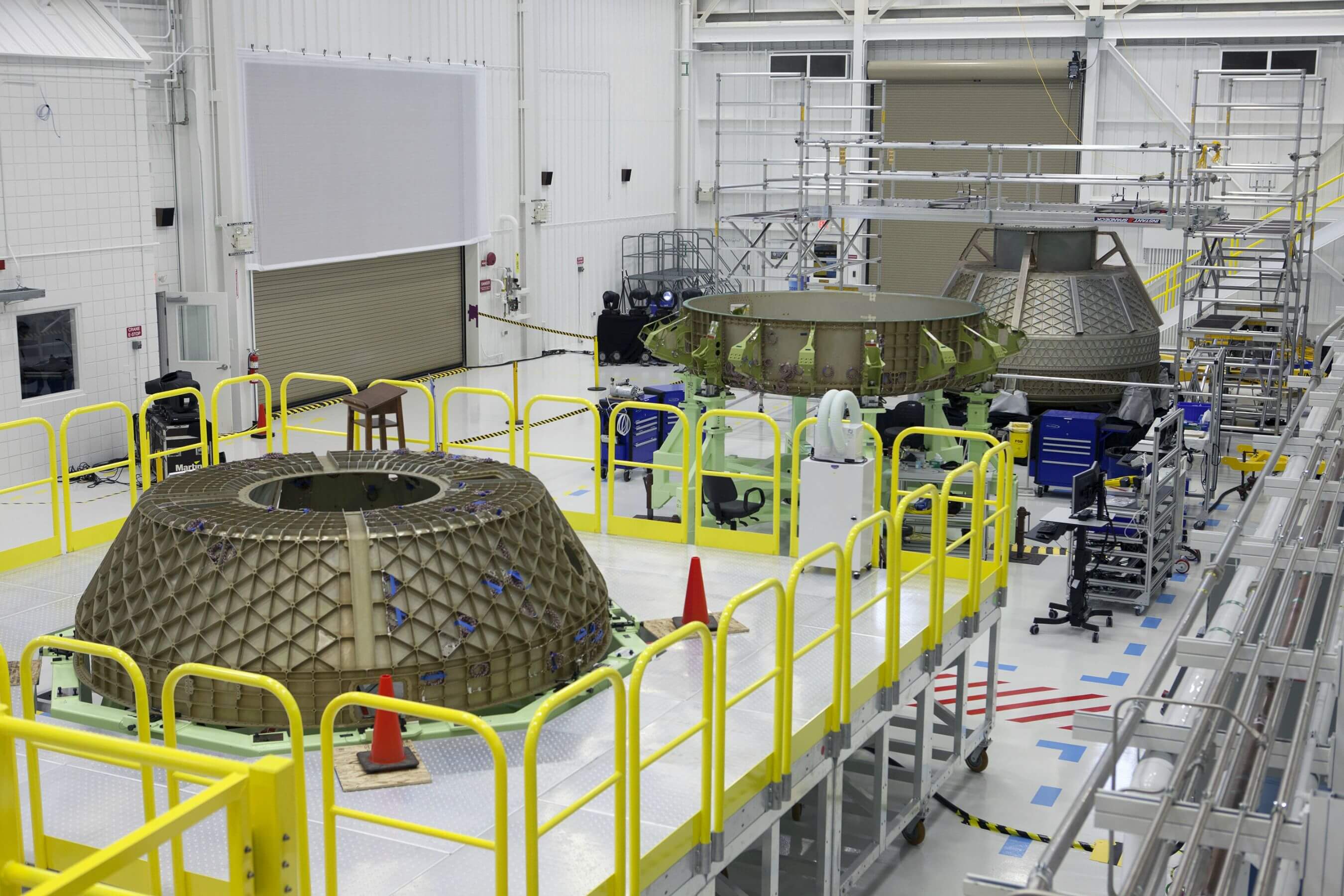
Most of the processing and testing is being conducted at NASA’s Kennedy Space Center in Florida, making use of facilities previously set aside for the now inoperative shuttle program. One all the formalities are completed and the precautions are taken, NASA can start transporting four astronauts to the space station on a regular basis. Florida’s Space Coast will see a return in astronauts and manned flights. Upcoming future launches will be conducted at Cape Canaveral, Florida using an Atlas V rocket to carry the spacecraft into orbit.
[adinserter block=”7″]
Author: Technology Blog

