Do you feel Astronauts look SEXY in their Suits? Here is what Scientists have Done


Apparently astronauts need to look “badass” while going on future space expeditions. Space X has explicitly given such orders to Orbital Outfitters, a company founded by a Hollywood prop artist, they have tied up with to introduce changes in the current spacesuits. Functional and fashionable is what they are going for.

gqlytwfsvynv3lb8xcpt

“Our spacesuit design is finally coming together and will also be unveiled later this year. We are putting a lot of effort into design esthetics, not just utility. It needs to both look like a 21st century spacesuit and work well,” said Elon Musk, SpaceX’s CEO, in his Reddit AMA.

Cost seems to be no limitation in their planning. The available Extravehicular Activity (EVA) suit—which protects astronauts from radiation, extreme temperatures, as well as ebullism, a dangerous condition that happens when air bubbles form in your body’s fluids due to low-pressure environments—cost NASA some $12 million per suit. Fashion statements to be followed will evitably increase the price per pop. The Intra-Vehicular Activity (IVA) suit, on the other hand—which astronauts wear during launches—costs just $180,000. The best solution would be to come up with combined designs, like the ones used on the Apollo, Gemini, and Skylab missions.

The changes required to improve the quality to suits is not just for appearance. Certain disadvantages of the current designs do exist, such as the gas-pressurized suits that were employed by the U.S. and Russia were too heavy–weighing as much as 300 pounds.

“In costuming you’re working with the human body a lot so you have a very body centric way of thinking about assemblies,” Southern told Slate. “The closer you can get to the human body in terms of shape and look, the sexier it’s going to be.”

_1355963880

FFD chief engineer and designer Nikolay Moiseev and Southern together created close-fitting pressurized gloves which were a significant improvement over NASA’s then-in-use models. Now they want to want to design a new suit that’ll cost about $80,000, which is $100,000 less than the current IVA suits and will be affordable, lightweight, comfortable, and attractive.

[adinserter block=”7″]

Author: Technology Blog

Holy Grail of Sterilization: Hormone Blocking Vaccine 

Everyone wants the population within control, be it human or animal. In the latter case, we want the streets to have minimum dogs and feral cats that could harm us. We also need to limit the population for our beloved pets and the destructive pests lurking by. The problem to the current existing methods of sterilization is the cost, the labour and the carelessness with which they are performed. We are in need of an efficient and longer lasting solution.

Animal-Control

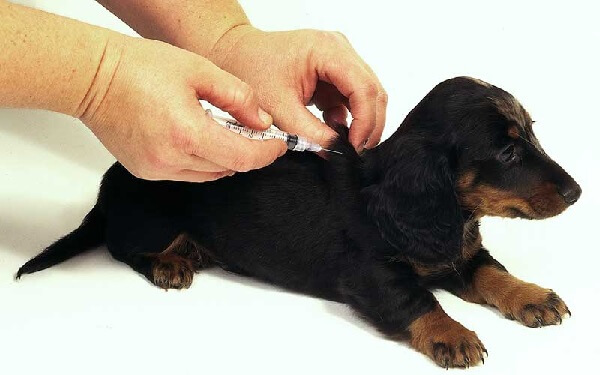
A team of researchers from the California Institute of Technology has discovered a method that could render animals sterile with a single injection. That’s it! One shot and they are sterile. This has been tested when the researchers gave the shots to mice; two months later, after their bodies had started producing enough antibodies, the mice were completely infertile. Muscle cells are one of the most longest living ones in the body, and that explains the lack of need for booster shots. This treatment could continue to show effect upto ten years.

The working mechanism of this vaccine is that it enduces the body to produce antibodies that target the gonadotrophin releasing hormone (GnRh) of the body (responsible for production of sperm and egg cells). The researchers tested a shot that contains a small amount of DNA that enables muscle cells to produce special antibodies that attack GnRH.

vaccine

If this method came to effect, then spaying and neutering would be eliminated and pest species such as deers and rodents could be limited. Thinking even further, the success of this could be replicated in the human body. This ttechnology may work to make reliable long­term birth control in human.

[adinserter block=”7″]

Author: Technology Blog

Psychic Robo Can Read Your Mind to Alter the Course of Your Actions

In the apparent quest to introduce a touch of robotics into every aspect of our lives, new research out of the University of Illinois at Chicago has done this to the ultimate aspect- our minds.

robots-and-man

Bioengineers there have developed a computer algorithm that can predict your intended actions, even if you accidentally change course. “We call it a psychic robot,” Justin Horowitz, a UIC graduate student research assistant and first author of a study appearing online in the journal PLOS One, said in a statement.

This robot does have certain undeniable allures, it could prevent car accidents, industrial tragedies and even counteract movements that might sabotage a stroke victim’s intended movement.

The process of development of the same is it a bit complicated at best. The team built a semi-transparent mirror and a virtual desk. This mirror created the illusion of the objects on top of the display, being on the virtual desk instead, i.e., on the same level as the subject’s arm. This way, while reaching for the objects, the subject’s arm would actually be gripping the robot, which measured the grip, movements and force applied.

After the nudge, the robotic arm continued measuring the subject’s hand movement but didn’t otherwise interfere, Horowitz told CNET’s Crave blog.

By comparing the nudged and undisturbed paths, the researchers were able to arrive at an algorithm and design a computer model that could effectively predict the intent of the test subjects.

2D344B6C00000578-0-image-a-10_1444316859850

“Say you’re reaching for a piece of paper and your hand is bumped mid-reach, your eyes take time to adjust, your nerves take time to process what has happened, your brain takes time to process what has happened and even more time to get a new signal to your hand,” said Horowitz, who worked with James Patton, UIC associate professor of bioengineering, on the study. This meaning that the human brain took on an average one-tenth of a second to settle back after a collision, while the computer took much less time.

[adinserter block=”7″]

Author: Technology Blog
New SwiftKey keyboard with smarter typing suggestions based on neural network

Joe Braidwood, Chief Marketing Officer at SwiftKey, believes: “Language is such a human thing that if you can build things that think more like humans than computers you’re inevitably going to make a more useful keyboard.” Based on this belief a new SwiftKey keyboard has been introduced that utilizes a miniaturized neural network to give better typing suggestions. The method of neural network mimics the way the brain processes information.

swiftkey-neural

The old system of SwiftKey keyboards used a probability-based language algorithm based on the n-gram model for predictions.  This algorithm reads the last two words in a sentence, looks through a large database, and spits out what it deduces is the most likely word to follow. The two-word limit is a constraint of the n-gram model, and seriously hampers predictions as reading back three or four words would be very hard to implement with n-gram, as it would require a far larger database which would in turn be harder for the app to search.

The new model of neural network approaches these predictions in a different way. SwiftKey trained the network with millions of sample sentences, and now each word is represented by a piece of code. This allows the app to better understand sentences in a number of ways. Words- that can be used in the same way, share similar codes. Because the model looks at entire sentences, it’s able to sequence together words as code to find more accurate suggestions. “Meet” is marked as similar to synonymous words like “met” and “connect.”

Less obvious is the link with “speak” or “chat,” which mean something completely different but linguistically will slide into many of the same places. If we consider the word ‘meet’ again for a sentence fragment “Meet you at the”. Using n-gram, SwiftKey typically looked at “at the,” and served you three suggestions: “moment,” “end” and “same.” Using the neural model, it looks as the sentence as a whole and services you “airport,” “hotel” and “office.”

Like everything else, the neural model also comes with its limitations. The older SwiftKey method has an ability to learn your typing style. So the regular app can scan your mails and social networks for clues, and then monitor your usage of the keyboard itself to improve suggestions. It does this by editing or adding to the language database that the n-gram model uses. Because Neural taps into a different type of database, this personalization isn’t available in the alpha as of now.

Explaining the reason behind releasing Neural as a separate app Braidwood said: “The sooner you can get an idea out of the lab and into the public, the quicker you get feedback and the more useful it becomes.” Neural is a relatively small 25MB download, but it requires more power than the current SwiftKey, using your phone’s GPU to run the math. Braidwood says there’s some more optimization to be done before this is ready to replace the regular app.

New-SwiftKey-Neural-Alpha-Keyboard

Whenever happens, one thing is for sure, the future of mobile typing is neural networks.

[adinserter block=”7″]

Author: Technology Blog
Contribution of this year’s Nobel laureates to Physics, Chemistry and Medicine

The names of the winners of this year’s Nobel Prize were announced this week by the Nobel Foundation and the Royal Swedish Academy of Sciences. Since these awards are given on the basis of the most significant work done in a certain field, these have a special aura and prestige attached to them. So here is a quick compilation of who won the award for this year, in which field, for what discovery and why the discovery is significant.

Chemistry

Winners: Tomas Lindahl, Paul Modrich and Aziz Sancar

BN-KQ791_nobel1_J_20151007103442

For what they won the award: The Nobel Prize in Chemistry 2015 has been awarded jointly to Lindahl, Modrich and Sancar for mechanistic studies of DNA repair. These three scientists discovered that in contrast to the earlier idea of DNA being a stable molecule, they are actually quite unstable, so much so that they undergo changes and mutations all the time. Due to this discovery further studies were made to investigate what actually keeps DNA from decaying. This came out with the results that there are in reality different repair mechanisms that are constantly helping our DNA to fix itself when anything goes wrong.

The significance of this discovery: Various mechanisms like base excision repair; DNA mismatch repair and nucleotide excision repair described by these scientists have given deep valuable insight to biologists regarding cell function and cell repair. This research will also pave way for developing new treatments for a wide range of diseases especially cancer.

Health & Medicine

Winners: William C. Campbell and Satoshi Ōmura, and Youyou Tu

2558

For what they won the award: This year’s Nobel Prize ie. The Nobel Prize in Physiology or Medicine 2015 has been awarded in two halves: one half jointly to Campbell and Ōmura for their discoveries concerning a novel therapy against infections caused by roundworm parasites and the other half to Tu for her discoveries concerning a novel therapy against Malaria. A new drug called Avermectin was developed by Campbell and Omura. The derivatives of this drug have radically lowered the incidence of River Blindness and Lymphatic Filariasis — as well as a number of other parasitic diseases. On the other hand a drug called Artemisinin was developed by Youyou Tu. This druf has succeeded in significantly reducing the mortality rates for people suffering from malaria.

[crp limit="6" heading="1" cache="1"]

The significance of this discovery: Malaria and infections from roundworm parasites are one of the most common medical complications claiming a large number of lives. So the drugs developed by all the three Campbell, Omura and Tu are going to improve the health and longevity of innumerable people on a massive scale.

Physics

Winners: Arthur B. McDonald and Takaaki Kajita

151006-nobel-physics-01_31e7b1c7dfd58d0ca8e934f3ffd8dd66.nbcnews-ux-2880-1000

For what they won the award: The Nobel Prize in Physics 2015 was awarded jointly to Kajita and McDonald for the discovery of neutrino oscillations, which shows that neutrinos have mass.Earlier it was believed that neutrinos (the tiny subatomic particles with spin but no charge) existed in three different flavours but what they didn’t know was that an individual neutrino can even change from one flavour to another.

The significance of this discovery: This discovery is important because if it is proven that neutrinos can change flavour then they must have some tiny bit of mass which is in contradiction of the Standard Model of particle physics. It doesn’t make the Standard model all wrong but just incomplete. So it is a novel concept to come by.

Author: Technology Blog

Desert to Oasis- This Technique of Microbial Farming Could Help Terraform Life on Mars

With the discovery of flowing and abundant water on Mars last week, we have all been recharged to the prospect of actually inhibiting Mars and are brimming with the insurance that maybe all this wasn’t a hollow dream after all.

The next step towards this would of course be to find sustainable microbial life, and not the one kind people believe to already exist in water (perchlorate-respiring organisms). But a much larger biodiversity is necessary for us to survive.

popsci-mars-brine

We have had many hints in the past about life existing in dormant conditions, waiting to burst out with the slightest prodding. Twenty five years ago, NASA suggested specialised niche ones, evaporites which are areas of crystalized brine that would be dry in nature but the water in the form of hydrated crystals would still allow the bacteria to grow. The 2003 study that found in the gypsum flats of Guerrero Negro microbial life living in stasis, just waiting to be awoken with water.

The above microbial life can clearly survive in brine. But, studies in the arid environments such as the Atacama Desert in Chile also proved their survival abilities in those harsh climates. Algae, fungi and microbes are all capable to inhibiting these arid conditions.

The collection of species from one and simply growing them in another is not all there is of it. Similarly, on Mars, these species would need higher humidity and oxygen levels. This can be achieved using technology already known to exist such as the Mars In-Situ Propellant Production precursor. Cultivating these species on the South pole, which has a rich supply of oxygen would help create a thick atmosphere by increasing the oxygenation rates.

The above is all on the surface and we also need to concentrate below by peeling of the layers. Even as early as 1970, researchers have known microbes can survive under the soil in a form of stasis, proven by the subsurface of the Atacama Desert. By getting down into the dirt, we may be able to find these creatures and allow them to interact with the now replenished niche zones to increase biodiversity.

Now will this work practically? We have an experiment to prove that it just might click. A Chinese team of researchers performed the experiment in the Gurbantonggut Desert hinterlands of Eurasia, back in 1990, when they started using a combination of irrigation and fertilizer to plant winter wheat for a period of 20 years. In the end the region of plantation, and the surrounding untreated desert land were compared. As expected, there was great difference of biodiversity both the samples. What was even more surprising was how the change occurred not only at the topsoil level but also in the subsurface.

gallery-1430936484-mars-pathfinder

Thus there is hope of a properly functioning microbial niche environment of Mars in the foreseeable future.

[adinserter block=”7″]

Author: Technology Blog
Tapping the self-healing power of the human body: ElectRX

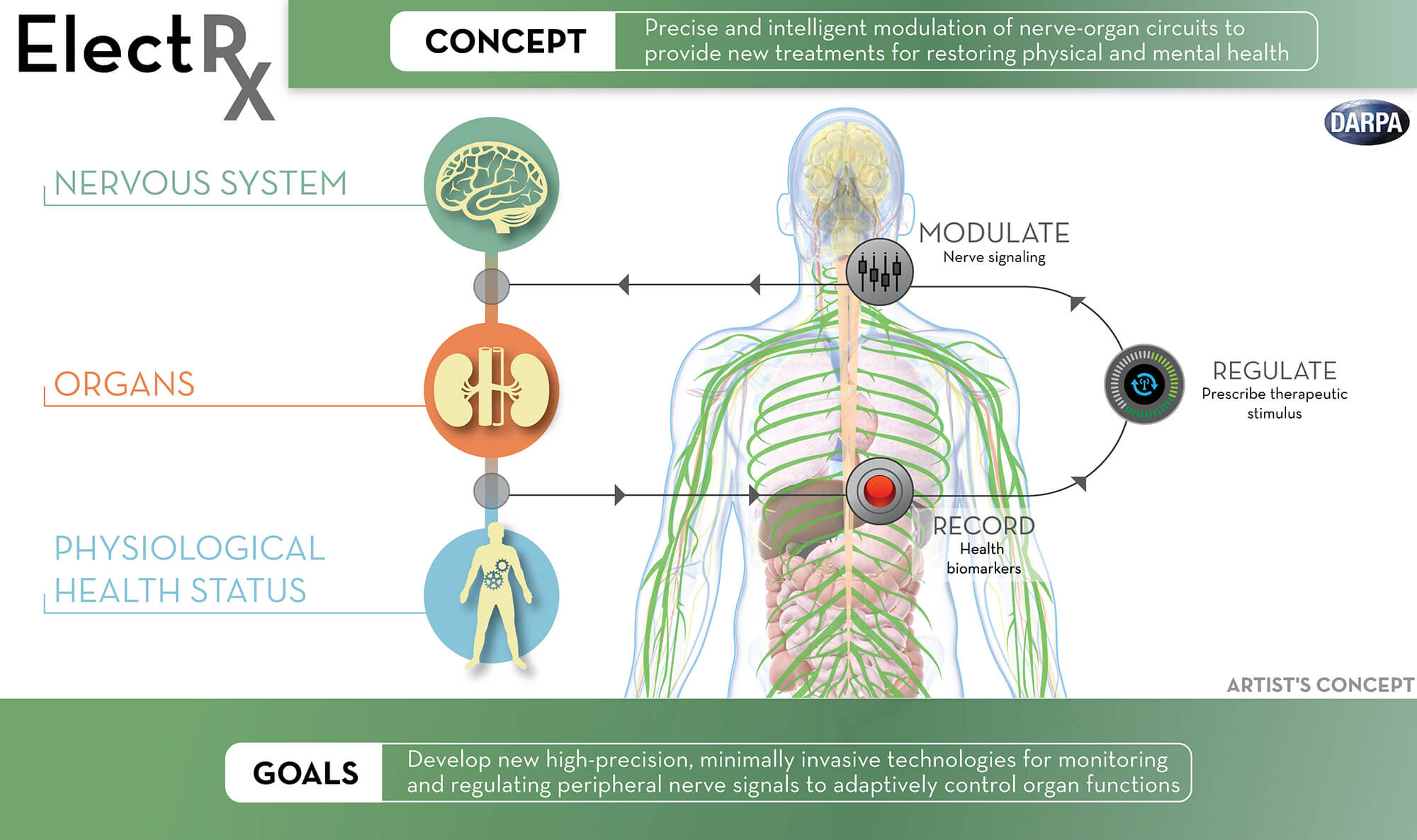
God is the greatest engineer and our body is a marvel in itself as far as engineering is concerned. Along with many other things, it has an amazing capacity to rectify problems in its own system. There are numerous things that our body can do to correct things and bring them back to normal in order to let the body work normally. Now DARPA wants to tap into this same ability with ElectRX. ElectRX actually stands for electrical prescriptions programme and DARPA is investing quite a lot of time and money into it.

military-medic-600x390

If you know about a cardiac pacemaker you must know that it is basically a device that delivers targeted electric shocks to the muscles of the heart to stimulate it to beat at a normal rate. Now what if a device far tinier than this could be delivered through a needle? What if this device could be designed to constantly monitor certain conditions in the body  and then directly stimulate certain nerve pathways using neuromodulators to trigger the body’s correct response mechanism when it’s not working as it should be? This is exactly the aim of ElectRX programme.

The technology is indeed a promising one but the current neuromodulators are quite large, comparable to the size of a deck of cards. This large size makes it difficult to target nerves precisely which can in turn lead to unwanted side-effects. What ElectRX is aiming right now is ultra-miniaturizing these devices to increase the precision.

DARPA is pumping a humongous 78.9 million US dollars in the funding of ElectRX programme in the following fields:

  • Investigating whether the management of neurochemicals that regulate learning and memory in the brain could offer new treatments for post-traumatic stress and other mental health disorders.
  • Investigating thermal activation of the adrenal gland.
  • Investigating the stimulation of the vagal nerve to induce neural plasticity for the treatment of post-traumatic stress.
  • Investigating whether direct triggering of the spleen or other organs could help treat rheumatoid arthritis and other inflammatory conditions.
  • Investigating whether inflammation control in the brain could help treat depression.

All this money has been put in to utilize this programme as a great aid in battlefields. For example, Management of the inflammatory response could make a big difference to spinal injuries, in which frequently it’s the swelling and not the original trauma that does the worst damage.

electrx-darpa-implant-diagram

There are many negatives and positives associated with this concept. For example, if you put these things in people you like, you can do all sorts of positive things. It can also be used in creating super-soldier potential as controlling hormones and brain chemistry could help put soldiers in an ideal emotional and physiological state for certain operations or training exercises.  Apart from these positive things, a targeted nerve stimulation device could also do all sorts of horrible things like pain generation to emotional manipulation if implanted in somebody you’re less fond of.

Pros are cons are a part and parcel of any technology. So let’s see where this amazing technology leads us to.

[adinserter block=”7″]

Author: Technology Blog

Leukometer to monitor your immune system on a continuous basis

White blood cells are extremely important for the overall immunity of our body. And these become even more important when chemotherapy receiving patients are under question. The chemotherapy can lead to suppression of the immune system, a decline in white blood cells and hence giving rise to the possibility of infections and other complications. As a prevalent method, the patients undergo regular blood tests so that the doctors can keep an eye on things. But blood tests are unpleasant tasks when conducted at short intervals.

leuko-2

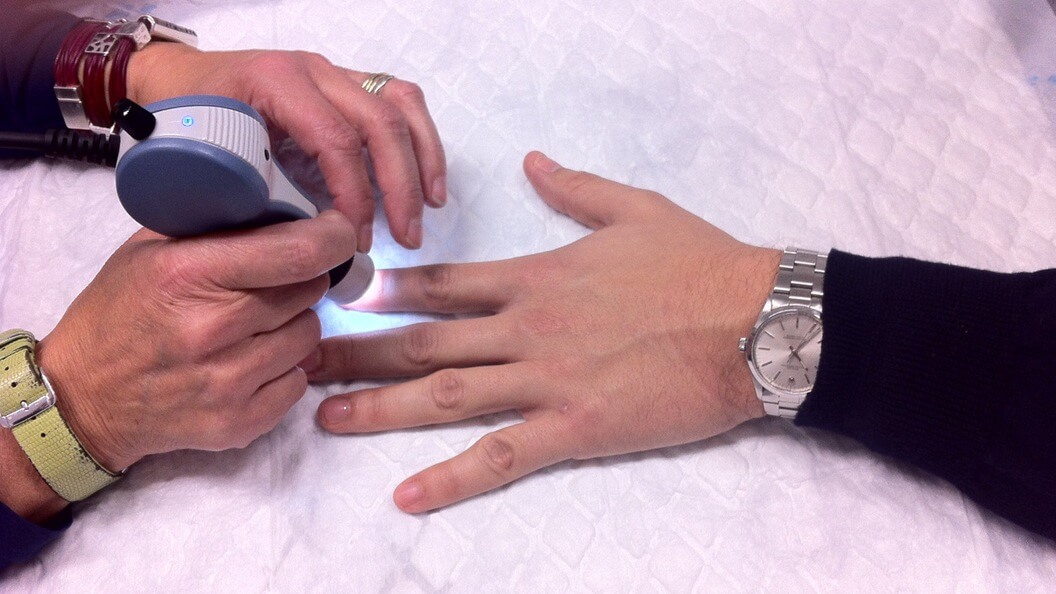
In order to make this test less invasive, Carlos Castro, biomedical engineer at MIT and his team, which includes researchers from Boston University, the Universidad Politécnica de Madrid and the Spanish National Cancer Research Centre (CNIO), have developed a prototype for a device called leukometer. This new testing device can simply be stuck onto a fingertip with the ability to tally up white blood cells through the skin in real time.

In real life situations it is really not that easy and realistic to be carrying out blood tests on chemotherapy patients every hour, while it doesn’t always take long for things to take a turn for the worse, so the greatest advantage that this device comes with is its immediacy. If a decrease in white blood cell count can be picked up early on, drugs can be prescribed to return it to safe levels and allow the body to better fight off infection. Additionally, if a patient is recovering from immune-suppression faster than expected, medication could be adjusted accordingly to cut the overall recovery time.

How does a leukometer work? It works like a pulse oximeter. The device projects light and gathers images of capillaries just under the surface using an array of LEDs and a small lens. As light at certain frequencies is absorbed by the blood’s haemoglobin (a protein that carries oxygen around the body), but not by the white cells, they show up as small transparent particles moving through the capillary. The device then uses algorithms to analyze these images and give an estimation of the white blood cell concentration in the blood. The best part is that, all these things can be done by this portable user-friendly device that could help patients monitor their own white blood cells count even at their homes. This can turn to be more advantageous for in rural areas and developing countries.

MIT-Biocom-1-press

Carlos Castro opines: “It would also be possible to perform measurements on a continuous basis, opening up treatment options that were previously not possible.” The researchers hope that if they can gather enough funding, a beta product will become available for testing in 2017, with a market ready product to follow in 2019.

[adinserter block=”7″]

Author: Technology Blog

Moth Drone to Fight Plant Pests with a New Twist

Plant diseases and insect infesting them have for long been tackled by a quick and speedy supply of pesticides and herbicides using planes, but this time the USDA is aiming for something a bit more unexpected.

1462597923783445424

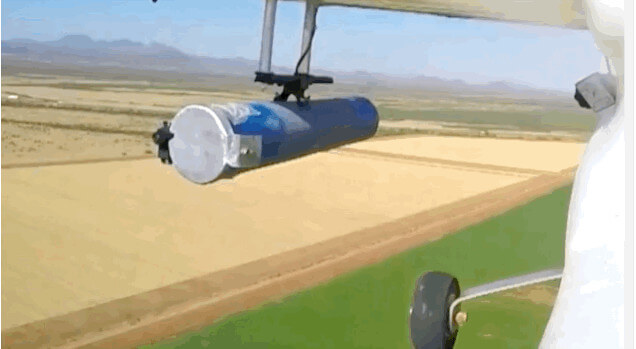
Pink bollworm cotton pest is not very widespread, but when it infests the crop, entire plants are spoilt. The USDA has come up with moth drones to disperse the solution instead of planes, first of all. And second, the solutions are more pink bollworms!

Yes, the drones will let out moths- pink bollworms- who are sterile. This way, the moth complete their two week cycles and die out without reproducing. Meanwhile, no other bollworms infest the crops.

1462597923591085488

[adinserter block=”7″]

Author: Technology Blog

Qubits made from silicon to take the computing world by storm

In a never before event, researchers from the University of New South Wales (UNSW) in Australia, have succeeded in creating for the very first time: the fundamental blocks of a quantum computer in silicon. Using standard manufacturing techniques and modifying current-generation silicon transistors, the device was created. It was also found that the device could scale up to include thousands, even millions of entangled quantum bits on a single chip.

silicon-quantum-computer-3

Why do we need quantum computers?

The machines that we have been building since the 1950’s have been made with an objective of making them as deterministic and reliable as possible, so that a certain input will always give the same output. In a Qunatum Computer, this predictability is sacrificed and incredible speeds take their place. A quantum bit or qubit has two properties. First, it can set itself to both 0 and 1 at the same time. And second, it can commune (or entangle) with other qubits to compound this ability. This means five entangled qubits can store and process as much information as 32 (two to the power of five) classical bits; 10 qubits can do as much as 1,000 classical bits; and 300 fully entangled qubits can manipulate as many classical bits of information as there are atoms in the Universe. Based on these facts you would think that this will dramatically increase the speed as compared to a regular computer, but this will be just half the truth. A quantum computer can perform any operation a classical computer can, but its exponential speedups only take effect when a quantum algorithm can process data in a massively parallel fashion. However, if the bulk of operations have to be performed in a sequential order, flowchart-style, and no real quantum speedups are possible.

There is also a downside to these significant speed ups and that is: the results given by this quantum algorithm are not deterministic. So to say, even in the best of cases, a quantum computer is never guaranteed to return the correct result. So in order to confirm that a certain result is correct, the quantum algorithm will have to be run several times in succession. So quantum computers can make themselves useful only where massive parallelism is involved.

quantum-computing

[adinserter block=”7″]

Next Page For More

Want to have a robot as your smartphone?

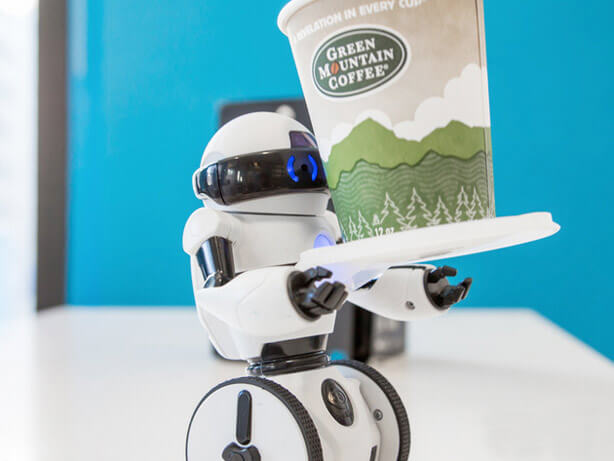
What if you had a cute baby-faced, walking, talking, net- connected robot as your smartphone? It even hitches ride in your pocket… so let the world look what you are carrying. This robo smartphone is a creation of Tomotaka Takahashi, renowned engineer who sent the first talking robot into space. This robot has been christened as RoBoHoN (a portmanteau of the Japanese words for “robot” and “smartphone,” pronounced “robo-hoan”), and is a collaboration with Japanese electronics giant Sharp.

mip_robotIf you ask what this phone can do, then hold your breath. RoBoHoN is 7.5 inches tall, weighs 13.5 ounces, and also recognizes your face. It connects to wifi, 3G, and LTE. It acts as a phone, alarm clock, email and text message secretary, camera, movie and image projector, personal assistant, taxi hailer, and a lot more. The present agenda is however to modify the robot according to the American market as cultural differences drive how a robot or in fact anything is marketed in different countries.

The other important point is explaining to people how useful this thing actually is. Though Takahashi thinks that personable, fun and engaging gadgets are more favourable to human beings in term of engaging themselves with them, what if the customers find it too gimmicky or way too cute or childish to carry with them? And does it provide all essential features of a smartphone so that a person actually replaces his/her smartphone with this robot?

RoboHon-robot-smartphone-from

RoBoHoN will hit the shelves in the first half of 2016. So till then, we will have to wait and watch to get the answers of all our questions.

[adinserter block=”7″]

Author: Technology Blog

Oceans to get cleaner with the help of nanomotors

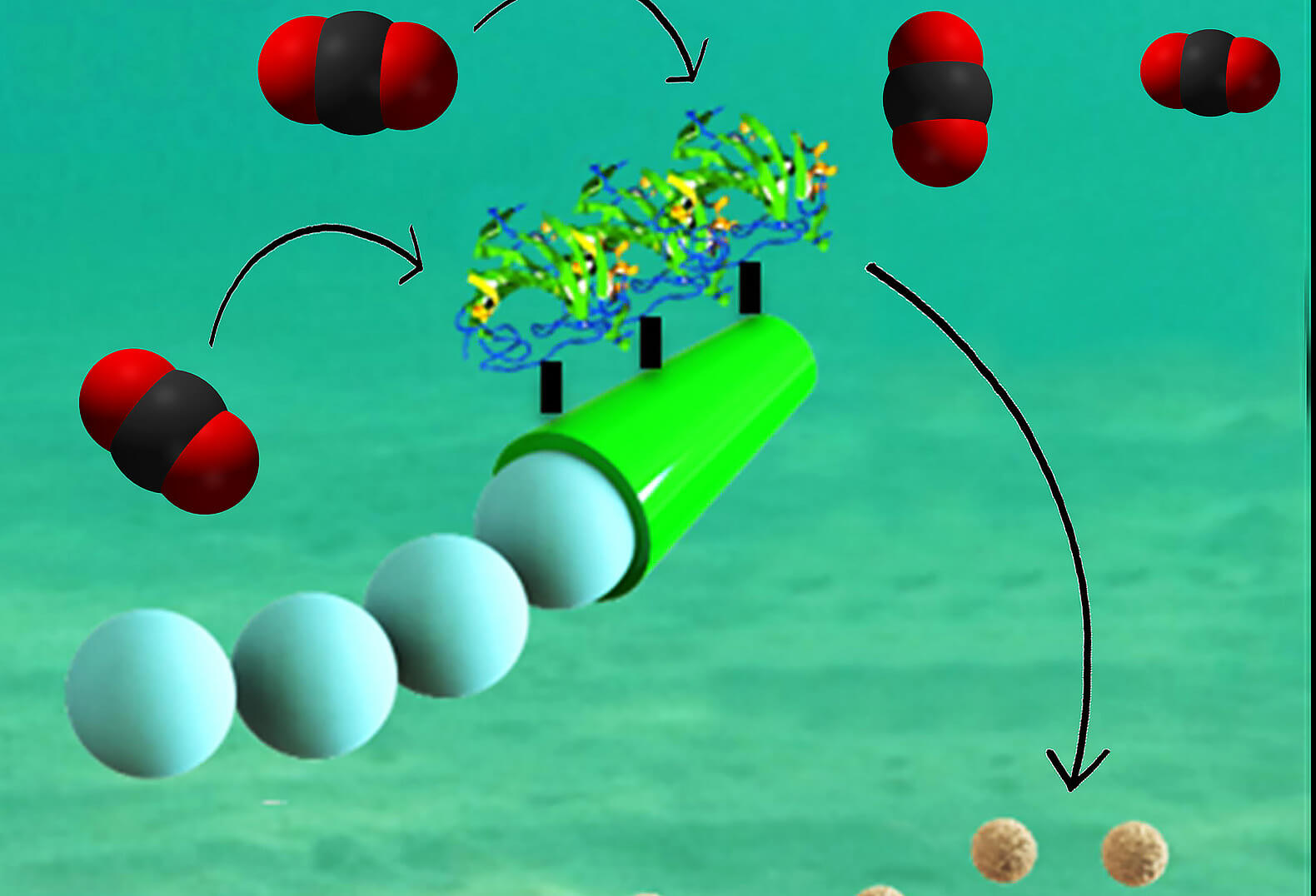
Climate change has created an imbalance in almost everything that Mother Nature created. We find things that shouldn’t be at that particular place or environment at all and we can’t find those that ‘should’ be a part of that environment. The whole cycle of seasons has been disturbed what with flash floods, earthquakes, hurricanes and sea-storms rocking the world equally and unannounced. Our oceans are also no exception to these changes happening around the globe. Carbon dioxide pollution in the oceans has reached alarming levels. In order to combat this problem,   nano-engineers at the University of California, San Diego have developed micromotors that autonomously move through water, removing CO2 and converting it into usable material. These nano machines are smaller than the width of a human hair and have an external polymer surface which holds the enzyme carbonic anhydrase.

Nano-motor-small

This enzyme acts to speed up the reaction between carbon dioxide and water to form bicarbonate. Calcium chloride is added to the water solutions to help convert bicarbonate to calcium carbonate. The autonomous and continuous movement of the micromotors through the water is also said to aid the mixing process, which leads to faster carbon dioxide conversion. This autonomous and continuous movement of the micromotors is facilitated by adding a small amount of hydrogen peroxide to the solution. This hydrogen peroxide then reacts with the inner platinum surface of the micromotors and generates a stream of oxygen bubbles that propel them through the water at speeds exceeding 100 micrometers per second.

The researchers reported that in the lab experiments, the micro-motors managed to remove 90 percent of the carbon dioxide from a solution of de-ionized water taking just five minutes to do so. When de-ionized water was replaced with sea-water the efficiency of the nanomotors was 88 percent. Another important thing is that once their job is done, the micromotors can easily be recovered from the water solution and reused for further carbon dioxide sequestration.

Nano-CO2-scrubbers-Laboratory-Nanobioelectronics

Kevin Kaufman, co-author of the study and an undergraduate in the team led by nanoengineering professor and chair Joseph Wang, said: “If the micromotors can use the environment as fuel, they will be more scalable, environmentally-friendly and less expensive.” This idea came on the table because, though the water solutions in the proof-of-concept experiments contained only two to four percent hydrogen peroxide, the researchers opine that its use as fuel for the micromotors is less than ideal. This need for an additional additive, together with the expense of using platinum in the micromotors themselves, has prompted the nanoengineers to look into developing carbon-capturing micromotors that can use the water itself as fuel. In the words of Kaufman: “In the future, we could potentially use these micromotors as part of a water treatment system, like a water decarbonation plant.”

[adinserter block=”7″]

Author: Technology Blog

Harvard’s robo-bee has learned to swim!

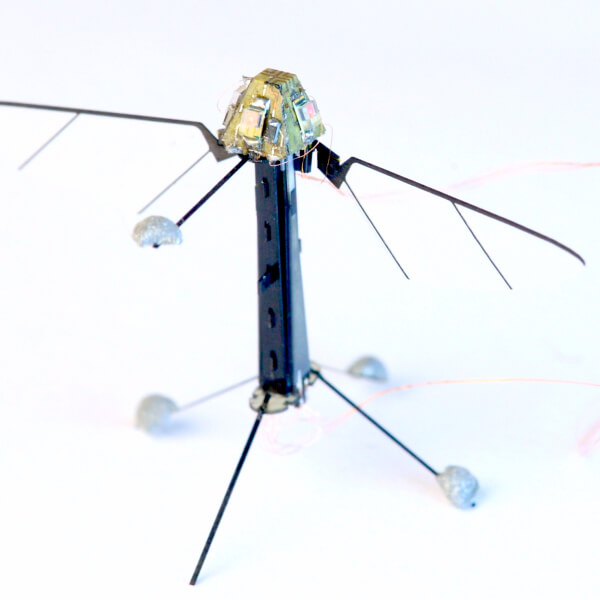
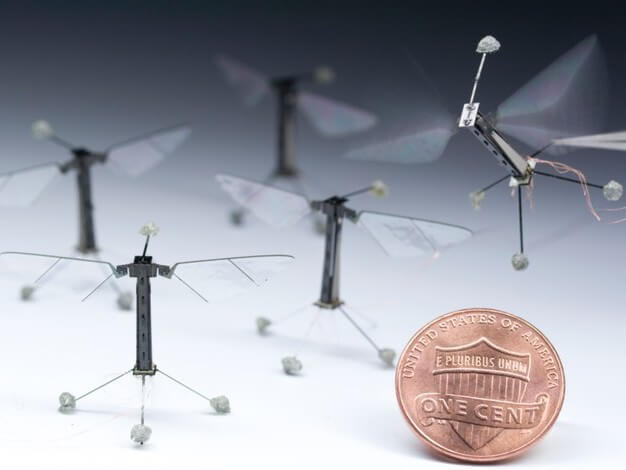
Harvard’s robo-bee project has been in news from quite some time. This robo-bee is a life-sized robotic version of a bee equipped with an antenna, an electronic nervous system, airfoil wings, and both pollinating and docking appendages.   The robo-bee has an ability to hover and fly using built-in optical flow and UV targeting sensors. Now the researchers have recently added swimming functionality to this bee. This new development makes it the world’s one and only flying and swimming capable, flapping-wing, insect-like robot.

thumb_crop_siliconheadbee

The team based their new technological development on the idea that swimming underwater is the same basic motion as flying in the air. So a change was made in how the bee flapped its wings. When flying, the bee flaps its wings at 120 Hz, but while swimming it slows down its movement to 9 Hz. The controls while swimming under the water are similar to flying in the air, allowing the bee to steer as it moves beneath the surface.

The swimming part has been an easy one for the team but what they will really have to work upon is the transition part. The bee has a lightweight frame and is very small so when it floats on the surface, it is great but when it comes to breaking through the surface tension of the water, sink down and swim, the problem starts. To enter the water, the bee has to ascend into a dive, crash land on the surface and then sink underneath the surface before it can swim.

The team has used a surfactant on the wings to help the bee sink, but it is still a challenge. The bee encounters similar problem when it exits the water. It requires an extra burst of power to propel out of the water and transition into the air. The initial flight due to wings covered in water also becomes tough as these beads of water change the flight dynamics of the robot and makes the bee unstable, especially in a hover. The water works its way off the wings eventually, but these first few moments can be dicey.

big

The team is working in an optimistic manner in this direction and hopes to refine its water and air locomotion. Let us see, when this robo-bee designed for agricultural, commercial and especially military applications, starts giving its services to these fields.

[adinserter block=”7″]

Author: Technology Blog

Why that flu shot is necessary?

“Sorry Sir! Can’t come to office… I am down with flu” “Sorry madam… my child will not be able to come to school…. he is down with flu” are such common sentences that we hardly take notice of them. Every now and then some or the other person in our neighbourhood or in our office or in our club-group is down with the flu. Doctors always advice to get you a flu shot in the start of the season and if you are among those who question the need and necessity of this, then you need to read this article and watch the video accompanying it.

download

When a virus takes over a cell, it transforms this infected cell into a huge factory of producing millions of infected cells which in turn infect other healthy cells inside your body. Here is where your immune system comes into play. The immune system should ideally be able to destroy the virus particles before they proliferate and infect other healthy cells. But in order to kill viruses and other pathogens, the cells of your immune system have to recognize them as intruders.

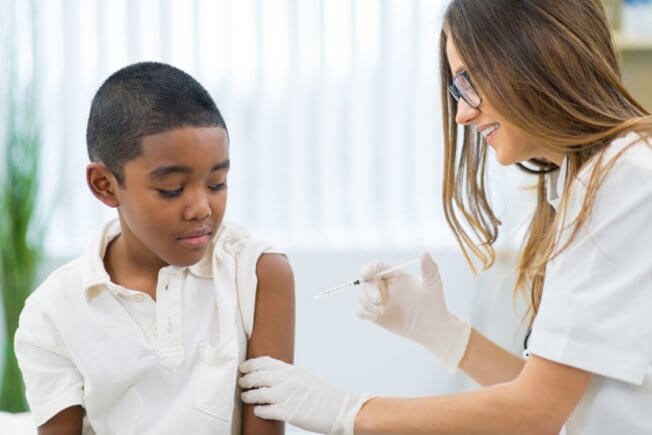
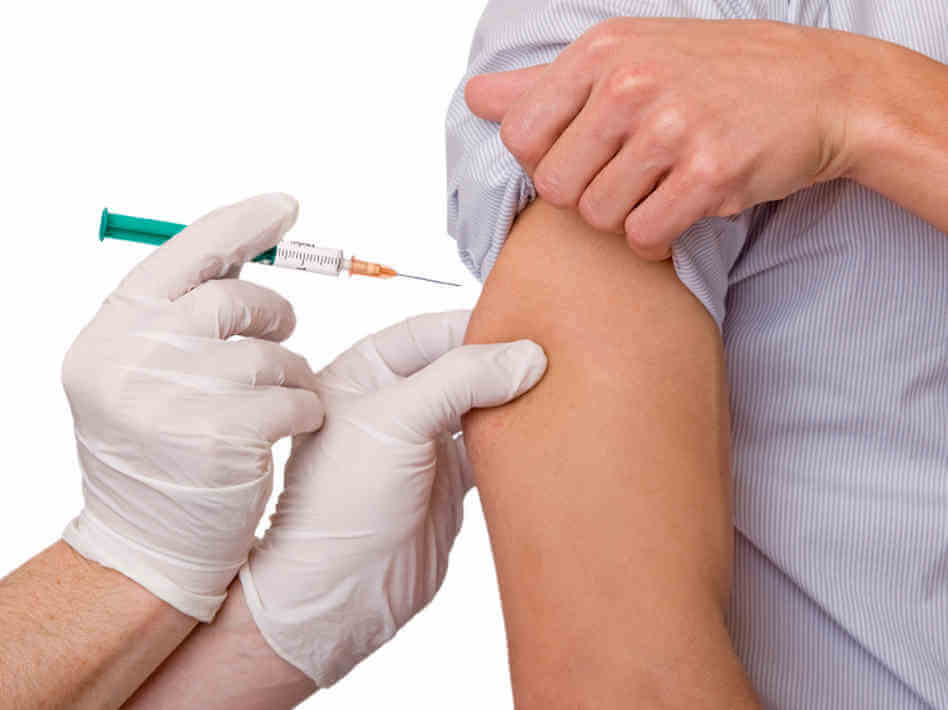
Every time your immune system encounters a pathogen, it creates B and T cells specially designed to target that intruder if it ever shows up again. That means your immune system can respond much more quickly and effectively to things it’s been exposed to before. To achieve this same feat, vaccines or flu shots are created. These shots are important because they expose your immune system to a weakened or dead version of a virus, so that the immune system in turn can create the B and T cells to fight these.

flushot

These flu shots or vaccines basically act as combat trainers for your immune system. Without this training, your immune system might not be able to identify various kinds of viruses and hence may not be able to fight them off.

So the next time, your doctor asks you to get a flu shot, go for it!

[adinserter block=”7″]

Author: Technology Blog

Robots that have ‘thinking’ fingers

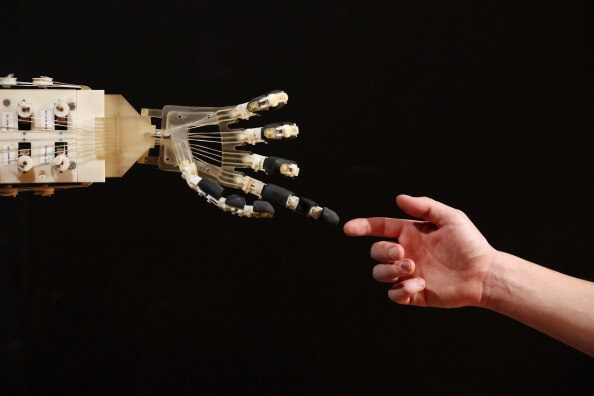
It is comparatively easier to make robots than programming them or designing them to make them grip objects. To grip something, it has to understand what it is gripping, what is the weight of the object it is gripping and how much force it should apply to not to break it or drop it. One starts admiring the dexterity God has provided us with, when one tries to imitate and incorporate it in robots.

1453263801672812071

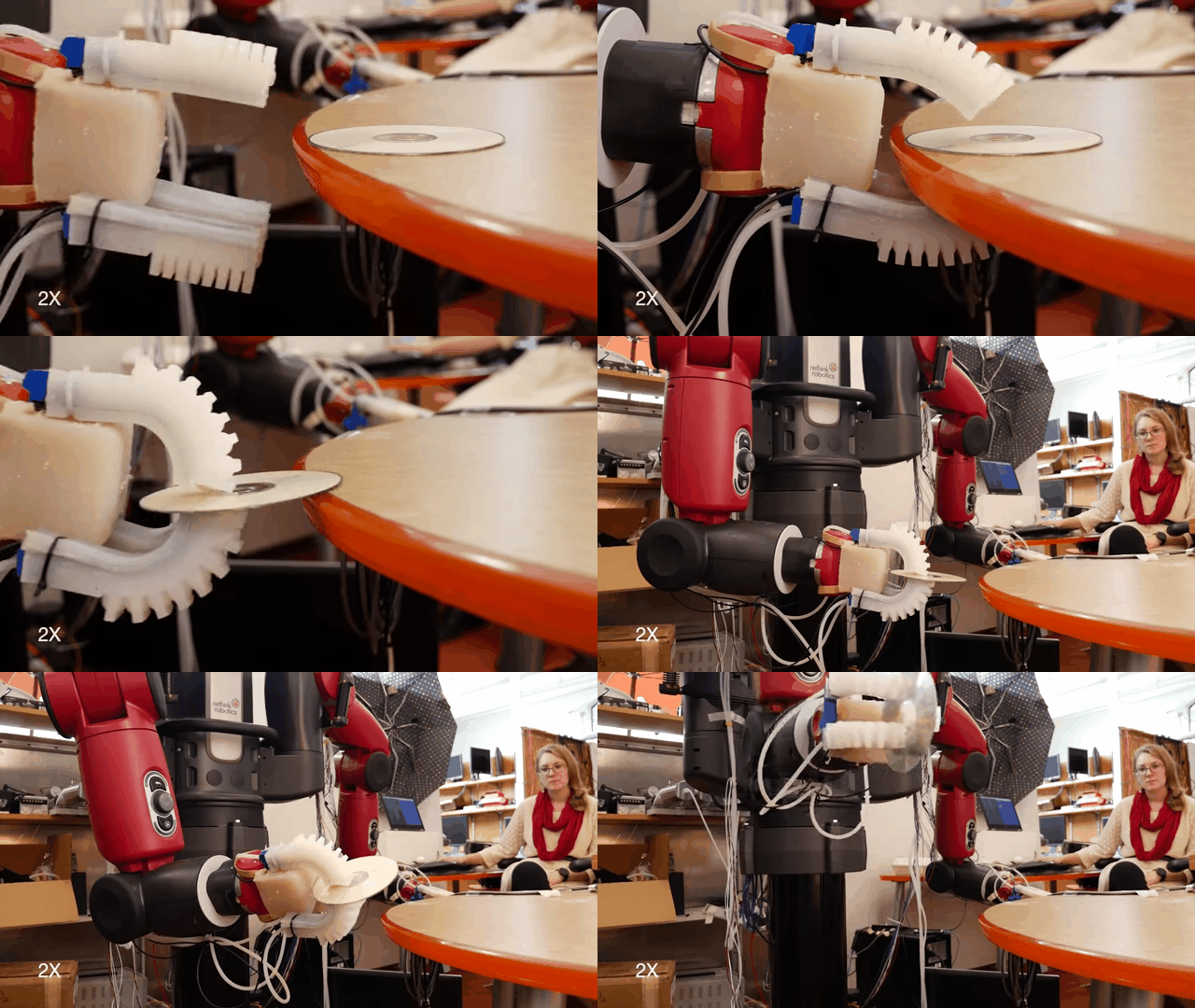
Very recently at the International Conference on Intelligent Robots and Systems, Bianca Homberg, Daniela Rus (the director of MIT’s Computer Science and Artificial Intelligence Laboratory) and their colleagues showed the latest advance in robotic digits. The robots that they have developed have modular fingers made of silicone and embedded with sensors. These fingers are dexterous enough to pick up everything from soft toys to single pieces of paper without needing to be programmed to understand what it’s gripping.

It is to be noted that MIT has done a lot of work in making robotic hands this year and Daniela Rus is actually a sort of pioneer in soft robotics. In the latest design of robots, three molded silicone fingers, ribbed on the inside edge to ease bending and increase friction, are slid over the digits of a robotic arm. While robotic hands generally use a sensor nearby, like a camera or a motion sensor Russ embedded a bending sensor in each finger. When each finger’s sensor bends and sends a signal that it’s touching an object, it knows to stop tightening its grasp.

Together, they help the robot generate a triple-sided understanding of what object it’s grasping. Owing to the soft compliance of the silicone, the fingers can pick up even fragile objects  that range wildly in size without prior warning about what the hand is about to encounter, from eggs and CDs to beanie babies, hairbrushes, water bottles, and single pieces of paper. The authors have explained all these things in “Haptic Identification of Objects using a Modular Soft Robotic Gripper.”

241E516C00000578-0-image-m-39_1418819853638

According to the authors “Robots should be able to pick up a variety of tools designed for human use and be able to handle them appropriately,” and they have certainly provided ‘thinking’ fingers to the robot by this new technique. Robotics is surely taking giant leaps towards a brighter future.

[adinserter block=”7″]

Author: Technology Blog


Verified by ExactMetrics