Oceans to get cleaner with the help of nanomotors

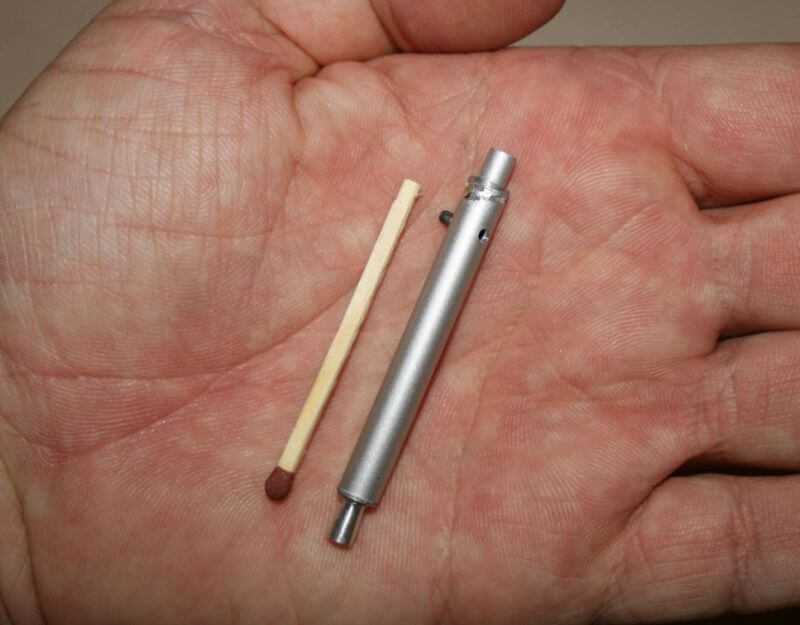
Climate change has created an imbalance in almost everything that Mother Nature created. We find things that shouldn’t be at that particular place or environment at all and we can’t find those that ‘should’ be a part of that environment. The whole cycle of seasons has been disturbed what with flash floods, earthquakes, hurricanes and sea-storms rocking the world equally and unannounced. Our oceans are also no exception to these changes happening around the globe. Carbon dioxide pollution in the oceans has reached alarming levels. In order to combat this problem,   nano-engineers at the University of California, San Diego have developed micromotors that autonomously move through water, removing CO2 and converting it into usable material. These nano machines are smaller than the width of a human hair and have an external polymer surface which holds the enzyme carbonic anhydrase.
Nano-motor-small

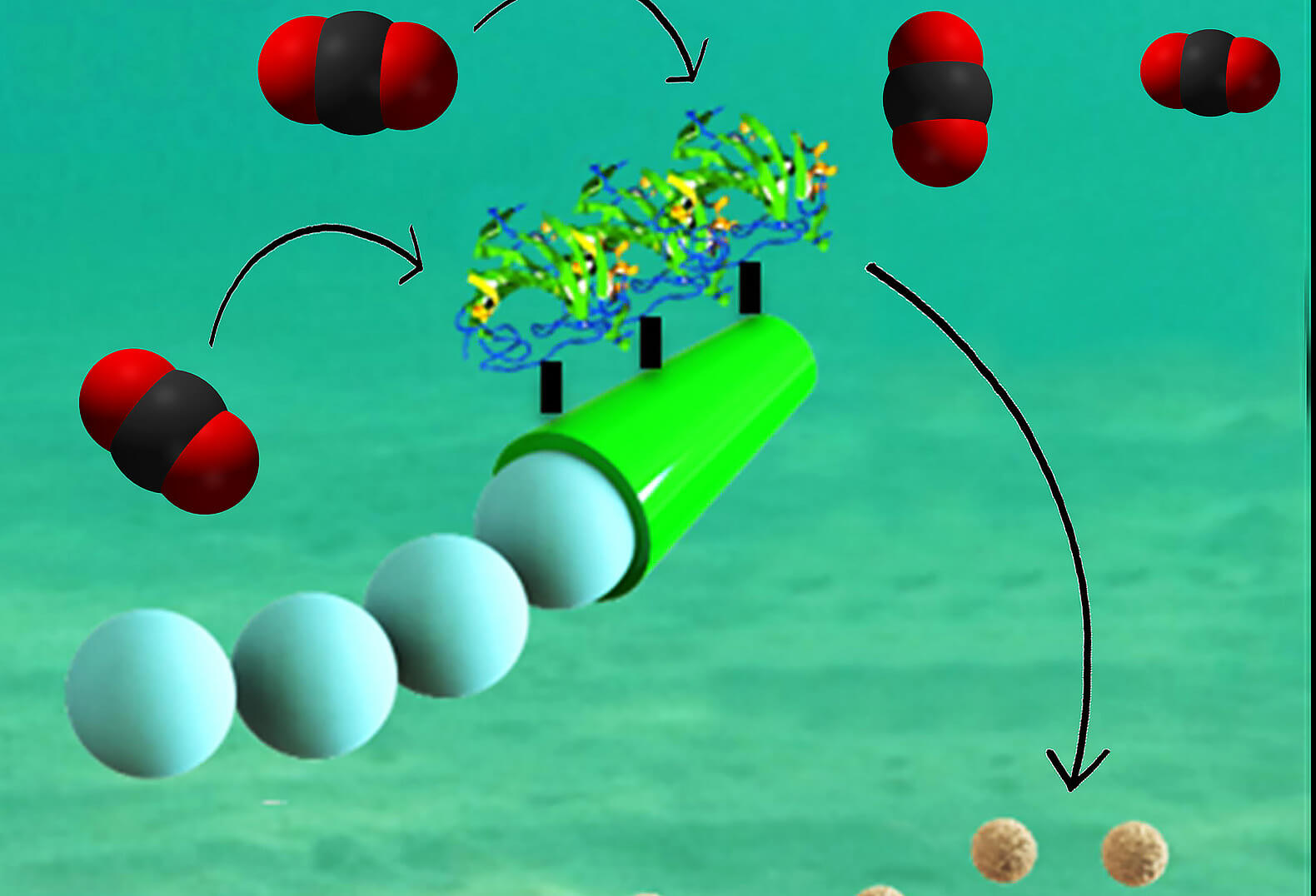
This enzyme acts to speed up the reaction between carbon dioxide and water to form bicarbonate. Calcium chloride is added to the water solutions to help convert bicarbonate to calcium carbonate. The autonomous and continuous movement of the micromotors through the water is also said to aid the mixing process, which leads to faster carbon dioxide conversion. This autonomous and continuous movement of the micromotors is facilitated by adding a small amount of hydrogen peroxide to the solution. This hydrogen peroxide then reacts with the inner platinum surface of the micromotors and generates a stream of oxygen bubbles that propel them through the water at speeds exceeding 100 micrometers per second.

The researchers reported that in the lab experiments, the micro-motors managed to remove 90 percent of the carbon dioxide from a solution of de-ionized water taking just five minutes to do so. When de-ionized water was replaced with sea-water the efficiency of the nanomotors was 88 percent. Another important thing is that once their job is done, the micromotors can easily be recovered from the water solution and reused for further carbon dioxide sequestration.
Nano-CO2-scrubbers-Laboratory-Nanobioelectronics

Kevin Kaufman, co-author of the study and an undergraduate in the team led by nanoengineering professor and chair Joseph Wang, said: “If the micromotors can use the environment as fuel, they will be more scalable, environmentally-friendly and less expensive.” This idea came on the table because, though the water solutions in the proof-of-concept experiments contained only two to four percent hydrogen peroxide, the researchers opine that its use as fuel for the micromotors is less than ideal. This need for an additional additive, together with the expense of using platinum in the micromotors themselves, has prompted the nanoengineers to look into developing carbon-capturing micromotors that can use the water itself as fuel. In the words of Kaufman: “In the future, we could potentially use these micromotors as part of a water treatment system, like a water decarbonation plant.”

[adinserter block=”7″]

Author: Technology Blog

Harvard’s robo-bee has learned to swim!

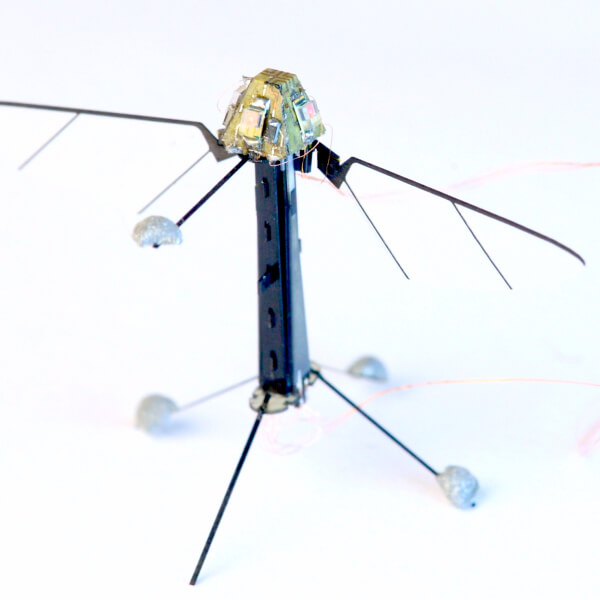
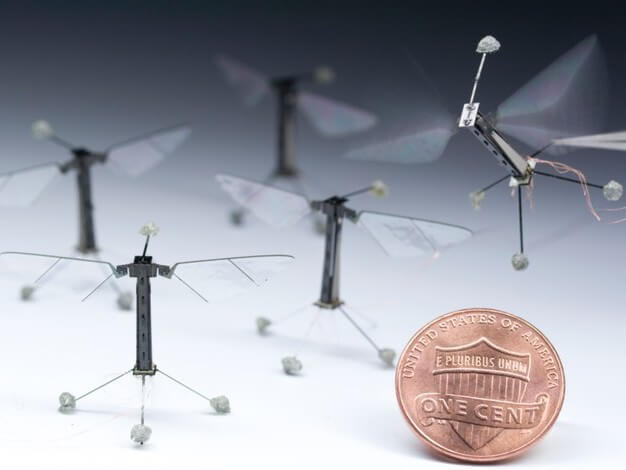
Harvard’s robo-bee project has been in news from quite some time. This robo-bee is a life-sized robotic version of a bee equipped with an antenna, an electronic nervous system, airfoil wings, and both pollinating and docking appendages.   The robo-bee has an ability to hover and fly using built-in optical flow and UV targeting sensors. Now the researchers have recently added swimming functionality to this bee. This new development makes it the world’s one and only flying and swimming capable, flapping-wing, insect-like robot.

thumb_crop_siliconheadbee

The team based their new technological development on the idea that swimming underwater is the same basic motion as flying in the air. So a change was made in how the bee flapped its wings. When flying, the bee flaps its wings at 120 Hz, but while swimming it slows down its movement to 9 Hz. The controls while swimming under the water are similar to flying in the air, allowing the bee to steer as it moves beneath the surface.

The swimming part has been an easy one for the team but what they will really have to work upon is the transition part. The bee has a lightweight frame and is very small so when it floats on the surface, it is great but when it comes to breaking through the surface tension of the water, sink down and swim, the problem starts. To enter the water, the bee has to ascend into a dive, crash land on the surface and then sink underneath the surface before it can swim.

The team has used a surfactant on the wings to help the bee sink, but it is still a challenge. The bee encounters similar problem when it exits the water. It requires an extra burst of power to propel out of the water and transition into the air. The initial flight due to wings covered in water also becomes tough as these beads of water change the flight dynamics of the robot and makes the bee unstable, especially in a hover. The water works its way off the wings eventually, but these first few moments can be dicey.

big

The team is working in an optimistic manner in this direction and hopes to refine its water and air locomotion. Let us see, when this robo-bee designed for agricultural, commercial and especially military applications, starts giving its services to these fields.

[adinserter block=”7″]

Author: Technology Blog
Why that flu shot is necessary?

“Sorry Sir! Can’t come to office… I am down with flu” “Sorry madam… my child will not be able to come to school…. he is down with flu” are such common sentences that we hardly take notice of them. Every now and then some or the other person in our neighbourhood or in our office or in our club-group is down with the flu. Doctors always advice to get you a flu shot in the start of the season and if you are among those who question the need and necessity of this, then you need to read this article and watch the video accompanying it.

download

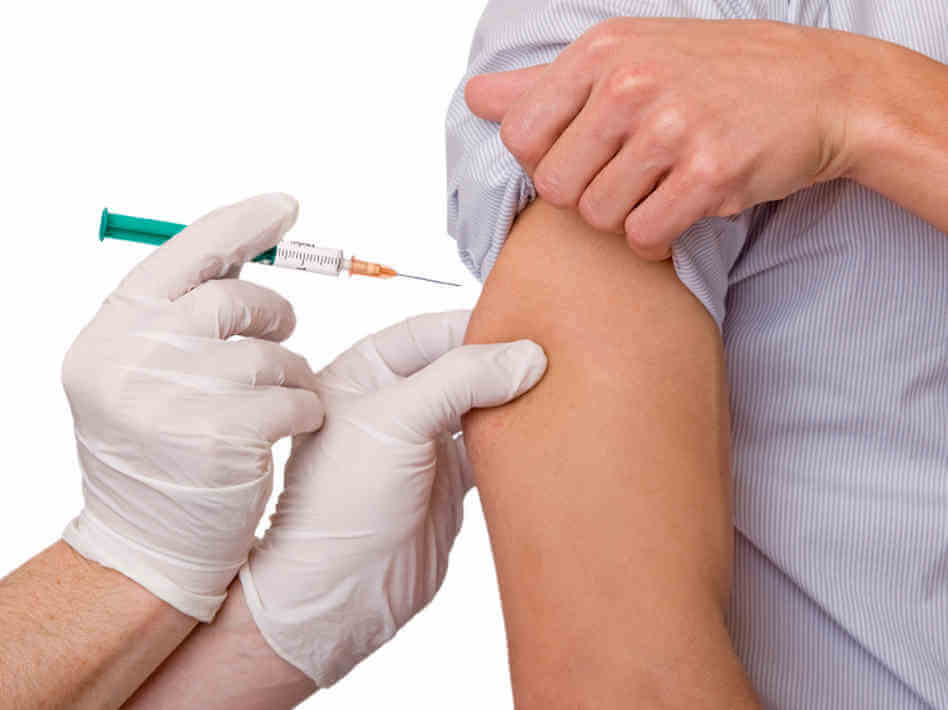
When a virus takes over a cell, it transforms this infected cell into a huge factory of producing millions of infected cells which in turn infect other healthy cells inside your body. Here is where your immune system comes into play. The immune system should ideally be able to destroy the virus particles before they proliferate and infect other healthy cells. But in order to kill viruses and other pathogens, the cells of your immune system have to recognize them as intruders.

Every time your immune system encounters a pathogen, it creates B and T cells specially designed to target that intruder if it ever shows up again. That means your immune system can respond much more quickly and effectively to things it’s been exposed to before. To achieve this same feat, vaccines or flu shots are created. These shots are important because they expose your immune system to a weakened or dead version of a virus, so that the immune system in turn can create the B and T cells to fight these.

flushot

These flu shots or vaccines basically act as combat trainers for your immune system. Without this training, your immune system might not be able to identify various kinds of viruses and hence may not be able to fight them off.

So the next time, your doctor asks you to get a flu shot, go for it!

[adinserter block=”7″]

Author: Technology Blog
Verified by ExactMetrics