Robots that have ‘thinking’ fingers

It is comparatively easier to make robots than programming them or designing them to make them grip objects. To grip something, it has to understand what it is gripping, what is the weight of the object it is gripping and how much force it should apply to not to break it or drop it. One starts admiring the dexterity God has provided us with, when one tries to imitate and incorporate it in robots.
1453263801672812071

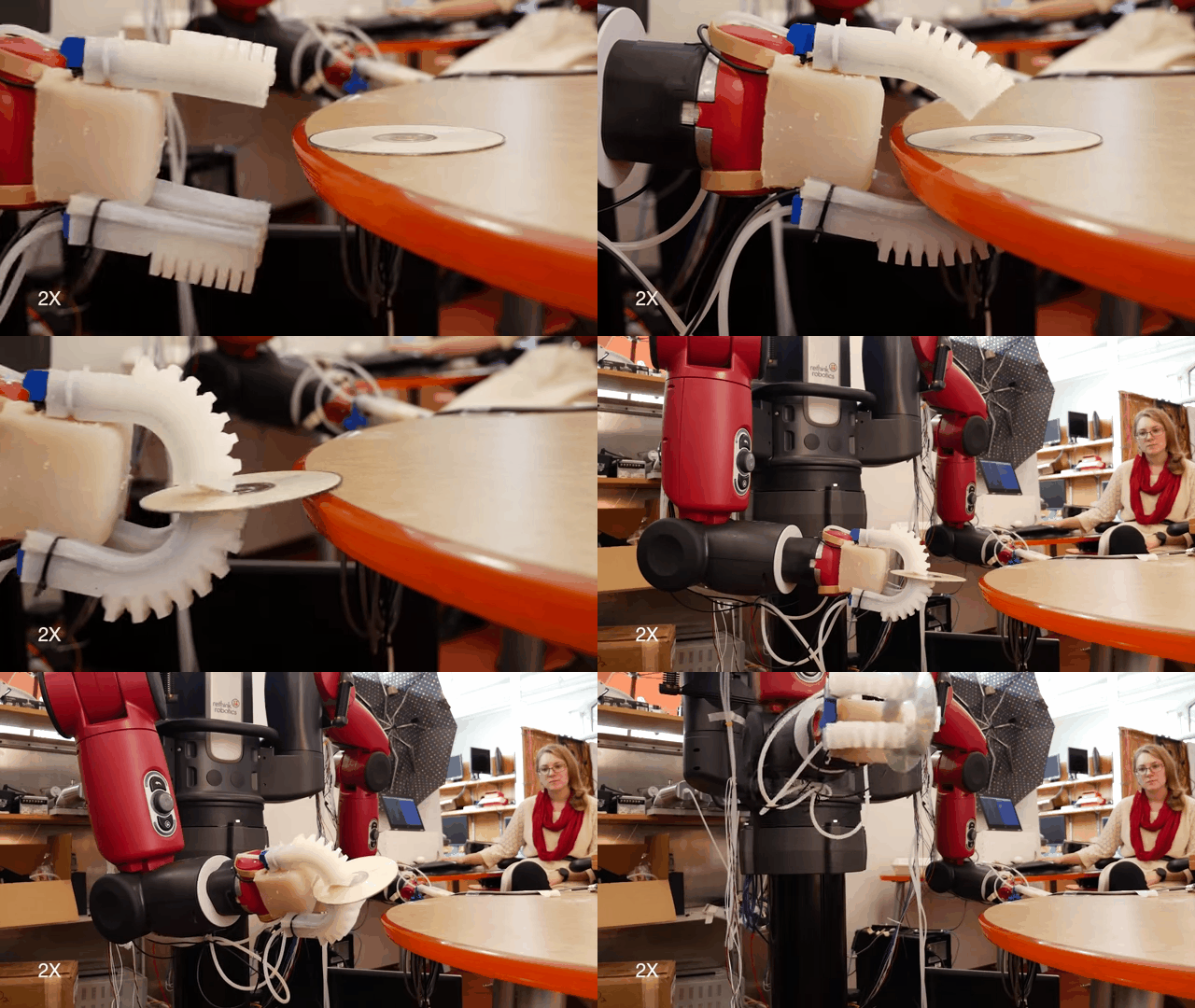
Very recently at the International Conference on Intelligent Robots and Systems, Bianca Homberg, Daniela Rus (the director of MIT’s Computer Science and Artificial Intelligence Laboratory) and their colleagues showed the latest advance in robotic digits. The robots that they have developed have modular fingers made of silicone and embedded with sensors. These fingers are dexterous enough to pick up everything from soft toys to single pieces of paper without needing to be programmed to understand what it’s gripping.

It is to be noted that MIT has done a lot of work in making robotic hands this year and Daniela Rus is actually a sort of pioneer in soft robotics. In the latest design of robots, three molded silicone fingers, ribbed on the inside edge to ease bending and increase friction, are slid over the digits of a robotic arm. While robotic hands generally use a sensor nearby, like a camera or a motion sensor Russ embedded a bending sensor in each finger. When each finger’s sensor bends and sends a signal that it’s touching an object, it knows to stop tightening its grasp.

Together, they help the robot generate a triple-sided understanding of what object it’s grasping. Owing to the soft compliance of the silicone, the fingers can pick up even fragile objects  that range wildly in size without prior warning about what the hand is about to encounter, from eggs and CDs to beanie babies, hairbrushes, water bottles, and single pieces of paper. The authors have explained all these things in “Haptic Identification of Objects using a Modular Soft Robotic Gripper.”

241E516C00000578-0-image-m-39_1418819853638

According to the authors “Robots should be able to pick up a variety of tools designed for human use and be able to handle them appropriately,” and they have certainly provided ‘thinking’ fingers to the robot by this new technique. Robotics is surely taking giant leaps towards a brighter future.

[adinserter block=”7″]

Author: Technology Blog
 

Fused Reality: A Combination of Simulation and Reality

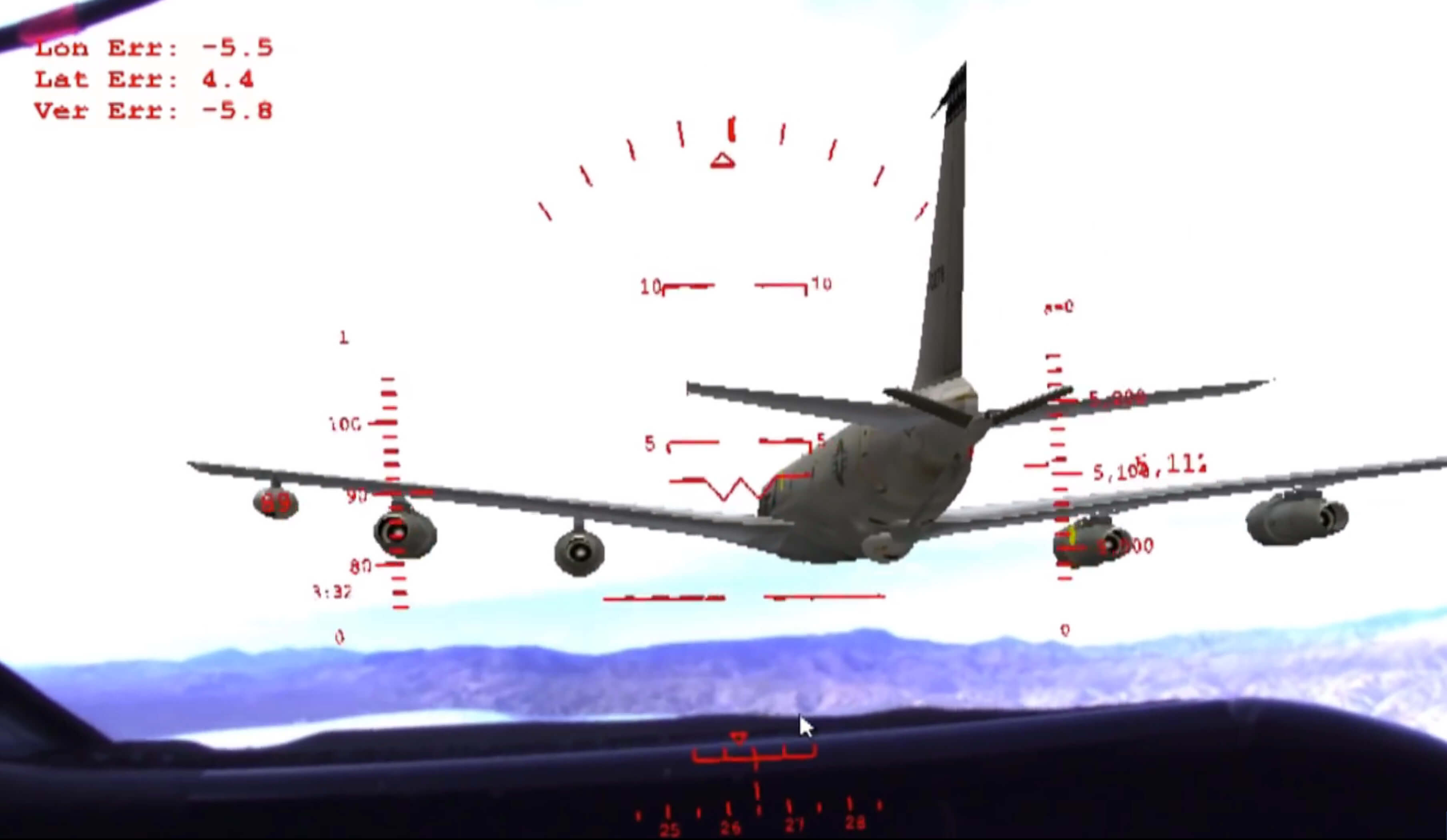
For pilot’s training, the learner cannot be proficient and confident enough to take hundreds of passengers several miles above the ground if they have not practised the real deal before. The training has to avoid unnecessary risks and costs while providing the pilot with real-life simulations and conditions. But let’s face- however realistic the training, the difficult maneuvers like aerial-refueling, could always do with a bit more practice. Thus NASA is looking into developing Fused Reality, a technology which uses a special headset that combines real flying in a real aircraft with an overlaid simulation.

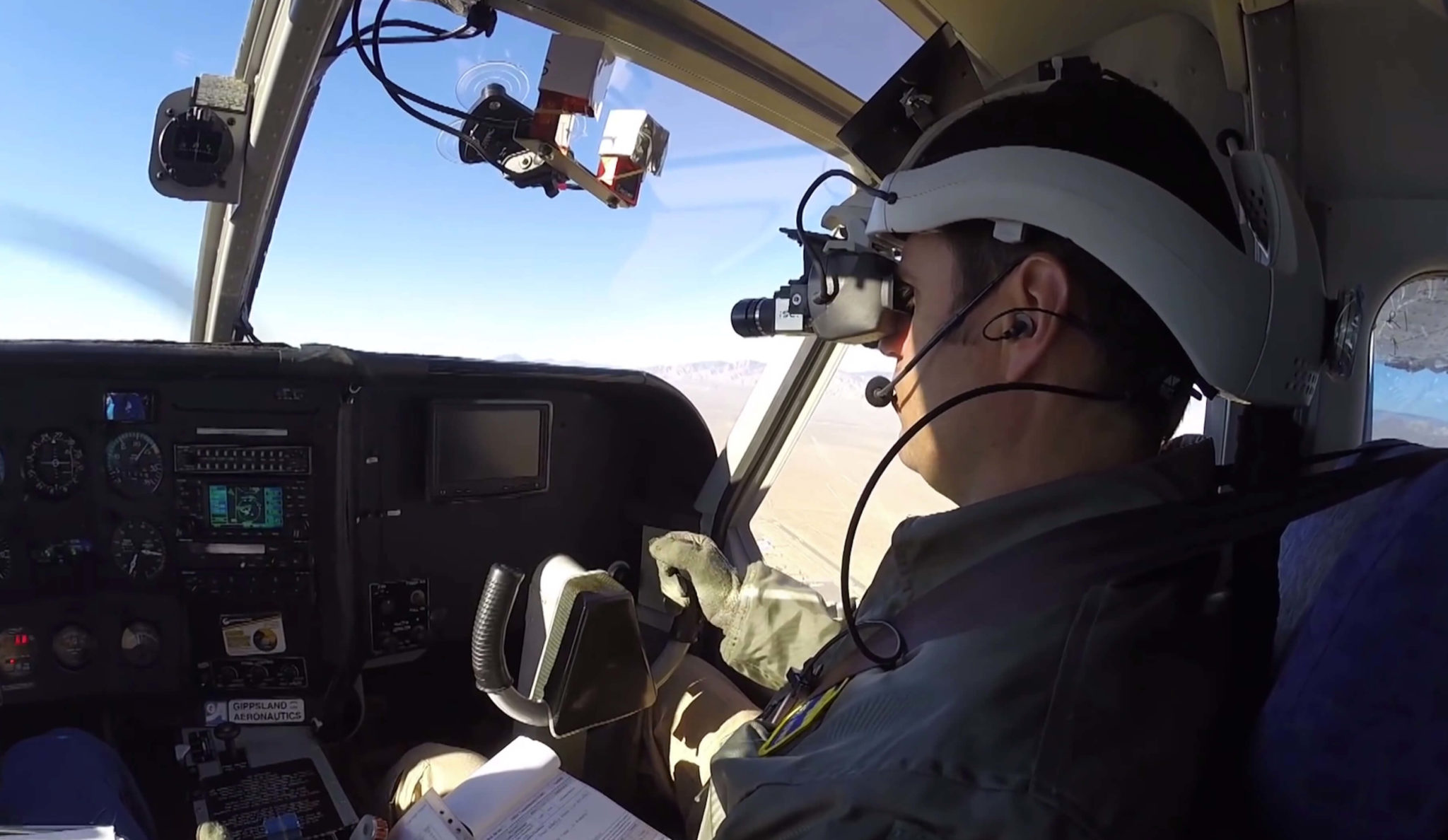
fr_scott_howeThe invention of Fused Reality started in 2003 by Ed Bachelder, the technical director at Systems Technology, Inc of Hawthorne, California. The systems works like augmented reality glasses like Google Glass or digital pilot goggles by combining the real-world with interactive computer graphics inside the viewer of the headset.

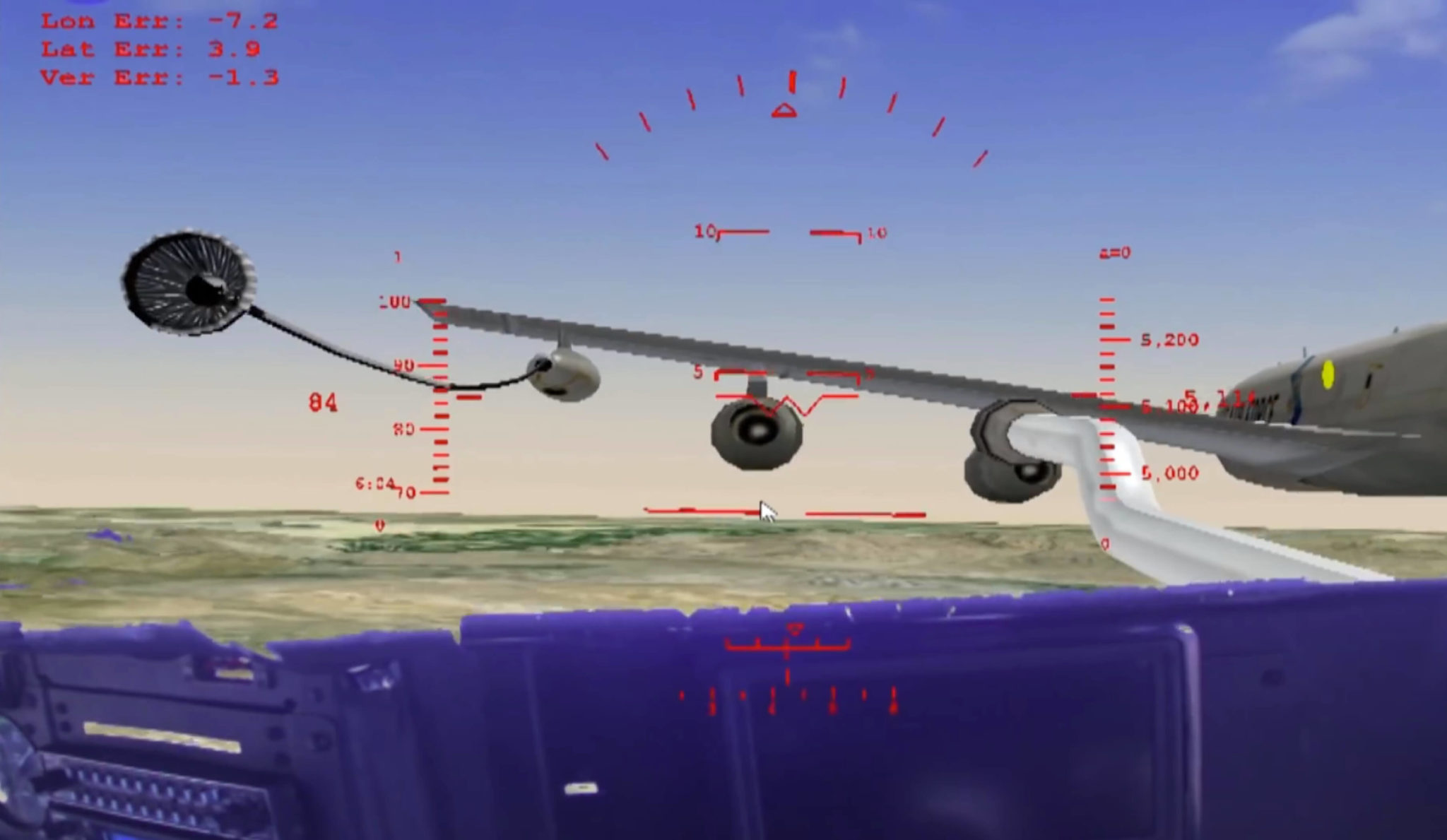
The pilots view the actual world around them, plus the computer generated elements that are in place to provide challenges in flight so that the pilot can practice complicated exercises, such as runway landing at altitude, formation flying, and tracking an aerial refueling drogue, without interfering with the regular operations of the aircraft.

“I’m seeing the real world through my camera, so I’m seeing mountains and clouds and the aircraft control panel, but I’m flying formation with a virtual tanker,” says pilot Scott Howe, describing a simulated formation flight with KC-135 tanker. “I was just trying to keep station with that tanker and practice aerial refueling with the [Fused Reality] system.”

Fused Reality will have a lot of applications on launching, right from testing new aircrafts by test pilots, to astronaut training and carrier landing practice.

“Fused Reality allows all pilots to learn how to fly difficult and dangerous tasks such as aerial refueling, aircraft carrier landing, formation flight and aerial firefighting, which are usually taught in a ground based flight simulator, by putting the simulator in flight in the actual aircraft,” says Armstrong project manager Bruce Cogan. “Virtual images of runways, aircraft carriers, and tanker aircraft are presented to the pilot in a helmet mounted display that reacts with the actual dynamics of the aircraft being flown.”

fused reality

After having undergone two testing phases in 2012 and 2014, it will undergone the next round at Air Force Test Pilot School’s Test Management Program.

[adinserter block=”7″]

Author: Technology Blog
Understanding HIV Pathways May Lead to Cure Breakthrough

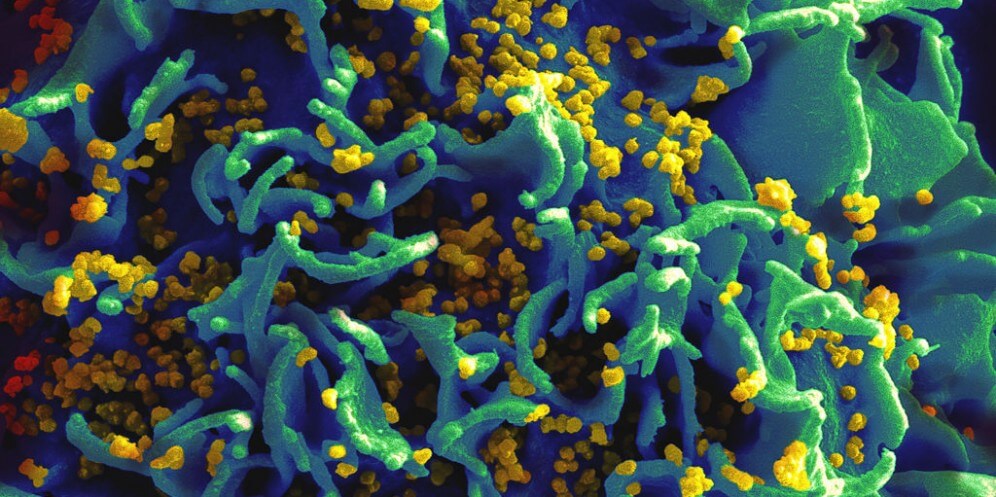
Science has come a long way in knowing HIV- how it functions, the cells it invades, its symptoms and stages. But one thing we didn’t know right up until some time ago was how they spread. Scientists had never actually been able to see the virus spread inside the body. Thus a group of researchers from Yale University are looking into the spread of HIV in mouse lymph nodes for clues for what to target in HIV cure treatments.

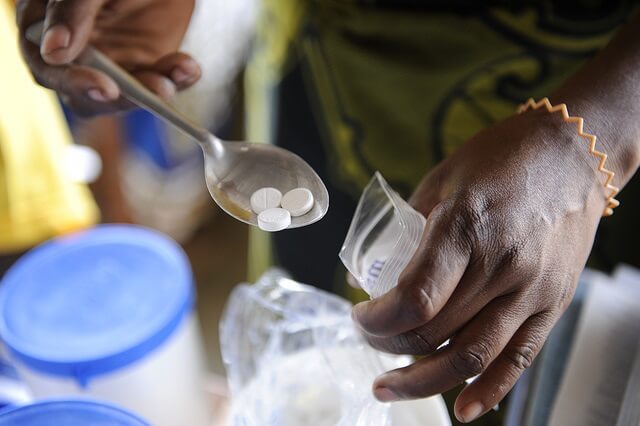
Maria Machibya, HIV Positive HIV/AIDS Counsellor trained through projects sponsored by the Millennium VIllages Project, Mbola, Tanzania.

Our knowledge of HIV was limited to this: it enters the body and starts off by killing T cells which are key to the immunity system of the body. Via the T cells, they invade the lymph nodes of the body and drastically weaken the immune system as the time goes by.

In the study conducted, the HIV movement was tracked within the body of the mouse using fluorescent markers. They used a special imaging technique called two photon laser scanning microscopy that allowed them to see about one millimeter deep into the infected body. The researchers observed under high resolution how HIV first binds to the macrophages (white blood cell found in the lymph nodes and thought to be the immune system’s first step in launching a defensive response). After which the HIV binds of B cells, another kind of white blood cell unique to the lymph tissue.

Now B cells are involved in the transport between inner and outer parts of the lymph nodes. More importantly, they are involved in antibody production. Once the HIV bind to them, the B cells move much slower and are not able to produce T cells of fight off the HIV. The HIV now freely spreads throughout the body.

original

With these findings, the researchers hypothesise that the best way to stop the vicious cycle of HIV is to stop them from binding to the macrophages in the first place.

[adinserter block=”7″]

Author: Technology Blog
Verified by ExactMetrics