For pilot’s training, the learner cannot be proficient and confident enough to take hundreds of passengers several miles above the ground if they have not practised the real deal before. The training has to avoid unnecessary risks and costs while providing the pilot with real-life simulations and conditions. But let’s face- however realistic the training, the difficult maneuvers like aerial-refueling, could always do with a bit more practice. Thus NASA is looking into developing Fused Reality, a technology which uses a special headset that combines real flying in a real aircraft with an overlaid simulation.
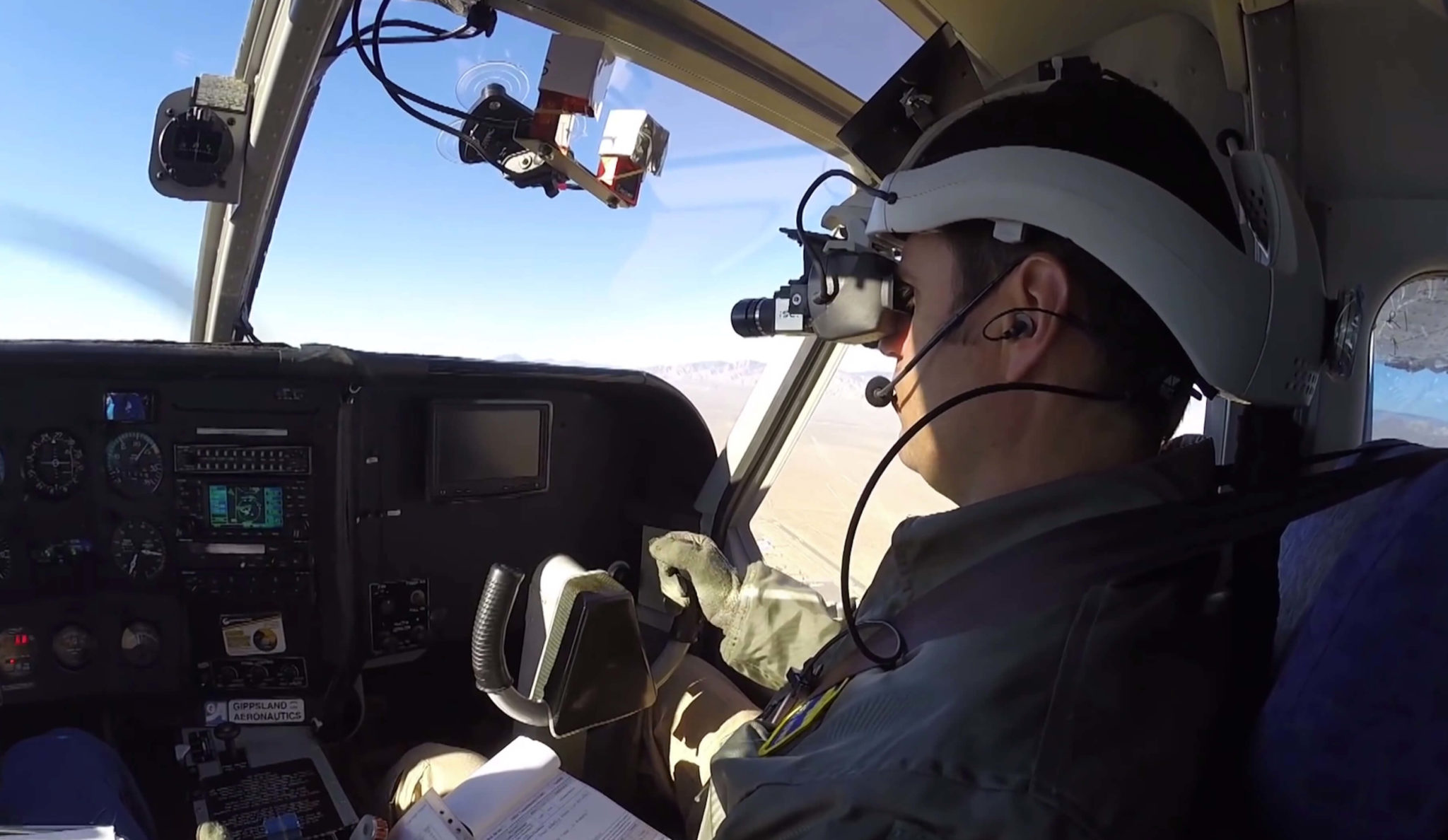 The invention of Fused Reality started in 2003 by Ed Bachelder, the technical director at Systems Technology, Inc of Hawthorne, California. The systems works like augmented reality glasses like Google Glass or digital pilot goggles by combining the real-world with interactive computer graphics inside the viewer of the headset.
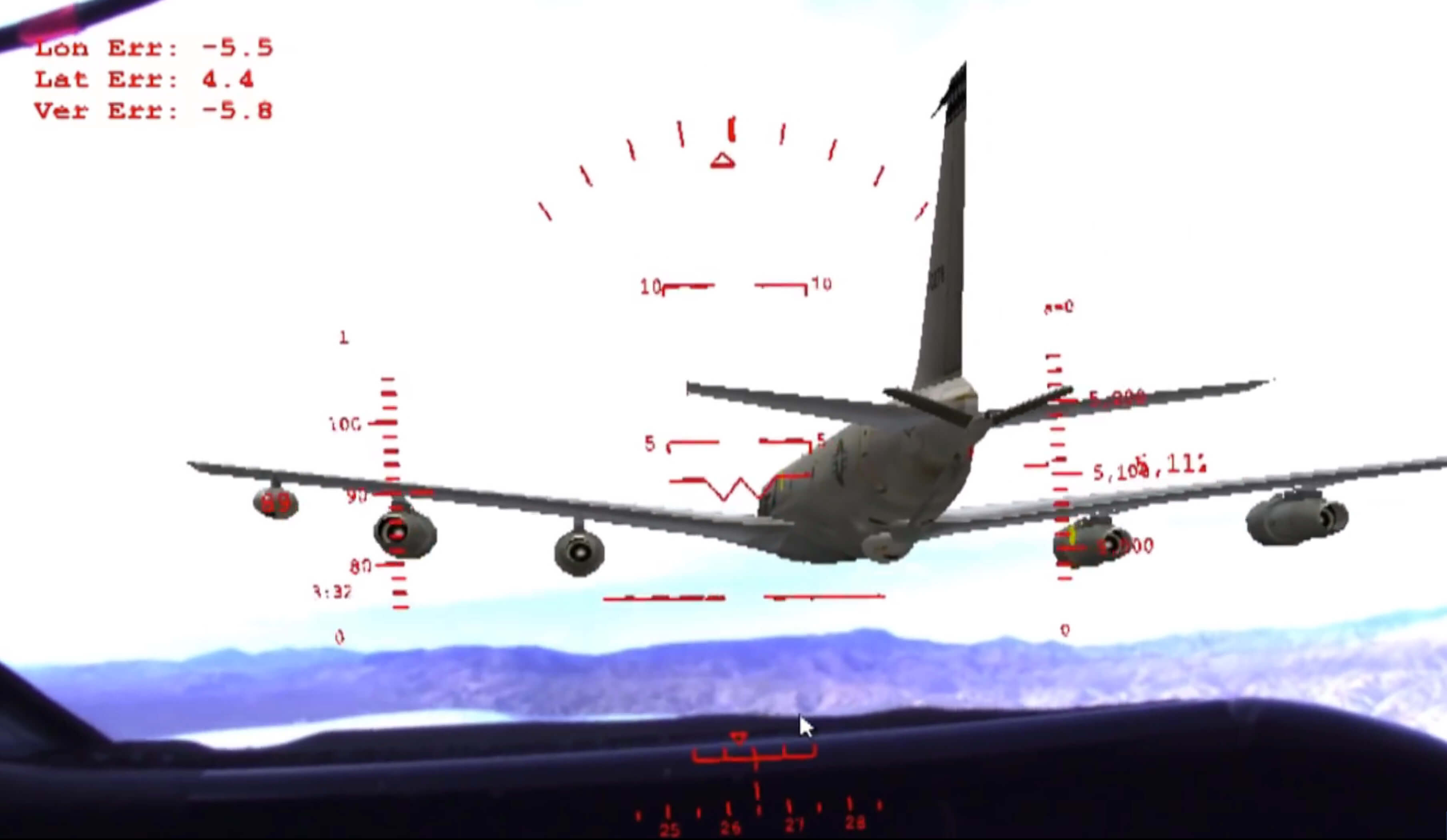
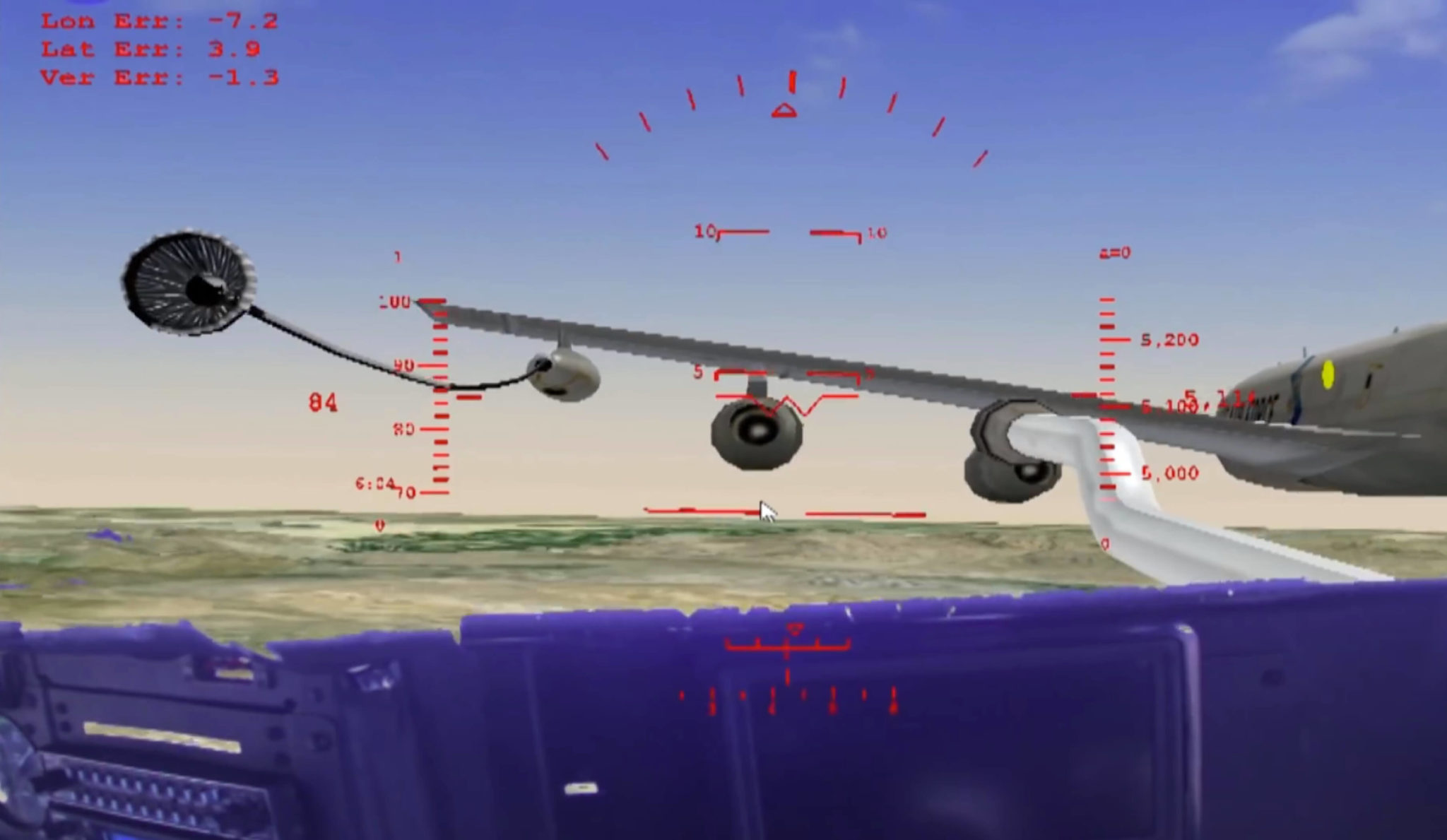
The pilots view the actual world around them, plus the computer generated elements that are in place to provide challenges in flight so that the pilot can practice complicated exercises, such as runway landing at altitude, formation flying, and tracking an aerial refueling drogue, without interfering with the regular operations of the aircraft.
“I’m seeing the real world through my camera, so I’m seeing mountains and clouds and the aircraft control panel, but I’m flying formation with a virtual tanker,” says pilot Scott Howe, describing a simulated formation flight with KC-135 tanker. “I was just trying to keep station with that tanker and practice aerial refueling with the [Fused Reality] system.”
Fused Reality will have a lot of applications on launching, right from testing new aircrafts by test pilots, to astronaut training and carrier landing practice.
“Fused Reality allows all pilots to learn how to fly difficult and dangerous tasks such as aerial refueling, aircraft carrier landing, formation flight and aerial firefighting, which are usually taught in a ground based flight simulator, by putting the simulator in flight in the actual aircraft,” says Armstrong project manager Bruce Cogan. “Virtual images of runways, aircraft carriers, and tanker aircraft are presented to the pilot in a helmet mounted display that reacts with the actual dynamics of the aircraft being flown.”
After having undergone two testing phases in 2012 and 2014, it will undergone the next round at Air Force Test Pilot School’s Test Management Program.
[adinserter block=”7″]
Author: Technology Blog