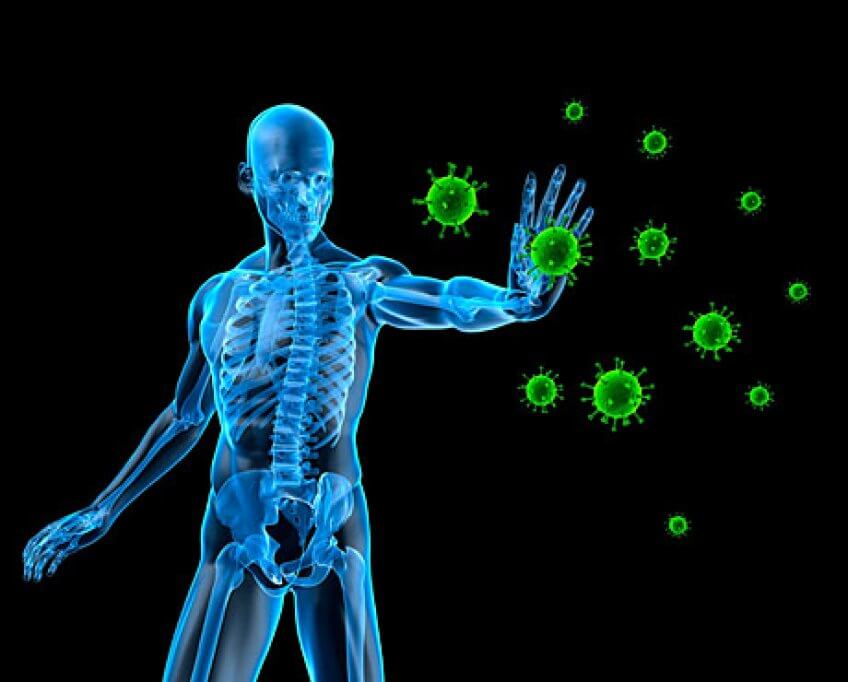
Immunity is the key to good health. We keep reading and listening and watching about enhancing our immunity. Eat this…. and strengthen your immunity. Drink that and strengthen your immunity. Do this and do that! But imagine what would become of us if we did not have an immune system at all? Because it is working round the clock, we are working as healthy beings. But how exactly does it work?

A team of researchers has discovered that the immune system works with the help of a protein. The immune system uses this protein to tag pathogens that other cells later destroy. To understand how the immune system works we should also know how pathogens attack. When pathogens invade any living body, they creep into the host cells and cloak themselves in the cells’ plasma membrane (as a disguise).
In the study, the researchers tested the pathogens that cause chlamydia and toxoplasmosis, looking for the proteins that would act as terminator for the pathogens. The researchers coated them with cytokines, which puts the immune system on alert.
Then, using a special red dye, they identified the tiny protein they were looking for (this protein was found to be ubiquitin), ringing the outside of the cell membrane. The researchers also discovered that particular strong strains of these pathogens contain additional cloaking measures so that they can avoid being tagged with the ubiquitin.

After identifying this super-useful protein, the researchers now want to concentrate on finding and understanding those pathogens that easily sneak past the barrier of our immune system. Another direction in which they want to move ahead is finding reason for the immune system’s tendency to sometime attack its own cells (in allergic reactions or autoimmune diseases). If they could find answers to both these questions, millions of patients will be able to stay clear of many diseases.
[adinserter block=”7″]
Author: Technology Blog