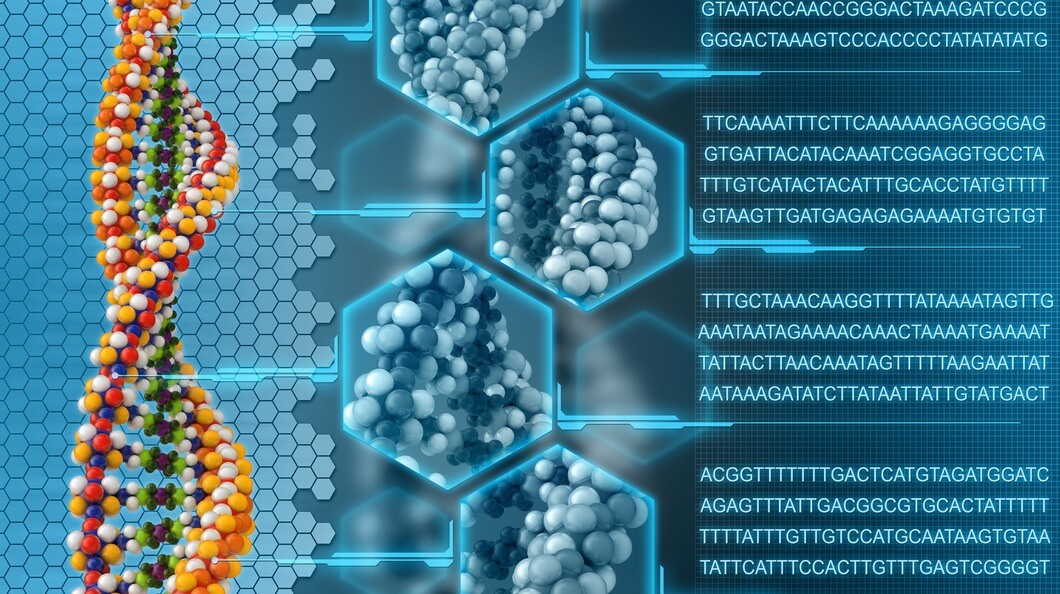
Whole human genome sequencing is one of the most specialised techniques to detect rare genetic disorders in infants who are in critical need of urgent diagnosis. Infancy makes it difficult for the physicians to decide on an ailment as the symptoms are subtle and the babies cry anyway.
“In some babies, we have minutes or hours. If a baby’s blood sugar is low, basically you are counting the number of minutes without sugar,” said Stephen Kingsmore, the lead author of the study and the researcher who led the development of the technique, “In those cases, any delays can result in disease complications.”
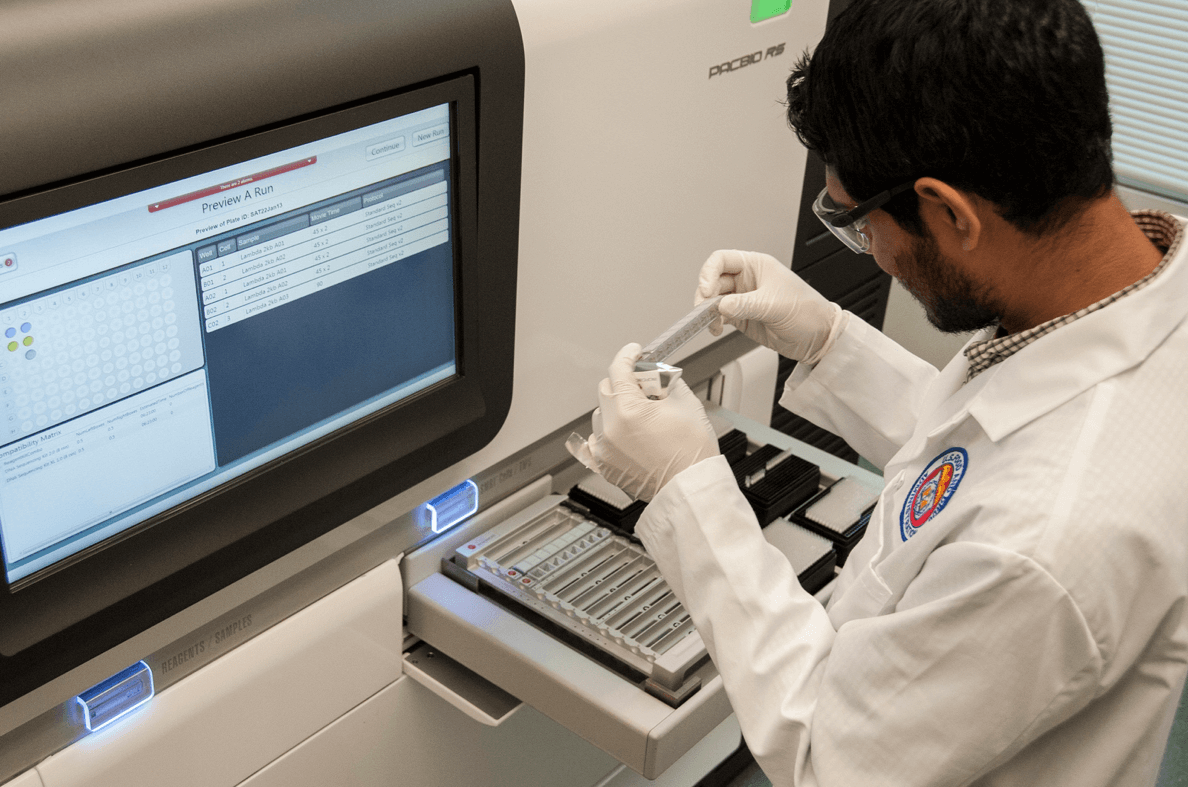
The fastest human genome sequencing till date took up to 50 hours until now. Researchers at Children’s Mercy Hospital in Kansas City, MO, and the biotech company Edico Genome–the same group that developed the original 50-hour test–have managed to cut that time almost in half by using a new device that accomplishes whole genome sequencing in 26 hours.
Based on the genomic data of infants who were previously treated via the 50-hour sequencing technique, the team studied 35 infants below the age of four months who were critically ill, and this technique proved effective 57% of the time. The 26 hour technique proves more efficient in all regards, including cost, productivity and ease of implementation.
In order to significantly reduce the amount of time taken to complete from 22.5 hours to 41 minutes, the researchers engineered an entire hardware system called DRAGEN, whose sole function is genome sequencing. “It’s a processor that is developed specifically for genomic analysis, and is something that makes it significantly better than any software based solution,” said Pieter van Rooyen, the CEO of Edico Genome. Another software program- VIKING, translates the complex genomic data into clinical information that any pediatrician, neonatologist, or other doctor who hasn’t had specialized training in reading genomic data can use, saving another three hours.
“At the end of the day, we have to deliver the information to generalist physicians in a way that they can grab it and use it,” Kingsmore said.
Further, the address readability is hoped to be simplified by incorporating artificial intelligence into the system for quicker interpretation and analysis of the results to increase the proactivity of the doctors and reduce their reaction time.
[adinserter block=”7″]
Author: Technology Blog