New Ion engine to make journey to the Mars more fuel-efficient

Do you know what ion-engines are and how they work? These engines are basically low-thrust propulsion systems with a long run time and because of this long runtime these are the best engines for spacecraft flight. These engines generate thrust by ionizing a propellant gas and then accelerating that gas through the engine using an electrostatic or electromagnetic field. There are a variety of ion engines that use different ionizing materials and different propulsion systems.

maxresdefault

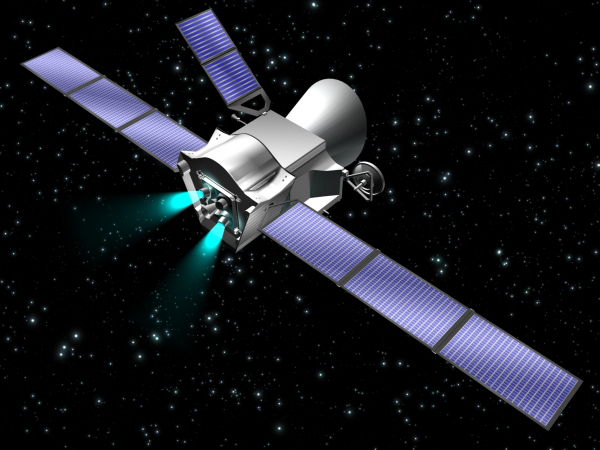
Now a researcher from University of Sydney Dr. Patrick Neumann, claims to have created the world’s most efficient ion engine. Up until now, it was NASA’s HiPEP engine that held the record for ion drive performance. Dr. Neumann created the engine as part of his PhD thesis and is using the invention to form the basis of his new company Neumann Space. The Neumann drive uses a solid propellant and an electrical arc to vaporize the propellant into a cloud of ions, electrons and neutral vapor. This mixture is accelerated through an anode ring and then focused using a magnetic field. This combination pushes the gas mixture out in a contiguous pattern of short and light bursts.

Neumann drive is also advantageous in some respects when compared to other drives. It is simple in design hence easy to operate and repair. It can be powered by several different commonly found metallic substrates like Magnesium. This multi-fuel capability is in contrast to the NASA’s drive that uses Xenon gas to run. When it comes to thrust, NASA’s HiPEP certainly leads with 30 to 40 µN/W as opposed to Neumann’s 20 µN/W. But when it comes to specific impulse, the Hall thruster provides 9,600 (+/- 200) seconds of specific impulse while the Neumann drive is calculated at 14,690 (+/- 2000) seconds. This means Neumann’s drive uses fuel more efficiently and thus can fly longer than its NASA counterpart. This implies a possibility to reach Mars and then return on a single tank of fuel.
bebicolumbo

Neumann’s new company Neumannn Space has been granted a provisional patent for this technology and Neumann plans to improve this technology further. He will also be representing his research during the 15th Australian Space Research Conference, which will be held on 30th September at the Australian Defence Force Academey.

[adinserter block=”7″]

Author: Technology Blog
SMRT Mouth Notifies Coach When the Players are Dehydrated

Proper hydration is important for all of us. But in a body trained to exert itself all day long, hydration becomes a matter of life and death. This SMRT mouthguard has multitasked its way into being the indispensable need of sportspersons today.

guard25n-3-web

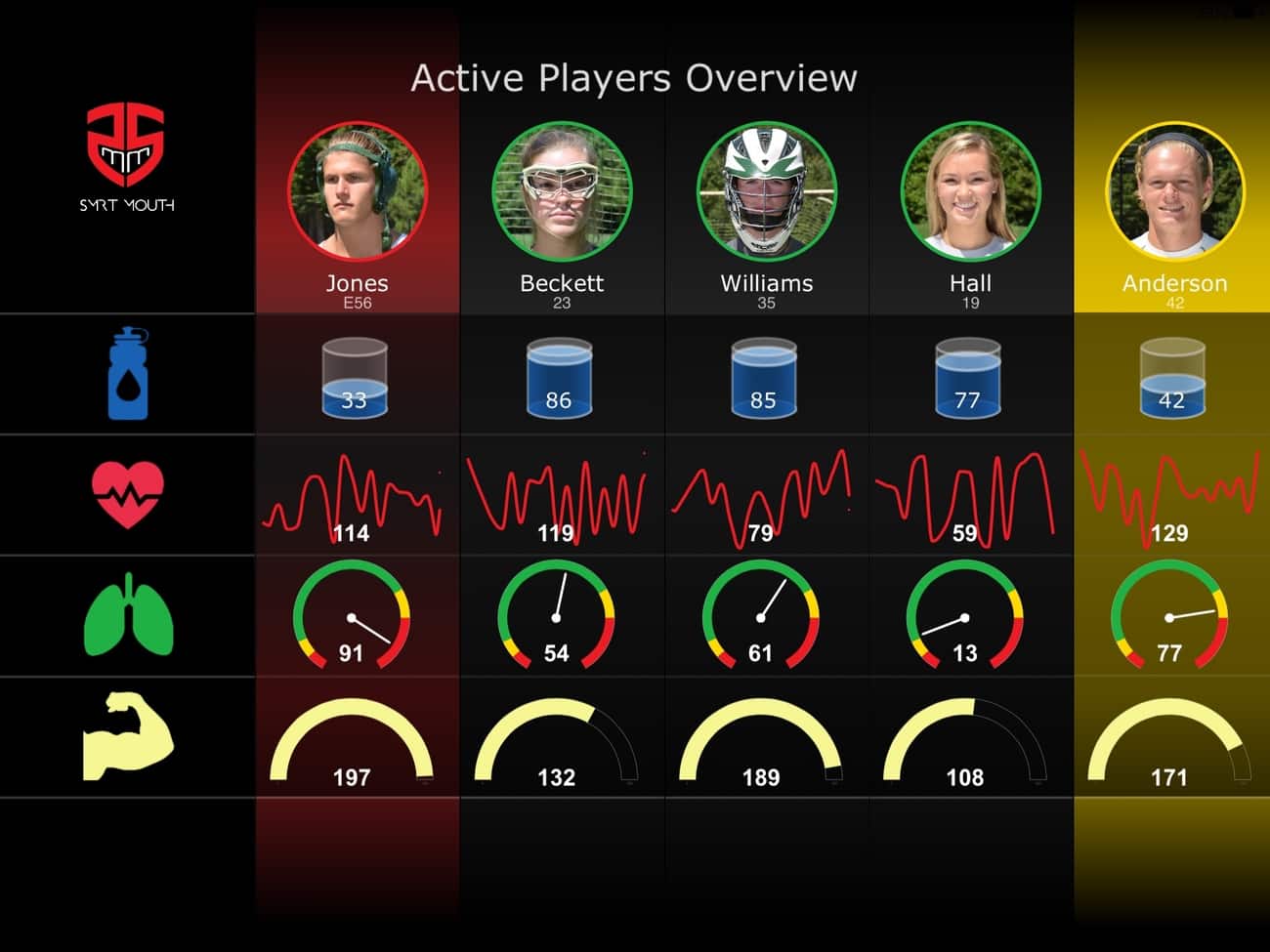
This SMRT mouthguard protects the mouth and also keeps track of the player’s hydration levels. When it gets lower than a prerecorded value which is deemed risky for the human body, the mouthguard sends a message to the coach via its Bluetooth module. The coach can then easily call the player out to rest and rehydrate.

The SMRT (Sports Monitoring Responsive Technology) works by regulating the osmolarity levels (the number of dissolved particles per unit of water in serum) in the saliva of the player’s mouths. When the osmolarity becomes high, it is indicator of less water levels. That is when the signal to send message is activated.

ju5htyooqeybsz8vub7r

What gives this product its all-round status is the fact that it additionally hosts a heart-rate monitor and an accelerometer, allowing it to also track pulse and exertion. Thus athletes are completely taken care off with the SMRT mouthguard which is yours for a pledge of $99 in an Indiegogo campaign.

[adinserter block=”7″]

Author: Technology Blog
How would earth food taste on other planets?

The day we came to know that we are not alone in this universe and there are many more planets around us, we human beings started running our minds in all the directions to understand the planets that are not our home. In a quest to understand these celestial beings, we have questioned the pre-established notions and have also broken many myths. With the advent of Mars One mission, many more new questions have raised their heads. And we being absolute foodies, the most important one is- how will our familiar flavours taste on planets other than the Earth?

tentacle1

According to Anna-Lisa Paul, researcher at the University of Florida; a different planet’s conditions with respect to the wavelength of available light, the composition of the soil, the gravitational pull and the atmospheric pressure would affect the taste of food eaten there. For example, the colour of sunlight on an alien planet can change a plant’s flavour as wavelengths of red, blue and even green light are crucial to photosynthesis and plant development and according to Paul: “But the balance of those wavelengths and their intensity can have a big effect on the composition of its ‘secondary compounds,’ chemicals that contribute to taste and color, among other things.” So a plant grown on a planet that revolved around a star that is predominated in the red wavelengths, would taste different and look different than the same one grown under our sun.

The taste of the fruits and vegetables also depends on the soil they are grown in. Even on earth, same vegetable grown in different kinds of soils has different flavours based on the mineral composition of the soils. When Paul tried growing plants in soil similar to Mars soil, she found that concentration of certain chemicals in the leaves changed which in turn can affect the flavour. Considering the Mars One, the focus presently has to be on foods that are needed for energy and not for luxury. So fruits and vegetables would be the first in line.

c3d51b224cfa3a7a183aa33a36ded159

Let’s take a look at how some of our favourite foods will taste on different planets:

Champagne: We have the best in the universe!

A beverage that is packed under pressure and involves bubbles can taste different at different planets based on their atmospheric pressures. Take for instance the beloved champagne. If a planet had no atmosphere, the champagne would boil immediately and all the carbon dioxide and a lot of volatiles would be left. If the pressure was lower, bubbles would appear much more quickly but this would reduce their efficiency at carrying flavour molecules from the drink into the air. If the pressure was higher than that of earth, the bubble formation will be very slow making many complex molecules stick to the bubbles and move upwards making the taste richer. And if the pressure on the alien planet will be higher than the earth, there won’t be any pop and no bubbles at all. Considering all the scenarios, champagne tastes best on our own planet Mother Earth.

[adinserter block=”7″]  

Next Page For More

Brain signals re-routed to help a paraplegic man walk on his own legs

How would you feel if you couldn’t walk on your own legs or couldn’t use your hands to do your regular chores? Extremely depressed, won’t you? The ability to use our limbs is a blessing from the almighty and those who lose it know how difficult it is. Wouldn’t it be great if something or somebody could pull these people out of their misery? Researchers from the University of California at Irvine are trying to do just that.

paralyzed-patient-walks-using-brain-waves-670

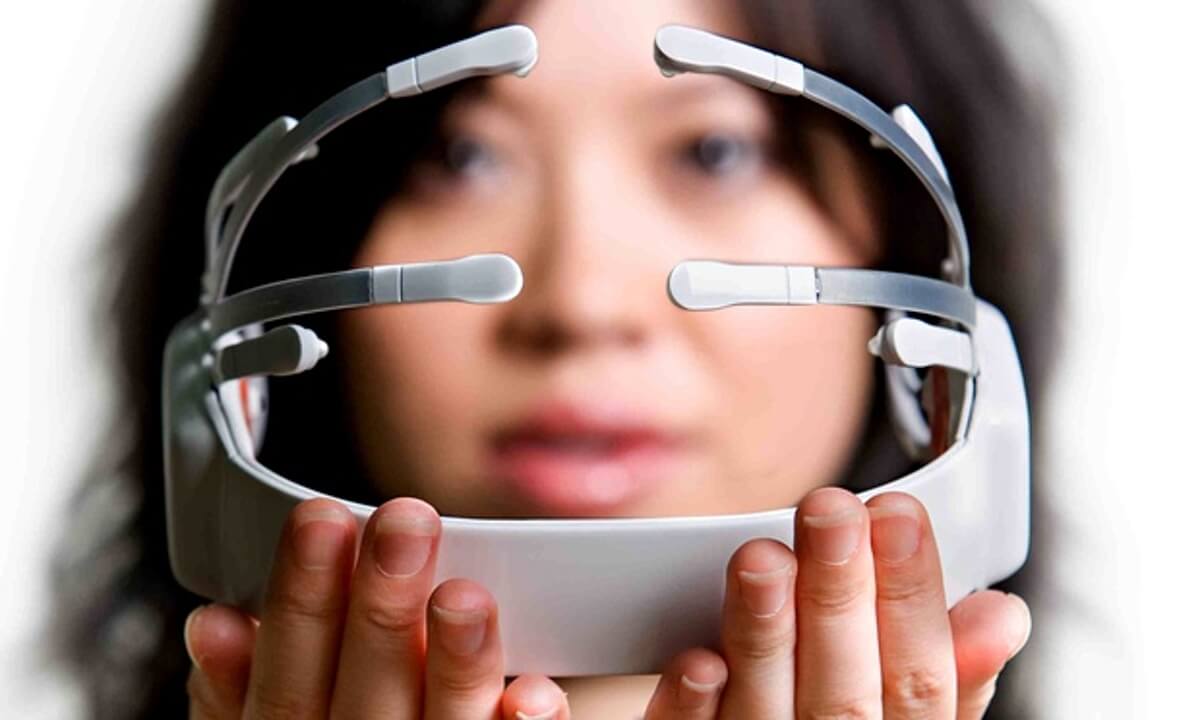
They have developed a system that captures brain waves using an electroencephalogram (EEG) electrode cap, sending them wirelessly to a computer. There, a series of algorithms process the data to work out if the wearer wishes to stand still or walk, before beaming commands to a micro-controller which in turn sends impulses to nerves that then move muscles in the legs.

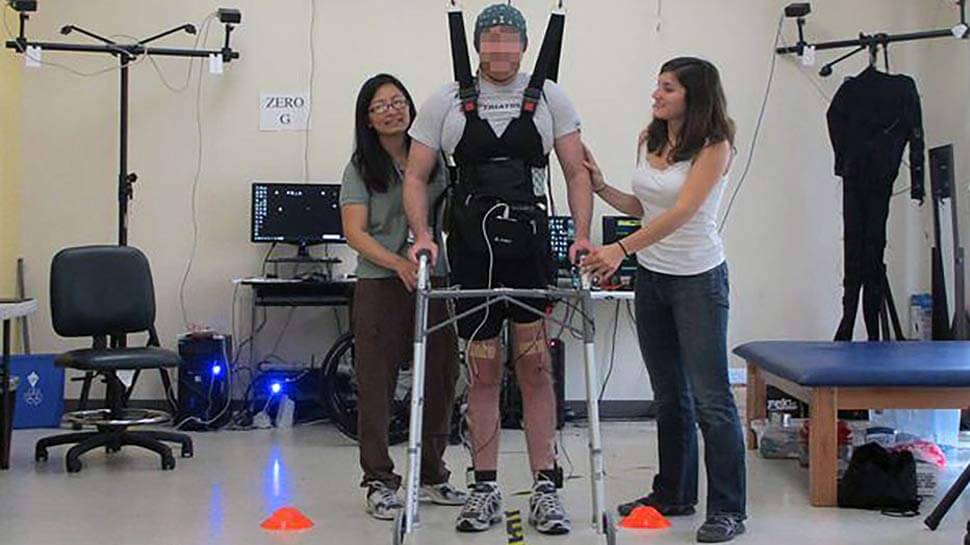
The team used this system to re-route the signals from a paraplegic man’s brain to his knees, allowing him to walk using his own legs for the first time in five years. The man is a 26-year old, whose spinal cord was severed five years ago because of an accident and it left him wheelchair-bound ever since. During the build-up to the experiments, he was given training for twenty weeks for improving muscle tone in his legs and making him learn how to create the right brain signals to trigger the device. The man was able to walk a 3.5-metre course on his own legs, using a walking frame and harness to stop himself from falling over.

The experiment does show that it is indeed possible to re-route brain signals around an area of damage using just electronics. But the researchers do accept that the possibility of using this system on wider number of people can only be assessed after many more successful trials as this. It is to be noted that during this experiment, while the patient managed to walk 3.5 metres, the computer occasionally faltered owing to the fact that the brain signals required to aid balance can become confused with those which stimulate the walking motion.

para-header

So in the long term, the team thinks that in the foreseeable future, they plan to use a fully implantable brain-computer interface system in place of the present cumbersome one. Though the time hasn’t yet arrived when the system will make people to walk on their own legs, the hope still lingers strongly in the air.

[adinserter block=”7″]

Author: Technology Blog

Technology Vista: Major News in Picture

Collection of the most popular Technology News during September 2015.

Follow Us:
Facebook: https://www.facebook.com/technologicallyyours
Twitter: @techblog235
Instagram: http://instagram.com/technologyvista
Google:http://www.google.com/+technologyvista
YouTube: https://www.youtube.com/channel/UCFixnsj09GeeUA4vEKzuQbA
Pinterest: http://www.pinterest.com/technologyblog2
LinkedIn: https://www.linkedin.com/company/technology-vista

width="616" height="616" allowfullscreen="allowfullscreen">

Author: Technology Blog

Phantom Digital Human Female Made From 5000 Slices of a Real One

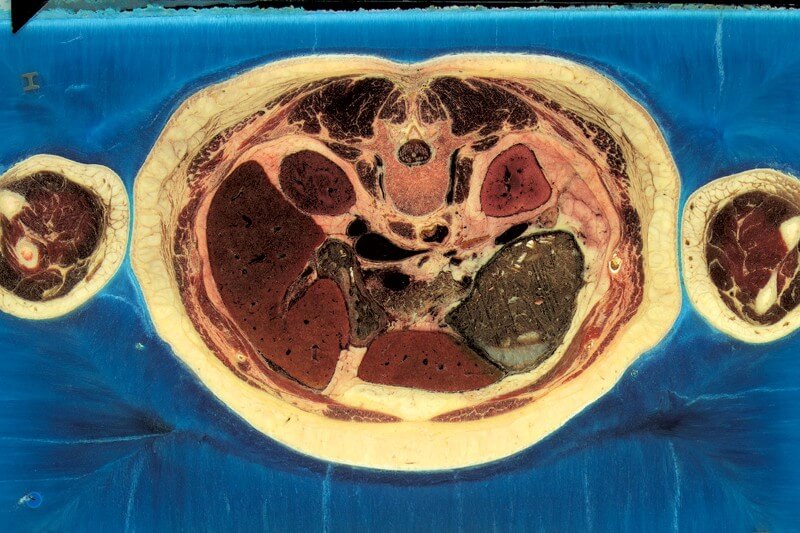
The “human phantom” has been created and posted online where anyone can conduct experiments on it from their laptops. But the story behind its creation is one worth telling. This highly detailed digital human was made from slicing up a real woman every one-third of a millimeter up to a 5000 slices.

00-bio-hacks-augment-humans-and-plants-670

The identity of the real women is mostly a mystery, and best remained so under the circumstances. All we know she that she lived up to an age of 59 in Maryland and suffered from obesity and her husband has kindly donated her body to the Visible Human Project, set up by the US National Library of Medicine in Bethesda, Maryland.

There have been created “phantom humans” in both male and female forms, although the male was cut at each millimeter and was finished years ago. Researchers seem to be more interested in the female digital model as it is of higher resolution and helps study diseases affecting women, such as it could help to improve breast cancer screening to give more reliable mammogram results.

The effect of long-term cellphone use on the brain is also being studied, and assessment of the safety of a brain stimulation technique called transcranial direct current stimulation (tDCS) is being tested, which is being developed as a possible treatment for a range of conditions, including depression, dementia, schizophrenia and chronic pain. “We have a pretty good model of the brain, encased in a shell of cerebrospinal fluid,” says Sergey Makarov from the Worcester Polytechnic Institute in Massachusetts.

The Maryland woman’s obesity makes her particularly relevant, Makarov says, given the high levels of obesity in many countries today. But because the phantom is fully digital, the researchers have also been able to create two thinner versions, with less skin and fat.

“The phantom gives us a great opportunity to study human tissues without having to do human studies, which are lengthy and expensive,” says Ara Nazarian, an orthopedic surgeon at Harvard Medical School who is collaborating with Makarov.

“Sectioned colour images allow you to distinguish virtually all the anatomical structures we are made of,” says Silvia Farcito at the Foundation for Research on Information Technologies in Society, based in Zurich, Switzerland.

“They have ten times as much information as you’d get from an MRI scan,” says Fernando Bello, who develops simulations for medical procedures at Imperial College London. “It means the team will have much more information about organs and their structuring.”

mg22730404.000-1_800

The former phantoms from MRI and CT scans are of living volunteers, but the resolution is poor, plus, any small movement blurs up the image of an already lengthy tiring scan. Most importantly, the existing scans are mostly colourless and colours are imperial to understanding tissues.

[adinserter block=”7″]

Author: Technology Blog

Trinity Portable Wind Turbines runs in both vertical or horizontal mode

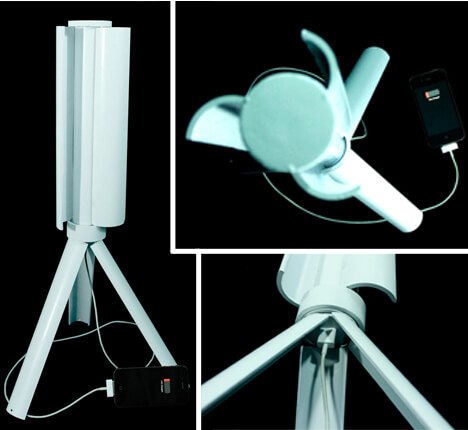
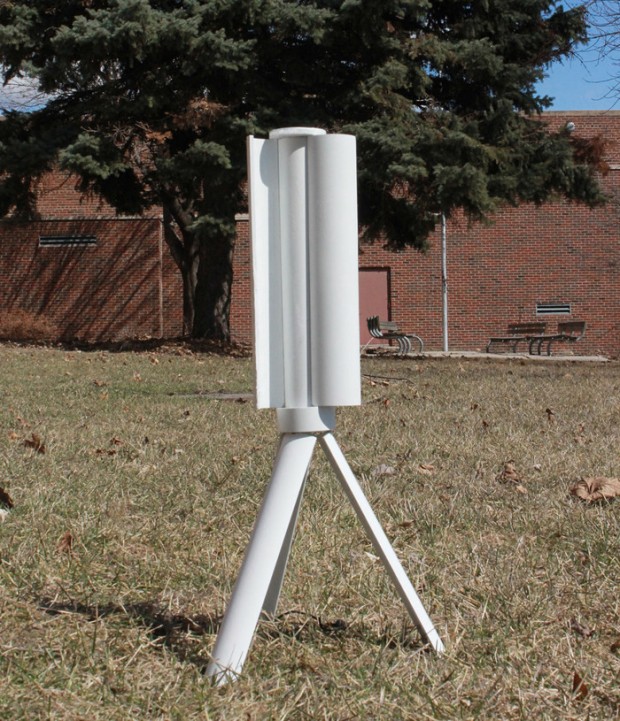
From the success of 12-inch (30 cm) cylindrical vertical axis (Savonius) type Trinity wind turbine in 2014, Janulus has returned with updated versions of the same in four different sizes, making it more portable, and with switches between horizontal and vertical axis form factors.

portable-turbine-wind-charger

While the Trinity 50 wind turbine included an internal 15-watt generator with USB ports and would generate enough power in one hour from a 10 mph (16 km/h) breeze to charge a cell phone, the update gets even better with a convert into a three-blade, horizontal type wind turbine with 50-watt generation that sits alongside three new additions – the Trinity 400, 1000 and 2500, each with larger sizes and increasing levels of power generation with the advanced convert feature.

To the question of portability efficiency, the largest The Trinity 2500, folded up in its cylinder tube carrying case, fits easily in the trunk of an electric car. Standing at 39 inches (100 cm) without its 40-inch tripod stand unfolded, the unit weighs 42 pounds (19 kg) and comes with a 2,500-watt generator that charges a 300,000-mAh lithium-ion battery pack. According to Agust Agustsson, vice president of Janulus, the Trinity 2500, “generates and stores power to run small appliances or to charge your home, electric car and laptop, phone or other gadget.”

The Trinity turbines also share low-cost and practically no set-up requirements and is basically just plug and play. “We come from a country that is completely run on renewable energy,” said Agustsson of his native Iceland. “After spending a few years in the USA we witnessed both the high cost of electricity and the harmful effects of the carbon fuels used to create it. We built our first wind turbine to lower the energy bill and that was the beginning of the development process of the Trinity. We wanted to design a portable product that gave people easy access to sustainable energy.”

In Midwest of the U.S., with its long, cloudy winters and higher than average wind speeds, the minimum speed for the Trinity to work is 4 mph (6.5 km/h) and the settings are converted on vertical once speeds reach 25 mph (40 km/h).

This Trinity turbine comes with a smartphone app to inform the user about the battery levels and to switch the blade settings at will, and also reports about the historical data of wind and energy and electricity generated.

trinity-portable-wind-turbine-620x721

Pledge levels range from US$399 for the Trinity 50, to $5,999 for the Trinity 2500 in the plan to begin shipping by Agustsson by the end of 2016.

[adinserter block=”7″]

Author: Technology Blog

BrainNet: Geographically Separated Brains Linked

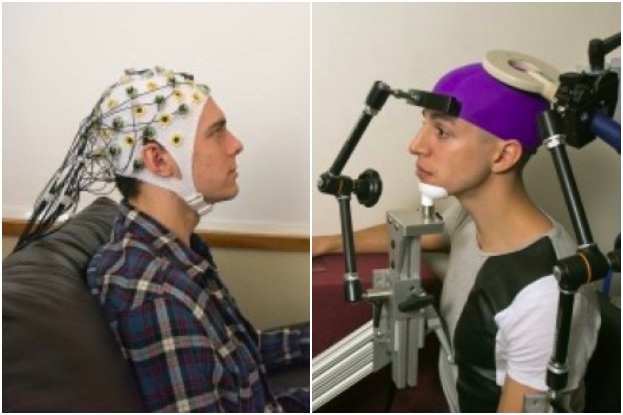
A subject wearing a cap working on an electroencephalography machine (EEG) and another subject located far away wearing a cap working on transcranial magnetic stimulation (TMG) connected together in the transfer of brain signals from the first subject to the second, namely the answerer to the asker, are the big step over the 2014 success of transmitting the brain pattern of hand movement to another person’s brain, causing the second person’s hand to move.

BrainScanPic

The answerer is shown a picture on the screen to be identified. The asker, on the other hand, is shown a screen with a 20 Questions style to pick what the former answered and has been sent to her as brain signals over the internet. There are two “Yes” and “No” flashing LED lights of different frequencies on either side of the screen. What is even more intriguing is that the asker tells “Yes” or “No” for the signal received by staring at either one of the lights.

Chantel Prat, a psychologist at the University of Washington and a co-author on the paper, explains that the computer can distinguish what light is looked at because different frequencies of light trigger different brain patterns in response.
If the answer transferred is yes, the magnetic coil in the asker’s cap, emits a visual cortex stimulating pulse. A phosphene is thus triggered from the stimulation pulse which can look like a flash of light, a blob, a blur, or a wavy line. In turn, if the answer is a no, the coil gives out the same sounds and sensations, but not a pulse strong enough to cause a phosphene. The asker notes the occurrence of the phosphene flash if any, and then moves onto the next.

This guessing game proved accurate 72 percent of the time. Cheating was counter checked by introducing certain instances where the participants thought they were communicating but no data was being sent. !8 percent results are correct at those times.
But as the scientists try to progress the level of communication among the subjects, there are many people who continue to express their scepticism on the matter. “People get nervous that others could read their thoughts without them being aware,” said Prat. “It’s not possible that someone could be doing this to you without you knowing about it and consenting to it.”

There are many things to be taken care of before this study can advance. Not to mention, the equipment is bulky and twitchy to the point that even a quarter inch away from the asker’s skull nullified the effect.

Brainconnection_web_1024

The nest approach to this study would be to conduct an experiment between high-achievers and strugglers to see if a better concentrating brain could signal and guide another towards improved learning and attentiveness.

[adinserter block=”7″]

Author: Technology Blog
Photons take place of electrons to change the face of computing

Ever heard about Von Neumann bottle-neck? It is actually a phenomena in which the speed with which electrons can be sent down the interconnects, between memory and processor are slower than the speeds at which faster silicon can eat through the information. So in a nutshell, electrons are quick, but they are not quick enough. Infact they are so slow that they are actually holding back the speed of modern computing.

memory-chip

It has been noticed that the clock speeds of chips haven’t really increased so instead of accommodating more in one place, our computers now come equipped with multi-core processors, marking out tasks to be completed on separate chips. The reason for this is the inability to transmit data between memory and chip and that too keeping up with higher clock speeds. Considering all these things, a team has developed the world’s first ever light-based memory chip that can store data permanently, and it could help change the face of computing.
It is based on the concept that if the electrons could be swapped with photons and the electrical interconnects could be replaced with something optical, information could be sent between memory and processor at the speed of light. Then, there would be no trouble in transmission keeping up with the speed of computation. Scientists have tried to create this kind of photonic memory before, but it’s always required power to store data. When the power was turned off, the data was lost.
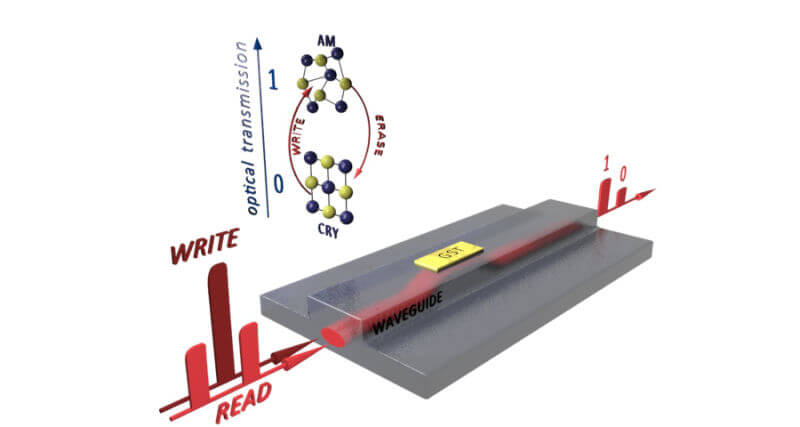
Considering all these aspects, the new kind of memory, developed by researchers from the Universities of Oxford and Exeter in the UK and the University of Munster and KIT in Germany, uses what’s known as a phase-change material as the basis of its storage. It uses an alloy of germanium-antimony-tellurium known as GST —the same material that’s used in rewritable CDs and DVDs. This substance is advantageous in the way that it can be forced to assume an amorphous state, like glass, or a crystalline state, like a metal, by using either electrical or optical pulses. And according to Harish Bhaskaran, from the University of Oxford’s Department of Materials, “These two states have very different physical and properties, and that means you can store information in the state of the material.”
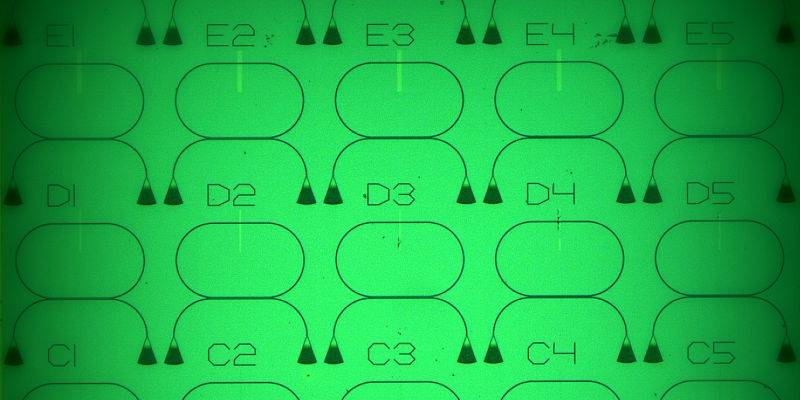
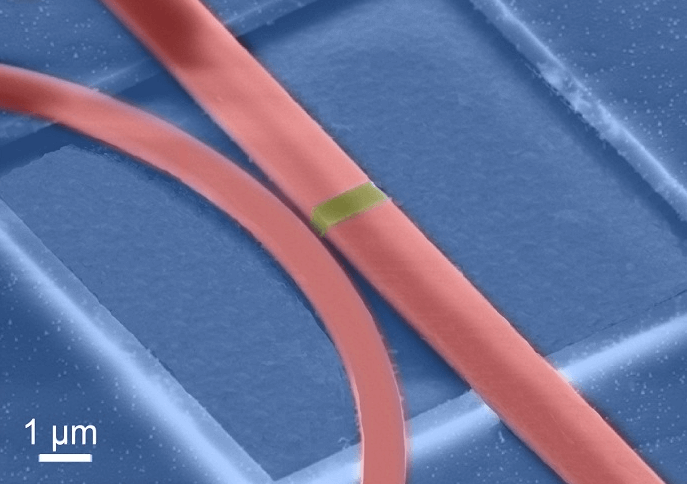
Bhaskaran and his team managed to build the device in which a one micron piece of GST sits on top of a silicon nitride ridge, known as a waveguide that acts a miniature fibre optic cable that can carry light. When the team fires high intensity pulses of light down the waveguide, they can change the state of the GST. A very intense pulse can be used to momentarily melt and quickly cool the GST, causing it to assume an amorphous (glass-like) structure. By sending a slightly lower intensity pulse down the waveguide, the team can raise the temperature above the crystallization point but below the melting point, which puts it into a crystalline state. But the twist in the story is: when a light with a much lower intensity is sent through the waveguide, a little of light seeps out into the GST. Depending on what state the GST happens to assume, a little more or a little less light is transmitted from one end of the waveguide to the other. The team can measure the differences with incredible accuracy, which allows them to tell if the GST is crystalline or amorphous. By writing with strong pulses and reading with weak pulses, the researchers can easily replicate the 1s or 0s you’d find in normal memory. And the best part is, unlike the previous optical memory, the new device holds on to what’s written on it, with or without power.
The team was also able to show that it was possible to send different wavelengths of light through the waveguide at a given point of time. Theoretically this means, that the team can read and write to thousands of bits at the same time, providing infinite bandwidth.
There is another surprise element associated with the device. The team has found that different intensities of strong pulses can actually be used to create different mixtures of amorphous and crystalline structure within the GST — making it 10 percent amorphous and 90 percent crystalline say, or 50-50. When the lower intensity pulses are then sent down the waveguide to read the contents of the device, those subtle differences in composition can be seen in the transmitted light, too, allowing the researchers to reliably write and read off eight different levels of state composition — from entirely crystalline to completely amorphous.

1440365029000065421

This multi-state capability of the device can usher a whole new era of computing because using this device instead of the usual 0 or 1, the researchers in theory would be able to represent a 0, 1, 2, 3, 4, 5, 6 or 7, quadrupling the amount of data that can be stored in a single bit.
Though this whole concept and device is at its nascent stage and there is still work to be done like shrinking the device a little in size and the most important thing: the architecture required to make purely optical computing a reality. So understandably the next thing on the team’s agenda is the opto-electrical interconnects that are required to link the memory to a processor.
Using photons instead of electrons is surely a revolutionary idea in itself and when and how this idea turns into reality is something worth waiting for!

[adinserter block=”7″]

Author: Technology Blog
Chinese author gets her brain cryogenically frozen post-death

Hope makes the earth go round. In one of its kind case, a Chinese sci-fi author named Du Hong had her brains cryogenically frozen after her death in a hope that in the future, the technology to bring dead people back to life will be created and then she may live again through her brain.

cryogenic-frozen-woman

The author herself paid upwards of $120k to have her brain sent from China to Scottsdale, Arizona to undergo a freezing procedure at the Alcor Life Extension Foundation. Her sole motivation to do this was her firm belief and strong hope that may be impossible right now, but there would be time in future when advancements in cryonics will one day bring her back to life.

Du Hung had pancreatic cancer and first discovered the concept of cryonics while getting treatment for her cancer. She had also penned a book on the theme of cryonics called ‘The Three Body Problem’. So it was while getting treatment that she came to know about Alcor Life Extension Foundation and was able to know the procedure to get her brain cryogenically frozen. Frequent visits with members of Alcor aided in her decision to have it sent there upon her death.

So before she fell as a victim to pancreatic cancer last May, Du decided that she wanted her brain to be the subject of cryogenic experiments after her death. Though it took some time before the team at Alcor actually conducted the procedure, doctors in Beijing prepped Du’s brain after her official time of death on May 30.

Du’s son-in-law quotes “Mother said that whether [cryonics] would be able to find a breakthrough in the next 50 years remained a mystery, but that she did not mind her remains being used for experiments.” Meanwhile, despite the Alcor Life Extension Foundation agreeing to freeze Du’s brain, the organization has clearly stated that it wouldn’t be the one to actually bring back Du to life in the future.

Alcor-OR3 (1)

Scientifically, it is completely impossible to bring someone back to life using cryonics but for Du’s family it is all about hope. The optimism is what keeps Du’s family afloat in their grief. There is a long wait before the technology becomes as advanced as this, but till then Du’s daughter Zhang Siyao prefers to wait for her mother saying: “Mum, let’s meet in the future.”

Author: Technology Blog

Forgot to take your pill? Your physician will know of it!

Beep! Beep! Time to take your pill! Beep! Beep! You have missed your afternoon pill! What if there was something that could always remind us about our daily prescription tablets? And what if the pill itself did this? Nothing is impossible nowadays, you bet.

getty_rf_photo_of_man_taking_medication

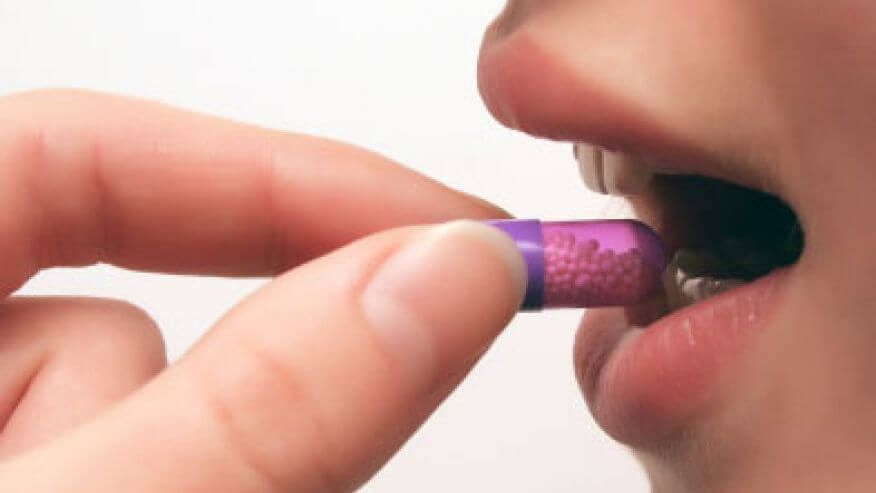
According to new reports, pharmaceutical company Otsuka is working on a medicine which will make sure that patients take their medicines timely according to their physician’s instructions. This pill is first among its kind. It is basically a digital medicine that combines prescription medicine with sensor technology.

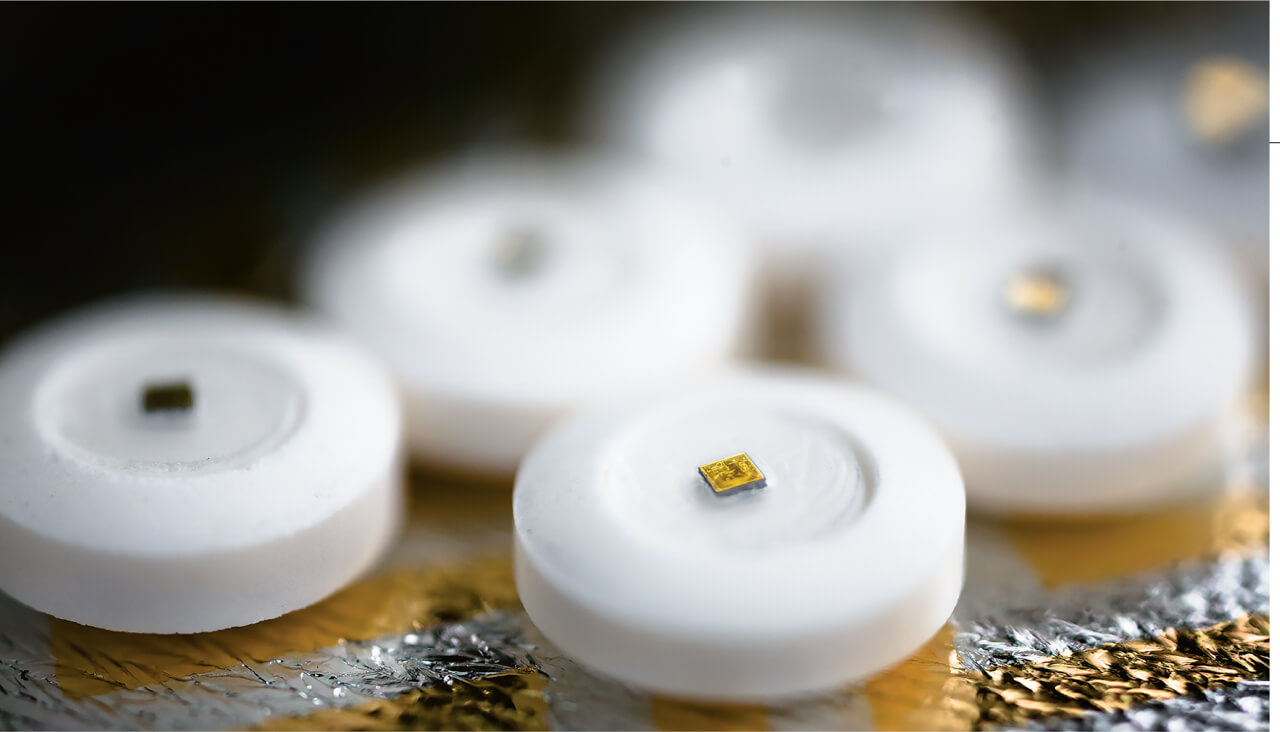
It is to be noted that the pharmaceutical company Otsuka has been working with its antipsychotic drug Abilify in a series of experiments to test these new digital drugs. In these digital drugs, a miniscule chip is embedded inside the pill. This chip can be easily detected by an app (developed by California health technology company Proteus) when the patient swallows it.

The app detects the sensor and confirms that the pill has been ingested by the patient. And if the same patient forgets to take his/her pill according to the prescription, the app alerts the doctor in medical care regarding this lapse. A small piece of magnesium and copper is placed inside the pill as part of the sensor system. When these two metals contact the acidic environment of the stomach, a small voltage is produced by these two metals which is easily detected by a sensor placed on the skin of the patient’s torso.

After this, the sensor sends this information to the Proteus app on a mobile phone and this data reaches the physician (only with the permission of the patient).

Science Magazine

Both the drug and the sensor system have been approved by the FDA in two separate applications. But now the agency plans to test it as a unit based on some new standards regarding digital medicines. Also since Proteus app can work with any medicine, its evaluation with respect to medicines of diabetes and blood pressure is also on. If approval comes along, a new era of digital medicines awaits us.

[adinserter block=”7″]

Author: Technology Blog

Patch-Up Organ Holes with Balloons, Catheter and an UV Light

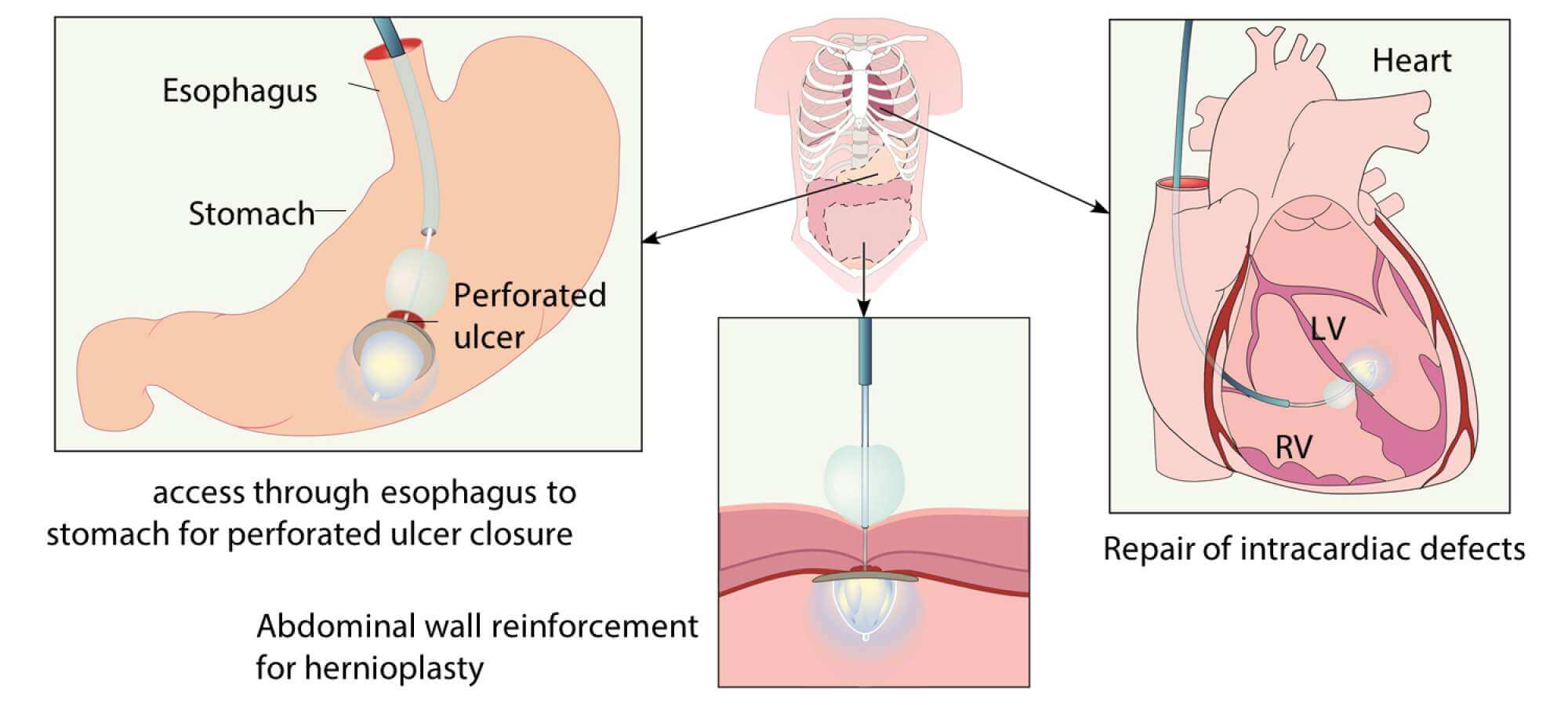
Repairing holes in hearts or other organs, whatever the cause- be it an ulcer or a congenital defect, always proves to be a rigmarole. Surgery is required and long and highly invasive procedures that almost a guarantee. Previous non-invasive methods to patch up holes using catheters have been tried out but, they use metals and require a mechanical or a suture attachment, which overtime can erode tissue.

roche_all_3

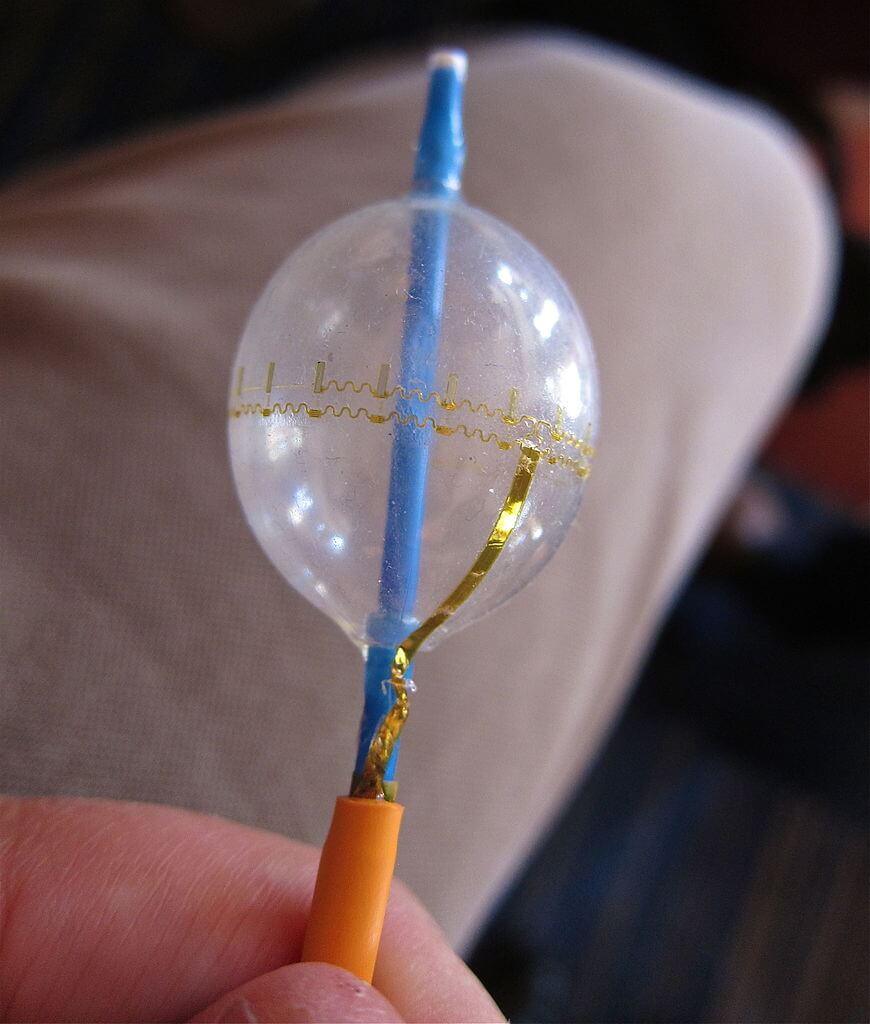
Harvard University researchers seem to have come up with the perfect components for an improved and fool-proof catheter system using two balloons and UV light-activated glue.

This UV light-activated glue had been developed last year, and is an adhesive coat on a strip made up of biodegradable materials which attaches to the holes- be it any organ- and stay there until the wound has had a chance to heal. After which, it simply dissolves away.
This catheter system contains a thin, hollow plastic tube (the catheter) which guides the glue patch into place inside the body through an endoscope, and once fixed the balloons come to action.

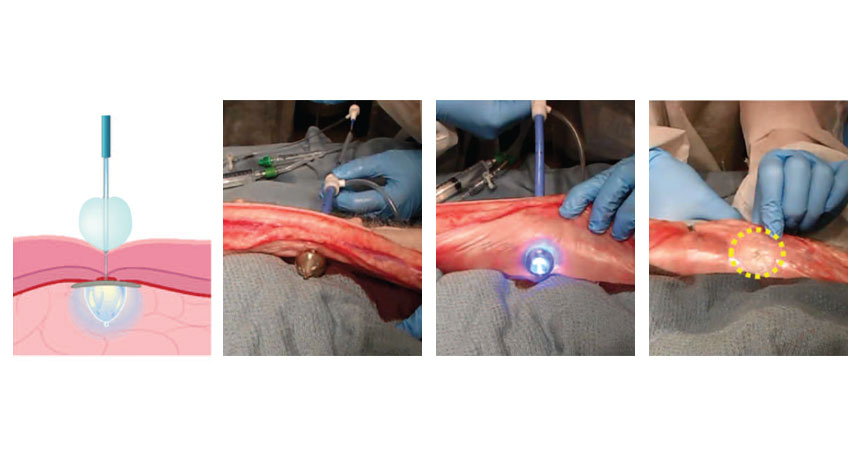
The outer balloon inflates which forces the patch to stick to the perforated region. The inner balloon also inflates and this activates the UV lights properties of the glue which causes the ultraviolet light to turn on.  The catheter is now removed and the activation of the glue strip needs about two minutes.

092315_mr_body-glue

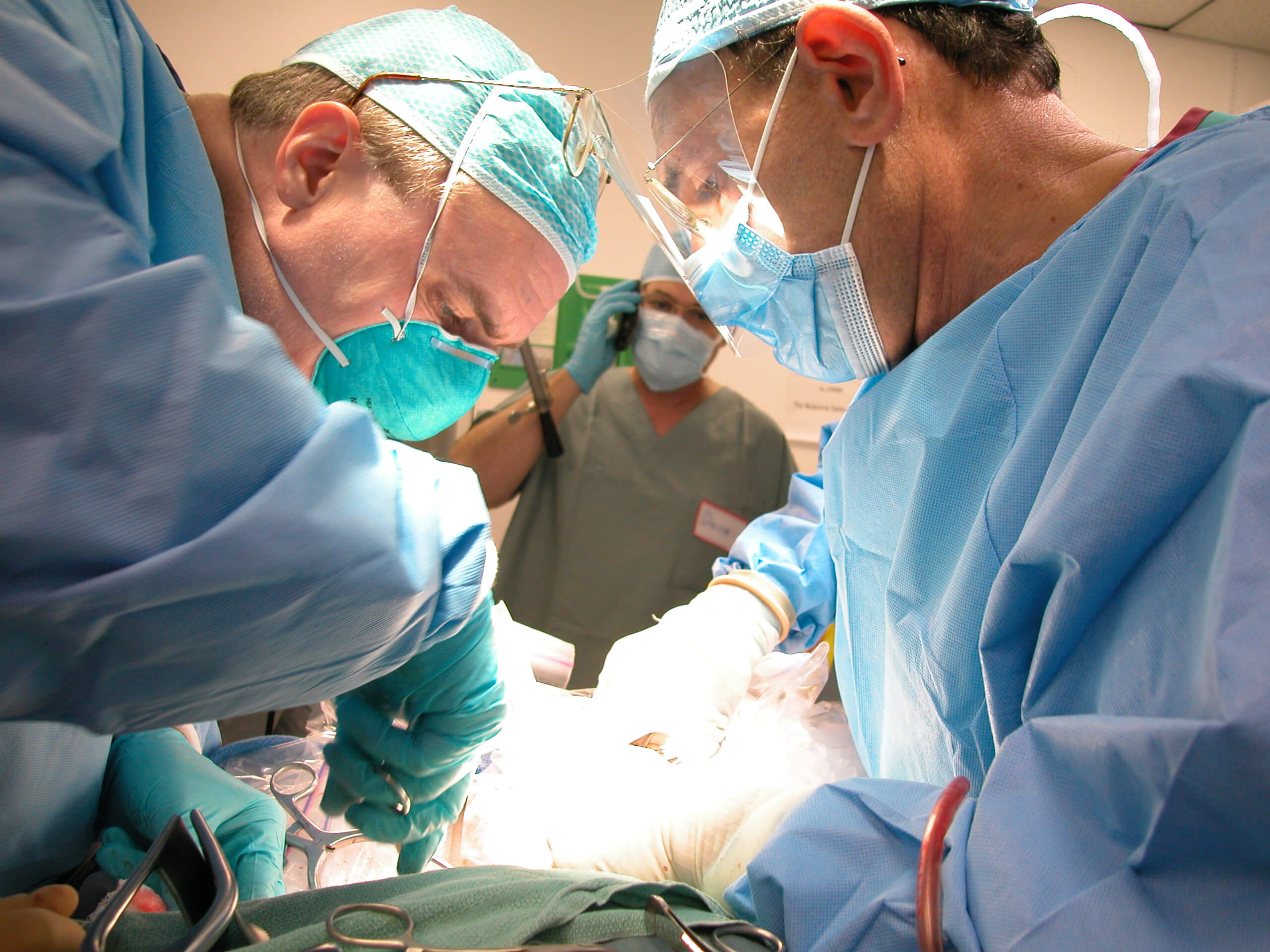
This new technique has proved to work as well as the traditional suture technique, and is also able to withstand high pressure flow. Further, the researchers plan to use multiple fiber bundles and a cone-shaped tip to increase flexibility and access with no invasion.

[adinserter block=”7″]

Author: Technology Blog
Want to know about high-tech bandages?

Everything is advancing in this age of technical advancements, so why not the humble, simple bandage? Various researchers across the world are trying to turn this simple medical strip into something more smart and intelligent and many have succeeded in introducing such bandages to the market. So let’s look at some of the high-tech bandages that you may be seeing or using in the near future.

Sensium

Smart bio-electronic bandages

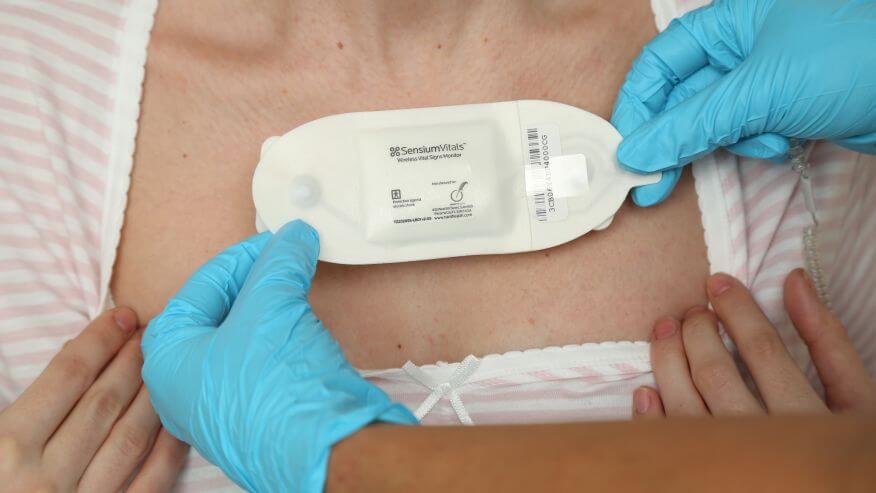
A new kind of smart bioelectronic bandage is under development that uses sensors, biomaterials, and micro-systems technology to monitor and treat wounds that require longer-term care, such as diabetic ulcers and burns. This bandage is being worked upon by a team of researchers from Tufts, Perdue, Harvard and Women’s Hospital supported by the National Science Foundation. Dubbed as “flexible bioelectronics”, the idea behind this technology is to incorporate circuits into flexible, safe polymeric substrates. Intended for biomedical and life science applications, they will be able to track the healing process by checking oxygen levels and temperature. Health professionals would receive readings of this info, even when they’re not with the patient. To improve its flexibility factor, the researchers are using materials like a hydrogel and in the same hydrogel patch of the bandage; polymeric micro-particles will be embedded during the manufacturing process for the purpose of drug delivery. There would be a stimulation mechanism on the top of the patch where flexible sensors monitor temp and pH, and if the wound changes for the worse, the researchers send a pulse to the stimulator to release the drugs in the micro-particles.

healing-bandages

In another study regarding smart bandages, a group of doctors from Melbourne and Monash Universities lead by Nico Voelcker is working on a flexible bandage that uses nanotechnology for monitoring and alerts. Theoretically, this bandage is supposed to change color like the liquid bandages, and use sensors and Bluetooth to send data to a smartphone. The idea is to be able to detect the signs of infection sooner, and without removing the bandage and thereby compromising the healing process. The concept has been prototyped, but needs more funding to move on to clinical trials.

A colour-changing bandage

Did you know that healthy healing wounds have a pH of about five or six? Based on the same fact, in 2010, a German team from the Fraunhofer Research Institutions for Microsystems and Solid State Technology EMFT created a bandage that changes color to indicate infection by reacting to the pH of the skin beneath; though in appearance it looks like any other normal self-adhesive bandage. If the pH of the wound gets too alkaline, then it signals an infection underneath the skin. If and when the wound gets alkaline (between 6.4 and 8.5 pH), this bandage turns purple.

[adinserter block=”7″]

Next Page For More

Chinese Researchers successful in Editing DNA!

Right after Chinese researchers reported they had successfully employed the CRISPR/Cas9 system on non-viable human embryos to remove a part of the gene that causes a genetic blood condition called beta thalassemia, this use had developed into a topic of discussion and controversy regarding the ethics of the use of such a project.

medical-miracle-human-genome

The CRISPR/Cas9 system is a tool capable of precisely editing DNA on a genomic level, would open many doors in Science if allowed to progress, particularly to improve the success rate for healthy embryonic development after in vitro fertilization as well as potential for use in stem cell research. Thus British scientists working at the Francis Crick Institute in London announced today that they have applied for permission from the United Kingdom’s fertility regulator (the UK Human Fertilization & Embryology Authority) to use this technique on viable human embryos.

As the U.S. National Institutes of Health reaffirmed its ban on April 2015, on research that involves gene editing of human embryos, Naikan told The Guardian, “There are suggestions that the methods could be used to correct genetic defects, to provide disease resistance, or even to introduce novel traits that are not found in humans. However, it is up to society to decide what is acceptable: Science will merely inform what may be possible.”

maxresdefault

In the backdrop of this confusion against scientific progress and ethical qualms, scientists from China, Britain and US have announced their intentions to host an international summit to discuss the future of human gene editing in the month of December from 1st-3rd of this year in Washington, D.C.

[adinserter block=”7″]

Author: Technology Blog

Organic Computing With DNA Could Process Data within Human Bodies

Since Leonard Adleman in 1994 demonstrated DNA computing by encoding and solving the travelling salesman problem, a math problem to find the most efficient route for a salesman to take between hypothetical cities, entirely in DNA, DNA-based “circuits” have been proposed that implement computational methods such as Boolean logic, arithmetical formulas, and neural network computation.

medicine-163707_1280

This approach called molecular programming performs the same concepts and designs of computing in a nano scale for work on DNA. The reason of selection of DNA over our conventional silicon chips is its size (2nm width), programmability and high storage capacity versatility, cheapness and ease in synthesising, not to mention, computing with DNA requires much less energy than electric powered silicon processors.

Working with DNA does have a number of drawbacks though, such as its extremely slow speed compared to a computer and single-use circuits which have to be recreated to run the same composition again.

DNA programs have already been written for a variety of medical applications, such as diagnosing tuberculosis, a Nano-biological “program” by Ehud Shapiro of the Weizmann Institute of Science in Israel, termed the “doctor in the cell” that targets cancer molecules and another DNA program which targets lymphocytes (a type of white blood cell), which are defined by the presence or absence of certain cell markers and so can be naturally detected with true/false Boolean logic.

v2-human-DNA

The main goal of creating this organic computing is to administer smart drugs into the body with the help of these DNA programs. The reliability of the DNA walkers, the robustness of DNA self-assembly, and improving drug delivery, are some of the challenges that have still to be overcome.

[adinserter block=”7″]

Author: Technology Blog

Verified by ExactMetrics