The day we came to know that we are not alone in this universe and there are many more planets around us, we human beings started running our minds in all the directions to understand the planets that are not our home. In a quest to understand these celestial beings, we have questioned the pre-established notions and have also broken many myths. With the advent of Mars One mission, many more new questions have raised their heads. And we being absolute foodies, the most important one is- how will our familiar flavours taste on planets other than the Earth?
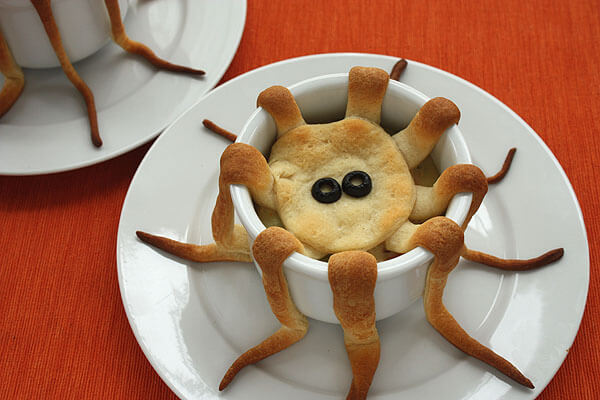
According to Anna-Lisa Paul, researcher at the University of Florida; a different planet’s conditions with respect to the wavelength of available light, the composition of the soil, the gravitational pull and the atmospheric pressure would affect the taste of food eaten there. For example, the colour of sunlight on an alien planet can change a plant’s flavour as wavelengths of red, blue and even green light are crucial to photosynthesis and plant development and according to Paul: “But the balance of those wavelengths and their intensity can have a big effect on the composition of its ‘secondary compounds,’ chemicals that contribute to taste and color, among other things.” So a plant grown on a planet that revolved around a star that is predominated in the red wavelengths, would taste different and look different than the same one grown under our sun.
The taste of the fruits and vegetables also depends on the soil they are grown in. Even on earth, same vegetable grown in different kinds of soils has different flavours based on the mineral composition of the soils. When Paul tried growing plants in soil similar to Mars soil, she found that concentration of certain chemicals in the leaves changed which in turn can affect the flavour. Considering the Mars One, the focus presently has to be on foods that are needed for energy and not for luxury. So fruits and vegetables would be the first in line.
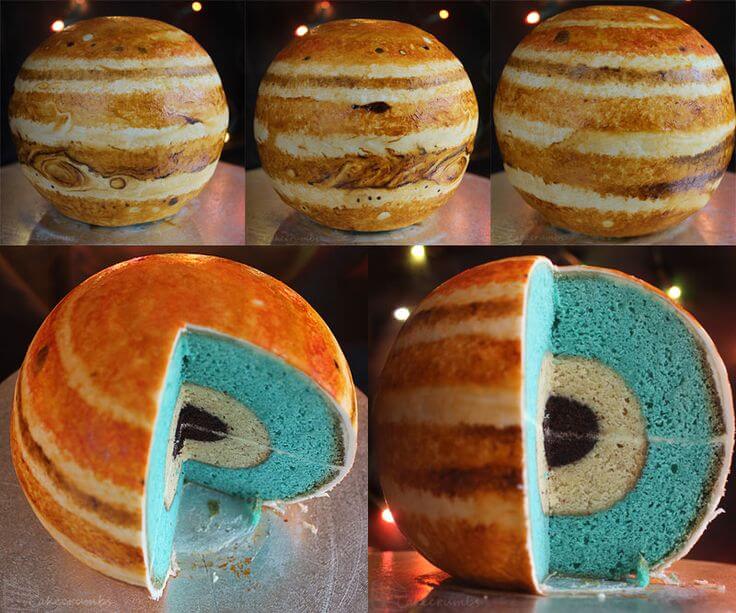
Let’s take a look at how some of our favourite foods will taste on different planets:
Champagne: We have the best in the universe!
A beverage that is packed under pressure and involves bubbles can taste different at different planets based on their atmospheric pressures. Take for instance the beloved champagne. If a planet had no atmosphere, the champagne would boil immediately and all the carbon dioxide and a lot of volatiles would be left. If the pressure was lower, bubbles would appear much more quickly but this would reduce their efficiency at carrying flavour molecules from the drink into the air. If the pressure was higher than that of earth, the bubble formation will be very slow making many complex molecules stick to the bubbles and move upwards making the taste richer. And if the pressure on the alien planet will be higher than the earth, there won’t be any pop and no bubbles at all. Considering all the scenarios, champagne tastes best on our own planet Mother Earth.
[adinserter block=”7″]