Chinese author gets her brain cryogenically frozen post-death

Hope makes the earth go round. In one of its kind case, a Chinese sci-fi author named Du Hong had her brains cryogenically frozen after her death in a hope that in the future, the technology to bring dead people back to life will be created and then she may live again through her brain.

cryogenic-frozen-woman

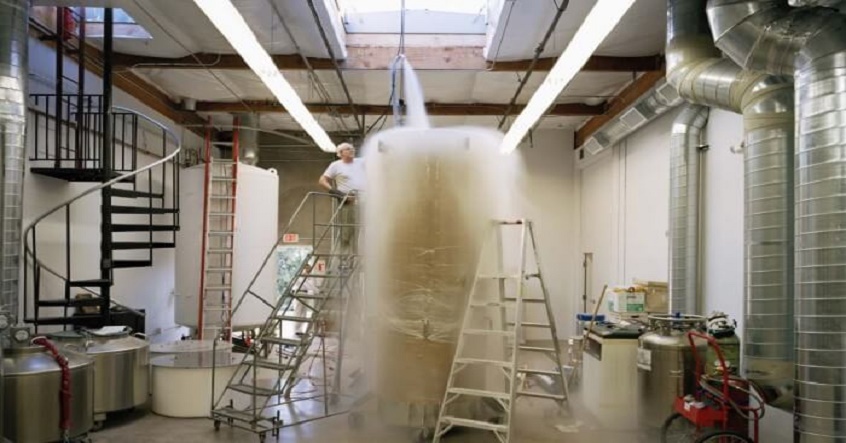
The author herself paid upwards of $120k to have her brain sent from China to Scottsdale, Arizona to undergo a freezing procedure at the Alcor Life Extension Foundation. Her sole motivation to do this was her firm belief and strong hope that may be impossible right now, but there would be time in future when advancements in cryonics will one day bring her back to life.

Du Hung had pancreatic cancer and first discovered the concept of cryonics while getting treatment for her cancer. She had also penned a book on the theme of cryonics called ‘The Three Body Problem’. So it was while getting treatment that she came to know about Alcor Life Extension Foundation and was able to know the procedure to get her brain cryogenically frozen. Frequent visits with members of Alcor aided in her decision to have it sent there upon her death.

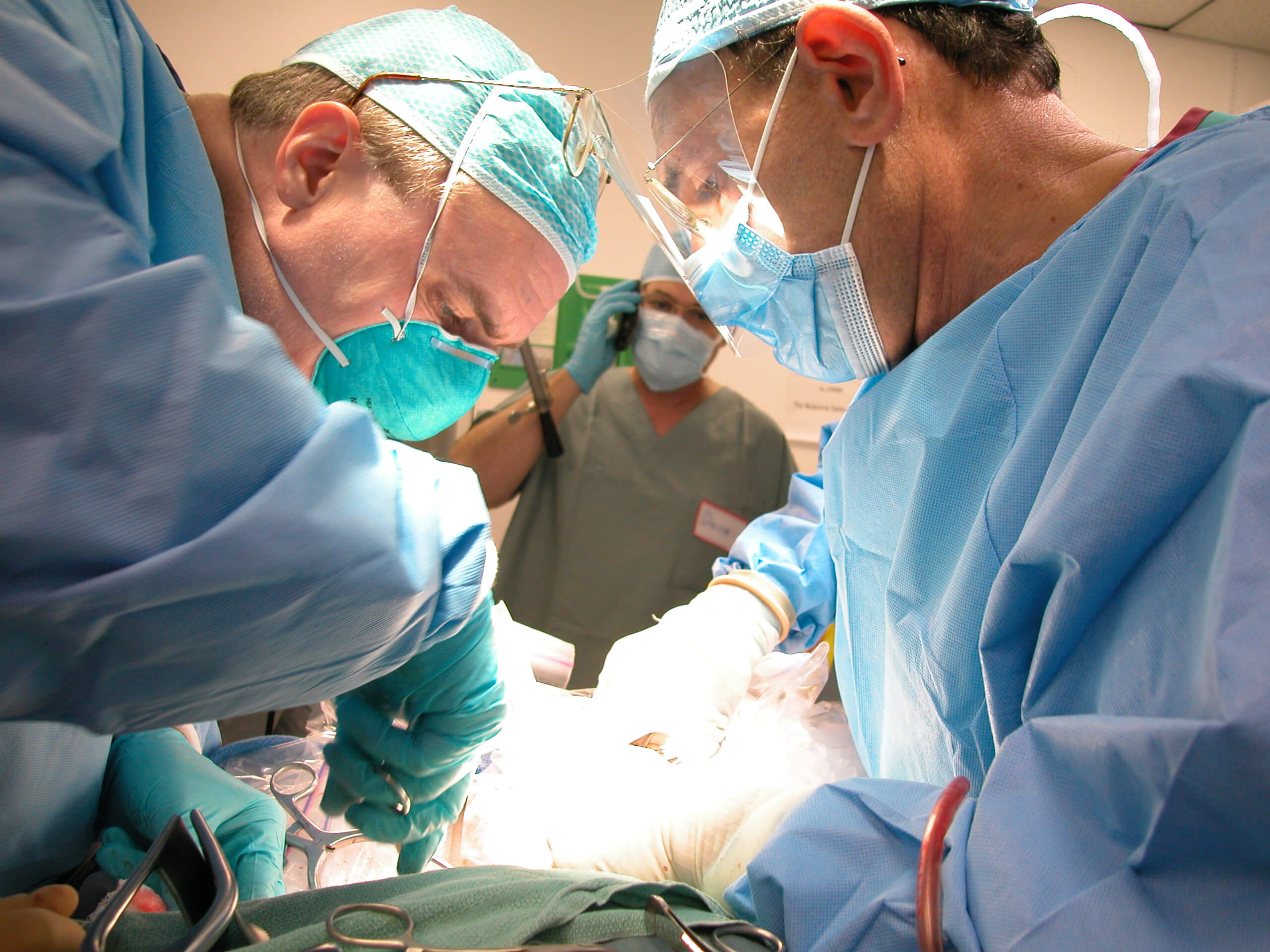
So before she fell as a victim to pancreatic cancer last May, Du decided that she wanted her brain to be the subject of cryogenic experiments after her death. Though it took some time before the team at Alcor actually conducted the procedure, doctors in Beijing prepped Du’s brain after her official time of death on May 30.

Du’s son-in-law quotes “Mother said that whether [cryonics] would be able to find a breakthrough in the next 50 years remained a mystery, but that she did not mind her remains being used for experiments.” Meanwhile, despite the Alcor Life Extension Foundation agreeing to freeze Du’s brain, the organization has clearly stated that it wouldn’t be the one to actually bring back Du to life in the future.
Alcor-OR3 (1)

Scientifically, it is completely impossible to bring someone back to life using cryonics but for Du’s family it is all about hope. The optimism is what keeps Du’s family afloat in their grief. There is a long wait before the technology becomes as advanced as this, but till then Du’s daughter Zhang Siyao prefers to wait for her mother saying: “Mum, let’s meet in the future.”

Author: Technology Blog
Forgot to take your pill? Your physician will know of it!

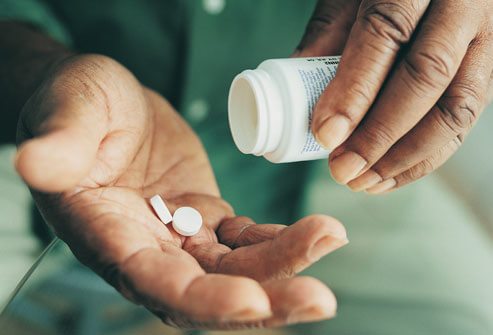
Beep! Beep! Time to take your pill! Beep! Beep! You have missed your afternoon pill! What if there was something that could always remind us about our daily prescription tablets? And what if the pill itself did this? Nothing is impossible nowadays, you bet.

getty_rf_photo_of_man_taking_medication

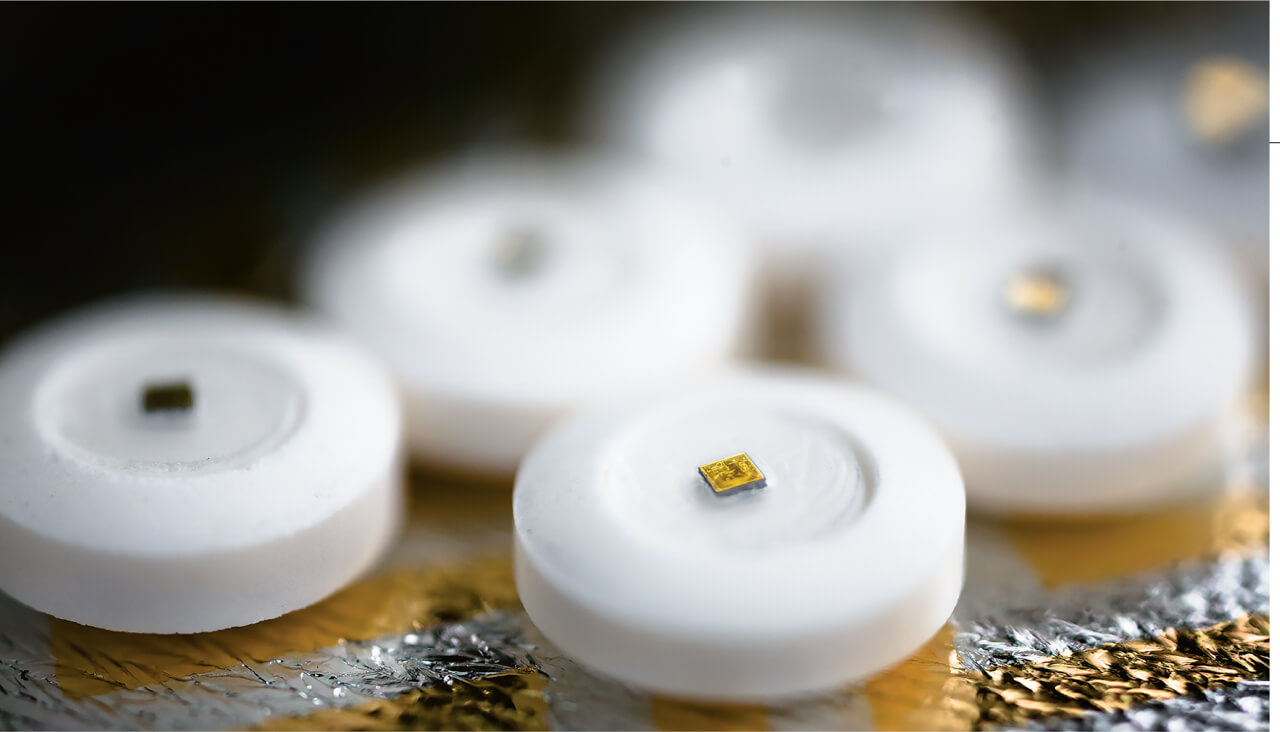
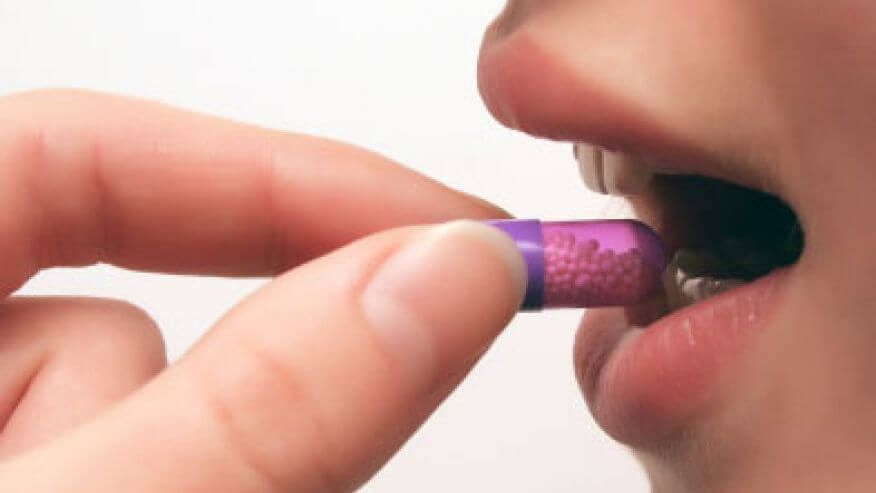
According to new reports, pharmaceutical company Otsuka is working on a medicine which will make sure that patients take their medicines timely according to their physician’s instructions. This pill is first among its kind. It is basically a digital medicine that combines prescription medicine with sensor technology.

It is to be noted that the pharmaceutical company Otsuka has been working with its antipsychotic drug Abilify in a series of experiments to test these new digital drugs. In these digital drugs, a miniscule chip is embedded inside the pill. This chip can be easily detected by an app (developed by California health technology company Proteus) when the patient swallows it.

The app detects the sensor and confirms that the pill has been ingested by the patient. And if the same patient forgets to take his/her pill according to the prescription, the app alerts the doctor in medical care regarding this lapse. A small piece of magnesium and copper is placed inside the pill as part of the sensor system. When these two metals contact the acidic environment of the stomach, a small voltage is produced by these two metals which is easily detected by a sensor placed on the skin of the patient’s torso.

After this, the sensor sends this information to the Proteus app on a mobile phone and this data reaches the physician (only with the permission of the patient).

Science Magazine

Both the drug and the sensor system have been approved by the FDA in two separate applications. But now the agency plans to test it as a unit based on some new standards regarding digital medicines. Also since Proteus app can work with any medicine, its evaluation with respect to medicines of diabetes and blood pressure is also on. If approval comes along, a new era of digital medicines awaits us.

[adinserter block=”7″]

Author: Technology Blog

Patch-Up Organ Holes with Balloons, Catheter and an UV Light

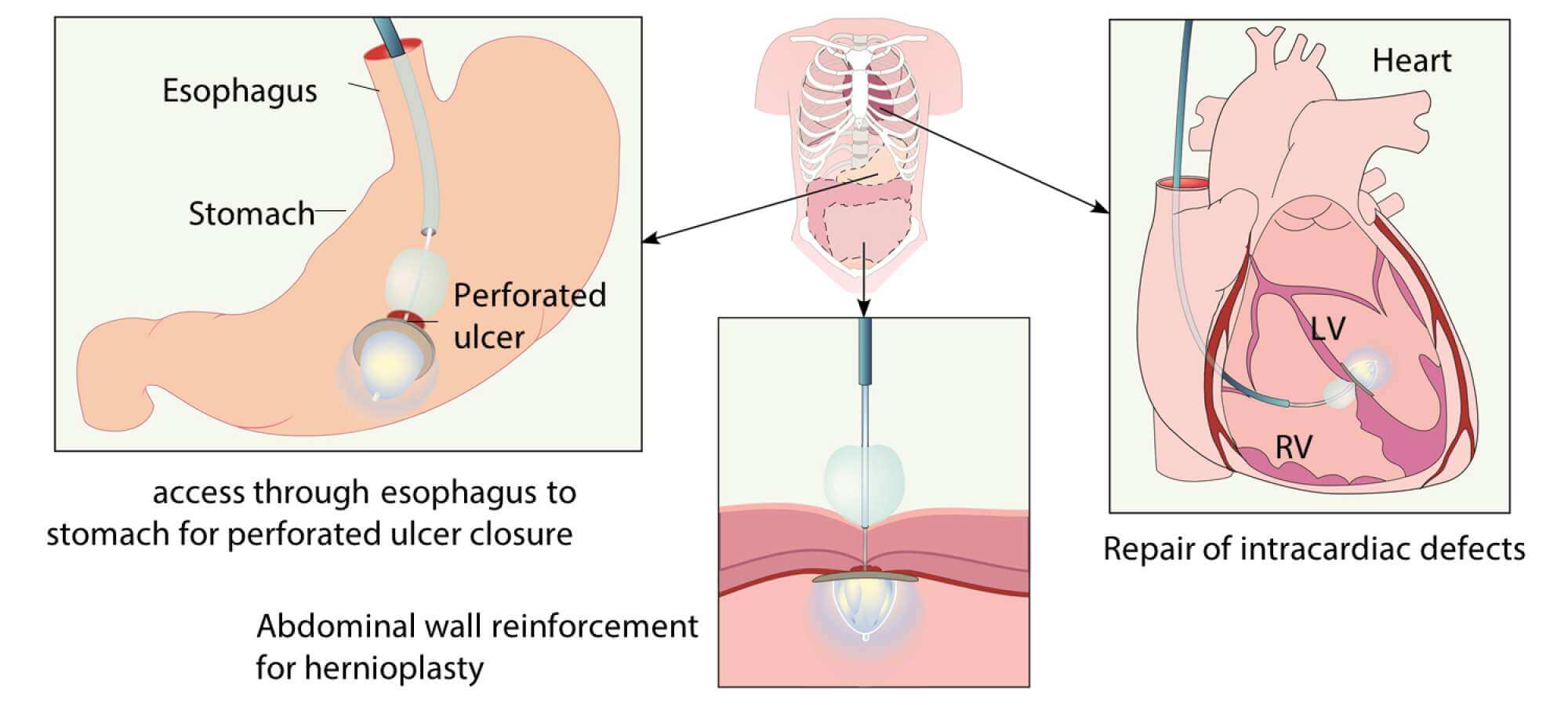
Repairing holes in hearts or other organs, whatever the cause- be it an ulcer or a congenital defect, always proves to be a rigmarole. Surgery is required and long and highly invasive procedures that almost a guarantee. Previous non-invasive methods to patch up holes using catheters have been tried out but, they use metals and require a mechanical or a suture attachment, which overtime can erode tissue.

roche_all_3

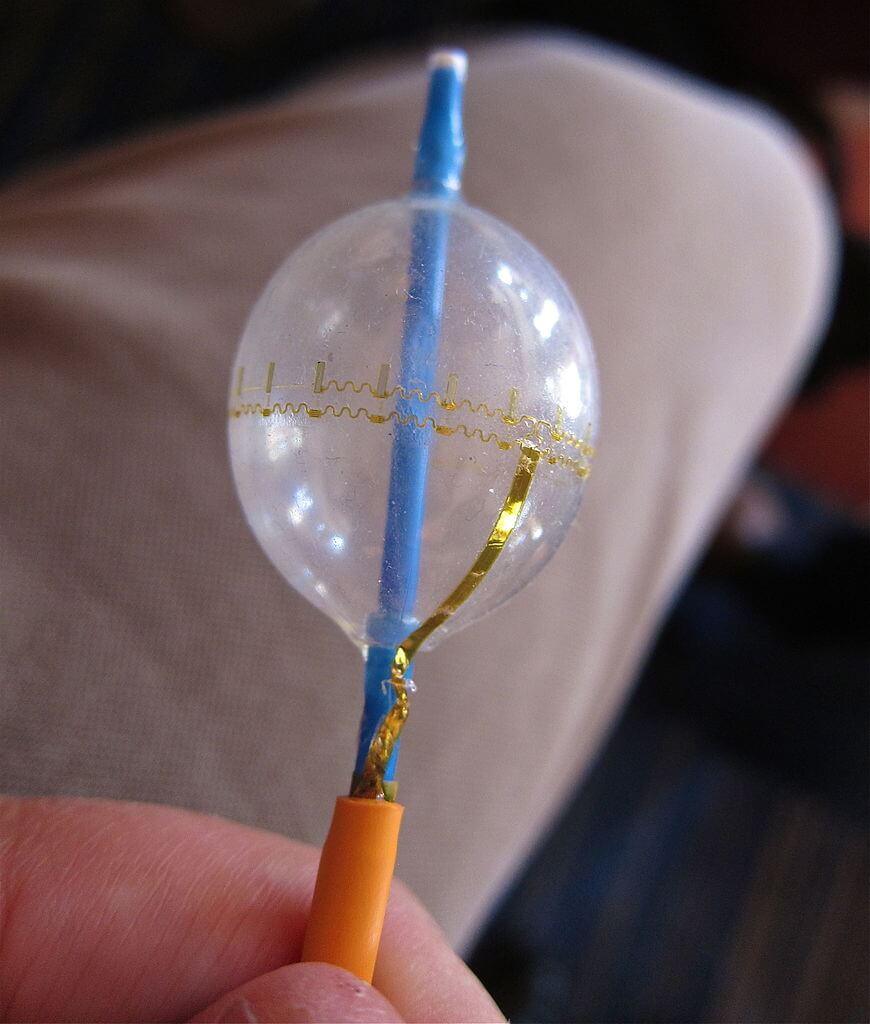
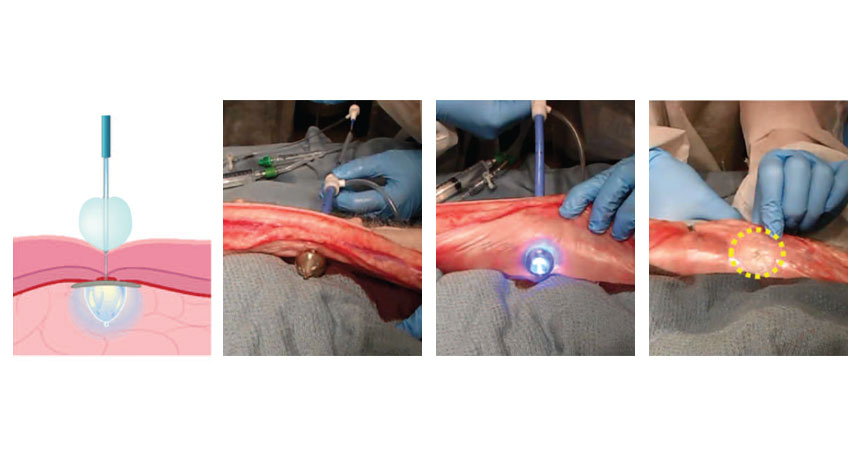
Harvard University researchers seem to have come up with the perfect components for an improved and fool-proof catheter system using two balloons and UV light-activated glue.

This UV light-activated glue had been developed last year, and is an adhesive coat on a strip made up of biodegradable materials which attaches to the holes- be it any organ- and stay there until the wound has had a chance to heal. After which, it simply dissolves away.
This catheter system contains a thin, hollow plastic tube (the catheter) which guides the glue patch into place inside the body through an endoscope, and once fixed the balloons come to action.

The outer balloon inflates which forces the patch to stick to the perforated region. The inner balloon also inflates and this activates the UV lights properties of the glue which causes the ultraviolet light to turn on.  The catheter is now removed and the activation of the glue strip needs about two minutes.

092315_mr_body-glue

This new technique has proved to work as well as the traditional suture technique, and is also able to withstand high pressure flow. Further, the researchers plan to use multiple fiber bundles and a cone-shaped tip to increase flexibility and access with no invasion.

[adinserter block=”7″]

Author: Technology Blog

Verified by ExactMetrics