Winter Woes: Why Heart Attacks Spike During the Colder Months

Winter Woes: Why Heart Attacks Spike During the Colder Months
Heart attacks, unfortunately, don’t take a seasonal break. In fact, research shows a chilling trend: they’re more common during winter months compared to the rest of the year. But why does the mercury drop coincide with a rise in cardiac events? Let’s explore the complex interplay of factors that put your heart under extra strain during winter.

1. Cold Constrictors: As temperatures plummet, our blood vessels constrict in an attempt to conserve heat. This narrowing of the arteries makes it harder for blood to flow freely, increasing blood pressure and putting a strain on the heart. Imagine squeezing a hose – that’s what happens to your blood vessels in the cold.

2. Holiday Hustle: The festive season, while joyous, can be stressful. Deadlines, financial pressures, and family gatherings can all trigger the release of stress hormones like cortisol and adrenaline, further elevating blood pressure and heart rate.

3. Skipping the Sunny Strolls: Winter often means less time spent outdoors basking in the sun’s vitamin D. This essential vitamin plays a crucial role in cardiovascular health, and deficiency can be a risk factor for heart disease. So, swap the snuggles under the blanket for a brisk walk on a sunny day (when possible)!

4. Influenza’s Unwelcomed Guest: Winter is also peak season for the flu, and this viral infection can put additional stress on the heart. Inflammation caused by the flu can damage blood vessels and increase the risk of blood clots, both contributing factors to heart attacks.

5. Weighty Woes: Comfort food cravings often peak during winter, leading to weight gain for some. Carrying extra pounds puts additional strain on the heart, increasing the risk of cardiovascular problems.

Protecting Your Heart in the Cold:

So, what can you do to keep your heart safe during winter? Here are some tips:

  • Stay active: Regular exercise keeps your blood flowing and your heart healthy. Even a brisk walk inside the mall can help.
  • Mind your meals: Choose heart-healthy foods rich in fruits, vegetables, and whole grains. Limit saturated and trans fats, sugar, and salt.
  • Manage stress: Practice relaxation techniques like yoga or meditation to keep stress hormones in check.
  • Don’t skip your meds: If you have existing heart conditions, stick to your doctor’s prescribed medication and attend regular checkups.
  • Listen to your body: Pay attention to warning signs like chest pain, shortness of breath, and dizziness. If you experience any of these, seek immediate medical attention.
    Remember, even small changes can make a big difference in protecting your heart health during winter. By being proactive and mindful of your lifestyle, you can enjoy the season without fearing for your heart.

Stay warm, stay healthy, and keep your heart happy all winter long!

Tagged : / / / /

5 Reasons to Embrace Jaggery In Your Meals Every Winter

5 Reasons to Embrace Jaggery In Your Meals Every Winter
As the wind nips at your cheeks and the sun dips lower, our bodies naturally crave warmth and comfort. And what better way to indulge than with a delicious and nutritious treat like jaggery? This unrefined sugar, also known as gur, is a winter staple in many cultures, and for good reason. Here are 5 reasons why you should embrace jaggery’s warmth this winter:

1. Natural Warmth: Ayurveda considers jaggery to have a “hot” potency, meaning it can help raise your body temperature and keep you feeling cozy from within. Perfect for combating those winter chills!

2. Energy Booster: Jaggery is rich in iron, which helps combat fatigue and anemia, both common issues during the colder months. This natural energy boost can leave you feeling revitalized and ready to tackle the day.

3. Digestive Delight: Jaggery is a good source of prebiotics, which promote gut health and digestion. This is especially helpful during winter when our digestive systems tend to slow down due to reduced activity.

4. Immunity Hero: Jaggery is packed with antioxidants and minerals like zinc and potassium, all of which play a crucial role in strengthening your immune system. This can help you ward off winter illnesses and stay healthy throughout the season.

5. Sweet Satisfaction: Jaggery offers a naturally sweet flavor without the refined sugar crash. It’s a delicious way to satisfy your sweet tooth while also providing your body with valuable nutrients.

Bonus Tip: Try incorporating jaggery into your winter diet in various ways. Add it to warm milk for a comforting drink, use it as a natural sweetener in your porridge or baking, or simply enjoy a small piece as a post-meal treat.

So, embrace the warmth and goodness of jaggery this winter. Your body and taste buds will thank you!

Remember, moderation is key when it comes to any food, including jaggery. Consult your doctor if you have any underlying health conditions before making significant changes to your diet.

Tagged : / / /

The Sneaky Signs of Vitamin B12 Deficiency You’re Probably Ignoring

The Sneaky Signs of Vitamin B12 Deficiency You’re Probably Ignoring
Vitamin B12 is crucial for a healthy body and mind. It plays a vital role in nerve function, red blood cell production, and DNA synthesis. Unfortunately, B12 deficiency is surprisingly common, and many people ignore its early warning signs. This can lead to serious health problems down the line.

Why is B12 Important?

B12 is mainly found in animal products like meat, poultry, fish, and eggs. Vegetarians and vegans are particularly at risk for deficiency, but other factors like age, digestive issues, and certain medications can also play a role.

So, how do you know if you’re deficient in B12?

The classic symptoms like fatigue and tingling in the hands and feet are well-known. But many other subtle signs often get overlooked. Here are some of the sneaky B12 deficiency symptoms you might be ignoring:

  • Mood Swings and Depression: Feeling unusually irritable, anxious, or down for no reason could be a sign of B12 deficiency.
  • Memory Fog and Forgetfulness: B12 is essential for cognitive function. Struggling to remember things or feeling mentally foggy could be a red flag.
  • Unexplained Weight Loss: If you’re losing weight without trying, B12 deficiency could be a culprit. It can affect your appetite and metabolism.
  • Swollen, Smooth Tongue: A glossitis, or a smooth, red tongue, can be a sign of B12 deficiency. It can also cause burning or tingling sensations.
  • Vision Changes: Blurred vision, double vision, or even vision loss can be caused by B12 deficiency due to its impact on the optic nerve.
  • Clumsiness and Balance Issues: Difficulty walking, stumbling, or feeling unsteady on your feet could be related to B12-related nerve damage.

Don’t Ignore the Signs!

If you’re experiencing any of these symptoms, it’s important to see your doctor to get a B12 blood test. Early diagnosis and treatment are crucial to prevent serious complications like permanent nerve damage.

How to Get Enough B12:

Dietary Changes: For non-vegetarians, incorporating more B12-rich foods like meat, poultry, fish, and eggs is key. Vegetarians and vegans can opt for fortified foods like plant-based milk and breakfast cereals or consider B12 supplements.
Supplementation: Talk to your doctor about B12 supplements if you’re at risk for deficiency or have confirmed B12 deficiency.
Remember, B12 deficiency is a treatable condition. By being aware of the often-ignored symptoms and taking proactive steps, you can ensure your body gets the B12 it needs to thrive.

Additional Tips:

  • Pay attention to your overall health and well-being. If you’re feeling off, don’t hesitate to schedule a checkup with your doctor.
  • Maintain a healthy lifestyle that includes a balanced diet, regular exercise, and adequate sleep.
  • Be proactive about your health and don’t be afraid to ask questions.
    By working together with your doctor, you can prevent B12 deficiency and live a healthy, vibrant life.
Tagged : / / /

Black Turmeric: The Spice of Life? 5 Benefits You Probably Didn’t Know

Black Turmeric: The Spice of Life? 5 Benefits You Probably Didn’t Know
Move over, regular turmeric, there’s a new player in town—black turmeric. This rare, deep-hued spice, also known as Kali Haldi, has been used in traditional medicine for centuries, but its recent scientific exploration is revealing incredible potential for promoting longevity and preventing cancer.

At the heart of this buzz lies curcumin, a bioactive compound found in both regular and black turmeric. However, black turmeric boasts a significantly higher concentration, sometimes up to eight times as much. This elevated potency is what makes black turmeric such a promising candidate for improving health and longevity.

1. Longevity Booster:

Black turmeric’s high curcumin content translates to several potential benefits for aging well. Its potent anti-inflammatory properties can combat chronic inflammation, a major contributor to age-related diseases like arthritis and Alzheimer’s. Additionally, curcumin’s antioxidant activity helps scavenge free radicals, the rogue molecules that damage cells and accelerate aging. Studies suggest that curcumin may also boost longevity by activating sirtuins, genes associated with increased lifespan.

2. Cancer Shield:

Black turmeric’s cancer-fighting potential is particularly exciting. Curcumin has been shown to inhibit the growth and spread of cancer cells in various types of cancer, including breast, lung, and colon cancers. Its anti-inflammatory and antioxidant properties play a crucial role here, along with its ability to interfere with cancer cell signaling pathways. While research is still ongoing, early results are promising, hinting at black turmeric’s potential as a complementary therapy alongside conventional cancer treatments.

3. Beyond the Hype:

It’s important to remember that black turmeric, while brimming with potential, is not a magic bullet. A healthy lifestyle with a balanced diet, regular exercise, and proper sleep remains paramount for longevity and cancer prevention. Additionally, research on black turmeric’s specific benefits is still in its early stages, and more clinical trials are needed to confirm its efficacy in humans.

4. Adding the Spice to Life:

So, how can you incorporate black turmeric into your routine? You can use it in place of regular turmeric in cooking, adding its earthy, slightly musky flavor to curries, soups, and stews. Alternatively, consider taking black turmeric supplements, following recommended dosages. However, consult your doctor before taking any supplements, especially if you have any underlying health conditions.

5. The Final Bite:

Black turmeric, with its high curcumin content, emerges as a promising player in the quest for a longer, healthier life. While further research is needed, its potential benefits for longevity and cancer prevention are too intriguing to ignore. So, whether you sprinkle it on your food or explore supplements, adding a touch of black magic to your life just might be the spice of life after all.

Tagged : / / / /

The 9-1 Rule: Your Ultimate Guide to Staying Fit (Without Breaking a Sweat)

The 9-1 Rule: Your Ultimate Guide to Staying Fit (Without Breaking a Sweat)
Forget crash diets and grueling gym sessions! Achieving lasting fitness doesn’t have to be complicated or time-consuming. Enter the 9-1 Rule, a simple yet powerful principle that can help you build healthy habits and feel your best, both physically and mentally.

So, what exactly is the 9-1 Rule?

It’s based on the idea that for every 9 hours of focused activity (work, study, chores, etc.), you should dedicate 1 hour to self-care and rejuvenation. This 1-hour investment can be broken down into smaller, manageable actions throughout the day, focusing on these nine key areas:

1. Walk 9,000 steps: Aim for at least 9,000 steps daily (a brisk walk for about an hour) to boost your cardiovascular health, mood, and energy levels.

2. Drink 8 glasses of water: Staying hydrated is crucial for various bodily functions. Aim for eight glasses of water throughout the day to keep your body and mind functioning optimally.

3. Sleep for 7-8 hours: Quality sleep is essential for physical and mental well-being. Aim for 7-8 hours of uninterrupted sleep each night for optimal rejuvenation.

4. Meditate for 6 minutes: Dedicate 6 minutes each day to mindfulness meditation. This simple practice can reduce stress, improve focus, and enhance overall well-being.

5. Eat 5 servings of fruits and vegetables: Include plenty of fruits and vegetables in your diet for essential vitamins, minerals, and fiber, which contribute to good health and prevent chronic diseases.

6. 4 Short Breaks: If you are someone who sits for long hours for work, take at least four breaks for getting up, moving around, stretching etc.

7. 3 Healthy Meals : Have 3 balanced and nutritious meals every day for your overall health and well being.

8. 2-Hour Gap: Make sure there is a 2 hour gap between dinner and sleeping. Don’t hit the bed as soon as you finish your meal.

9. One favourite activity or hobby : DO atleast one thing everyday that makes you happy be it reading, writing, singing, meeting with friends, talking to family members, etc. It will destress you like anything.

Remember, the 9-1 Rule is not about drastic changes or quick fixes. It’s about incorporating small, sustainable habits into your daily routine for long-term health and well-being. Start with one or two actions that resonate with you and gradually build from there.

The beauty of the 9-1 Rule lies in its flexibility. You can adjust the specific activities and time durations to fit your lifestyle and preferences. What matters most is consistency and finding simple ways to invest in your physical and mental health each day. So, give the 9-1 Rule a try! You might be surprised at how small changes can lead to big results in your overall fitness and well-being.

Tagged : / / /

Beyond Hydration: Demystifying the Optimal Time to Drink Water After Meals in Ayurveda

Beyond Hydration: Demystifying the Optimal Time to Drink Water After Meals in Ayurveda
Drinking water is essential for our health, but Ayurveda, the ancient Indian system of holistic medicine, emphasizes the “when” just as much as the “what” when it comes to hydration, especially after meals. Forget chugging a glass right after your plate is cleared! In Ayurvedic wisdom, the timing of water intake plays a crucial role in supporting optimal digestion and overall well-being.

Why Wait? Understanding Agni, the Digestive Fire:

Ayurveda views digestion as a transformative process governed by “Agni,” the digestive fire. Water, according to this philosophy, can either dampen or support Agni depending on when it’s consumed. Drinking immediately after meals dilutes the digestive juices, potentially weakening Agni and hindering its ability to efficiently break down and absorb nutrients. This can lead to indigestion, bloating, and incomplete digestion, leaving you feeling sluggish and uncomfortable.

The Ayurvedic Guidelines:

So, when is the optimal time to quench your thirst after a meal? Ayurveda suggests waiting for a specific window depending on your individual constitution and digestive strength:

Vata Dosha: Individuals with Vata dominance, known for their airy and quick nature, are advised to wait at least 30 minutes after meals to drink warm water. This helps balance their tendency towards dryness and gas.
Pitta Dosha: Pitta individuals, fiery and intense, should wait for at least 1 hour before sipping on cool or room-temperature water. This helps avoid aggravating their internal heat and potential heartburn.
Kapha Dosha: Those with Kapha, the heavy and slow dosha, are recommended to wait for at least 2 hours before drinking a moderate amount of warm water. This helps stimulate their sluggish digestion and prevent Kapha accumulation.

Beyond Doshas:

Remember, these are general guidelines. Your individual digestive capacity and the type of meal you consumed also play a role. Avoid large quantities of water after heavy meals, and opt for small sips if you feel truly thirsty. Certain herbs like ginger and fennel can be infused in water after meals to aid digestion.

Hydration Beyond Meals:

Don’t neglect regular water intake throughout the day. Ayurveda recommends sipping warm water throughout the morning, especially on an empty stomach, to kindle Agni and prepare your body for digestion. Avoid cold water directly from the fridge, as it can shock your system and disrupt Agni.

Listen to Your Body:

Ultimately, the most important guide is your own body. Pay attention to how you feel after drinking water at different times. If you experience discomfort, adjust your timing accordingly. Remember, Ayurveda is a personalized approach, so what works for one person might not be ideal for another.

By understanding the Ayurvedic principles behind water intake after meals, you can optimize your digestion, enhance your well-being, and cultivate a deeper connection with your body’s innate wisdom. So, ditch the automatic post-meal gulp and embrace a mindful approach to hydration for a truly transformative experience.

Tagged : / / / /

Anemia during pregnancy? 5 vegetarian foods to overcome iron deficiency

Anemia during pregnancy? 5 vegetarian foods to overcome iron deficiency
Anemia is a common condition, especially during pregnancy. It occurs when your body doesn’t have enough red blood cells to carry oxygen. Iron deficiency is the most common cause of anemia, and pregnant women are at higher risk because they need more iron for both themselves and their developing baby.

Symptoms of anemia in pregnancy

If you’re pregnant and anemic, you may experience the following symptoms:

Fatigue
Pale skin
Dizziness
Headache
Shortness of breath
Cold hands and feet
Why are vegetarians more prone to anemia during pregnancy?

Vegetarians are more likely to be iron deficient than meat-eaters because the iron found in plant-based foods is not as easily absorbed by the body. Additionally, pregnant women need more iron than non-pregnant women, so vegetarians may struggle to meet their iron needs through diet alone.

5 vegetarian foods to overcome iron deficiency during pregnancy

If you’re a vegetarian pregnant woman who is anemic, don’t worry! There are plenty of delicious and nutritious foods you can eat to boost your iron intake. Here are five of the best:

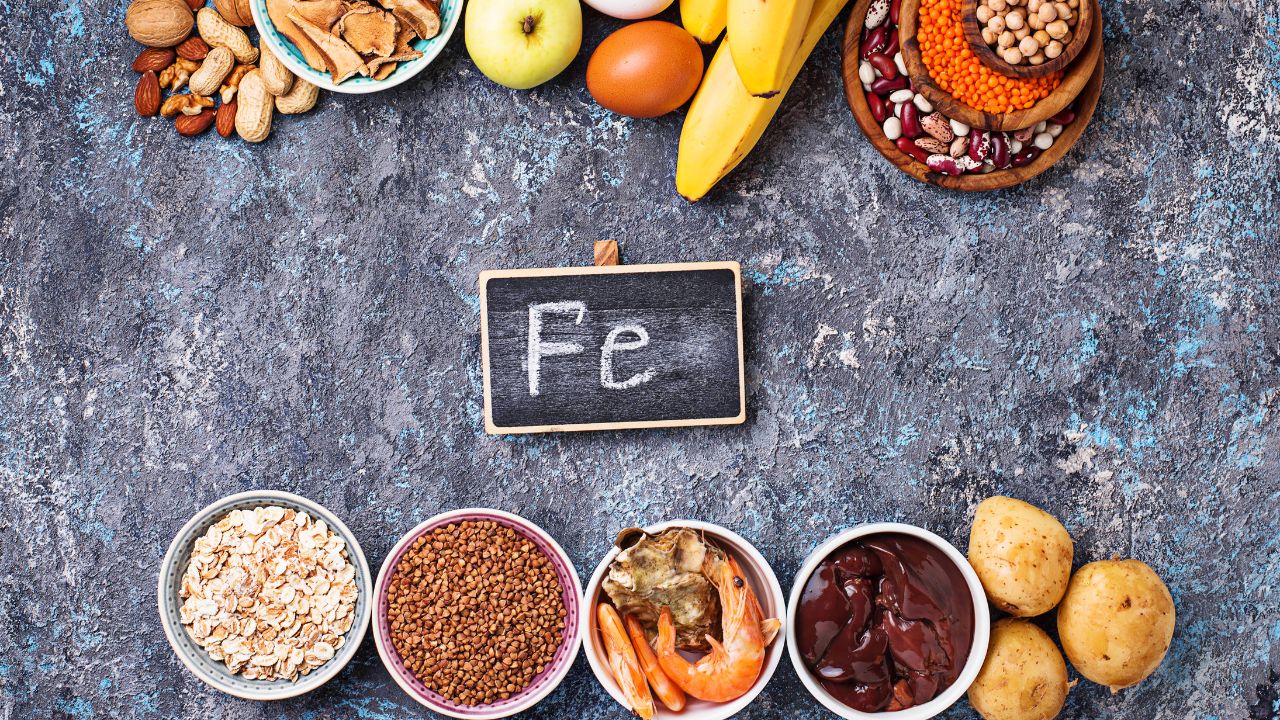
1. Lentils: Lentils are a great source of iron, with one cup of cooked lentils containing about 6.6 milligrams of iron. They’re also a good source of protein, fiber, and folate, which are all important nutrients for pregnant women.

2. Quinoa: Quinoa is a complete protein, meaning it contains all nine essential amino acids. It’s also a good source of iron, with one cup of cooked quinoa containing about 2.8 milligrams of iron. Quinoa is a versatile grain that can be used in salads, soups, and main dishes.

3. Tofu: Tofu is a plant-based food made from soybeans. It’s a good source of protein and iron, with one half-cup serving containing about 2 milligrams of iron. Tofu is a versatile ingredient that can be used in stir-fries, curries, and even breakfast scrambles.

4. Dark leafy greens: Dark leafy greens are packed with nutrients, including iron. One cup of cooked spinach contains about 6.7 milligrams of iron. Other good options include kale, collard greens, and Swiss chard.

5. Dried fruits: Dried fruits are a convenient way to get a boost of iron and other nutrients. One cup of raisins contains about 1.4 milligrams of iron. Other good options include prunes, apricots, and figs.

Tips for boosting iron absorption

In addition to eating iron-rich foods, there are a few things you can do to boost iron absorption:

Eat vitamin C-rich foods with your iron-rich foods. Vitamin C helps your body absorb iron. Good sources of vitamin C include citrus fruits, tomatoes, and bell peppers.
Avoid drinking coffee or tea with meals. Coffee and tea can interfere with iron absorption.
Cook in a cast iron skillet. Cast iron cookware can leach iron into food.
Talk to your doctor

If you’re concerned about anemia during pregnancy, talk to your doctor. They can check your iron levels and recommend the best course of treatment.

In conclusion

Anemia is a common condition during pregnancy, but it’s usually treatable. By eating a healthy diet that includes plenty of iron-rich foods, you can help prevent or overcome anemia and ensure a healthy pregnancy.

Tagged : / / / / / /

8 Little-Known Signs of Heart Disease That Appear at Night

8 Little-Known Signs of Heart Disease That Appear at Night
While we often associate heart disease symptoms with daytime activities like chest pain or shortness of breath during exercise, some surprising warning signs can manifest themselves at night. These nighttime symptoms can be easily mistaken for other conditions, making it even more crucial to be aware of them.

1. Chest Discomfort:

Waking up with a feeling of tightness or pressure in your chest is not always due to indigestion. If this discomfort is accompanied by pain radiating to your arms, jaw, or back, and persists for more than a few minutes, it could be a sign of angina, a reduced blood flow to the heart.

2. Sleep Apnea:

Snoring is often considered a harmless nuisance, but loud, gasping, or interrupted breathing could indicate sleep apnea. This condition, where your breathing repeatedly stops and starts during sleep, can disrupt oxygen flow to the heart and worsen existing heart disease.

3. Frequent Urination:

Needing to urinate more than usual at night, especially if accompanied by swelling in your ankles or feet, could be a sign of fluid buildup due to heart failure. The weakened heart struggles to pump blood efficiently, leading to fluid accumulation in the lower extremities and frequent urination at night.

4. Difficulty Lying Flat:

Experiencing breathlessness or discomfort when lying flat can be another sign of heart failure. As gravity pulls fluid towards your lungs when lying down, it can make breathing difficult for people with weakened hearts. Propping yourself up with pillows or sleeping in a recliner might ease this symptom.

5. Sweating at Night:

Waking up in a cold sweat for no apparent reason can be a sign of heart disease. This night sweat is often unrelated to the room temperature and can be accompanied by other symptoms like heart palpitations or anxiety.

6. Coughing:

A persistent cough, especially one that produces white or pink mucus, can be a symptom of heart failure. Fluid buildup in the lungs due to weakened heart function can irritate the airways and trigger coughing.

7. Restless Legs Syndrome:

While restless legs syndrome is a common condition, it can also be a symptom of underlying heart disease, especially in women. The urge to move your legs due to uncomfortable sensations can disrupt sleep and worsen daytime fatigue.

8. Nighttime Palpitations:

Feeling your heart flutter or race at night, especially when lying down or trying to sleep, can be a sign of an underlying heart rhythm disorder. These irregular heartbeats, known as arrhythmias, can be a risk factor for heart disease, particularly if they are frequent or accompanied by other symptoms like dizziness or chest pain.

Remember, these nighttime symptoms can occur due to various reasons and shouldn’t be solely interpreted as signs of heart disease. However, if you experience any of these symptoms regularly, especially in combination with other known risk factors like high blood pressure or diabetes, it’s crucial to consult a doctor for a proper diagnosis and timely intervention. Early detection and treatment of heart disease are vital for improving prognosis and preventing complications.

By being aware of these less-recognized nighttime symptoms and taking proactive steps, you can safeguard your heart health and ensure a good night’s sleep.

Tagged : / / /

7 Reasons to Embrace the Bitter Truth of Karela

7 Reasons to Embrace the Bitter Truth of Karela
Bitter gourd, the knobbly green vegetable with a reputation for, well, bitterness, might not be an instant crowd-pleaser. But don’t let its name fool you – this spiky powerhouse packs a punch of health benefits that are anything but sour. From regulating blood sugar to boosting immunity, here are 7 reasons to give bitter gourd a second chance:

1. Blood Sugar Superhero: Bitter gourd is rich in momordicin, a plant compound that mimics the effects of insulin, helping your body utilize blood sugar more efficiently. This makes it a valuable weapon in the fight against diabetes and can even improve blood sugar control in those already diagnosed.

2. Immunity Booster: Packed with vitamin C and antioxidants, bitter gourd strengthens your body’s defenses against infections and chronic diseases. Its anti-inflammatory properties also help combat conditions like arthritis and asthma.

3. Digestion Dynamo: Bitter gourd stimulates the production of bile, which aids in digestion and fat absorption. It also acts as a natural laxative, helping keep your digestive system running smoothly.

4. Weight Management Marvel: Low in calories and high in fiber, bitter gourd keeps you feeling fuller for longer. This can help curb cravings, potentially leading to weight loss or easier weight management.

5. Skin Savior: Vitamin C and antioxidants in bitter gourd promote collagen production, keeping your skin firm and youthful. Its anti-inflammatory properties can also help combat acne and other skin conditions.

6. Hair Heroine: Bitter gourd juice provides essential nutrients that nourish your scalp and hair follicles, promoting healthy hair growth and preventing hair loss. It can also add shine and luster to your mane.

7. Blood Purifier: Bitter gourd’s antioxidant and detoxifying properties help cleanse your blood of harmful toxins and free radicals. This can improve overall circulation and potentially fight the development of cancer and other chronic diseases.

Conquering the Karela:

So, how do you embrace the bitter truth of this beneficial veggie? While some swear by bitter gourd juice, incorporating it into your diet in different ways can make it more palatable. Try adding it to stir-fries, curries, or even smoothies. Roasted or pickled, it can be a surprisingly tasty snack. Remember, a little bitterness can go a long way when it comes to your health!

Give bitter gourd a try, and you might just find yourself singing its praises, bitterness and all. It’s time to unlock the amazing benefits hidden within this often-shunned vegetable and discover that sometimes, the best things in life come with a bit of bite.

Tagged : / / /

Breakfast for Champions, Dinner by 9: Protecting Your Heart with Meal Timing

Breakfast for Champions, Dinner by 9: Protecting Your Heart with Meal Timing
A new study has revealed a surprising link between meal timing and heart health: delaying breakfast and dinner could increase your risk of heart attack and stroke. This research, published in the journal “Nutrients,” sheds light on the importance of maintaining a consistent eating schedule for cardiovascular well-being.

The Study’s Findings

The study, conducted by researchers at the University of California, San Diego, followed over 700 participants for five years. They tracked their eating habits and monitored their cardiovascular health through blood tests and imaging scans. The results showed a clear link between delayed meals and an increased risk of heart disease.

  • Skipping breakfast: Participants who consistently delayed their first meal of the day by more than two hours had a 11% higher risk of coronary heart disease compared to those who ate breakfast within two hours of waking up.
  • Late-night dinners: Eating dinner after 9 pm was not associated with a significant risk of heart disease on its own. However, each hour of delay after 9 pm was linked to an 8% increased risk of stroke or transient ischemic attack (TIA).

The Science Behind the Link

The researchers believe that the timing of meals may impact the body’s natural circadian rhythm, which regulates various physiological processes, including blood pressure, metabolism, and insulin sensitivity. Delaying meals can disrupt this rhythm, leading to hormonal imbalances and inflammation, which are known risk factors for cardiovascular disease.

What This Means for You

While this study doesn’t necessarily mean you need to eat breakfast at sunrise or avoid dinner altogether, it does highlight the importance of maintaining a consistent eating schedule for heart health. Here are some key takeaways:

  • Aim to eat breakfast within two hours of waking up. Choose a healthy breakfast that includes whole grains, lean protein, and fruits or vegetables.
  • Try to finish dinner by 9 pm. If you must eat later, opt for a lighter meal and avoid processed foods and sugary drinks.
  • Maintain a regular eating schedule throughout the day. This helps regulate your circadian rhythm and keeps your metabolism functioning optimally.
  • Remember, meal timing is just one piece of the puzzle when it comes to heart health. Combining a consistent eating schedule with a healthy diet, regular exercise, and stress management can significantly reduce your risk of cardiovascular disease.

Additional Tips for a Heart-Healthy Lifestyle:

  • Limit your intake of saturated and unhealthy fats, added sugar, and processed foods.
  • Choose plenty of fruits, vegetables, and whole grains.
  • Get regular exercise, aiming for at least 150 minutes of moderate-intensity activity per week.
  • Manage stress through relaxation techniques such as yoga, meditation, or deep breathing.
  • By making small changes to your lifestyle, you can significantly improve your heart health and reduce your risk of cardiovascular disease. So, prioritize your breakfast, enjoy an early dinner, and keep your heart happy!

Please note: This blog post is for informational purposes only and should not be interpreted as medical advice. Always consult with your doctor before making any changes to your diet or exercise routine.

I hope this informative blog post helps you understand the link between meal timing and heart health and provides you with some tips for making healthy choices for your cardiovascular well-being.

Tagged : / / / /

5 Healthy Habits Every Woman Should Embrace in Her 30s

5 Healthy Habits Every Woman Should Embrace in Her 30s
Your 30s are a whirlwind of change, growth, and responsibility. Between building careers, nurturing relationships, and maybe even starting a family, prioritizing your well-being can sometimes fall by the wayside. But taking care of yourself in this decade is crucial for setting the stage for a happy and healthy future. Here are 5 simple yet powerful habits every woman should embrace in her 30s:

1. Move Your Body: Exercise isn’t just about looking good in a swimsuit (although that’s a nice bonus!). Regular physical activity strengthens your bones and muscles, boosts your mood, and reduces stress. Find an activity you enjoy, whether it’s dancing, swimming, yoga, or simply brisk walking. Aim for at least 30 minutes of moderate-intensity exercise most days of the week.

2. Fuel Your Body Right: Ditch the processed junk and nourish your body with wholesome, delicious foods. Focus on fruits, vegetables, whole grains, lean proteins, and healthy fats. Don’t be afraid to experiment in the kitchen and discover new favorites! Remember, food is fuel, so give your body the good stuff it needs to thrive.

3. Prioritize Sleep: Sleep is essential for both physical and mental health. Aim for 7-8 hours of quality sleep each night. Create a relaxing bedtime routine, avoid screens before bed, and make sure your bedroom is dark, quiet, and cool. When you’re well-rested, you’ll have more energy, focus, and resilience to tackle anything life throws your way.

4. Listen to Your Body: Your body is constantly talking to you. Pay attention to its signals. Are you feeling tired, stressed, or run down? Take a break, listen to what your body needs, and give it what it’s asking for. Whether it’s a relaxing bath, a walk in nature, or a good night’s sleep, prioritize self-care and make it a non-negotiable part of your routine.

5. Build a Strong Support System: Surround yourself with people who love and uplift you. Your 30s can be a time of big changes and challenges, and having a strong support system can make all the difference. Lean on your friends, family, and partner, and don’t be afraid to ask for help when you need it.

Remember, small changes add up to big results. By incorporating these healthy habits into your life, you’ll be setting yourself up for a vibrant, fulfilling future. So listen to your body, nourish it with good food and movement, prioritize rest, and surround yourself with love. Your 30s can be the best decade of your life yet!

Tagged : / / / /

10 Reasons to Start Your Day with Amla Juice: Nature’s Powerhouse on an Empty Stomach

10 Reasons to Start Your Day with Amla Juice: Nature’s Powerhouse on an Empty Stomach
The humble amla, also known as Indian gooseberry, packs a powerful punch when it comes to health benefits. But did you know that drinking amla juice on an empty stomach can unlock a whole new level of its goodness? Here are 10 reasons why you should consider making this a daily ritual:

1. Digestive Dynamo: Amla’s natural enzymes kickstart your digestive system, aiding in the breakdown and absorption of nutrients. This can help alleviate bloating, constipation, and other digestive woes.

2. Immunity Booster: Packed with Vitamin C and antioxidants, amla juice is a warrior against free radicals, strengthening your immune system and shielding you from infections and illnesses.

3. Detox Delight: Amla’s detoxifying properties help flush out toxins and impurities from your body, leaving you feeling refreshed and energized.

4. Weight Management Wonder: The high fiber content in amla juice keeps you feeling full for longer, curbing cravings and aiding in weight management.

5. Glowing Skin Secret: Vitamin C and antioxidants in amla juice combat free radicals, reducing wrinkles and blemishes, and giving your skin a natural, healthy glow.

6. Hair Health Hero: Amla juice nourishes your scalp and hair follicles, promoting hair growth and preventing hair loss. It can also combat dandruff and add shine to your locks.

7. Blood Sugar Balancing Act: Amla juice helps regulate blood sugar levels, making it beneficial for people with diabetes or prediabetes.

8. Heart Health Heroine: Amla juice is rich in potassium and fiber, which help lower bad cholesterol and blood pressure, keeping your heart healthy.

9. Eye Health Enhancer: Vitamin A in amla juice strengthens the retina and improves vision, protecting your eyes from age-related macular degeneration.

10. Cancer Prevention Powerhouse: Amla’s antioxidants and anti-inflammatory properties may help reduce the risk of certain types of cancer.

Remember, moderation is key. Start with a small amount of diluted amla juice on an empty stomach and gradually increase the intake as tolerated. Listen to your body and consult a doctor if you have any pre-existing health conditions.

So, ditch the sugary morning drinks and embrace the power of nature’s wonder fruit. Start your day with a glass of amla juice and unlock a world of health benefits, one sip at a time!

Tagged : / / /

10 Foods Marketed as Healthy But Aren’t Actually So Good for You

10 Foods Marketed as Healthy But Aren’t Actually So Good for You
We all want to make healthy choices when it comes to our diet. But with so much conflicting information out there, it can be hard to know which foods are truly good for us and which ones are just masquerading as health halos. This article takes a closer look at 10 common foods that are often marketed as healthy but can actually be detrimental to our health.

1. Sugary Drinks: Let’s face it, sugary sodas and juices are the ultimate guilty pleasure. But those sugary sips can quickly add up, leading to weight gain, type 2 diabetes, and heart disease. Even “natural” fruit juices can be surprisingly high in sugar, so it’s best to stick to water or unsweetened tea and coffee.

2. Granola Bars: Granola bars often get a health halo thanks to their whole-grain oats and nuts. However, many store-bought varieties are packed with added sugar, unhealthy fats, and artificial ingredients. To make a truly healthy choice, look for granola bars with minimal ingredients and no added sugar.

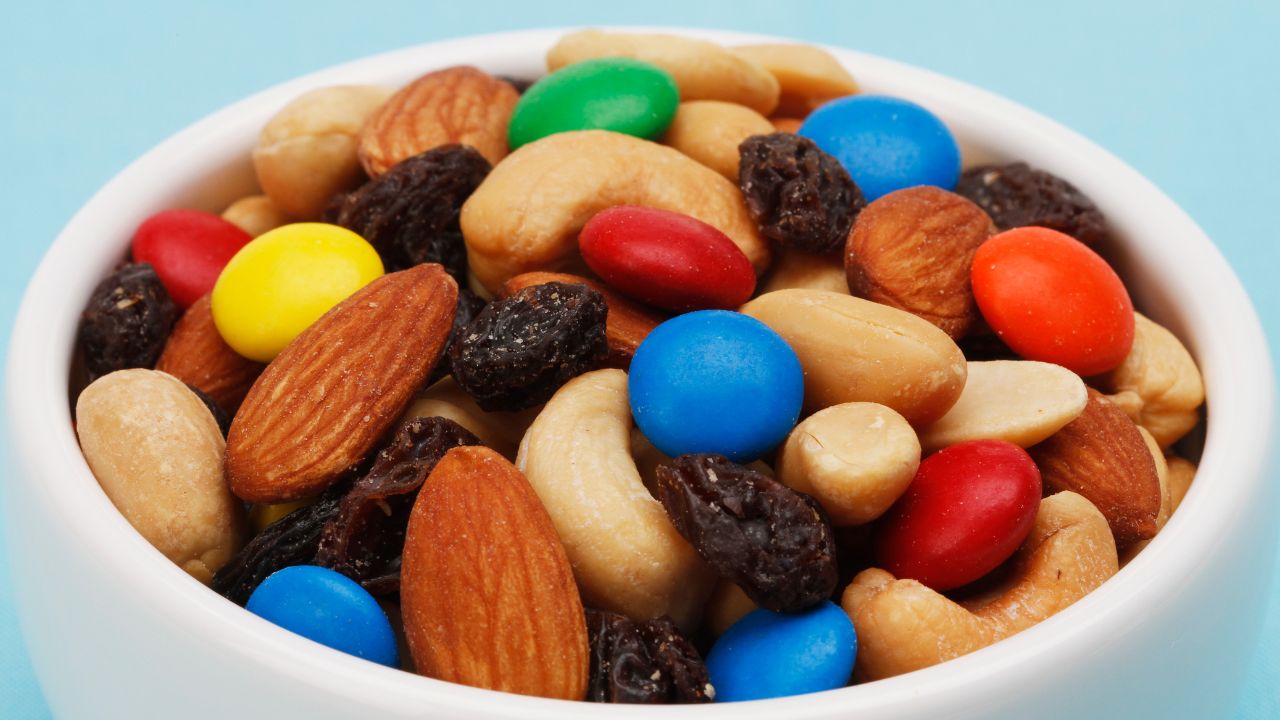
3. Trail Mix: Trail mix can be a great source of healthy fats, protein, and fiber. But be wary of mixes that are loaded with candy, chocolate chips, and dried fruit with added sugar. Opt for a DIY trail mix using nuts, seeds, and unsweetened dried fruit for a healthier option.

4. Cereals: Cereals are often marketed as a quick and easy breakfast option, but many popular varieties are loaded with sugar and refined grains. Choose cereals made with whole grains and low in sugar, or opt for oatmeal or Greek yogurt with berries for a more nutritious breakfast.

5. Flavored Yogurts: Yogurt can be a great source of calcium and probiotics, but flavored varieties can be loaded with added sugar. Opt for plain yogurt and add your own fruit or honey for sweetness.

6. Sports Drinks: Sports drinks are designed for athletes who are sweating heavily and need to replenish electrolytes. But for most people, they’re simply an unnecessary source of sugar and calories. Stick to water or unsweetened tea for hydration during exercise.

7. Protein Bars: Protein bars can be a convenient way to boost your protein intake, but many are loaded with unhealthy fats, sugar, and artificial ingredients. Choose bars with minimal ingredients and no added sugar for a healthier option.

8. Veggie Chips: Vegetable chips seem like a healthy alternative to potato chips, but they can be just as high in calories and unhealthy fats. Opt for baked kale chips or roasted chickpeas for a more nutritious snack.

9. Brown Bread: While brown bread is a better choice than white bread, it’s not a health saint. Many varieties are still high in refined grains and are actually just white breads with added brown colour to ‘look’ healthy. Look for breads made with 100% whole grains and sprouted grains for a more nutritious option.

10. Processed Soy Products: Soy can be a healthy part of a balanced diet, but processed soy products like tofu nuggets and veggie burgers can be high in sodium and unhealthy fats. Choose minimally processed soy products like edamame and tempeh for a healthier option.

Remember, reading food labels is key to making informed choices about what you put on your plate. Don’t be fooled by marketing claims and buzzwords. By understanding the ingredients and nutritional value of the foods you eat, you can make sure you’re making choices that are truly good for your health.

We hope this article has helped you to make more informed choices about the foods you eat. Remember, it’s all about balance and moderation. Enjoy your favorite treats in small amounts, and focus on filling your plate with plenty of fruits, vegetables, and whole grains.

Tagged : / / /

7 Warning Signs Your Body Sends When You Have Heart Blockage

7 Warning Signs Your Body Sends When You Have Heart Blockage
Your heart is the engine that keeps you going, and maintaining its health is vital. Unfortunately, blockages in the arteries supplying your heart with blood can silently develop, putting your health at risk. While chest pain is a classic symptom, several other seemingly unrelated signs can indicate heart blockage. Early detection and intervention are crucial, so pay attention to these 7 warning signs your body sends:

1. Unexplained Fatigue: Feeling constantly drained, even after adequate sleep, could be a sign of reduced blood flow to your heart. Your body prioritizes blood flow to vital organs, so activities that normally wouldn’t tire you out might feel incredibly taxing.

2. Excessive Sweating: Cold sweats, especially during activity or at rest, can be a sign your heart is working harder than usual to compensate for the blockage. This isn’t the same as exercise-induced sweating, so be mindful of unusual perspiration.

3. Dizziness or Lightheadedness: Feeling lightheaded or like you might faint could indicate a sudden drop in blood pressure due to the heart struggling to pump effectively. This can happen even when you’re standing still or getting up from a seated position.

4. Shortness of Breath: Difficulty catching your breath, even after minimal exertion or while lying down, can signal your heart isn’t getting enough oxygen-rich blood to meet your body’s demands. This can be a frightening symptom and requires immediate medical attention.

5. Nausea and Indigestion: While digestive issues can have various causes, persistent nausea, vomiting, or indigestion that doesn’t improve with medication could be a sign of reduced blood flow to the heart. This can mimic symptoms of other conditions, so consulting a doctor is crucial for proper diagnosis.

6. Pain Beyond the Chest: While chest pain is a typical symptom, heart blockages can also cause pain in unexpected places like the neck, jaw, shoulders, upper back, or even the arms. This pain can be sharp or dull and come and go, making it easy to dismiss. Don’t ignore persistent pain, especially if it radiates beyond your chest.

7. Swelling in the Legs and Ankles: Fluid buildup in the lower extremities can occur due to reduced blood flow from the heart. This swelling can be noticeable in the ankles and feet, particularly at the end of the day or after prolonged sitting.

Remember: These symptoms can have various causes, and experiencing one or two doesn’t necessarily mean you have a heart blockage. However, it’s always best to err on the side of caution and consult a doctor if you experience any of these symptoms persistently or with concerning intensity. Early diagnosis and treatment can significantly improve your prognosis and prevent serious complications.

Listen to your body, and don’t hesitate to seek medical help if you notice any of these warning signs. Your heart health is too important to ignore!

Tagged : / / / /

7 Superfoods to Soothe Acid Reflux and Heartburn Naturally

7 Superfoods to Soothe Acid Reflux and Heartburn Naturally
Acid reflux, that burning sensation creeping up your chest, can make even the simplest meal a daunting task. But fear not, fellow heartburn warriors! Mother Nature has provided us with an arsenal of delicious “superfoods” that can help calm the flames and bring peace to your gut. Ditch the antacids and embrace these 7 natural heartburn heroes:

1. Melons: Watermelon, cantaloupe, and honeydew are nature’s candy, packed with water and electrolytes that help dilute stomach acid and soothe irritation. Plus, their high fiber content aids digestion, preventing food from sitting in your stomach and triggering reflux.

2. Bananas: This potassium-rich fruit is a natural antacid, neutralizing stomach acid and preventing heartburn. Their creamy texture also coats the esophagus, providing a protective barrier against irritation. Bonus points for ripe bananas, as unripe ones can be acidic.

3. Leafy Greens: Don’t underestimate the power of greens! Spinach, kale, and collard greens are low in fat and acid, making them easy on your stomach. They’re also packed with vitamins and minerals that support overall gut health and digestion.

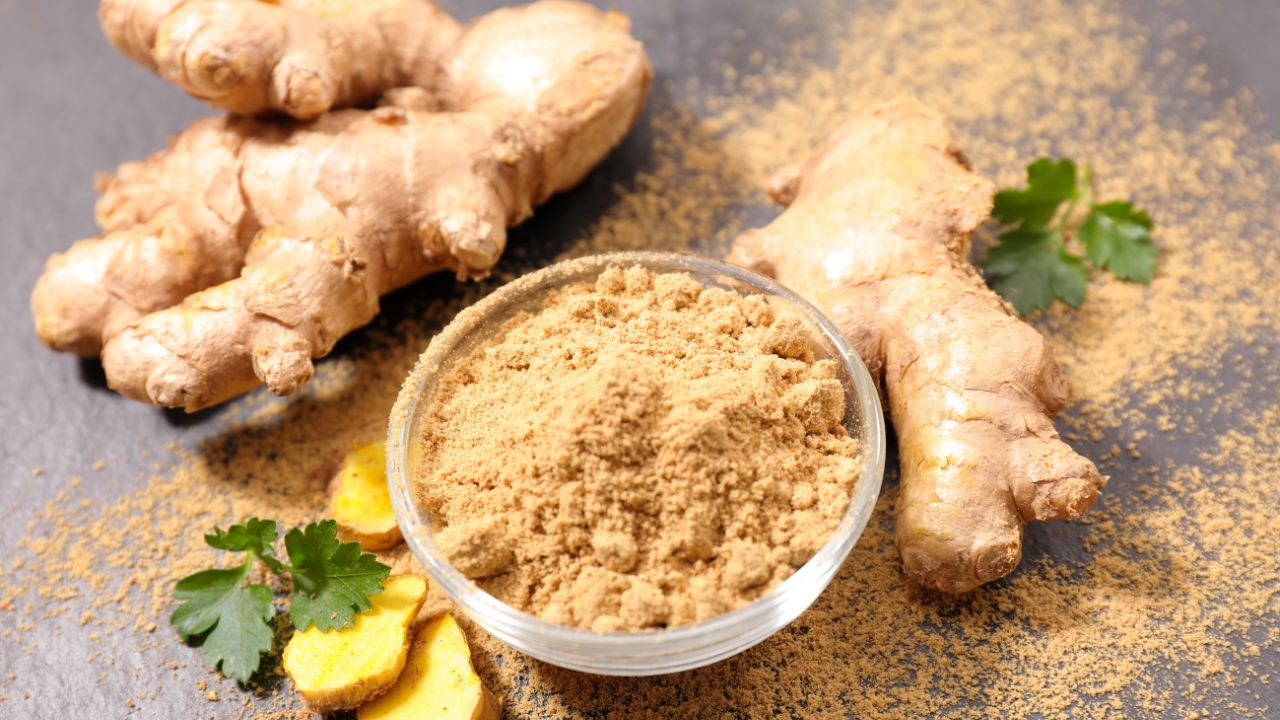
4. Ginger: This spicy root is a natural anti-inflammatory and has been used for centuries to soothe digestive issues. Ginger tea or a few slices chewed after a meal can help calm stomach upset and reduce acid reflux symptoms.

5. Oatmeal: This fiber-rich breakfast staple is a lifesaver for heartburn sufferers. Oatmeal absorbs excess stomach acid and creates a barrier against irritation. Opt for steel-cut oats for the most fiber and avoid sugary toppings.

6. Almonds: These crunchy nuts are a good source of healthy fats and magnesium, both of which can help relax the esophageal sphincter and prevent reflux. Enjoy a handful as a snack or sprinkle them on yogurt for added texture and flavor.

7. Yogurt: Plain, unsweetened yogurt is a probiotic powerhouse, teeming with good bacteria that aid digestion and keep your gut microbiome happy. This can help prevent acid reflux and other digestive issues. Choose low-fat or fat-free options for optimal comfort.

Remember, everyone’s triggers are different, so experiment and find what works best for you. Incorporate these superfoods into your diet, listen to your body, and enjoy the freedom of a heartburn-free life!

Bonus Tip: Lifestyle changes like eating smaller meals more frequently, managing stress, and avoiding trigger foods can also significantly improve acid reflux symptoms. Consult your doctor if symptoms persist or worsen.

With these superfoods and a little lifestyle tweaking, you can say goodbye to heartburn and embrace a life of delicious, comfortable meals!

Tagged : / / / / / /
Verified by ExactMetrics