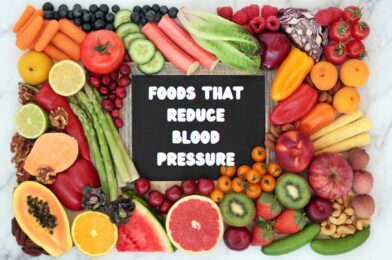
8 Leafy Superstars to Power Up Your Plate : Know The Benefits!

8 Leafy Superstars to Power Up Your Plate : Know The Benefits!
We often focus on fruits and vegetables, but the humble leaf often gets relegated to garnish duty. It’s time to give these leafy powerhouses their due! They’re packed with nutrients, antioxidants, and unique flavors that can transform your meals and your health. Here are 8 amazing leaves to add to your diet and their incredible benefits:

1. Neem: This bitter-tasting wonder from the Indian subcontinent is revered for its medicinal properties. Neem leaves are loaded with antioxidants, anti-inflammatory compounds, and blood sugar regulators. They can be used to make tea, chutneys, or even toothpaste!

2. Curry Leaves: Don’t underestimate these tiny, citrusy leaves! They’re a staple in South Indian cuisine and are rich in vitamin A, C, and E. Curry leaves boost immunity, aid digestion, and even have anti-cancer properties. Toss them into curries, dals, or even chutneys for a flavor and health boost.

3. Basil: The fragrant king of herbs, basil, is not just for pesto. It’s an excellent source of vitamins K, A, and C, as well as magnesium and iron. Basil has anti-inflammatory, antibacterial, and mood-boosting properties. Enjoy it fresh in salads, stir-fries, or infused in your favorite oils.

4. Mint: This refreshing herb is more than just a breath freshener. Mint leaves are packed with antioxidants, digestive enzymes, and pain-relieving menthol. They can aid digestion, soothe nausea, and even freshen your breath naturally. Add them to teas, smoothies, or simply chew on a few leaves after a meal.

5. Cilantro: This vibrant herb, also known as coriander, adds a unique citrusy punch to dishes. It’s rich in vitamin K, C, and folate, as well as powerful antioxidants. Cilantro can help lower cholesterol, fight inflammation, and even protect brain health. Sprinkle it on tacos, salsas, or even toss it into your smoothie for a surprising twist.

6. Spinach: This leafy green superstar is a nutritional powerhouse. It’s loaded with vitamins A, C, K, and iron, as well as fiber and folate. Spinach strengthens bones, boosts immunity, and improves eye health. Enjoy it raw in salads, steamed, or even blended into your favorite smoothie.

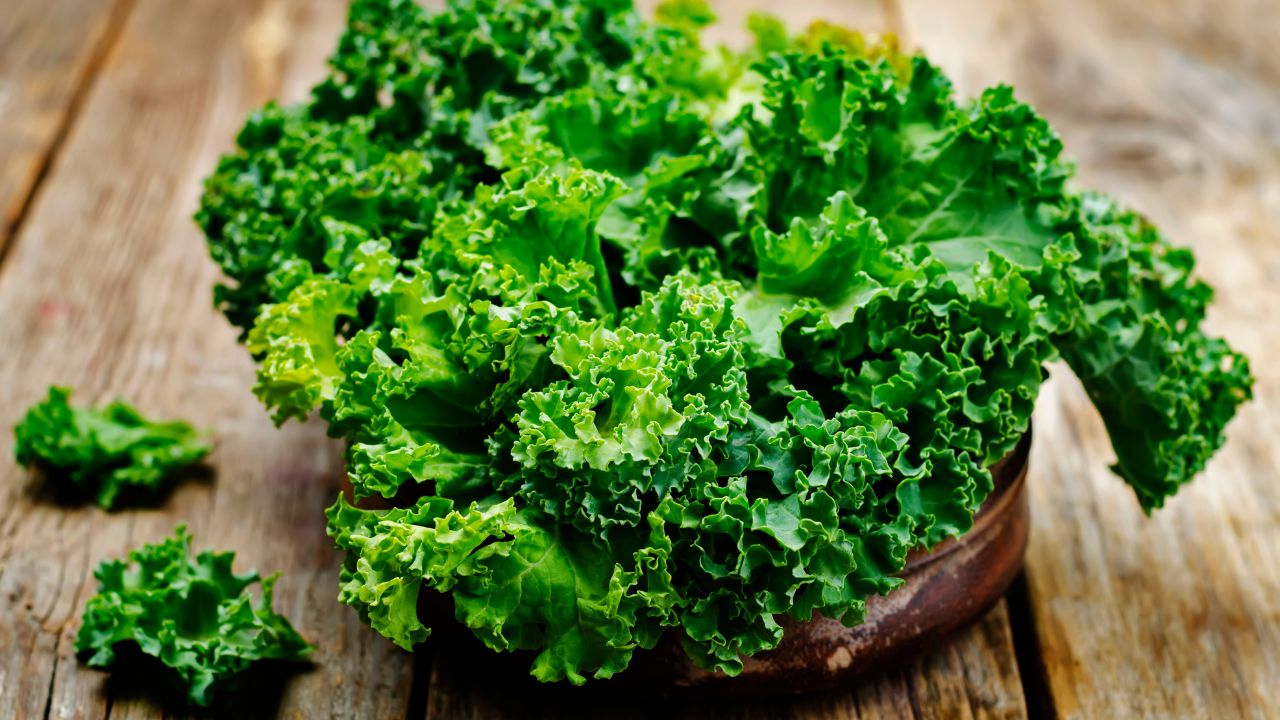
7. Kale: This trendy green is here to stay for a reason! It’s a nutritional powerhouse, boasting vitamins A, C, K, and B6, as well as fiber and antioxidants. Kale can help lower cholesterol, fight inflammation, and even protect against certain cancers. Sauté it, blend it into smoothies, or enjoy it raw in salads for a burst of flavor and nutrients.
8. Oregano: This aromatic herb is not just for pizza! Oregano leaves are rich in antioxidants, anti-inflammatory compounds, and immune-boosting vitamins. They can aid digestion, fight infections, and even improve oral health. Sprinkle it on pizzas, pastas, or even enjoy it as a tea for a soothing and flavorful experience.

Remember, these are just a few of the many amazing leaves out there. Experiment, explore, and discover new leafy favorites to add variety and a nutritional punch to your diet. Your taste buds and your body will thank you!

So, ditch the boring lettuce and embrace the leafy revolution! These 8 amazing leaves are just the tip of the iceberg when it comes to the health and flavor potential hidden in the plant kingdom. Go green, get leafy, and watch your health and taste buds soar!


Tagged : / / /

7 Morning Rituals for a Flatter Belly: Ditch the Crunch Time, Embrace the Sunrise Shine

7 Morning Rituals for a Flatter Belly: Ditch the Crunch Time, Embrace the Sunrise Shine
Belly fat, the stubborn cousin of body fat, can feel like an unwelcome guest that just won’t leave. But fear not, fellow fitness warriors! While genetics and hormones play a role, there are simple tweaks you can make, especially in your mornings, to send that unwanted guest packing. Ditch the pre-dawn panic and embrace these 7 amazing morning habits that’ll help you shed belly fat and rock that swimsuit with confidence:

1. Hydrate Like a Hydro Hero: Before that first sip of coffee, reach for a glass of warm water with lemon. This simple act kickstarts your metabolism, flushes toxins, and preps your digestive system for the day ahead. Bonus points for adding cucumber slices or a sprig of mint for extra flavor and detox power.

2. Protein Power for Breakfast: Ditch the sugary cereals and opt for a protein-rich breakfast like Greek yogurt with berries, eggs with spinach, or a protein smoothie. Protein keeps you feeling fuller for longer, curbs cravings throughout the day, and helps build muscle, which in turn burns more calories.

3. HIIT Your Way to a Flatter Tummy: Forget spending hours on the treadmill. High-intensity interval training (HIIT) is your morning fat-burning BFF. Short bursts of intense exercise followed by recovery periods get your heart rate soaring and metabolism revved, all in 20-30 minutes. Think jumping jacks, sprints, burpees – anything that gets you sweating and gasping for air (in a good way!).

4. Mindful Munching is Key: Eating with awareness is crucial for weight management. Savor your food, chew slowly, and stop when you’re comfortably full, not stuffed. This prevents overeating and helps you make healthier food choices throughout the day.

5. Fiber Fiesta for Your Gut: Include a good source of fiber in your morning meal, like fruits, vegetables, or whole grains. Fiber keeps you feeling full, regulates digestion, and feeds your gut microbiome, which plays a surprising role in belly fat storage. Think oatmeal with nuts and berries, a veggie omelet, or a whole-wheat toast with avocado.

6. Sleep Your Way to Slim: Prioritizing sleep is non-negotiable for belly fat reduction. When you’re sleep-deprived, your body releases cortisol, a stress hormone that promotes belly fat storage. Aim for 7-8 hours of quality sleep each night to keep your cortisol levels in check and your metabolism humming.

7. Stress Less, Belly Bliss: Chronic stress is another belly fat culprit. Find healthy ways to manage stress, like yoga, meditation, spending time in nature, or listening to calming music. When you’re stressed, your body releases cortisol, just like with sleep deprivation, leading to unwanted belly fat accumulation.

Remember, consistency is key. Implement these habits into your morning routine and watch your belly fat shrink as your confidence soars. And don’t forget, these tips are just the beginning of your journey. Consult a healthcare professional or a registered dietitian for personalized guidance and support. So, rise and shine, belly fat fighters! Embrace the morning, embrace these amazing habits, and get ready to rock that flat and fabulous midsection!

Tagged : / / / /

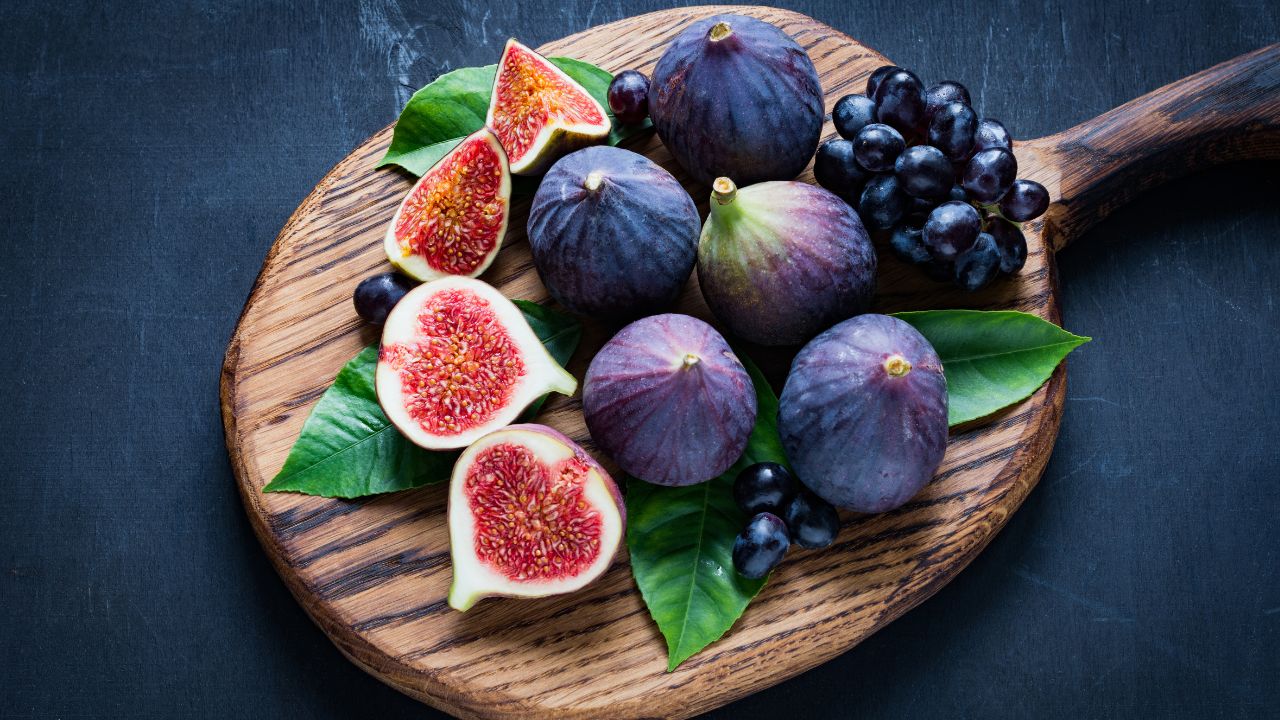
Sweeten Your Winter with Figs: A Treasure Trove of Health Benefits

Sweeten Your Winter with Figs: A Treasure Trove of Health Benefits
As winter settles in, our bodies crave warmth and nourishment. While we often turn to hearty soups and stews, a little sweetness can go a long way in boosting our spirits and well-being. Enter the humble fig, a fruit bursting with flavor and a surprising array of health benefits that are ideal for the colder months.

1. Immunity Booster: Figs are packed with vitamin C, a natural antioxidant that strengthens our immune system, helping us fight off those pesky winter colds and flus. A single serving of fresh figs can provide over 20% of our daily recommended intake of vitamin C, making them a delicious way to stay healthy and energized throughout the season.

2. Digestive Delight: The high fiber content in figs keeps our digestive system happy and regular. This is especially helpful during winter when heavier meals and holiday indulgences can lead to constipation. Figs act as a gentle laxative, promoting healthy digestion and gut health.

3. Bone Builder: Figs are a rich source of calcium, magnesium, and phosphorus, all essential minerals for maintaining strong bones. This is particularly important for women and older adults who are at higher risk of osteoporosis. Snacking on figs regularly can help prevent bone loss and keep your skeleton sturdy throughout the winter months.

4. Energy Enhancer: Figs are a natural source of sugar, providing a quick burst of energy when you need it most. Unlike processed sugars, the natural sugars in figs are released slowly into the bloodstream, preventing energy crashes and keeping you feeling satisfied for longer. This makes them a perfect pre-workout snack or a healthy afternoon pick-me-up.

5. Warmth from Within: Figs are naturally sweet and have a warming, almost honey-like flavor. They can be enjoyed fresh, dried, or incorporated into warm winter dishes like oatmeal, stews, or even baked into pies and cakes. Their sweetness adds a touch of luxury to any winter meal, while the warming spices often used with them further enhance their comforting properties.

Beyond the benefits mentioned above, figs are also a good source of potassium, manganese, and iron, all essential for overall health and well-being. So, this winter, don’t just reach for the hot cocoa or mulled wine. Grab a handful of figs and discover the delightful taste of good health. Your body will thank you for it!

Here are some additional tips for incorporating figs into your winter diet:

  • Pair fresh figs with creamy cheeses like ricotta or goat cheese for a delicious and satisfying appetizer.
  • Add chopped dried figs to your oatmeal or yogurt for a natural sweetness boost.
  • Make a warm fig compote to serve with roasted meats or grilled cheese.
  • Infuse water with fresh figs and herbs for a refreshing and healthy beverage.

    With a little creativity, you can enjoy the many health benefits and deliciousness of figs all winter long. So, embrace the season and let the sweetness of figs warm you up from the inside out!

Tagged : / / / /

Keep Your Kidneys Thriving: Essential Tips for Diabetics

Keep Your Kidneys Thriving: Essential Tips for Diabetics
Diabetes, a chronic condition affecting millions worldwide, can put extra strain on your kidneys. But fear not! By taking proactive steps, you can safeguard your kidney health and ensure they continue to filter your blood efficiently.

Why Kidneys Matter in Diabetes:

Kidneys are superheroes of your body, constantly filtering waste and toxins from your blood. In diabetes, high blood sugar levels can damage these tiny filters, leading to a condition called diabetic kidney disease (DKD). Early detection and proper management are crucial to prevent serious complications.

Guiding Principles for Kidney Care:

1. Blood Sugar Control: This is your top priority. Maintain healthy blood sugar levels through medication, diet, and exercise as recommended by your doctor.
2. Blood Pressure Management: High blood pressure is another risk factor for DKD. Regularly monitor your pressure and work with your doctor to keep it under control.
3. Weight Management: Maintaining a healthy weight reduces stress on your kidneys and overall health.
4. Hydration: Drink plenty of water throughout the day to flush toxins and keep your kidneys functioning optimally. Aim for eight glasses daily.

Dietary Tweaks for Kidney Health:

  • Reduce Sodium: Limit processed foods, fast food, and added salt in cooking. Opt for fresh ingredients and natural herbs for flavor.
  • Monitor Potassium and Phosphorus: These minerals can build up in the blood with kidney disease. Talk to your doctor about recommended intake levels and adjust your diet accordingly.
  • Choose Protein Wisely: Opt for plant-based protein sources like beans, lentils, and tofu. Limit animal protein intake as discussed with your doctor.
  • Reduce Stress: Chronic stress can elevate blood pressure and worsen kidney function. Practice relaxation techniques like yoga, meditation, or deep breathing.

    Early Detection is Key:

Regular checkups with your doctor are essential for monitoring kidney health. Early signs of DKD can include:

  • High blood pressure
  • Protein in the urine
  • Increased thirst and urination
  • Fatigue and weakness
  • Swelling in the ankles and feet

Remember: You are not alone in this journey. By following these tips, working closely with your healthcare team, and prioritizing your well-being, you can empower your kidneys to thrive despite diabetes.

Bonus Tip: Get moving! Regular exercise helps manage blood sugar and blood pressure, both beneficial for kidney health. Choose activities you enjoy, like brisk walking, swimming, or cycling.

Taking care of your kidneys is an investment in your long-term health and well-being. By incorporating these simple yet effective strategies into your daily life, you can ensure your kidneys continue to function optimally, even with diabetes. Remember, knowledge is power, and early intervention is key to a healthy future. So, let’s prioritize kidney care and keep those vital organs singing!

Tagged : / / / /

Are Smartphones Making Us Dumb? New Study Raises Concerns About Mental Health and Excessive Mobile Use

Are Smartphones Making Us Dumb? New Study Raises Concerns About Mental Health and Excessive Mobile Use
Our smartphones, once touted as revolutionary tools, might be chipping away at our very minds. A recent study, published in the Journal of Behavioral Addictions, paints a concerning picture: spending 4 or more hours glued to your phone daily can significantly impact your mental health.

The research, conducted on over 450 participants, looked at the correlation between smartphone usage and mental health indicators like depression, anxiety, and loneliness. The findings were stark – those who spent more than 4 hours a day on their phones exhibited higher levels of all three negative mental states.

But how does this happen? The constant barrage of notifications, the endless scroll of social media feeds, and the dopamine hit of instant gratification – all conspire to create a state of digital addiction. We get trapped in a loop of seeking the next fix, neglecting real-world interactions and activities that nourish our mental well-being.

The study points to several potential mechanisms:

  • Reduced attention span: The constant switching between tasks and stimuli on our phones fragments our focus, making it harder to concentrate and retain information.
  • Social isolation: The illusion of connection fostered by social media can actually lead to increased feelings of loneliness and isolation, as we prioritize online interactions over real-world ones.
  • Sleep disruption: The blue light emitted from smartphones disrupts our sleep cycle, leading to fatigue, irritability, and impaired cognitive function.
  • Increased anxiety and depression: The constant comparison and self-judgment triggered by social media can fuel anxiety and contribute to feelings of inadequacy and depression.

So, what can we do to break free from the digital shackles and protect our mental health? Here are some tips:

  • Set boundaries: Be mindful of your phone usage and set daily limits. Turn off notifications, silence your phone during meals and bedtime, and designate certain times as “phone-free zones.”
  • Prioritize real-world interactions: Make time for activities that involve face-to-face interaction, like spending time with loved ones, pursuing hobbies, or engaging in community activities.
  • Practice mindfulness: Techniques like meditation and deep breathing can help you become more aware of your thoughts and emotions, and break the cycle of compulsive phone checking.
  • Seek support: If you feel overwhelmed by your phone use or its impact on your mental health, talk to a therapist or counselor. They can provide tools and strategies to manage your tech habits and prioritize your well-being.

Remember, smartphones are powerful tools, but they should not control us. Let’s reclaim our attention, prioritize our mental health, and ensure that technology serves us, not the other way around.

This is just the beginning of the conversation about the impact of smartphones on our mental well-being. As research continues, we can develop better strategies to use these devices responsibly and ensure they remain tools for good, not for mental decline.

Tagged : / / / /

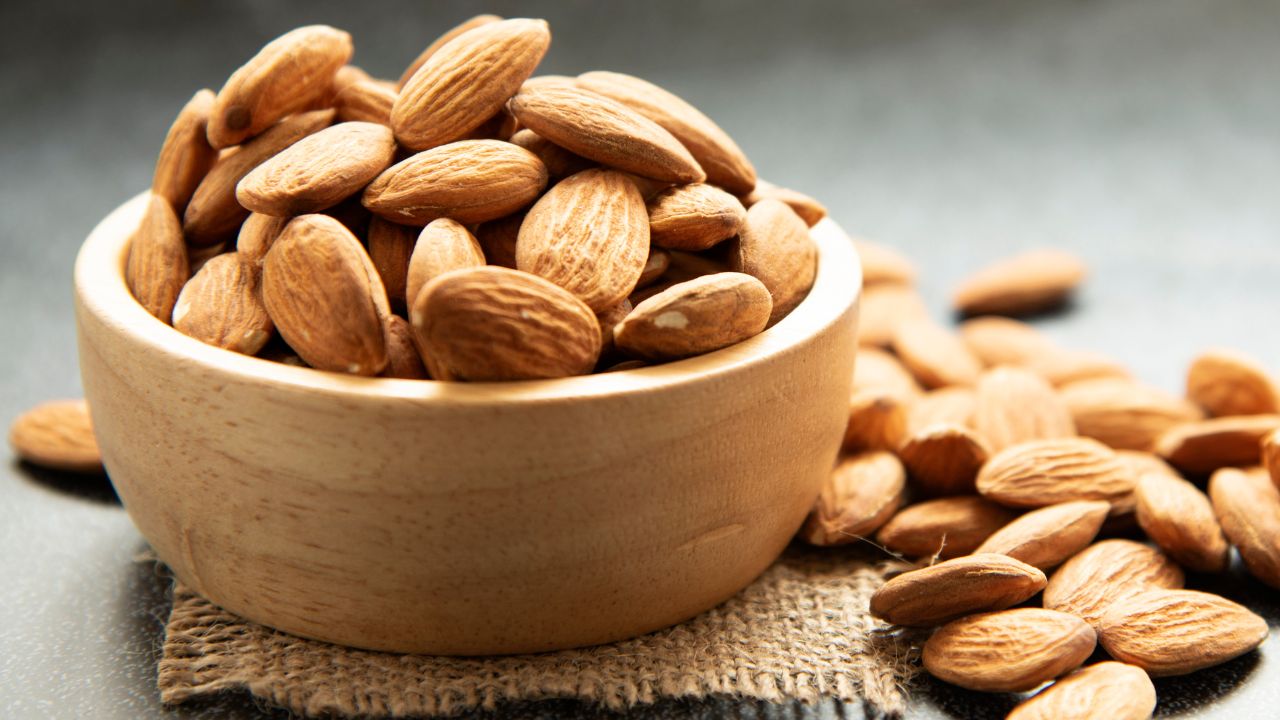
Soaked vs Unsoaked Almonds: Which Is The Bigger Nutritional Treasure Chest?

Soaked vs Unsoaked Almonds: Which Is The Bigger Nutritional Treasure Chest?
Almonds, the crunchy, buttery jewels of the nut world, have long been revered for their nutritional prowess. But when it comes to maximizing their goodness, a debate arises: soak them or not? Let’s dive into the world of soaked and unsoaked almonds, cracking open the secrets to unlocking their full potential.

Soaking the Science:

Soaking almonds overnight in water activates enzymes, which break down phytic acid, a compound that can hinder nutrient absorption. This process also makes the nuts softer and easier to digest, especially for those with sensitive stomachs.

Benefits of Soaked Almonds:

1. Enhanced nutrient absorption: Studies suggest soaking can increase the bioavailability of minerals like iron, calcium, and magnesium by up to 50%.
2. Improved digestion: Soaking breaks down complex carbohydrates, making the nuts gentler on the gut and potentially reducing bloating and gas.
3. Creamier texture: Soaked almonds have a softer, creamier texture, making them ideal for snacking, blending into smoothies, or using in desserts.

But wait, unsoaked almonds have their own perks!

1.Convenience: No need for pre-planning, just grab and munch.
2. Potentially higher nutrient content: Soaking can lead to a slight loss of water-soluble vitamins like vitamin B6.
3. Nutty flavor: Unsoaked almonds have a more intense, nutty flavor that some prefer.

So, which is the ultimate winner?

The answer, like most things in life, is: it depends!

For optimal nutrient absorption and digestion, soaked almonds are the clear champions.
If convenience and a stronger nutty flavor are your priorities, unsoaked almonds might be your match.
Ultimately, listen to your body and choose what works best for you.
Bonus tip: Don’t discard the soaking water! It’s packed with nutrients and can be used in smoothies, pancakes, or even as a facial toner.

Remember: Both soaked and unsoaked almonds are excellent sources of healthy fats, protein, fiber, vitamins, and minerals. So, don’t get caught up in the debate – just enjoy these delicious nuts in whatever way you find most appealing!

And hey, don’t stop exploring! Experiment with different soaking times, try dry-roasting for a different texture, or get creative and whip up some almond butter or milk. The possibilities are endless, just like the health benefits of these amazing nuts.

So, go forth and conquer the world of almonds, soaked or unsoaked, your taste buds and body will thank you!

Tagged : / / / /

5 Superfoods That May Help Women Reduce Their Cancer Risk

5 Superfoods That May Help Women Reduce Their Cancer Risk
Diet plays a crucial role in overall health and well-being, and incorporating certain foods may even help reduce the risk of developing cancer, particularly for women. While there’s no single “magic bullet” food, adding these five superfoods to your diet can contribute to a healthy lifestyle and potentially lower your risk:

1. Pumpkin Seeds:

These tiny powerhouses are packed with zinc, a mineral essential for cell growth and repair. Studies suggest that zinc may play a role in inhibiting the development of certain cancers, particularly breast and cervical cancers. Additionally, pumpkin seeds are a good source of antioxidants, which help protect cells from damage.

2. Cruciferous Vegetables:

Broccoli, cauliflower, cabbage, and Brussels sprouts belong to this family of vegetables known for their cancer-fighting properties. They contain glucosinolates, which break down into compounds with potential anti-cancer effects. These vegetables are also rich in vitamins and fiber, further contributing to overall health.

3. Berries:

These colorful fruits are loaded with antioxidants, including anthocyanins, which have been shown to have anti-inflammatory and anti-cancer properties. Berries are also a good source of vitamin C, another important antioxidant. Some studies suggest that regular consumption of berries may be associated with a reduced risk of certain cancers, including breast, colon, and stomach cancer.

4. Green Leafy Vegetables:

Leafy greens like spinach, kale, and collard greens are packed with nutrients and offer various health benefits. They are rich in folate, a B vitamin that helps produce healthy red blood cells and may also play a role in preventing cancer development. Additionally, leafy greens are a good source of fiber, vitamins K and A, and other beneficial compounds.

5. Legumes:

Beans, lentils, chickpeas, and other legumes are excellent sources of protein, fiber, and various vitamins and minerals. Studies suggest that legumes may help reduce the risk of colon cancer, possibly due to their high fiber content. Additionally, legumes are known to promote gut health, which is linked to overall well-being and reduced cancer risk.

Remember:

It’s important to note that these superfoods are not guaranteed to prevent cancer. However, incorporating them into a balanced diet alongside regular exercise and other healthy lifestyle choices can contribute to a lower cancer risk. It’s also crucial to consult with a healthcare professional for personalized advice and guidance based on your individual health needs.

Tagged : / / / /

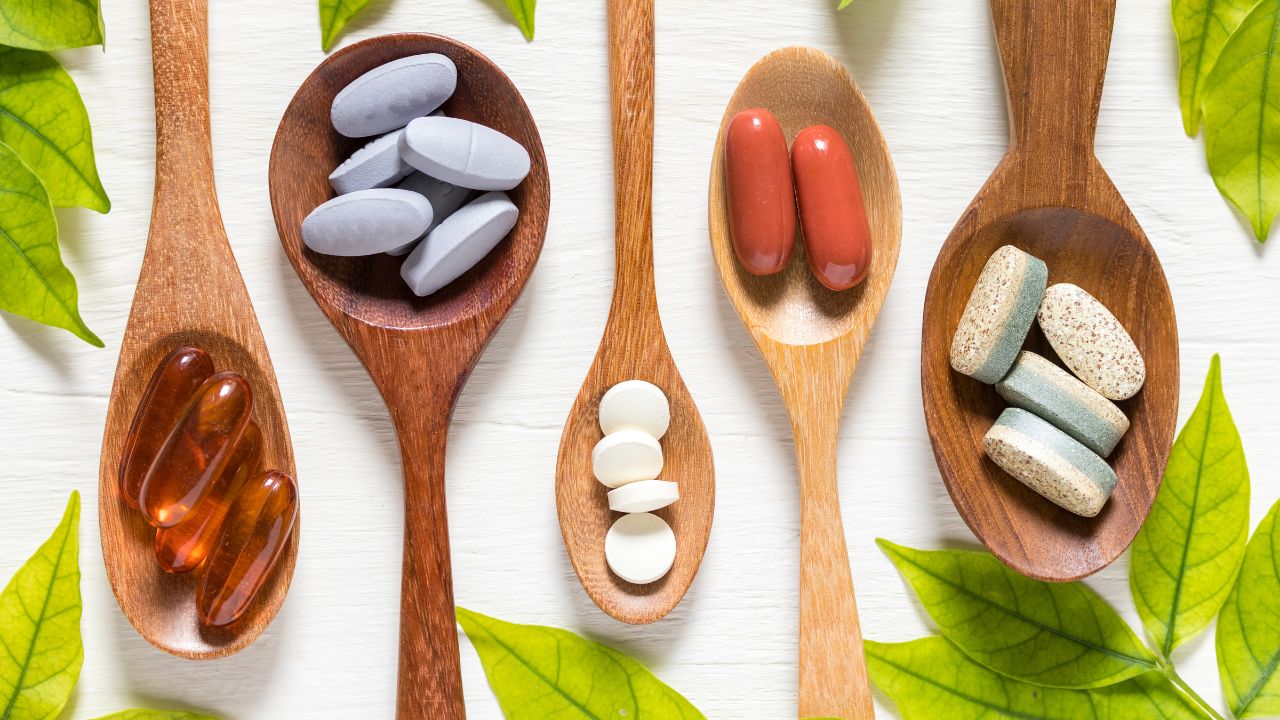
Bleeding to Kidney Failure: Understanding the Potential Side Effects of Longevity Supplements

Bleeding to Kidney Failure: Understanding the Potential Side Effects of Longevity Supplements
In our pursuit of a longer, healthier life, many of us turn to supplements promising longevity. However, it’s crucial to be aware of the potential side effects associated with these supplements, which can range from mild to life-threatening.

While some supplements offer potential benefits, others can cause adverse reactions, including:

1. Bleeding: Certain supplements, like vitamin E and fish oil, can increase the risk of bleeding, especially when taken in high doses or alongside blood-thinning medications. This risk is particularly concerning for individuals already prone to bleeding or undergoing surgery.

2. Kidney Damage: Supplements containing high doses of certain minerals, such as iron and magnesium, can put a strain on the kidneys and lead to damage if taken for extended periods or in excessive quantities. Regular monitoring of kidney function is essential for anyone taking such supplements.

3. Liver Toxicity: Some herbal supplements and high-dose vitamins can be toxic to the liver, causing inflammation, jaundice, and even liver failure in rare cases. It’s important to consult a healthcare professional before taking any supplement with potential hepatotoxic effects.

4. Allergic Reactions: Supplement ingredients can trigger allergic reactions in some individuals, manifesting as skin rashes, hives, or even anaphylaxis. Being aware of potential allergies and starting with small doses is crucial to minimize the risk.

5. Interference with Medications: Certain supplements can interact with medications, reducing their effectiveness or causing dangerous side effects. This is especially concerning for individuals taking medication for chronic conditions.

6. Nutrient Imbalances: Excessive supplementation of certain nutrients can create imbalances in the body, leading to deficiencies in other essential vitamins and minerals. This can disrupt various bodily functions and ultimately harm health.

7. Unproven Claims and Misinformation: Many longevity supplements lack scientific evidence for their claims and may even contain harmful contaminants or undisclosed ingredients. It’s important to choose reputable brands and consult a healthcare professional before starting any supplement regimen.

8. Overreliance on Supplements: While supplements can play a role in supporting overall health, they should not be seen as a magic bullet for longevity. A balanced diet, regular exercise, and a healthy lifestyle are still the cornerstones of long-term well-being.

Conclusion:

While the desire to improve longevity is understandable, it’s vital to approach supplements with caution. Consulting a healthcare professional before starting any supplement regimen is crucial to assess individual needs and risks. Remember, there’s no single “miracle” supplement for longevity. By prioritizing a healthy lifestyle and making informed choices about supplementation, we can approach our journey to a longer, healthier life with greater awareness and responsibility.

Tagged : / / /

5 Most Important Lifestyle Changes That Help With Fat Loss

5 Most Important Lifestyle Changes That Help With Fat Loss
Fat loss requires a multi-faceted approach, and it’s not just about hitting the gym or going on restrictive diets. While exercise and diet play crucial roles, several other lifestyle factors contribute to achieving your fat loss goals. Let’s explore five key changes you can implement to support your fat loss journey effectively:

1. Prioritize Hydration:

Water is the elixir of life, and its importance extends beyond quenching thirst. Adequate hydration plays a vital role in fat loss by:

  • Curbing Appetite: Dehydration often mimics hunger pangs, leading to unnecessary calorie intake. Drinking water before meals can help you feel fuller and reduce calorie consumption.
  • Boosting Metabolism: Water is essential for various metabolic processes, including fat burning. Studies suggest that drinking water can transiently increase calorie expenditure, aiding in fat loss.
  • Improving Detoxification: Water helps flush out toxins from your body, optimizing your system for efficient fat metabolism.

    2. Nourish Your Body with a Balanced Diet:

The foundation of fat loss lies in a healthy diet rich in whole, unprocessed foods. Focus on incorporating:

  • Whole Grains: Whole grains provide sustained energy and dietary fiber, promoting gut health and keeping you feeling full for longer.
  • Lean Proteins: Protein is essential for building and maintaining muscle mass, which boosts metabolism and aids in burning fat.
  • Healthy Fats: Include healthy fats like avocados, nuts, and olive oil in your diet. These fats promote satiety, improve hormone regulation, and support overall health.

3. Embrace the Power of Exercise:

Regular exercise is not just for building muscle; it’s a proven strategy for achieving fat loss. Combine:

  • Aerobic Exercise: Activities like running, swimming, or cycling help burn calories and improve cardiovascular health.
  • Strength Training: Building muscle increases your resting metabolic rate, meaning you burn more calories even at rest, promoting fat loss.

4. Prioritize Sleep for Optimal Health:

Sleep deprivation disrupts various hormones, including leptin and ghrelin, which regulate hunger and satiety. This can lead to increased cravings and overeating, hindering your fat loss efforts. Aim for:

  • 7-8 hours of quality sleep per night: Adequate sleep ensures hormonal balance, promotes recovery, and optimizes your body’s fat-burning potential.
  • Establishing a consistent sleep schedule: Maintaining a regular sleep-wake cycle regulates your body’s natural rhythms, promoting better sleep quality.

5. Manage Stress Effectively:

Chronic stress elevates cortisol levels, a stress hormone that can lead to increased belly fat. To manage stress effectively:

  • Practice relaxation techniques: Incorporate yoga, meditation, or deep breathing exercises into your routine to manage stress and promote a calmer state of mind.
  • Engage in activities you enjoy: Make time for hobbies and activities you find pleasurable to reduce stress and promote overall well-being.
    Conclusion:

Achieving fat loss is not just about aesthetics; it’s about optimizing your health and well-being. By incorporating these five simple yet impactful lifestyle changes – prioritizing hydration, nourishing your body with a balanced diet, engaging in regular exercise, prioritizing sleep, and managing stress effectively – you can create a sustainable foundation for achieving your fat loss goals and improving your overall health for the long term. Remember, consistency is key. Implement these changes gradually and make them a part of your daily routine to witness the positive impact they have on your body and mind.

Tagged : / / /

Why Walking Speed Matters More Than Hitting 10,000 Steps Per Day

Why Walking Speed Matters More Than Hitting 10,000 Steps Per Day
For decades, the magic number of 10,000 steps a day has been ingrained in our minds as the key to a healthy lifestyle. While getting your steps in is undeniably important, recent research suggests that focusing on your walking speed might actually be more beneficial for your health.

Here’s why:

Intensity Matters: It’s not just about quantity, but also about quality. Walking slowly for hours doesn’t offer the same health benefits as walking briskly for a shorter duration. And these benefits are:

1. Cardiovascular Health: A faster pace gets your heart rate up, promoting better cardiovascular health and lowering your risk of heart disease.

2. Reduced Risk of Chronic Diseases: Studies have shown that brisk walking can help reduce the risk of various chronic diseases like diabetes, cancer, and dementia.

3. Improved Fitness: Walking at a faster pace strengthens your muscles, improves bone density, and boosts your overall fitness level.

4. Calories Burned: Brisk walking burns more calories than walking slowly, aiding in weight management and promoting a healthy metabolism.

What’s the ideal walking speed?

While research suggests aiming for a brisk pace of around 3-4 miles per hour (5-6.5 kilometers per hour), the ideal speed ultimately depends on your individual fitness level and health goals. If you’re a beginner, start slowly and gradually increase your pace as you get fitter.

Here are some tips for incorporating brisk walking into your routine:

  • Start with a brisk walk for 10-15 minutes a day and gradually increase the duration and intensity.
  • Incorporate interval training by alternating between walking briskly and walking slowly for short periods.
  • Find a walking buddy or group to keep you motivated and accountable.
  • Listen to music or podcasts to make your walks more enjoyable.
  • Track your progress using a fitness tracker or app.

    Remember, consistency is key. Even if you don’t hit 10,000 steps every day, making time for regular brisk walks can significantly benefit your health and well-being. By focusing on both quantity and quality, you can unlock the full potential of walking and take a step towards a healthier and happier you.

Tagged : / / / / /

5 Health Benefits of Black Carrots: Nature’s Hidden Gems

5 Health Benefits of Black Carrots: Nature’s Hidden Gems
Black carrots, with their striking dark purple color, are gaining popularity not just for their unique appearance, but also for their impressive health benefits. Packed with powerful antioxidants and essential nutrients, these colorful beauties offer a variety of advantages for your well-being. Let’s explore five key benefits of black carrots:

1. Vision Boost: Black carrots are rich in anthocyanins, the same pigments that give blueberries their vibrant color. These antioxidants have been shown to improve eye health and protect against age-related macular degeneration and cataracts.

2. Weight Management: Black carrots are high in fiber, which helps you feel full for longer and promotes digestive health. This can be beneficial for weight management as it reduces cravings and controls calorie intake.

3. Improved Heart Health: The anthocyanins in black carrots help protect against cardiovascular diseases by lowering bad cholesterol levels and reducing inflammation. Additionally, black carrots are a good source of potassium, which is essential for maintaining healthy blood pressure.

4. Skin Health: The antioxidants in black carrots help protect your skin from harmful UV rays and environmental damage. They also promote collagen production, which keeps your skin looking youthful and radiant.

5. Stronger Immune System: Black carrots are rich in vitamin C, a powerful antioxidant that boosts your immune system and helps your body fight off infections and diseases.

In addition to these benefits, black carrots are also a good source of vitamins A, K, and B vitamins. They are also low in calories and fat, making them a healthy and nutritious addition to your diet.

Here are some ways to enjoy the benefits of black carrots:

  • Eat them raw as a snack or add them to salads.
  • Juice them and enjoy them fresh.
  • Roast them and add them to stir-fries or soups.
  • Use them to make black carrot cake or muffins.
    With its vibrant color and impressive health benefits, the black carrot is a hidden gem that deserves a place in your diet. So, next time you’re at the grocery store, be sure to pick up a bunch of these colorful beauties and experience their amazing benefits for yourself.
Tagged : / / / /

Fueling Your Fight: How Nutrition Can Boost Your Immune System During Sickness

Fueling Your Fight: How Nutrition Can Boost Your Immune System During Sickness
With autumn’s arrival comes the dreaded cold and flu season. As temperatures drop, so do our immune defenses, making us more susceptible to these unwelcome visitors. While there’s no magic bullet to prevent illness entirely, proper nutrition can play a vital role in strengthening your immune system and helping your body fight back.

Food for Defense: Key Nutrients to Boost Immunity
1. Vitamin C
This antioxidant powerhouse is renowned for its immune-boosting properties. Citrus fruits like oranges and grapefruits are excellent sources, but don’t forget about bell peppers, broccoli, and strawberries.

2. Vitamin D
Often dubbed the “sunshine vitamin,” Vitamin D plays a crucial role in regulating immune function. Fatty fish like salmon and tuna are rich sources, as are fortified milk and egg yolks.

3. Zinc
This essential mineral is vital for cell growth and immune function. Oysters, beef, and pumpkin seeds are excellent dietary sources of zinc.

4. Probiotics
These “good bacteria” residing in our gut play a crucial role in overall health, including immune function. Fermented foods like yogurt, kimchi, and sauerkraut are excellent sources.

5. Protein
This building block of life is essential for building and repairing tissues, including immune cells. Lean protein sources like poultry, fish, and legumes are key dietary components.

Beyond the Plate: Additional Tips for Immune Support

i. Hydration is Key: Water is essential for overall health and immune function. Aim to drink eight glasses of water daily, especially during cold and flu season.

ii. Prioritize Sleep: Sleep deprivation can weaken your immune system. Aim for 7-8 hours of quality sleep each night.

iii. Manage Stress: Chronic stress can negatively impact your immune system. Practice stress-reducing techniques like yoga, meditation, or deep breathing exercises.

iv. Move Your Body: Regular exercise helps boost your immune system and overall health. Aim for at least 30 minutes of moderate-intensity exercise most days of the week.

v. Consider Supplements: While a balanced diet should provide most essential nutrients, some individuals may benefit from supplements like Vitamin D or Zinc, especially during cold and flu season. Consult your doctor before starting any supplements.

Remember: A healthy immune system is your body’s best defense against colds and flu. By incorporating these nutritional and lifestyle changes into your routine, you can empower your immune system and stay strong during cold and flu season.

Tagged : / / / / /

5 Simple Habits To Keep Your Leg Muscles Healthy And Running Strong

5 Simple Habits To Keep Your Leg Muscles Healthy And Running Strong
ur legs are the workhorses of our bodies, carrying us throughout the day and allowing us to participate in activities we enjoy. Keeping them strong and healthy is essential for maintaining mobility, preventing injuries, and optimizing performance. Here are five simple habits you can incorporate into your daily routine to keep your leg muscles healthy and running strong:

1. Stretch Regularly

Stretching is crucial for improving flexibility and range of motion, reducing muscle stiffness, and preventing injuries. Make it a point to stretch your legs for at least 10-15 minutes daily, focusing on major muscle groups like hamstrings, quadriceps, calves, and glutes. Hold each stretch for 30-60 seconds and repeat 2-3 times.

2. Engage in Strength Training

Building strong leg muscles is essential for supporting your body weight, absorbing impact, and preventing injuries. Include strength training exercises like squats, lunges, calf raises, and leg presses in your workout routine at least twice a week. Start with lighter weights and gradually increase intensity as your muscles get stronger.

3. Fuel Your Body Properly

Providing your body with the right nutrients is vital for muscle growth and recovery. Ensure you consume a balanced diet rich in protein, carbohydrates, and healthy fats. Protein is essential for building and repairing muscle tissue, while carbohydrates provide energy for workouts. Healthy fats promote overall health and contribute to muscle function.

4. Stay Hydrated

Water plays a crucial role in transporting nutrients to your muscles and aiding in muscle recovery. Aim to drink eight glasses of water daily, especially before, during, and after workouts.

5. Get Enough Sleep

Sleep is essential for muscle growth and repair. When you sleep, your body releases hormones that help your muscles recover from exercise and grow stronger. Aim for 7-8 hours of quality sleep each night.

Bonus Tip:
In addition to these habits, consider incorporating activities like walking, running, cycling, or swimming into your routine. These activities are excellent ways to engage your leg muscles in a cardio-focused workout, promoting overall health and fitness.

By incorporating these simple habits into your daily life, you can strengthen your leg muscles, reduce your risk of injuries, and keep your body running strong for years to come. Remember, consistency is key, so make these habits a regular part of your routine to reap the benefits.

Tagged : / / / /

Not Just Beetroot, Banana, These Foods Too Lower Your Blood Pressure Naturally

Not Just Beetroot, Banana, These Foods Too Lower Your Blood Pressure Naturally
High blood pressure, also known as hypertension, affects millions worldwide. While medication plays a crucial role in managing this condition, incorporating certain foods into your diet can also significantly contribute to lowering blood pressure. Here are five naturally potent options:

1. Beetroot
This vibrant root vegetable is rich in nitrates, which your body converts into nitric oxide. This essential molecule helps relax and dilate blood vessels, leading to improved blood flow and reduced blood pressure. Enjoy beetroot roasted, juiced, or added to salads and soups.

2. Potassium Powerhouse: Bananas
Bananas are renowned for their high potassium content. Potassium helps counteract the negative effects of sodium on blood pressure by relaxing blood vessel walls. Aim for one to two bananas daily to reap the benefits.

3. Leafy Greens
Spinach, kale, and other leafy greens are packed with nutrients beneficial for blood pressure control. They’re rich in potassium, magnesium, and nitrates, which work together to promote relaxation and reduce blood pressure. Incorporate these greens into your diet through salads, smoothies, or stir-fries.

4. Berries
These antioxidant-rich fruits offer a delicious way to support your blood pressure health. Berries are low in sodium and high in potassium and fiber, contributing to improved blood vessel function and reduced inflammation. Enjoy a handful of berries as a snack or add them to your yogurt or oatmeal.

5. The Heart-Healthy Nut: Almonds
These crunchy nuts are packed with magnesium, potassium, and healthy fats that benefit heart health. Including almonds in your diet can help lower blood pressure and improve overall cardiovascular health. Enjoy a handful of almonds as a snack or incorporate them into recipes like salads and trail mix.

Remember, incorporating these foods into your diet alongside a healthy lifestyle can significantly contribute to managing your blood pressure. Consult your doctor for personalized advice on how to manage your blood pressure effectively.

Tagged : / / / /

How Stress Eating Leads To Weight Gain? Follow These 8 Tips To Combat It

How Stress Eating Leads To Weight Gain? Follow These 8 Tips To Combat It
Stress eating is a common phenomenon where individuals turn to food for comfort and relief during times of stress or emotional turmoil. While it may provide temporary solace, stress eating can lead to long-term consequences, including weight gain. This blog delves into the science behind stress eating and its impact on weight, offering eight practical tips to combat this unhealthy habit.

Understanding the Science of Stress and Appetite

When we are stressed, our bodies release hormones like cortisol, adrenaline, and norepinephrine. These hormones trigger the “fight-or-flight” response, preparing us to deal with the perceived threat. As part of this response, cortisol also stimulates the appetite, leading us to crave calorie-dense foods high in fat, sugar, and salt. These foods provide a quick burst of energy and help us feel momentarily better, but they can contribute to weight gain over time.

The Weight Gain Connection

Stress eating often leads to consuming more calories than we burn, resulting in a calorie surplus. This surplus is stored as fat, leading to gradual weight gain. Additionally, stress can disrupt sleep patterns and impair our body’s ability to regulate hormones like insulin, further contributing to weight gain.

8 Tips to Combat Stress Eating

Fortunately, there are several effective strategies to combat stress eating and prevent its negative consequences. Here are eight practical tips you can try:

1. Identify Your Stress Triggers: What situations or emotions make you crave unhealthy foods? Once you identify your triggers, you can develop healthier coping mechanisms like taking a walk, listening to music, or practicing relaxation techniques.

2. Plan Your Meals and Snacks: Planning ahead ensures you have healthy food readily available, reducing the temptation to reach for unhealthy options when stressed. Stock your pantry and fridge with nutritious snacks like fruits, nuts, and yogurt.

3. Practice Mindful Eating: Be present in the moment while eating. Pay attention to your body’s hunger and fullness cues. Eat slowly and savor your food, allowing yourself to experience real satisfaction from healthy meals.

4. Prioritize Regular Exercise: Physical activity is a potent stress reliever. Aim for at least 30 minutes of moderate-intensity exercise most days of the week. Whether it’s going for a brisk walk, running, or dancing, exercise helps reduce stress hormones and improve mood.

5. Ensure Adequate Sleep: Chronic sleep deprivation can increase stress and cortisol levels, promoting stress eating. Aim for 7-8 hours of quality sleep each night to improve your body’s ability to cope with stress in a healthy way.

6. Limit Alcohol Consumption: Alcohol can worsen stress and impair judgment, making it difficult to resist unhealthy cravings. Consider limiting or avoiding alcohol altogether to better manage stress eating.

7. Seek Social Support: Surround yourself with positive and supportive individuals who can offer emotional support and help you navigate stressful situations.

8. Consider Professional Help: If you struggle to manage stress eating on your own, don’t hesitate to seek help from a therapist or registered dietitian. They can provide personalized guidance and support to develop healthier coping mechanisms and address the underlying causes of stress eating.

Remember, breaking the cycle of stress eating requires consistent effort and self-compassion. By implementing these tips and prioritizing your well-being, you can effectively combat stress eating and achieve your weight and health goals.

Tagged : / / /
Verified by ExactMetrics