5 Healthy Habits Every Woman Should Embrace in Her 30s

5 Healthy Habits Every Woman Should Embrace in Her 30s
Your 30s are a whirlwind of change, growth, and responsibility. Between building careers, nurturing relationships, and maybe even starting a family, prioritizing your well-being can sometimes fall by the wayside. But taking care of yourself in this decade is crucial for setting the stage for a happy and healthy future. Here are 5 simple yet powerful habits every woman should embrace in her 30s:

1. Move Your Body: Exercise isn’t just about looking good in a swimsuit (although that’s a nice bonus!). Regular physical activity strengthens your bones and muscles, boosts your mood, and reduces stress. Find an activity you enjoy, whether it’s dancing, swimming, yoga, or simply brisk walking. Aim for at least 30 minutes of moderate-intensity exercise most days of the week.

2. Fuel Your Body Right: Ditch the processed junk and nourish your body with wholesome, delicious foods. Focus on fruits, vegetables, whole grains, lean proteins, and healthy fats. Don’t be afraid to experiment in the kitchen and discover new favorites! Remember, food is fuel, so give your body the good stuff it needs to thrive.

3. Prioritize Sleep: Sleep is essential for both physical and mental health. Aim for 7-8 hours of quality sleep each night. Create a relaxing bedtime routine, avoid screens before bed, and make sure your bedroom is dark, quiet, and cool. When you’re well-rested, you’ll have more energy, focus, and resilience to tackle anything life throws your way.

4. Listen to Your Body: Your body is constantly talking to you. Pay attention to its signals. Are you feeling tired, stressed, or run down? Take a break, listen to what your body needs, and give it what it’s asking for. Whether it’s a relaxing bath, a walk in nature, or a good night’s sleep, prioritize self-care and make it a non-negotiable part of your routine.

5. Build a Strong Support System: Surround yourself with people who love and uplift you. Your 30s can be a time of big changes and challenges, and having a strong support system can make all the difference. Lean on your friends, family, and partner, and don’t be afraid to ask for help when you need it.

Remember, small changes add up to big results. By incorporating these healthy habits into your life, you’ll be setting yourself up for a vibrant, fulfilling future. So listen to your body, nourish it with good food and movement, prioritize rest, and surround yourself with love. Your 30s can be the best decade of your life yet!


Tagged : / / / /

5 Superfoods That May Help Women Reduce Their Cancer Risk

5 Superfoods That May Help Women Reduce Their Cancer Risk
Diet plays a crucial role in overall health and well-being, and incorporating certain foods may even help reduce the risk of developing cancer, particularly for women. While there’s no single “magic bullet” food, adding these five superfoods to your diet can contribute to a healthy lifestyle and potentially lower your risk:

1. Pumpkin Seeds:

These tiny powerhouses are packed with zinc, a mineral essential for cell growth and repair. Studies suggest that zinc may play a role in inhibiting the development of certain cancers, particularly breast and cervical cancers. Additionally, pumpkin seeds are a good source of antioxidants, which help protect cells from damage.

2. Cruciferous Vegetables:

Broccoli, cauliflower, cabbage, and Brussels sprouts belong to this family of vegetables known for their cancer-fighting properties. They contain glucosinolates, which break down into compounds with potential anti-cancer effects. These vegetables are also rich in vitamins and fiber, further contributing to overall health.

3. Berries:

These colorful fruits are loaded with antioxidants, including anthocyanins, which have been shown to have anti-inflammatory and anti-cancer properties. Berries are also a good source of vitamin C, another important antioxidant. Some studies suggest that regular consumption of berries may be associated with a reduced risk of certain cancers, including breast, colon, and stomach cancer.

4. Green Leafy Vegetables:

Leafy greens like spinach, kale, and collard greens are packed with nutrients and offer various health benefits. They are rich in folate, a B vitamin that helps produce healthy red blood cells and may also play a role in preventing cancer development. Additionally, leafy greens are a good source of fiber, vitamins K and A, and other beneficial compounds.

5. Legumes:

Beans, lentils, chickpeas, and other legumes are excellent sources of protein, fiber, and various vitamins and minerals. Studies suggest that legumes may help reduce the risk of colon cancer, possibly due to their high fiber content. Additionally, legumes are known to promote gut health, which is linked to overall well-being and reduced cancer risk.

Remember:

It’s important to note that these superfoods are not guaranteed to prevent cancer. However, incorporating them into a balanced diet alongside regular exercise and other healthy lifestyle choices can contribute to a lower cancer risk. It’s also crucial to consult with a healthcare professional for personalized advice and guidance based on your individual health needs.

Tagged : / / / /

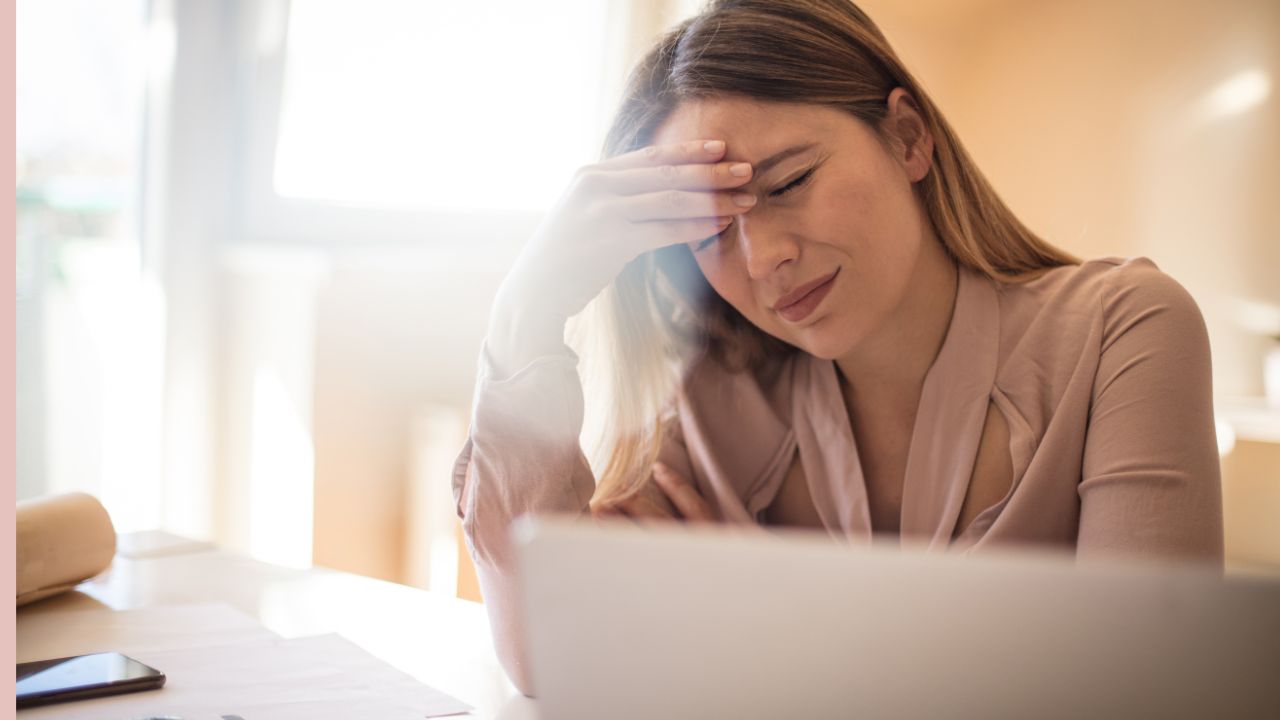
Migraines : Why Do Women Get Them More Than Men?

Migraines : Why Do Women Get Them More Than Men?
Migraines are a type of headache that can be severe and debilitating. They are characterized by intense throbbing pain on one side of the head, often accompanied by nausea, vomiting, and sensitivity to light and sound. Migraines can last for hours or even days, and they can have a significant impact on a person’s quality of life.

Women are more likely to experience migraines than men. In fact, women are three times more likely to suffer from migraines than men. There are a number of reasons why this is the case.

1. Hormones

One of the main reasons why women are more likely to experience migraines is due to hormones. Migraines are often triggered by changes in hormone levels, such as those that occur during menstruation, pregnancy, and menopause.

Estrogen is one hormone that is thought to play a role in migraines. Estrogen levels fluctuate throughout a woman’s menstrual cycle, and migraines are often triggered by these fluctuations. For example, many women experience migraines before or during their periods, when estrogen levels are low.

2. Genetics

Migraines also tend to run in families, suggesting that there is a genetic component to the condition. Women are more likely to inherit the genes that increase the risk of migraines than men.

3. Brain structure

There are some differences in brain structure between men and women that may also contribute to the higher prevalence of migraines in women. For example, women have a thicker cortex, which is the outer layer of the brain. The cortex is thought to play a role in migraine pain processing.

4. Other factors

Other factors that may contribute to the higher prevalence of migraines in women include:

Stress
Depression and anxiety
Sleep disturbances
Caffeine withdrawal
Certain foods and drinks, such as alcohol and chocolate

Treatment

There is no cure for migraines, but there are a number of treatments available that can help to reduce the frequency and severity of attacks. Treatment options include:

  • Over-the-counter pain relievers
  • Prescription medications
  • Preventive medications
  • Lifestyle changes, such as stress management and getting enough sleep

    If you experience migraines, it is important to see a doctor to get a diagnosis and discuss treatment options. There are a number of effective treatments available that can help you to manage your migraines and live a normal life.

Tagged : / / / / /

What Does Passing Clots During Periods Mean?

What Does Passing Clots During Periods Mean?
It is normal to pass clots during your period, especially if you have a heavy flow. Menstrual clots are formed when blood and tissue from the lining of the uterus (endometrium) shed during menstruation. The clots can vary in size and color, but they are usually nothing to worry about.

However, if you notice that you are passing large clots (larger than a quarter), or if you are passing clots on a regular basis, it is important to see a doctor. This could be a sign of an underlying medical condition, such as:

1. Fibroids: Fibroids are non-cancerous growths that can form in the uterus. They can cause heavy bleeding and large clots during menstruation.

2. Adenomyosis: Adenomyosis is a condition in which the endometrial tissue grows into the muscle wall of the uterus. This can cause heavy bleeding and pain during menstruation.

3. Endometriosis: Endometriosis is a condition in which endometrial tissue grows outside of the uterus. This can cause pain, heavy bleeding, and irregular periods.

4. Polyps: Polyps are growths that can form on the lining of the uterus or cervix. They can cause heavy bleeding and spotting between periods.

5. Ovarian cysts: Ovarian cysts are fluid-filled sacs that can form on the ovaries. They can cause pain, irregular periods, and heavy bleeding.

6. Pregnancy complications: Pregnancy complications, such as a miscarriage or ectopic pregnancy, can also cause heavy bleeding and large clots during menstruation.

If you are concerned about the clots you are passing during your period, it is important to see a doctor to rule out any underlying medical conditions.

How to Treat Menstrual Clots?

There is no one-size-fits-all treatment for menstrual clots. The best treatment for you will depend on the underlying cause of the clots and the severity of your symptoms.

If you have heavy bleeding and large clots, your doctor may recommend over-the-counter or prescription medications to help reduce your flow. In some cases, your doctor may recommend surgery to remove fibroids or polyps, or to treat endometriosis.

If you are pregnant and experiencing heavy bleeding and large clots, your doctor will closely monitor your pregnancy and provide you with the appropriate care.

How to Prevent Menstrual Clots?

There is no way to completely prevent menstrual clots. However, there are some things you can do to reduce your risk of passing clots, such as:

  • Maintaining a healthy weight: Being overweight or obese can increase your risk of heavy bleeding and large clots during menstruation.
  • Eating a balanced diet: Eating a healthy diet can help to regulate your hormones and reduce the risk of heavy bleeding and clots.
  • Getting regular exercise: Exercise can help to reduce stress and improve your overall health, which can also help to reduce the risk of heavy bleeding and clots.
  • Avoiding smoking and excessive alcohol consumption: Smoking and excessive alcohol consumption can increase your risk of heavy bleeding and clots.

    If you have any concerns about menstrual clots, be sure to talk to your doctor.

Tagged : / / / / /

Period Delaying Pills : How These Work And What Are Their Side Effects?

Period Delaying Pills : How These Work And What Are Their Side Effects?
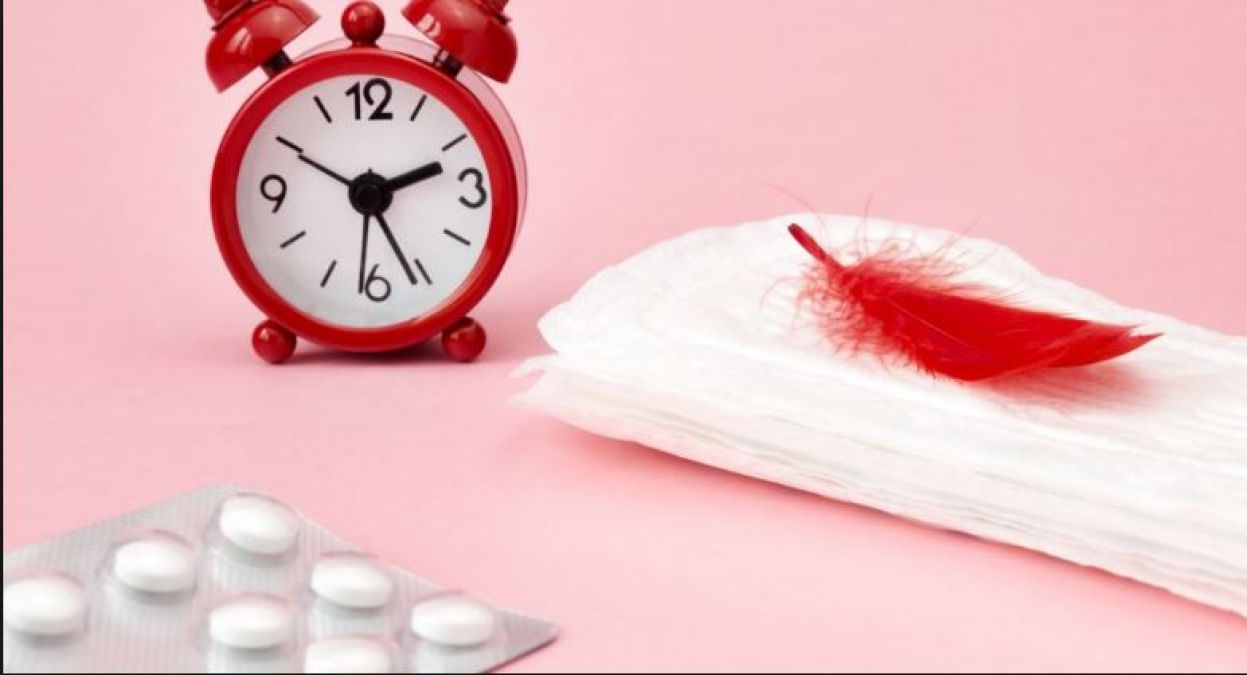
Period-delaying pills are a type of hormonal contraception that can be used to delay your period for up to 17 days. They are often used by women who need to delay their period for a special event, such as a vacation or a wedding.

Period-delaying pills work by increasing the levels of the hormone progesterone in your body. Progesterone is responsible for preventing ovulation, which is the release of an egg from the ovary. When you take period-delaying pills, your body continues to produce progesterone, which prevents ovulation and delays your period.

To delay your period, you will need to start taking period-delaying pills three to four days before your period is expected to start. You will need to continue taking the pills every day until you want your period to start. Once you stop taking the pills, your period will usually start within two to three days.

Period-delaying pills are generally safe for most women to use. However, there are some potential side effects, such as:

  • Breakthrough bleeding
  • Spotting
  • Nausea
  • Vomiting
  • Breast tenderness
  • Headaches
  • Mood changes                                                                                                             

It is important to note that period-delaying pills are not a method of contraception. They do not protect you from getting pregnant. If you are sexually active, you will need to use another form of contraception, such as condoms, while you are taking period-delaying pills.

Who should not take period-delaying pills?

Period-delaying pills are not suitable for everyone. You should not take period-delaying pills if you have any of the following conditions:

  • Blood clots
  • Stroke
  • Heart disease
  • High blood pressure
  • Liver disease
  • Kidney disease
  • Breast cancer
  • Endometriosis
  • Uterine fibroids
  • Vaginal bleeding of unknown cause                                                                         

If you are considering taking period-delaying pills, it is important to talk to your doctor first. Your doctor can help you decide if period-delaying pills are right for you and can discuss the potential risks and benefits.

Here are some additional things to keep in mind about period-delaying pills:

  • Do not take period-delaying pills more than once per cycle.
  • If you miss a dose of period-delaying pills, take it as soon as you remember.
  • However, if you are more than 12 hours late in taking a dose, you may not be able to delay your period.
  • If you experience any severe side effects from period-delaying pills, stop taking them and contact your doctor.

Overall, period-delaying pills are a safe and effective way to delay your period for a short period of time. However, it is important to talk to your doctor before taking period-delaying pills, especially if you have any underlying health conditions.

Tagged : / / / / / /

6 Ways to manage arthritis in women : How to reduce joint pain and inflammation?

6 Ways to manage arthritis in women : How to reduce joint pain and inflammation?
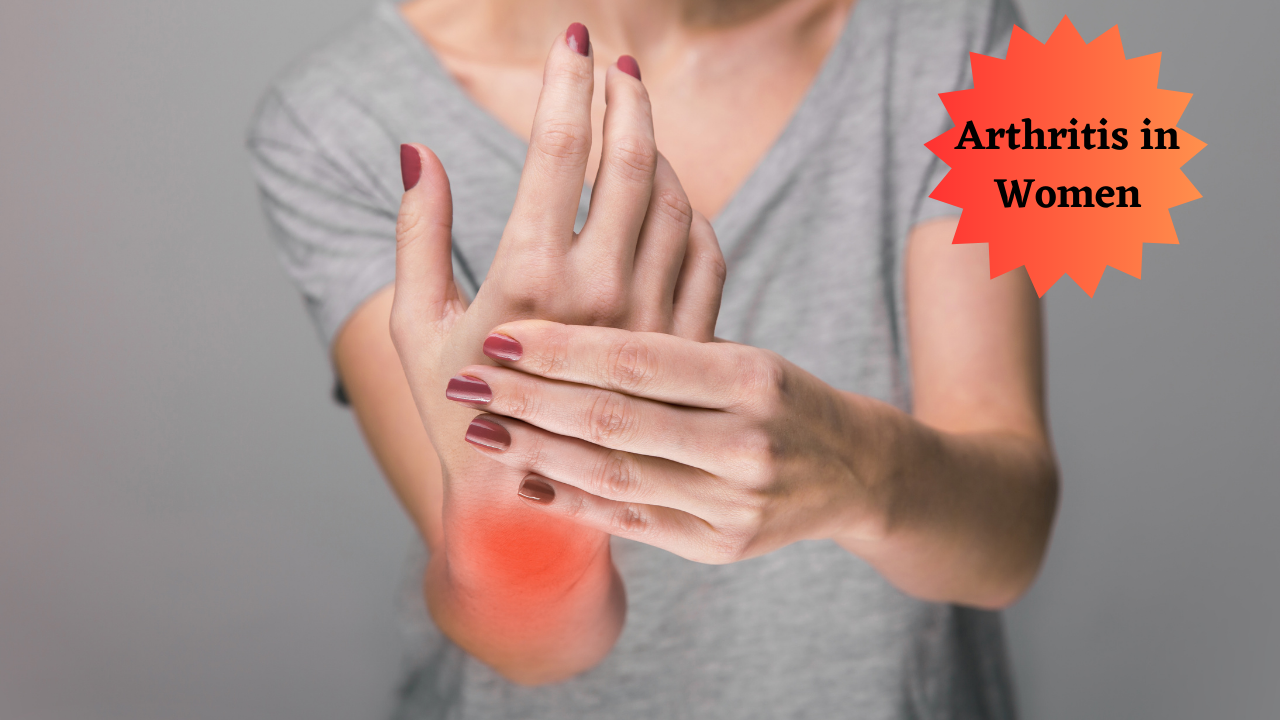
Arthritis is a common condition that affects millions of people worldwide. It is characterized by inflammation and pain in the joints. While there is no cure for arthritis, there are ways to manage the symptoms and reduce the risk of further joint damage.

Women are more likely to develop arthritis than men. Some of the most common types of arthritis in women include osteoarthritis, rheumatoid arthritis, and gout. Osteoarthritis is the most common type of arthritis and is caused by the breakdown of cartilage in the joints. Rheumatoid arthritis is an autoimmune disease that causes inflammation in the joints. Gout is a type of arthritis that is caused by a buildup of uric acid in the blood.

There are a number of things that women can do to reduce their risk of developing arthritis or to manage the symptoms of arthritis if they already have it. These include:

1 Maintaining a healthy weight. Being overweight or obese can put extra stress on the joints and increase the risk of developing arthritis.
2 Getting regular exercise. Exercise can help to keep the joints strong and flexible, which can help to reduce pain and inflammation.
3 Eating a healthy diet. Eating a diet that is rich in fruits, vegetables, and whole grains can help to reduce inflammation and improve overall health.
4 Quitting smoking. Smoking can damage cartilage and increase the risk of developing arthritis.
5 Managing stress. Stress can contribute to inflammation and make arthritis symptoms worse.
6 Taking medications as prescribed. If you have been diagnosed with arthritis, your doctor may prescribe medications to help manage the symptoms.
If you are concerned about your risk of developing arthritis, talk to your doctor. They can help you to assess your risk factors and develop a plan to reduce your risk.

Here are some additional tips that may help to reduce the risk of arthritis in women:

  • Wear supportive shoes. Wearing supportive shoes can help to reduce stress on the joints in your feet and ankles.
  • Use heat or cold therapy. Applying heat or cold to the affected joint can help to reduce pain and inflammation.
  • Get enough sleep. Sleep is important for overall health and well-being, and it can also help to reduce inflammation.
  • Manage stress. Stress can contribute to inflammation, so it is important to find healthy ways to manage stress, such as exercise, yoga, or meditation.
    If you have any questions or concerns about arthritis, please talk to your doctor.
Tagged : / / /
Verified by ExactMetrics