Period Delaying Pills : How These Work And What Are Their Side Effects?

Period Delaying Pills : How These Work And What Are Their Side Effects?
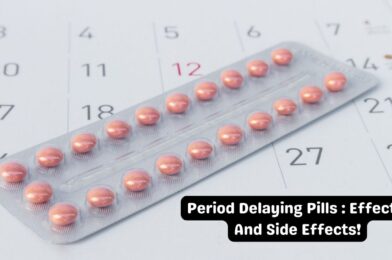
Period-delaying pills are a type of hormonal contraception that can be used to delay your period for up to 17 days. They are often used by women who need to delay their period for a special event, such as a vacation or a wedding.

Period-delaying pills work by increasing the levels of the hormone progesterone in your body. Progesterone is responsible for preventing ovulation, which is the release of an egg from the ovary. When you take period-delaying pills, your body continues to produce progesterone, which prevents ovulation and delays your period.

To delay your period, you will need to start taking period-delaying pills three to four days before your period is expected to start. You will need to continue taking the pills every day until you want your period to start. Once you stop taking the pills, your period will usually start within two to three days.

Period-delaying pills are generally safe for most women to use. However, there are some potential side effects, such as:

  • Breakthrough bleeding
  • Spotting
  • Nausea
  • Vomiting
  • Breast tenderness
  • Headaches
  • Mood changes                                                                                                             

It is important to note that period-delaying pills are not a method of contraception. They do not protect you from getting pregnant. If you are sexually active, you will need to use another form of contraception, such as condoms, while you are taking period-delaying pills.

Who should not take period-delaying pills?

Period-delaying pills are not suitable for everyone. You should not take period-delaying pills if you have any of the following conditions:

  • Blood clots
  • Stroke
  • Heart disease
  • High blood pressure
  • Liver disease
  • Kidney disease
  • Breast cancer
  • Endometriosis
  • Uterine fibroids
  • Vaginal bleeding of unknown cause                                                                         

If you are considering taking period-delaying pills, it is important to talk to your doctor first. Your doctor can help you decide if period-delaying pills are right for you and can discuss the potential risks and benefits.

Here are some additional things to keep in mind about period-delaying pills:

  • Do not take period-delaying pills more than once per cycle.
  • If you miss a dose of period-delaying pills, take it as soon as you remember.
  • However, if you are more than 12 hours late in taking a dose, you may not be able to delay your period.
  • If you experience any severe side effects from period-delaying pills, stop taking them and contact your doctor.

Overall, period-delaying pills are a safe and effective way to delay your period for a short period of time. However, it is important to talk to your doctor before taking period-delaying pills, especially if you have any underlying health conditions.
Tagged : / / / / / /

Foods that you should and shouldn’t eat during periods for an easy cycle

Foods that you should and shouldn’t eat during periods for an easy cycle
Menstruation is a natural part of life for women, but it can also come with a number of uncomfortable symptoms, such as cramps, fatigue, and mood swings. While there is no one-size-fits-all solution for managing period symptoms, eating a healthy diet can be a great way to help ease discomfort and improve overall health. .The importance of food during periods is often overlooked, but it can be a great way to manage symptoms and improve overall health. In this article, we will discuss about some specific recommendations for foods that can help boost energy, reduce cramps, and improve mood. We will also discuss some foods that may be best to avoid during your period.

FOODS YOU SHOULD EAT

1 Complex Carbohydrates : Fruits, veggies, and whole foods are always your friends, but they’re especially helpful when you’re menstruating. because fruit sugars like fructose, can aid in cravings for sweets. Try including carrots, cucumbers, corn, oranges, plums, pears, and apricots in your diet.

2 Magnesium-Rich: Consuming foods high in magnesium, such as beans, tofu, and peanuts, may help menstruating women feel less bloated.

3 Foods High in Calcium: At least three servings of foods high in calcium should be consumed each day, such as low-fat milk, cheese, yoghurt, and green vegetables.

Salmon and fortified milk are wonderful sources of vitamin D, but women can supplement their diet or take a daily multivitamin to make up the gap.

4 Enjoy Dark Chocolate: During your period, eating a piece of dark chocolate (with a cocoa bean content of 60% or more) every day will help reduce cravings. In addition, dark chocolate provides beneficial antioxidants and may increase serotonin, both of which can enhance mood.

5 Don’t forget to drink water; doing so will aid your body release any water retention and reduce bloating. Your body is holding onto water because it fears running out. Therefore, the body will release the water it is holding onto if you give it what it needs (more water).

FOODS YOU SHOULD NOT EAT

1 Caffeine: Cutting back on caffeine intake can help reduce bloating & calm an irritable stomach. Caffeine can increase stomach acid & be rough on sensitive intestines. If you want a rich-tasting coffee substitute, try a cup of tea.

2 Trans Fats: Packaged foods are your enemies when you’re menstruating. These food products contain trans fats, also known as hydrogenated oils, that cause inflammation in the body & excessive cramps while on periods.

3 Excess dairy: For some women, having too much dairy is not a good idea. Dairy products like milk, cheese, & ice cream contain arachidonic acid (an omega-6 fatty acid), which can increase inflammation & can intensify period pain in case of some women. So these women should avoid too much of dairy products.

Tagged : / / / /
Verified by ExactMetrics