Cycling vs Walking: Pedaling Away the Pounds or Pounding the Pavement?

Cycling vs Walking: Pedaling Away the Pounds or Pounding the Pavement?
When it comes to shedding pounds, two age-old contenders stand out: cycling and walking. Both offer a healthy dose of exercise, but which reigns supreme for weight loss? Let’s hop on our bikes and hit the pavement to find out!

Calorie Combustion: Cycling Takes the Lead

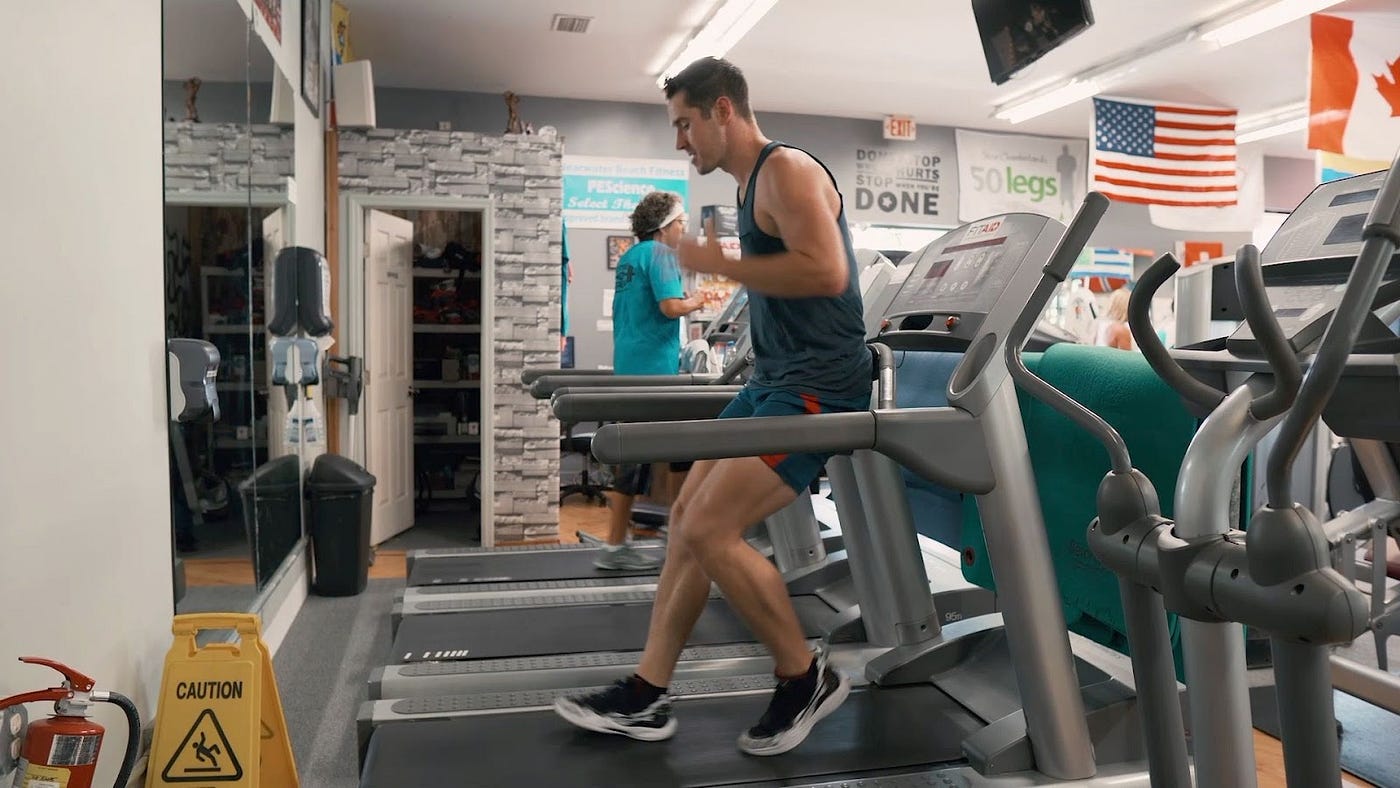
Cycling generally burns more calories per minute than walking. A 150-pound person can torch around 260 calories in 30 minutes of moderately paced cycling, compared to 130 calories for brisk walking. This calorie-blasting edge comes from engaging larger muscle groups in your legs and core. So, if you’re looking for a faster calorie burn, cycling might be your champion.

Fat-Burning Battleground: It’s a Tie (With Nuances)

While cycling burns more total calories, walking might have a slight edge in fat-burning. Walking, especially uphill or on uneven terrain, engages more stabilizing muscles and increases fat metabolism. Additionally, a study suggests walking might be better at targeting belly fat, a pesky culprit in health issues. Ultimately, both activities can help you lose fat, and the key lies in consistency and a calorie deficit.

Joint Journey: Walking Wins the Comfort Round

Walking is a low-impact exercise, making it gentler on your joints, especially the knees and ankles. This is particularly beneficial for people with joint pain or limited mobility. Cycling, while generally safe, can put some strain on the lower back and knees, especially with improper posture or on hilly terrain. So, if joint health is a concern, walking might be your smoother stride.
Mental Miles: Choose Your Mood Booster

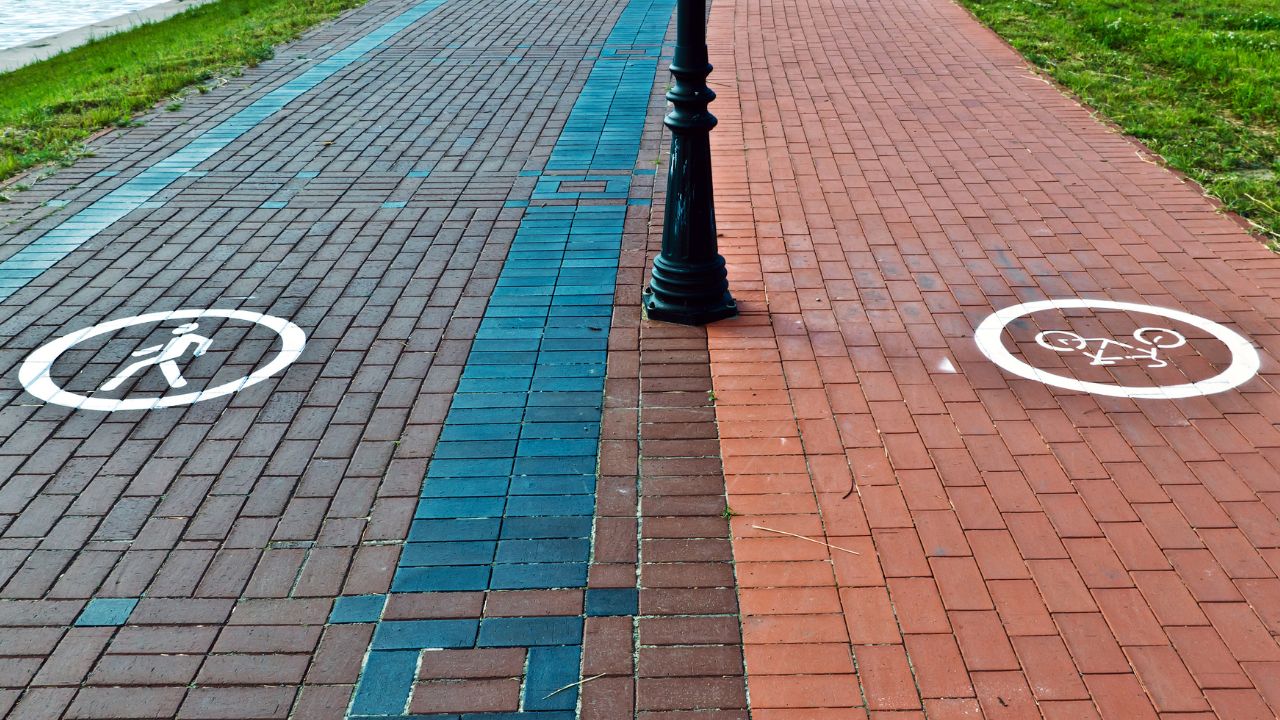
Both cycling and walking offer mental health benefits. Cycling can be exhilarating, providing a sense of freedom and speed. Walking, on the other hand, can be meditative and grounding, allowing you to connect with nature and your surroundings. Choose the activity that sparks joy and elevates your mood, as consistency is key for long-term weight loss success.

The Verdict: It’s a Draw!

Both cycling and walking are fantastic tools for weight loss, each with its own strengths and weaknesses. The best choice depends on your individual preferences, fitness level, and joint health. You can even mix and match both activities for a well-rounded workout routine. Remember, consistency is key, so find an activity you enjoy and stick with it!

Bonus Tip: Don’t forget about diet! A healthy, balanced diet combined with regular exercise is the ultimate recipe for weight loss success.

So, lace up your shoes or pump up your tires, and get ready to conquer your weight loss goals! Whether you choose to cycle or walk, remember, every step and pedal stroke counts!
Tagged : / / / / /

Why Walking Speed Matters More Than Hitting 10,000 Steps Per Day

Why Walking Speed Matters More Than Hitting 10,000 Steps Per Day
For decades, the magic number of 10,000 steps a day has been ingrained in our minds as the key to a healthy lifestyle. While getting your steps in is undeniably important, recent research suggests that focusing on your walking speed might actually be more beneficial for your health.

Here’s why:

Intensity Matters: It’s not just about quantity, but also about quality. Walking slowly for hours doesn’t offer the same health benefits as walking briskly for a shorter duration. And these benefits are:

1. Cardiovascular Health: A faster pace gets your heart rate up, promoting better cardiovascular health and lowering your risk of heart disease.

2. Reduced Risk of Chronic Diseases: Studies have shown that brisk walking can help reduce the risk of various chronic diseases like diabetes, cancer, and dementia.

3. Improved Fitness: Walking at a faster pace strengthens your muscles, improves bone density, and boosts your overall fitness level.

4. Calories Burned: Brisk walking burns more calories than walking slowly, aiding in weight management and promoting a healthy metabolism.

What’s the ideal walking speed?

While research suggests aiming for a brisk pace of around 3-4 miles per hour (5-6.5 kilometers per hour), the ideal speed ultimately depends on your individual fitness level and health goals. If you’re a beginner, start slowly and gradually increase your pace as you get fitter.

Here are some tips for incorporating brisk walking into your routine:

  • Start with a brisk walk for 10-15 minutes a day and gradually increase the duration and intensity.
  • Incorporate interval training by alternating between walking briskly and walking slowly for short periods.
  • Find a walking buddy or group to keep you motivated and accountable.
  • Listen to music or podcasts to make your walks more enjoyable.
  • Track your progress using a fitness tracker or app.

    Remember, consistency is key. Even if you don’t hit 10,000 steps every day, making time for regular brisk walks can significantly benefit your health and well-being. By focusing on both quantity and quality, you can unlock the full potential of walking and take a step towards a healthier and happier you.

Tagged : / / / / /

6 Benefits of Backward Walking

6 Benefits of Backward Walking
Walking is a great way to get exercise and stay healthy. But did you know that backward walking can also offer a number of benefits? Backward walking is something that you must have seen the kids doing for the sake of fun and enjoyment and you might not have given it a thought but backward walking is indeed a wonderful exercise for you.

Here are 6 benefits of backward walking:

1. Improves balance and coordination
Backward walking requires you to use different muscles and coordination than forward walking. This can help to improve your balance and coordination.

2. Strengthens your core
Backward walking helps to strengthen your core muscles, which are important for maintaining good posture and preventing back pain.

3. Reduces the risk of falls
Backward walking can help to reduce the risk of falls, especially in older adults. This is because it helps to improve balance and coordination.

4. Burns more calories
Backward walking burns more calories than forward walking. This is because it requires more effort to move your body backwards.

5. Helps to overcome knee pain
Backward walking puts less stress on the knees than forward walking. This can be helpful for people who are recovering from knee pain or who have knee arthritis.

6. Improves heart health
Backward walking can help to improve heart health by increasing blood flow and circulation. It can also help to reduce the risk of heart disease and stroke.

If you are looking for a new way to get exercise, backward walking is a great option. It is a low-impact activity that can be enjoyed by people of all fitness levels.

Here are some tips for backward walking:

  • Start slowly and gradually increase the distance you walk backwards.
  • Make sure to keep your back straight and your core engaged.
  • Look ahead and focus on where you are going.
  • If you feel dizzy or unbalanced, stop and rest.
    With a little practice, you will be backward walking like a pro in no time!
Tagged : / / / /
Verified by ExactMetrics