5 Health Benefits of Black Carrots: Nature’s Hidden Gems

5 Health Benefits of Black Carrots: Nature’s Hidden Gems
Black carrots, with their striking dark purple color, are gaining popularity not just for their unique appearance, but also for their impressive health benefits. Packed with powerful antioxidants and essential nutrients, these colorful beauties offer a variety of advantages for your well-being. Let’s explore five key benefits of black carrots:

1. Vision Boost: Black carrots are rich in anthocyanins, the same pigments that give blueberries their vibrant color. These antioxidants have been shown to improve eye health and protect against age-related macular degeneration and cataracts.

2. Weight Management: Black carrots are high in fiber, which helps you feel full for longer and promotes digestive health. This can be beneficial for weight management as it reduces cravings and controls calorie intake.

3. Improved Heart Health: The anthocyanins in black carrots help protect against cardiovascular diseases by lowering bad cholesterol levels and reducing inflammation. Additionally, black carrots are a good source of potassium, which is essential for maintaining healthy blood pressure.

4. Skin Health: The antioxidants in black carrots help protect your skin from harmful UV rays and environmental damage. They also promote collagen production, which keeps your skin looking youthful and radiant.

5. Stronger Immune System: Black carrots are rich in vitamin C, a powerful antioxidant that boosts your immune system and helps your body fight off infections and diseases.

In addition to these benefits, black carrots are also a good source of vitamins A, K, and B vitamins. They are also low in calories and fat, making them a healthy and nutritious addition to your diet.

Here are some ways to enjoy the benefits of black carrots:

  • Eat them raw as a snack or add them to salads.
  • Juice them and enjoy them fresh.
  • Roast them and add them to stir-fries or soups.
  • Use them to make black carrot cake or muffins.
    With its vibrant color and impressive health benefits, the black carrot is a hidden gem that deserves a place in your diet. So, next time you’re at the grocery store, be sure to pick up a bunch of these colorful beauties and experience their amazing benefits for yourself.

Tagged : / / / /

Fueling Your Fight: How Nutrition Can Boost Your Immune System During Sickness

Fueling Your Fight: How Nutrition Can Boost Your Immune System During Sickness
With autumn’s arrival comes the dreaded cold and flu season. As temperatures drop, so do our immune defenses, making us more susceptible to these unwelcome visitors. While there’s no magic bullet to prevent illness entirely, proper nutrition can play a vital role in strengthening your immune system and helping your body fight back.

Food for Defense: Key Nutrients to Boost Immunity
1. Vitamin C
This antioxidant powerhouse is renowned for its immune-boosting properties. Citrus fruits like oranges and grapefruits are excellent sources, but don’t forget about bell peppers, broccoli, and strawberries.

2. Vitamin D
Often dubbed the “sunshine vitamin,” Vitamin D plays a crucial role in regulating immune function. Fatty fish like salmon and tuna are rich sources, as are fortified milk and egg yolks.

3. Zinc
This essential mineral is vital for cell growth and immune function. Oysters, beef, and pumpkin seeds are excellent dietary sources of zinc.

4. Probiotics
These “good bacteria” residing in our gut play a crucial role in overall health, including immune function. Fermented foods like yogurt, kimchi, and sauerkraut are excellent sources.

5. Protein
This building block of life is essential for building and repairing tissues, including immune cells. Lean protein sources like poultry, fish, and legumes are key dietary components.

Beyond the Plate: Additional Tips for Immune Support

i. Hydration is Key: Water is essential for overall health and immune function. Aim to drink eight glasses of water daily, especially during cold and flu season.

ii. Prioritize Sleep: Sleep deprivation can weaken your immune system. Aim for 7-8 hours of quality sleep each night.

iii. Manage Stress: Chronic stress can negatively impact your immune system. Practice stress-reducing techniques like yoga, meditation, or deep breathing exercises.

iv. Move Your Body: Regular exercise helps boost your immune system and overall health. Aim for at least 30 minutes of moderate-intensity exercise most days of the week.

v. Consider Supplements: While a balanced diet should provide most essential nutrients, some individuals may benefit from supplements like Vitamin D or Zinc, especially during cold and flu season. Consult your doctor before starting any supplements.

Remember: A healthy immune system is your body’s best defense against colds and flu. By incorporating these nutritional and lifestyle changes into your routine, you can empower your immune system and stay strong during cold and flu season.

Tagged : / / / / /

5 Simple Habits To Keep Your Leg Muscles Healthy And Running Strong

5 Simple Habits To Keep Your Leg Muscles Healthy And Running Strong
ur legs are the workhorses of our bodies, carrying us throughout the day and allowing us to participate in activities we enjoy. Keeping them strong and healthy is essential for maintaining mobility, preventing injuries, and optimizing performance. Here are five simple habits you can incorporate into your daily routine to keep your leg muscles healthy and running strong:

1. Stretch Regularly

Stretching is crucial for improving flexibility and range of motion, reducing muscle stiffness, and preventing injuries. Make it a point to stretch your legs for at least 10-15 minutes daily, focusing on major muscle groups like hamstrings, quadriceps, calves, and glutes. Hold each stretch for 30-60 seconds and repeat 2-3 times.

2. Engage in Strength Training

Building strong leg muscles is essential for supporting your body weight, absorbing impact, and preventing injuries. Include strength training exercises like squats, lunges, calf raises, and leg presses in your workout routine at least twice a week. Start with lighter weights and gradually increase intensity as your muscles get stronger.

3. Fuel Your Body Properly

Providing your body with the right nutrients is vital for muscle growth and recovery. Ensure you consume a balanced diet rich in protein, carbohydrates, and healthy fats. Protein is essential for building and repairing muscle tissue, while carbohydrates provide energy for workouts. Healthy fats promote overall health and contribute to muscle function.

4. Stay Hydrated

Water plays a crucial role in transporting nutrients to your muscles and aiding in muscle recovery. Aim to drink eight glasses of water daily, especially before, during, and after workouts.

5. Get Enough Sleep

Sleep is essential for muscle growth and repair. When you sleep, your body releases hormones that help your muscles recover from exercise and grow stronger. Aim for 7-8 hours of quality sleep each night.

Bonus Tip:
In addition to these habits, consider incorporating activities like walking, running, cycling, or swimming into your routine. These activities are excellent ways to engage your leg muscles in a cardio-focused workout, promoting overall health and fitness.

By incorporating these simple habits into your daily life, you can strengthen your leg muscles, reduce your risk of injuries, and keep your body running strong for years to come. Remember, consistency is key, so make these habits a regular part of your routine to reap the benefits.

Tagged : / / / /

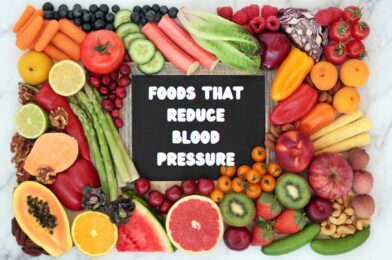
Not Just Beetroot, Banana, These Foods Too Lower Your Blood Pressure Naturally

Not Just Beetroot, Banana, These Foods Too Lower Your Blood Pressure Naturally
High blood pressure, also known as hypertension, affects millions worldwide. While medication plays a crucial role in managing this condition, incorporating certain foods into your diet can also significantly contribute to lowering blood pressure. Here are five naturally potent options:

1. Beetroot
This vibrant root vegetable is rich in nitrates, which your body converts into nitric oxide. This essential molecule helps relax and dilate blood vessels, leading to improved blood flow and reduced blood pressure. Enjoy beetroot roasted, juiced, or added to salads and soups.

2. Potassium Powerhouse: Bananas
Bananas are renowned for their high potassium content. Potassium helps counteract the negative effects of sodium on blood pressure by relaxing blood vessel walls. Aim for one to two bananas daily to reap the benefits.

3. Leafy Greens
Spinach, kale, and other leafy greens are packed with nutrients beneficial for blood pressure control. They’re rich in potassium, magnesium, and nitrates, which work together to promote relaxation and reduce blood pressure. Incorporate these greens into your diet through salads, smoothies, or stir-fries.

4. Berries
These antioxidant-rich fruits offer a delicious way to support your blood pressure health. Berries are low in sodium and high in potassium and fiber, contributing to improved blood vessel function and reduced inflammation. Enjoy a handful of berries as a snack or add them to your yogurt or oatmeal.

5. The Heart-Healthy Nut: Almonds
These crunchy nuts are packed with magnesium, potassium, and healthy fats that benefit heart health. Including almonds in your diet can help lower blood pressure and improve overall cardiovascular health. Enjoy a handful of almonds as a snack or incorporate them into recipes like salads and trail mix.

Remember, incorporating these foods into your diet alongside a healthy lifestyle can significantly contribute to managing your blood pressure. Consult your doctor for personalized advice on how to manage your blood pressure effectively.

Tagged : / / / /

How Stress Eating Leads To Weight Gain? Follow These 8 Tips To Combat It

How Stress Eating Leads To Weight Gain? Follow These 8 Tips To Combat It
Stress eating is a common phenomenon where individuals turn to food for comfort and relief during times of stress or emotional turmoil. While it may provide temporary solace, stress eating can lead to long-term consequences, including weight gain. This blog delves into the science behind stress eating and its impact on weight, offering eight practical tips to combat this unhealthy habit.

Understanding the Science of Stress and Appetite

When we are stressed, our bodies release hormones like cortisol, adrenaline, and norepinephrine. These hormones trigger the “fight-or-flight” response, preparing us to deal with the perceived threat. As part of this response, cortisol also stimulates the appetite, leading us to crave calorie-dense foods high in fat, sugar, and salt. These foods provide a quick burst of energy and help us feel momentarily better, but they can contribute to weight gain over time.

The Weight Gain Connection

Stress eating often leads to consuming more calories than we burn, resulting in a calorie surplus. This surplus is stored as fat, leading to gradual weight gain. Additionally, stress can disrupt sleep patterns and impair our body’s ability to regulate hormones like insulin, further contributing to weight gain.

8 Tips to Combat Stress Eating

Fortunately, there are several effective strategies to combat stress eating and prevent its negative consequences. Here are eight practical tips you can try:

1. Identify Your Stress Triggers: What situations or emotions make you crave unhealthy foods? Once you identify your triggers, you can develop healthier coping mechanisms like taking a walk, listening to music, or practicing relaxation techniques.

2. Plan Your Meals and Snacks: Planning ahead ensures you have healthy food readily available, reducing the temptation to reach for unhealthy options when stressed. Stock your pantry and fridge with nutritious snacks like fruits, nuts, and yogurt.

3. Practice Mindful Eating: Be present in the moment while eating. Pay attention to your body’s hunger and fullness cues. Eat slowly and savor your food, allowing yourself to experience real satisfaction from healthy meals.

4. Prioritize Regular Exercise: Physical activity is a potent stress reliever. Aim for at least 30 minutes of moderate-intensity exercise most days of the week. Whether it’s going for a brisk walk, running, or dancing, exercise helps reduce stress hormones and improve mood.

5. Ensure Adequate Sleep: Chronic sleep deprivation can increase stress and cortisol levels, promoting stress eating. Aim for 7-8 hours of quality sleep each night to improve your body’s ability to cope with stress in a healthy way.

6. Limit Alcohol Consumption: Alcohol can worsen stress and impair judgment, making it difficult to resist unhealthy cravings. Consider limiting or avoiding alcohol altogether to better manage stress eating.

7. Seek Social Support: Surround yourself with positive and supportive individuals who can offer emotional support and help you navigate stressful situations.

8. Consider Professional Help: If you struggle to manage stress eating on your own, don’t hesitate to seek help from a therapist or registered dietitian. They can provide personalized guidance and support to develop healthier coping mechanisms and address the underlying causes of stress eating.

Remember, breaking the cycle of stress eating requires consistent effort and self-compassion. By implementing these tips and prioritizing your well-being, you can effectively combat stress eating and achieve your weight and health goals.

Tagged : / / /

Effective Home Remedies To Get Rid Of Dandruff From Your Kid’s Scalp

Effective Home Remedies To Get Rid Of Dandruff From Your Kid’s Scalp
Dandruff can be a frustrating and embarrassing condition, especially for a child. While it’s usually harmless, it can be itchy and uncomfortable. Luckily, there are several effective home remedies that can help get rid of dandruff from your kid’s scalp.

1. Coconut Oil

Coconut oil is a natural moisturizer and anti-inflammatory agent that can help soothe the scalp and reduce flaking. To use, apply a few tablespoons of coconut oil to your child’s scalp and massage it in. Leave it on for at least 30 minutes before shampooing it out.

2. Apple Cider Vinegar

Apple cider vinegar is another natural remedy that can help fight dandruff. It has anti-fungal and anti-bacterial properties that can help kill the yeast that causes dandruff. Mix equal parts apple cider vinegar and water in a spray bottle. Spray the mixture on your child’s scalp and let it sit for 15 minutes before shampooing it out.

3. Tea Tree Oil

Tea tree oil is a powerful essential oil that has anti-fungal and anti-inflammatory properties. It can be used to treat a variety of skin conditions, including dandruff. Mix 2-3 drops of tea tree oil with a tablespoon of carrier oil, such as jojoba or almond oil. Apply the mixture to your child’s scalp and massage it in. Leave it on for 30 minutes before shampooing it out.

4. Baking Soda

Baking soda is a natural exfoliant that can help remove dead skin cells and flakes from the scalp. To use, wet your child’s hair and sprinkle a small amount of baking soda on their scalp. Massage it in for a few minutes before rinsing it out.

5. Aloe Vera

Aloe vera is a natural soothing agent that can help reduce inflammation and irritation. It can also help condition the hair and scalp. Apply a small amount of aloe vera gel to your child’s scalp and massage it in. Leave it on for 30 minutes before shampooing it out.

In addition to the home remedies above, there are a few other things you can do to help get rid of dandruff from your child’s scalp:

  • Use a mild shampoo. Avoid harsh shampoos that can strip the scalp of its natural oils.
  • Wash your child’s hair regularly. This will help remove dead skin cells and flakes from the scalp.
  • Brush your child’s hair regularly. This will help to stimulate the scalp and distribute natural oils.
  • Avoid using too much heat on your child’s hair. Heat can dry out the scalp and make dandruff worse.
  • Keep your child’s hair clean and dry. This will help prevent the growth of yeast and bacteria that can cause dandruff.

    If your child’s dandruff is severe or doesn’t improve with home treatment, consult with a pediatrician or dermatologist. They can diagnose the underlying cause of your child’s dandruff and recommend the best treatment options.

It’s important to remember that everyone is different, and what works for one child may not work for another. If you find that one home remedy doesn’t work, try another. You may need to experiment a bit to find what works best for your child.

With a little patience and persistence, you can help your child get rid of dandruff and enjoy healthy, flake-free hair.

Tagged : / / / / /
Verified by ExactMetrics